
REVIEW · AMSTERDAM
Amsterdam: Architektur Er-fahren
A bike beats a bus when you want to see Amsterdam’s architecture close up. This tour strings together historic canal buildings, modern design, and real water-smart engineering, all while you ride along the IJ. I especially like how you learn to read details in canal-side warehouses and then spot the same thinking in newer projects.
One heads up: this is for people who can actually bike comfortably, and it runs rain or shine, so plan for wet streets and don’t count on long stops.
I also like the guide style. You get a steady stream of practical context about Dutch life, plus amusing stories and lots of laughter about the relationship between people, water, and buildings. The only drawback is that bike comfort matters, since you are on the saddle for most of the 2.5 hours.
In This Review
- Key highlights you will feel on the ride
- Why Amsterdam architecture feels clearer from a bicycle
- Beursplein/Damrak to Amsterdam Central: the water-view architecture warm-up
- Canals, warehouses, and the smart contrast between old and new
- Award-winning design plus real housing needs, not just architecture talk
- Industrial edges, picturesque sides, and why the Western Islands matter
- How the guide’s German commentary makes the buildings easier to see
- What houseboats and water-smart design teach you about Amsterdam
- Practical matters: 2.5 hours, $46 value, and your bike needs
- Who should book Architektur Er-fahren, and who should skip it
- Should you book Amsterdam: Architektur Er-fahren?
- FAQ
- What language is the guided tour?
- How long is the bike tour?
- How much does the tour cost?
- Where do I meet the guide?
- Is bike hire included?
- What should I bring?
- Does the tour run in bad weather?
- Do I need my own bicycle?
- Is the tour suitable if I cannot ride a bike?
- Is there a cancellation option?
Key highlights you will feel on the ride
- Canal houses to an award-winning new build, so you see Amsterdam’s past and present in one loop
- Riding along the IJ and toward Amsterdam Central, with water views that make architecture easier to understand
- Historic demolition plus new construction, showing how the city changes under pressure
- Houseboats and Western Islands, for a different kind of Amsterdam housing and design logic
- Industrial vs. picturesque architecture, with contrasts that make the city’s planning choices click
Still weighing this one up? Here is what else we have reviewed around Amsterdam.
- Amsterdam Classic Saloon Boat Cruise with Drinks and Cheese★ 5.0 · 31,825 reviews
- Amsterdam Luxury Canal Cruise + Unlimited Drinks & Bites option★ 5.0 · 30,518 reviews
- Amsterdam: Heineken Experience Ticket★ 4.6 · 30,055 reviews
- Amsterdam: Rijksmuseum Entry Ticket★ 4.7 · 25,535 reviews
Why Amsterdam architecture feels clearer from a bicycle
Amsterdam’s buildings are not just pretty. They are solutions. When you move through the city by bike, the “why” behind the architecture becomes easier to notice: where land is difficult, how water changes building choices, and how neighborhoods grow.
You start with the most logical background you can ask for: the tour is built around the city’s tight relationship with water. As you ride, the guide keeps pointing out how structures respond to the same constraints from different eras, from older canal houses to more recent projects. That connection is what makes the tour useful, even if you are not an architecture superfan.
Beursplein/Damrak to Amsterdam Central: the water-view architecture warm-up
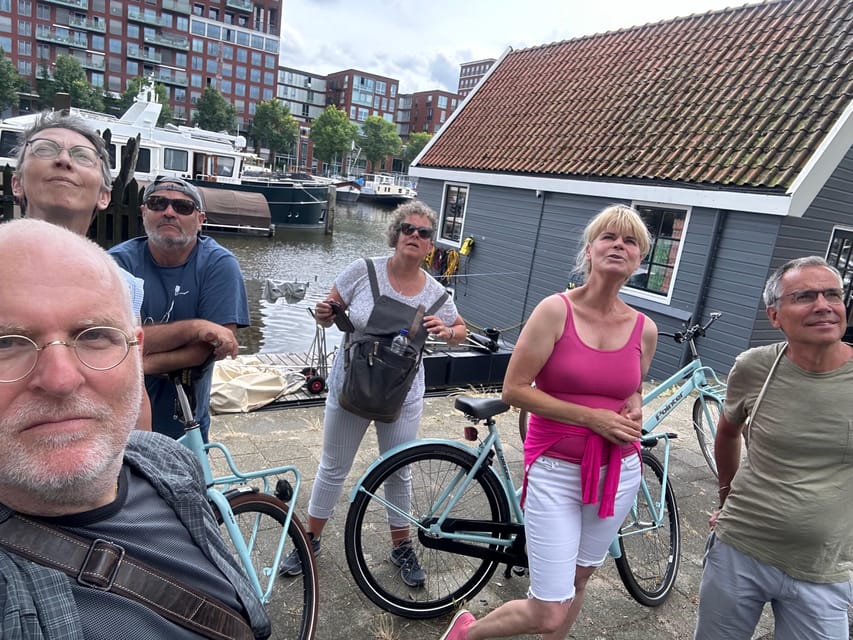
You meet your German guide at Beursplein/Damrak, and you know it is them because they wear a black and white striped band around their neck. From there, you cycle toward the IJ and Amsterdam Central, tracking along the water to reach some of the best viewpoints.
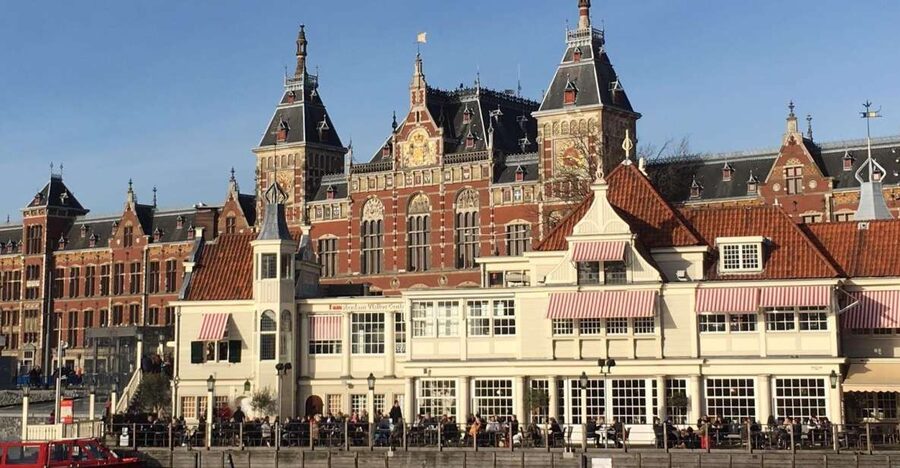
This opening stretch matters because it sets the visual rules. Along the IJ and near the Central area, you get angles that show how buildings face waterways and how the city organizes itself around moving water and cargo routes. You also get the feeling of scale, since warehouses and canal-side structures look different when you can glide past them at bike speed rather than stand still.
A small practical note: there is a lot to take in quickly at the start. If you want photos, you need to be ready to stop safely or shoot while rolling, because you are cycling through key spots rather than hanging around for long.
Canals, warehouses, and the smart contrast between old and new
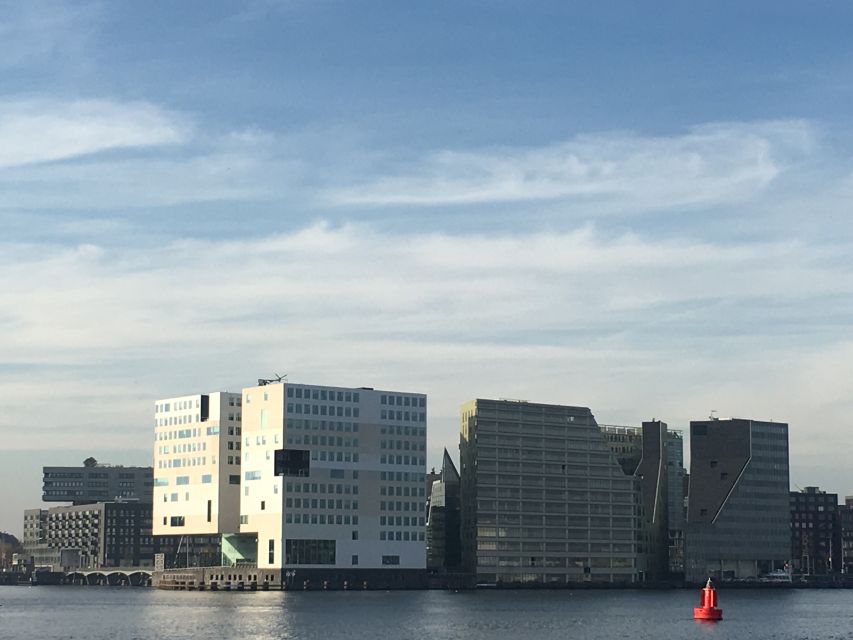
A big part of the experience is learning how to compare eras without getting lost in style alone. You go past historic canals and warehouses, then shift toward modern architecture and buildings with innovative solutions in both function and design.
What makes this contrast valuable is that it is not only about beauty. The guide frames what you are seeing as practical city thinking. Older canal-side buildings show one kind of adaptation, while newer work shows a different adaptation: coping with space limits, changing needs, and the pressure of a rapidly growing population.
You also get a moment that connects change to consequence. The tour includes an example of a historic demolition tied into the story of newer construction. That helps you understand that redevelopment in Amsterdam is not a clean break. It is a layered process, with the city reworking itself as it grows.
Award-winning design plus real housing needs, not just architecture talk
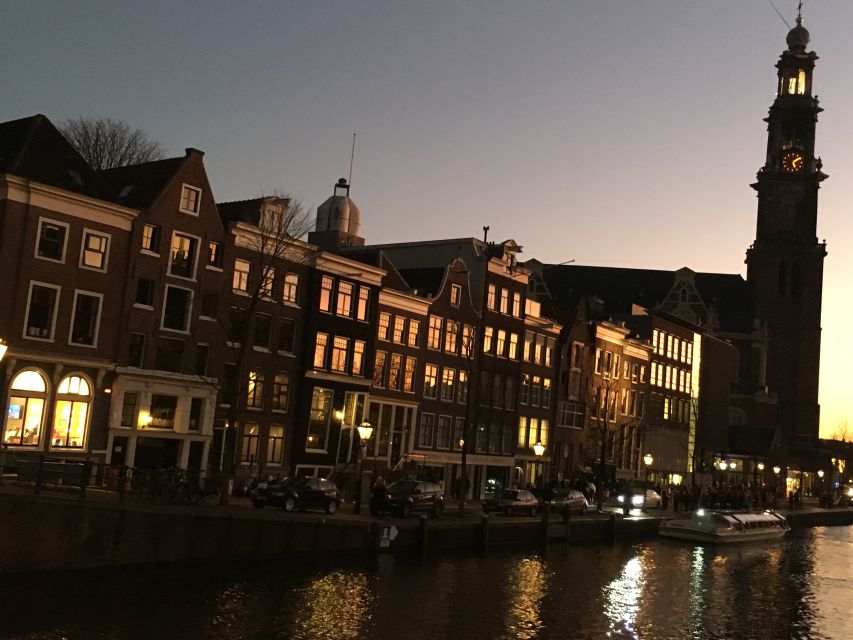
One of your route promises is a move from canal houses to a prize-winning new construction project. The practical value here is learning what “good architecture” means in Amsterdam. It is not only about the face of a building. It is about how it works in tight conditions.
The tour also highlights a theme you will keep seeing around town: the need for social housing and luxury housing combined. That might sound like a slogan, but on a ride it becomes a way to interpret neighborhoods. You start to notice how different housing types can share design logic, public space edges, and access patterns even when the target residents differ.
And the guide keeps bringing it back to the real constraints Amsterdam faces. You talk about problematic land conditions and how water influences what is possible. Once you have that context, new buildings start to look less like random “modern stuff” and more like carefully engineered answers to the city’s long-standing challenges.

Industrial edges, picturesque sides, and why the Western Islands matter
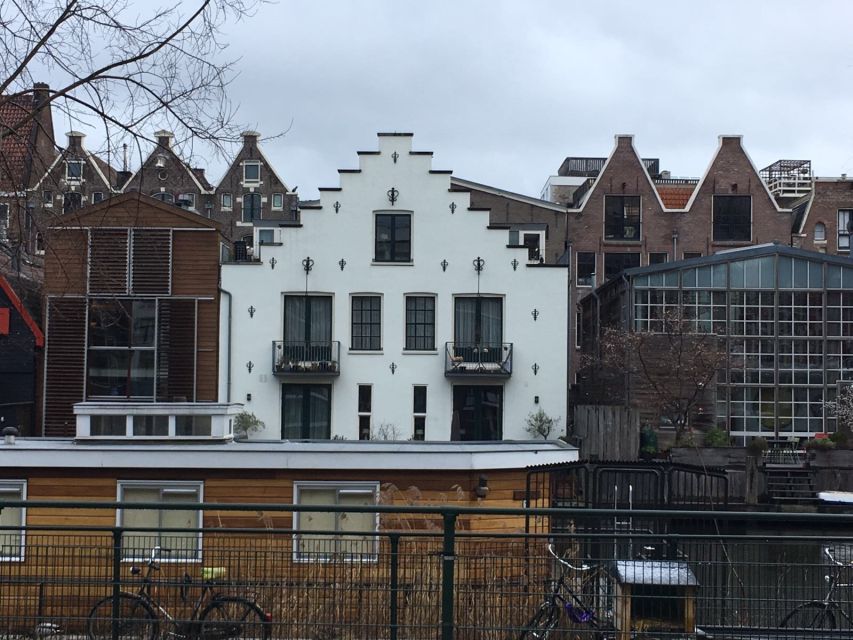
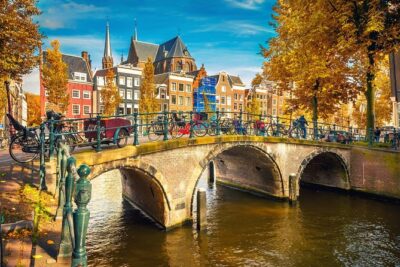
Amsterdam can look uniform until you zoom in on the details. One of the tour’s strengths is making you compare industrial and picturesque architecture side by side. You are not just told to notice the contrast, you are guided to see it in the physical layout: materials, building forms, and the way structures sit near water and infrastructure.
Then you head to the Amsterdam Western Islands. This part is especially interesting because it changes the rhythm of what you see. Instead of only thinking in terms of the postcard center, you get a view of Amsterdam that feels more functional and experimental.
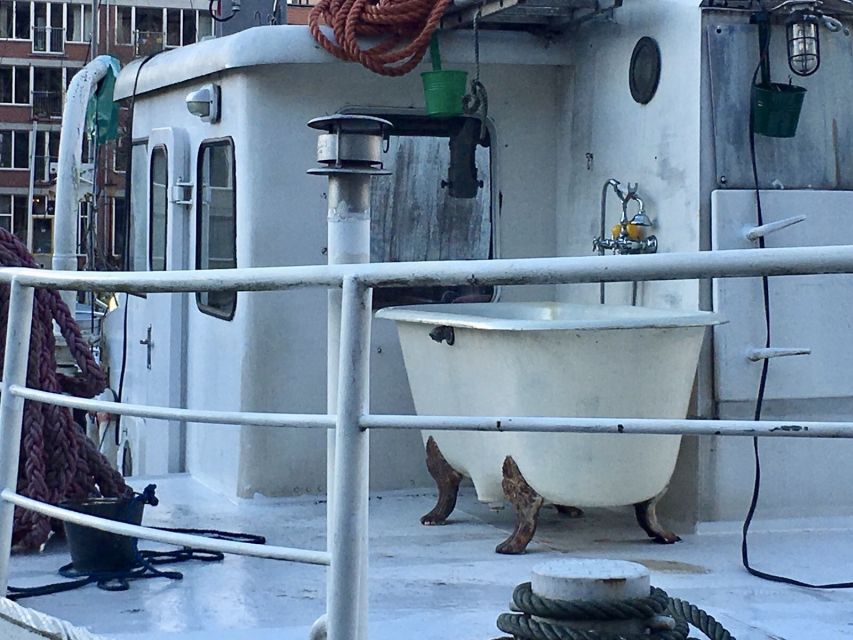
You also get houseboats as part of the picture. Houseboats matter in Amsterdam architecture discussions because they show how housing can respond to water in a literal way. Watching how these homes fit into the wider city helps you understand that in Amsterdam, water is not just scenery. It is a housing neighbor and a planning factor.
The Western Islands also make the earlier engineering theme feel real. When the guide talks about water conditions and population pressure, the island setting reinforces what those problems look like in everyday urban space.
How the guide’s German commentary makes the buildings easier to see
This is a small group tour, limited to 10 participants, with a live guide who speaks German. That size matters. You can actually hear the explanations, and you can ask questions instead of being trapped in a loud crowd.
From the way the tour is described, the guide is not just handing out facts. They connect the architecture to general life and history in Amsterdam, and they sprinkle in amusing stories. I like this approach because it turns “points of interest” into understanding.
You also get the kind of education that follows you after the tour. One reason the experience gets strong feedback is that the knowledge you gain helps you transfer it to other buildings you see later. That is the best kind of tour learning. It changes how you look at your own walking route afterward.
If you want a simple tactic, use this rule when the guide points out details: ask yourself what problem the design seems to solve. Is it about water? Access? Space limits? Then try to spot that solution in the next building.
What houseboats and water-smart design teach you about Amsterdam
Amsterdam is famous for canals, but this tour goes deeper into the logic behind them. You spend time dealing with the “problem set” Amsterdam lives with: land conditions that are not straightforward, water management, and the need to fit more people into a city that cannot expand endlessly.
Houseboats help you see the scale of that logic. They show a way of building that accepts water as part of the living system. Even if you are not fascinated by boats, they make it harder to think of Amsterdam as land-only city planning.
The tour also emphasizes innovative solutions in both function and design. That phrase can feel vague until you are cycling past examples. You start to recognize what innovative means here: practical responses to water pressure, durability, and the way residents actually use space.
And when you notice those themes, the tour becomes more than a ride. It becomes a mental tool for your whole trip.
Practical matters: 2.5 hours, $46 value, and your bike needs
Let’s talk value honestly. The price is $46 per person for a 2.5-hour guided bike experience. That is often a decent deal in a city where high-quality interpretation usually costs more. The main reason this one feels like value is that you are getting focused guidance on architecture plus route-based context, not just a bike rental and a map.
But the cost also comes with a few realities:
- Bike hire is not included. You can usually find bikes to rent in the city, often in the range of about €5 to €25, depending on the option you choose.
- Your own bike (or rented bike) needs to be functional and roadworthy, since you are cycling in active street conditions.
Because it is scheduled for 2.5 hours, you should plan to keep your energy up. The tour does not include food and drinks, so bring water. You will be happier if you start with a full stomach and treat the ride like sightseeing with some pace, not a slow cruise.
Also remember: it runs rain or shine. That means comfortable shoes with grip, weather-appropriate clothing, and a plan for damp conditions. If your bike setup is slick or your shoes are not suited for wet streets, you will feel it.
Who should book Architektur Er-fahren, and who should skip it
This tour is best for you if you:
- enjoy architecture and want the “why” behind design choices
- like cycling and want a route that takes you beyond the most obvious viewpoints
- want a way to understand Amsterdam water and city planning quickly
It also works well for your first or second days in town, because the guide’s explanations and the contrast framework make the rest of your self-guided wandering smarter.
Skip it if you:
- cannot ride a bike confidently
- are hoping for a slow paced walking tour with long breaks
- expect indoor time or shelter from weather, since it runs in rain or shine
One more filter: the tour is not for intoxication, alcohol, or drugs. That is not a vibe issue. It is a safety and group experience issue, and it keeps the ride comfortable.
Should you book Amsterdam: Architektur Er-fahren?
Book it if you want a bike-based, explanation-driven way to see Amsterdam’s architecture as problem-solving. You are paying for guided interpretation plus a route that takes in canals, warehouses, modern projects, houseboats, and the Western Islands. If you care about architecture but also want practical city context you can carry with you, this tour fits.
Consider passing if you hate biking for any reason, or if you want a food-focused experience or long photo stops. And if weather can stress you out, make sure you are genuinely prepared for wet streets.
If you are willing to pedal for 2.5 hours with a German guide and a small group, you should feel like you learned something real. Then you will look at Amsterdam differently the rest of your trip.
FAQ
What language is the guided tour?
The live tour guide speaks German.
How long is the bike tour?
The duration is 2.5 hours.
How much does the tour cost?
The price is listed as $46 per person.
Where do I meet the guide?
You meet at Beursplein/Damrak. The guide has a black and white striped band around their neck.
Is bike hire included?
No. Bike hire is not included in the price. You can usually rent bikes in Amsterdam for around €5 to €25.
What should I bring?
Bring comfortable shoes, water, comfortable clothes, and weather-appropriate clothing.
Does the tour run in bad weather?
Yes. The tour takes place rain or shine.
Do I need my own bicycle?
You need a functional and roadworthy bicycle. The tour notes that you can use your own vehicle, or hire a bike locally.
Is the tour suitable if I cannot ride a bike?
No. It is not suitable for people who cannot ride a bike.
Is there a cancellation option?
Yes. Free cancellation is offered up to 24 hours in advance for a full refund.
Also Reviewed Around Amsterdam




Fresh off the review pile in Amsterdam
- Full-Day Trip From Amsterdam to Keukenhof, Zaanse Schans + Cruise
★ 5.0 · 3 reviews - Boutique Dutch Food & History Tour with up to 8 guests only
★ 5.0 · 3 reviews - Private Tour to Windmills Zaanse Schans +Keukenhof – 7 Hours
★ 5.0 · 3 reviews - Full-Day Private Guided Countryside Tour from Amsterdam by Bike
★ 5.0 · 3 reviews - Amsterdam Red Light District and Old Town Walking Tour
★ 5.0 · 3 reviews