
REVIEW · AMSTERDAM
Amsterdam: ARTIS-Micropia Microbe Museum Entry Ticket
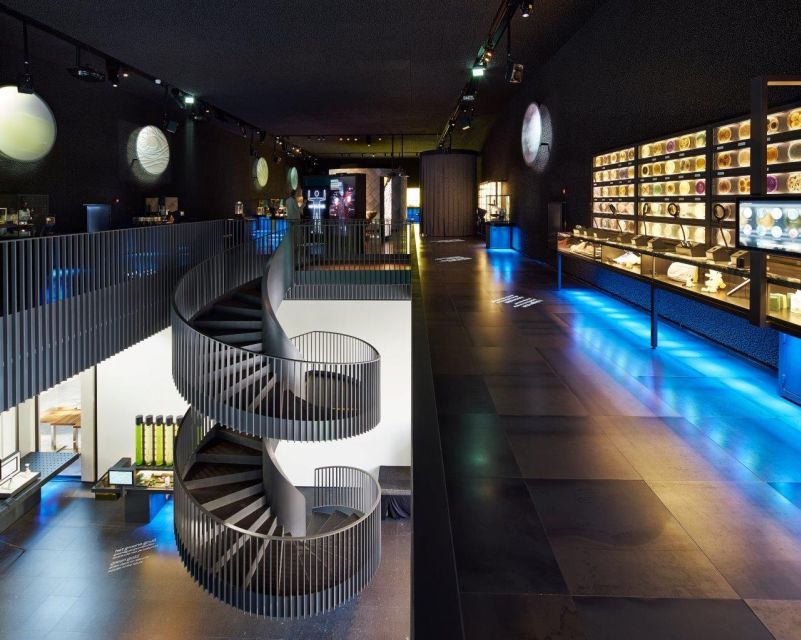
Micropia makes invisible life feel real. ARTIS-Micropia is the world’s only microbe museum, and it turns the tiniest organisms into hands-on, look-closer learning. I love the self-scan that shows what microbes may be living on and inside you, and I also love the museum’s playful stamp trail that makes you move through the exhibits with purpose. One caution: at $21, it can feel a bit pricey if you mainly want a quick look, not interactive science.
I like that it is tucked into the ARTIS area, so you are not stuck in a “museum only” bubble. You arrive at Plantage Kerklaan 38 to 40, then the day naturally connects to the park and the zoo grounds outside the museum doors. And for families, children age 0 to 12 can enter for free, which helps a lot with value.
What makes the visit especially fun is that it is not just static displays. The exhibits use living microbes, microscopes, interactive stations, and stories from lab technicians, plus daily lab talks in front of the Laboratorium.
In This Review
- Key highlights that make Micropia worth your time
- Where to find ARTIS-Micropia, and how the ARTIS neighborhood helps your day
- Entering the microbe museum: the scanner, microscopes, and stamp trail
- The Laboratorium vibe: daily talks and the science you can actually watch
- Micro Mission in spring break: a free kid-focused mission that teaches connections
- How long to plan, what to do first, and how to pace the visit
- Price and value check: what $21 buys, and when it feels like a great deal
- How it fits with the rest of ARTIS: combo ticket ideas for a full science day
- Who should book Micropia, and who might skip it
- Should you book ARTIS-Micropia entry tickets?
- FAQ
- Where is ARTIS-Micropia located?
- How much does the ticket cost?
- How long is the visit?
- What is included with the ticket?
- What is not included in this entry ticket?
- Are children allowed for free?
- What ages is Micropia recommended for?
- What are the opening hours?
- Does it have lab talks and language support?
- Is it wheelchair accessible and can I cancel?
Key highlights that make Micropia worth your time
- The only microbe museum in the world, right in central Amsterdam
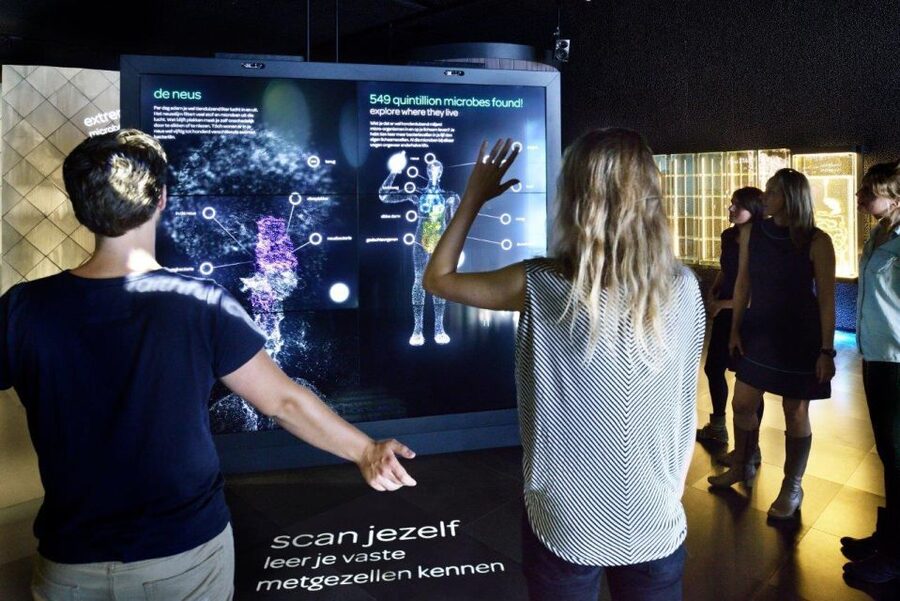
- Scan yourself to discover microbes living on and inside you
- Microbe stamps collected throughout the museum, so you keep exploring
- Daily lab talks in front of the Laboratorium
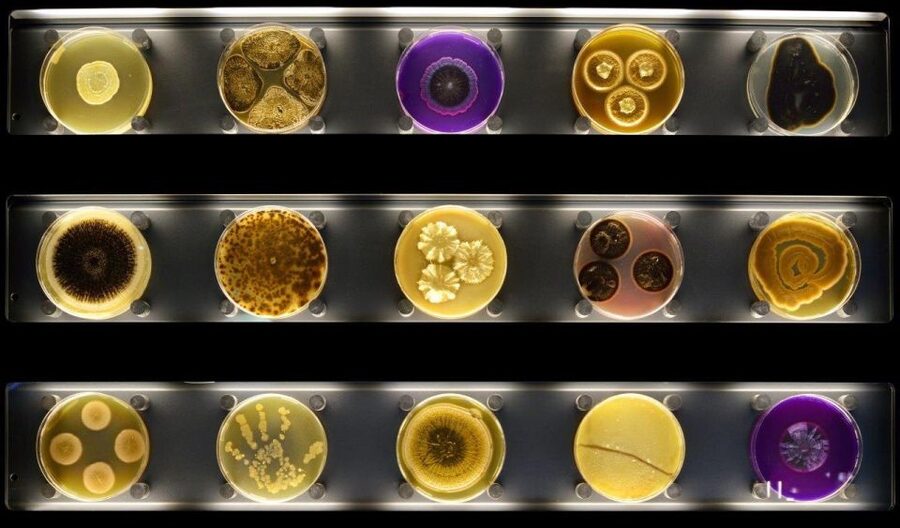
- Hands-on science props, including growing mold plates and sculptural bacteria and viruses
- Spring break Micro Mission for kids, free and available daily during that period
Travelling with kids? More Amsterdam days out
- Amsterdam: Madame Tussauds Ticket★ 4.4 · 9,415 reviews
- Amsterdam: ARTIS Royal Zoo Entry Ticket★ 4.7 · 4,696 reviews
- Aloha Amsterdam: 12-Hole Glow-in-the-Dark Mini-Golf★ 4.2 · 4,321 reviews
- Amsterdam: Amsterdam Dungeon Entrance Ticket★ 4.6 · 2,922 reviews
Where to find ARTIS-Micropia, and how the ARTIS neighborhood helps your day
ARTIS-Micropia sits at Plantage Kerklaan 38 to 40, in the wider ARTIS complex. The museum is about a 10 minute walk from the city center, which makes it easy to work into an Amsterdam itinerary without feeling like you are crossing the entire map.
I also like the timing built into the place. Micropia is open daily from 10 am to 5 pm, so you can pick an easy entry slot and still have daylight left for a park stroll or a snack nearby. The surroundings matter here because the museum experience is hands-on, so you will likely want time before and after it to reset.
If you are traveling with kids, this neighborhood is a big plus. The museum is family oriented, and the area outside the building gives you options if you need a breather between interactive stations.
Entering the microbe museum: the scanner, microscopes, and stamp trail
The heart of Micropia is simple to understand and fun to do. You walk in, you start exploring, and you use the museum’s interactive tools to “make the invisible visible.”
The standout move is the self-scan. You scan yourself and the system shows microbes that may be living on and inside you. It is the kind of exhibit that gets everyone talking, even people who did not come with a science plan. You should expect surprising results, so go in with a sense of humor and no need to fact-check everything on the spot.
Then there is the stamp hunt. As you move through the museum, you collect stamps at different points. For me, this is smarter than a random walk. It turns the visit into a game with an end goal, so you are more likely to see the stations you might otherwise skip.
Along the way, you will run into microscopes and interactive displays designed to bring microbial life into focus. The museum uses visuals and explanations that help you connect what you are seeing to real life, like microbes in the air, on your skin, and in your gut. You do not need a microbiology degree, but curiosity helps.
One practical tip: plan to spend enough time at each station. Micropia is not huge, but it is packed with small learning moments. If you rush, you will miss the best parts, especially the stations where you can linger and compare the visuals.
The Laboratorium vibe: daily talks and the science you can actually watch
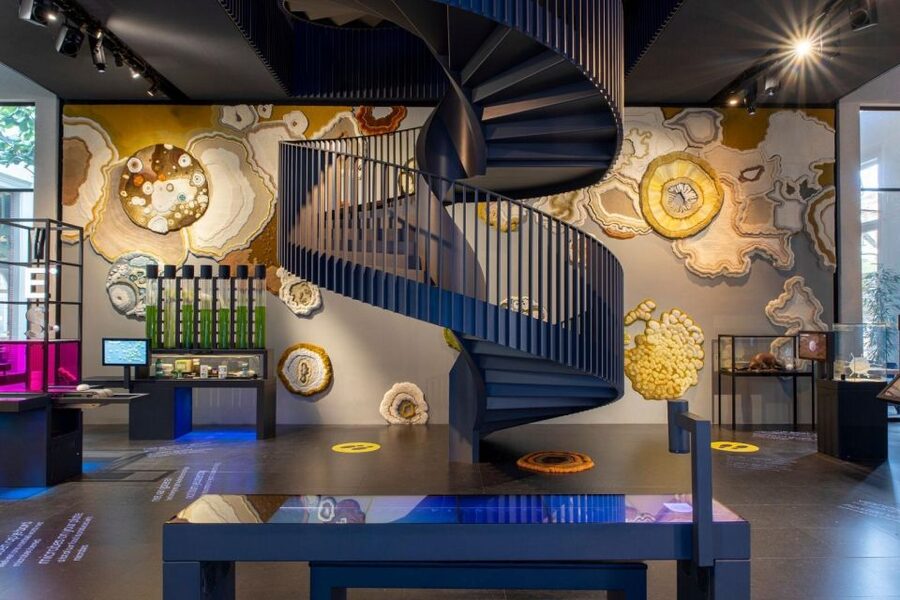
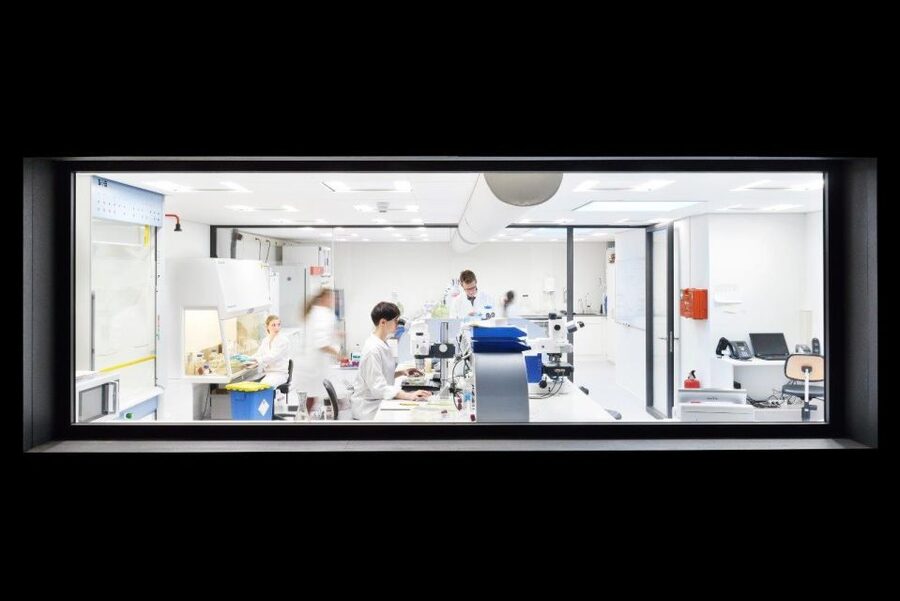
Micropia feels different from many museums because it brings you close to the idea of a working lab. You walk through spaces where there is a visible Laboratorium, and there are daily lab talks held in front of it.
That daily talk element is a big value add. Even if you catch only part of a talk, you still get a sense that this is real science communication, not just prerecorded text. You also get a better feel for why microbes matter beyond the fear factor. The museum frames microbes as essential players in food taste, health, and nature’s balance.
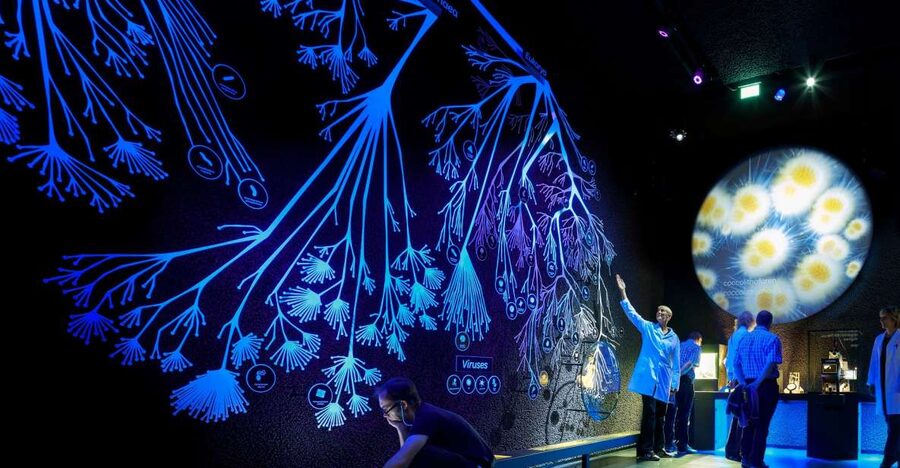
The exhibits also lean into the “wow” side of science. In the room, you might find sculptural forms of bacteria and viruses that look beautiful and strange at the same time. There are interactive displays that show how microorganisms can thrive in ways you would never guess. And you may see growing mold plates, which is one of those exhibits that always draws a crowd.
I would treat the Laboratorium area as your anchor. If you want to time your visit well, try to be near the talk area when a lab talk is running, then use the rest of your visit to explore everything else at your own pace.
Micro Mission in spring break: a free kid-focused mission that teaches connections
If you are visiting during spring break, the museum adds an extra layer for families. Micropia offers something called the Micro Mission and a creative workshop. It is available daily during spring break between 10 am and 5 pm.
The key idea of Micro Mission is teamwork in nature. No species lives alone, and young explorers look at how plants, animals, and microbes work together. It is a kid-friendly way to understand big concepts, like why gut microbes matter for digestion and why microbes support balance in ecosystems.
One detail I really appreciate is that Micro Mission can be collected for free at the ticket desk. That means you do not need to hunt online for a separate activity, you just grab it onsite when you are there.
If you are not visiting during spring break, you will still have plenty to do, since the museum itself is interactive year-round. But spring break is when you get this extra guided-style element that keeps younger kids engaged longer.
Other Amsterdam entries you can hold on your phone




How long to plan, what to do first, and how to pace the visit
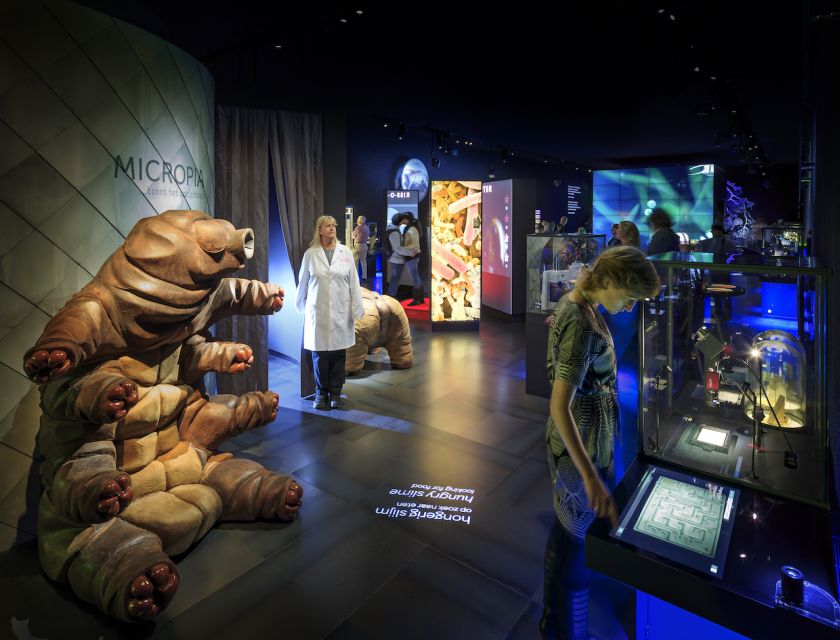
You can usually finish Micropia in about 1.5 to 2 hours if you take your time. Some people move through in under an hour, but the stamp trail and the scanner alone can stretch the visit. I recommend planning closer to two hours so you do not feel rushed at the microscope stations or the lab talk area.
Here is a pacing approach that works well:
- Start with the self-scan early, while you are excited and your brain is still in discovery mode.
- Then do a first pass through the exhibits collecting stamps as you go.
- Catch the daily lab talk in front of the Laboratorium if you can, then return to any stations you want to see again.
It also helps to arrive prepared for a hands-on route. You will be standing, leaning in, scanning, and reading labels. Wear comfortable shoes and keep water handy if you are doing the visit as part of a longer day in Amsterdam.
A small practical point: there are free lockers for bags and coats. If you are traveling with a daypack, using the locker makes it easier to move around and interact with stations without juggling your stuff.
Price and value check: what $21 buys, and when it feels like a great deal
At $21 per person, Micropia is not a throwaway stop. The question is whether the experience matches what you want from Amsterdam museums.
For me, the value is strongest if you like interactive science or you enjoy museum moments that feel like a hands-on activity, not a hallway of glass cases. The self-scan, the microscope stations, and the stamp trail create a structured journey through microbial life, and the daily lab talks add credibility.
It also becomes a much better deal for families. Children age 0 to 12 enter for free, so one ticket can support the whole family budget. Even if adults find it educational, kids are often the ones who get the most out of collecting stamps and experimenting with the displays.
If you are expecting something that feels like a large art museum with endless rooms, Micropia might feel smaller than you want. But if you want a focused, science-forward experience, the price starts to make more sense.
How it fits with the rest of ARTIS: combo ticket ideas for a full science day
Micropia sits inside the broader ARTIS universe, so it is easy to extend your day without adding major travel time. With a combination ticket, you can also visit the ARTIS-Groote Museum, where you learn how everything is connected, including humans, animals, plants, and microbe life.
You can also step outside into ARTIS Zoo after the museum experience. Admission to the zoo is not included in the Micropia ticket, but the proximity makes it simple to build a longer outing on the same day.
This is a smart choice if you want variety: Micropia handles the invisible scale, while the zoo and other ARTIS areas cover the visible living world. For many visitors, that contrast is the real payoff, because microbes explain what you cannot see, and animals and plants give you something you can experience right there.
Who should book Micropia, and who might skip it
ARTIS-Micropia is recommended for ages 8 and older. That guidance fits the museum’s interactive format and the level of reading and interpretation in the exhibits.
I think it is a strong match for:
- Families with kids age 8 and up who like hands-on science
- Adults who are curious about biology, health, or how ecosystems work
- Couples who want a different kind of museum day, one that feels playful rather than quiet
It might be less ideal if you only want art, paintings, or historic buildings, because Micropia is very focused on microbes. And if you are sensitive to the idea that microorganisms live everywhere, you might want to mentally prepare for that theme. The museum presents microbes as essential, but the concept can still feel a bit intense at first.
Should you book ARTIS-Micropia entry tickets?
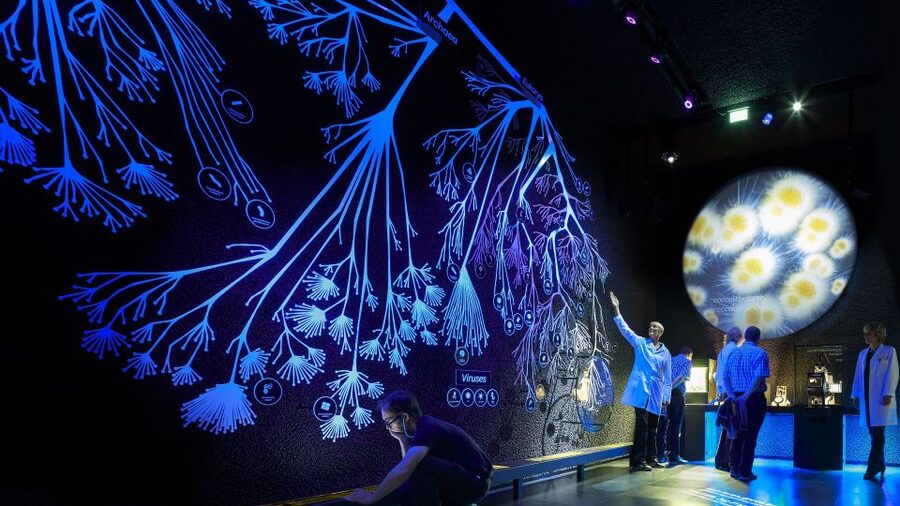
Book it if you want a short, central Amsterdam museum that is hands-on and not just about looking. The scan, the stamp trail, the microscope stations, and the daily lab talks give you multiple ways to engage, and the free entry for kids age 0 to 12 improves the family value.
Skip or reconsider if you are sure you will not use the interactive parts and you only want a quick viewing experience. At $21, you want to actually do the stations, not just walk past them.
If you fit one of these profiles, Micropia is the kind of place that sticks with you long after you leave, because it changes how you think about everyday life at a microscopic scale.
FAQ
Where is ARTIS-Micropia located?
The meeting point is Plantage Kerklaan 38 to 40 in Amsterdam.
How much does the ticket cost?
The price is listed as $21 per person.
How long is the visit?
The experience is valid for 1 day.
What is included with the ticket?
The ticket includes admission to ARTIS-Micropia.
What is not included in this entry ticket?
Admission to ARTIS Amsterdam Royal Zoo and admission to ARTIS-Groote Museum are not included.
Are children allowed for free?
Yes. Children age 0 to 12 can enter for free.
What ages is Micropia recommended for?
The recommended age for Micropia is 8 years or older.
What are the opening hours?
Micropia is open daily from 10 am to 5 pm, with holiday hours listed for 24 December, 25 December, 26 December, 31 December, and 1 January.
Does it have lab talks and language support?
Yes, there are daily lab talks in front of the Laboratorium, and the host or greeter speaks Dutch and English.
Is it wheelchair accessible and can I cancel?
The activity is wheelchair accessible, and it offers free cancellation up to 24 hours in advance for a full refund.
Entries for Your Phone





Also Reviewed Around Amsterdam



Amsterdam With the Kids





Fresh off the review pile in Amsterdam
- Full-Day Trip From Amsterdam to Keukenhof, Zaanse Schans + Cruise
★ 5.0 · 3 reviews - Boutique Dutch Food & History Tour with up to 8 guests only
★ 5.0 · 3 reviews - Private Tour to Windmills Zaanse Schans +Keukenhof – 7 Hours
★ 5.0 · 3 reviews - Full-Day Private Guided Countryside Tour from Amsterdam by Bike
★ 5.0 · 3 reviews - Amsterdam Red Light District and Old Town Walking Tour
★ 5.0 · 3 reviews
Theme Parks, Zoos & Family Days Out, compared.
 ★ 4.4Amsterdam: Madame Tussauds TicketFrom $219,415 reviews
 ★ 4.7Amsterdam: ARTIS Royal Zoo Entry TicketFrom $204,696 reviews
 ★ 4.2Aloha Amsterdam: 12-Hole Glow-in-the-Dark Mini-GolfFrom $104,321 reviews
 ★ 4.6Amsterdam: Amsterdam Dungeon Entrance TicketFrom $282,922 reviews
 ★ 4.6Rotterdam: Rotterdam Zoo Blijdorp Entry TicketFrom $322,754 reviews
 ★ 4.6The Hague: Madurodam Miniature Park Entry TicketFrom $241,559 reviews
 ★ 4.0Rotterdam, Delft, the Hague, Madurodam from AmsterdamFrom $90793 reviews
 ★ 4.6Amsterdam: Madame Tussauds & Amsterdam Dungeon Combo TicketFrom $34680 reviews
Browse the lists this tour appears in