
REVIEW · AMSTERDAM
Amsterdam: Canal House Museum ‘Willet-Holthuysen’ Ticket
This canal house tour is pure atmosphere. Museum Willet-Holthuysen lets you roam a grand 17th-century double canal house and see how a wealthy couple shaped 19th-century Amsterdam home life, with an included audio guide to keep you moving at your pace.
I love the Louis XVI style ballroom for the wow-factor alone, and I love the French-style garden for how quickly it cools down the mood once you step outside.
One consideration: sound can be tricky. If you’re in an area where a temporary installation is loud, it may be harder to hear your audio guide, so plan to pause and switch rooms if needed.
In This Review
- Key highlights to know before you go
- Inside the double canal house at Herengracht 605
- Price and what your $18 ticket really buys
- Start on the first floor: ballroom, dining room, and the Willets’ public life
- Abraham Willet’s collection: paintings, ornate furniture, silver, and more
- The garden as a “green room” in the middle of Amsterdam
- Servants’ spaces in the basement: kitchen and pantry
- Pacing tips for a self-guided visit that actually stays enjoyable
- What kind of visitor should book this canal house museum?
- Should you book Museum Willet-Holthuysen?
- FAQ
- Where is the meeting point for the Museum Willet-Holthuysen ticket?
- How much does the Amsterdam Canal House Museum ticket cost?
- How long is the visit valid?
- What is included with the ticket?
- Are meals and drinks included?
- What languages are available for the audio guide?
- Is smoking allowed inside?
- Is the experience suitable for wheelchair users?
- Is there free cancellation?
- Is reserve and pay later available?
Key highlights to know before you go
- A real canal house layout, with public rooms up front and day-to-day servant spaces below
- Louis XVI style ballroom that sets the tone immediately
- Art and objects in situ, from paintings to ornate furniture and silver
- A French-style town garden, including historic trees and plants
- Self-paced audio guide, offered in multiple languages, letting you choose what to linger on
- Herengracht location, so you can pair it with a classic canal walk afterward
More time on the water? Other Amsterdam canal cruises we have been on
- Amsterdam: 75 Minute City Canal Cruise with Audio Guide★ 4.4 · 17,501 reviews
- Amsterdam: City Centre Canal Cruise★ 4.2 · 12,827 reviews
- Amsterdam: Covered Canal Booze Cruise with Unlimited Drinks★ 4.7 · 5,435 reviews
- Amsterdam Canal Cruise in Open Boat with Unlimited Drinks Option★ 5.0 · 4,976 reviews
Inside the double canal house at Herengracht 605
Amsterdam canal houses have a reputation for looking impressive from the street. Inside, they can feel almost impossible, because you get the full effect of old-money planning in a compact footprint. Museum Willet-Holthuysen sits right on Herengracht, and the building itself is part of the experience: it is a grand double canal house, which means it reads like a private world built to impress.
As you enter, you’re stepping into a home that was eventually passed to the city. In 1895, Mrs. Willet left the opulent house and her husband Abraham’s art collection. That detail matters, because this museum is not trying to be a generic “rooms of antiques” display. The layout, the objects, and the way you’re guided through the spaces all work together like a staged but still very human story.
If you like museums where you can slow down and make connections, this works well. You can move room to room without a rigid group script. And because it is in the middle of Amsterdam, you can combine it with other canal-house sightseeing without burning a whole day just getting there.
Price and what your $18 ticket really buys
At about $18 per person for entrance plus an audio guide, this is the kind of museum ticket that can feel either “small” or “smart,” depending on how you like to travel. If you enjoy object-focused history, indoor architecture, and you like your information to be practical and paced, the audio guide is the key value add.
The audio guide is available in a wide set of languages: Spanish, English, Dutch, French, German, Italian, and Russian. That range is useful because you can bring a friend who isn’t fluent in English and still have a solid experience. It also means the museum can do more for you than just signage. You are hearing context as you look at the objects, in the rooms where they belong.
Two more value notes that affect your comfort: the visit is designed for going at your pace, and you can choose which stops to focus on more. That flexibility helps when you arrive with museum energy, or when you arrive after a long canal-walk day and want to keep it lighter.
Start on the first floor: ballroom, dining room, and the Willets’ public life
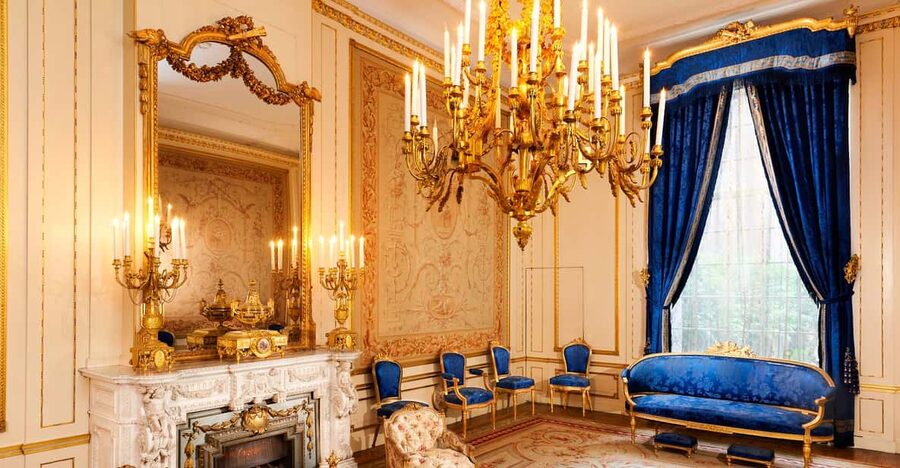
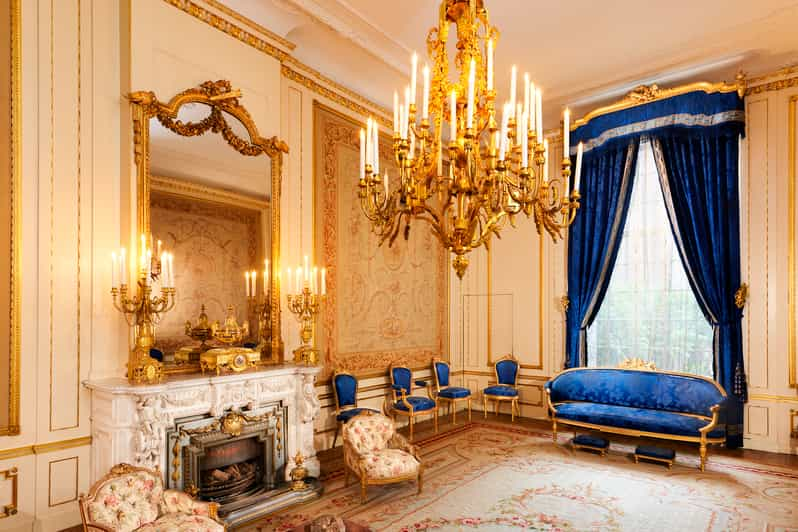
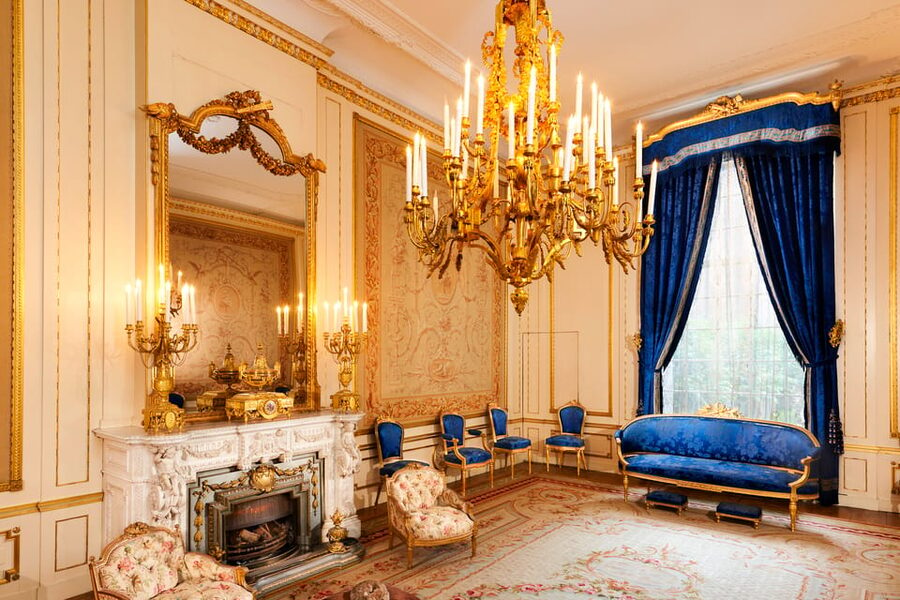
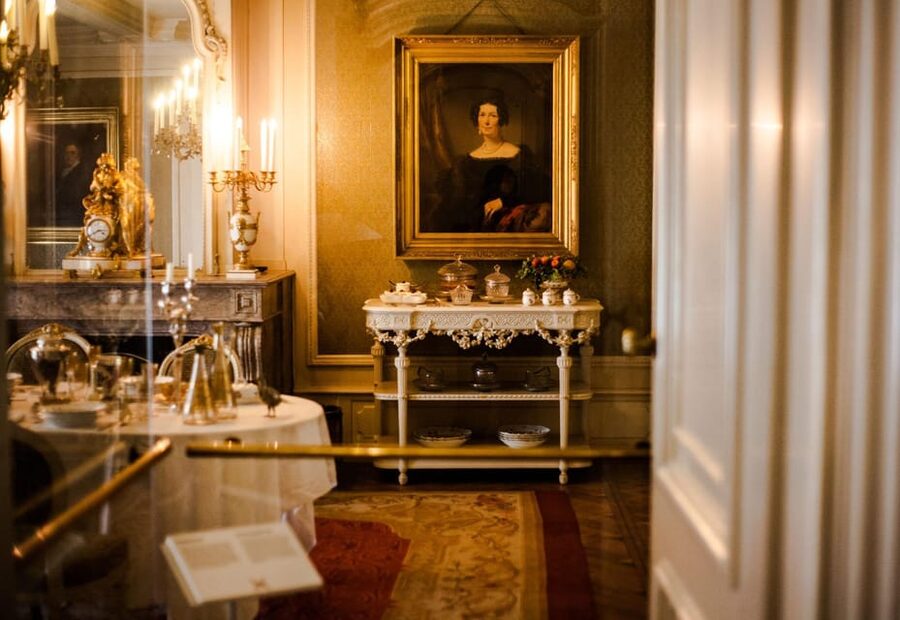
Your route starts on the first floor, and the museum does a smart thing right away. It brings you to the ballroom in Louis XVI style, so you instantly understand the social role of the house. This is where a wealthy household would host, impress, and show taste.
In the ballroom, you get the big visual cues: formal style, elegant scale, and the sense that the room was built for people arriving dressed for the occasion. Even if you do not know art history vocabulary, you can still read the intention. This room sets expectations for what comes next, and it prevents you from treating the museum like a random collection.
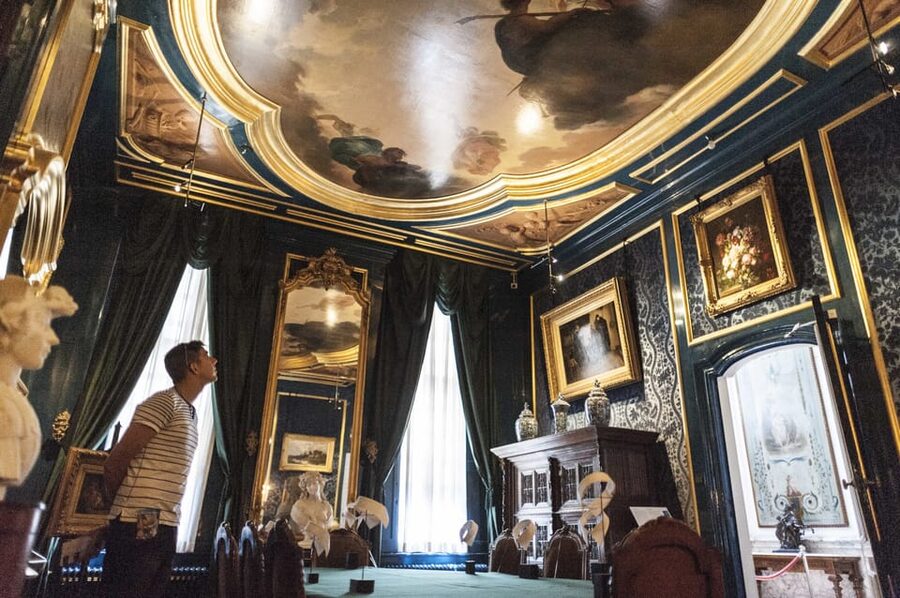
From there, you continue toward the dining room and the salons of the lord and lady of the house. Those spaces matter because they shift the tone from spectacle to lifestyle. You start seeing the home as something meant for daily use, not just event nights. The best part is that the objects are not floating in space like a showroom. They are presented as part of a lived-in interior world, which makes the history feel more concrete.
If you tend to rush through museums, this first floor sequence is a good place to slow down. Spend extra time when you feel the room change. A ballroom is emotional. A dining room is personal. A salon is about daily rituals and taste.
Abraham Willet’s collection: paintings, ornate furniture, silver, and more
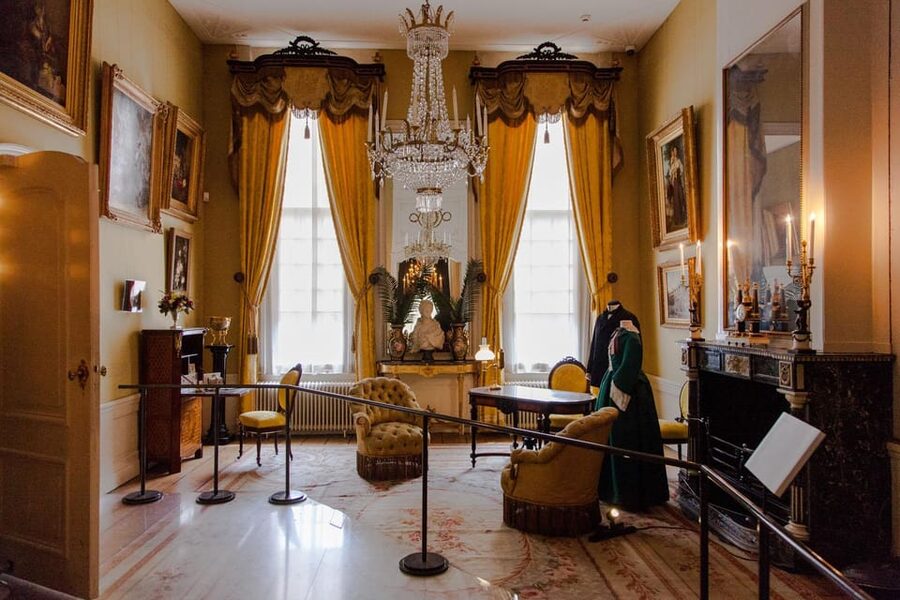
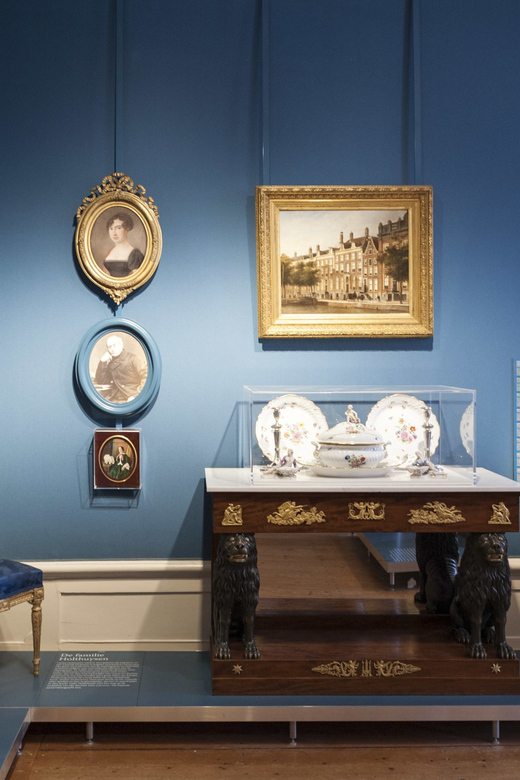
The museum’s heart is Abraham Willet’s collection. You’ll see a lot of categories, and that variety is part of the point. It is not only paintings. The collection includes antique furniture, silver, ceramics, sculptures, paintings, and photographs.
I like the way the museum gives you multiple angles on wealth. Furniture and silver tell you about material culture and craftsmanship. Ceramics and sculptures can show you what counted as fashionable and collectible. Photographs give you a more human link, because they hint at real moments connected to the household. The combination helps you understand wealth as a system, not just one fancy object after another.
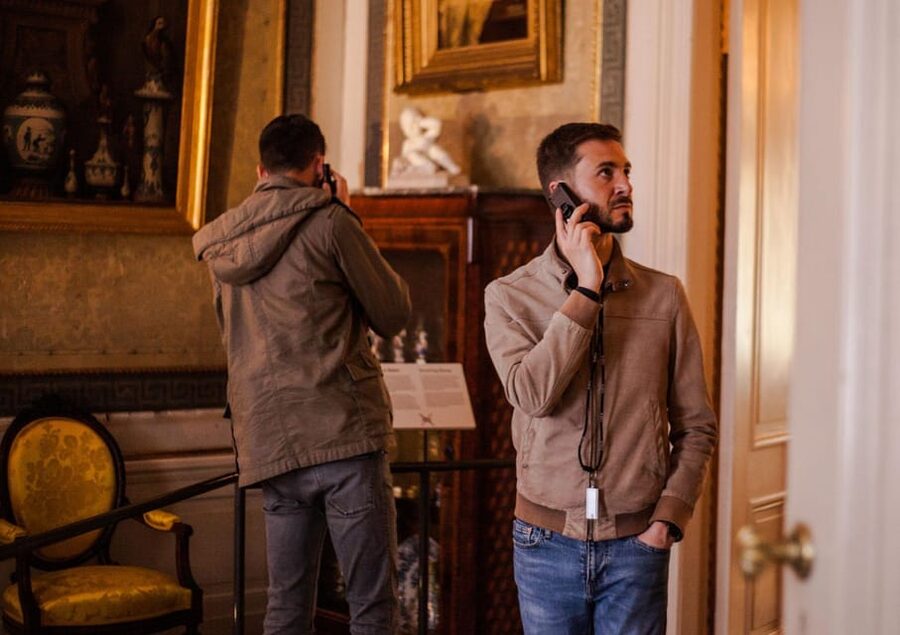
One practical tip: use your audio guide strategically. Don’t try to listen to every minute detail from start to finish. Instead, match what you hear to what you are looking at. When you pause in front of an object, let the audio explain what you’re seeing, then keep moving. That keeps the experience informative instead of exhausting.
Other Amsterdam entries you can hold on your phone




The garden as a “green room” in the middle of Amsterdam
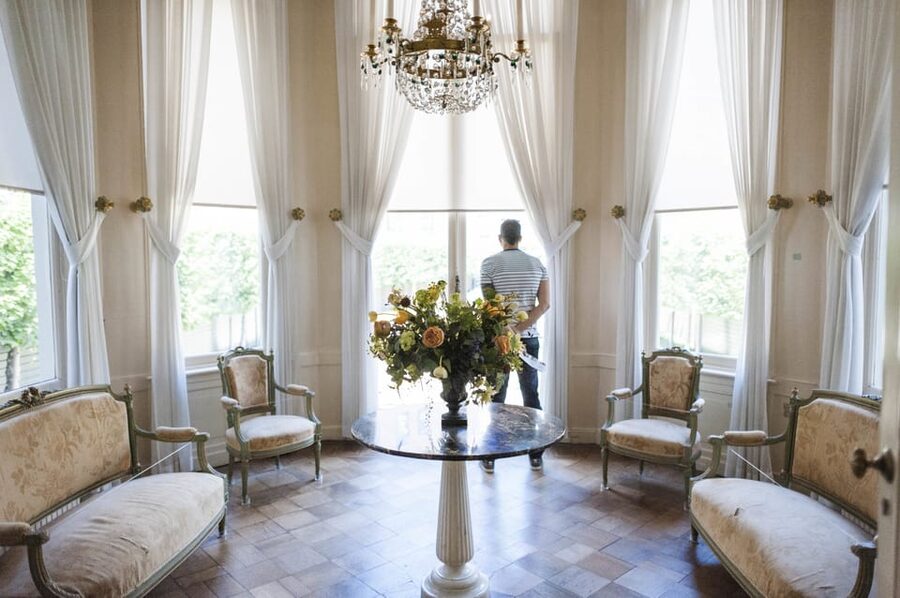
When you reach the garden and the gallery, the museum changes mood. Suddenly you are not just looking at history, you are experiencing a lived outdoor space inside a city. The garden is laid out in 18th-century French style, and that approach shapes the feel of the space.
French-style gardens are built on structure, balance, and an idea of control over nature. In this case, the design is paired with historic trees and plants, so the greenery is not only pretty, it is part of the museum’s time-travel feeling. You can treat the garden like a reset button after the formal rooms.
The garden is also one of the best places to take a slow break. Sit for a moment. Look at the lines of the space. Watch how the building framing and the canal-house setting make the garden feel like a secret pocket, even though you are in the middle of Amsterdam.
If your day is already full, this garden stop is an easy win. It gives you a different kind of value than the rooms do, and it helps you avoid that museum burnout where everything starts to blend together.
Servants’ spaces in the basement: kitchen and pantry
Most canal house museums focus on the show rooms. This one adds contrast with a look at everyday life below. The kitchen and pantry in the basement act like a reality check.
You start to see how the wealthy upstairs relied on the routines downstairs. That shift makes the museum feel more honest. Wealth is not only what you display in the ballroom. It is also what you organize to keep the household running smoothly.
Even if you are not specifically interested in servant life, you will probably appreciate this part of the visit. It turns the story from only “objects and taste” into “operations and labor,” which is where a lot of household history becomes more real.
Pacing tips for a self-guided visit that actually stays enjoyable
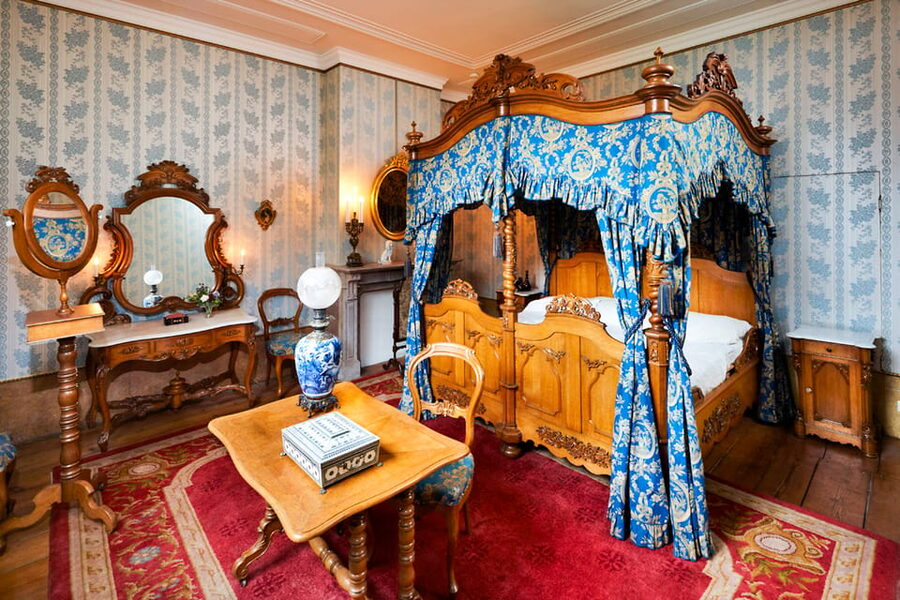
This is set up as a self-guided visit with an audio guide, and that’s a huge advantage if you like museums on your own schedule. You can choose which parts to focus on and spend longer where you’re curious.
A few pacing strategies that make the visit smoother:
- Start with the ballroom and formal rooms, then decide how long to spend in the salons based on your interest in décor and collections.
- In the art-heavy areas, pause longer than you think you need. When you read the object with the audio context, you usually understand more without trying harder.
- Give yourself time to reach the garden and reset. It’s one of the best ways to keep the day from feeling like endless indoor viewing.
There is also a comfort side to the experience. Visitor notes highlight that there are lockers for storage and clean toilet facilities. Those small things can matter in Amsterdam, because you might arrive with a bag from the morning or need a quick reset before your afternoon canal walk.
What kind of visitor should book this canal house museum?
Museum Willet-Holthuysen works best for people who like interiors, collections, and “how people actually lived” history. If you enjoy seeing ornate rooms and you appreciate how furniture, art, and household objects fit together, you’ll likely love this.
It may feel less exciting if your museum style is mostly about big-scale art or hands-on exhibits. This is a house museum. The scale is intimate, and the reward is in looking closely and following the sequence through the home.
There is also a practical limitation to consider: it is not suitable for wheelchair users. If mobility is an issue, you’ll want to plan around that.
Finally, keep one eye on sound. Recent visitor experiences point out that in some areas where a temporary art installation is playing audio, it can interfere with hearing your own guide. The fix is simple: step back, switch rooms, and let the audio settle again.
Should you book Museum Willet-Holthuysen?
I think you should book if you want an Amsterdam museum that feels like a real residence, not just a gallery. For the price, you get an entrance ticket plus a multilingual audio guide, and you get a full loop of experiences: formal rooms upstairs, a meaningful collection of objects, a French-style garden for recovery, and service spaces below that add depth.
Skip it if you have limited time and only want the biggest, most famous sights, or if you know you struggle with museums that require patience and close looking. And if you need wheelchair accessibility, this one is probably not the best fit based on what is stated.
If you do book, plan a calm day. Pair it with a canal walk on the Herengracht area afterward. Then come back for what you actually came for: the feeling of stepping into a 19th-century home where taste and daily life share the same walls.
FAQ
Where is the meeting point for the Museum Willet-Holthuysen ticket?
The meeting point is Herengracht 605.
How much does the Amsterdam Canal House Museum ticket cost?
The price is listed as $18 per person.
How long is the visit valid?
Your ticket is valid for 1 day. Check availability to see starting times.
What is included with the ticket?
The ticket includes entrance and an audio guide.
Are meals and drinks included?
No, meals and drinks are not included.
What languages are available for the audio guide?
The audio guide is available in Spanish, English, Dutch, French, German, Italian, and Russian.
Is smoking allowed inside?
No, smoking is not allowed.
Is the experience suitable for wheelchair users?
No, it is not suitable for wheelchair users.
Is there free cancellation?
Yes. You can cancel up to 24 hours in advance for a full refund.
Is reserve and pay later available?
Yes. You can reserve your spot and pay later.
Entries for Your Phone





Also Reviewed Around Amsterdam



More Hours Along the Amsterdam Canals




Fresh off the review pile in Amsterdam
- Full-Day Trip From Amsterdam to Keukenhof, Zaanse Schans + Cruise
★ 5.0 · 3 reviews - Boutique Dutch Food & History Tour with up to 8 guests only
★ 5.0 · 3 reviews - Private Tour to Windmills Zaanse Schans +Keukenhof – 7 Hours
★ 5.0 · 3 reviews - Full-Day Private Guided Countryside Tour from Amsterdam by Bike
★ 5.0 · 3 reviews - Amsterdam Red Light District and Old Town Walking Tour
★ 5.0 · 3 reviews
Dutch Canal Cruises, compared.
 ★ 5.0Amsterdam Luxury Canal Cruise + Unlimited Drinks & Bites optionFrom $1830,518 reviews
 ★ 4.4Amsterdam: 75 Minute City Canal Cruise with Audio GuideFrom $1717,501 reviews
 ★ 4.2Amsterdam: City Centre Canal CruiseFrom $1812,827 reviews
 ★ 4.7Amsterdam: Covered Canal Booze Cruise with Unlimited DrinksFrom $185,435 reviews
 ★ 4.5Amsterdam: City Canal Cruise and Heineken Experience TicketFrom $475,367 reviews
 ★ 5.0Amsterdam Canal Cruise in Open Boat with Unlimited Drinks OptionFrom $214,976 reviews
 ★ 4.6Amsterdam: Van Gogh Museum Ticket and City Canal CruiseFrom $473,899 reviews
 ★ 4.5Amsterdam Evening Canal Cruise with Live Guide and Onboard BarFrom $243,619 reviews
Browse the lists this tour appears in