
REVIEW · AMSTERDAM
Amsterdam: Classical Music Concert at the Begijnhof
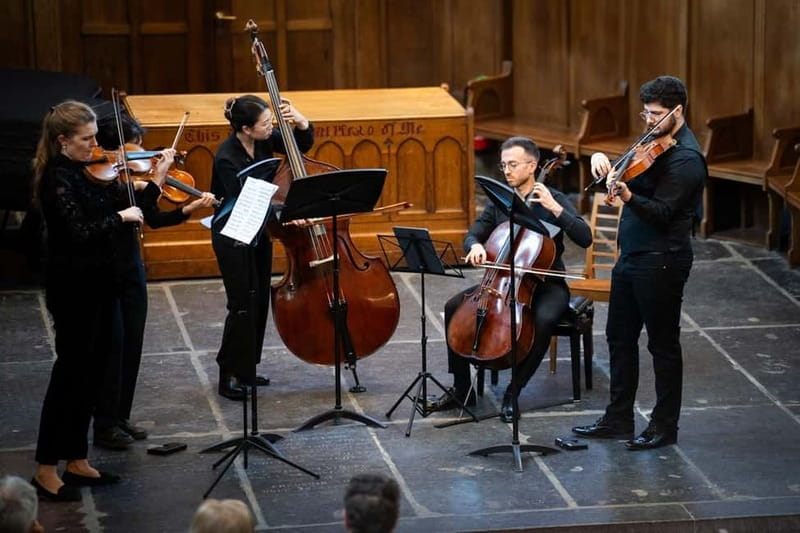
A concert in a centuries-old courtyard is a treat. You get classical music right in the Begijnhof, inside the historic English Reformed Church, where the whole evening feels close and human.
What I like most is the lineup of famous works, from Vivaldi’s The Four Seasons to Beethoven’s Symphony No. 5. I also love that the venue is built for hearing music, so even quieter pieces such as Bach’s Air on the G String feel clear. One practical consideration: it lasts about an hour, so you’ll want to arrive on time to guarantee entrance.
In This Review
- Key highlights worth planning for
- Entering Amsterdam’s Begijnhof, right into the music
- The English Reformed Church concert flow (what actually happens)
- The 1-hour program: Vivaldi, Mozart, Bach, and Beethoven in order
- Vivaldi’s The Four Seasons (Spring and Summer)
- Pachelbel’s Canon and Gigue in D major
- Mozart’s Requiem (Lacrimosa)
- Bach’s Air on the G String
- Schubert’s Ave Maria
- Mozart’s Salzburg Symphony K136 (Allegro)
- Beethoven’s Symphony No. 5 (Allegro)
- Handel’s Ombra mai fu from Xerxes
- Why the acoustics in this venue matter more than you think
- The performers: Amsterdam Gala Orchestra with soprano
- Price and value: what $30 buys you for one hour
- Getting the most out of it: practical tips that actually help
- Who this concert is best for (and who might want another plan)
- Should you book Amsterdam’s Begijnhof classical concert?
- FAQ
- How long is the classical music concert?
- How much does a ticket cost?
- What music is performed during the concert?
- What is included in the ticket price?
- Do I need to dress up?
- Is the venue wheelchair accessible?
Key highlights worth planning for
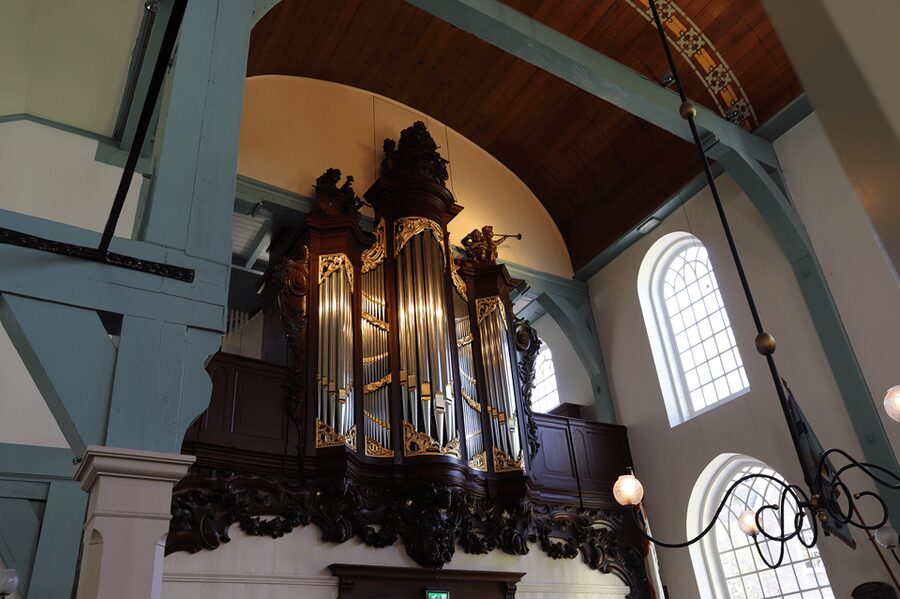
- A landmark venue for listening: The English Reformed Church is one of the oldest buildings in Amsterdam.
- Begijnhof atmosphere: The concert happens in the Begijnhof area, with a calm, historic setting that feels removed from the street noise.
- Big-name classics, one program: Vivaldi, Mozart, Bach, Handel, Schubert, and Beethoven in a single 1-hour concert.
- Vocal moments included: The performance includes an Amsterdam Gala Orchestra and a soprano, so you get singing works like Schubert’s Ave Maria and Mozart’s Requiem (Lacrimosa).
- Simple, no-frills entry: Ticket entry and a printed concert program are included, and there’s no dress code.
Other Amsterdam bookings from our review pile
- Amsterdam: Royal Concertgebouw Orchestra Concert Ticket★ 4.7 · 11 reviews
- Concert at The Royal Concertgebouw – Amsterdam★ 5.0 · 3 reviews
Entering Amsterdam’s Begijnhof, right into the music
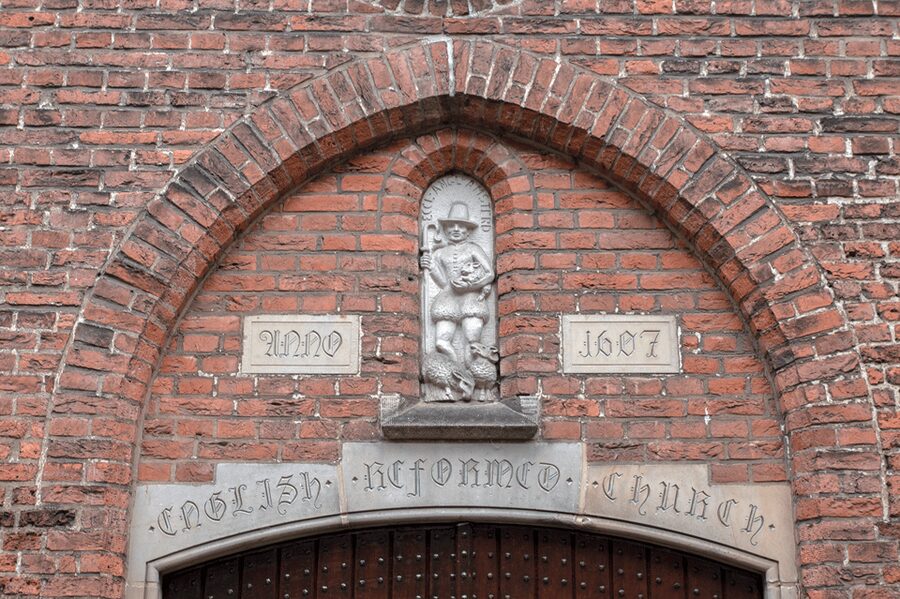
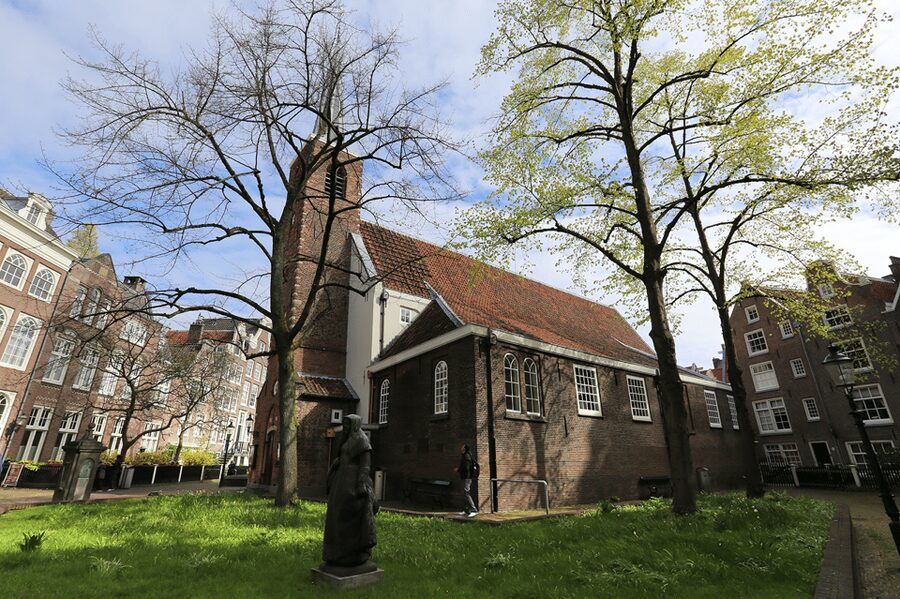
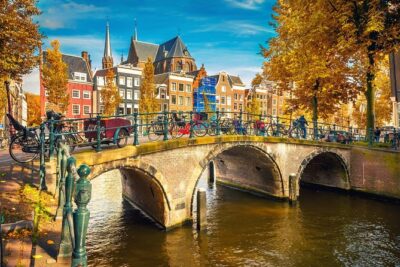
This concert is all about a specific kind of Amsterdam magic: not canals and crowds this time, but a quiet courtyard vibe where you can focus on sound. The English Reformed Church sits in the heart of the Begijnhof, and the setting matters. You’re not stepping into a big, anonymous hall. You’re arriving at a historic building in a serene pocket of the city.
The church itself is part of the experience. It’s described as one of the oldest buildings in Amsterdam, which means the building already has that built-in sense of occasion. And the Begijnhof setting, tied to a medieval-era courtyard feel, helps the evening start in the right mood. Even before the first note, you’re in a place that invites you to slow down.
The English Reformed Church concert flow (what actually happens)
The experience is straightforward: you show your ticket at the entrance to the English Reformed Church at the Begijnhof, then you settle in for a one-hour concert. That simplicity is a plus for visitors who want culture without a complicated plan.
Here’s how I’d think about your timing. Don’t treat this like a flexible stop. The key instruction is to arrive on time so you can guarantee entrance. Once you’re inside, you’ll be in the same space for the whole performance, so arriving early helps you find your seat comfortably and get your bearings fast.
There’s also a practical advantage: you don’t need to plan outfits. The listing notes no dress code required. That makes it easier to tack onto a day of sightseeing without turning it into an event you have to pre-shop for.
The 1-hour program: Vivaldi, Mozart, Bach, and Beethoven in order
The concert runs for one hour, and it’s built around recognizable masterpieces. You’ll get a real sense of variety, because the program moves from bright, rhythmic energy to sacred and lyrical moments, then into larger symphonic thinking.
You can use the listed order as your listening guide:
Vivaldi’s The Four Seasons (Spring and Summer)
You start with Vivaldi, which is a smart opening choice if you want quick payoff. The Four Seasons is all motion and character, and in a small church setting those textures can feel very immediate.


Pachelbel’s Canon and Gigue in D major
Then comes a classic structure piece, the Canon, paired with the Gigue. This is the kind of music that rewards close listening because the repeating patterns feel steady and hypnotic, while the gigue adds a more playful momentum.
Mozart’s Requiem (Lacrimosa)
Next, Mozart’s Requiem, focusing on Lacrimosa. This is where the mood shifts. Expect something more dramatic and emotional, the kind of writing that makes the room feel quieter even if the music is still moving forward.
Bach’s Air on the G String
After that, Bach’s Air on the G String is a lovely breather. It’s the sort of piece that helps you hear phrasing, restraint, and tone. It also tends to stand out in venues with good acoustics, because small dynamics still come through.
Schubert’s Ave Maria
Schubert’s Ave Maria brings the program into something tender and vocal-forward. Since the performance includes a soprano, this is exactly the kind of slot where a voice can add meaning, not just sound.
Mozart’s Salzburg Symphony K136 (Allegro)
Then you get back to Mozart with a more spirited instrumental movement, Allegro from the Salzburg Symphony K136. This helps reset your ear and gives you that “systems are turning again” feeling before the big closing work.
Beethoven’s Symphony No. 5 (Allegro)
The highlight for many people is Beethoven’s Symphony No. 5, Allegro. This is one of the most famous symphonic movements in the world, and in a church setting it can feel extra intense because the architecture gives sound a firm shape.
Handel’s Ombra mai fu from Xerxes
Finally, you close with Handel’s Ombra mai fu. It’s a graceful ending choice, giving you a warm, human note to walk out on.
Why the acoustics in this venue matter more than you think
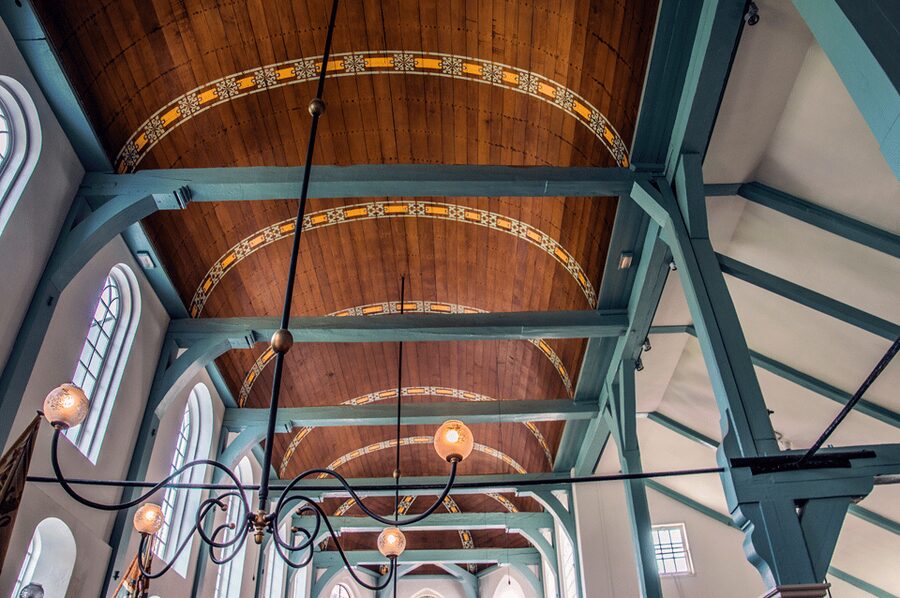
This concert gets high marks for the church itself, and the biggest reason is acoustics. When a venue is right for classical music, you notice it instantly. Notes don’t smear, voices come through, and you can catch details without straining.
That matters even if you’re not a “serious classical” person. If you’ve only heard big orchestras on recordings, a well-set space helps you understand what you were missing. You start to hear how instruments talk to each other. You also hear how singers land words and vowels with clarity.
And because the program includes both instrumental works and vocal music, the acoustics have to handle different kinds of sound. The soprano and the ensemble need balance. The church’s sound is part of why people walk out feeling like it was more than background music.
The performers: Amsterdam Gala Orchestra with soprano
The concert is performed by the Amsterdam Gala Orchestra with a soprano. That combo shapes the whole listening experience.
Instrumental pieces like Bach and Beethoven can feel energetic and structured, but the soprano lets the program add that human, lyrical layer. If you like sacred and vocal favorites, you’ll likely appreciate the choices of Requiem (Lacrimosa) and Ave Maria. They’re not random additions. They fit the mood curve of the whole evening, from brightness, to drama, to tenderness, then back to force.
Even if you’re a first-timer, you don’t have to “know what to listen for.” The best part of an informed program like this is that it gives you obvious signposts through the music itself.
Price and value: what $30 buys you for one hour
At about $30 per person for a one-hour concert, this is the kind of deal that makes sense in a city where cultural options can range from pricey to complicated.
What you’re paying for is not just a seat. You’re getting:
- entry to a historic, older-in-Amsterdam church setting
- a printed concert program
- the chance to hear major works by Vivaldi, Mozart, Bach, Handel, Schubert, and Beethoven
Also, the value is practical. No dress code means no extra planning costs. And because the concert is one hour, it doesn’t swallow an entire evening. If your Amsterdam itinerary is already full, this format is easy to slot in.
You still need to plan for what isn’t included: transportation and food and drinks. So budget for how you’ll get there and whether you want a snack before or after.
Getting the most out of it: practical tips that actually help
Here’s how to make the evening smoother once you decide to go.
Arrive on time. The instruction is clear because you need to guarantee entrance. That also means you avoid the stress of finding the place while the music is getting underway.
Go in with a listening mindset. If you’re new to classical concerts, don’t worry about understanding everything. Focus on simple things: which melodies feel familiar, when the mood changes (for example, the shift from Mozart’s Lacrimosa to Bach’s Air), and how the voice fits the sacred writing.
Wear comfortable shoes. You’re in a church and walking through an older area of Amsterdam, and you’ll likely be standing or moving a bit before you settle. The no dress code helps, but comfort still matters.
Plan your meal time. Food and drinks aren’t included, so decide whether you want dinner first or a quick bite afterward. If you’re prone to arriving hungry, eat earlier so you’re free to enjoy the music without negotiating snack timing.
Who this concert is best for (and who might want another plan)
This works especially well if you:
- want a culture fix without a long program
- enjoy classical music, even casually
- like the idea of hearing big-name composers in a smaller, more personal venue
- have a rainy-evening fallback that still feels special
It’s also a strong pick if you’re bringing someone who doesn’t usually do classical. The program includes widely loved works, so you can leave confident you heard music people actually talk about.
Who might not love it? If you’re looking for a guided tour of the church architecture, this experience is centered on the concert itself. You’ll get the setting, but the main event is the music. If you need a lot of context, you might want to pair this with another brief introduction to the Begijnhof area on a separate outing.
Should you book Amsterdam’s Begijnhof classical concert?
If your goal is one memorable, high-impact evening with minimal fuss, I’d book it. The price is reasonable, the concert length fits real travel schedules, and the combination of a historic venue with major composer choices makes it easy to feel satisfied even if you’re not a hardcore classical fan.
The deciding factor for me is the blend of venue and repertoire. You get a church known for its acoustic experience, plus a program that walks through major styles in just one hour. If you like the idea of hearing Vivaldi, Mozart, Bach, Handel, Schubert, and Beethoven in a setting that encourages focus, this is a very practical way to do it.
FAQ
How long is the classical music concert?
The concert duration is 1 hour.
How much does a ticket cost?
The price is $30 per person.
What music is performed during the concert?
The program includes A. Vivaldi The Four Seasons (Spring and Summer), J. Pachelbel Canon & Gigue in D major, W. A. Mozart Requiem (Lacrimosa), J. S. Bach Air on the G String, F. Schubert Ave Maria, W. A. Mozart Salzburg Symphony K136 Allegro, L. van Beethoven Symphony No. 5 (Allegro), and G. F. Handel Ombra mai fu from Xerxes.
What is included in the ticket price?
Entry ticket and a printed concert program are included.
Do I need to dress up?
No dress code is required.
Is the venue wheelchair accessible?
Yes, the concert venue is wheelchair accessible.
Concerts We Rate Elsewhere in Amsterdam
Also Reviewed Around Amsterdam



Fresh off the review pile in Amsterdam
- Full-Day Trip From Amsterdam to Keukenhof, Zaanse Schans + Cruise
★ 5.0 · 3 reviews - Boutique Dutch Food & History Tour with up to 8 guests only
★ 5.0 · 3 reviews - Private Tour to Windmills Zaanse Schans +Keukenhof – 7 Hours
★ 5.0 · 3 reviews - Full-Day Private Guided Countryside Tour from Amsterdam by Bike
★ 5.0 · 3 reviews - Amsterdam Red Light District and Old Town Walking Tour
★ 5.0 · 3 reviews