
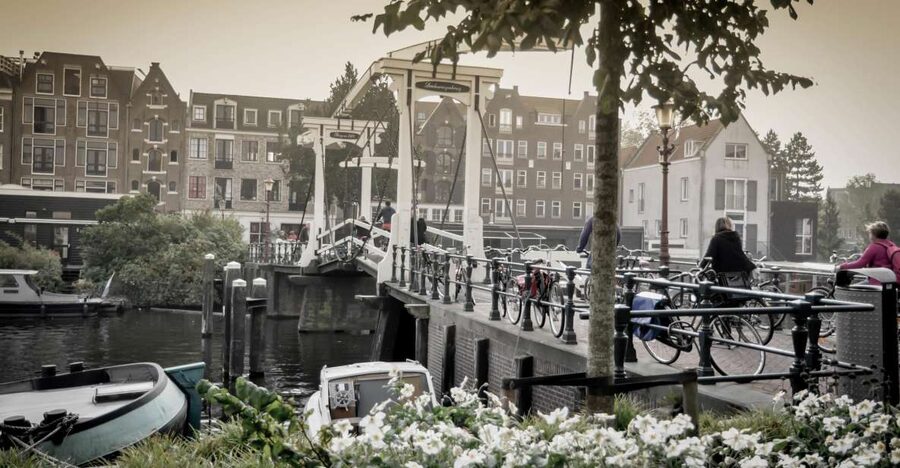
REVIEW · AMSTERDAM
Amsterdam: Guided City Bike Tour in French
Amsterdam clicks into place on two wheels. I love the French guide who keeps the stories moving, and I love how the ride stays focused on the canals and architecture. One heads up, the tour is conducted in French only.
You’ll circle through some of the most photogenic parts of the center, starting on the Western side and working toward the Museum Quarter. The pace is built for sightseeing, with frequent stops for explanations and photos rather than nonstop sprinting.
The tour is also small, with groups capped at 12 people per guide, so you’re less likely to get lost in the crowd. One possible drawback to keep in mind: if you are not comfortable riding a bike in busy streets, this is not the style of Amsterdam tour for you.
In This Review
- Key reasons this bike tour works so well
- Getting set up at IJdok 47, then finding your flow fast
- Western Islands to De Negen Straatjes, a smart first sweep of the center
- Grachtengordel to Magere Brug and the Amstel, the postcard moments with context
- Jordaan, Anne Frank House area, and Westerkerk, a route that balances famous and local
- Jewish Quarter and Vondelpark, culture, streets, and a real change of mood
- Entrepotdok, Plantage, and Museum Quarter, a guided route you can build on later
- Price and value: why $41 feels fair for a 2.5-hour guided ride
- Small rules that keep the ride comfortable and safe
- End-of-tour recommendations you’ll actually use
- Who should book this Amsterdam bike tour in French
- Should you book Amsterdam Velo in French?
- FAQ
- What is the duration of the Amsterdam guided city bike tour in French?
- Where do I check in for the tour?
- Is the tour guided in French?
- How much does the tour cost?
- Are bikes included, and are there baby seats available?
- What should I wear?
- What is not allowed during the tour?
- How big are the groups?
- Can I leave luggage during the tour?
- Are there discounts or options after the tour?
Key reasons this bike tour works so well
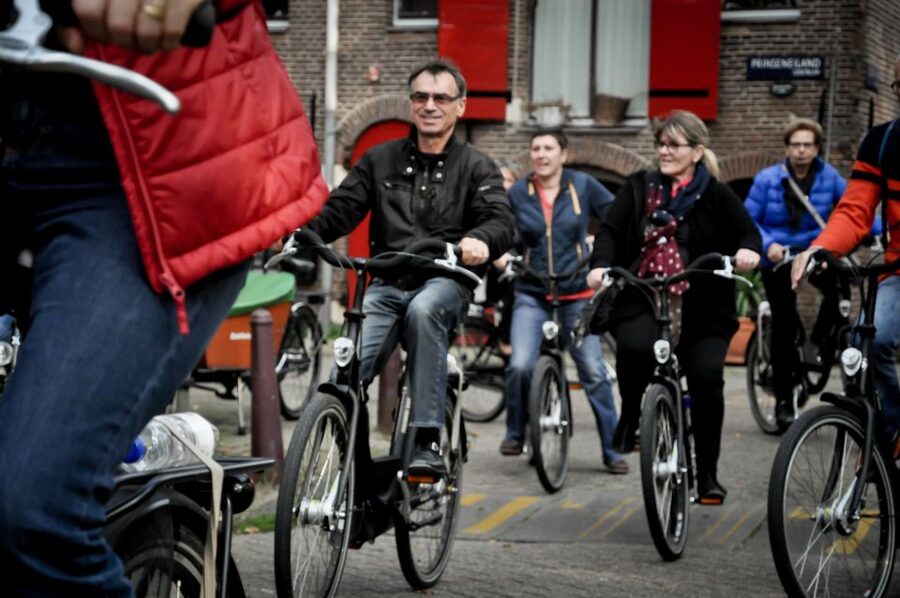
- Small groups, max 12 per guide, so questions actually get answered
- French-language guiding with multiple named guides, including Ana and Marcel
- Canal and architecture stops plus photo breaks where the guide stops you at the right moments
- Classic sights plus quieter districts, including Jordaan, the Jewish Quarter, and Vondelpark
- Practical end-of-tour help, like restaurant and neighborhood recommendations on foot
- Family-friendly bike setup, with baby seats available and bike sizes from age 8
This is cycling country. More Amsterdam rides
- Amsterdam: Guided Bike Tour City Centre in EN/DE/FR/ES★ 4.7 · 4,187 reviews
- Countryside Bike Tour from Amsterdam: Cheese, Clogs & a Windmill★ 5.0 · 1,485 reviews
- Amsterdam: Hidden Gems & Highlights Guided Bike Tour★ 4.8 · 1,404 reviews
- Amsterdam: Off the Beaten Path Bike Tour in French★ 4.9 · 1,193 reviews
Getting set up at IJdok 47, then finding your flow fast
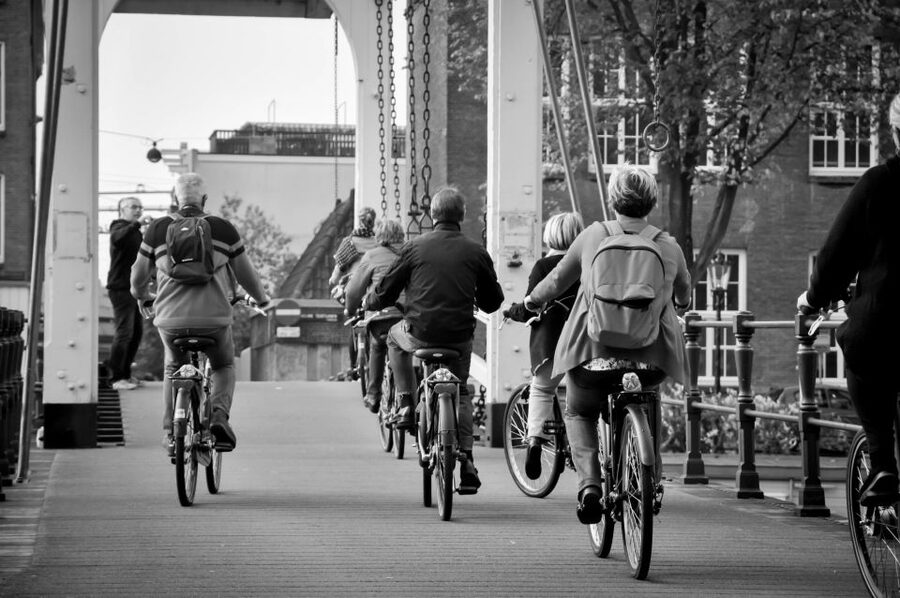
The tour kicks off at IJdok 47, with check-in at the Amsterdam Vélo office. From there, the first goal is simple, get you on a bike that fits and get you rolling comfortably before the sightseeing starts. You’re not thrown into a chaotic ride with no guidance, the early part is mostly getting oriented, including a short guided orientation stop in the Western Islands area.
What matters here is the bike itself. You get a bike with hand brakes and no foot breaks, so you should be ready to brake and control speed with your hands. If you’re used to different bike styles, this is worth mentally adjusting before you head into the busiest parts of the center.
The tour runs about 2.5 hours, and it feels like that time because the guide plans it like a loop of “ride, stop, learn, take photos.” You’ll get several photo opportunities, not just quick glances while everyone keeps rolling.
If you have luggage, there’s the option to leave it for the duration of the ride. That’s a big quality-of-life point in Amsterdam, where it’s easy to get stuck carrying bags between canal walks, museum stops, and transit.
Western Islands to De Negen Straatjes, a smart first sweep of the center
Early on, you ride through the Western Islands area for about 15 minutes, then head into De Negen Straatjes, the Nine Streets. This part of the ride is great for orientation. The streets and canals in this zone help you understand how Amsterdam’s grid of waterways and streets shapes daily life.
De Negen Straatjes is one of those neighborhoods where the details matter: narrow lanes, storefront rhythm, and lots of corners that look like they belong in a magazine. The guide gives you context as you pass, so you’re not just collecting photos, you’re building a mental map.
After that, the tour moves toward the Grachtengordel, the canal belt zone. You’ll spend about 20 minutes there with guidance. This is where a bike tour is more than convenience. On foot, you’d keep backtracking to catch views and angles. By bike, you glide along the canal edges and get a steady sequence of perspectives on bridges, facades, and street plans.
A practical tip for enjoying this stretch: keep your camera ready but don’t rush the stops. The guide times them so you can frame buildings and canal lines without having to stop abruptly. If you’re the type who takes photos constantly, you’ll still feel included here, because stopping is part of the rhythm.
Grachtengordel to Magere Brug and the Amstel, the postcard moments with context
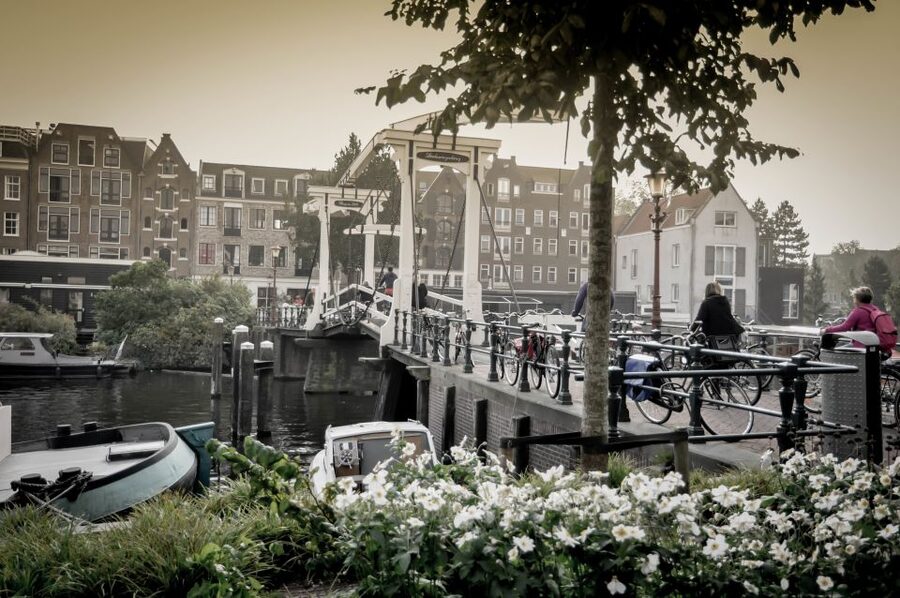
Next up, you ride toward Magere Brug for a guided stop and then continue along the Amstel for another guided segment. These are the kind of places where Amsterdam instantly looks like Amsterdam, the famous bridge silhouette and the wide canal energy in the background.
But the real value is what you get while you’re there. You’re not only seeing the landmark, you’re hearing why it sits where it does in the city’s layout and how the waterways influenced development. It’s also a good moment to slow down and notice the architecture across the water, not just the bridge in front of you.
If you’re worried about timing, don’t. The guide uses short stops (often around 10 minutes in these early landmark segments), so you’re not left lingering while everyone else waits. You’re also not exhausted from nonstop cycling.
One more thing: Amsterdam can look flat on a map, but a bike ride has its own pace. You’ll naturally find a comfortable cadence as you move from canal to bridge to broader street sections. If you keep a steady rhythm, you’ll feel like you’re seeing more than just a highlight list.
Jordaan, Anne Frank House area, and Westerkerk, a route that balances famous and local
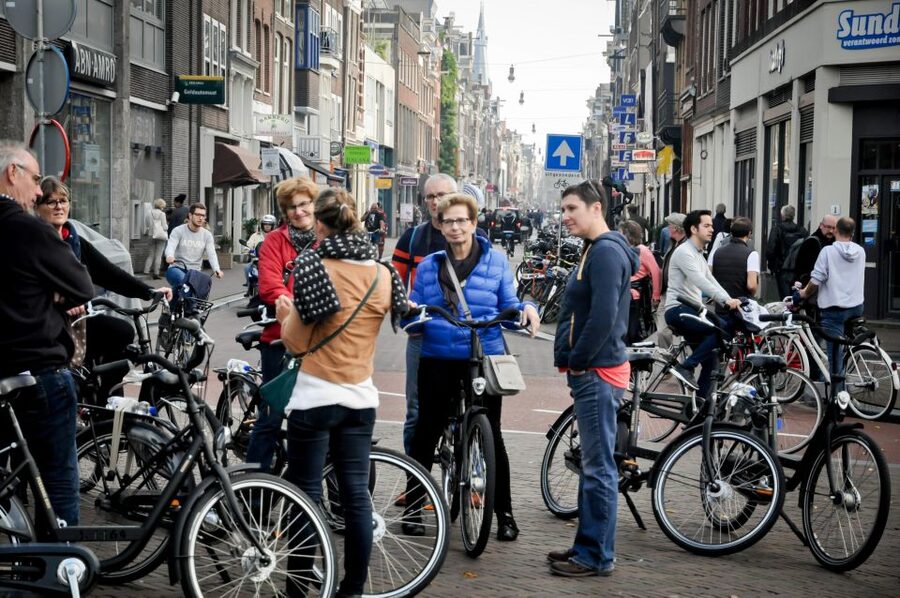
The Jordaan segment is one of the emotional and visual anchors of the tour. You get about 15 minutes with a photo stop and sightseeing while riding. In real terms, this means you can pause, look around, and feel the neighborhood character. The Jordaan is the kind of place where the buildings and street details don’t need a giant explanation, but it helps to know what you’re looking at.
Then comes the Anne Frank House area. You’ll have a guided stop there for about 10 minutes. Even if you already know the story, the payoff here is the setting. You get to view the area as part of the broader urban fabric rather than as a single, isolated attraction.
Nearby, you stop at Westerkerk for a short guided look. These brief stops matter because they connect architecture to city identity. The churches and landmark facades become markers you can recognize later while walking on your own.
A personal-style note you can take with you: if you’re planning to return to the city later, this tour helps you remember where things are. After you ride through these zones, you’re more likely to walk confidently the next day instead of zigzagging for directions.
Also, you’ll be in a group where the guide’s language and teaching style make a difference. The reviews include guides like Marcel who adapt well to different audiences and keep the tour lively, and that’s noticeable in how the stops are handled.
More trips where somebody else does the explaining


Jewish Quarter and Vondelpark, culture, streets, and a real change of mood
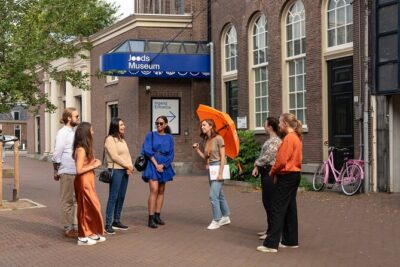
After the Anne Frank and Westerkerk area, you move into the Jewish Quarter for about 10 minutes of guided exploration. This is one of the parts where the tour shifts from “sightseeing mode” into “context mode.” You’re learning about the city through daily-life architecture, not only through major monuments.
The payoff is that you start to recognize what makes Amsterdam distinct beyond its famous postcard views. The guide also explains differences between Dutch culture and lifestyle, so you walk away with an idea of how locals think about community, housing, and city space.
Then it’s on to Vondelpark for about 10 minutes. This is not a long park visit, so don’t expect a full picnic-and-stroll stop. Instead, it works as a breather. You get the contrast, from dense streets and historic facades to open green space.
That contrast is one reason bike tours work so well in Amsterdam. You can switch environments quickly, and because the guide keeps the ride structured, you’re not stuck guessing where to go next.
Entrepotdok, Plantage, and Museum Quarter, a guided route you can build on later
From Vondelpark you head toward Entrepotdok for about 10 minutes, then Plantage for about 10 minutes. These are excellent stops for people who want more than the usual center highlights. You see a different slice of the city, still within a short ride.
Then comes the Museum Quarter, where the tour includes a break time and a photo stop, plus visiting and free time. That’s important. A short break lets you regroup, stretch, and decide what you want to do next on foot.
During this section, you also pass by Rijksmuseum and Van Gogh Museum areas with guided time. The tour includes brief guided stops for both, so you get orientation around these major landmarks without burning the entire day inside a museum. If you care about art, this is the kind of setup that helps you plan your next stop based on your interests and energy level.
One practical advantage: if museums are on your list, doing a bike orientation first makes your museum day easier. You already know where things sit relative to canals, streets, and key parks, so you waste less time searching.
Price and value: why $41 feels fair for a 2.5-hour guided ride
At about $41 per person for roughly 2.5 hours, this tour can feel like good value because it includes more than just transportation. You’re paying for:
- a live French guide with planned stops,
- a bike provided for the duration,
- time structured around photography and explanations,
- and post-tour recommendations plus maps for where to walk next.
A lot of cheaper options in major cities turn into a DIY scavenger hunt. Here, you get a guided sequence that’s hard to recreate efficiently on your own, especially if you’re trying to connect canals, neighborhoods, bridges, and architectural cues within a single afternoon.
It also helps that groups are capped at 12 per guide. Smaller groups usually mean more efficient pacing and fewer moments of waiting while someone catches up.
If you’re traveling with kids, the setup is also designed with families in mind, including baby seats if needed. Bike sizes are available from age 8, which makes it more realistic for families who want to see the center without separating into multiple plans.
Small rules that keep the ride comfortable and safe
Before you go, there are a few straightforward things you should expect:
- Closed-toe shoes are required.
- Alcohol and drugs are not allowed during the tour.
- The bikes have hand brakes, so you’ll be controlling speed that way.
- The tour is only in French.
- It is not suitable for people over 95 years.
None of this is meant to be strict for the sake of strictness. These rules help keep the ride manageable in a city where sidewalks, bike lanes, and street crossings can be tight.
It’s also worth noting the tour includes camera time. The guide stops throughout the visit to explain key buildings and locations, and those pauses are built in so you can take photos without sprinting to catch up.
End-of-tour recommendations you’ll actually use
One of my favorite types of tour add-ons is practical, not promotional. After the ride, you get recommendations for Dutch local restaurants, brown cafés, local bars, and neighborhoods to visit on foot. Maps are available too.
This is useful because it turns the tour into a springboard. Instead of ending with “good luck,” you get ideas that match the parts of the city you just rode through. If you like wandering with purpose, this is a nice way to keep the day going without guessing.
There’s also a helpful incentive if you want to keep biking after the tour. You can get a 10% discount on bike rental afterward, and a 10% discount on another French-guided tour option by boat or windmill tour.
Who should book this Amsterdam bike tour in French
This is a great fit if you:
- want a 2.5-hour overview of central Amsterdam without wasting time finding routes,
- enjoy learning through street-level context and architecture,
- like canal scenery and bridge viewpoints with planned photo stops,
- want something structured but not museum-heavy.
It’s also a solid choice for groups within the size limit, since the tour operators keep groups strictly to 12 per guide and guides are comfortable adapting their delivery. The reviews include examples of guides adjusting to school-age audiences and keeping the experience lively and organized.
You might want to choose a different style if:
- French is a barrier for you,
- you dislike bikes or aren’t confident riding in a city setting,
- you need a fully accessible setup beyond the bike format.
Should you book Amsterdam Velo in French?
Yes, if you want to get oriented quickly and you like being guided through the canals, neighborhoods, and architecture rather than only seeing a few big landmarks. The price is reasonable for a guided ride that includes the bike, multiple structured stops, and practical follow-up suggestions.
If French-only guiding is a dealbreaker, then skip it. Otherwise, this tour is one of the most efficient ways to see Amsterdam’s center in a short window, with enough stops to make it feel thoughtful rather than rushed.
FAQ
What is the duration of the Amsterdam guided city bike tour in French?
The tour lasts 2.5 hours.
Where do I check in for the tour?
You check in at the Amsterdam Vélo office, at IJdok 47.
Is the tour guided in French?
Yes, the live tour guide speaks French.
How much does the tour cost?
The price is $41 per person.
Are bikes included, and are there baby seats available?
Yes, bikes are included in the price. Baby seats are available if needed, and bike sizes are available from 8 years old.
What should I wear?
Bring closed-toe shoes.
What is not allowed during the tour?
Alcohol and drugs are not allowed.
How big are the groups?
Groups are kept strictly to 12 persons maximum per guide.
Can I leave luggage during the tour?
Yes, there are possibilities to leave your luggage while you do the bike tour.
Are there discounts or options after the tour?
After the tour, you can get a 10% discount on bike rental. You can also get a 10% discount on another French guide tour, including options by boat or the windmill tour.
This Is Cycling Country
Everything Else From Our Amsterdam Notebook



Also Reviewed Around Amsterdam



Fresh off the review pile in Amsterdam
- Full-Day Trip From Amsterdam to Keukenhof, Zaanse Schans + Cruise
★ 5.0 · 3 reviews - Boutique Dutch Food & History Tour with up to 8 guests only
★ 5.0 · 3 reviews - Private Tour to Windmills Zaanse Schans +Keukenhof – 7 Hours
★ 5.0 · 3 reviews - Full-Day Private Guided Countryside Tour from Amsterdam by Bike
★ 5.0 · 3 reviews - Amsterdam Red Light District and Old Town Walking Tour
★ 5.0 · 3 reviews
Cycling Tours, compared.
 ★ 4.7Amsterdam: Guided Bike Tour City Centre in EN/DE/FR/ESFrom $414,187 reviews
 ★ 5.0Countryside Bike Tour from Amsterdam: Cheese, Clogs & a WindmillFrom $591,485 reviews
 ★ 4.8Amsterdam: Hidden Gems & Highlights Guided Bike TourFrom $441,404 reviews
 ★ 4.9Amsterdam: Off the Beaten Path Bike Tour in FrenchFrom $411,193 reviews
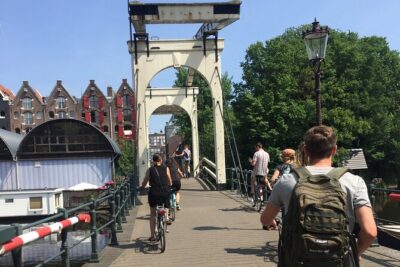 ★ 5.0Amsterdam Highlights Bike or E-Bike TourFrom $451,171 reviews
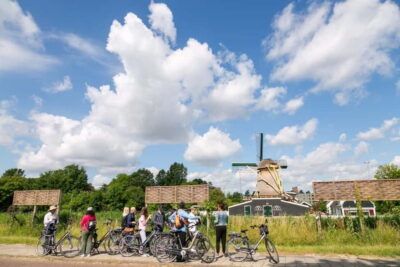 ★ 4.5Amsterdam: Windmill, Cheese, and Countryside E-Bike TourFrom $431,166 reviews
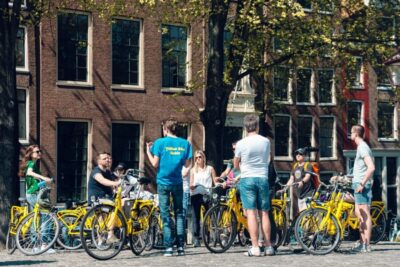 ★ 4.7Amsterdam: Relaxed City Highlights Guided Bike TourFrom $341,069 reviews
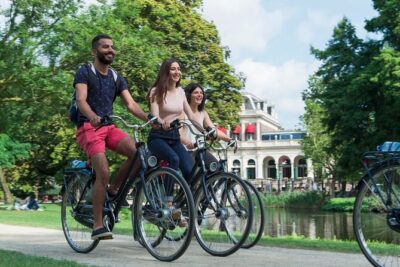 ★ 5.0Bike Rental in AmsterdamFrom $13528 reviews
Browse the lists this tour appears in