
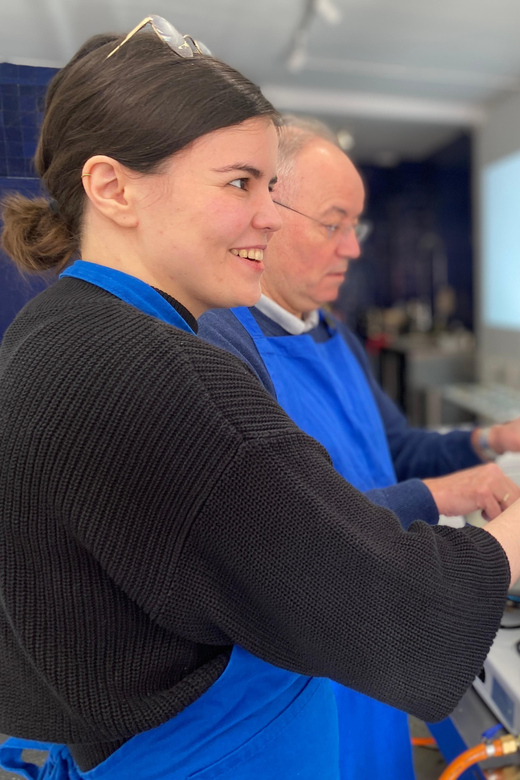
REVIEW · AMSTERDAM
Amsterdam: Make your cheese next to De Hallen
Turn milk into your own cheese. This Amsterdam workshop at De Kaasserie, near De Hallen, is a hands-on way to learn the real basics of cheesemaking, not just watch it happen.
I like that you make two different cheeses in one session, using two coagulation methods. I also love the small group setup, where you get enough time to ask questions and actually work with the milk, curds, and molds.
One consideration: this is milk-based, so it is not suitable for lactose intolerance, and it is also limited to adults (no children under 16).
In This Review
- Key Highlights I’d Plan Around
- De Kaasserie and De Hallen: Why the Setting Makes This Worth It
- What You Learn: Acid-Coagulated vs Rennet-Coagulated Cheese
- Step-by-Step: How the Workshop Day Actually Flows
- Making the two cheeses
- Flavor testing with spices and herbs
- The Tasting: Learning the Differences in Fresh and Pressed Cheese
- What You Take Home (and What It Means for Cooking Afterward)
- Price and Value: Is $135 Worth It?
- Group Size, Languages, and Instructor Style (Why It Feels Manageable)
- Who This Workshop Suits Best
- Practical Planning Tips for Your Day Near De Hallen
- Should You Book Make Your Cheese Next to De Hallen?
- FAQ
- Where do I meet for the workshop?
- How long is the experience, and how big is the group?
- What cheeses will I make during the session?
- Can I add spices or herbs to my cheese?
- What’s included in the price, and do I take anything home?
- Is this workshop suitable for children or lactose intolerance?
Key Highlights I’d Plan Around
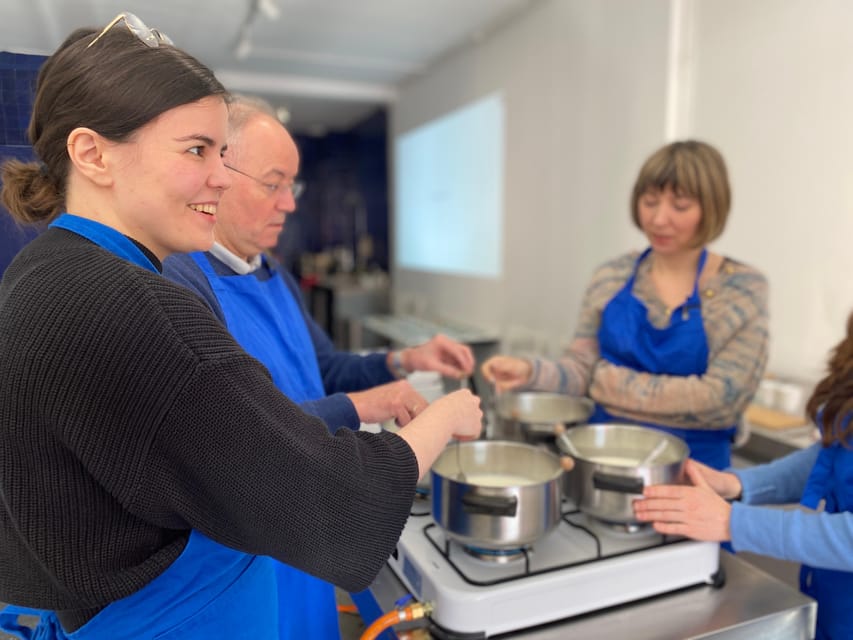
- Two coagulation methods in one workshop, so you understand the logic behind fresh versus aged cheese
- Hands-on shaping and experiments, including adding spices and herbs to your own batch
- A real tasting at the end of your homemade cheeses, including fresh and pressed styles
- Small group size of 10, which makes it easier to get guidance while you’re working
- Take-home cheese and supplies, plus recipes sent by email so you can try again
- Instructor-led, multi-language teaching, with classes in English, Spanish, French, and Dutch
Cheese, clogs, syrup waffles: keep tasting your way through Amsterdam
- Amsterdam Classic Saloon Boat Cruise with Drinks and Cheese★ 5.0 · 31,825 reviews
- Amsterdam: Classic Boat Cruise with Optional Cheese & Wine★ 4.6 · 22,925 reviews
- Amsterdam: Luxury Saloon Boat Cruise with Cocktails & Waffle★ 5.0 · 5,935 reviews
- Amsterdam: Guided Zaanse Schans, Windmills & Cheese Tour★ 4.4 · 4,826 reviews
De Kaasserie and De Hallen: Why the Setting Makes This Worth It
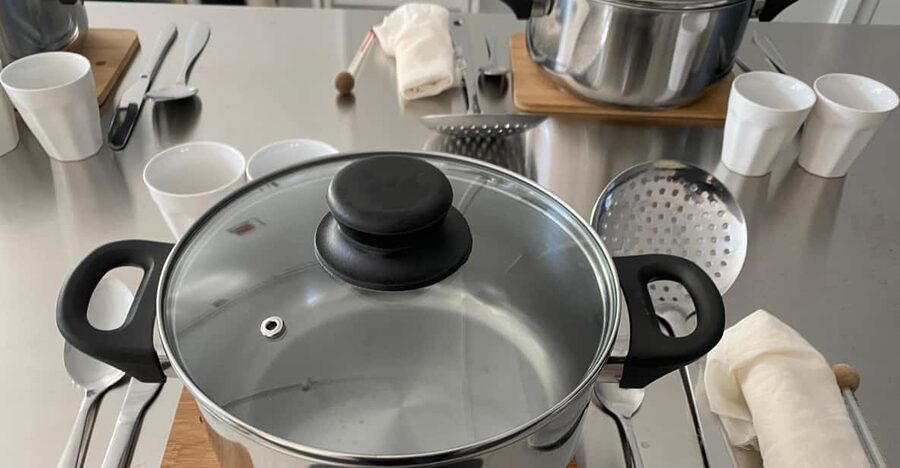
You’re doing cheese in a part of Amsterdam that feels built for creators. De Kaasserie is where the workshop happens, and the location near De Hallen matters more than you might think. If you want a day that mixes food, culture, and a little street-life wandering, this fits neatly. You can treat the workshop like an anchor activity, then build the rest of your day around nearby sights and casual meals.
It’s also a nice change from the usual Amsterdam rhythm. Instead of another museum loop or a canal cruise, you get something tactile. You’ll smell dairy, watch milk transform, and end up with food you made yourself. That kind of result changes how you remember a trip, because it’s not just information you leave behind. It’s something you can actually reproduce.
What You Learn: Acid-Coagulated vs Rennet-Coagulated Cheese
The core idea of the workshop is simple and very practical: you learn the two basic ways milk coagulates. First comes an intro presentation to set the scene and explain the process. Then you get hands-on with two one-liter batches of supermarket milk.
Here’s the useful part for you as a home cook: you make one acid-coagulated cheese and one rennet-coagulated cheese. Two milk cartons turn into two cheese rounds, both in the fresh cheese category for this session. The second method matters because rennet coagulation is the approach used for aged cheese. So you’re not just making snacks for today, you’re learning a technique you can build on later.
If you like understanding the why behind cooking, you’ll probably enjoy this. Acid coagulation is tied to acidity doing the work, while rennet coagulation uses an enzyme approach. You don’t need to become a scientist, but you do need to see how small process steps lead to curds, texture, and results that are clearly different.
Step-by-Step: How the Workshop Day Actually Flows
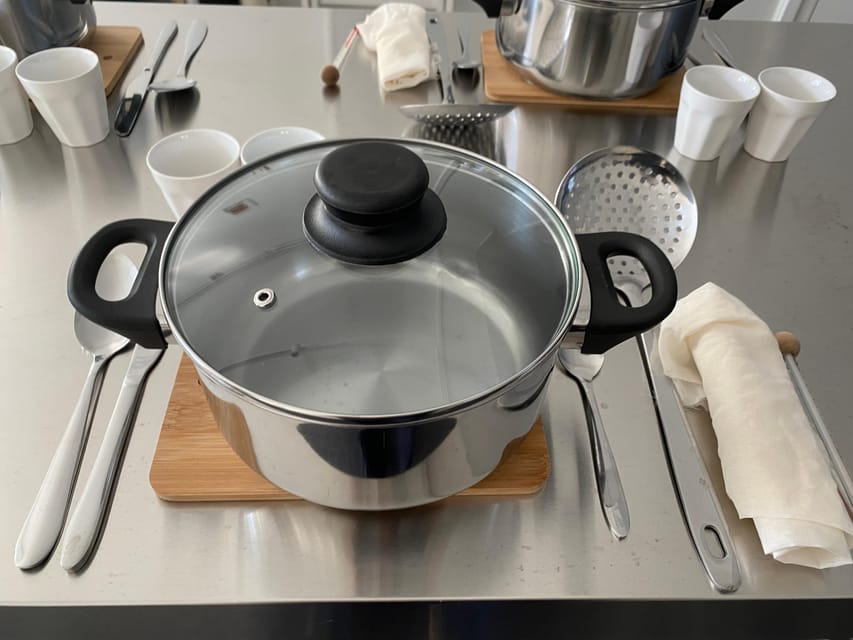
The timing is about 3 hours end to end, and the session stays structured so you’re never left wondering what comes next. When you arrive, you start with tea and an introduction to De Kaasserie and the workshop plan.
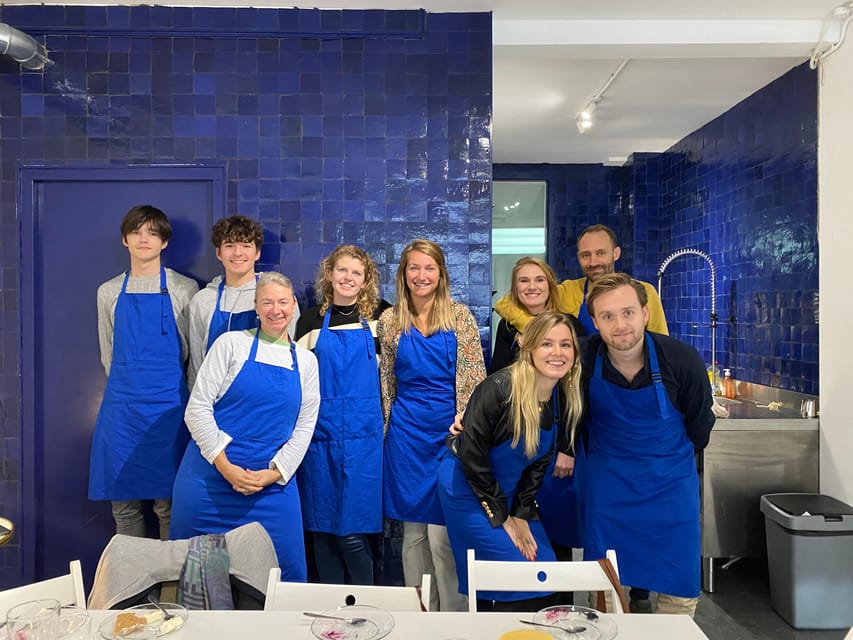
After the group is settled, the instructor leads a short slide presentation. One detail I especially like for first-timers is that the session includes introductions. You’re not just a silent blob in a corner. You get a quick sense of who else is there and why they signed up, and it makes the workshop feel less like a class and more like a shared project. In the handful of instructor-led workshops I’ve done around Europe, that kind of warm start helps you relax, and then the hands-on work feels easier.
Making the two cheeses
You’ll work with two one-liter portions of milk. The first leads you through acid coagulation, and the second teaches you the rennet method. During the process, you’ll see how coagulation signals change in the milk and how that impacts what happens next.
Important practical note: your final take-home cheeses come from what you make during the workshop. The session is designed so you’re not just watching while someone else handles the finishing steps. You will experiment with your batch too.
More cheese stops in Amsterdam

Flavor testing with spices and herbs
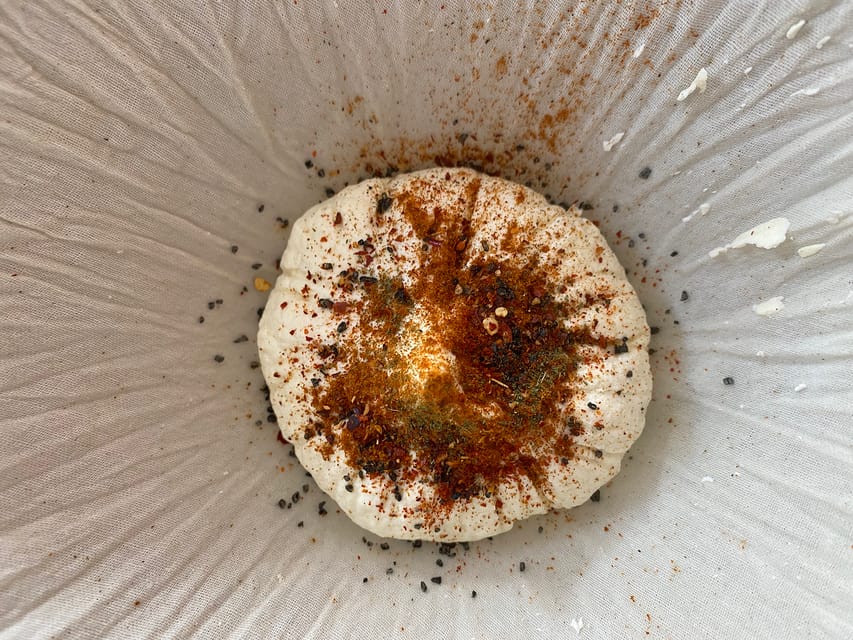
One of the most fun parts is adding spices and herbs. This is where the workshop becomes personal. You can lean toward something classic and savory, or go a little bolder if you like experimenting. Even if you’re not sure what works, you get the chance to try and taste the outcome later.
This is also one of those skills where you learn faster by doing. When you mix flavor into a curd or incorporate herbs into the cheese, you understand how easy it is to create variation. That makes the recipes you take home more useful, because they’re no longer abstract instructions. They’re connected to what your own hands produced.
The Tasting: Learning the Differences in Fresh and Pressed Cheese
Once the two cheeses are ready, the workshop ends with a tasting. You get to sample your homemade cheeses, including fresh and pressed styles. This is more than eating, it’s feedback.
Tasting right after you make something helps you connect process to result. If one batch feels a little firmer, tastes a bit different, or has a slightly different texture, you’ll know it’s linked to the method and handling steps you just experienced. That’s the kind of learning you don’t get from reading a recipe later, because your senses remember what changed.
It’s also a satisfying moment because you’re not leaving hungry. You’ll finish with food that you can point to and say, I made that.
What You Take Home (and What It Means for Cooking Afterward)
A big part of the value here is that you’re taking more than just a memory. You leave with two cheeses, plus supplies that let you keep experimenting.
You get:
- Two cheeses to take home
- Cheese cloth
- Rennet
- Calcium
- Recipes sent by email
This matters because a lot of cooking workshops teach a technique but leave you with nothing to test afterward. Here, the take-home kit supports a second attempt at home. You can try a fresh version again, and because you learned rennet coagulation, you have a route into more complex and longer recipes for aged cheese.
So if your goal is to bring a skill back from Amsterdam, this is one of the better options. You’re not just collecting postcards, you’re collecting starter tools and instructions.
Price and Value: Is $135 Worth It?
At $135 per person for a 3-hour workshop, you’re paying for more than a class. You’re paying for ingredients, equipment or materials used during the session, a guided process you might not be able to pull off comfortably at first, and the full take-home outcome.
What you get in exchange:
- Two homemade cheeses made during the workshop
- A tasting that lets you evaluate your results
- Tea plus instruction
- A kit that includes cheese cloth, rennet, and calcium
- Email recipes so you can continue
There are cooking activities in Amsterdam that focus on tasting only. This one focuses on making, then tasting your own output. For most people, that shift from passive to active learning is what makes the cost feel reasonable.
My practical advice: if you like hands-on projects and want a skill you can repeat, this price tends to feel fair. If you mostly want a short food stop with low commitment, it may feel like a lot.
Group Size, Languages, and Instructor Style (Why It Feels Manageable)
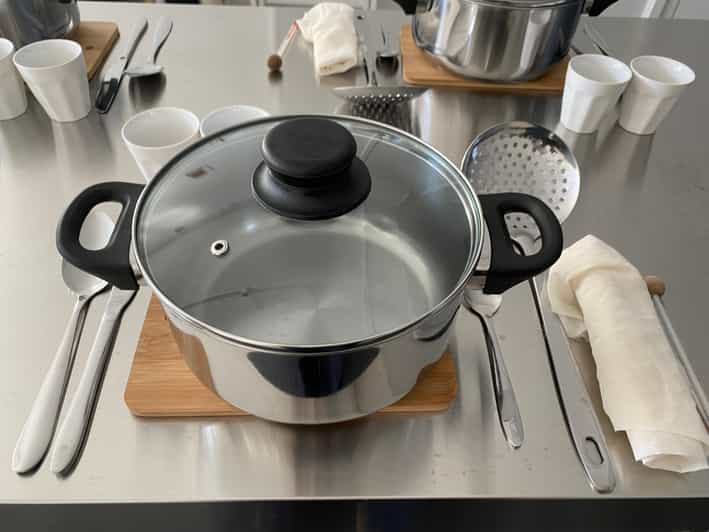
This is a small group limited to 10 participants. That size is a sweet spot. You get guidance without waiting forever, and you’re not lost in a sea of people.
The instructor teaches in multiple languages, including English, Spanish, French, and Dutch. If you’re booking based on language comfort, you’ll be able to choose an option that matches what you want.
One more thing from how the session runs: the instructor does a short slide presentation first, then the group introduces themselves. That approach helps you feel oriented. You know what you’re about to do, and you feel comfortable asking the inevitable questions that pop up once you’re holding milk and curds.
Paula is named in participant feedback as particularly helpful and personable, and that matches the kind of workshop that works for beginners. The goal is to make you feel empowered, not intimidated.
Who This Workshop Suits Best
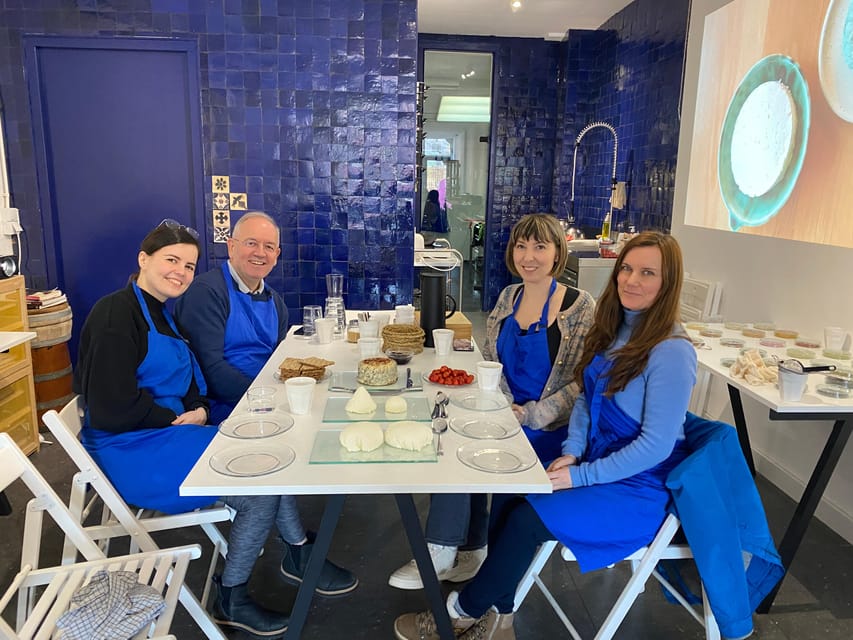
This experience is a great fit if you:
- Want a hands-on Amsterdam food activity, not just a viewing experience
- Like learning a technique you can repeat
- Enjoy food experimenting, especially flavors like spices and herbs
- Prefer small group learning where you can get answers quickly
It’s less ideal if:
- You need to avoid milk ingredients, since it is not suitable for lactose intolerance
- You’re bringing kids under 16
- You want a mostly passive experience with minimal physical work
Practical Planning Tips for Your Day Near De Hallen
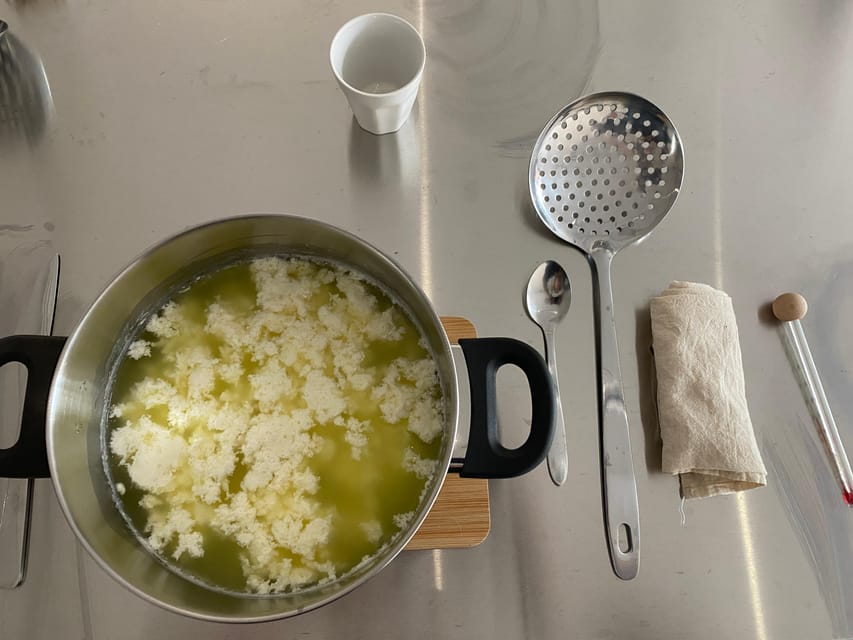
A few simple choices make your workshop day smoother.
1) Plan for 3 focused hours
Don’t stack a tight schedule right after. You’ll be making cheese and then tasting it, so give yourself a breather slot.
2) Keep your expectations realistic
This is cheesemaking basics, using two milk batches and fresh cheese results within the workshop timeframe. You’ll learn the foundation, and then you can build toward more complex aged cheese at home.
3) Bring curiosity about technique, not perfection
Cheesemaking is part science, part instinct. The workshop is designed for beginners, and you’re encouraged to experiment with spices and herbs.
4) Know what is not included
Tea is included, but no coffee or alcoholic beverages are provided. If you want something beyond tea, you’ll need to plan for it separately.
Should You Book Make Your Cheese Next to De Hallen?
If you want one memorable Amsterdam food experience that you can repeat, I’d book it. You’ll get real technique practice, two cheese outcomes, a tasting that teaches you what changed, and supplies plus emailed recipes that carry the skill beyond the workshop.
Skip it only if milk-based activities are an issue for you, or if you prefer purely observational tours. Otherwise, this is a smart value play for people who love hands-on learning and want a practical souvenir made of food.
FAQ
Where do I meet for the workshop?
You meet at De Kaasserie, and the exact meeting point may vary depending on the option booked.
How long is the experience, and how big is the group?
The workshop lasts 3 hours. It is a small group limited to 10 participants.
What cheeses will I make during the session?
You will make two cheeses: one acid-coagulated cheese and one rennet-coagulated cheese. You use two one-liter portions of supermarket milk to make two pieces of cheese.
Can I add spices or herbs to my cheese?
Yes. You can experiment with adding spices and herbs to your cheese during the workshop.
What’s included in the price, and do I take anything home?
Tea is included along with making two kinds of cheese and a homemade cheese tasting (fresh and pressed). You also take home two cheeses, cheese cloth, rennet, calcium, and recipes sent by email. Coffee and alcoholic beverages are not included.
Is this workshop suitable for children or lactose intolerance?
It is not suitable for children under 16, and it is not suitable for people with lactose intolerance. There is also an upper age limit noted as people over 95.
More Cheese Stops
- Zaanse Schans Windmills, Clogs and Dutch Cheese Small-Group Tour from Amsterdam
★ 4.5 · 2,369 reviews




Also Reviewed Around Amsterdam



Cheese, Clogs and Syrup Waffles


Fresh off the review pile in Amsterdam
- Full-Day Trip From Amsterdam to Keukenhof, Zaanse Schans + Cruise
★ 5.0 · 3 reviews - Boutique Dutch Food & History Tour with up to 8 guests only
★ 5.0 · 3 reviews - Private Tour to Windmills Zaanse Schans +Keukenhof – 7 Hours
★ 5.0 · 3 reviews - Full-Day Private Guided Countryside Tour from Amsterdam by Bike
★ 5.0 · 3 reviews - Amsterdam Red Light District and Old Town Walking Tour
★ 5.0 · 3 reviews
Dutch Cheese, Clogs & Stroopwafels, compared.
 ★ 5.0Amsterdam Classic Saloon Boat Cruise with Drinks and CheeseFrom $2131,825 reviews
 ★ 4.6Amsterdam: Classic Boat Cruise with Optional Cheese & WineFrom $1822,925 reviews
 ★ 5.0Amsterdam: Luxury Saloon Boat Cruise with Cocktails & WaffleFrom $215,935 reviews
 ★ 4.4Amsterdam: Guided Zaanse Schans, Windmills & Cheese TourFrom $224,826 reviews
 ★ 4.8Amsterdam: Traditional Dutch Syrup Waffle Making WorkshopFrom $234,093 reviews
 ★ 4.5Zaanse Schans Windmills, Clogs and Dutch Cheese Small-Group Tour from AmsterdamFrom $512,369 reviews
 ★ 4.4Rotterdam: Pancake CruiseFrom $311,986 reviews
 ★ 4.4Amsterdam: River Cruise With All-You-Can-Eat Dutch PancakesFrom $361,504 reviews
Browse the lists this tour appears in