
REVIEW · AMSTERDAM
Amsterdam: National Holocaust Museum Entry Ticket
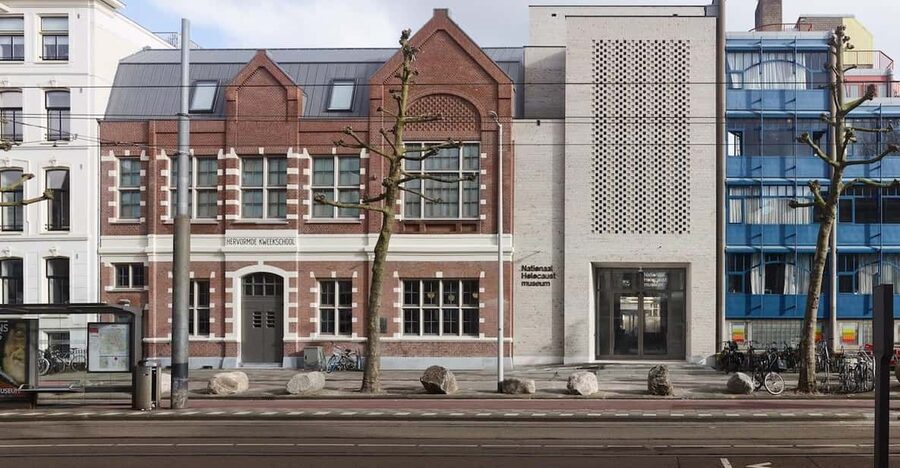
You cannot rush this museum. The National Holocaust Museum is in the former Hervormde Kweekschool, a building tied to the deportation of Jewish children in WWII, so the story lands with weight fast. I especially like how the museum connects history to place, using that real site and adjacent daycare context to explain how persecution worked. I also like the way the exhibits keep people at the center, with victims shown as recognizable individuals rather than anonymous numbers.
Two things I really value are the interactive holograms that let you ask questions, and the museum’s clear supporting audio and labeling that help you follow a tough narrative without getting lost. One drawback to plan for: the content can feel intense and information-dense, so you may want extra time to slow down instead of trying to “power through.”
In This Review
- Key Things I’d Prioritize Before You Go
- Why This Ticket Feels Worth It in Amsterdam
- The Hervormde Kweekschool Building Makes the Story Real
- Holocaust History Told Through Daily Life, Liberation, and Memory
- Interactive Holograms and Audio Help You Stay Oriented
- What to Look For in the Exhibits (So You Don’t Miss the Good Stuff)
- Timing: Plan on a Half-Day to Feel Human Again
- Pairing With the Hollandsche Schouwburg Memorial Ticket
- Practical Tips for Amsterdam Days: Photos, Layout, and a Calm Break
- Who This Experience Is Best For (and Who Might Want a Different Format)
- Should You Book This National Holocaust Museum Ticket?
- FAQ
- How much is the Amsterdam National Holocaust Museum entry ticket?
- What’s included with this ticket?
- Where is the meeting point?
- How long is the ticket valid?
- Can I take photos inside the museum?
- Is this experience wheelchair accessible?
- What language support is available?
- What is the historical setting of the museum?
- Does the museum cover daily life before WWII?
- Is there free cancellation, and how does it work?
Key Things I’d Prioritize Before You Go
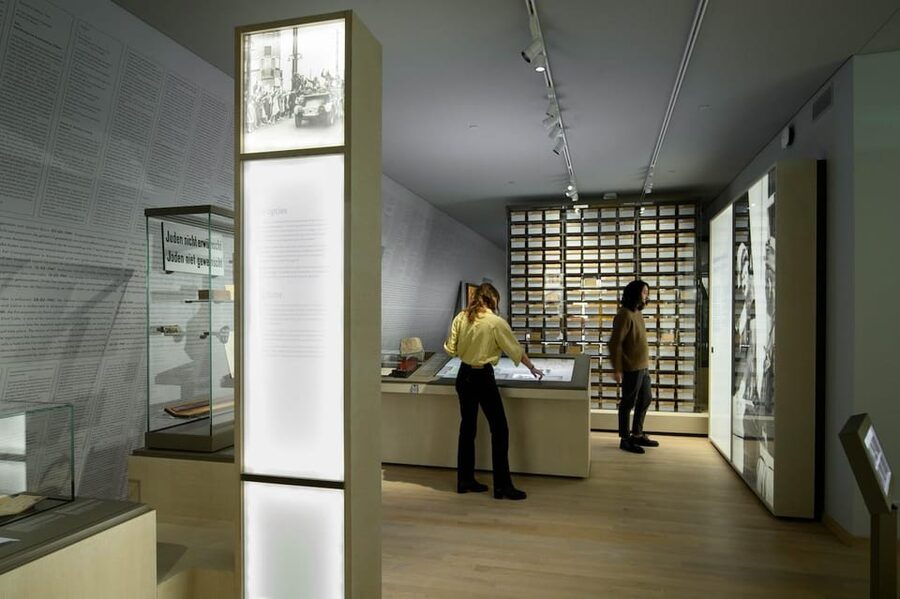
- Hervormde Kweekschool setting: you’re learning in a building with documented wartime connections.
- Interactive Q and A format: the holograms make the material feel more direct and usable.
- Daily life before the war: you get context, not only tragedy.
- Dutch memory culture angle: it’s not just what happened, it’s how the Netherlands remembers.
- Practical time planning: some exhibits need patience, and the museum can run full.
Other walks through Amsterdam Jewish history
- Anne Frank’s Story – Guided Walking Tour through Amsterdam★ 5.0 · 11,619 reviews
- Amsterdam: Life of Anne Frank and World War II Walking Tour★ 4.8 · 10,467 reviews
- Amsterdam: Anne Frank Guided Small Group Walking Tour★ 4.8 · 2,722 reviews
- Amsterdam: Anne Frank Walking Tour – Guided in EN/DE/IT/ES★ 4.9 · 2,676 reviews
Why This Ticket Feels Worth It in Amsterdam
At $24 per person, this isn’t a budget add-on. It’s priced like what it is, a serious, well-designed educational experience with strong historical grounding. You’re not just buying entry, you’re getting access to the National Holocaust Museum plus the Hollandsche Schouwburg National Holocaust Memorial entry included with your ticket.
That matters because the Dutch story of WWII is specific. The museum doesn’t treat the Holocaust as a distant European event. You see how persecution developed in the Netherlands, how life looked before the occupation, and how the war changed everything.
Also, the ticket is valid for 7 days from first activation. In plain terms, that’s helpful if you want to split the experience, take a break when your brain needs oxygen, and return instead of forcing it all into one long sitting.
The Hervormde Kweekschool Building Makes the Story Real
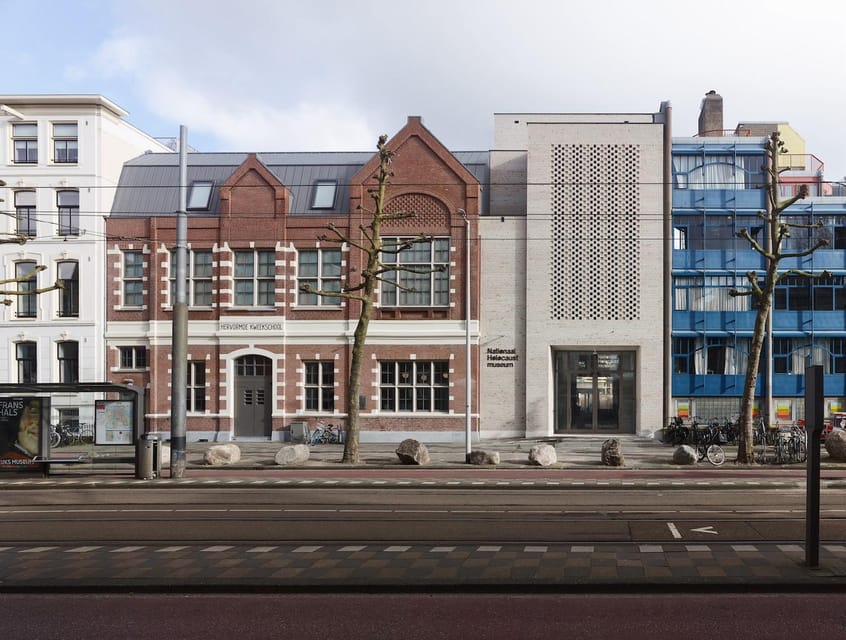
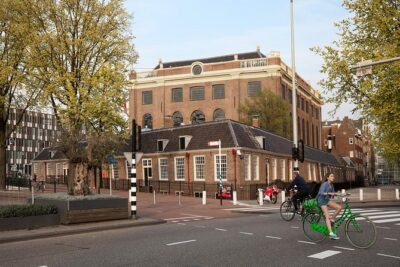
The museum takes place in the former Hervormde Kweekschool, a historically important structure that helps explain how children were caught in the machinery of deportation. The museum experience is framed around a specific wartime reality: Nazis used the adjacent daycare as a gathering and deportation point for Jewish children.
That building detail isn’t decoration. It’s the kind of context that makes you stop thinking in abstract terms. When you learn that hundreds of children were deported from this area, the walls feel like part of the evidence. The museum also highlights the role of Henriëtte Pimentel, who helped hundreds escape, including through the Kweekschool.
This is one reason I’d call the location a core part of the value. You’re not only reading about history. You’re standing in a place that shaped how people were processed, hidden, saved, and lost.
Holocaust History Told Through Daily Life, Liberation, and Memory
One of the museum’s strengths is the way it doesn’t start and end with atrocity alone. Before you reach the darkest sections, you see how Jews and non-Jews lived alongside each other before WWII, with shared rights and everyday routines.
Then the museum shifts into the occupation period and the creation of systems meant to destroy Jewish life. The material includes clear scale: about six million Jews were murdered in Europe, and in the Netherlands, three-quarters of the Jewish population were killed. If you want the story anchored in human outcomes, not only statistics, this structure helps.
You’ll also see how the museum treats liberation and what comes after. The experience includes the way the Holocaust is handled in Dutch national memory culture. That last part is important. It pushes you to think about how societies carry trauma forward, how remembrance changes over time, and how education shapes the future.
Interactive Holograms and Audio Help You Stay Oriented
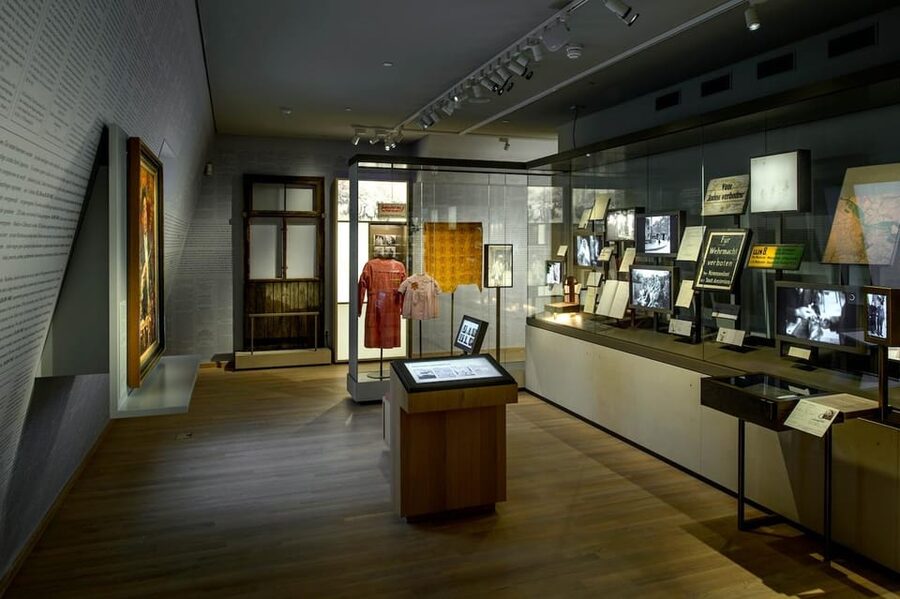
In many museums, “interactive” means busy screens and shallow content. Here, the interactive holograms are described as genuinely useful, including the ability to ask questions and get answers. That format can be a smart choice for a topic where you may feel overwhelmed.
I like the way this changes your pace. Instead of forcing everything through one wall of text, you can use the Q and A moments to clarify what you’re seeing right then. It’s also a good way to manage the emotional weight. You can pause, ask, and process in smaller chunks.
On top of that, the museum uses supporting tools like an informative audio guide. Combined with the museum’s organized layout and readable labels, this helps you keep track even when the subject matter is heavy. The overall effect is that you’re guided, without feeling like you’re being rushed through a script.
Other Amsterdam entries you can hold on your phone



What to Look For in the Exhibits (So You Don’t Miss the Good Stuff)
The museum is designed to keep victims recognizable and present in your mind. That approach matters because it fights against the deadening effect of numbers. Instead of only showing documents, you encounter personal stories and artifacts that make the past feel specific.
In terms of what you’ll physically notice, a few exhibit types tend to hit hard:
- personal items like suitcases and smaller everyday objects
- portraits and displayed faces, meant to keep identity visible
- staged presentations that explain the step-by-step system behind persecution
One practical detail: some visitors point out that certain glass cases can reflect light, making exhibits harder to see from the wrong angle. You can fix a lot of that with simple technique. Look slightly off from direct overhead glare, and if you can, change your position rather than leaning in and fighting reflections.
Also, not every display is designed for instant viewing by everyone at once. Some exhibits may require waiting for access, which is why I recommend treating this as a slow visit, not a quick stop between canals.
Timing: Plan on a Half-Day to Feel Human Again
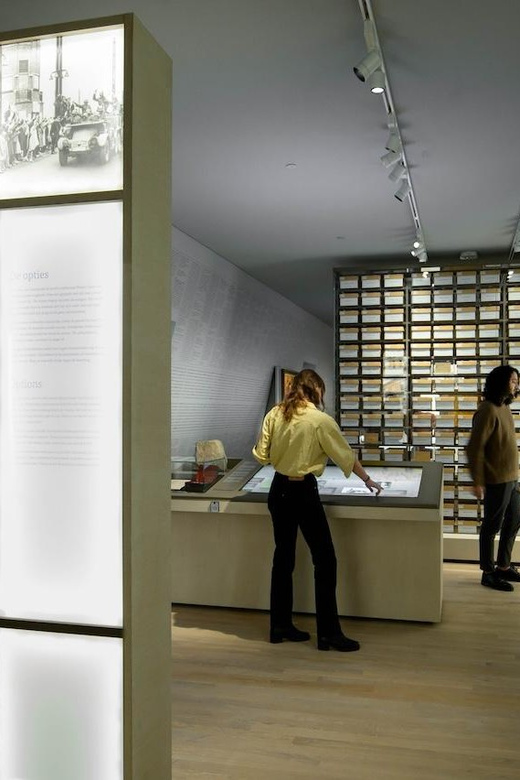
Even with self-paced freedom, you should assume this museum takes time. One of the most common issues is not that the museum is confusing, it’s that it’s full. You’ll see lots of information, personal accounts, and historical context across multiple sections.
A safe strategy is to build in a buffer for your energy. Give yourself time for absorbing moments, not only reading. If you want the experience to actually stick, plan to spend a good chunk of your day here and resist the urge to sprint.
One practical note from real closing-time pressure: staff may come over near the end of visiting hours when it’s time to wrap up. So aim earlier than “right before the last minute.” You’ll enjoy it more, and you won’t leave with the feeling that you missed the best parts.
Pairing With the Hollandsche Schouwburg Memorial Ticket
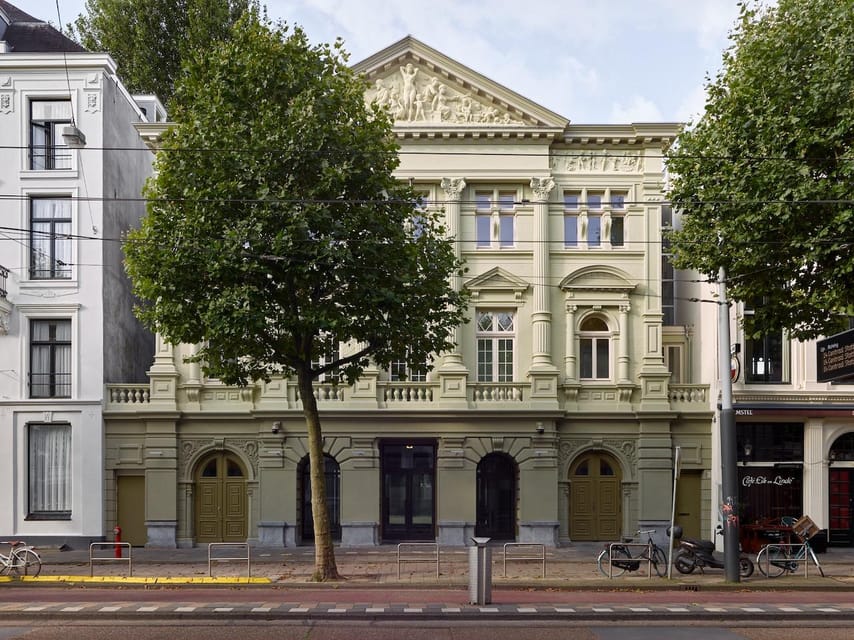
Your ticket includes entry to the Hollandsche Schouwburg National Holocaust Memorial. This is valuable because the museum in the Hervormde Kweekschool setting focuses on a particular building story tied to deportation, while the memorial helps you extend that awareness into the wider network of wartime sites and memory.
Think of it like this: the museum gives you a guided understanding of daily life, persecution, and Dutch memory culture. The memorial entry reinforces the place-based remembrance thread. Together, they help you avoid the “one building, one story” trap.
If you’re feeling emotionally heavy, this pairing can be hard. That’s normal. Plan your day so you have a calmer neighborhood activity afterward, like a long walk or a simple meal, before you jump into anything too intense.
Practical Tips for Amsterdam Days: Photos, Layout, and a Calm Break
Photography is allowed, but be respectful. That sounds obvious, yet in Holocaust memorial settings it matters. Keep your phone down until you’re actually capturing something that can be photographed without disrupting others.
The museum is also the type of place where signage and movement can slow you down in subtle ways. You may need to take a few extra steps to figure out the flow. That’s not a failure on your part. It’s part of a careful educational layout. If you’re the type who likes a strict schedule, build in flexibility so you can still stop for the moments that hit.
There’s also a cafe option inside the museum building. Even if you’re not hungry, a short pause can help reset you. If you’re coming during a busy time, grabbing a break before you get exhausted is a surprisingly practical way to protect your experience.
Who This Experience Is Best For (and Who Might Want a Different Format)
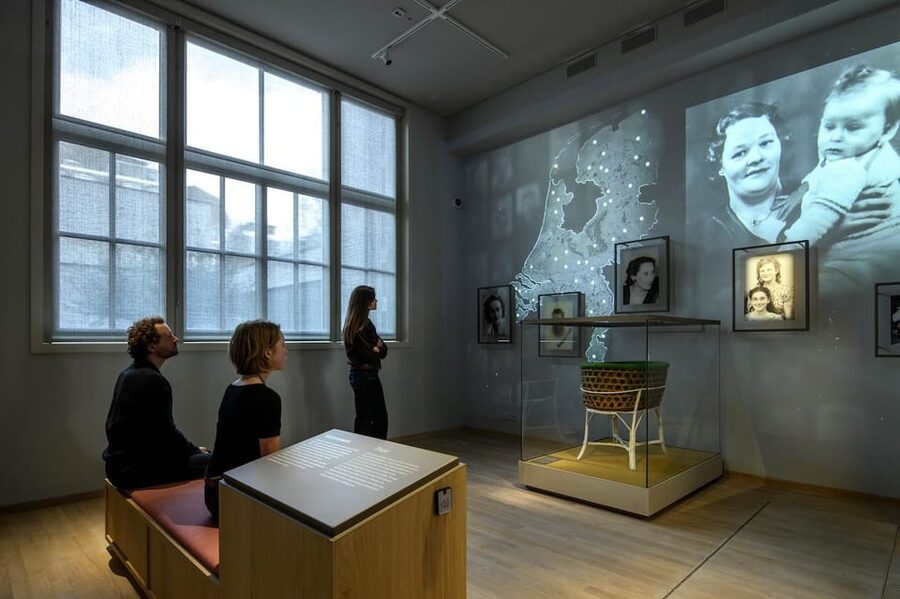
This is best for you if you want:
- a serious, historically grounded Amsterdam stop
- clear explanation of how persecution unfolded in the Netherlands
- a place-based visit in an important former school building
- interactive elements like hologram Q and A plus audio support
It’s also a strong pick if you’re traveling with kids or teens who can handle difficult topics and you want a structured, explained approach. The museum experience is described as designed for taking your time, which helps families avoid the “forced speed” problem.
If you already know Holocaust history well and you’re only looking for a quick overview, you may find the material heavy and long. In that case, consider whether you want to pair this with lighter Amsterdam activities later, or whether you should use the ticket’s validity window to spread it out.
Should You Book This National Holocaust Museum Ticket?
Yes, I think you should book it if you care about understanding the Holocaust through the specific lens of the Netherlands and through a real historic setting. The included access to the Hollandsche Schouwburg memorial is a meaningful bonus for context, not just a marketing add-on.
If you have limited time in Amsterdam, still consider it. Just don’t treat it like a check-the-box museum. Plan a quieter day around it, and give yourself permission to move slower than your usual travel pace.
FAQ
How much is the Amsterdam National Holocaust Museum entry ticket?
The ticket price is $24 per person.
What’s included with this ticket?
You get entry to the National Holocaust Museum and entry to the Hollandsche Schouwburg National Holocaust Memorial.
Where is the meeting point?
The meeting point is at the National Holocaustmuseum.
How long is the ticket valid?
It’s valid for 7 days from first activation.
Can I take photos inside the museum?
Photography is allowed, as long as you’re respectful.
Is this experience wheelchair accessible?
Yes, it is wheelchair accessible.
What language support is available?
The provided info does not list specific languages. You should confirm language availability before you go.
What is the historical setting of the museum?
The museum is housed in the former Hervormde Kweekschool, connected to the deportation of Jewish children. The adjacent daycare is also part of the museum’s historical explanation.
Does the museum cover daily life before WWII?
Yes. It covers Jewish life in the Netherlands before World War Two, including how Jews and non-Jews lived alongside each other with the same rights.
Is there free cancellation, and how does it work?
Free cancellation is available up to 24 hours in advance for a full refund.
Entries for Your Phone





Also Reviewed Around Amsterdam



Jewish Amsterdam: Sites and Memory





Fresh off the review pile in Amsterdam
- Full-Day Trip From Amsterdam to Keukenhof, Zaanse Schans + Cruise
★ 5.0 · 3 reviews - Boutique Dutch Food & History Tour with up to 8 guests only
★ 5.0 · 3 reviews - Private Tour to Windmills Zaanse Schans +Keukenhof – 7 Hours
★ 5.0 · 3 reviews - Full-Day Private Guided Countryside Tour from Amsterdam by Bike
★ 5.0 · 3 reviews - Amsterdam Red Light District and Old Town Walking Tour
★ 5.0 · 3 reviews
Anne Frank & Jewish Heritage, compared.
 ★ 5.0Anne Frank’s Story – Guided Walking Tour through AmsterdamFrom $3911,619 reviews
 ★ 4.8Amsterdam: Life of Anne Frank and World War II Walking TourFrom $3710,467 reviews
 ★ 4.8Amsterdam: Anne Frank Guided Small Group Walking TourFrom $282,722 reviews
 ★ 4.9Amsterdam: Anne Frank Walking Tour – Guided in EN/DE/IT/ESFrom $282,676 reviews
 ★ 5.0Anne Frank Walking Tour Amsterdam Including Jewish Cultural QuarterFrom $751,879 reviews
 ★ 5.0Anne Frank’s Last Walk & See Anne Frank House in Virtual RealityFrom $42957 reviews
 ★ 5.0Anne Frank and Jewish Quarter Amsterdam Private Walking TourFrom $157684 reviews
 ★ 4.3Amsterdam: Canal Cruise from Anne Frank MuseumFrom $18563 reviews
Browse the lists this tour appears in