
REVIEW · AMSTERDAM
Amsterdam: Red Light District Tour
Red lights, real history, and room for questions.
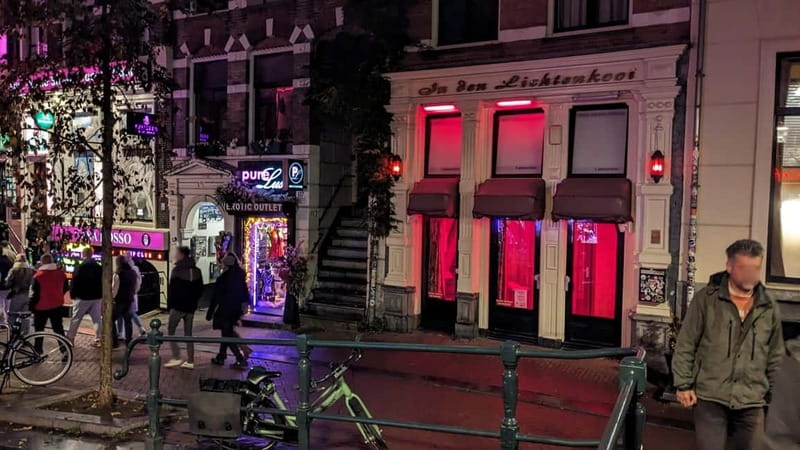
This 1.5-hour walk around Amsterdam’s Red Light District area uses a local guide to explain why the city’s approach to sex work and drugs looks so different, and how coffee shops fit into that story. Two things I especially like: you get a neighborhood perspective straight from someone who knows the streets, and you finish with a map to help you explore the final stretch on your own.
The main thing to consider is that the tour does not go inside the Red Light District itself, due to rules in place since 2020. Still, the route stays close enough that you learn what you’re seeing, instead of just passing by it.
In This Review
- Key highlights worth planning for
- Why Amsterdam handles sex work and drugs differently
- Meet at Beursplein, then walk the perimeter like a local
- Beursplein and Dam Square: starting with the city’s public face
- Warmoesstraat to Zeedijk Street: the street-level story you can see
- Nieuwmarkt Square photo stops and the shift toward De Wallen
- Coffee shops, tolerance, and the neighborhood’s everyday logic
- The 2020 inside-the-district rule, and what you still get
- What the best guiding looks like on this route
- Practical tips so the walk feels safe and respectful
- Price and logistics: why 25 dollars can be good value
- Who this tour suits best (and who might want to think twice)
- FAQ
- How long is the Amsterdam Red Light District tour?
- Where do I meet the guide at the start?
- Is the tour inside the Red Light District?
- What languages are the tours offered in?
- Is alcohol or drugs allowed during the tour?
- Is the tour wheelchair accessible?
- Do you offer free cancellation and pay later?
- Should you book this Red Light District tour?
Key highlights worth planning for
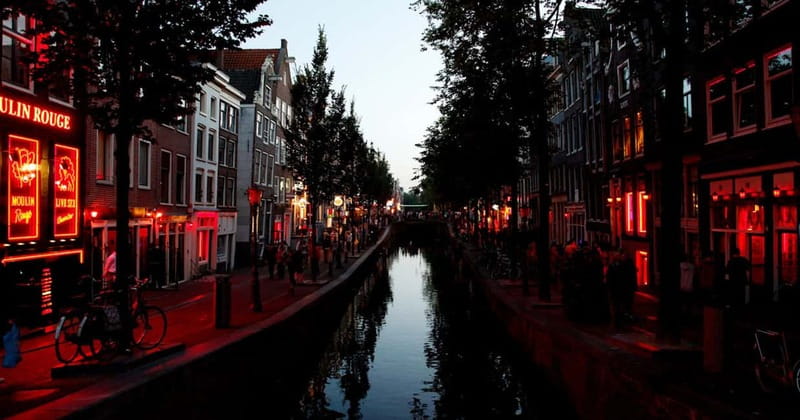
- Local-guided walking route around the Red Light District outskirts with time to ask questions
- Manouk-led storytelling that focuses on history, policy, and destigmatizing sex work
- Coffee shop culture context and how Amsterdam became known for tolerance
- Photo stops and key squares including Dam Square, Zeedijk Street, and Nieuwmarkt Square
- Map plus a small gift at the end so you can keep exploring afterward
Other guided walks through this part of Amsterdam, for adults
- Amsterdam: Red Light Secrets Museum Entry Ticket★ 4.2 · 5,722 reviews
- Amsterdam: Red Light District Tour in German/English/Italian★ 4.9 · 5,623 reviews
- Amsterdam Red Light District & Coffee Shop Tour★ 4.6 · 4,134 reviews
- Amsterdam: Red Light District Pub Crawl with Unlimited Shots★ 4.1 · 2,130 reviews
Why Amsterdam handles sex work and drugs differently
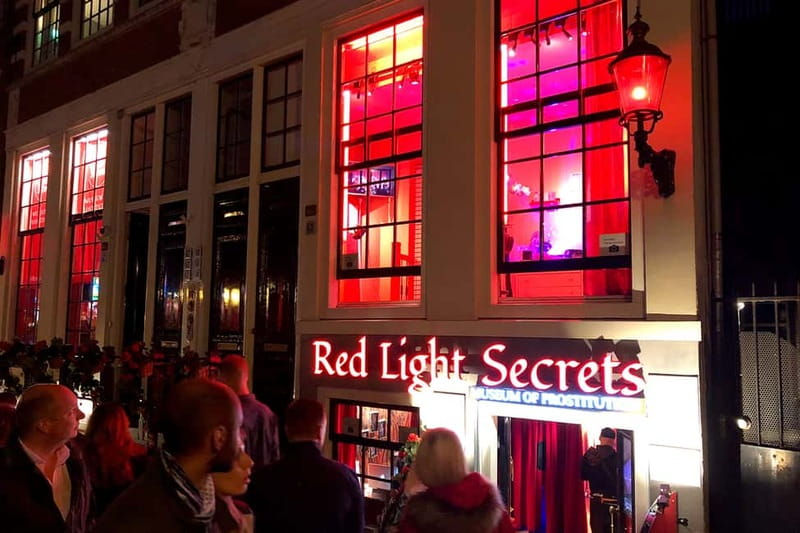
Amsterdam’s reputation here is not an accident. During the tour, your guide connects the dots between public policy, social attitudes, and the way people talk about sex work and drugs in everyday life.
I like that the tone is practical, not sensational. You’ll hear why the city became known as more tolerant, and you’ll also get current context about ongoing challenges for sex workers, including the kind of controversies that keep popping up. It’s the difference between watching from a distance and understanding the system that shaped the neighborhood.
Meet at Beursplein, then walk the perimeter like a local
The tour starts at Beursplein, on the square. Head to the bottom of the stairs of Bistro Berlage, and look for the large black lantern, where the guide holds up a sign that reads Guidance.
From the start, the vibe feels like you’re walking with someone who lives with these streets, not someone reading a script. If you like learning by moving, you’ll appreciate the steady rhythm and the frequent chances to ask questions. Also note the basics: comfortable shoes matter, because this is a walking tour and you’ll be on your feet for the whole 1.5 hours.
Beursplein and Dam Square: starting with the city’s public face
You begin with a short segment at Beursplein. Expect orientation, the kind of context that makes the rest of the route easier to understand, and small cues about what to notice as you continue.
Then you head to Dam Square for about 15 minutes. This stop helps you frame the setting, because Dam Square is one of Amsterdam’s biggest crossroads for visitors and locals alike. It’s a good reminder that even when the Red Light District gets the attention, it sits inside a much larger city story.
The only downside of starting with big public spaces is that they can feel a bit removed from what you came for. But the tour uses them to build logic first, so you’re not just hunting for scenes, you’re learning why this area exists where it does.
Warmoesstraat to Zeedijk Street: the street-level story you can see
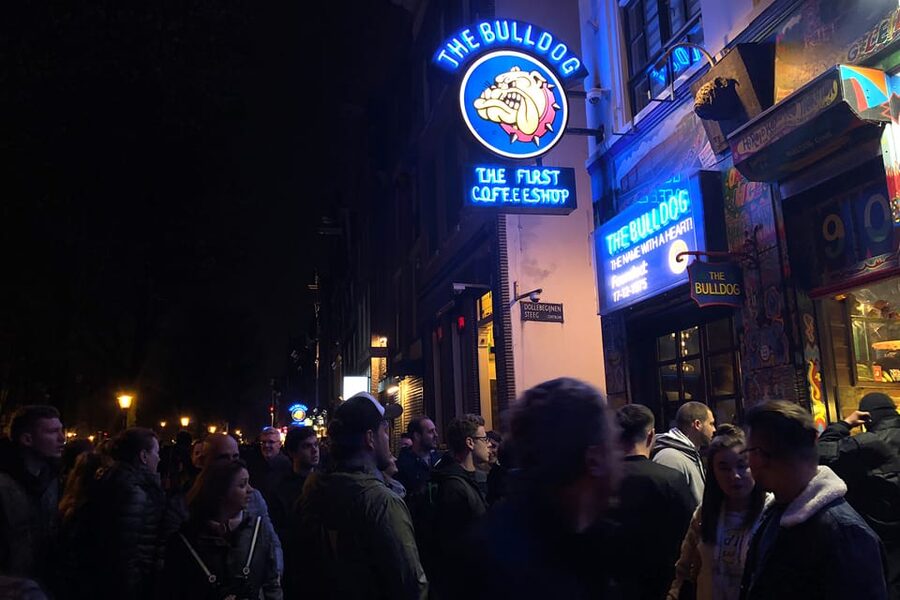
Next comes Warmoesstraat for around 10 minutes. This is where you start noticing how the neighborhood’s scale and layout shape daily life, and where the history starts feeling less abstract.
Then you move to Zeedijk Street, with a photo stop plus about 15 minutes of guided sightseeing. This is the kind of place where your guide can point out what tourists usually miss, because it’s not just one landmark. The streets link together, and the details matter.
One practical note: photo stops are built into the walk, so if you want pictures, don’t wait until the end. If you’re sensitive to the topic, you can also pace yourself here, because the guide keeps the focus on explanation and context rather than on shock value.

Nieuwmarkt Square photo stops and the shift toward De Wallen
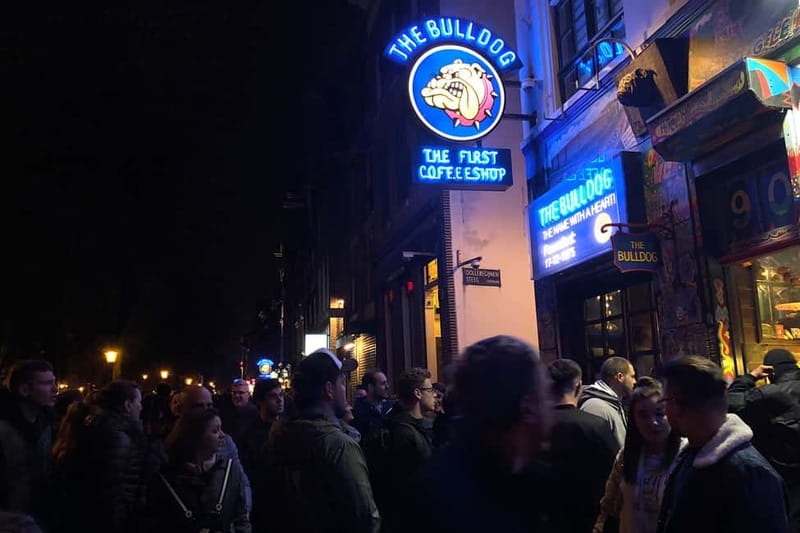
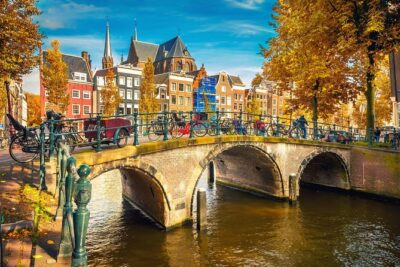
Your route continues to Nieuwmarkt Square for roughly 15 minutes, again with a photo stop. This is a good moment to reset your brain: the tour is preparing you to see the neighborhood in a new way, not just as an attraction.
From there, the walking line finishes near De Wallen, the name most people use for the Red Light District area. The idea is that you get close enough to feel the geography, while still keeping the tour respectful and realistic.
What you gain here is direction. By the time you’re near De Wallen, you’ll understand how to interpret what you’re looking at and where you might want to spend extra time after the tour ends.
Coffee shops, tolerance, and the neighborhood’s everyday logic
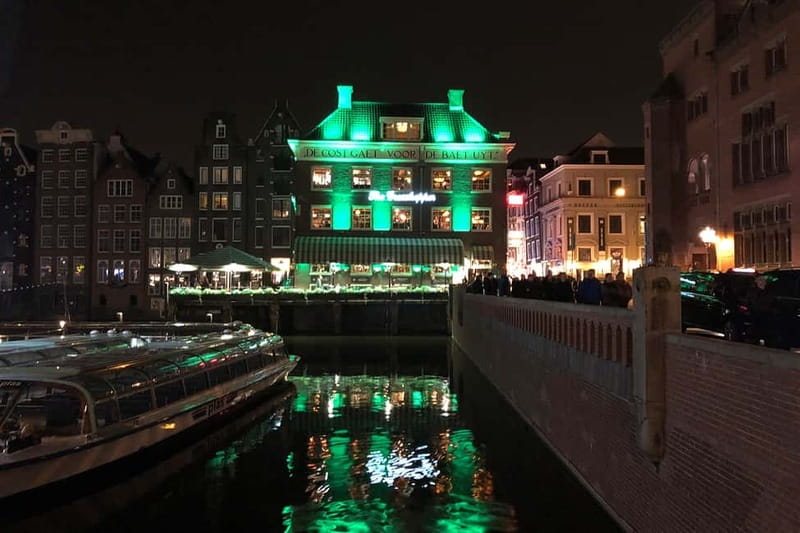
A big part of the experience is learning the reasons behind Amsterdam’s liberal attitude toward sex and drugs. Your guide also explains the cultural significance of the city’s coffee shops, and how that fits into the broader social approach.
I like this because Amsterdam is not just a list of sights. It’s a set of choices people make about how to manage behavior, risk, and public order. Whether you agree with the approach or not, the tour helps you see it as a system, not a slogan.
You also learn how sex work became legal and what the industry faces now. The tour doesn’t pretend everything is easy. You’ll hear about real challenges, plus how public debate and recent controversies can affect the lives of people working in the area.
The 2020 inside-the-district rule, and what you still get
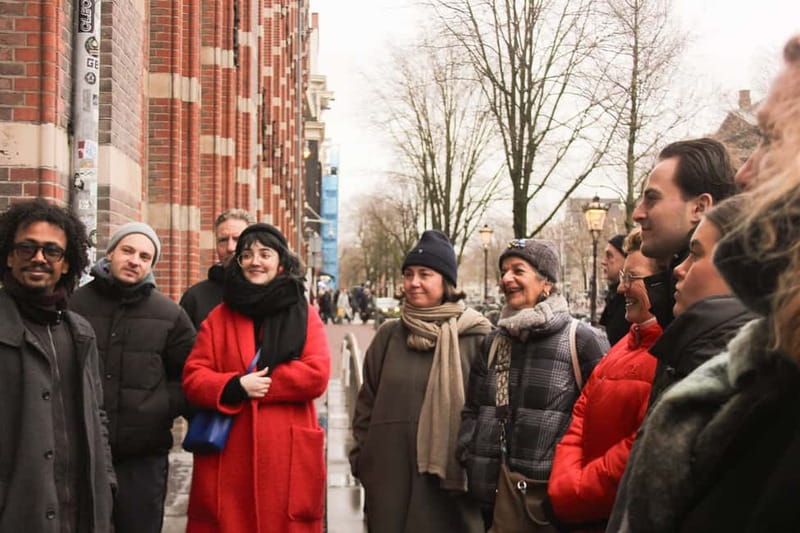
Since guided tours inside the Red Light District are prohibited since 2020, this tour explores the outskirts. That means you’ll learn from what’s around the boundaries, and you’ll get a better sense of the area’s history and daily rhythm without crossing the line into restricted spaces.
This setup can actually be a strength. You’re not forced into awkward sightseeing rules, and you’re guided through the “why” behind the neighborhood, not just the “what.” Your end point includes a map with information to explore the last stretch by yourself.
That self-exploration part is where the tour earns its keep. The guide gives you a starting point and context, so you can choose how long you want to look, instead of feeling like you’re stuck in someone else’s timeline.
What the best guiding looks like on this route
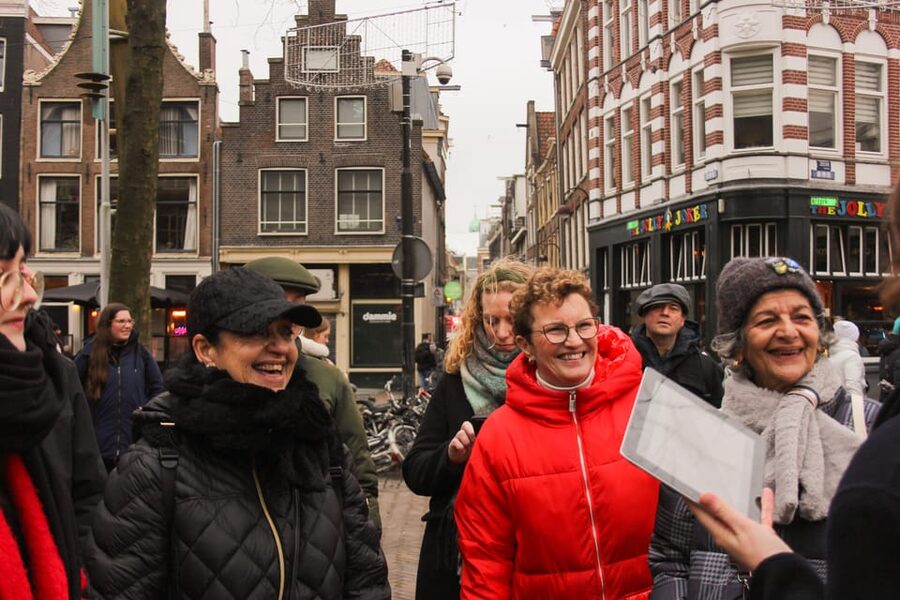
A lot of walking tours are just narration. This one stands out because the guide is a long-time local resident and the tone stays human.
The guide you may meet is often Manouk, and many people praise how friendly and approachable she is, with lots of room for questions. There’s also mention of a sidekick named Trixie in at least one group experience, which suggests the walk can feel like a well-organized little team.
Expect a steady pace with well-placed stops. Several comments emphasize the guide’s humor and the way she handles the subject sensitively, with an aim at destigmatizing sex work. That matters here, because the topic can go wrong fast if a guide treats it like a stunt.
Practical tips so the walk feels safe and respectful
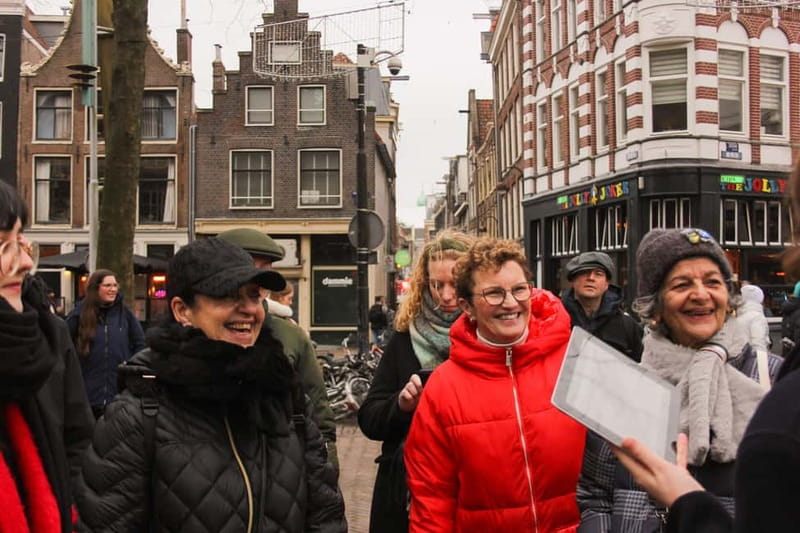
This is a sensitive topic area, so your behavior counts. The tour itself sets clear expectations: alcohol and drugs are not allowed, and the focus stays on the guided explanation of the neighborhood.
Bring comfortable shoes, plain and simple. The walk is 1.5 hours, and you’ll be moving through central streets where stopping often means shifting your footing, not just taking a quick photo.
If you’re the type who asks questions, this is a good match. The guide explicitly answers questions and encourages them, which is helpful because everyone comes in with a different level of curiosity and comfort. If you’re more reserved, you can still follow along, because the route includes stops that break up the walk and give you natural pauses to process what you’re hearing.
Also note the guide provides both an informational map and a small gift at the end. That can be a nice way to keep the momentum going after the walking portion is over, especially if it’s your first night in the city.
Price and logistics: why 25 dollars can be good value
At $25 per person for about 1.5 hours, the price is fairly straightforward. What you’re really paying for is local context: a guided, topic-specific walk that connects policy, neighborhood history, and what you see in the streets.
Here’s the value angle I like. A visit to the Red Light District without context can feel like wandering through scenes that don’t add up. With this tour, you get a framework for understanding why Amsterdam developed this approach, plus practical guidance for what to do next with the map when the tour ends.
Another value point is flexibility. You can book either a group or a private group option, and the tour is wheelchair accessible. If you want a more tailored experience, the private option can be a smart way to ask more personal questions without worrying about group timing.
Who this tour suits best (and who might want to think twice)
This tour is a strong fit if you want more than sightseeing. If you’re curious about Amsterdam’s tolerance, you like history that connects to present-day life, and you appreciate a respectful tone, you’ll probably have a great time.
It also works well as a first-night or early-trip activity. The walk gives you bearings, then the map helps you decide where you might want to go next. Even if the Red Light District itself isn’t your personal interest, the surrounding streets and civic story can still be the point.
You might want to think twice if you came expecting an inside-the-district access experience. This tour is built around the outskirts because of restrictions. If your goal is to physically enter specific areas inside the district, this format will not meet that expectation.
FAQ
How long is the Amsterdam Red Light District tour?
It runs for about 1.5 hours.
Where do I meet the guide at the start?
Meet at Beursplein. Go to the bottom of the stairs of Bistro Berlage, and look for the large black lantern where the guide holds a sign that says Guidance.
Is the tour inside the Red Light District?
No. Guided tours inside the Red Light District are prohibited since 2020, so this tour explores the outskirts and ends with a map for the last stretch to explore on your own.
What languages are the tours offered in?
The live tour guide provides the tour in English and Dutch.
Is alcohol or drugs allowed during the tour?
No. Alcohol and drugs are not allowed.
Is the tour wheelchair accessible?
Yes, the tour is wheelchair accessible.
Do you offer free cancellation and pay later?
Yes. You can cancel up to 24 hours in advance for a full refund, and there is a reserve now and pay later option.
Should you book this Red Light District tour?
I’d book it if you want a respectful, local-guided walk that explains why Amsterdam’s sex work and drugs policies look the way they do. The route hits key central stops, the tone aims to reduce stigma, and the map plus small gift help you make the most of the time after the tour.
I would skip it if your main goal is inside-access or if you know you want zero discussion of sex work and current challenges. For most people, though, this is one of the better ways to see the area with context, so the neighborhood makes sense when you look at it yourself.
Everything Else From Our Amsterdam Notebook



Also Reviewed Around Amsterdam




The Adult Side of Amsterdam, Explained



Fresh off the review pile in Amsterdam
- Full-Day Trip From Amsterdam to Keukenhof, Zaanse Schans + Cruise
★ 5.0 · 3 reviews - Boutique Dutch Food & History Tour with up to 8 guests only
★ 5.0 · 3 reviews - Private Tour to Windmills Zaanse Schans +Keukenhof – 7 Hours
★ 5.0 · 3 reviews - Full-Day Private Guided Countryside Tour from Amsterdam by Bike
★ 5.0 · 3 reviews - Amsterdam Red Light District and Old Town Walking Tour
★ 5.0 · 3 reviews
Red Light District & Coffeeshops, compared.
 ★ 4.2Amsterdam: Red Light Secrets Museum Entry TicketFrom $175,722 reviews
 ★ 4.9Amsterdam: Red Light District Tour in German/English/ItalianFrom $285,623 reviews
 ★ 4.6Amsterdam Red Light District & Coffee Shop TourFrom $294,134 reviews
 ★ 4.1Amsterdam: Red Light District Pub Crawl with Unlimited ShotsFrom $242,130 reviews
 ★ 4.5Amsterdam Red Light District Pub CrawlFrom $241,497 reviews
 ★ 4.2Amsterdam: Cannabis Museum Entry TicketFrom $141,244 reviews
 ★ 4.5Amsterdam: Red Light District TourFrom $331,135 reviews
 ★ 4.1Amsterdam: After Dark Red Light District TourFrom $571,030 reviews
Browse the lists this tour appears in