
REVIEW · AMSTERDAM
Amsterdam: Rembrandt House Museum Entrance Ticket
A 400-year-old house can feel surprisingly current. The Rembrandt House Museum in Amsterdam lets you walk through the rooms where Rembrandt lived and worked, with a new multimedia tour that follows his story scene by scene. I especially like the day-to-day art making focus, plus the hands-on feeling you get in the studio and printmaking areas. One thing to keep in mind: this is a multi-floor, stair-heavy home, so it is not friendly for wheelchair users or visitors with mobility impairments.
You do not need to be a Rembrandt super-fan to have a great visit. If you enjoy seeing how art gets made, you’ll get plenty from the demonstrations and the way the museum connects his personal ups and downs to his work. The tradeoff is that the museum is built around etchings, sketches, and works from his circle, so you should not expect it to function like a gallery of his biggest oil paintings.
Plan on about a half day to a bit more, and bring your patience for tight room flow when it is busy. If you come at a steady pace with audio running, the place clicks fast. If you want, you can even line up a visit before or after other Amsterdam art stops since it sits right in the city’s historic core on the Jodenbreestraat.
In This Review
- Key things you should know before you go
- Why Rembrandt’s Jodenbreestraat House feels different
- Price and timing: what $23 buys in real time
- The multimedia tour: follow Rembrandt room by room
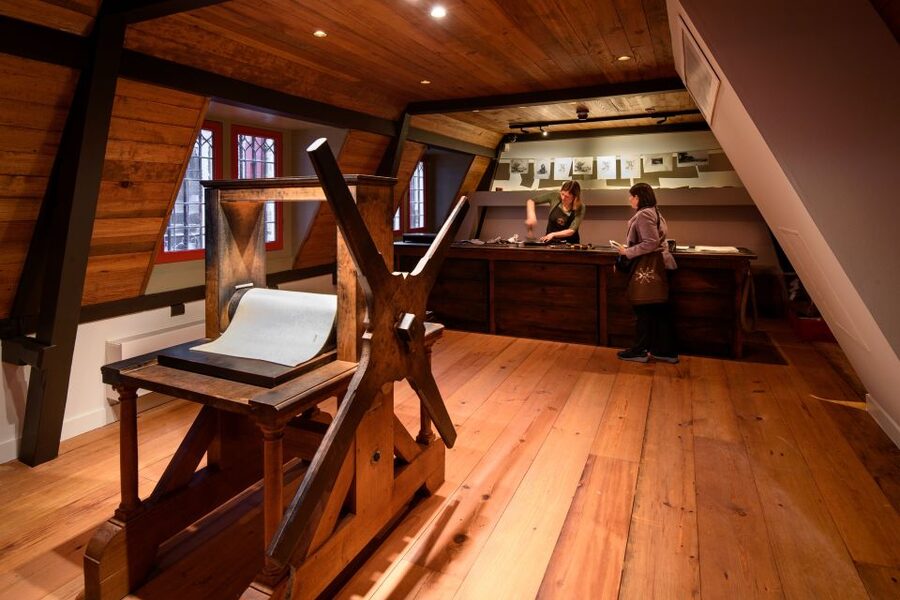
- Studio, paint mixing, and the daily etching demonstrations
- What you’ll actually see: etchings, sketches, and works around him
- Rembrandts Masterclass exhibition: the Anatomy Lesson and hands-on play
- Navigating a multi-floor house without losing your audio
- Added spaces: epilogue room, etching attic, and the third exhibit
- Accessibility and practical comfort in a stair-heavy home
- Is this worth $23 in Amsterdam?
- Who should book this ticket, and who might want a different plan
- Should you book the Rembrandt House Museum ticket?
- FAQ
- How much is the Amsterdam Rembrandt House Museum entrance ticket?
- How long does this experience take?
- Where is the meeting point?
- What does the ticket include?
- Is there an audio guide?
- Are demonstrations part of the visit?
- Is the Rembrandt House Museum suitable for wheelchair users?
- What is the Rembrandts Masterclass exhibition, and when does it run?
- Does the experience include Rembrandt’s studio process?
- Can I cancel for a refund?
- Do I need to pick a specific start time?
Key things you should know before you go
- A new multimedia tour maps Rembrandt’s life onto the rooms, not just a generic audio script
- Studio time matters: you get to see paint-related process, including paint mixing, in the studio area
- Etching attic and extra rooms add more depth, including an epilogue room and a third exhibition room
- Daily etching and painting demonstrations make the house feel active, not just preserved
- Rembrandts Masterclass (30 Jan 2026 to 25 May 2026) includes interactive art activities and a slow watching room for The Anatomy Lesson of Jan Deijman
- This is a stair-based house with limited suitability for wheelchair users and mobility impairments
Why Rembrandt’s Jodenbreestraat House feels different
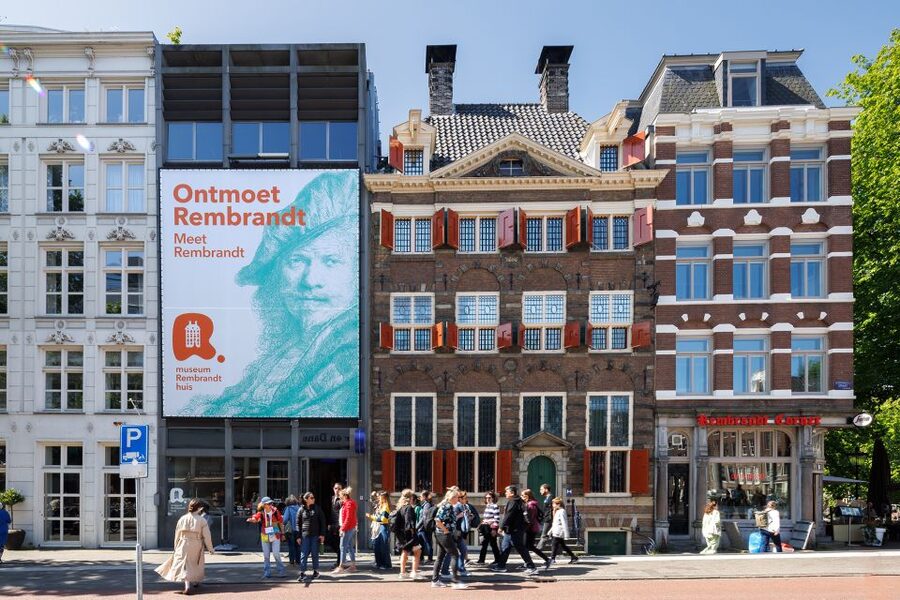
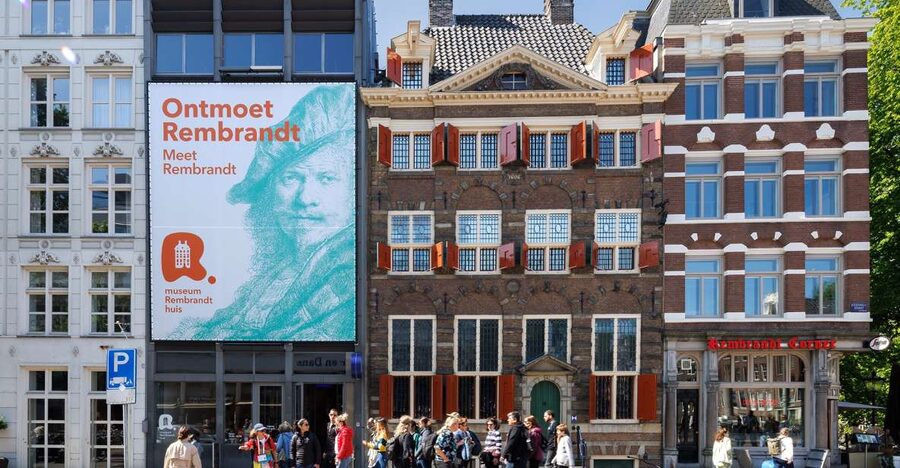
The Rembrandt House Museum, known locally as the Rembrandthuis, is one of those Amsterdam sights that changes how you picture a historical figure. You are not just looking at “Rembrandt the brand.” You are in a real neighborhood street setting, on Jodenbreestraat 4, walking through a home-sized space where everyday life and artistic work overlap.
What I like most is how the museum treats the house like a working place. Even when you are not watching a demonstration, the rooms push you to think about routine, tools, light, materials, and time. That day-to-day angle fits the way Rembrandt is remembered as both artist and craftsman.
One practical reality: the layout is a home with multiple floors. That is part of the charm, but it also means you will spend time climbing stairs and moving carefully through smaller spaces.
Price and timing: what $23 buys in real time
At $23 per person, this ticket is priced like a focused museum experience rather than a huge city attraction. That matters because the value comes from concentration: the house, the audio, the demonstrations, and the extra exhibition spaces are all built around Rembrandt’s process.
The experience is valid for one day, with starting times based on availability. If you want to get the most out of the multimedia tour, I’d treat it like a 2 to 3 hour mission rather than a quick walk-through. Some visitors end up staying around that range because the audio and studio-related areas take time to appreciate properly.
If you can, choose a time when you will not feel rushed. The museum is self-guided, but you will get better mileage if you can listen without constantly pausing to navigate crowds.
The multimedia tour: follow Rembrandt room by room
The museum’s big upgrade is the new multimedia tour, designed to make 17th-century Amsterdam feel alive inside the building. Instead of only describing the house, it ties the rooms to Rembrandt’s personal arc, starting with his rise as an ambitious celebrity artist and moving toward his forced departure as debts piled up.
I love this approach because it turns “history” into cause and effect. When you hear what was happening to him personally, you start noticing why certain spaces or themes in the house feel the way they do.
Also, plan your pace. The audio and multimedia content is structured for each space, and the longer segments tend to live in the more central rooms like the living area, the studio, and the collection-focused rooms. If you prefer a lighter listening schedule, you can skim some segments, but the full story is where the museum feels most rewarding.
Studio, paint mixing, and the daily etching demonstrations
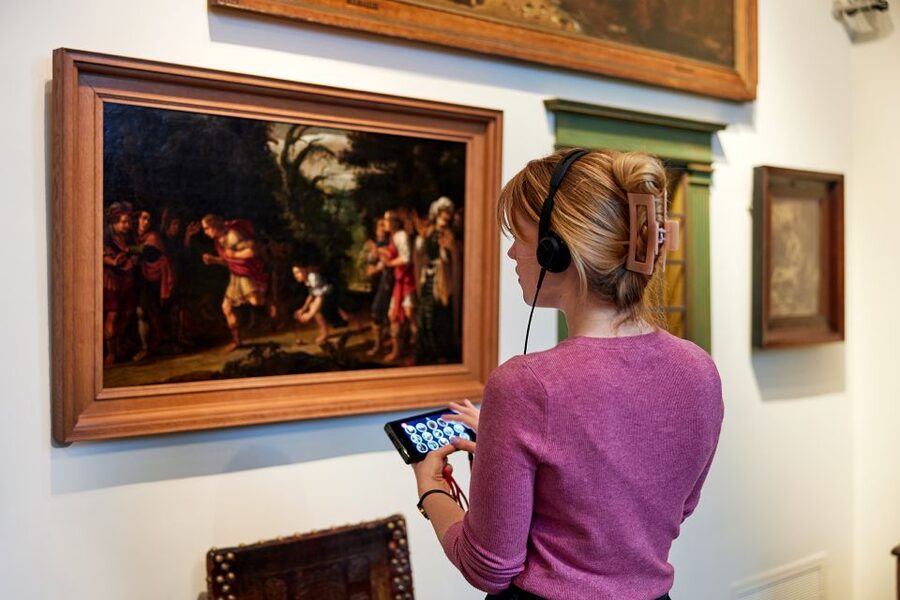
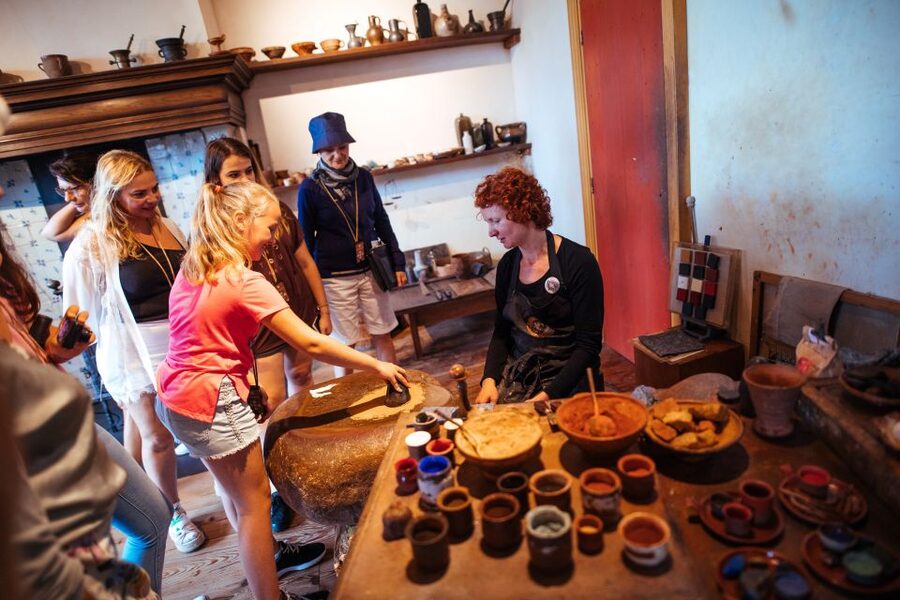
This is where the Rembrandt House Museum earns its keep. You are not stuck in pure observation mode. The museum runs daily etching and painting demonstrations, which helps you understand technique, not just results.
In the studio area, you can watch process unfold. Some visitors highlight a live paint mixing demonstration in Rembrandt’s studio, which is a wonderful bonus because it connects to what you hear in the audio about making materials. It is one thing to learn that artists mixed paints. It is another to see the steps and hear how the colors and pigments were approached back then.
You also get access to the etching attic, a space created to explain etching techniques more directly. Even if you are not an art student, the “look over the artist’s shoulder” feeling is easy to grasp. The museum does a good job of moving from concept to craft.
If you have any interest at all in printmaking, go in expecting to leave with a better sense of how an image gets built line by line, not painted on all at once.
What you’ll actually see: etchings, sketches, and works around him
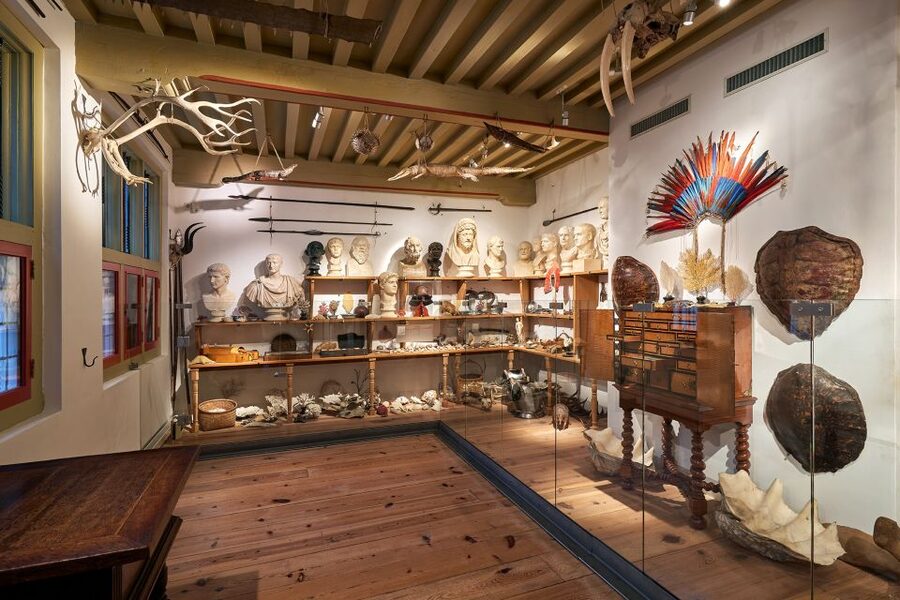
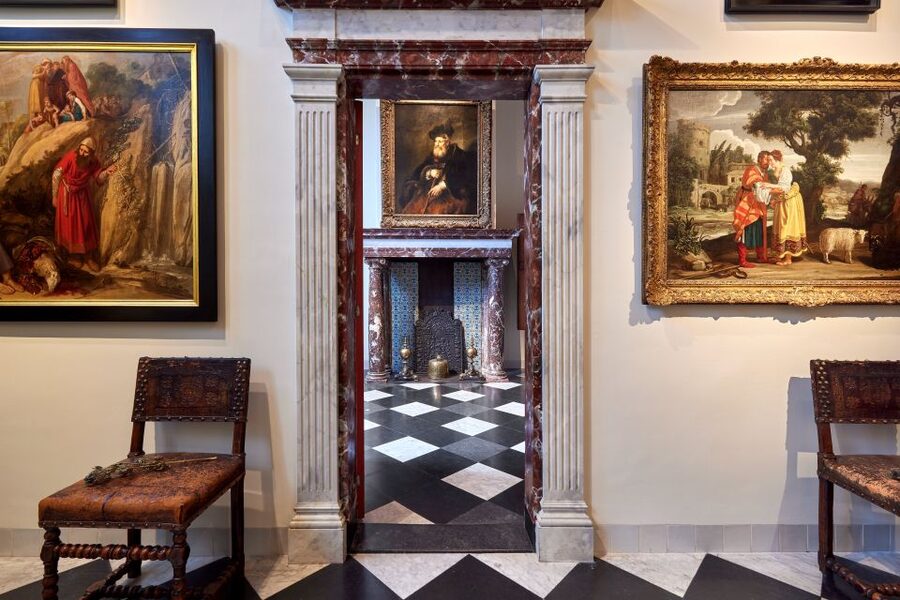
One honest expectation setter: the Rembrandt House Museum leans heavily into etchings and drawings, along with works by Rembrandt’s contemporaries and those he inspired. You should think of it as a workshop-and-life museum more than a giant oil painting gallery.
The highlights include an almost complete collection of Rembrandt’s etchings, plus related artwork throughout the museum that broadens the story beyond one person. That matters because Rembrandt did not create in a vacuum. His circle, students, and influences shaped what he made, and the museum gives you room to understand that web.
You’ll also encounter reconstructions and carefully staged domestic details. Even when some objects are replicas or reconstructed for context, they still help you visualize how the house functioned as a studio and home. This kind of presentation makes the art feel connected to daily life, not floating in a white box.
If you are chasing only the most famous Rembrandt oil paintings, you might find you are better off pairing this visit with another museum stop for the biggest masterpieces. But if you want the “how it was made” and “how he lived” angle, this is a standout format.
Rembrandts Masterclass exhibition: the Anatomy Lesson and hands-on play
If you are visiting between 30 January 2026 and 25 May 2026, you can add the Rembrandts Masterclass exhibition to your ticket. This section is built around Rembrandt’s craftsmanship and his strategy as a maker.
A key feature is a slow watching room centered on The Anatomy Lesson of Jan Deijman. The idea is to walk you through the work step by step, so you can see how multiple skills and decisions come together in a finished masterpiece. For me, this kind of pacing helps a lot, because you stop treating a painting like a single visual punch and start reading it as a sequence.
The exhibition also includes etchings, paintings, and a drawing by Rembrandt. But the more memorable part for many people is that it gets you doing things. You can draw an elephant, try to recognize a real Rembrandt, practise posing for a self-portrait, and take part in other activities aimed at training your eye.
That mix of viewing and making is a smart way to reach both serious art lovers and casual visitors. It also makes the Masterclass portion feel like a break from passive listening, even while you are still learning.
Navigating a multi-floor house without losing your audio
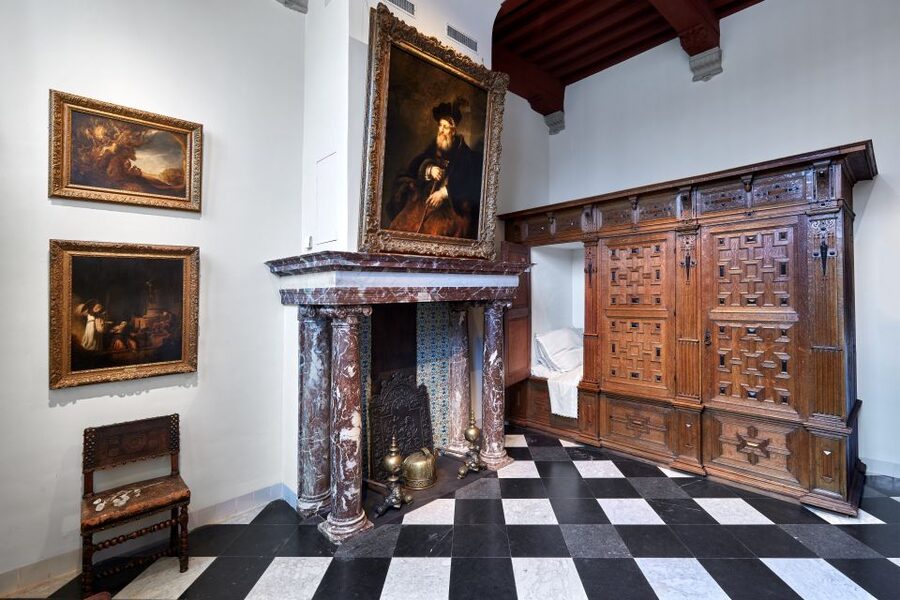
The house layout can feel confusing at first because it is not a modern gallery with obvious numbering everywhere. Some visitors note that figuring out which room matches which audio segment takes a little adjustment at the start.
My advice is simple: start calmly. When you first enter, give yourself a minute to get oriented, then commit to one direction. If you notice you are skipping audio tracks unintentionally, stop and reset rather than trying to power through. The best moments often happen in the studio and collection rooms, so it is worth staying synced.
Bring headphones if you can. Reviews consistently mention how important the audio experience is, and this is one of those museums where listening is not a nice-to-have. It is part of how the story lands.
Also, keep your camera settings in mind. One practical tip from visitors: avoid flash when you take photos. It keeps the experience comfortable for everyone and prevents awkward interruptions.
Added spaces: epilogue room, etching attic, and the third exhibit

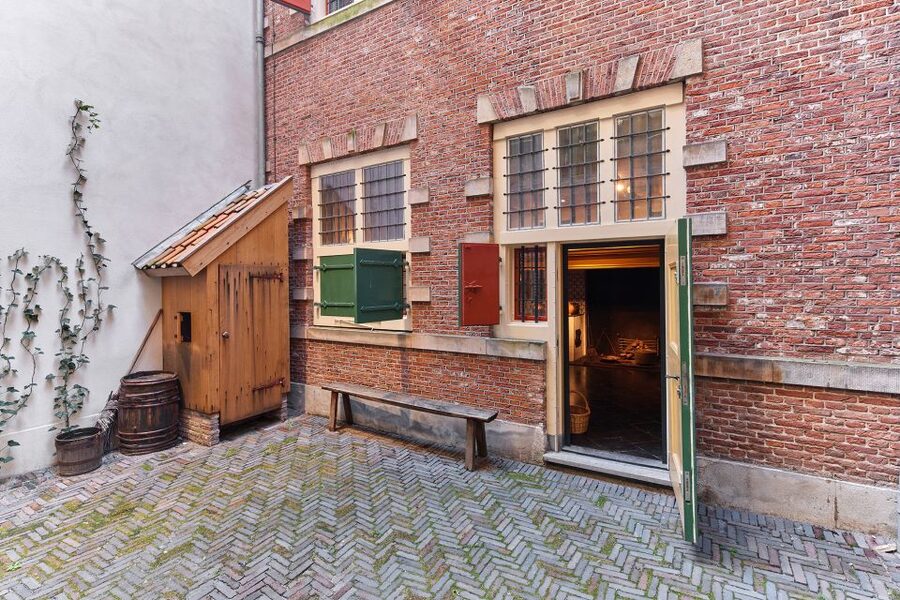
The museum has expanded with five new museum spaces. That includes an epilogue room, an etching attic, and a third exhibition room, among other added areas. This matters because the house no longer feels like you are seeing only Rembrandt’s working life, then leaving. You get a sense of what comes after, and you get more structured learning about printmaking.
The epilogue room is especially useful because it helps you connect the story ending to how Rembrandt’s legacy continued. And the etching attic gives you a focused learning space for technique, which can be the difference between reading about etching and actually understanding the steps.
If you enjoy museums that keep a clear learning path, these additions make the visit feel more complete. If you dislike “too many things to see,” you can always pick a few anchors: multimedia tour story rooms, studio demonstrations, and the Masterclass exhibition if it is running during your dates.
Accessibility and practical comfort in a stair-heavy home
This museum is not suitable for wheelchair users and it is also listed as not suitable for people with mobility impairments. That is not a small detail. The Rembrandt House is a historic structure with stairs and multiple levels.
If you are able-bodied but hate long stair climbs, plan for breaks. Many people find the volume of rooms and the vertical layout more tiring than they expected. The good news is that the house has railings, and the experience is doable with a steady pace.
If you are sensitive to crowds, choose a quieter time when possible. Some visitors report that when it gets busy, it can be hard to stay in one room for the full audio or demonstration without navigating around other groups.
Is this worth $23 in Amsterdam?
For Amsterdam, where entry fees can vary wildly, $23 can be a good deal when the ticket includes more than just passive viewing. Here, your money goes to three things that work together:
First, the entry fee gives you the house and its added spaces. Second, the new multimedia tour turns the building into a guided narrative. Third, the daily demonstrations give you hands-on context for how Rembrandt worked.
When those pieces connect, the ticket feels efficient. You spend your time in meaningful rooms, not waiting for a single highlight to justify the trip. If you like art technique, studio process, and a life story with real setting, this is exactly the type of museum where the value feels earned.
If you want only famous oil paintings, you may feel underwhelmed. But if you are curious about etching, sketches, and the world around Rembrandt, you will likely feel like $23 was a fair trade for what you learn.
Who should book this ticket, and who might want a different plan
This fits best if you:
- Care about art making and technique, not just finished works
- Want a compact Amsterdam activity that still feels meaningful
- Like audio guides and guided narratives inside historic spaces
It also works well for teens and curious younger visitors because the Masterclass-style activities (when running) can turn looking into practice. If you only want a quick stop and hate stair climbing, you might find the house layout more work than reward.
In a broader Amsterdam plan, I’d pair this with other art visits on the same theme. The Rembrandt House is about process and context, so it pairs naturally with museums that show more of the biggest paintings.
Should you book the Rembrandt House Museum ticket?
Yes, book it if you want Rembrandt as a maker and a real person living in an Amsterdam home, not only as a name on a museum label. The combination of multimedia storytelling, studio-based demonstrations, and the etching-focused learning creates a visit that feels coherent even within a relatively short timeframe.
Skip it only if you are mainly chasing the most famous oil paintings, or if stairs and mobility limits will make the visit stressful. In that case, you’ll likely be happier choosing a more accessible museum format.
FAQ
How much is the Amsterdam Rembrandt House Museum entrance ticket?
The price is $23 per person.
How long does this experience take?
It is listed as a 1 day activity. Many visitors spend a couple of hours in the house, depending on how much audio and demonstrations you follow.
Where is the meeting point?
The meeting point is the Rembrandt House Museum, Jodenbreestraat 4, Amsterdam.
What does the ticket include?
The ticket includes the Rembrandt House Museum entry fee and the new multimedia tour.
Is there an audio guide?
Yes. The audio guide is included, and languages listed are Spanish, Dutch, English, French, German, Italian, Russian.
Are demonstrations part of the visit?
Yes. The museum offers daily etching and painting demonstrations.
Is the Rembrandt House Museum suitable for wheelchair users?
No. It is listed as not suitable for wheelchair users and for people with mobility impairments.
What is the Rembrandts Masterclass exhibition, and when does it run?
Rembrandts Masterclass focuses on Rembrandt’s craftsmanship, technique, and tactics. The dates provided are 30 January 2026 to 25 May 2026.
Does the experience include Rembrandt’s studio process?
You can see the museum’s studio area where Rembrandt created masterpieces, including how he made his paint, plus demonstrations such as paint mixing.
Can I cancel for a refund?
Yes. There is free cancellation, and you can cancel up to 2 days in advance for a full refund.
Do I need to pick a specific start time?
The ticket is valid for 1 day, and you should check availability to see starting times.
Rijksmuseum & the Dutch Masters, compared.
 ★ 4.7Amsterdam: Rijksmuseum Entry TicketFrom $3125,535 reviews
 ★ 4.7The Hague: Mauritshuis Entrance TicketFrom $252,706 reviews
 ★ 4.6Amsterdam: Fabrique des Lumières Dutch Masters TicketFrom $212,373 reviews
 ★ 4.5Amsterdam: City Canal Cruise and RijksmuseumFrom $452,129 reviews
 ★ 4.5Rijksmuseum Amsterdam Small-Group Tour with Private UpgradeFrom $901,547 reviews
 ★ 4.3Amsterdam: Rijksmuseum Entry Ticket and Canal Cruise ComboFrom $451,276 reviews
 ★ 4.7Amsterdam: Rijksmuseum Guided Tour and TicketFrom $78649 reviews
 ★ 5.0Rijksmuseum Amsterdam Exclusive Guided Tour w/ Reserved EntryFrom $108440 reviews
Browse the lists this tour appears in