
REVIEW · AMSTERDAM
Amsterdam: Royal Diamond Experience
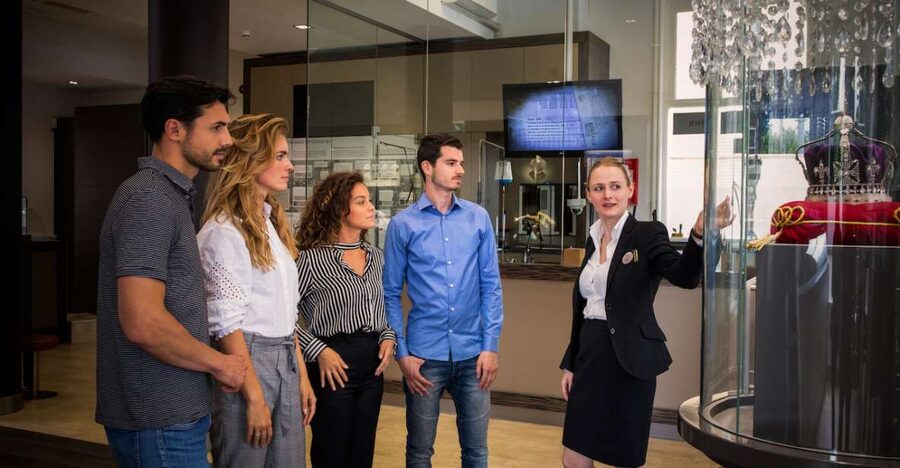
Royal diamonds, shown like a behind-the-scenes workshop. I love how this private tour brings you into the world of Koh-I-Noor-level treasures, with guides like Angela making the history feel personal and clear. You get the sense you are being welcomed into a working place, not marched through a display.
I also like the practical learning, especially the way the guide teaches the 4 Cs and helps you look at stones correctly. The only catch to consider is that it is not suitable for wheelchair users, so mobility can be a deciding factor.
In This Review
- Key things that make the Royal Diamond Experience work
- Royal craft and one-hour timing in Amsterdam
- Stepping into the diamond world through 19th-century villas
- Origins, shapes, and what sparkle actually means
- The 4 Cs taught as a comparison tool
- Royal artefacts and the collection outside Antwerp
- Watching master craftsmanship at work
- Buying diamonds, without losing the plot
- Price, value, and who gets the most out of it
- Should you book the Royal Diamond Experience?
- FAQ
- How long is the Royal Diamond Experience?
- What does the tour cost?
- Where does the Royal Diamond Experience meet?
- Is the Royal Diamond Experience a private tour?
- What is included in the price?
- Is English available, and is it guaranteed?
- How many languages are offered?
- Are drinks or meals included?
- Can I buy diamonds during the tour?
- Is the tour wheelchair accessible?
Key things that make the Royal Diamond Experience work
- A true private diamond session in Amsterdam, guided in your chosen language (English always guaranteed)
- Royal craft, not just facts, framed through visitors connected to the business since 1840
- Behind-the-scenes rooms in four monumental 19th-century villas, where you see part of a large collection
- The 4 Cs taught as a skill, so you can compare diamonds with your own eyes
- Factory tour moments that show how polishing and cutting affect what you see
- Chance to buy with expert advice, if you want to turn knowledge into a decision
Royal craft and one-hour timing in Amsterdam
This is a smart choice if you want a diamond experience that does not eat your whole day. The Royal Diamond Experience is scheduled for about one hour, which means you can fit it into a jam-packed Amsterdam itinerary without feeling like you are sacrificing everything else you came for.
The biggest practical detail is where it starts: Paulus Potterstraat 2, 1071 CZ Amsterdam. Plan to be there a few minutes early, because you want to settle in before your guide leads you into the diamond spaces. One of the common themes from the experience is that staff try to treat you like a customer in a showroom, not a tourist in a maze.
If you are the type who likes hands-on learning, you will enjoy how much they try to teach inside that hour. You are not just looking at finished stones, you are learning how to judge them. That changes the whole vibe of a diamond visit, even if you never plan to buy.
And yes, it is a private group. That matters in a field like diamonds, where questions are half the fun. If you want your guide to slow down or repeat a point, this format generally works better than big group tours.
Stepping into the diamond world through 19th-century villas
What I find appealing here is the setting. You do not stay in a single generic room. You move into a private area connected to Royal Coster Diamonds, including access to a private room in one of four monumental 19th-century villas.
That matters for two reasons.
First, the space helps you feel the connection to long-term craftsmanship. This company traces its establishment to 1840, and their story is tied to royalty from around the world. You may hear names such as Empress Sisi, the Viceroy of China, King Rama V, and Prince Napoleon. It is a good way to understand that diamonds here are not only a modern retail product, but part of a broader tradition.
Second, the villa setting keeps the tone more human. You are not trying to focus through bright overhead lights in a museum hall. Instead, you get guided access to collection spaces and workshop-adjacent areas, which makes the experience feel like it has context.
One other detail I appreciate: you are not rushed from room to room just to check boxes. The way the tour is described suggests it is built to teach, then show, then explain what you are seeing. That sequence helps the learning stick.
Origins, shapes, and what sparkle actually means
A key part of the tour is learning the basics that most people never get. You will learn about diamond origins and shapes, and you will get help understanding why certain stones look more lively than others.
This is where the experience becomes more than entertainment. Diamonds can look similar to the untrained eye, and if you just glance at them quickly, you mostly see size and color. The tour pushes you past that.
You will also spend time on how to analyze a diamond. The tour explicitly focuses on why some diamonds sparkle more than others, which is exactly the question most of us have when we first start looking closely. You learn what to pay attention to, and you learn it in the context of a real guided session, not a textbook.
A practical bonus is the way guides get you to look the right way. In one session described in feedback, the group was shown stones through special eyeglasses. If you have ever struggled to see tiny details on a stone behind a display counter, this kind of visual aid can make a big difference fast. You do not need to be a jeweler to benefit, but you do need the right kind of looking, and the guide helps with that.
If you have teenage kids, a partner who loves jewelry, or you just want something different to do after canal walking, this part is often what makes the hour feel worth it.
The 4 Cs taught as a comparison tool
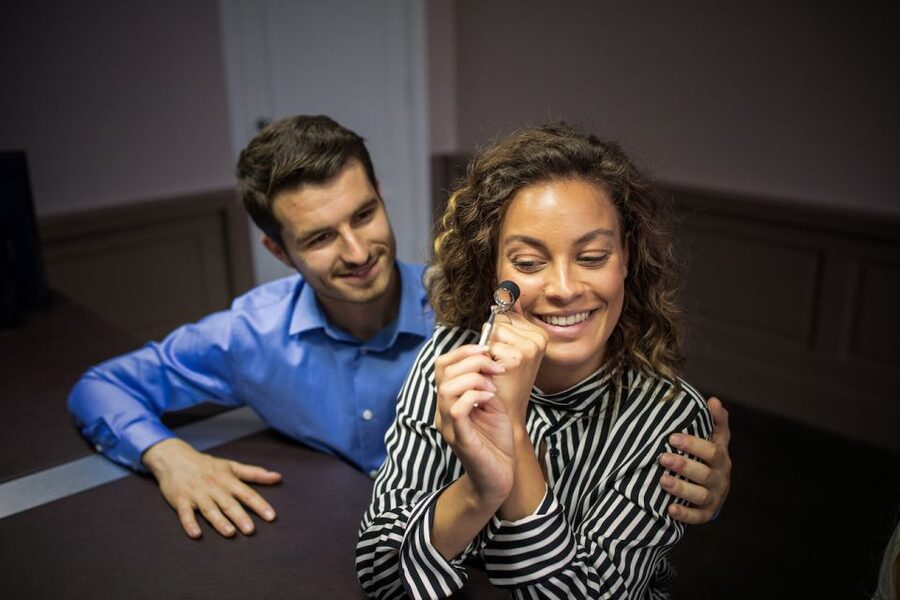
The tour’s diamond lesson centers on the 4 Cs: clarity, color, cut, and carat. The experience also emphasizes imperfections and how to think about grading.
Here is why that is valuable to you.
When you understand the 4 Cs as a comparison tool, diamonds stop being vague luxury objects and start becoming something you can evaluate. You can ask better questions. You can notice patterns. And if you ever do look at diamonds for purchase later, you will be less likely to rely only on marketing language.
During the private grading portion, the guide may take out multiple stones at different price points so you can see what changes. One described session included examples ranging from stones valued at a few hundred pounds to pieces described up to around £79,000. The point is not to scare you off. It is to show how grading can vary and what you might be paying for.
I like this teaching style because it prevents the common trap: thinking that all sparkle is equal. The guide helps you connect the way a stone looks to the categories used to grade it.
If you want to sound confident at dinner afterward, you will have actual language to use. You will know what questions to ask, and you will be able to explain what you learned without sounding like a brochure.
Royal artefacts and the collection outside Antwerp
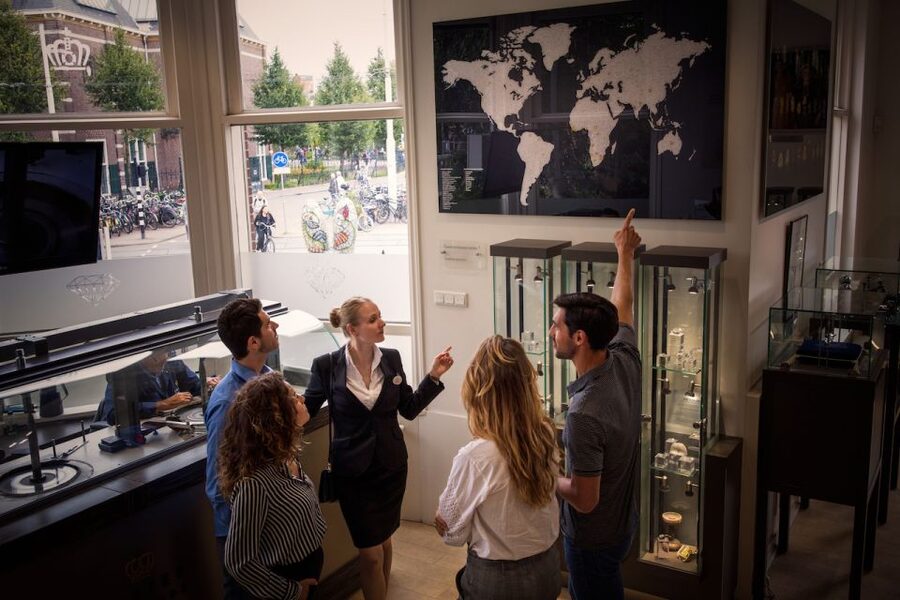
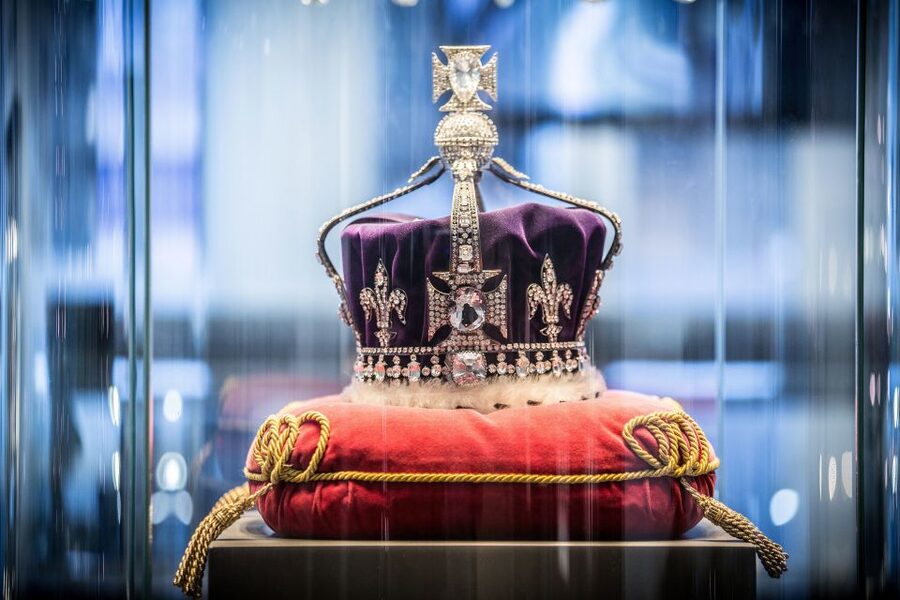
If you come to Amsterdam expecting a standard jewelry shop experience, this surprises people in a good way. The tour highlights precious diamond artefacts, including the Koh-I-Noor, and it also notes the scale of their collection, including being home to the largest collection of diamonds outside Antwerp.
Why is that interesting for you?
Because it gives you a chance to see diamonds in a context that feels historic and special, not only retail. Even if you never care about royal provenance, seeing artefacts and being guided through what they represent can deepen your understanding of why diamonds held status for centuries.
Also, if you have already visited a few touristy stops around Amsterdam, a diamond tour can feel like a curveball. This one is framed with strong educational beats, and that keeps it grounded. You are not only looking at expensive stones. You are learning how they are graded and how craftsmanship affects the final look.
In other words: the royal part is not just decoration. It supports the learning, and it makes the workshop feel more meaningful.
Watching master craftsmanship at work
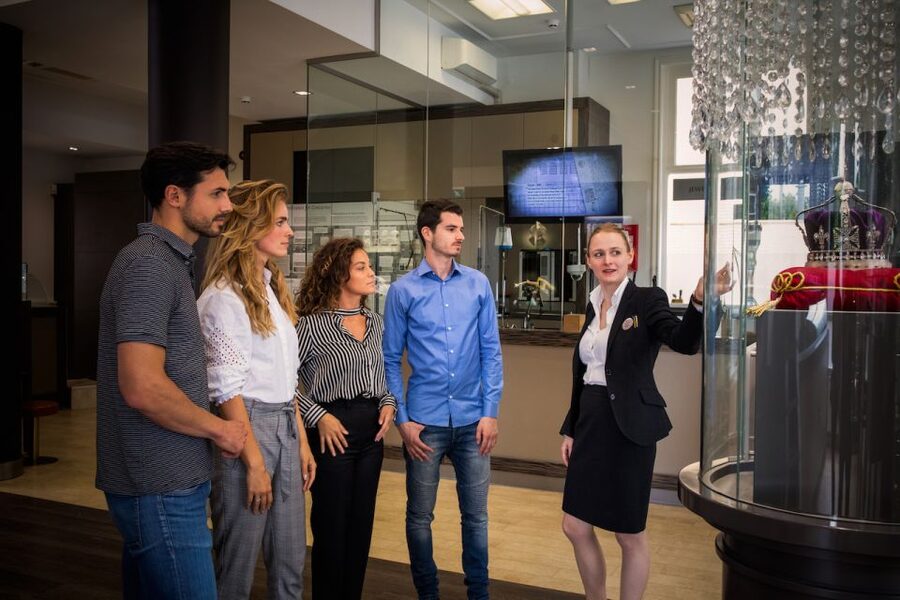
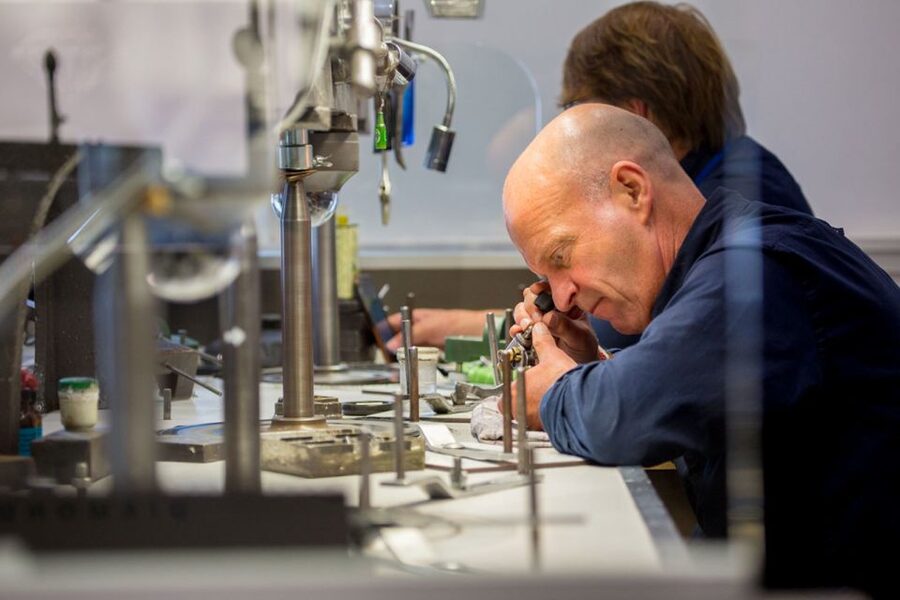
One of the most praised parts of the experience is seeing the process, not only the end product. The tour includes a diamond factory tour, and it highlights seeing a master craftsman at work.
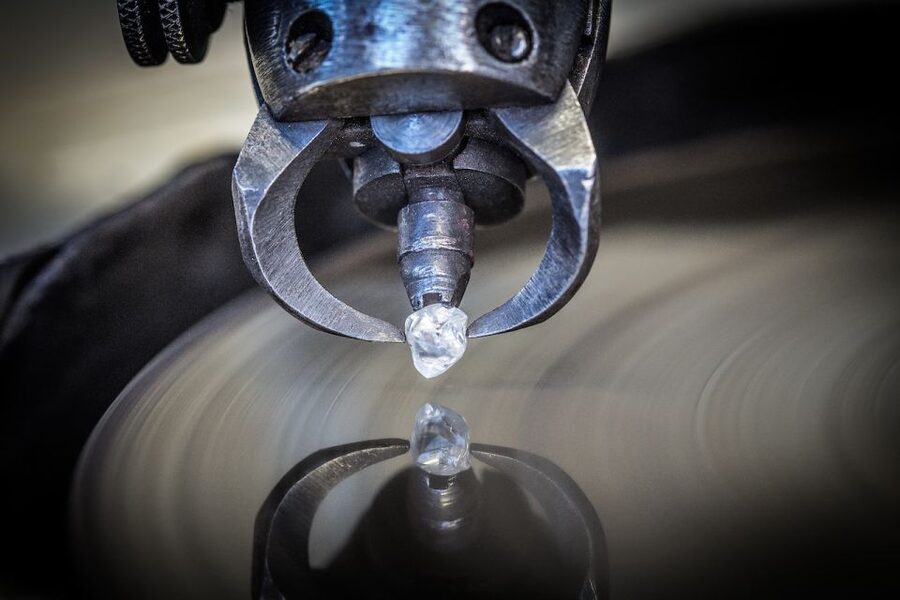
That is important because diamonds are not simple rocks with magic sparkle. The way a stone is cut and polished changes how light interacts with it, and that is the whole reason grading matters. When you see part of the process, the lesson about why some diamonds sparkle more makes more sense.
From a visitor point of view, factory tours are only as good as the explanations. Here, the guide is central. Reviews highlight guides who stay engaging and accommodating, with examples including Angela and Lyanne. Those names matter because they signal the quality of the human component, not only the objects on display.
The value for you is twofold:
- You learn what the terms mean while you are looking at the materials and processes.
- You get a better sense of why a jeweler might care about details you would never notice alone.
And because this is a private group, you can ask follow-up questions. That reduces the frustration of not understanding something you feel is important but do not want to ask in a crowd.
Buying diamonds, without losing the plot
This tour includes an opportunity to purchase diamonds with personal advice from experts. That can be a deal-breaker for some people and a dream feature for others.
If you are shopping, great. You’ll have fresh language in your head from the 4 Cs lesson and you’ll know what to ask. You will also understand better what you are looking at, which helps you spot inconsistencies.
If you are not shopping, do not worry. The tour is still built around education: learning origins, shapes, the grading approach, and the craftsmanship process. The chance to buy is there, but it is not the only point.
Just have a realistic expectation: if you are in a diamond setting, there will be a sales dimension. I would treat the purchase opportunity as optional, and focus your attention on learning how to evaluate stones. That way, even if you leave without buying, you still come away with something useful.
If your goal is to learn, this experience aligns well with that.
Price, value, and who gets the most out of it
At $26 per person for an experience that lasts about one hour, the price can feel surprisingly reasonable if you compare it to a typical museum visit that never teaches you how to look.
What you get for the cost:
- A guided diamond factory tour
- A private group experience
- A guide in your chosen language (English always guaranteed)
- A goody bag
- A chance to see the collection and hear the grading lesson
The value really depends on your motivation.
You will get the most out of it if you:
- Want a break from standard Amsterdam sightseeing
- Like structured learning, especially with hands-on visual help
- Enjoy jewelry, fine details, or anything craftsmanship-related
- Want a souvenir that is knowledge, not only a photo
You might think twice if:
- You dislike sales environments, even when the main focus is educational
- You have limited mobility, since it is not suitable for wheelchair users
- You want a longer experience, because the tour is about an hour
For most people who choose it, the appeal is the mix of craft, history framing, and practical grading skill.
Should you book the Royal Diamond Experience?
Book it if you want a focused, high-value Amsterdam activity that teaches you how to see diamonds properly. The strongest reasons are the private format, the 4 Cs lesson, and the chance to see craftsmanship plus famous artefacts like Koh-I-Noor in a collection setting.
Skip it if you need full wheelchair accessibility, or if you really do not want any connection to buying. And if you prefer only large landmark sights, keep in mind this is a workshop and collection experience, not a traditional museum.
One last tip: go with questions. Even two or three simple questions like how clarity differences show up, or what cut means for sparkle, will make the hour feel personal. This is the kind of tour where your curiosity gets rewarded quickly.
FAQ
How long is the Royal Diamond Experience?
The tour lasts about 1 hour.
What does the tour cost?
The price is listed as $26 per person.
Where does the Royal Diamond Experience meet?
The meeting point is Paulus Potterstraat 2, 1071 CZ Amsterdam, and it ends back at the same location.
Is the Royal Diamond Experience a private tour?
Yes. It is offered as a private group experience.
What is included in the price?
Included: a diamond factory tour, a guide in your chosen language, and a goody bag.
Is English available, and is it guaranteed?
English is available, and English language tours are always guaranteed.
How many languages are offered?
The tour is provided in more than 35 languages, but language availability can only be guaranteed based on staff availability. English is the exception, since it is always guaranteed.
Are drinks or meals included?
No. Drinks and meals are not included.
Can I buy diamonds during the tour?
The experience notes that you will have the opportunity to purchase diamonds with personal advice from experts.
Is the tour wheelchair accessible?
No. It is not suitable for wheelchair users.
Amsterdam Museums & Attractions, compared.
 ★ 4.6Amsterdam: Heineken Experience TicketFrom $2830,055 reviews
 ★ 4.2Amsterdam: Icebar Entry Ticket with 3 DrinksFrom $2614,562 reviews
 ★ 4.4Moco Museum Amsterdam Entrance Tickets with Banksy & MoreFrom $1810,088 reviews
 ★ 4.4Amsterdam: The Upside Down Museum Entrance TicketFrom $249,506 reviews
 ★ 4.6Amsterdam: Johan Cruijff ArenA Tour with Optional GuideFrom $328,954 reviews
 ★ 4.7Amsterdam: Fabrique des Lumières Entry TicketFrom $208,666 reviews
 ★ 4.6Amsterdam: Royal Palace Entry Ticket and Audio GuideFrom $156,475 reviews
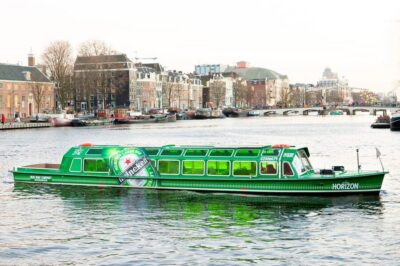 ★ 4.5Amsterdam: City Canal Cruise and Heineken Experience TicketFrom $475,367 reviews
Browse the lists this tour appears in