
REVIEW · EINDHOVEN
Eindhoven: Wings of Liberation, The WWII Airborne experience
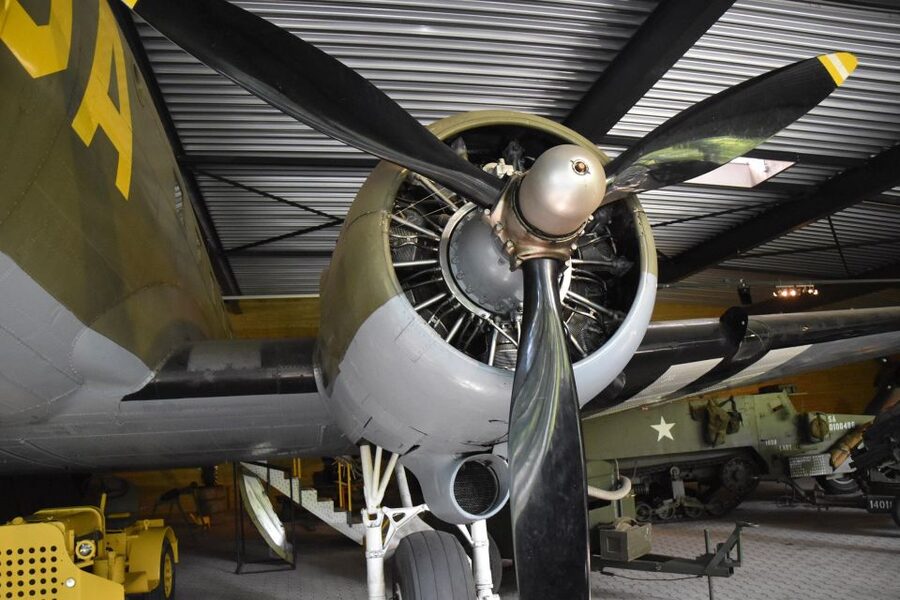
Steel and stories in one place. Wings of Liberation in Eindhoven turns the liberation of southern Netherlands into a hands-on WWII experience, anchored in the area tied to Operation Market Garden on 17 September 1944. What I like most is the authentic collection with aircraft and weaponry actually used in the operation, and the chance to get on board the famous Dakota C-53 and Horza glider. One thing to keep in mind is that this is firmly history-and-military focused, so if you’re looking for a light, casual day out, it may feel heavy.
Plan on a museum day guided by your own audiotour, in Dutch or English, plus time to take in dioramas, photos, and the sheer scale of the vehicles and aircraft. The museum covers the whole arc from occupation in 1940 and repression years 1940-1944, through to the final months of 1944 when liberation arrived.
In This Review
- Key Things You Should Know Before You Go
- Why This Eindhoven WWII Museum Feels Different From the Usual
- The Museum Storyline: From Occupation in 1940 to Liberation in Late 1944
- What You Actually See Inside: Dioramas, Photos, Aircraft, and Used Weaponry
- The Audio Tour in Dutch and English: A Real Help, Not Just Background Noise
- Getting On Board the Dakota C-53 and Horza Glider
- Operation Market Garden Through the Lens of Southern Netherlands Liberation
- How Much Time You Need for a Great Visit (It’s a 1-Day Experience)
- Price and Value: Why About $14 Can Still Feel Like a Lot
- Best Fit: Who Will Enjoy Wings of Liberation Most
- Practical Tips for Making the Most of Your Day
- Should You Book This Wings of Liberation Visit?
- FAQ
- FAQ
- Where is Wings of Liberation located?
- How long is the Wings of Liberation experience?
- What is the price?
- Is an audioguide included?
- What languages are available?
- Can I get on board aircraft during the visit?
- What does the museum cover?
- Is the museum wheelchair accessible?
- Is there free cancellation?
- Can I reserve without paying right away?
- Is there a host or greeter?
Key Things You Should Know Before You Go
Operation Market Garden context: The museum sits in the area where airborne operations marked the beginning of southern Netherlands liberation on 17 September 1944.
A timeline that starts in 1940: You get the full sweep, from occupation and repression to the liberation in late 1944.
On-board aircraft time: You can get on board the Dakota C-53 and the Horza glider, not just look from behind glass.
Real materials, not just replicas: The collection includes aircraft and weaponry used in Operation Market Garden, plus dioramas and photos.
Dutch and English audio: Your audioguide helps you read faster and understand what you’re looking at as you move.
Great value for a 1-day museum visit: At about $14 per person, it’s a solid use of a single day in North Brabant.
Why This Eindhoven WWII Museum Feels Different From the Usual
Most WWII museums show you artifacts. Wings of Liberation tries to connect artifacts to the story, and to the place those events touched. The location matters: the museum is in the area linked to the airborne start of the liberation of the southern Netherlands.
That geographical anchor changes the mood. When you know you are walking inside a chapter that began with airborne operations on 17 September 1944, the displays stop feeling abstract.
If you enjoy aviation and hardware, you’ll also appreciate the emphasis on real aircraft access. The chance to get on board the Dakota C-53 and the Horza glider is the kind of detail people remember long after the museum exits.
The Museum Storyline: From Occupation in 1940 to Liberation in Late 1944
The museum’s timeline is designed to take you from the early occupation years all the way to liberation. It starts with 1940 and moves through the repression period from 1940 to 1944, then carries you into the final months of 1944 when the southern Netherlands was freed.
This structure is practical. You’re not just absorbing one battlefield moment. You’re learning how the conflict shifted over time, which makes the airborne operations feel like a turning point rather than a random headline.
You’ll also see how the liberation of the south tied into Operation Market Garden. The museum frames airborne operations as the beginning of the liberation in the region, giving you a clearer sense of why those September days mattered so much.
What You Actually See Inside: Dioramas, Photos, Aircraft, and Used Weaponry
The collection is broad, but the goal stays consistent: help you understand WWII airborne operations as lived experience, not just military trivia. Expect dioramas, photos, aircraft, and weaponry that was actually used in Operation Market Garden.
Dioramas can be controversial in museums, because people worry they can oversimplify. Here, they work because the museum pairs them with other evidence like photos and real equipment. That mix helps you compare what you see in scale models with what happened in the real world.
I also like the inclusion of weaponry that was used in the operation. It gives context to the aircraft you’ll later view up close, and it helps you connect missions, hardware, and outcomes without jumping around.
The Audio Tour in Dutch and English: A Real Help, Not Just Background Noise
You’ll get an audioguide available in Dutch and English, and it’s included. What makes it useful is that it supports a self-paced flow, so you can spend extra time where your curiosity goes.
There’s a simple trick I recommend: use the audiotour to set your baseline understanding first, then go back for the details. If you try to read every label before listening, you can lose time. If you listen first, you know what to look for in the aircraft, equipment, and dioramas.
Because the museum covers a long timeline (from 1940 through late 1944), audio guidance also helps prevent you from getting lost in dates. You’ll be better able to connect the occupation years and repression period to why airborne operations mattered so much by September 1944.
Getting On Board the Dakota C-53 and Horza Glider
This is the big draw. Being able to get on board the Dakota C-53 and the Horza glider turns the day from viewing into experiencing.
That matters for a few reasons. First, the scale hits harder when you’re standing on the aircraft, not just looking at it. Second, it helps you picture the logistics and conditions the aircrews and airborne forces dealt with. Even if you’re not a military-history expert, your brain fills in practical details faster when you’re physically close to the aircraft.
Based on the kinds of compliments the museum tends to receive, people really notice how large the vehicles and aircraft are once they see them in person. If you’re the type who loves “real stuff,” you’ll probably enjoy this section the most.
Operation Market Garden Through the Lens of Southern Netherlands Liberation
Operation Market Garden is one of those WWII events that can feel like shorthand if you only skim. The Wings of Liberation museum does the opposite, slowing it down and tying it directly to the southern Netherlands.
The key date is 17 September 1944. The museum explains that airborne operations on that day marked the beginning of the liberation of the southern Netherlands. That framing is helpful because it links a major operation to a specific regional result.
If you want to understand the broader picture without drowning in complexity, this is a good approach. You focus on liberation in the south, then you get the supporting history that makes that outcome make sense.
How Much Time You Need for a Great Visit (It’s a 1-Day Experience)
This experience is valid for 1 day, starting from the first activation. That tells you the intended pace is flexible, but still “one museum visit long.”
Give yourself time to do three things, in roughly this order: listen and orient yourself with the audiotour, walk the main exhibition timeline, and then return for the aircraft access with a clearer sense of what you’re seeing. If you rush the audio, you’ll likely feel like you missed the point of some displays.
Also, plan for moments where you’ll naturally slow down. Aircraft and real equipment tend to pull your attention, and with good reason. I’d rather you build in that pause than sprint through and leave with photos but not understanding.
Price and Value: Why About $14 Can Still Feel Like a Lot
At $14 per person, this museum is priced like a budget-friendly day out. But value comes less from the dollar amount and more from what you get for your attention span.
Here, the value mix is strong: a focused WWII narrative, an included audioguide in Dutch and English, and on-board access to both the Dakota C-53 and Horza glider. Add in dioramas, photos, aircraft, and weaponry used in Operation Market Garden, and you get a “full museum package” rather than a quick stop.
If you’re traveling in North Brabant and you want one meaningful indoor anchor, this fits the bill. Even if you only care about the aircraft, the context and timeline help you get more meaning per minute.
Best Fit: Who Will Enjoy Wings of Liberation Most
You’ll likely enjoy Wings of Liberation if you like WWII history that’s organized around a clear timeline and a real place. It’s also a strong choice if you’re interested in airborne operations and the aviation side of that story.
I’d especially recommend it to:
- People who like museums with real aircraft access, not just photos behind glass.
- Travelers who want context, not only battle facts.
- Fans of scale vehicles and equipment who appreciate seeing size up close.
If you’re traveling with someone who is anti-museum, don’t count on conversion. This is about WWII, aircraft, and liberation. It’s not a casual art-stop. Still, the aircraft access can help bring more interest to the conversation.
Practical Tips for Making the Most of Your Day
You’ll move through a lot of information, so treat your visit like two layers: story first, details second. Use the audio tour to guide your understanding of the timeline, then let the dioramas, photos, aircraft, and used weaponry fill in the texture.
Wear comfortable shoes. Museums with aircraft access usually involve standing and moving between exhibits, and you’ll be glad you can do it without thinking.
If you’re short on time, don’t try to do everything equally. Prioritize the aircraft access and the operation context tied to 17 September 1944, then adjust your time on the broader timeline from 1940 to late 1944.
Should You Book This Wings of Liberation Visit?
Yes, if you want a focused WWII experience in Eindhoven that goes beyond reading labels. The combination of timeline context, an audioguide in Dutch and English, and getting on board the Dakota C-53 and Horza glider makes it a memorable day for the price.
Skip it only if you’re looking for something light and general-interest. This museum is built for people who like history, aviation, and the real physical scale of WWII equipment.
If you’re even moderately curious about Operation Market Garden and how liberation unfolded in the southern Netherlands, this is a strong use of one day in North Brabant.
FAQ
FAQ
Where is Wings of Liberation located?
It’s in North Brabant, Netherlands, in the area tied to airborne operations on 17 September 1944.
How long is the Wings of Liberation experience?
The experience is valid for 1 day, from the first activation.
What is the price?
The price is listed as $14 per person.
Is an audioguide included?
Yes. The audioguide is included, with Dutch and English options.
What languages are available?
Dutch and English.
Can I get on board aircraft during the visit?
Yes. You can get on board the Dakota C-53 and the Horza glider.
What does the museum cover?
It tells the liberation story of the southern Netherlands, including the occupation in 1940, repression years 1940-1944, and liberation in the final months of 1944, with a focus on airborne operations linked to Operation Market Garden.
Is the museum wheelchair accessible?
Yes, it’s wheelchair accessible.
Is there free cancellation?
Yes, free cancellation is available up to 24 hours in advance for a full refund.
Can I reserve without paying right away?
Yes, there is a reserve now and pay later option.
Is there a host or greeter?
Yes, a host or greeter is included.
Arnhem & the Veluwe, compared.
 ★ 4.4Nijmegen: River Cruise with All-You-Can-Eat Dutch PancakesFrom $32341 reviews
 ★ 4.4Apeldoorn: Het Loo Palace Entry TicketFrom $25277 reviews
 ★ 4.6Rhenen: Ouwehands Zoo Entry TicketFrom $36126 reviews
 ★ 4.5Otterlo: De Hoge Veluwe National Park Entry TicketFrom $1697 reviews
 ★ 4.7Arnhem: Burgers’ Zoo Entry TicketFrom $3388 reviews
 ★ 4.4Harderwijk: Dolfinarium Entry TicketFrom $2881 reviews
 ★ 4.7Oosterbeek: Airborne Museum Hartenstein Entry TicketFrom $1958 reviews
 ★ 4.52 hour Private E-Chopper Tour in NijmegenFrom $4725 reviews
Browse the lists this tour appears in