
REVIEW · GOUDA
Gouda: Museum Gouda Entry Ticket
Gouda history fits in one ticket. Museum Gouda packs 600 years of local art into a 14th-century guest house, with highlights that are specific to this city, not generic Dutch museum stuff. I especially like how the collection links art to everyday Gouda life.
I love the interactive maquette that shows Gouda as it was in 1562, plus the museum’s unusual mix of masterpieces and practical objects like pottery. You also get named artists such as Ferdinand Bol and Isaac Israels, which makes the visit feel more than just “local and quaint.”
One possible drawback: if you want a lot of guidance, note that the entry setup does not promise a full guided walkthrough. One booking comment also complained about a lack of guide and audio help, so plan to rely on the room labels.
In This Review
- Key highlights you should plan around
- Museum Gouda in a 14th-Century guest house
- The 1562 interactive maquette, where the city comes alive
- Altar paintings that survived iconoclasm
- Civic guard pieces and militia portraits in the 1600s
- Painting names to look for: Ferdinand Bol and Isaac Israels
- Gouda clay pipe and Gouds plateel: practical art you can taste
- How temporary exhibitions fit into a 1-day visit
- Building your route through the rooms without feeling rushed
- Price and value of a $19 entry ticket
- Who this Gouda museum stop suits best
- Quick practical notes before you go
- Should you book Museum Gouda entry tickets?
Key highlights you should plan around
- 1562 interactive maquette: Get a 3D sense of the city’s layout in a key year.
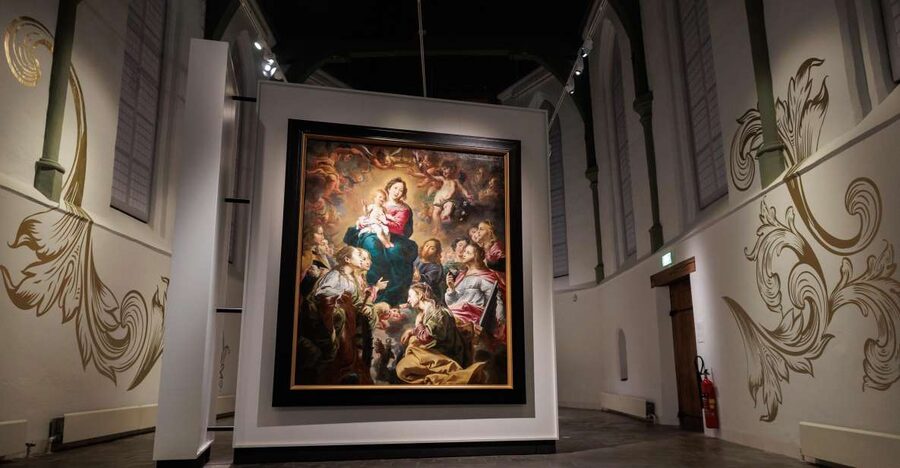
- Altar paintings that survived iconoclasm: See rare survivors of the 16th-century religious upheavals.
- Civic guard and militia portrait pieces: Gouda looks civic and political, not just religious.
- Gouds plateel pottery: Decorative ceramics that helped put Gouda on the map.
- A sweep from 16th to 20th century: You’re not stuck in one era.
- Temporary exhibitions: Add extra variety to the permanent collection.
Deeper into the Green Heart
- Gouda: Gouda Cheese Experience Entry Ticket★ 4.6 · 578 reviews
- Gouda: Historical Canal Cruise★ 4.3 · 158 reviews
- Gouda: Open Boat City Canal Cruise★ 4.4 · 156 reviews
- 2-Hour Walking Tour in Gouda All inclusive★ 5.0 · 48 reviews
Museum Gouda in a 14th-Century guest house
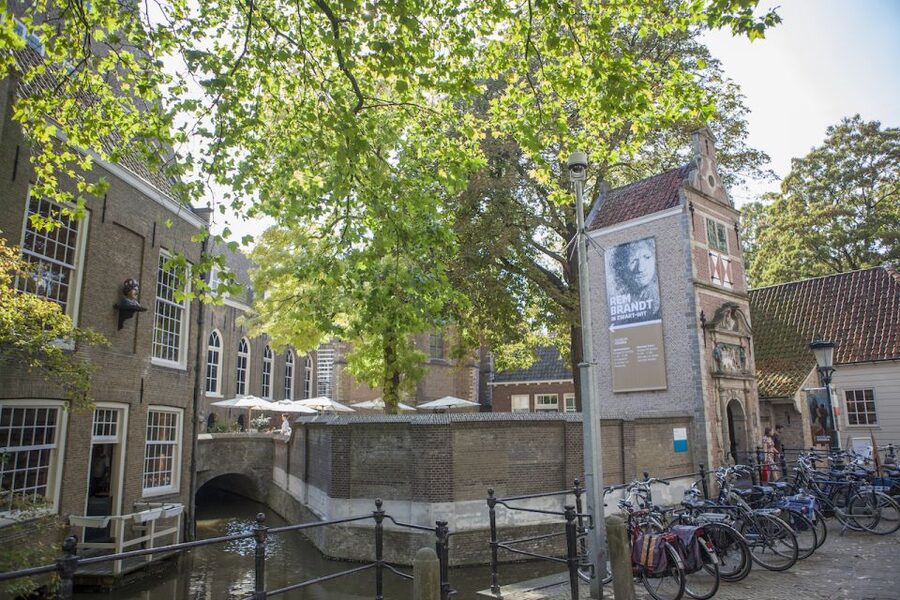
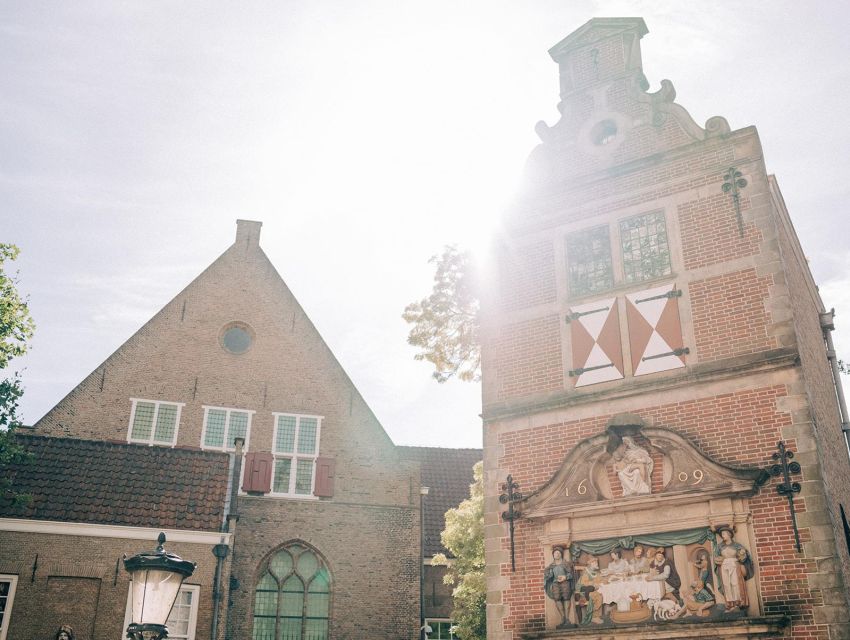
Museum Gouda is housed in a 14th-century guest house, and that setting matters more than you might think. Instead of feeling like you’re moving through a modern gallery maze, you’re walking through rooms with a built-in sense of age. The museum’s permanent collection plus temporary exhibitions covers about 600 years of Gouda’s story, from the 1500s to the 1900s.
What I like about this setup is that it encourages “zooming out, then zooming in.” You’ll see broad themes across centuries, but the museum also makes you pay attention to particular objects and images. That’s the trick to enjoying this kind of museum: don’t rush. Give yourself time to stop in front of the pieces that feel most tied to Gouda’s identity.
If you’re the type who likes clear context, you might want to take extra time reading captions. The visitor who noted the lack of guide or audio explanation is a good reminder: this is largely self-paced.
The 1562 interactive maquette, where the city comes alive
One of the best reasons to go is the museum’s massive interactive maquette showing Gouda in 1562. This is the moment where a city stops being a name and starts being a place. Even if you’re not a history buff, it’s a straightforward way to understand what the city looked like during a major slice of time.
Think of it like a “map you can actually see.” The maquette gives you a visual anchor for everything else you’ll spot in the collection. Later, when you run across portraits, civic pieces, or religious art, you’ll have a mental snapshot of how the city might have felt in the mid-1500s.
Practical tip: spend more time here than you think you need. The interactive element means it rewards patience. If you skim, you’ll miss the point.
Altar paintings that survived iconoclasm
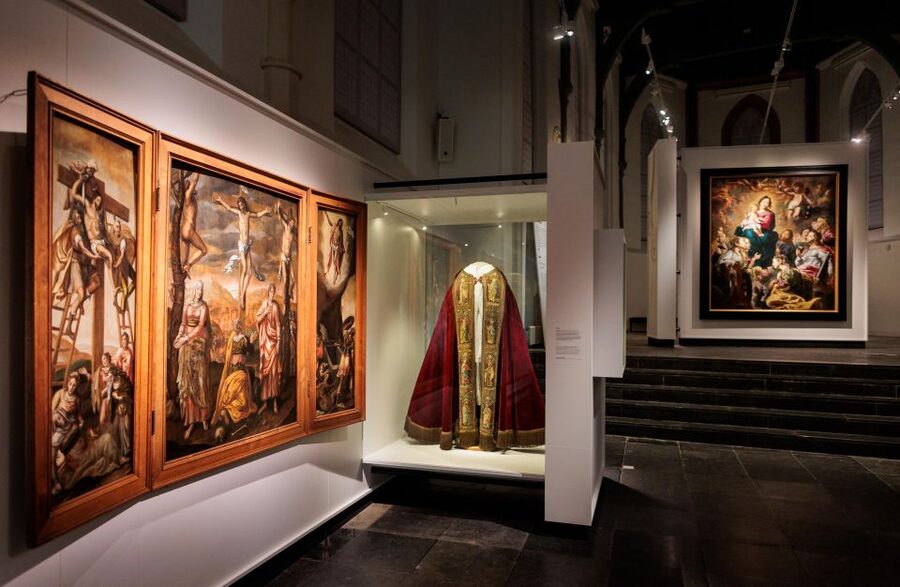
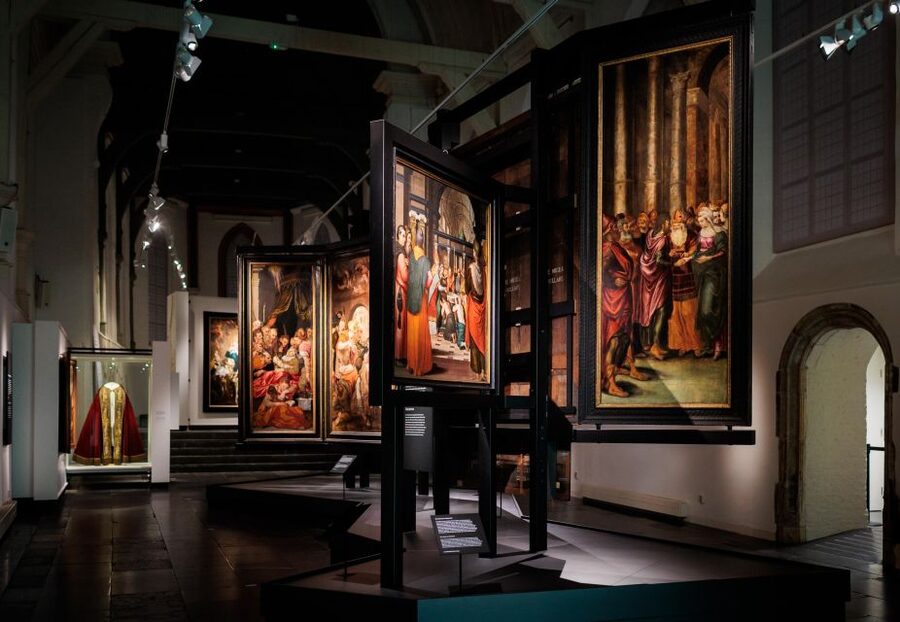
Museum Gouda does something unusual with religious art: it focuses on altar pieces that survived iconoclasm that swept through the Netherlands in the 16th century. That historical detail matters, because it turns a painting collection into a story about what was lost and what endured.
You’re not only looking at images. You’re looking at survivors. That changes your perspective. A surviving work isn’t just art, it’s evidence. It tells you something about how Gouda’s material culture made it through a violent period of upheaval, where many religious images were destroyed.
If you like art history but dislike the “everything is the same museum tone,” this section gives you a sharper hook. The museum basically asks: why did these pieces last, and what did that mean locally?
Civic guard pieces and militia portraits in the 1600s
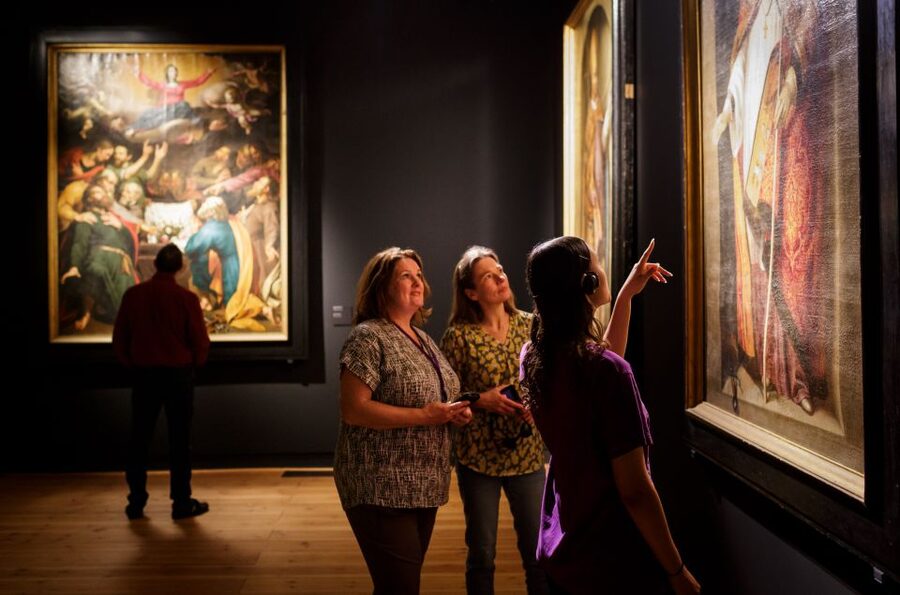
After the religious theme, the museum shifts into a more civic mood with 17th-century civic guard pieces and militia group portraits. This is one of my favorite parts to plan for because it feels less distant than court painting or grand monuments. Civic guards and militia portraits show ordinary power structures, status, and community identity.
Even if the paintings are formal, they’re telling you who mattered and how groups presented themselves. It’s the visual language of social order: clothing, composition, and collective presentation.
The practical value here is simple: this is where you can connect the museum to real human behavior. People formed groups. People wore symbols. People wanted to be seen.
Other Gouda entries you can hold on your phone
Painting names to look for: Ferdinand Bol and Isaac Israels
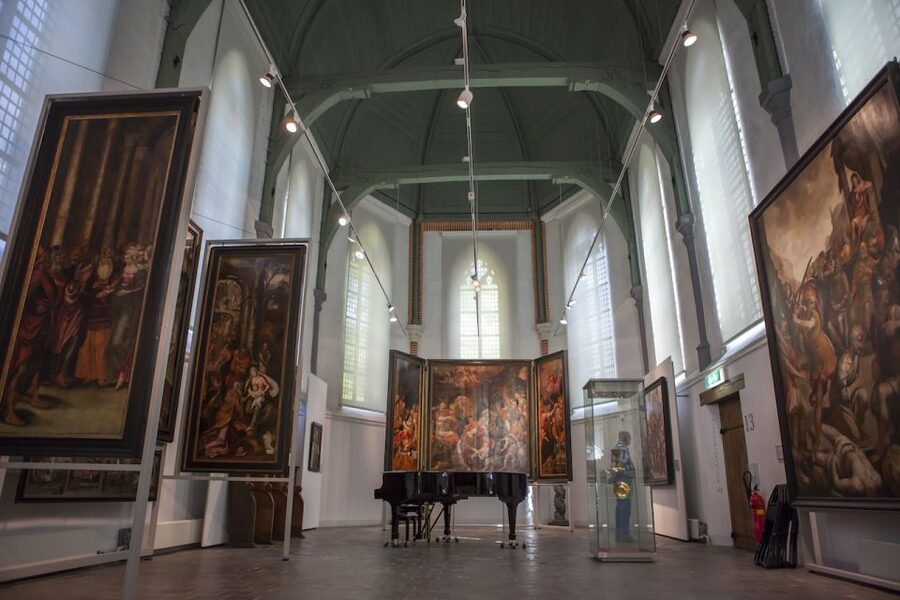
When a museum drops recognizable names, it’s usually a marketing line. Here, it can actually help you steer your attention. Museum Gouda includes works associated with Ferdinand Bol and Isaac Israels. That gives you an easy starting point when you’re deciding where to focus.
You’ll also find that the collection is not trapped in one style or subject. It ranges across centuries, so if you go expecting only 16th-century religious art, you’ll be surprised in a good way.
One visitor highlight in the material called out works by Vermeer and Rembrandt, along with an impressive Tower of Babel reference. You should not treat that as a promise of specific works on your visit, but it’s a useful clue that the museum can spark big reactions, even for people who arrive with a short list of favorite artists.
Gouda clay pipe and Gouds plateel: practical art you can taste
If you think pottery museums are all about dusty vases, make space for Gouda’s ceramics. The museum covers Gouds plateel, the decorative pottery that made Gouda famous. That’s not just craft trivia. Plateel is a window into how luxury, design, and local production met the market.
You may also encounter Gouda clay pipe material as part of the wider collection. Together, these objects help round out the story. Paintings explain beliefs and identity. Pottery explains consumption and reputation.
How to enjoy this section: look for patterns in the design. Plateel often signals status through detail. And for a city like Gouda, where name recognition is part of the story, you’ll see why ceramics could become a cultural export.
How temporary exhibitions fit into a 1-day visit
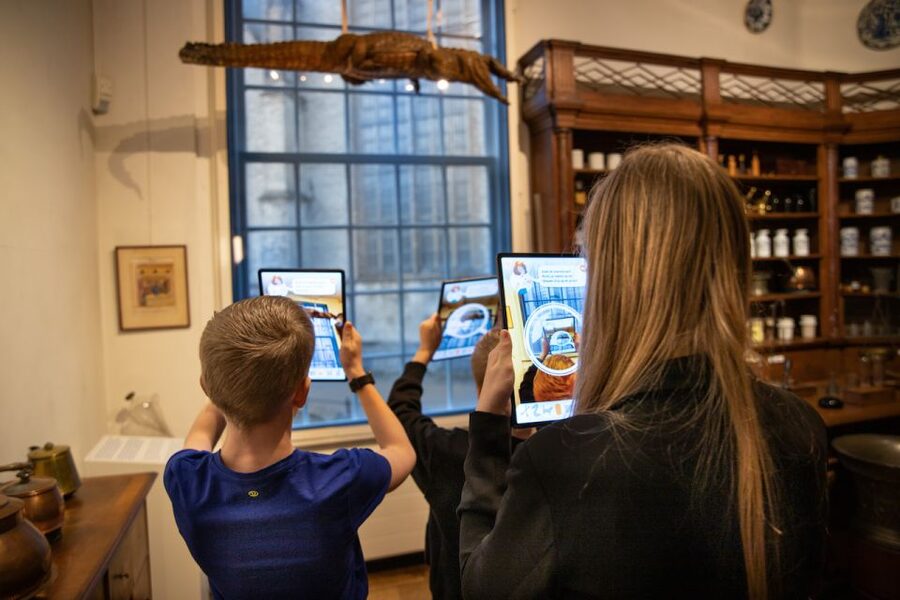
Museum Gouda doesn’t rely only on its permanent collection. It also has temporary exhibits, and that’s where you can get some seasonal variation. Since your ticket is for 1 day of validity, the smartest approach is to use the temporary show as a flexible buffer.
Here’s a useful way to schedule: start with your must-sees (especially the 1562 maquette and the altar survivors), then let the rest of the day breathe. That way, the temporary exhibition feels like a bonus, not a rushing mission.
Drawback to note: temporary exhibits can change. So treat them as “extra value if you’re lucky,” not as the main reason to plan your trip.
Building your route through the rooms without feeling rushed
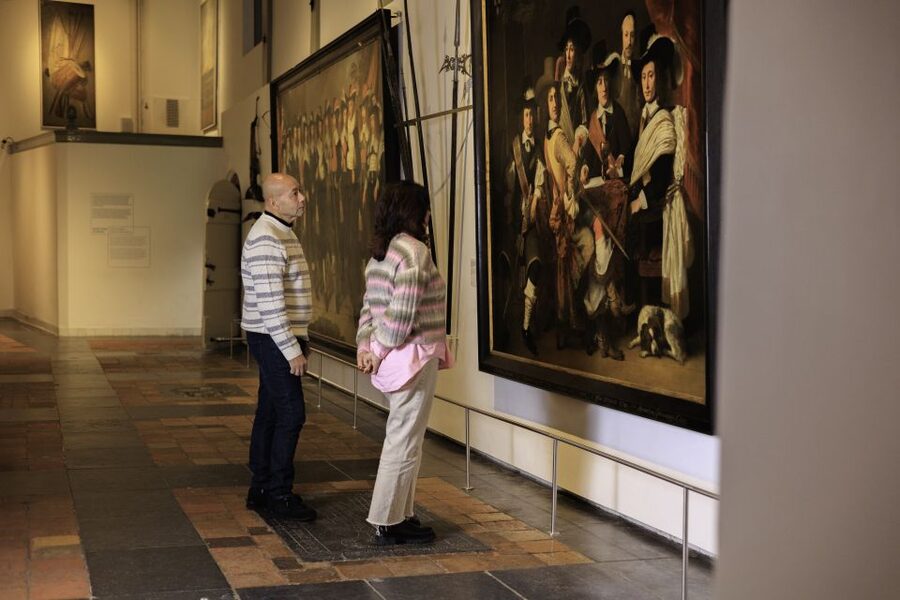
The museum is self-paced, so your biggest enemy is moving too fast. I suggest a simple strategy: pick a theme for each third of the visit, then connect the dots.
- First third: start with the altar paintings and iconoclasm section. Read the captions closely, because the survival story is the key.
- Middle third: hit the 1562 interactive maquette and then move into the civic guard and militia portraits. The maquette helps you visualize the era.
- Final third: shift into 19th and 20th-century material, including Gouda ceramics and related pottery themes, and then catch any temporary exhibition at the end.
If you’re worried about missing context, slow down in the sections that cover transitions between centuries. Those are the rooms where labels give you the meaning that a guide would otherwise explain.
Also, bring your phone battery. You’ll likely want to reference names and details as you move between eras, especially when you spot artists like Bol or Israels.
Price and value of a $19 entry ticket
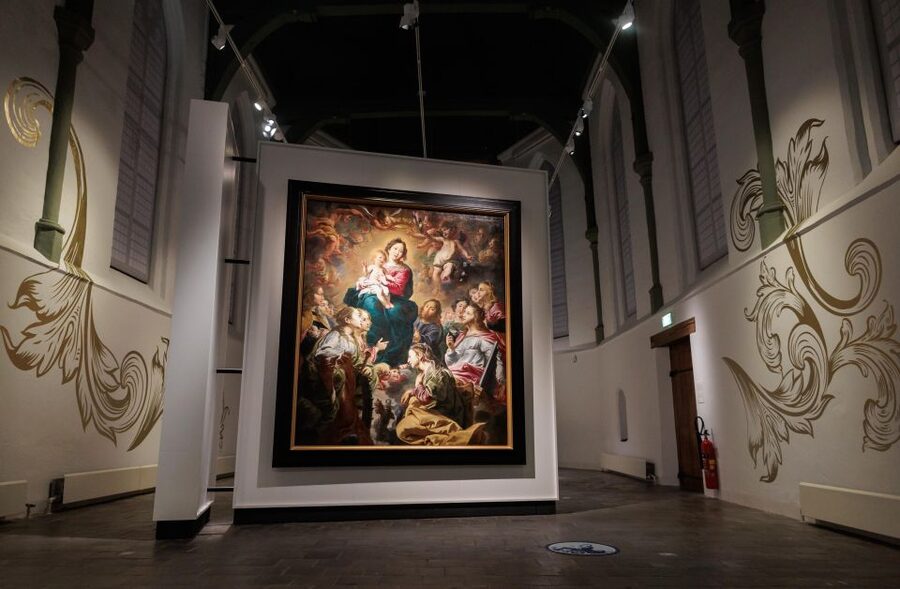
At $19 per person, Museum Gouda is priced like a serious single-attraction stop, not like a budget “walk through and go.” The good news is that the value comes from range and specificity: 600 years of Gouda, altar survivors, civic portraits, and famous pottery themes.
Here’s how I’d think about value for your own day:
- If you enjoy art that’s tied to place, the museum’s city-focused story justifies the ticket price.
- If you only like a narrow slice of art history, you might feel the breadth is too much, unless you’re the type who likes scanning and selecting.
What helps the money feel worth it is the interactive maquette. Visualizing 1562 Gouda is a high-impact experience, and it’s rare to see that kind of deep city modeling in smaller museums.
If you’re traveling on a tight schedule, this ticket can also work well because it’s clearly framed as a 1-day experience with straightforward entry.
Who this Gouda museum stop suits best
Museum Gouda is a strong match for people who like history that shows up in real objects. If you enjoy the “how did people live, what did they value, how did they brand themselves” angle, you’ll likely find a lot to connect.
This works especially well for:
- art lovers who want names like Ferdinand Bol and Isaac Israels along with local material
- curious generalists who want one focused way to understand Gouda
- anyone who likes interactive experiences, since the 1562 maquette is a highlight
It may be less satisfying if you strongly prefer a full narrative guide or audio commentary for every room. One comment in the provided material pointed out that there was no guide and no audio guide, and that the museum felt like lots of works without enough explanation. If that is your style, plan to spend extra time reading the captions.
On the plus side, the museum does offer a host or greeter in English and Dutch, and that can help you get oriented if you ask questions.
Quick practical notes before you go
Museum Gouda is in South Holland, Netherlands, and your ticket is valid for 1 day. The experience language support includes English and Dutch, and the museum is wheelchair accessible.
Food and drinks are not included, so don’t build your day around needing the ticket to cover meals. Parking is also not included, so you’ll want a separate plan for getting there and leaving.
Finally, keep in mind what the museum actually is: a self-paced entry ticket to a collection plus temporary exhibits. If you want a structured schedule, you’ll create it yourself with a few anchor stops.
Should you book Museum Gouda entry tickets?
Yes, if you want a place that makes Gouda feel specific. Book it for the 1562 interactive maquette, the altar paintings that survived iconoclasm, and the mix of civic art and pottery like Gouds plateel. At $19, it’s good value for a full 600-year sweep that still feels grounded in local identity.
I’d think twice if you arrive needing a lot of spoken explanation. The provided information and one noted complaint suggest you should expect to do more of the learning by reading labels and choosing your stops carefully.
If you like museums you can shape, Museum Gouda is an easy “yes” for a focused 1-day visit.
Entries for Your Phone


Also Reviewed Around Gouda


Into the Green Heart
Fresh off the review pile in Gouda
- Gouda Cheese and Delft Blue: Full-Day Private Tour
★ 5.0 · 4 reviews - Gouda Private Walking Tour: History, Architecture & Cheese
★ 4.5 · 8 reviews - Discover Gouda with a self-guided Outside Escape city game tour!
★ 5.0 · 13 reviews - e-Scavenger hunt Gouda: Explore the city at your own pace
★ 4.5 · 19 reviews - 2-Hour Walking Tour in Gouda All inclusive
★ 5.0 · 48 reviews
Gouda & the Green Heart, compared.
 ★ 4.6Gouda: Gouda Cheese Experience Entry TicketFrom $19578 reviews
 ★ 4.5Gouda: Syrup Waffle Factory Ticket with a WaffleFrom $14202 reviews
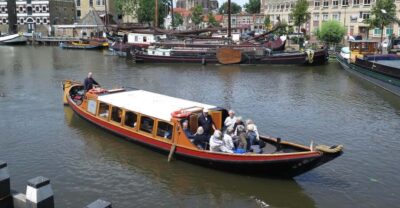 ★ 4.3Gouda: Historical Canal CruiseFrom $18158 reviews
 ★ 4.4Gouda: Open Boat City Canal CruiseFrom $21156 reviews
 ★ 5.02-Hour Walking Tour in Gouda All inclusiveFrom $2148 reviews
 ★ 4.5Gouda: Entry Ticket to Church of St. John with AudioguideFrom $1348 reviews
 ★ 4.8Alphen aan den Rijn: 15-Minute Flyboard ExperienceFrom $7424 reviews
 ★ 4.5e-Scavenger hunt Gouda: Explore the city at your own paceFrom $3719 reviews
Browse the lists this tour appears in