
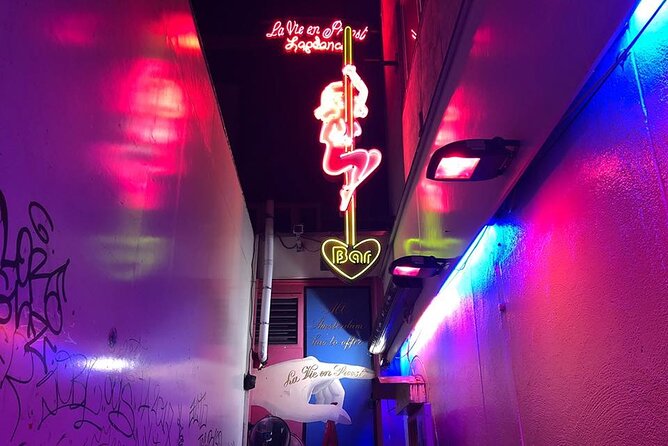
REVIEW · AMSTERDAM
Red Light District tour in Amsterdam
An Amsterdam topic you should understand first. This guided stroll makes Amsterdam’s De Wallen area readable, not just visible. You learn why sex work took root here, how the city developed its reputation for tolerance, and why coffee houses became part of the same cultural story.
I like that the tour keeps a relaxed pace while still packing in real context. I also like the small group feel, plus the chance to ask questions when the topic gets uncomfortable or confusing.
One important heads-up: due to city rules since 2020, you do not enter the Red Light District with your guide. You stay around the perimeter and then get a map for the last stretch on your own.
In This Review
- Key things I found most useful
- The Big Idea: Learning De Wallen and Coffee House Culture Without Going Inside
- Price and Value: Why 31.44 for 90 Minutes Can Actually Make Sense
- Getting There at Bistro Berlage: Logistics That Keep the Walk Smooth
- Stop-by-Stop: What You Learn Around De Wallen and Nearby Streets
- Stop 1: De Wallen (Red Light District) Perimeter Context
- Stop 2: Dam Square and the Coffee Shop Origin Story
- Stop 3: Warmoesstraat and a Glimpse of the Old Church
- Stop 4: Zeedijk, Chinatown, and the 1970s Turning Point
- Stop 5: Nieuwmarkt and the Legalization Story
- Stop 6: Kloveniersburgwal and the Legal Status of Coffee Shops
- Stop 7: Paulusbroederssluis and Your Map for What Comes Next
- Timing reality check
- Coffee Houses, Rules, and Respect: Why This Tour’s Tone Works
- Guides, Pace, and Questions: What to Expect From the Experience Style
- What This Tour Is Not, and How to Avoid the Wrong Expectations
- Who Should Book This Tour (and Who Might Skip It)
- Should You Book? My Practical Decision Guide
- FAQ
- How long is the Red Light District tour?
- What does the tour include?
- Where does the tour start and end?
- Is the tour conducted in English?
- Will we enter the Red Light District during the tour?
- What group size should I expect?
- Is there a mobile ticket?
- Can I cancel and get a refund?
Key things I found most useful
- Small group, 15 max: easier questions and less rushing.
- Outside the district, not inside: you get context without touring the windows.
- Coffee house history in multiple stops: not one random mention.
- Concrete, street-level stops: De Wallen to Dam Square to Warmoesstraat.
- A map for self-guided exploring: helps you finish thoughtfully and respectfully.
- Guides vary, but the tone stays respectful: examples include Carlos and Nadav.
Other guided walks through this part of Amsterdam, for adults
- Amsterdam: Red Light Secrets Museum Entry Ticket★ 4.2 · 5,722 reviews
- Amsterdam: Red Light District Tour in German/English/Italian★ 4.9 · 5,623 reviews
- Amsterdam Red Light District & Coffee Shop Tour★ 4.6 · 4,134 reviews
- Amsterdam: Red Light District Pub Crawl with Unlimited Shots★ 4.1 · 2,130 reviews
The Big Idea: Learning De Wallen and Coffee House Culture Without Going Inside
Amsterdam’s Red Light District, also known as De Wallen, is one of those places people either treat like a spectacle or skip entirely. This tour aims for a third option: understanding what you are seeing, and why it became part of the city’s identity in the first place.
Because guided groups have been prohibited from entering the district since 2020, you will not be walking through the tight inner streets with the guide. Instead, you cover the surrounding area and get a guided explanation of the neighborhood’s role in prostitution and the city’s broader tolerance culture. You also learn how coffee houses fit into the same wider story of Amsterdam’s approach to sex, drugs, and public rules.
That matters for your expectations. If you book hoping for a guided walk right through the most visible parts, you’ll feel the gap quickly. If you book for background, you get something useful fast. You end up with a framework for what you notice next, especially when you’re standing outside and trying to make sense of the signs, the history, and the modern rules.
Price and Value: Why 31.44 for 90 Minutes Can Actually Make Sense
At about $31.44 per person for roughly 1.5 hours, this is not a bargain bus tour. It is a topic-focused walking guide with a small group size and a map at the end.
Here is the real value check for me: the price feels fair when you want two things at once. First, you want the history and social context explained in plain language. Second, you want someone local to point out what’s worth paying attention to, without you having to read a dozen pages before you arrive.
The tour also includes a mobile ticket and a small gift. That gift is fun, but the map is the bigger value. It is what turns the walk from a quick story stop into a “now I know what to do next” experience.
One more practical detail: it is often booked about a month in advance on average. If you want a specific day or time window, don’t wait until the last moment.
Getting There at Bistro Berlage: Logistics That Keep the Walk Smooth
The meeting point is simple: Bistro Berlage, at Beursplein 1, 1012 JW Amsterdam. The tour ends back at the same meeting spot, so you are not stuck figuring out your route at the end while the evening gets later.
The pace is designed to be manageable. Amsterdam is generally flat, and this is a moderate walking tour. A moderate fitness level is enough, but wear shoes you can trust on wet pavement. One common theme from people who went is that weather happens, including snow and rain, so plan for slick patches and keep some flexibility.
This also works well if you want to use public transport. The meeting area is described as being near transit, and the walking route is built for an easy on-foot exploration instead of constant transit hops.
Stop-by-Stop: What You Learn Around De Wallen and Nearby Streets
Your guide takes you through a sequence of places that build a picture. You get the “why” before you get the “what.” Each stop is short, roughly 5 to 10 minutes, with real talking time in between while you walk.
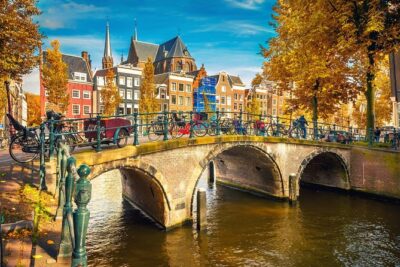


Stop 1: De Wallen (Red Light District) Perimeter Context
You start with the Red Light District area itself, but you do it as history and meaning, not as a photo scavenger hunt. You learn about the neighborhood’s connection to prostitution and why sex workers chose to settle in this area that developed its reputation over time.
You also hear how Amsterdam developed a liberal attitude toward sex, and how that shaped the district’s place in the city. This is the stop that sets the tone, so pay attention to how your guide explains the difference between curiosity and respect.
What to consider: because you cannot enter the district, you are absorbing context from the outside. If you want to see the interior details up close, plan to use the map later, not the tour itself.
Stop 2: Dam Square and the Coffee Shop Origin Story
Next is Dam Square. This stop focuses on tolerance and freedom, but also on coffee shop culture. You learn what was once the center of Amsterdam’s tolerant reputation and what ties that to the concept of the coffee shop.
For me, this is a smart way to frame the story. Instead of treating coffee houses as a random Amsterdam quirk, you understand them as part of a city that built rules and culture around how people behave in public.
Stop 3: Warmoesstraat and a Glimpse of the Old Church
Warmoesstraat is one of Amsterdam’s older streets. Today, it also functions as an entertainment center, and along the way you may catch sight of the Old Church.
This is where the tour starts to feel like “city walking” instead of “lecture.” You connect what used to be street fabric to what it became. It helps you understand why the area feels like it’s layered, not frozen in time.
Possible drawback: if you expect a constant focus on sex work imagery, this stop may feel more about streets and atmosphere than about the specific window scene.
Stop 4: Zeedijk, Chinatown, and the 1970s Turning Point
Then you reach Zeedijk, where you learn about Chinatown and the street’s darker reputation in the 1970s. Your guide explains how the area declined and then transformed into a favored spot for many Amsterdammers.
This stop is a reminder that neighborhoods are never just one thing. Amsterdam’s Red Light District orbit overlaps with other communities and stories. Seeing Zeedijk in that context makes it easier to avoid stereotypes and read the area more intelligently.
Stop 5: Nieuwmarkt and the Legalization Story
At Nieuwmarkt, you learn about the legalization of prostitution and the challenges sex workers face today. This part matters because it moves beyond myths and into practical reality: laws and lived experience are connected, but they are not the same thing.
If you want to understand Amsterdam as a place that tries to manage difficult issues through policy, this stop delivers.
Stop 6: Kloveniersburgwal and the Legal Status of Coffee Shops
Next is Kloveniersburgwal. This is where coffee shops take center stage again. You get insight into why the coffeeshop culture is significant and, importantly, you learn about their legal status.
That legal angle is the difference between understanding a tourist fact and understanding the city. Amsterdam has rules, gray areas, and local customs. A good guide helps you see the structure behind what you observe.
Stop 7: Paulusbroederssluis and Your Map for What Comes Next
Finally, at Paulusbroederssluis, you receive a map with information for the last stretch. This is your bridge from guided context to self-guided exploring.
Since you cannot enter the district during the tour, this ending helps you keep control. You can choose to continue at your own pace, stay respectful, and focus on what you actually want to see.
Timing reality check
The tour is listed as about 1.5 hours, but pacing can shift. One person reported the walk finished in around an hour, while another said it ran longer. Bring the mindset of flexibility, especially if your group has lots of questions.
Coffee Houses, Rules, and Respect: Why This Tour’s Tone Works
A lot of “adult topic” tours get stuck in two extremes: scandal for show, or dry facts only. This one aims for the middle.
You walk away understanding why coffee houses became part of Amsterdam’s identity and how their legal status is handled. You also hear about prostitution legalization and the realities faced by sex workers. The key is that your guide frames it as public policy plus human impact, not just headline-level details.
Also, the conversation tends to be respectful. People mention it is not overly sex-based, and that questions are welcomed. Guides like Carlos, Nadav, and Manouk are specifically named in feedback, and the common thread is a tone that mixes humor with clarity.
That mix matters. In this kind of neighborhood, awkwardness can derail learning. A guide who can handle humor without turning it into a gimmick makes the difference between “I heard stuff” and “I actually understand why the city works the way it does.”
Guides, Pace, and Questions: What to Expect From the Experience Style
One reason this tour earns strong marks is that it feels like a real conversation. People point out that guides are friendly and enthusiastic, and that they answer questions directly.
You might have a guide like Carlos, who gets called out as both knowledgeable and funny. Or you might have Nadav, praised for being personable and careful about pacing, even in slippery conditions. Manouk also appears as a guide name in feedback, with notes about patience and a human-centered approach.
No matter who you get, the format is the same:
- short stops
- walking time between them
- theme-based explanations
- a map to finish on your own
A small caution from the style: if you are expecting to constantly stand and watch street activity, this is not that. The tour is structured around walking and interpretation. One comment specifically said it felt like more of a lecture at times and questioned whether so much time was spent standing. If that would irritate you, decide if you want depth or a lighter stroll.
What This Tour Is Not, and How to Avoid the Wrong Expectations
Let’s be blunt, because it saves time and stress.
This is not a guided trip into the heart of De Wallen. City regulations since 2020 block groups from entering the district. Your guide can show you the perimeter and point things out, but you are not going inside with them.
It is also not a district tour designed for shopping, partying, or shock value. If you want a simple “see it fast” route, you might feel like you could get similar general city facts on your own.
Where it works best is when you want:
- clear background on why the district exists
- context on tolerance in Amsterdam
- coffee shop culture explained in a rules-aware way
- a respectful starting point for optional self-guided exploring later
Who Should Book This Tour (and Who Might Skip It)
I think this tour fits best if you are curious but you also want structure. It is ideal for:
- first-time Amsterdam visitors who want the story behind the headlines
- people who like history and social context more than nightlife planning
- anyone who wants a guided, respectful approach before exploring independently
- travelers who appreciate small groups and time for questions
You might skip or replace it with something else if:
- you are only interested in seeing the district interior up close during a guided walk
- you prefer a fast, general overview with no sensitive topics
- you want a purely lighthearted walking tour and worry this may feel too instructional
For many people, this is a smart compromise. You get the meaning without the chaos.
Should You Book? My Practical Decision Guide
Book it if you want context, not just sights. For the price and 90-minute length, it offers a lot of social and cultural explanation that you usually cannot piece together from random browsing. The map at the end is especially helpful because it acknowledges the reality of the regulations and gives you a respectful way to continue.
Consider alternatives if your main goal is inside-the-district access during the tour. Since you cannot enter De Wallen with a guide, you should not count on the experience delivering what that expectation wants.
One last tip that makes a difference: bring a curious mindset, and bring questions. This is the kind of walk where thoughtful questions get good answers, and the humor helps you stay comfortable while learning something real.
FAQ
How long is the Red Light District tour?
It lasts about 1.5 hours.
What does the tour include?
You get a 1.5-hour walking tour around the Red Light District area outskirts, a map with information for the last stretch of the tour, and a small gift.
Where does the tour start and end?
It starts at Bistro Berlage on Beursplein 1, 1012 JW Amsterdam, and ends back at the same meeting point.
Is the tour conducted in English?
Yes, it is offered in English.
Will we enter the Red Light District during the tour?
No. Since 2020, tours have been prohibited from entering the Red Light District, so this tour stays around the outskirts.
What group size should I expect?
The tour has a maximum of 15 travelers.
Is there a mobile ticket?
Yes, the tour features a mobile ticket.
Can I cancel and get a refund?
Yes. You can cancel up to 24 hours in advance for a full refund. If you cancel less than 24 hours before the start time, the amount paid is not refunded.
Everything Else From Our Amsterdam Notebook
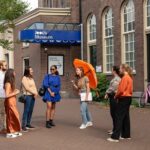



Also Reviewed Around Amsterdam
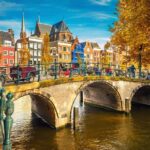




The Adult Side of Amsterdam, Explained

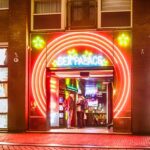


Fresh off the review pile in Amsterdam
- Full-Day Trip From Amsterdam to Keukenhof, Zaanse Schans + Cruise
★ 5.0 · 3 reviews - Boutique Dutch Food & History Tour with up to 8 guests only
★ 5.0 · 3 reviews - Private Tour to Windmills Zaanse Schans +Keukenhof – 7 Hours
★ 5.0 · 3 reviews - Full-Day Private Guided Countryside Tour from Amsterdam by Bike
★ 5.0 · 3 reviews - Amsterdam Red Light District and Old Town Walking Tour
★ 5.0 · 3 reviews
Red Light District & Coffeeshops, compared.
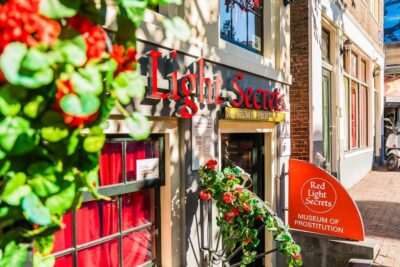 ★ 4.2Amsterdam: Red Light Secrets Museum Entry TicketFrom $175,722 reviews
 ★ 4.9Amsterdam: Red Light District Tour in German/English/ItalianFrom $285,623 reviews
 ★ 4.6Amsterdam Red Light District & Coffee Shop TourFrom $294,134 reviews
 ★ 4.1Amsterdam: Red Light District Pub Crawl with Unlimited ShotsFrom $242,130 reviews
 ★ 4.5Amsterdam Red Light District Pub CrawlFrom $241,497 reviews
 ★ 4.2Amsterdam: Cannabis Museum Entry TicketFrom $141,244 reviews
 ★ 4.5Amsterdam: Red Light District TourFrom $331,135 reviews
 ★ 4.1Amsterdam: After Dark Red Light District TourFrom $571,030 reviews
Browse the lists this tour appears in