
REVIEW · KINDERDIJK
Rotterdam: Kinderdijk UNESCO World Heritage Entry Ticket
Windmills move slowly, but they pull you in fast. Kinderdijk is one of the Netherlands best-preserved UNESCO windmill villages, and this ticket gets you into two museum mills and includes a boat trip through the polder waters. I love that it feels like you’re reading Dutch land-reclamation in real time, not just collecting photos.
My other favorite part is the inside access. You can step into working windmill spaces, then head to the pumping station engine room to understand how the Dutch keep water under control. One thing to plan for: the tour boats may not sail in bad weather, so build in a little flexibility if conditions are rough.
In This Review
- Key Highlights to Know Before You Go
- Kinderdijk From Rotterdam: UNESCO Windmills You Can Actually Experience
- What Your Ticket Really Buys (And Why It Feels Like Value)
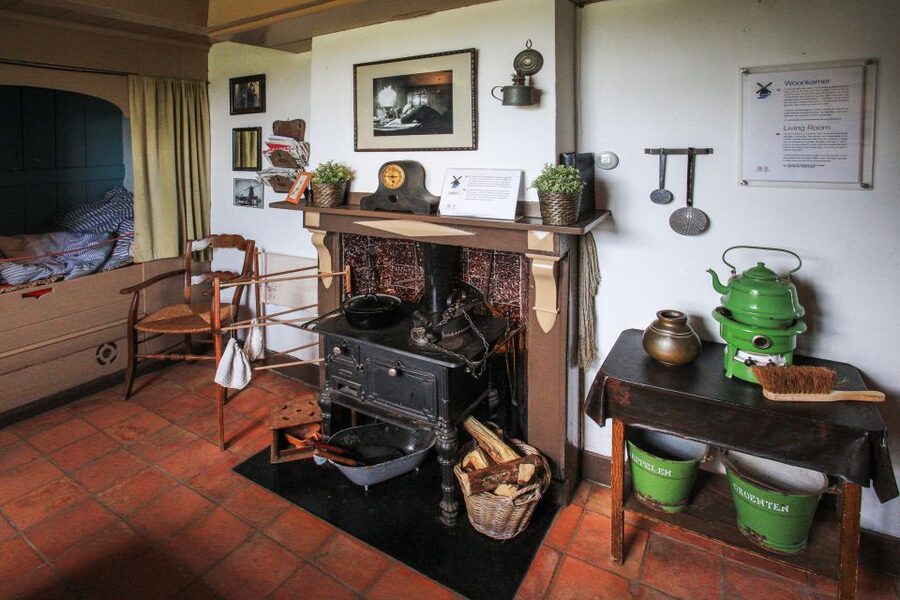
- Blokweer and Nederwaard Museum Mills: How to Tour the Interiors
- The Pumping Station Engine Room: The Part People Don’t Expect
- The Boat Trip Through the Polders: Best Way to See the Layout
- Strolling the Village With the Online Audio Guide
- Timing and Hours: How to Plan Your Day Without Rushing
- Getting There From Rotterdam: Water-Friendly Options and Bike Thinking
- Who This Kinderdijk Ticket Suits Best
- Should You Book This Kinderdijk Ticket From Rotterdam?
- FAQ
- How long is the Kinderdijk visit with this ticket?
- What’s included in the entry ticket?
- Is transport to Kinderdijk included?
- Are food and drinks included?
- What languages are available for the audio guide?
- Is the experience wheelchair accessible?
- Do the tour boats always sail?
- When does the last boat depart?
- What are the opening hours?
- Is there free cancellation?
Key Highlights to Know Before You Go
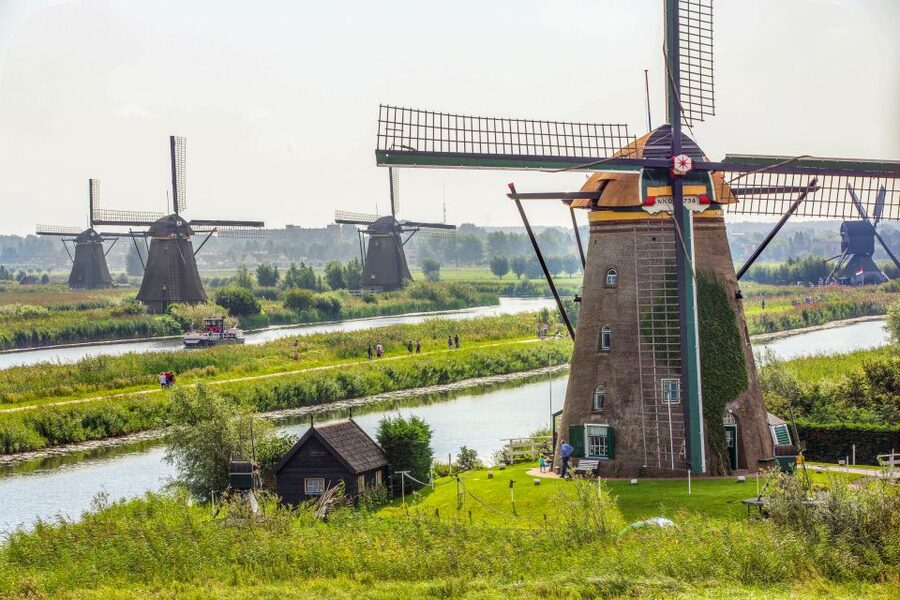
- Two museum mills included: walk the interiors at Blokweer Museum Mill and Nederwaard Museum Mill
- Polder cruise on the tour boat: glide past the windmills where they belong, along the water
- Pumping station engine room entry: see how the water-control system works up close
- Film and exhibition time: use indoor stops to connect the machinery to Dutch life and history
- Online audio guide (multi-language): English, Dutch, French, Spanish, Italian, Chinese, and German
- Family-friendly extras: an interactive scavenger hunt plus an onboard video on the boat
Kinderdijk From Rotterdam: UNESCO Windmills You Can Actually Experience
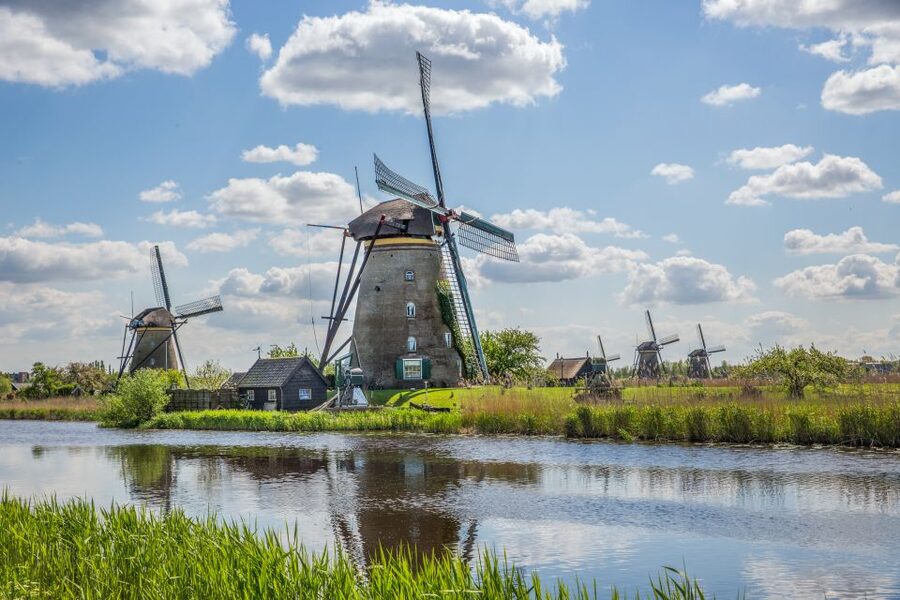
If you’ve seen windmills in postcards, this place will still surprise you, because Kinderdijk isn’t staged. It’s a living system of canals, polders, and wind-driven machines arranged across a real working water landscape. The result feels calm and orderly, like the Netherlands put engineering on a leash and then let it grow into a village.
From a Rotterdam day-trip perspective, this ticket is a smart way to make the long walk and the water-journey worth it. You’re not just standing outside at a viewpoint. You get a structured mix: windmill interiors, a pumping station, and then that boat glide so you can take in the full layout without doing all the walking twice.
This is also one of those UNESCO sites where you can tune your experience to your pace. Want quiet, self-guided strolling with audio? Great. Want to focus on machinery and how it works? You can. There’s enough going on that a full day doesn’t feel rushed, even if you stop often.
What Your Ticket Really Buys (And Why It Feels Like Value)
The price is listed at about $25 per person, and the value is in the package. Your ticket isn’t only “entry into a park.” It includes:
- Entrance to Blokweer Museum Mill
- Entrance to Nederwaard Museum Mill
- Boat trip through the World Heritage Site
- Entrance to the pumping station engine room
- Film and exhibition access
- An online audio tour guide (with multiple language options)
That combination matters. Windmill villages can be expensive when you buy attractions separately. Here, you’re essentially paying once for the parts that usually cost extra: interiors plus the boat.
Also, the ticket is listed as valid for 1 day, so you’re not pressured to cram everything in one tight session. You can start with the mills, take your time with the exhibition and film, then use the boat as your reset, so the whole day feels less like a checklist and more like a route.
Blokweer and Nederwaard Museum Mills: How to Tour the Interiors
The two museum mills included with your ticket are your best shortcut to understanding what you’re looking at. Outside, windmills are impressive shapes against the sky. Inside, they become tools, with spaces designed around daily work.
At each museum mill, you’ll find indoor information and room layouts meant for visitors to connect the mechanics to the human routine. This is where you learn how wind power translates into movement, and how that movement supports pumping and water management. I like this approach because it turns the site from scenery into systems.
Two practical notes help here. First, expect to switch between inside and outside quickly. Bring a layer, especially if you’re going in cooler months. Second, plan for walking between stops. The village paths and crossings are well kept, but you’ll be on your feet more than you might assume.
If you’re choosing what to prioritize, I’d put your attention on:
- where the machine parts are explained
- how the windmill’s motion is tied to pumping
- the daily-life feel you get from how the spaces are interpreted
The Pumping Station Engine Room: The Part People Don’t Expect
Many people think a windmill day is all about the windmills. Then the pumping station pulls you in, because it’s the missing link. This ticket includes entrance to the engine room, which is where the Dutch water puzzle becomes concrete.
In practical terms, the pumping station section gives you context for why the village exists in this exact arrangement. Windmills were not decorative. They were essential in the ongoing battle to manage water levels in polders, and you can feel that urgency through the way exhibits and the film/exhibition support what you see.
If you tend to rush exhibitions, slow down here. The engine room is less about big views and more about understanding. Once you get the basics, the rest of Kinderdijk starts clicking into place.
Also, if the weather turns, this indoor stop is a lifesaver. It breaks up the day so you’re not stuck doing only outdoor walking.
The Boat Trip Through the Polders: Best Way to See the Layout
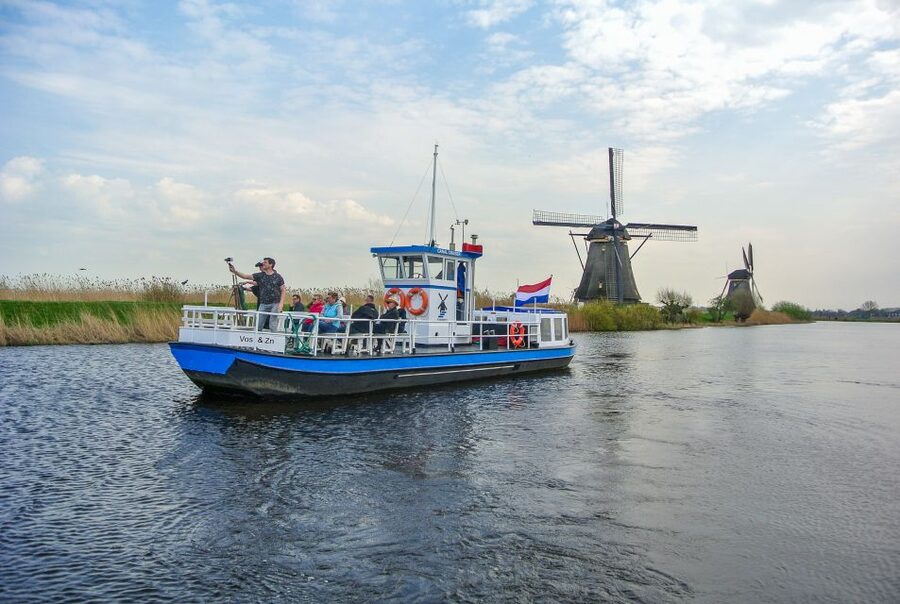
The boat ride is one of the best reasons to book this specific ticket, because it turns the windmill village into a whole picture. Instead of walking past windmills one by one, you glide along the polder waters as the mills line up in sequence. It’s a calmer way to grasp spacing, geometry, and scale.
One important practical detail: the tour boats may not sail due to bad weather, so don’t schedule this as your only plan with zero flexibility. When boats do run, you’ll want to be ready to board, and you should know that the last boat departs about half an hour before closing time.
A few more tips based on on-site reality:
- The boat can have limited places, so arrive early enough to avoid stress.
- Think of the boat as part of your time management. If your legs are tired, let the boat do the visual heavy lifting.
- If the onboard video is offered, it’s worth your attention because it helps connect what you’re seeing from the water.
Even if you love walking, I’d still do the boat trip. It’s the easiest way to appreciate why Kinderdijk is a UNESCO World Heritage Site and not just a pretty collection of windmills.
Strolling the Village With the Online Audio Guide
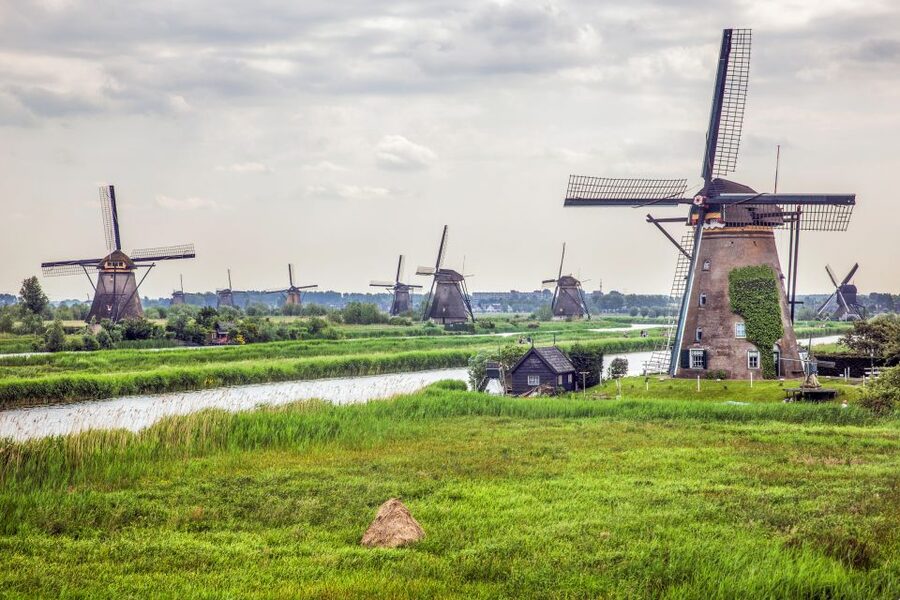
This is a self-guided experience at your pace, and the online audio guide is built for that. You get audio options in multiple languages, including English, Dutch, French, Spanish, Italian, Chinese, and German. The guide helps you make sense of what you’re looking at when you’re standing in front of machinery, not just reading a sign.
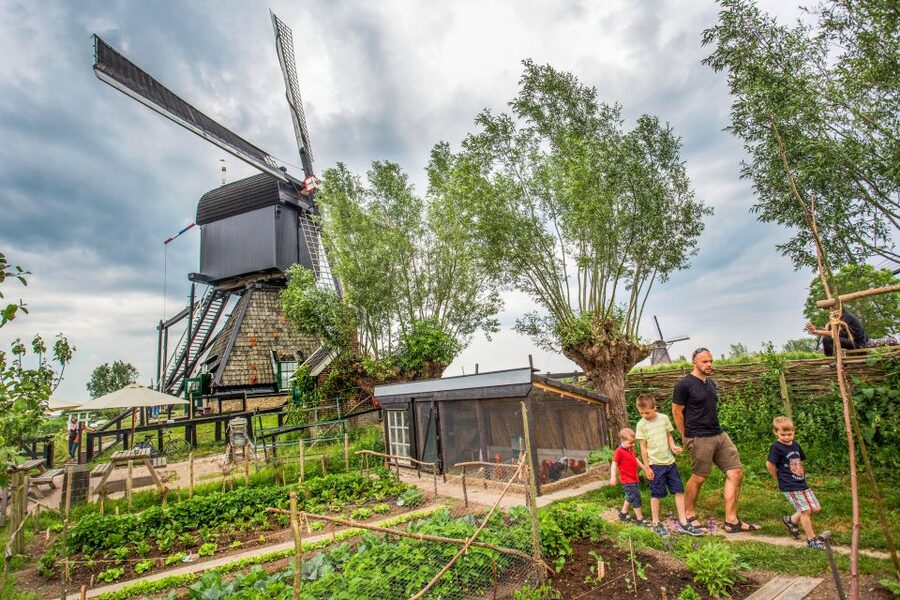
There are also extras that make the experience more playful. The site offers an interactive scavenger hunt for kids, plus a film and exhibition that give you a shared baseline of understanding before you head out across the paths. On the boat, there’s also an onboard video mentioned as short, so it’s a good use of time between stops.
My advice: use the audio guide in bursts. Start it when you arrive at a mill or the pumping station engine room. Then turn it off during the outside walking segments so you’re not stuck listening through every breeze. You’ll remember more when you alternate information and quiet.
Shade is limited in certain stretches between museum stops, so if you’re visiting on a bright day, plan for sun protection and water. A simple hat and sunglasses can matter more than you’d think.
Timing and Hours: How to Plan Your Day Without Rushing
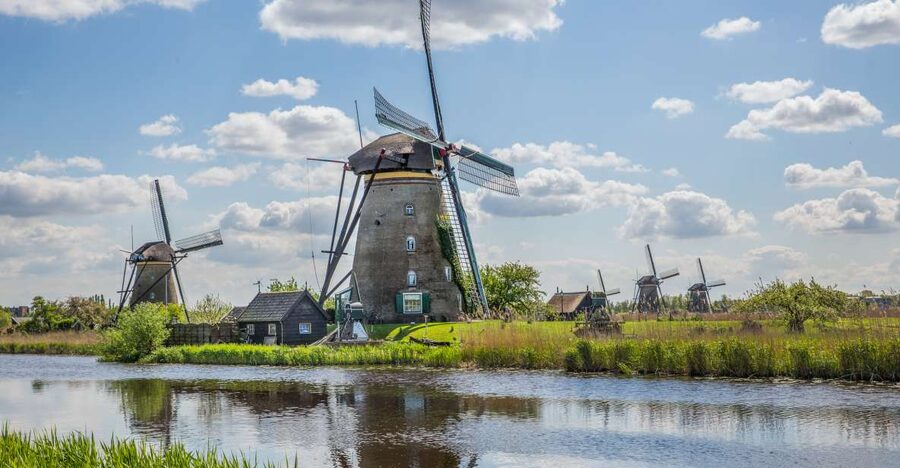
Your ticket is valid for 1 day, but your actual “day shape” depends on the opening hours. The site’s hours vary by season:
- Until March 5: 10:30 a.m. to 4 p.m.
- March 6 to November 1: 9 a.m. to 5:30 p.m.
- November 2 to December 31: 10:30 a.m. to 4 p.m.
- Christmas Day: closed
Because the last boat leaves about 30 minutes before closing, your best move is to treat the boat as a mid-to-late afternoon anchor. If you wait too long, you risk missing the final sailing.
If you want an easy rhythm, aim to:
- start early enough to see at least one museum mill thoroughly
- fit the pumping station before your energy dips
- use the boat later for the wide-angle view
And yes, give yourself time to wander. The site is peaceful enough that slowing down often feels better than checking off every room fast.
Getting There From Rotterdam: Water-Friendly Options and Bike Thinking
Transport to Kinderdijk is not included in your ticket, so you’ll plan your own route. The good news is that Kinderdijk is set up for water-based access and cycling.
A practical approach many people use is combining Waterbus and a bike. One route described is taking the Waterbus to Alblasserkade from the Rotterdam area, then using bikes or a further walk to reach the site. This works well because bikes let you control time and effort without spending energy on long, repeated stops.
If you drive, keep expectations realistic. Parking can be difficult, and the walk paths can still require effort even after you park close. If you’re renting a bike, also watch your timing around crossings and busy pedestrian areas. The village paths are meant for walking, so take it slow where bikes and pedestrians share space.
Accessibility note to know: the venue itself is wheelchair accessible, but getting from a water taxi can be awkward. If you’re bringing mobility equipment, I’d plan your transfer with care and allow extra time.
Who This Kinderdijk Ticket Suits Best
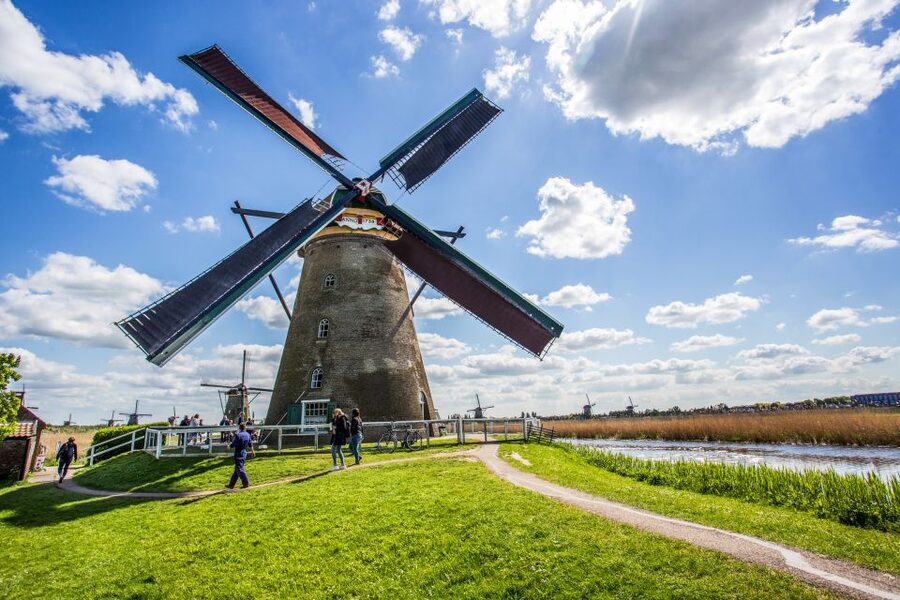
This ticket fits best if you want more than scenery. If you like mechanics, systems, and understanding how something works in the real world, you’ll have a great day. The combination of museum mill interiors and the pumping station engine room makes it feel like a mini lesson in Dutch water control, without being heavy or slow.
It’s also a strong fit for:
- first-time visitors to the Netherlands who want a UNESCO highlight that isn’t just a city stop
- couples who want an easy day with calm pace and great views
- families, thanks to the scavenger hunt and the mix of indoor and outdoor time
- people who prefer self-guided touring with audio rather than a rigid group schedule
If you have very limited mobility or you hate walking, the site may still work, but you should plan carefully around distances and the outdoor timing. This is a village you explore on foot at least part of the time.
If weather is a concern for you, remember the boat might not sail. Build a Plan B mindset so you can still enjoy the mills, the pumping station, and the indoor film and exhibition even if the water ride changes.
Should You Book This Kinderdijk Ticket From Rotterdam?
Yes, I think you should book it if your goal is to understand Kinderdijk, not just pass by it. You get a high-value bundle: two museum mills, the pumping station engine room, and a polder boat trip. For a day in the Netherlands, that’s a lot of “real access” packed into one ticket.
I’d hesitate only if you’re visiting during a period of rough weather and you absolutely cannot adjust your schedule. Since the boat can be canceled due to bad conditions, you’ll want to be comfortable enjoying the indoor parts and one or two mills even if the water ride doesn’t happen.
If you’re deciding between a quick photo stop and a real UNESCO experience, this ticket leans clearly toward the second option, and you’ll feel it in how much you understand by the time you leave.
FAQ
How long is the Kinderdijk visit with this ticket?
The experience is listed as a 1-day visit. Your ticket is valid for 1 day.
What’s included in the entry ticket?
It includes entrance to the Blokweer Museum Mill and the Nederwaard Museum Mill, a boat trip through the World Heritage Site, entrance to the pumping station engine room, access to an informative film and exhibition, and an audio tour guide in the online guide.
Is transport to Kinderdijk included?
No. Transport to Kinderdijk is not included.
Are food and drinks included?
No. Food and drinks are not included.
What languages are available for the audio guide?
The audio guide is available in English, Dutch, French, Spanish, Italian, Chinese, and German.
Is the experience wheelchair accessible?
Yes, it is wheelchair accessible.
Do the tour boats always sail?
The tour boats may sometimes not sail due to bad weather conditions.
When does the last boat depart?
The last boat departs half an hour before closing time.
What are the opening hours?
Until March 5, it is open 10:30 a.m. to 4 p.m. From March 6 to November 1, it is open daily 9 a.m. to 5:30 p.m. From November 2 to December 31, it is open daily 10:30 a.m. to 4 p.m. Christmas Day it is closed.
Is there free cancellation?
Yes. You can cancel up to 24 hours in advance for a full refund.
Windmills & Zaanse Schans, compared.
 ★ 4.4From Amsterdam: Zaanse Schans, Volendam, and Marken Day TripFrom $4315,931 reviews
 ★ 4.6Amsterdam: Zaanse Schans, Edam, Volendam & Marken Bus TourFrom $3215,034 reviews
 ★ 5.0Day Trip to Zaanse Schans, Edam, Volendam and Marken from AmsterdamFrom $455,392 reviews
 ★ 4.4Amsterdam: Guided Zaanse Schans, Windmills & Cheese TourFrom $224,826 reviews
 ★ 4.0Windmill Tour from Amsterdam, Including Volendam & MarkenFrom $374,572 reviews
 ★ 4.8From Amsterdam: Zaanse Schans, Edam, & Marken Full-Day TripFrom $353,414 reviews
 ★ 4.5Amsterdam: Tour to Keukenhof Gardens with Windmill CruiseFrom $642,819 reviews
 ★ 4.5Zaanse Schans Windmills, Clogs and Dutch Cheese Small-Group Tour from AmsterdamFrom $512,369 reviews
Browse the lists this tour appears in