
REVIEW · AMSTERDAM
Small Group Hidden Gems Tour in Amsterdam
Spinoza, synagogues, and suffrage, in one walk. This 2-hour Amsterdam tour strings together nine stops tied to real people and real turning points, from philosophy to faith, civil rights, and WWII resistance. I especially like how the guide frames each location with clear, human stories, not just dates, and how the route keeps you moving through parts of town that feel lived-in.
Two other things that work for me: the group size is kept small (max 12), so questions do not get lost, and the tour includes many stops marked as free admission, so your time goes to the guide’s context. One thing to consider, though: the experience requires good weather, so plan a flexible day if rain is in the forecast.
You also get a smart setup for a short trip. You start near the Amstel River and end at H’ART Museum (formerly the Hermitage Amsterdam), which makes it easy to roll straight into your next activity without crisscrossing the city.
In This Review
- Quick highlights before you go
- Getting oriented on the Amstel-side route
- Dutch National Opera and Ballet, and the building tied to a first
- Spinoza Monument, how outcasts shape ideas
- Mozes en Aaronkerk, the free Black community in the 1600s
- Portuguese Synagogue of Amsterdam, the underground network during persecution
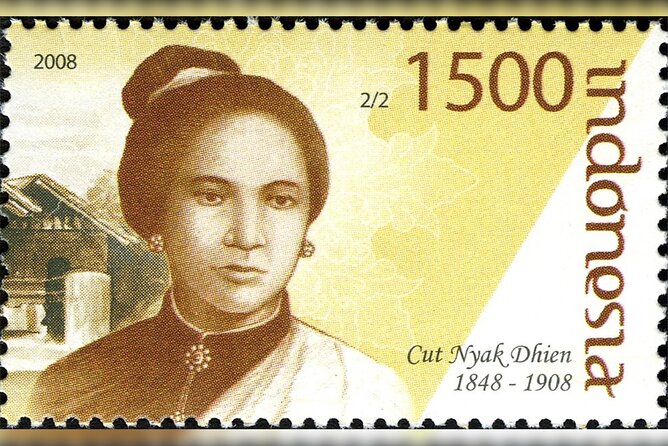
- Hortus Botanicus, Indonesian rebels and two very different lives
- De Burcht, diamonds, unions, and rights you use today
- ARTIS Amsterdam Royal Zoo, flamingos plus influential Amsterdammers
- University of Amsterdam, suffragist and diplomat on campus
- H’ART Museum, the fall and rise behind a household name
- Price and value for a 2-hour storytelling sprint
- Who this tour suits best
- Should you book this small-group Amsterdam history tour?
- FAQ
- How long is the Small Group Hidden Gems Tour in Amsterdam?
- What is the price per person?
- Is the tour offered in English?
- What group size is used for this tour?
- Where does the tour start and end?
- Do I need to buy separate tickets for the stops?
- Is it easy to access using public transportation?
- What happens if the weather is bad?
- What is the cancellation policy?
Quick highlights before you go
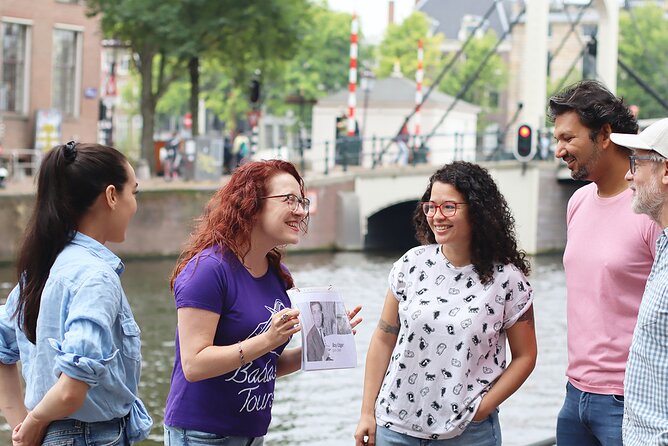
- Max 12 people, so this feels conversational, not crowded
- Mobile ticket and a route that ends at H’ART Museum (Hermitage Amsterdam)
- Many stops are free to enter, so the value is mostly the guide and stories
- A wide range of themes: rights, community, outcasts, and resistance
- Real guide names you might hear, including Elizabeth, Tanja, Astrid, and Elyzabeth
Still weighing this one up? Here is what else we have reviewed around Amsterdam.
- Amsterdam Classic Saloon Boat Cruise with Drinks and Cheese★ 5.0 · 31,825 reviews
- Amsterdam Luxury Canal Cruise + Unlimited Drinks & Bites option★ 5.0 · 30,518 reviews
- Amsterdam: Heineken Experience Ticket★ 4.6 · 30,055 reviews
- Amsterdam: Rijksmuseum Entry Ticket★ 4.7 · 25,535 reviews
Getting oriented on the Amstel-side route
The tour starts at Monument Megadlé Jethomiem, Amstel 23, 1011 PT Amsterdam. The route stays walkable and focused, aimed at getting you grounded in Amsterdam quickly, then rewarding you with deeper context at each stop.
It lasts about 2 hours and is offered in English, so it is a good fit if you want something informative without eating your whole day. You’ll be near public transportation, and service animals are allowed. Because it is a small group, you can usually ask follow-up questions without the guide having to rush.
Also, this tour is built for people who like history but do not want museum fatigue. Most stops are short, so you get the idea of what happened, why it mattered, and how it connects to Amsterdam today.
Dutch National Opera and Ballet, and the building tied to a first
You begin at Dutch National Opera and Ballet, where you get an introduction to the city and then a story that grabs your attention fast: the world’s first gay marriage and the unassuming building where it took place. The point is not sensational drama. It’s how big changes can happen in ordinary places, and how Amsterdam has a long pattern of turning social conflict into legal and cultural shifts.
This stop is about perspective. Even if you know Amsterdam is forward-leaning, you can still learn how legal recognition and lived experience intersect at street level.
Spinoza Monument, how outcasts shape ideas
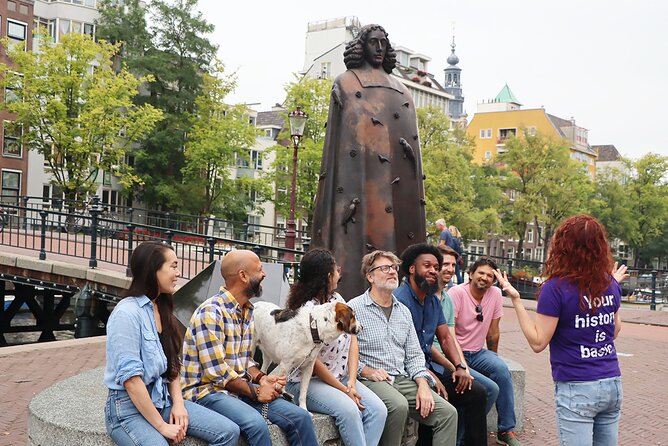
Next is the Spinoza Monument, a quick stop that packs a punch. You learn the backstory of one of the titans of modern philosophy and how he became an outcast in his own community.
What I like here is how the guide uses the monument as a shortcut to a bigger idea: dissent can be social exile, but it can also be the seed of new ways of thinking. You leave with a clearer sense of why Amsterdam has always attracted thinkers, and why it has also had sharp edges.
Mozes en Aaronkerk, the free Black community in the 1600s
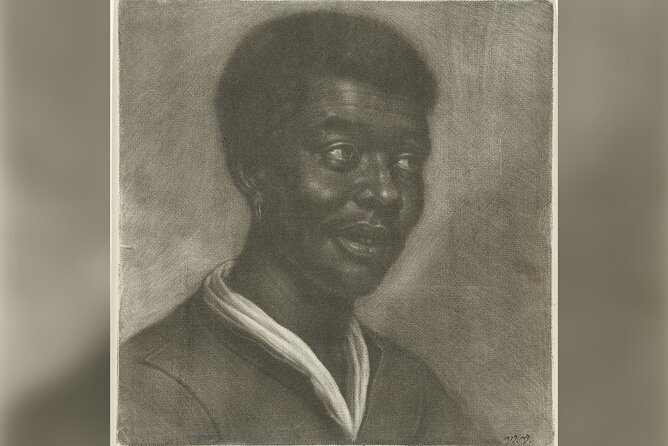
Mozes en Aaronkerk brings the story into Amsterdam’s community life, not just big-name figures. You hear about a couple in Amsterdam’s free Black community in the 17th century.
This is one of those stops that changes how you look at the city streets. It helps you notice that Amsterdam was not only merchants and canals, it was also neighbors with complicated lives, legal realities, and family stories that shaped the city’s social fabric.
The stop is short, so come ready to listen closely. The payoff is in how the guide connects everyday people to the larger forces of the time.
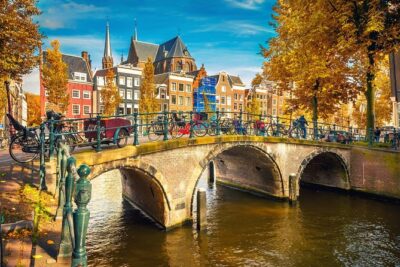



Portuguese Synagogue of Amsterdam, the underground network during persecution
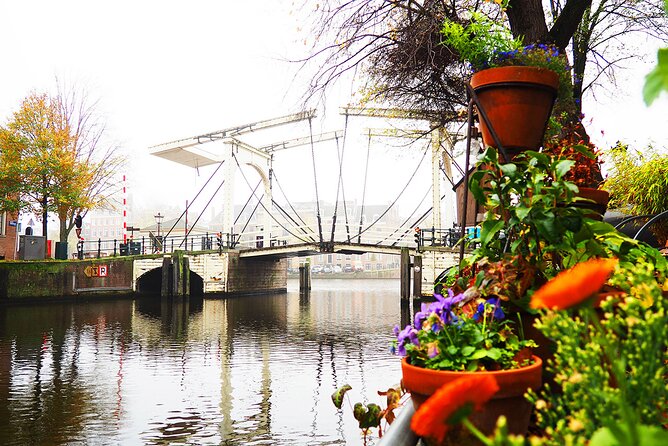
At the Portuguese Synagogue of Amsterdam, you stand among historic synagogues and hear a striking story about an heiress who helped create an underground railroad during the Spanish and Portuguese Inquisitions.
This stop is powerful because it puts courage into a specific Amsterdam setting. It also shows you that underground escape networks were not abstract. They relied on individuals with resources, networks, and the willingness to act.
If you like moral history, this is a highlight. You also get a sense of how religion, politics, and survival were tangled together in early modern Europe.
Hortus Botanicus, Indonesian rebels and two very different lives
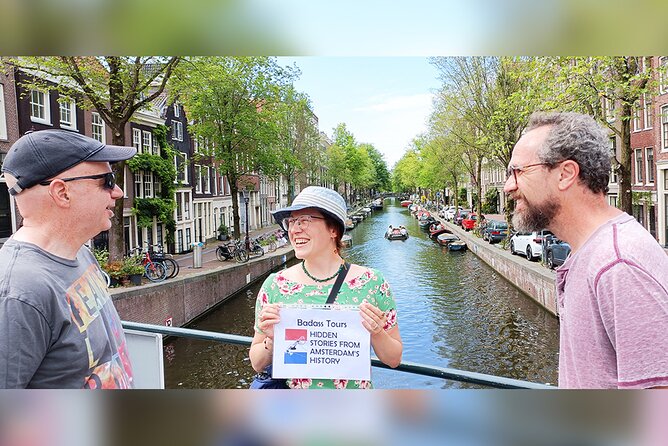
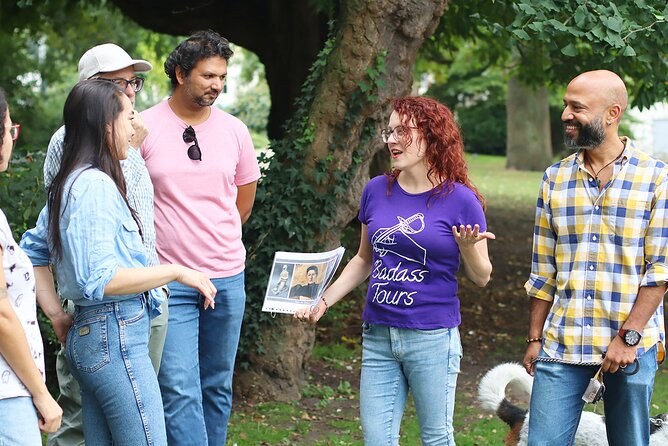
Hortus Botanicus is a change of mood, with a garden setting that makes the stories feel even more human. Here, you hear harrowing stories of two Indonesian rebels and revolutionaries who led very different lives.
The value of this stop is contrast. You are not just learning one heroic arc. You are seeing how revolutions produce multiple paths, even for people in the same broad struggle. It’s a good reminder that history is not one straight line.
Also, this stop gives you a breather from the street corners, which matters on a tight 2-hour route.
De Burcht, diamonds, unions, and rights you use today
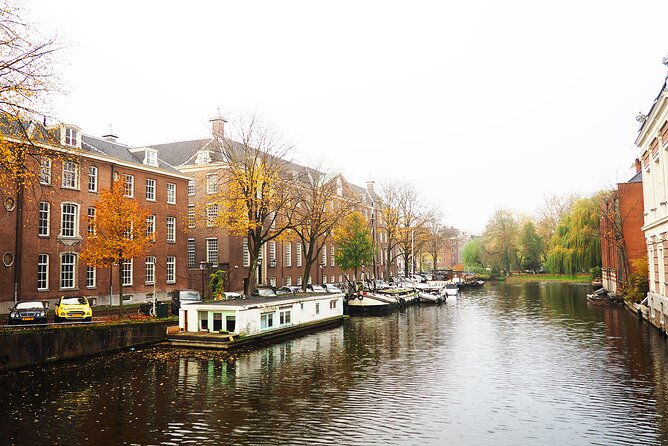
De Burcht shifts the focus from individuals to systems. Amsterdam has a long history as a city of diamonds, and you learn how the workers’ union that built this iconic building helped push rights that many citizens rely on today.
I like this stop because it makes labor history feel practical. You can walk away thinking about how modern rights do not appear out of nowhere. They come from organized people, negotiating power, and building institutions that last.
This is also a nice pairing with the earlier outcast-and-community stories. You start to see a theme: rights and recognition are social projects, not luck.
ARTIS Amsterdam Royal Zoo, flamingos plus influential Amsterdammers
Then you move into ARTIS Amsterdam Royal Zoo, passing flamingos as you hear about influential Amsterdammers. The stories include groundbreaking artists and WWII resistance heroes, tying animal life and public space to human resilience.
This stop is longer, and it earns it. You get time to notice the atmosphere, then you get layered stories about who shaped Amsterdam in different eras. Even if you are not a zoo person, the context makes it worth slowing down for a moment.
If you are traveling with kids, this is likely the stop that keeps attention without turning the tour into a lecture.
University of Amsterdam, suffragist and diplomat on campus
The University of Amsterdam stop crosses through the main campus area and spotlights an influential suffragist and a world-changing diplomat. It’s another quick chapter, but it reinforces the tour’s overall message: Amsterdam helped shape public life in ways that reached far beyond the city.
This stop is a good choice if you like learning that connects local landmarks to world history. And it gives you something to carry into conversations later in the trip.
H’ART Museum, the fall and rise behind a household name
The tour ends at H’ART Museum (Hermitage Amsterdam) on the Amstel. You hear the story of the fall and rise of a household name, explained through how one relative shaped what people remembered.
This final stop works because it circles back to what the whole tour is doing. Places are not just pretty backdrops. They are storage units for memory, and sometimes memory is curated by family ties, power, and politics.
When you finish here, you are positioned well to keep going with art and interpretation, either by visiting the museum area if it matches your interests or by using the location as a calm endpoint.
Price and value for a 2-hour storytelling sprint
The price is $48.16 per person for about 2 hours. That might feel modest until you break down what you are buying: a passionate guide who turns landmark locations into connected stories, and a route that spends less money on paid entries.
Most stops are marked as free admission in the experience format, so your payment is really for the guided context and the time savings of having someone point out what to notice. For a short stay, this is often exactly what you want: high story density without a full-day commitment.
One more practical value point: the tour runs with a maximum of 12 people, which tends to keep questions possible and makes it easier to hear the guide without trying to crane your neck.
Who this tour suits best
This is a smart pick if you:
- want an Amsterdam introduction that goes beyond canals and bikes
- like people-focused history, including community life and social change
- prefer short stops rather than one long museum session
- travel solo or in a small group and enjoy being able to ask questions
It may be less ideal if you want purely visual highlights with minimal speaking, because the tour leans into storytelling at each stop.
It’s also weather-dependent. If your plan is fixed for a rainy day, keep an eye on the forecast and be ready to adjust.
Should you book this small-group Amsterdam history tour?
Yes, I’d book it if you want a compact way to understand Amsterdam through the lives of specific people. The combination of small group size, free-entry style stops, and a route that covers philosophy, community, labor, and resistance makes it feel like you get more than sightseeing.
I would pause only if you are the type who hates walking in the rain or you need long stretches of silent time. If you can handle a short, guided walk on a decent weather day, this tour offers strong value for the time you spend.
FAQ
How long is the Small Group Hidden Gems Tour in Amsterdam?
It runs for about 2 hours.
What is the price per person?
The price is $48.16 per person.
Is the tour offered in English?
Yes, it is offered in English.
What group size is used for this tour?
The maximum group size is 12 travelers.
Where does the tour start and end?
It starts at Monument Megadlé Jethomiem, Amstel 23, 1011 PT Amsterdam, and it ends at H’ART Museum (Hermitage Amsterdam), Amstel 51, 1018 EJ Amsterdam.
Do I need to buy separate tickets for the stops?
Each stop in the tour format is marked as admission ticket free.
Is it easy to access using public transportation?
Yes, it is near public transportation.
What happens if the weather is bad?
The experience requires good weather. If it is canceled due to poor weather, you will be offered a different date or a full refund.
What is the cancellation policy?
You can cancel for a full refund up to 24 hours in advance of the experience start time. If you cancel less than 24 hours before, the amount paid is not refunded.
Everything Else From Our Amsterdam Notebook




Also Reviewed Around Amsterdam





Fresh off the review pile in Amsterdam
- Full-Day Trip From Amsterdam to Keukenhof, Zaanse Schans + Cruise
★ 5.0 · 3 reviews - Boutique Dutch Food & History Tour with up to 8 guests only
★ 5.0 · 3 reviews - Private Tour to Windmills Zaanse Schans +Keukenhof – 7 Hours
★ 5.0 · 3 reviews - Full-Day Private Guided Countryside Tour from Amsterdam by Bike
★ 5.0 · 3 reviews - Amsterdam Red Light District and Old Town Walking Tour
★ 5.0 · 3 reviews
Tours, compared.
 ★ 4.6Amsterdam: Zaanse Schans, Edam, Volendam & Marken Bus TourFrom $3215,034 reviews
 ★ 5.0Anne Frank’s Story – Guided Walking Tour through AmsterdamFrom $3911,619 reviews
 ★ 4.8Amsterdam: Life of Anne Frank and World War II Walking TourFrom $3710,467 reviews
 ★ 4.6Amsterdam: Johan Cruijff ArenA Tour with Optional GuideFrom $328,954 reviews
 ★ 4.9Amsterdam: Red Light District Tour in German/English/ItalianFrom $285,623 reviews
 ★ 4.4Amsterdam: Guided Zaanse Schans, Windmills & Cheese TourFrom $224,826 reviews
 ★ 4.0Windmill Tour from Amsterdam, Including Volendam & MarkenFrom $374,572 reviews
 ★ 4.7Amsterdam: Guided Bike Tour City Centre in EN/DE/FR/ESFrom $414,187 reviews