
REVIEW · VAN GOGH MUSEUM TOURS
Van Gogh Museum Guided Tour •10 people• Face to Face with Vincent
Vincent feels close when the guide slows down. This Van Gogh Museum tour is built for real looking, with a tight group and a clear story from brushstroke to heartbreak. You get the how and the why, not just the what.
I especially love the focus on technique and evolution, including how his illness fit into the work and what changed as his style developed. I also like the way the tour links the big influences, from Japanese print ideas to the color he found in Paris streets.
One consideration: you only get one main museum stop, so if you want a broader hit list of every famous painting, this might feel more focused than you expected.
In This Review
- Key things to know before you go
- Meeting point and what this tour feels like
- The 10-person promise, and why it changes your museum visit
- Your main stop: Van Gogh Museum, with “face to face” teaching
- Brushstrokes, technique evolution, and why that is the smartest entry point
- Japanese influence and the light-and-shadow contrast you should look for
- Paris streets and color: how the guide turns settings into meaning
- ScreenTours framing, and why context can sharpen your “first impression”
- The last stage in 70 days, more than 80 paintings, and the emotional arc
- Jo Van Gogh and the turn toward worldwide recognition
- Guide energy: Ana’s friendly teaching style and why it shows
- Price and value: $52.06, admission included, small-group attention
- Timing and what to do before the tour starts
- Mobile ticket, plus a smooth start to avoid stress
- Who should book this tour, and who might want something else
- Should you book Face to Face with Vincent?
- FAQ
- Where is the meeting point for the Van Gogh Museum Guided Tour?
- What time does the tour begin?
- How long is the guided experience?
- How many people are in the group?
- Is the museum admission included in the price?
- What ticket type do I need?
- Is the meeting point near public transportation?
- How much does the tour cost per person?
- What is the cancellation policy for a full refund?
Key things to know before you go
- Small group, max 10: easier questions, less rushing, better eye contact with the works.
- Admission ticket included: you’re paying for the whole museum experience, not just narration.
- Technique plus context: brushstrokes, illness, and emotional tone are tied directly to what you see.
- Japanese and Paris influences: the guide connects composition and color to specific sources.
- Last stage in 70 days: you’ll get a structured explanation for the final burst of work.
- Ana’s teaching style: friendly, fun, and practical, with answers for pretty much any question.
More Vincent, inside the galleries and out
- Amsterdam: Van Gogh Museum Ticket and City Canal Cruise★ 4.6 · 3,899 reviews
- Amsterdam: Van Gogh Museum Ticket & Canal Cruise★ 4.5 · 3,304 reviews
- Van Gogh Museum Amsterdam Exclusive Tour w/ Reserved Entry★ 5.0 · 1,760 reviews
- Van Gogh Museum Tour Reserved Entry Semi Private★ 5.0 · 1,437 reviews
Meeting point and what this tour feels like
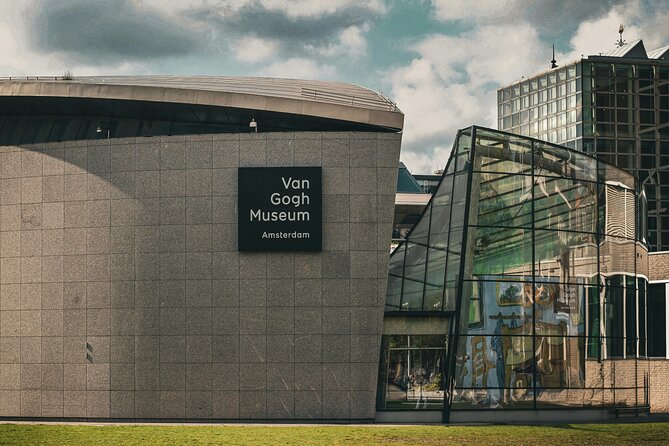
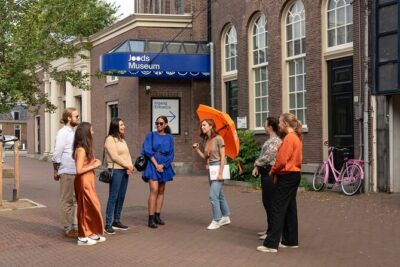
This starts at Paulus Potterstraat 7 in Amsterdam (1071 CX), right near public transportation. The tour ends back at the same meeting point, so you do not have to figure out logistics after the visit. Start time is 10:00 am, which is a smart slot if you want to see the museum while your energy is still intact.
The group size matters. With a maximum of 10 people, the experience stays human-scale. You can ask follow-up questions, and you are less likely to get swept along like part of a noisy school bus. That small-group setup is a big reason this tour earns top marks for being both informative and genuinely enjoyable.
The 10-person promise, and why it changes your museum visit
Museums can be great, but they also have a problem: you can stand in front of a painting for a long time and still miss what the artist is doing. This tour is designed to stop that problem. With only up to 10 participants, you get time to actually look at brushwork, contrast, and changes over time.
You can also feel the difference in how guides manage attention. The best part is that you are not just hearing facts. You are learning a way to see. When you know what to look for, the museum becomes less of a maze and more of a conversation.
If you like art tours that turn into a slow, clear guided walk, this fits. If you prefer silent wandering, you might find a guided pace too structured. But the structure here is built to help you understand what you are seeing.
Your main stop: Van Gogh Museum, with “face to face” teaching
This is centered on one big location, the Van Gogh Museum, with a guided experience around two hours, within an overall tour time of about two and a half hours. The admission ticket is included, which is important for value. You are not paying extra to get in, and you are not splitting your day between two separate plans.
What makes the guided content work is its theme. The story is framed like a path: brushstrokes first, then the evolution of technique, then the role of illness. That progression matters because it prevents a common mistake. People often treat paintings like isolated masterpieces. This tour helps you connect them.
And yes, the tour is explicitly built around the idea of meeting Vincent face to face. That does not mean you get a literal meeting. It means the guide helps you get close to the artist’s choices, his influences, and the forces shaping his final years.
Brushstrokes, technique evolution, and why that is the smartest entry point
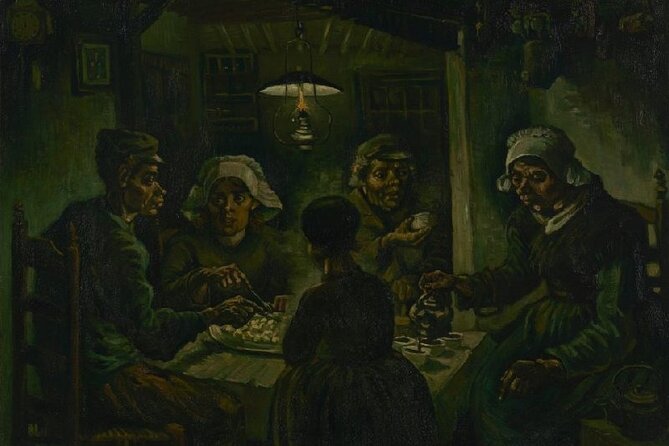
One of the most praised parts of the experience is how it teaches you to see. Rather than throwing names at you, the guide focuses on brushwork and technique changes. That is a practical way to understand Van Gogh because his paintings are full of decisions you can notice if someone points the right things out.
You will also hear how his illness connects to the work and the way his technique develops over time. Even if you do not go deep into medical details, you come away with a clearer sense of why the paintings feel the way they do.
Here is the payoff for you: once you learn how to spot technique shifts, you stop treating every canvas the same way. You start seeing patterns. The museum turns into a timeline.
More trips where somebody else does the explaining


Japanese influence and the light-and-shadow contrast you should look for
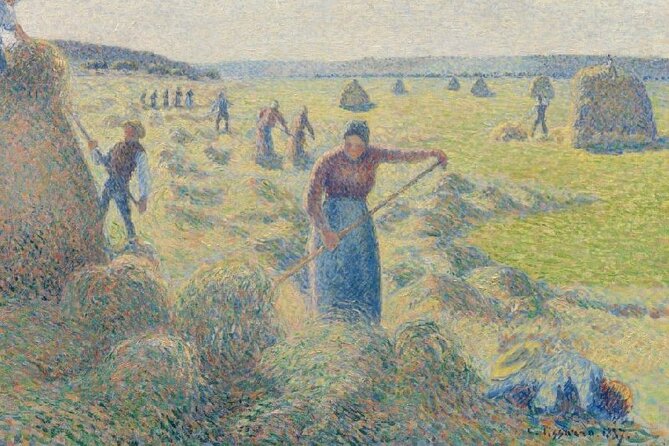
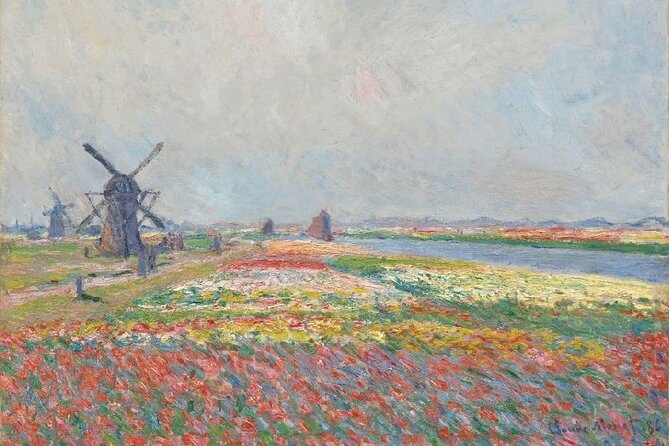
Another strong element is the connection to Japanese influence. The tour points out how ideas from Japanese art can show up in composition and in the way subjects are presented. Even without getting technical, this helps you understand why certain moments feel stylized or graphic.
The guide also emphasizes the contrast of shadows against light, including how Van Gogh balanced darker areas with brighter time of light. That is exactly the kind of direction that makes a difference. You do not just see color. You see relationships.
If you have ever stood in a gallery and thought, I get the mood, but I cannot explain the painting, this section is the bridge. You learn a few visual handles you can use immediately.
Paris streets and color: how the guide turns settings into meaning
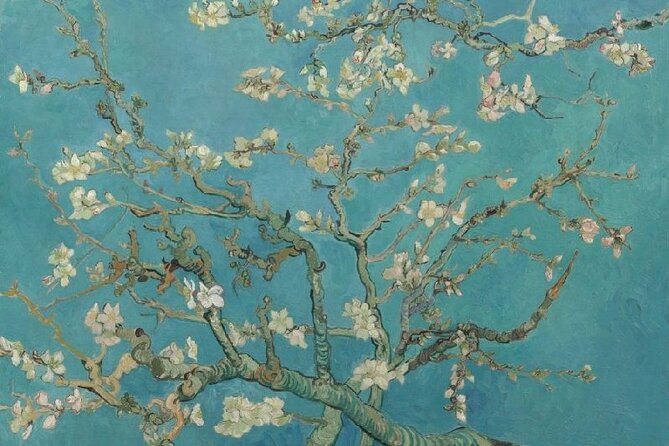
The tour takes you to Paris, not as a history lecture, but as a way to understand color. Streets inspired his palette, and the guide helps you connect that to what you notice in the paintings. That matters because color can feel like something you either love or do not love.
But if you understand how and why the color changed, you start to appreciate it as a tool, not just a look.
This is also where a good guide earns trust. When the explanation is clear, you can test it right in front of the artwork. You can look again and see if it matches the story you were given. That is a big part of why these tours feel worth it when they are done well.
ScreenTours framing, and why context can sharpen your “first impression”
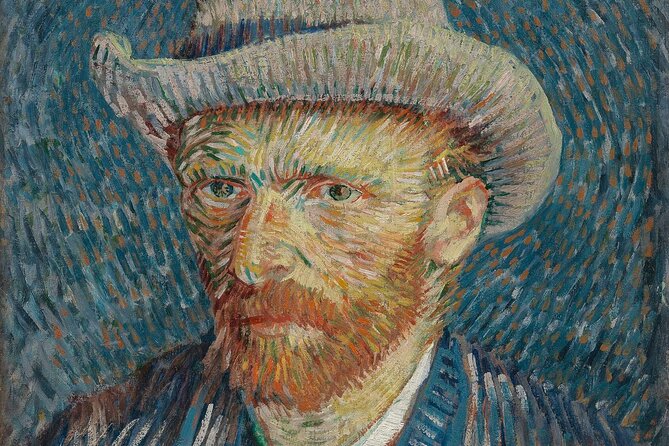
The experience includes ScreenTours as part of how the works are discussed in relation to where they were conceived. You should think of this as a storytelling approach that helps the paintings make sense in place and time, even when you are standing in Amsterdam.
Why is this useful? Because Van Gogh’s art is tied to places, seasons, and moods. Without context, a museum visit can become a string of images. With context, you remember the art for what it is doing.
You do not need to be an art historian to benefit. You just need a few anchors. This kind of framing gives you those anchors so your brain can organize what you see.
The last stage in 70 days, more than 80 paintings, and the emotional arc
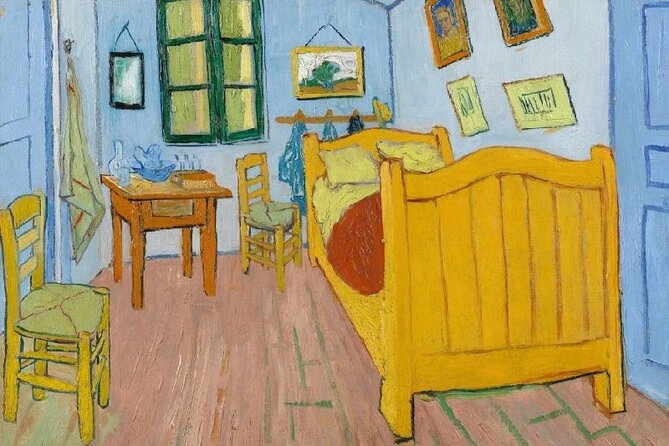
One of the most compelling parts of the tour is the final stage. The guide explains the intensity of his last period, including that in 70 days he painted more than 80 paintings. The tour ties this output to rejection he felt, and it sets up the emotional arc so the paintings make more sense as they come closer to the end of his life.
This section can be heavy, but it is handled in an educational way. The goal is understanding. Not shock. Not sensational story time.
If you are the type who likes art to be connected to a human story, this is a highlight. It is also the part where the tour’s structure really helps you. Instead of stumbling across later works without a roadmap, you get a narrative that helps you track change and urgency.
Jo Van Gogh and the turn toward worldwide recognition
The tour also covers the tragic end and the work of Jo Van Gogh, who helped lead to worldwide recognition. This is one of the more hopeful angles in the tour. It gives you a bigger picture of how Van Gogh’s legacy spread beyond his lifetime.
For you, this matters because it answers a question many people carry. How does a genius become a global figure? The tour connects the dots between his final years and the role of family support after the fact.
You leave with a more complete understanding. The artist’s story stops feeling like a closed chapter and starts feeling like a continuing thread.
Guide energy: Ana’s friendly teaching style and why it shows
The reviews consistently highlight the guide, Ana. People call her close, familiar, fun, and full of knowledge about Van Gogh and even the Netherlands more broadly. They also mention that you can ask her about almost anything, and she can answer.
That style matters. A Van Gogh tour can be either dry or alive. In this case, the teaching is described as didactic, but not stiff. It sounds like the guide makes the experience interactive, and that interaction helps you remember more than you would from a standard audio system.
If you like guides who teach you how to look, Ana’s approach is exactly what you want in the room.
Price and value: $52.06, admission included, small-group attention
At $52.06 per person, this is not a budget-only impulse buy, but it is also not in the luxury bracket. The value comes from what you actually receive.
You get:
- Admission included
- A guided experience that focuses on technique and context
- A maximum group size of 10
- Mobile ticket convenience
If the museum ticket alone would be a separate purchase for you, admission-included pricing usually feels fair. The small group is the other part that adds value, because it reduces wasted time. You spend your time learning and looking, not waiting for the guide to catch up to a larger crowd.
Also note that the average booking time is 68 days in advance. That is a hint the best time slots can get taken. If you want the 10:00 am start, I would plan ahead.
Timing and what to do before the tour starts
The tour begins at 10:00 am and you meet at Paulus Potterstraat 7. Build in a little walking buffer, because Amsterdam can be easy to navigate but occasional construction or side-street confusion happens.
Before you go in, decide how you want to remember the visit. I like to pick a single goal, like learning how to spot technique changes, or figuring out how Japanese influence shows up in composition. If you choose one focus, you notice more and you feel less overwhelmed.
Wear comfortable shoes. You are moving inside a museum, and the difference between a pleasant day and a cranky day is often just footwear.
Mobile ticket, plus a smooth start to avoid stress
This uses a mobile ticket, which is a practical win. You should be able to keep your trip simple: find the meeting point, show the ticket on your phone, and go.
The confirmation comes at booking time, so you should not be waiting on a separate email. That reduces stress and makes it easier to sync with the rest of your day.
Who should book this tour, and who might want something else
This is a great fit for you if:
- You want a guided story that explains what you see
- You enjoy learning how technique evolves
- You like context, including Japanese and Paris influences
- You want a smaller group experience with room for questions
- You care about the final-stage intensity and the role of Jo Van Gogh
You might consider another option if:
- You prefer a broad, self-led museum plan across many wings
- You want a long list of every major painting discussed in detail
- You do not like emotional or life-story context tied to the art
Should you book Face to Face with Vincent?
I think you should book it if your goal is understanding, not just viewing. The combination of small group size, admission included, and a teaching style that connects brushstrokes to influences and life events makes this feel like the kind of tour that upgrades your whole museum visit.
If you are on the fence, use this rule: if you want to leave knowing how to look at Van Gogh, go. If you want total freedom with no structure, you might prefer a self-guided day.
One last practical nudge: book ahead. With the average booking window at 68 days, it is smart to lock in your slot rather than hoping.
FAQ
Where is the meeting point for the Van Gogh Museum Guided Tour?
The tour starts at Paulus Potterstraat 7, 1071 CX Amsterdam, Netherlands.
What time does the tour begin?
The start time is 10:00 am.
How long is the guided experience?
The tour is listed at about 2 hours 30 minutes total, with the museum guided portion described as 2 hours.
How many people are in the group?
There is a maximum of 10 travelers.
Is the museum admission included in the price?
Yes. A museum admission ticket is included.
What ticket type do I need?
You use a mobile ticket.
Is the meeting point near public transportation?
Yes, the meeting point is near public transportation.
How much does the tour cost per person?
The price is $52.06 per person.
What is the cancellation policy for a full refund?
You can cancel up to 24 hours in advance for a full refund. If you cancel less than 24 hours before the start time, the amount paid is not refunded.
Everything Else From Our Amsterdam Notebook




Also Reviewed Around Amsterdam





Following Vincent





Fresh off the review pile in Amsterdam
- Full-Day Trip From Amsterdam to Keukenhof, Zaanse Schans + Cruise
★ 5.0 · 3 reviews - Boutique Dutch Food & History Tour with up to 8 guests only
★ 5.0 · 3 reviews - Private Tour to Windmills Zaanse Schans +Keukenhof – 7 Hours
★ 5.0 · 3 reviews - Full-Day Private Guided Countryside Tour from Amsterdam by Bike
★ 5.0 · 3 reviews - Amsterdam Red Light District and Old Town Walking Tour
★ 5.0 · 3 reviews
Van Gogh Museum Tours, compared.
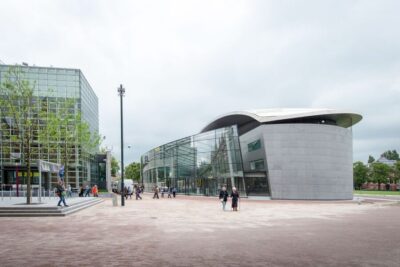 ★ 4.7Amsterdam: Van Gogh Museum TicketFrom $3252,054 reviews
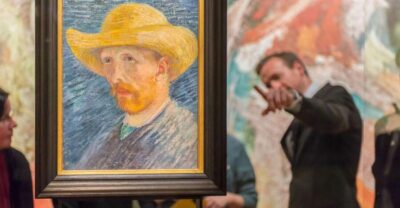 ★ 4.6Amsterdam: Van Gogh Museum Ticket and City Canal CruiseFrom $473,899 reviews
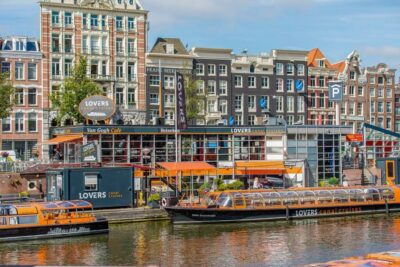 ★ 4.5Amsterdam: Van Gogh Museum Ticket & Canal CruiseFrom $473,304 reviews
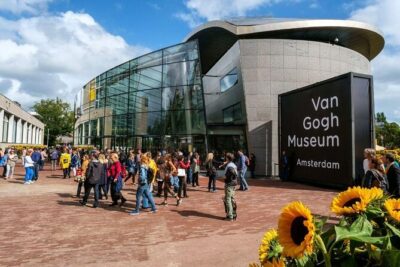 ★ 5.0Van Gogh Museum Amsterdam Exclusive Tour w/ Reserved EntryFrom $1731,760 reviews
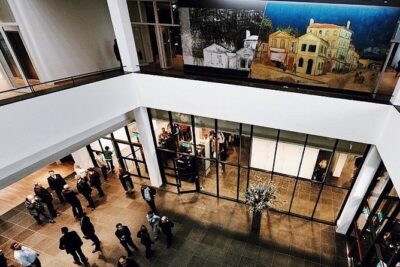 ★ 5.0Van Gogh Museum Tour Reserved Entry Semi PrivateFrom $1731,437 reviews
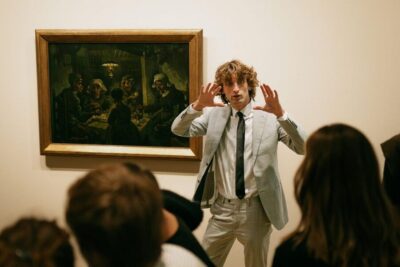 ★ 4.9Amsterdam: Van Gogh Museum Entry Ticket and Guided TourFrom $175681 reviews
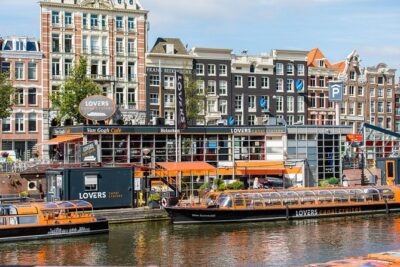 ★ 4.0Combo Ticket: Van Gogh Museum Ticket and 1-Hour Canal CruiseFrom $45676 reviews
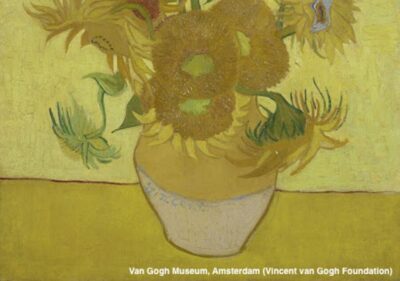 ★ 4.7Amsterdam: Van Gogh Museum Guided Tour with EntryFrom $69535 reviews
Browse the lists this tour appears in