
REVIEW · EINDHOVEN & BRABANT
Vught: National Monument Concentration Camp Entry Ticket
A former camp, told through objects and voices. Kamp Vught was the only SS concentration camp outside Nazi Germany, and it is shown with personal stories and original-site details. You walk a route that moves from the memorial centre to the outdoor grounds, then out to the execution site in the woods.
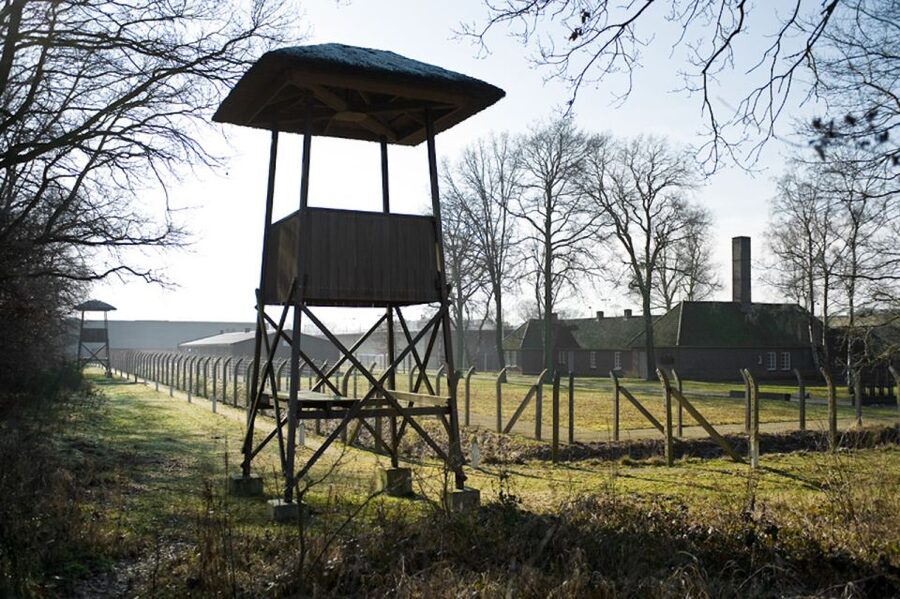
I love how the main permanent exhibition is built around human lives, not just dates. The permanent show, Camp Vught: Seven Seasons and 32,000 Stories, connects what happened across the site’s different phases, and it does it using objects and testimony. I also really like the outdoor layout, where you can still see things such as watch towers and the original crematorium in context.
One thing to plan for: the walk to the execution site is about 4 kilometers. If you are sensitive to long distances, build in rests and use the available chairs when you can.
In This Review
- Key things I’d plan around at Kamp Vught
- Why Kamp Vught (Konzentrationslager Herzogenbusch) matters beyond the headlines
- Getting your bearings in the memorial centre and permanent exhibition
- The outdoor grounds: model camp, reconstructed barracks, watch towers, and crematorium
- If Walls Could Speak: how the same site changed hands
- The execution site in the woods, plus the freight wagons
- Time, price, and practical planning for a 1-day visit
- Who should book this Kamp Vught entry ticket?
- Should you book Kamp Vught entry ticket?
- FAQ
- How long is the Kamp Vught entry ticket experience?
- How much does it cost?
- Is a guided tour included?
- Is an audio guide available, and what languages does it cover?
- How far is the walk to the execution site?
- Are cloakroom lockers available?
- Is the site wheelchair accessible?
- Are the opening hours the same for Barrack 1B?
- Is it suitable for children?
- When is free entrance available?
Key things I’d plan around at Kamp Vught
- Permanent exhibition focused on 32,000 stories across seven seasons, built from personal objects and accounts
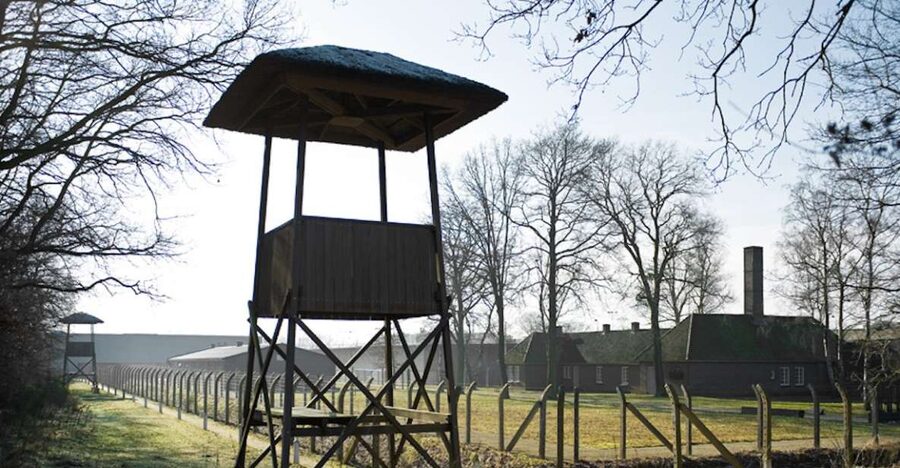
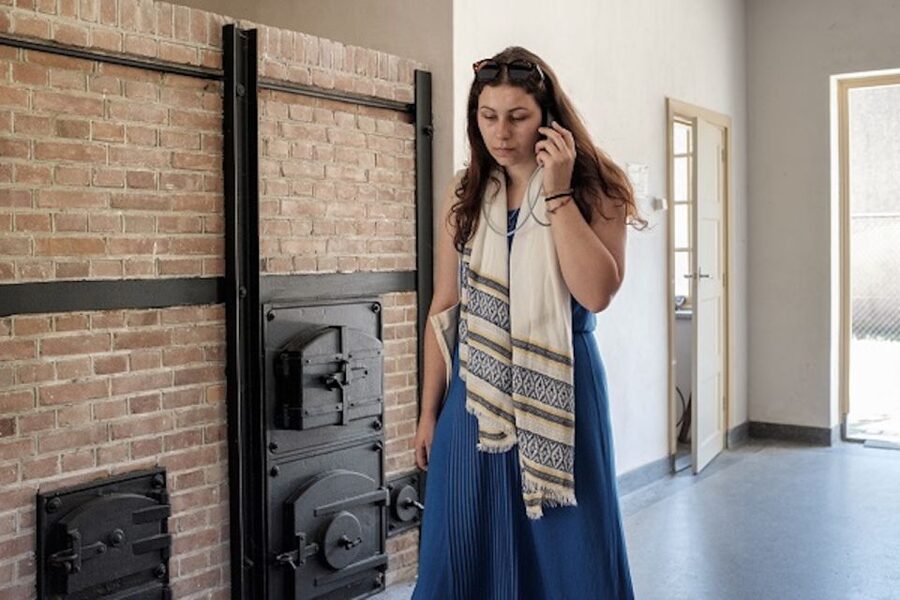
- Outdoor route you can read visually, with reconstructed barracks, watch towers, and the original crematorium
- Barrack 1B is a standout stop, since it is the last remaining original barrack from Camp Vught
- A memorial moment for the children’s transports in June 1943, placed in the outdoor area
- If Walls Could Speak covers four major site phases, from the camp era to later uses of the grounds
- The execution site is in the woods, linked to the former railway line and marked with a monument for 329 men
Why Kamp Vught (Konzentrationslager Herzogenbusch) matters beyond the headlines
Camp Vught, also called Konzentrationslager Herzogenbusch, is one of those places that forces you to slow down. It is not one building or one photo wall. It is a whole site, and it teaches you how a concentration camp functioned and how the occupation of the Netherlands reshaped everyday life.
What makes it especially important is that it was an SS concentration camp located outside Nazi Germany. That detail matters because it shows how far the machinery of persecution traveled. The memorial centre frames this in a way that helps you understand the timeline and the people caught up in it, including stories from 35 different nationalities.
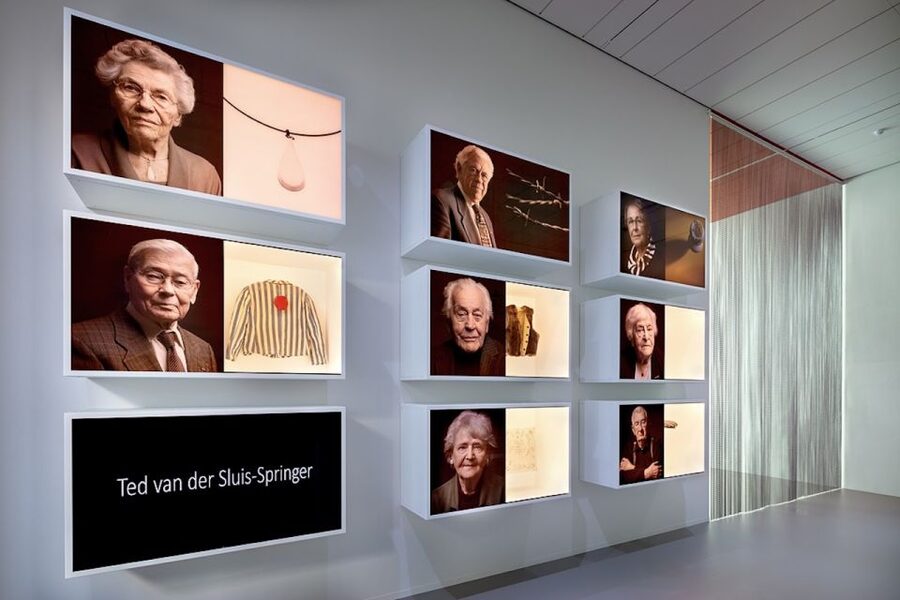
You will notice a consistent approach: the exhibits rely on personal stories and objects. That makes the experience more grounded than a purely factual overview. It also means you might spend extra time with one case instead of rushing through everything.
Getting your bearings in the memorial centre and permanent exhibition
Start at the memorial centre, where the focus is on the camp’s origins and the lives of people imprisoned there. The experience is self-guided, so your rhythm is up to you. That is a real advantage at a serious site like this, because you can pause without feeling rushed.
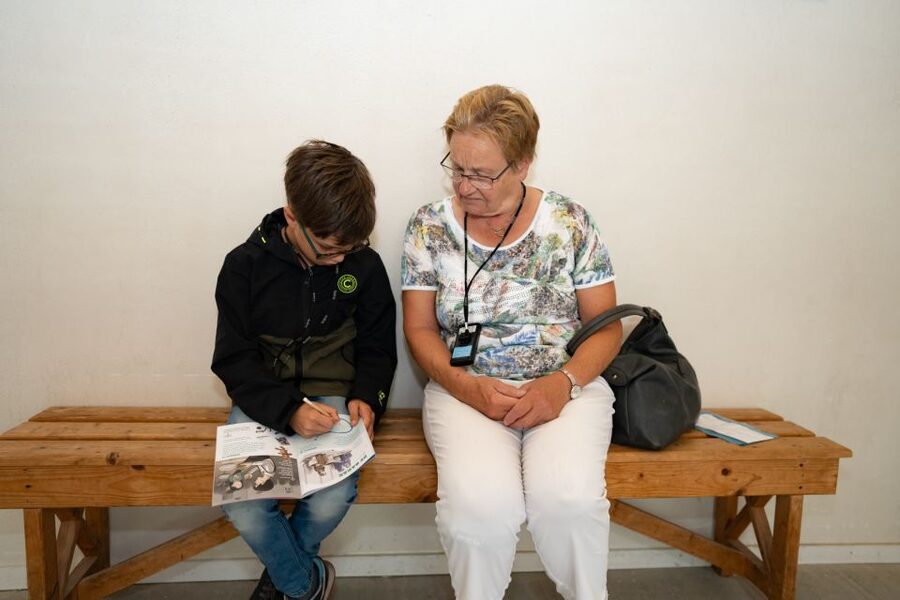
You get an audio guide included, in English, Dutch, German, and French. I like having the audio as a steady companion, especially when exhibits are dense. If you want to move faster, you can skim with the guide. If you want to linger, you can stop and let the story catch up.
Make time for the permanent exhibition Camp Vught: Seven Seasons and 32,000 Stories. The title tells you the curatorial intent right away. This is not one storyline. It is the idea that many lives overlapped within the camp system across different phases of the site, tracked through many personal accounts and items.
There is also a practical side that helps you keep control of your visit. Cloakroom lockers are free to use, and there are portable compact museum chairs available inside so you can take a break while you walk around. If you plan ahead with comfortable shoes and weather-appropriate clothing, you will be able to focus on the content instead of your feet.
The outdoor grounds: model camp, reconstructed barracks, watch towers, and crematorium

After the indoor part, you move outside to the outdoor area. This is where Kamp Vught becomes easier to understand, because the layout lets you visualize the camp environment. The outdoor section includes a model of the former campsite and a reconstructed barracks, so you are not trying to imagine everything from scratch.
You can also see several watch towers and the original crematorium. Those elements are not there just for atmosphere. They help you understand how control and punishment were built into the site. Standing near these features gives the exhibits a physical scale that is hard to get from a display alone.
In the outdoor area, you will also find a memorial connected to the children’s transports from June 1943. I found this kind of memorial placement powerful because it ties the story to a specific moment, instead of leaving it as a general statement.
Another must-see is Barrack 1B. It is described as the last remaining original barrack from Camp Vught. That means you are not just looking at a reconstruction. You are seeing what survives of the original camp infrastructure, which adds weight to what you have read inside.
If you need to rest or you are mobility limited, ask staff about help on the spot. A wheelchair is available to borrow at Camp Vught National Memorial, and another is available in Barrack 1B. People accompanying wheelchair users can receive free entry, and the same rule applies to those accompanying people with visual impairments.
If Walls Could Speak: how the same site changed hands
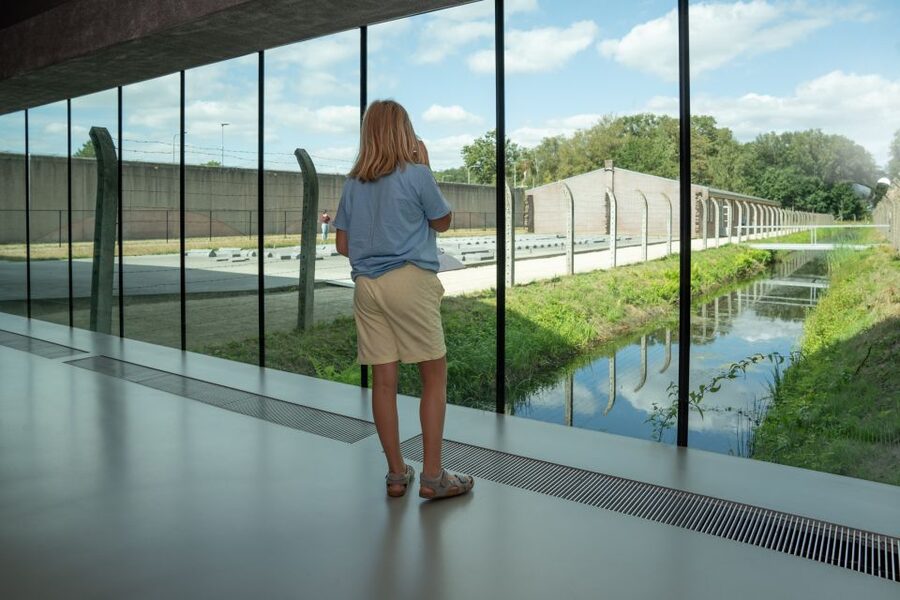
One of the most thought-provoking parts of Kamp Vught is the exhibition If Walls Could Speak. It covers four periods, showing how the site was used after the concentration camp era. This is not “meaning” in the abstract. It is a timeline you can actually see laid out through objects and context.
The four periods presented are:
- the concentration camp period (1943-1944)
- use of the site as a place of residence for German civilian evacuees
- Dutch people suspected of collaboration
- Moluccan KNIL soldiers and their families
This section helps you understand something important: history does not stop when the camp closes. The grounds become part of postwar life and political tension in different ways. That does not erase the horrors of the concentration camp period. It adds clarity about how sites and systems can shift, while the consequences for people continue.
I like that this exhibition avoids a single-note story. It encourages you to think about displacement, accusation, and survival as recurring realities in different forms. If you are only expecting one layer of WWII history, this section gives you the next layers you might otherwise miss.
The execution site in the woods, plus the freight wagons
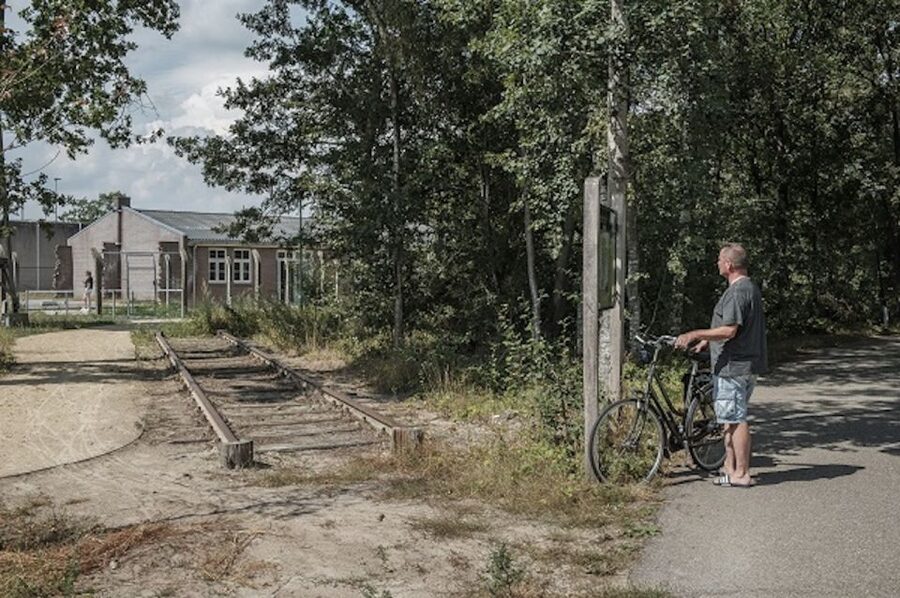
Plan extra time for the outdoor walk to the former execution site, because it is about 4 kilometers. The route goes through the woods, so it feels removed from the main museum area in a way that makes the stop feel more stark.
Along the route, pause at the monument that marks the actual site where 329 men were executed. This is one of those moments where the physical marking matters. It keeps the experience anchored to a specific place, not just a general crime.
As you walk, look along the access road that follows the line of the camp’s former railway. There are two restored freight wagons there. They are presented as a worldwide symbol of persecution and deportation during the Second World War, and they connect what you’ve learned about the camp to the wider system of forced transport.
This part of the visit works best when you give it mental space. If you pack the day tight with no breaks, you will rush past details that deserve your attention. The chairs and locker setup inside are there for a reason, and the weather can change quickly, so having a plan helps.
One more emotional note: at the end of the visit, there is an inspirational story about Co that many people remember. It is a reminder that even in a memorial setting, the goal is not only to show tragedy, but also to follow what people did with their lives afterward.
Time, price, and practical planning for a 1-day visit
The ticket price is about $14 per person, and that is strong value for what you cover. In a single day, you can see the memorial centre exhibitions, multiple outdoor features, Barrack 1B, the If Walls Could Speak exhibit, and the walk to the execution site with the freight wagons. You are not just paying for entry to one museum room.
You also get an audio guide in four languages. That makes the visit more flexible if your group includes different language comfort levels. It also helps you avoid the feeling of being “stuck” to a single guided pace, since there is no guided tour included with this ticket.
The day length is listed as 1 day, but the real time commitment depends on how long you linger with personal stories. If you read slowly, plan closer to a full day. If you move faster, you can compress the route, but you will still want time for the outdoor stops and the execution site walk.
Opening hours vary by day, and Barrack 1B has its own schedule. The general opening hours are Monday to Friday and then Saturday and Sunday, and Barrack 1B has different opening times, including Wednesday and weekend variations. The safest move is to check the specific hours for the day you plan to visit so you do not arrive and find Barrack 1B closed.
Weather matters, even for a self-guided route. Umbrellas are available. Still, bring comfortable clothes and expect walking on outdoor paths. Comfortable shoes are not optional here, because the 4-kilometer trek to the execution site is part of the experience.
If your timing matters, note special free entrance days. The museum offers free entrance for all on May 4, National Memorial Day. There is also free entrance on December 8, 2024. It is closed on December 25 and December 31.
Who should book this Kamp Vught entry ticket?
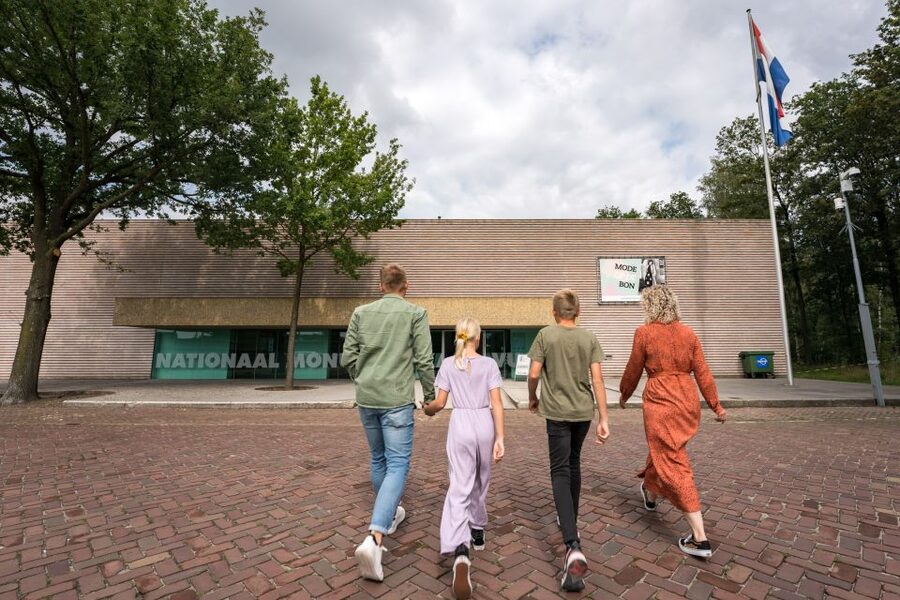
This is a powerful site, and it is best for visitors who are ready to sit with difficult history. It is not set up as a casual sightseeing stop. The experience leans heavily on personal stories and objects, so plan to read, reflect, and slow your pace.
It is wheelchair accessible, and you can borrow wheelchairs at the memorial and in Barrack 1B. People accompanying wheelchair users can receive free entry, and the same applies to those accompanying people with visual impairments. If you are bringing someone with mobility needs, ask at the counter about borrowing support and the best route for your group.
Age fit is an important point. It is not suitable for children under 10 years. If you are traveling with kids, that age limit matters, because the content is tragic and the route includes significant walking.
If you want WWII history in the Netherlands with a direct, site-based approach, this ticket is a strong choice. I would especially recommend it if you are interested in how the occupation worked and how camp systems connected to deportation and violence.
Should you book Kamp Vught entry ticket?
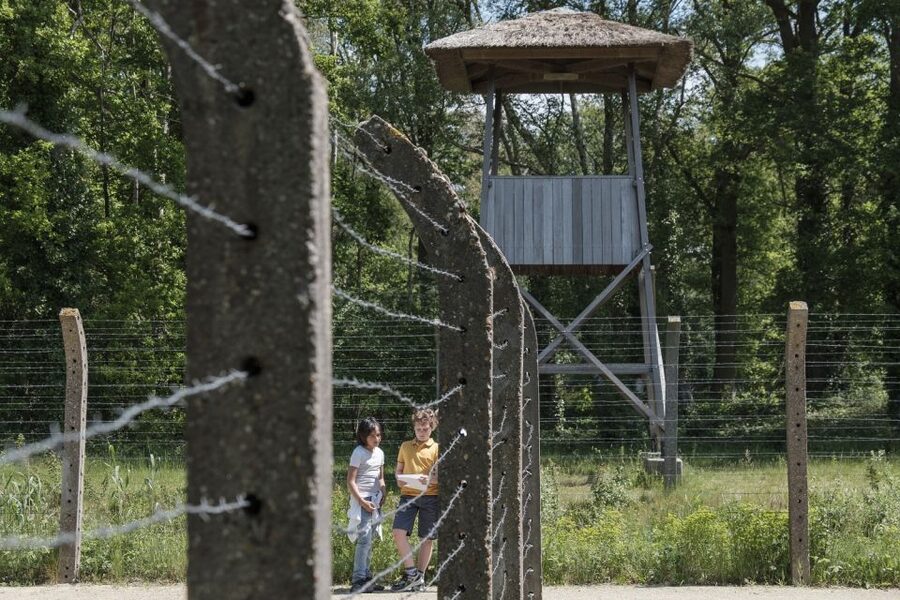
Yes, I think you should book if you want an honest, place-based WWII memorial experience that uses personal stories and objects. For the price, you get an entire day of meaningful stops, not just a quick museum visit. The outdoor features, Barrack 1B, the If Walls Could Speak exhibition, and the execution site walk give you a full picture in one outing.
Skip or rethink if you cannot manage the walking distance to the execution site, since it is about 4 kilometers. Also consider whether your group is ready for heavy subject matter. If you come prepared with comfortable shoes, you plan for time at your own pace, and you let the stories guide you, Kamp Vught is worth every minute.
FAQ
How long is the Kamp Vught entry ticket experience?
The ticket is valid for 1 day, so you can plan your visit within your chosen opening hours.
How much does it cost?
The price is listed as $14 per person.
Is a guided tour included?
No. The entry ticket includes admission only, and a guided tour is not included.
Is an audio guide available, and what languages does it cover?
Yes. An audio guide is included in English, Dutch, German, and French.
How far is the walk to the execution site?
The walking route to the execution site is approximately 4 kilometers.
Are cloakroom lockers available?
Yes. Cloakroom lockers are free to use.
Is the site wheelchair accessible?
Yes, it is wheelchair accessible. Wheelchairs are available to borrow at Camp Vught National Memorial and also one in Barrack 1B.
Are the opening hours the same for Barrack 1B?
No. Barrack 1B has different opening times than the standard museum hours, including specific Wednesday and weekend times.
Is it suitable for children?
It is not suitable for children under 10 years.
When is free entrance available?
Free entrance is offered on May 4, National Memorial Day, and there is also free entrance on December 8, 2024.
Eindhoven & Brabant, compared.
 ★ 4.7Kaatsheuvel: Efteling Theme Park Day Admission TicketFrom $47570 reviews
 ★ 4.4Hilvarenbeek: Safaripark Beekse Bergen Entry TicketFrom $35191 reviews
 ★ 4.0Eindhoven: Motion Experience Light Art Playground TicketFrom $17168 reviews
 ★ 3.8Den Bosch: Bossche Bollen ExperienceFrom $19111 reviews
 ★ 4.1Eindhoven: PSV Stadium Museum Entry TicketFrom $9101 reviews
 ★ 4.3Eindhoven: Philips Museum Entry TicketFrom $1495 reviews
 ★ 3.9Eindhoven: Next Nature Museum Entry TicketFrom $2183 reviews
 ★ 4.9Eindhoven: Bottle Distillery Tour and Tasting ExperienceFrom $2674 reviews
Browse the lists this tour appears in