
REVIEW · BIESBOSCH
Werkendam: Boat Cruise and Biesbosch Museum Entry Ticket
De Biesbosch by boat is quiet, close-up nature time. I love the whisper boat style cruise, because it glides through narrow trenches and creeks instead of blasting past like a typical tour boat. I also love that you do not just see scenery, you get the why behind it at Biesbosch Museum Island, including how people tried to control tidal water with polders and what changed after later decisions.
One heads-up: this experience uses a live guide in Dutch, so if you do not speak much Dutch you may still enjoy the visuals, but the story will be harder to follow.
After the cruise, you head to the museum island at your own pace with the entry ticket included. The whole combo is built for people who like nature with context, and who enjoy learning without it feeling like school.
In This Review
- Key points worth your attention
- De Biesbosch near Werkendam, where water does the talking
- The whisper-boat cruise, what the 75 minutes feel like
- Narrow trenches and colorful flora, a park you can read
- Wildlife on the waterways, and how to spot it calmly
- The big idea in De Biesbosch, polders first, then depolderisation
- Arriving at Biesbosch Museum Island, where nature meets Dutch water culture
- The Biesbosch Experience scale model, great for kids and adults
- Reading the fine print at your pace, plus museum café breaks
- My take on the guide quality, and why it changes everything
- Price and value, is $28 per person a fair deal?
- Who should book this Werkendam combo, and who might skip
- Practical tips before you go, so you enjoy every minute
- Should you book the Werkendam boat cruise and Biesbosch Museum Island ticket?
- FAQ
- How long is the boat cruise?
- What is included in the ticket price?
- Are food and drinks included?
- Is the tour guide English speaking?
- Are pets allowed?
- Is this experience suitable for wheelchair users?
- Can I get a refund if my plans change?
- What cancellation and rescheduling flexibility is offered?
Key points worth your attention
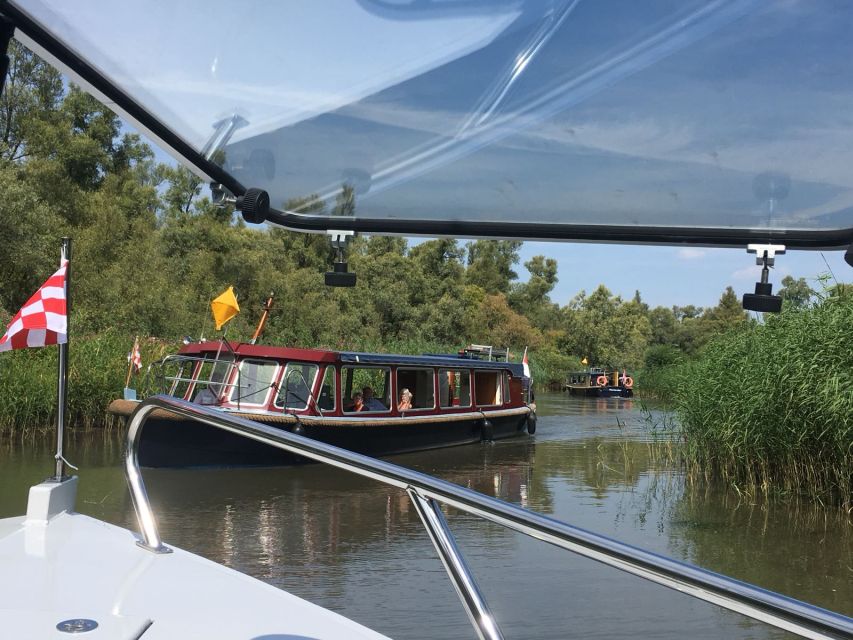
- Whisper boat cruising through narrow trenches keeps the experience calm and intimate
- Beneden Petrus trench is one of the park areas you will hear about and pass through
- Freshwater tidal wetlands in northwestern Europe are the star, not just trees and birds
- Wildlife spotting can include beavers, eagles, and deer when conditions cooperate
- Dutch water engineering explained with polders and later depolderisation
- Biesbosch Experience scale model helps you picture dykes, streams, and flood-water behavior
De Biesbosch near Werkendam, where water does the talking
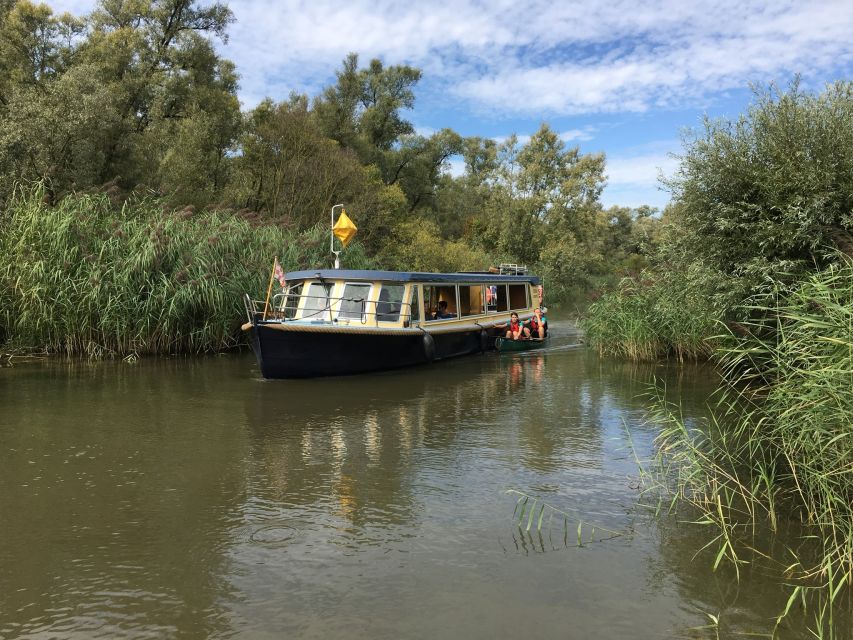
De Biesbosch National Park is one of those places where the scenery looks simple, then you learn it is all controlled by water levels and timing. On this combo day, you start on the water, then switch to museum learning so the natural world makes sense.
Werkendam is a smart home base for this kind of outing. You get a focused, limited-duration cruise first, then a museum that you can take slower, especially if you like reading labels and looking at models.
The tone of the experience is practical. You are not only there for photos. You are there to understand how the Dutch think about living with tidal water and not just fighting it forever.
The whisper-boat cruise, what the 75 minutes feel like
The cruise through De Biesbosch runs about 75 minutes, guided live by a Dutch-speaking captain or guide. The boat is designed for a quiet ride, which matters here. When you can hear the guide clearly and keep your attention on the water, you spot details better, like changes in vegetation along the channels.
You will move through creeks and trenches, not wide open water. That route choice makes the park feel closer to you, like you are traveling between rooms in a living building. The guide will point out features and explain how this freshwater tidal system works.
I like that the cruise is long enough to feel like an outing, but short enough that you do not feel stuck. It is a good match for people who want nature time without committing to an all-day excursion.
Narrow trenches and colorful flora, a park you can read
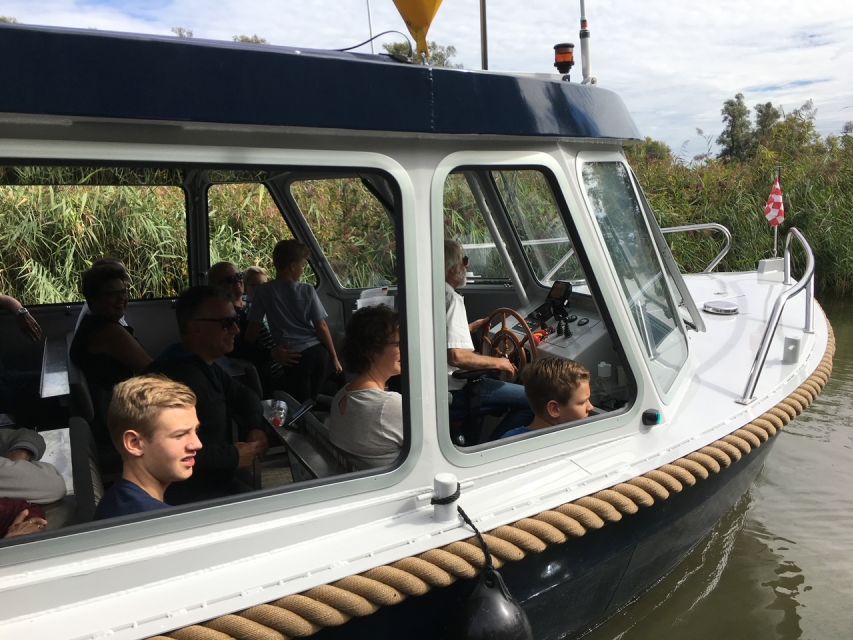
As you travel, you will notice the vegetation shift from spot to spot, with colorful flora coming and going along the waterways. On paper, De Biesbosch sounds like a nature reserve. From the boat, it feels like a network of channels with personality.
You will pass through narrow sections, including areas described as particularly scenic such as the Beneden Petrus trench. Even if you only catch the name once, the vibe is clear. Narrow trenches often mean more sheltered water, more interesting plant growth, and a better chance to see how the reserve changes with the tide.
If you care about how ecosystems work, this part clicks. You start seeing the park as a system, not just a postcard.
Wildlife on the waterways, and how to spot it calmly
The cruise is also built around the idea that wildlife lives here, even if it does not appear on cue. Your guide will encourage you to keep an eye out for animals such as beavers, eagles, and deer.
Here is how to make that wildlife time more productive. Stay patient and watch for movement near the edges, not just in the center of the channel. When you know you have only 75 minutes, you are better off scanning steadily than getting frustrated when you miss a quick sighting.
Also, the experience runs in winter as well as warmer seasons. That does not guarantee wildlife, but it does mean the tour can still feel rewarding even when the park is quieter.
The big idea in De Biesbosch, polders first, then depolderisation
This is where the experience becomes more than a pretty boat ride. De Biesbosch is a freshwater tidal area, and the Dutch have had to deal with it for centuries. The guide explains how battles against the water led to polders, land reclaimed and protected with dykes and waterworks.
Then you learn the twist. Over time, flood protection in some places shifted toward depolderisation, giving wetland areas back to nature. That is a key concept if you want to understand the region today, because it explains why the park looks the way it does now.
I like the balance of this story. It is not anti-engineering. It is a realistic view that people tried hard to tame water, then accepted that sometimes letting the system breathe is safer and smarter.
If you are interested in how humans make decisions under pressure, this part gives you a framework you can carry into other Dutch water stories.
Arriving at Biesbosch Museum Island, where nature meets Dutch water culture
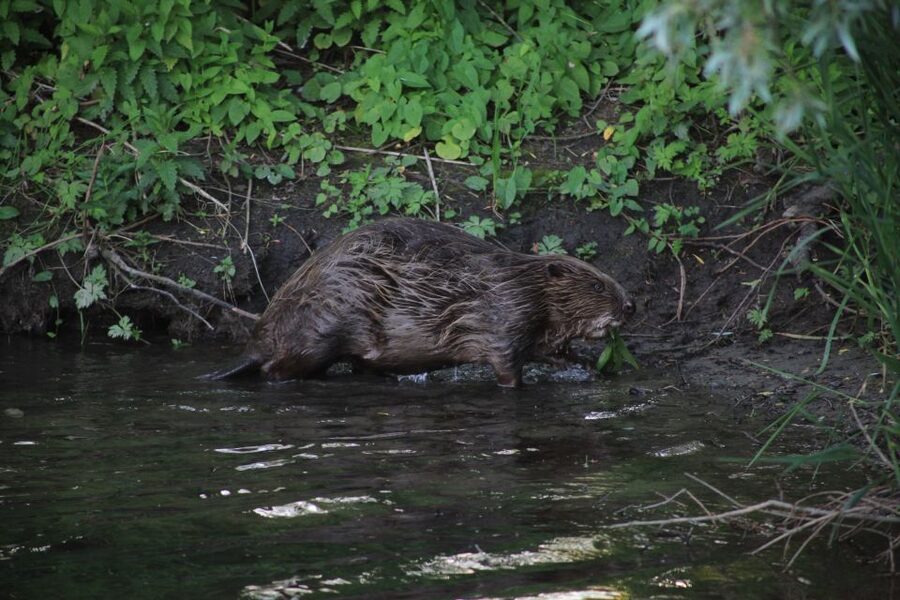
After the cruise, you head to Biesbosch Museum Island with your included entry ticket. This is where the combo really earns its value, because you get the story behind what you just saw from the boat.
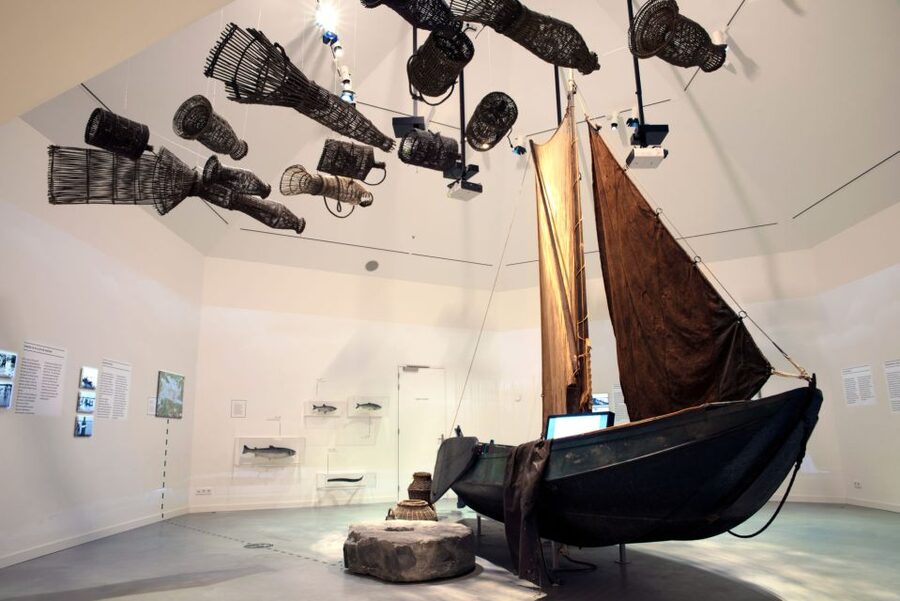
You can explore the permanent exhibition that connects past, present, and future of the park. The museum explains the freshwater tidal area that exists today, including how it came about after the St. Elizabeth flood of 1421. That flood event is the kind of historical anchor that turns a wetland system into a human story you can remember.
If the boat gives you the overview of waterways, the museum gives you the diagram in your head. You leave with a clearer mental model of why this place exists.
The Biesbosch Experience scale model, great for kids and adults
One of the most fun parts is the Biesbosch Experience exhibit, a scale model of the area showing features such as polders, dykes, and streams. Even if you are traveling solo or as a couple, it helps you translate what you saw on the water into something you can point to.
This is especially handy if you like learning by visualizing. Models do not just decorate a museum wall. They teach you cause and effect: what happens when water moves, where it goes, and how people tried to manage it.
If you are visiting with children, this kind of exhibit is often the fastest way to keep interest without forcing lectures. But honestly, adults often enjoy it too, because it makes the engineering concepts feel tangible.
Reading the fine print at your pace, plus museum café breaks
You can spend time in the museum at a comfortable rhythm. I like that you are not locked into a single timeline after the cruise. That flexibility matters if you want to linger over the St. Elizabeth flood section or revisit the model when your brain catches up.
When you get tired, the museum café is there for a light snack and a drink. There is also a museum shop if you want books, souvenirs, or locally made products.
This matters for value. Some tours feel like you are always on the move. Here, you have a natural pause built in.
My take on the guide quality, and why it changes everything
The guided part can make or break a water cruise. In this case, the best indicator from real experience is the captain who takes time and explains the Biesbosch story clearly.
One verified booking mentioned a captain named John, described as kind and willing to take his time. Another note highlighted that even in winter, the captain told a lot and made it engaging, not rushed.
That kind of pacing is important on a waterways tour. You cannot fully enjoy the scenery if the boat feels like a sprint. A calm guide helps you connect the visuals to the explanations, which is the whole point of the combo.
Price and value, is $28 per person a fair deal?
At about $28 per person for the cruise plus museum entry, I think the value is solid if you want both nature and context. You are paying for two different strengths: a guided boat experience on the water, and a museum visit that turns what you saw into a clear story.
If you only care about one side, it might feel less efficient. A pure nature person might prefer only the boat. A pure museum person might prefer only the island. But the combo is designed for the crossover crowd, the people who want to understand how wetlands connect to Dutch engineering decisions.
Also, the cruise duration is just 75 minutes, so you are not paying premium money for hours and hours of time commitment. The museum ticket adds the rest of the learning without forcing you to stay on a tight schedule.
Who should book this Werkendam combo, and who might skip
This tour fits well if you:
- enjoy nature that comes with explanations
- want to understand the Dutch relationship with water, not just see water
- like guided time on the water followed by self-paced museum time
- travel in winter and still want an activity that feels worthwhile
It is probably not the best fit if you:
- rely on wheelchair access, because it is not suitable for wheelchair users
- travel with pets, since pets are not allowed
- need everything in English, because the live guide is Dutch
If you know you will struggle with Dutch, you can still enjoy the visuals, but plan to spend more time reading museum labels and less time depending on the live commentary.
Practical tips before you go, so you enjoy every minute
Dress for being on a boat. Even when winter is not brutal, it is still open-air time where wind can sneak in. Bring a warm layer and wear something you feel comfortable sitting in for a bit.
Give yourself a simple strategy for spotting wildlife: scan calmly near edges, look out for sudden movement, and do not panic if you miss beavers or eagles. Deers sightings are often about patience more than luck.
For the museum side, take your time with the model. If the concept of polders and depolderisation sounds abstract, the scale model makes it easier to understand.
One more note from experience: if you use a Dutch museum annual card (jaarkaart), you may find it does not apply when this combo is booked in certain ways. If that matters to you, check before you go so you do not lose value on a pass.
Should you book the Werkendam boat cruise and Biesbosch Museum Island ticket?
Yes, I recommend booking if you want a short, high-quality dose of De Biesbosch National Park plus museum learning that explains the region’s water choices. This combo works especially well because it connects what you see on the waterways with why the Dutch built polders, then later changed course toward depolderisation.
Skip it if you need wheelchair accessibility, if pets are part of your trip, or if you want everything explained in English. Otherwise, for the price, you get a good split between calm nature time and meaningful cultural context.
FAQ
How long is the boat cruise?
The cruise portion is 75 minutes.
What is included in the ticket price?
Your ticket includes the De Biesbosch National Park sightseeing cruise and entry to Biesbosch Museum Island.
Are food and drinks included?
No. Food and drinks are not included, though there is a museum café where you can buy a light snack and a drink.
Is the tour guide English speaking?
The live tour guide is Dutch.
Are pets allowed?
No, pets are not allowed.
Is this experience suitable for wheelchair users?
No, it is not suitable for wheelchair users.
Can I get a refund if my plans change?
You can cancel up to 24 hours in advance for a full refund.
What cancellation and rescheduling flexibility is offered?
It offers free cancellation up to 24 hours in advance for a full refund.
Zeeland & the Delta, compared.
 ★ 4.6Rotterdam: Waterbus Ticket to Dordrecht and/or KinderdijkFrom $11542 reviews
 ★ 4.5Middelburg: City Canal CruiseFrom $17527 reviews
 ★ 4.2Biesbosch: Boat Cruise through National ParkFrom $21470 reviews
 ★ 4.4Middelburg: Guided City Walking TourFrom $14180 reviews
 ★ 4.6Dordrecht: City Canal CruiseFrom $21179 reviews
 ★ 4.7Dordrecht: Highlights and Hidden Gems Walking TourFrom $1584 reviews
 ★ 4.5Zeeland Zeehonden strand safari NL/DEFrom $1958 reviews
 ★ 4.5e-Scavenger hunt Middelburg: Explore the city at your own paceFrom $3755 reviews
Browse the lists this tour appears in