
REVIEW · AMSTERDAM
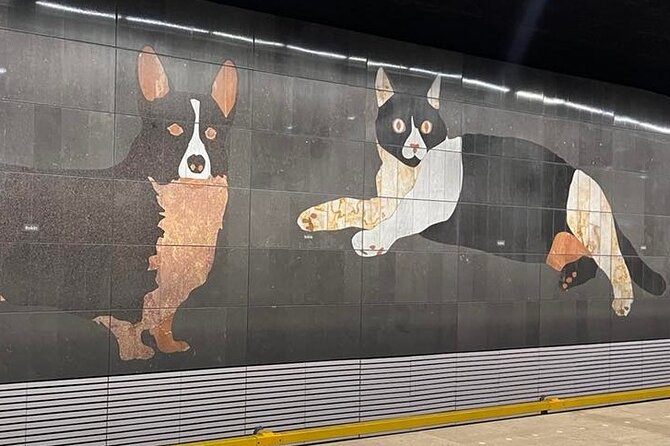
Your Own Amsterdam: The Art Underground
First impressions matter, and this route does them fast. You’ll follow an art-led path through Amsterdam’s transit spaces and nearby corners, where public artworks and station design connect to big local stories. I like how it’s not just looking at art, it’s using art to understand how the city got here, from colonial links to tulip mania, and even the way people argue about metro construction.
Two things I really liked were the archaeology angle and the focus on how art gets chosen in everyday places. The stop at Rokin is framed around archaeological finds that can reach back more than 2000 years, and the guide ties the city’s themes to what you see in each space. The one thing to consider is logistics, some parts aren’t included for admission and the underground metro tickets cost extra.
In This Review
- Key Highlights You Should Care About
- A Two-Hour Art-First Route Through Amsterdam Stations
- Price and Value: Is $236.59 Fair for This Experience?
- Meet Maria and See How the Stories Get Built
- Stop 1: Centraal Station, Where Art Touches Climate, Tulip Mania, and Empire
- Stop 2: Rokin Station and Archaeological Finds Over 2000 Years Old
- Stop 3: Vijzelgracht and 20th Century Dutch Music in a Station Setting
- Stop 4: Nieuwemarkt, Metro Resistance, and How Local Decisions Echo Today
- Stop 5: Noorderpark and the Amsterdam School, Plus Why It Still Matters
- Stop 6: Amsterdam-Noord and Public Art That Mirrors Nature
- What Makes This Tour Different From a Regular Art Walk
- A Few Practical Tips So Your 2 Hours Run Smooth
- Who This Tour Suits Best
- Should You Book This Art Underground Tour?
- FAQ
- How long is the tour?
- Is this tour private?
- What language is the tour offered in?
- What does the price include?
- Are metro tickets included?
- Are there admission tickets included at every stop?
Key Highlights You Should Care About
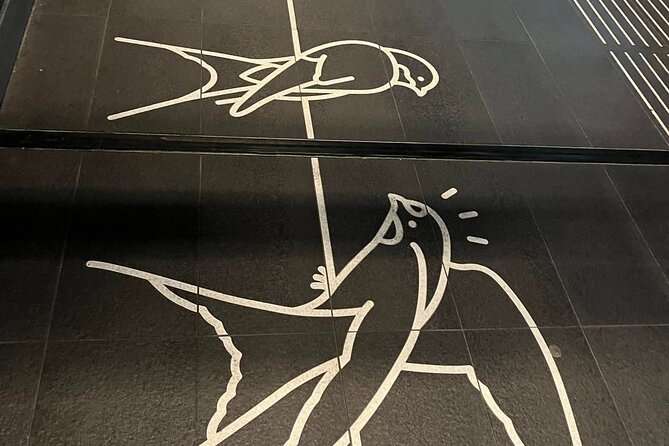
- Art made for stations and platforms, not museums, so you see culture where life actually happens.
- Archaeology in the middle of the city, with finds said to be over 2000 years old near Rokin.
- Noorderpark and Amsterdam School architecture, explained in a way you can spot outside the obvious landmarks.
- Amsterdam-Noord public art tied to nature, with flora, fauna, and ecosystem themes.
- A private format for your group, so the guide can pace the story and answer questions.
Still weighing this one up? Here is what else we have reviewed around Amsterdam.
- Amsterdam Classic Saloon Boat Cruise with Drinks and Cheese★ 5.0 · 31,825 reviews
- Amsterdam Luxury Canal Cruise + Unlimited Drinks & Bites option★ 5.0 · 30,518 reviews
- Amsterdam: Heineken Experience Ticket★ 4.6 · 30,055 reviews
- Amsterdam: Rijksmuseum Entry Ticket★ 4.7 · 25,535 reviews
A Two-Hour Art-First Route Through Amsterdam Stations
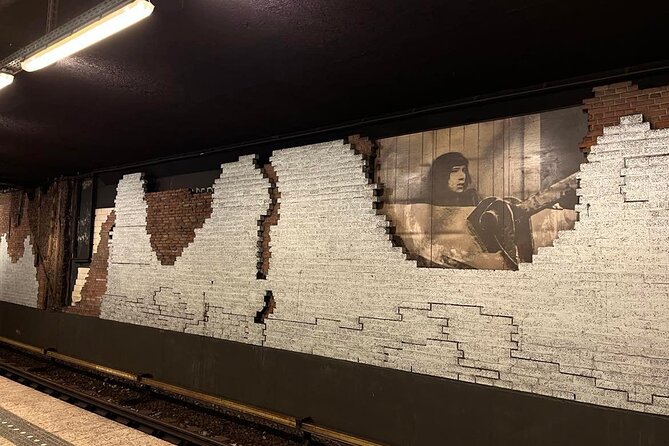
If you want Amsterdam in a smaller, weirder, more human scale, this tour fits. It’s built around a short walking and transit loop, with stops that read like chapters in the city’s identity. You spend about two hours moving between places where art, design, and history show up side by side.
This is a private tour, so it’s only your group. That matters because the guide can tailor explanations to your pace, and you can ask follow-ups without feeling like you’re shouting into a crowd. The tour is offered in English, and you get a mobile ticket.
Price and Value: Is $236.59 Fair for This Experience?
At $236.59 per person, you should think of this as a guide-led cultural route, not a self-guided photo walk. The value comes from three places: you get an included guide, the tour is private, and the stops connect art to specific themes that you might miss on your own.
The cost can feel steep if you compare it to standard canal cruises or general walking tours. But the themes here are very targeted, and they’re delivered through a sequence of stations and neighborhoods. That structure helps you connect dots, like why metro lines became a local political fight and how architectural movements shaped modern Amsterdam.
One pricing wrinkle: some admission may not be included at certain stops, and underground metro tickets are not included. If you plan to rely on metro for getting between stops, add the listed 9 euros per person for tickets into your mental budget.
Meet Maria and See How the Stories Get Built
The guide name you’ll likely appreciate is Maria. In one standout experience, Maria was praised for being patient and for knowing how to explain complex city topics in a way that stays clear. She didn’t just point at artwork, she also highlighted nearby points of interest that help the scenes make sense, including the de Pijp market area.
That style is what makes an art-and-architecture tour work. Public art in stations can look like decoration until someone connects it to the city’s changing priorities. In this case, Maria also explained how art in these spaces can reflect a more democratic selection process, meaning it’s not only the taste of a single institution.
You’ll also feel the tour’s rhythm. Each stop is short, about 15 minutes, so you get enough time to understand one idea before moving to the next. It’s a good tempo if you’re sightseeing on a multi-day schedule and you want something focused without eating your whole day.
Stop 1: Centraal Station, Where Art Touches Climate, Tulip Mania, and Empire
Centraal Station is one of Amsterdam’s busiest “rooms,” with more than ten million people passing through annually. This tour uses that intensity to make the art feel purposeful, not accidental. Instead of treating the station like a transit chore, the route turns it into a history board.
You’ll look at multiple artworks tied to big themes the city lived through, including local climate and history, tulip mania, and Dutch East-India connections. Colonialism is also part of the storytelling, which is important because it frames art as a record of power and movement, not just beauty.
What I like about this opening is that it grounds you immediately. The tour asks you to notice how public space becomes a stage for memory, economy, and politics all at once. The station also gives you a natural orientation point for the rest of the day.
A practical note: admission ticket details are marked as not included for this stop. That doesn’t automatically mean you’ll pay, but it does mean you should be ready for the possibility of an add-on where needed.


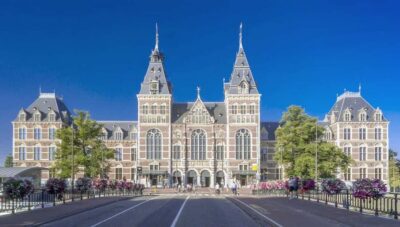
Stop 2: Rokin Station and Archaeological Finds Over 2000 Years Old
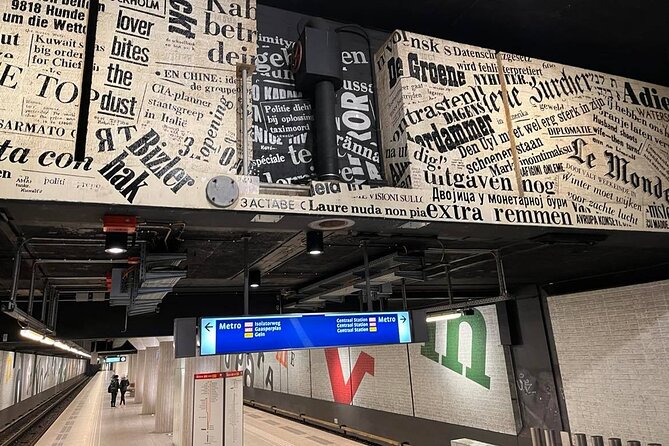
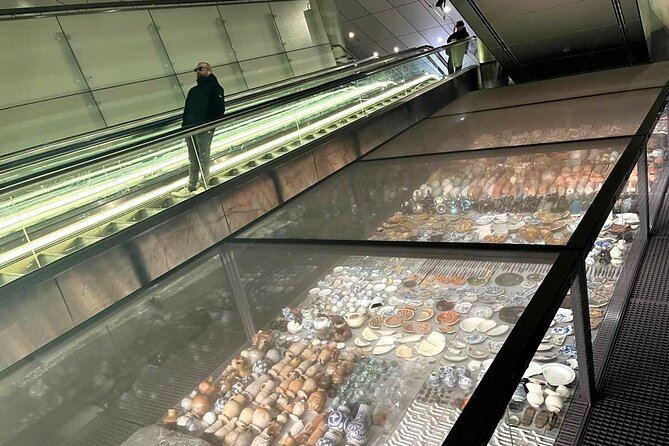
Rokin Station is where the tour gets more “how did the city even begin?” in the best way. The focus here is archaeological excavations found in the area, and the tour framing says some of these finds are more than 2000 years old. That time scale turns a commute stop into a window on early Amsterdam life.
Why this matters for you is simple: it changes how you read the street-level city. You start realizing that Amsterdam’s modern layers sit on earlier ones, and that infrastructure decisions are built on top of older settlement patterns. When you see the art and design elements, you can also look at them as part of the city’s ongoing layering.
This stop also connects to the theme of storytelling in public places. Stations are not usually where you expect archaeology lessons, but the tour uses art to make the learning feel less academic and more like you’re following clues.
Again, admission is not included for this stop. If you plan to visit the relevant areas that require entry, you’ll want to budget or check in advance.
Stop 3: Vijzelgracht and 20th Century Dutch Music in a Station Setting
Vijzelgracht is the tour’s more cultural music moment. Here the theme is popular Dutch music of the 20th century, presented in a station context. That means you’re not just hearing about Dutch music in theory, you’re seeing it referenced in the physical design of the transit environment.
This is a smart way to keep the tour from becoming too heavy. After archaeology and empire-linked themes, the music stop gives you something more personal. You might leave remembering a melody era as much as the historical concepts.
Also, the tour marks admission as free for this stop. That’s helpful for budget planning, and it keeps the experience smooth if you prefer fewer ticket decisions mid-tour.
Stop 4: Nieuwemarkt, Metro Resistance, and How Local Decisions Echo Today
Nieuwemarkt brings you into a story about public debate. The tour’s focus is on why the construction of the first metro lines in the 1980s provoked strong resistance from locals, and how that still affects life in the city today.
This is one of the most useful stops for understanding Amsterdam as a living place, not just a postcard. Cities are constantly negotiating change, and transit projects are often where emotions run high. You’ll get the sense that infrastructure is never purely technical, it’s also social and political.
Even if you’re not a transportation nerd, this stop gives you a lens for how to interpret modern Amsterdam. When you see new developments or shifting neighborhoods later, you’ll have the context of earlier pushback.
Admission is marked as free here too, which helps you keep momentum without worrying about extra entry costs.
Stop 5: Noorderpark and the Amsterdam School, Plus Why It Still Matters
Noorderpark is an architecture-minded stop with an art connection. The tour highlights one of Amsterdam’s significant architectural styles, the Amsterdam School, and explains its influence on modern architecture and society.
I like how this reframes architecture as a social choice. Architectural styles are not just aesthetics, they reflect how people think a city should work and who it should serve. When you learn that an architectural movement carries social implications, you start noticing design details with more purpose.
In a short 15-minute stop, you can’t learn the whole architectural story end to end, but the tour gives you a starting vocabulary. You leave with a better eye for patterns and intentions, so you can spot similar influences later without needing a guide every time.
Admission is not included for Noorderpark, so be ready for any entry requirements associated with what’s being shown or accessed.
Stop 6: Amsterdam-Noord and Public Art That Mirrors Nature
You end in Amsterdam-Noord, and the final theme is nature in art. The tour focuses on the local ecosystem, flora, and fauna, and how these elements show up in public art. This is a great shift from the more political and historical stops earlier.
Noord is a strong ending choice because it feels like a different Amsterdam mood. When your last stop is about ecosystem themes, your brain gets to rest from the city’s heavy chapters. It’s also a good moment to think about how culture responds to the environment, not only to politics.
Admission is marked as free for this final stop, which is reassuring if you’re watching costs. You also finish in Noord, so plan your onward transport accordingly instead of assuming you’ll end back at the city center.
What Makes This Tour Different From a Regular Art Walk
Lots of tours show you art. This one ties art to systems: history, archaeology, infrastructure politics, architecture movements, and nature themes.
That systems angle is what makes the route feel “worth it.” A normal stroll can give you beautiful photos and a few facts, but it usually doesn’t connect the dots between centuries, decisions, and everyday spaces. Here, each stop points to a specific theme, and the guide keeps you moving through them as a storyline.
The private-group setup also makes a difference. In two hours, you don’t want friction. With your own group, you can ask questions about the stories or about what to notice next without waiting for the pace of strangers.
A Few Practical Tips So Your 2 Hours Run Smooth
This tour is short on time by design, so help yourself by planning the day around it. Wear comfortable shoes, because station areas can involve uneven walking and quick transitions between points. Bring a charged phone, since you’ll use a mobile ticket.
If you’re budgeting, account for the underground metro tickets listed at 9 euros per person. Even if some stops are easy to reach by foot depending on your route, the tour is clearly built around metro-based sightseeing, so those ticket costs can matter.
Also, be ready for the possibility that some stops may involve additional admission. The tour labels a few stops as admission ticket not included, while others are free, so you may have a mix.
Who This Tour Suits Best
This tour is a strong match if you care about culture in everyday spaces. If you like art but you also like context, you’ll enjoy how each station becomes a classroom with clear themes.
It’s also good if you want a break from classic Amsterdam routines. Instead of another long walking loop through the canal belt, you get a different slice of the city, one tied to transit architecture and the stories that shape public space.
You might also like it if you enjoy architecture and design. The Amsterdam School stop gives you something concrete to look for. And if you like history, the archaeology framing brings a surprising time depth to a modern station.
Should You Book This Art Underground Tour?
I’d book it if you want a compact, guided experience that turns stations into story stops. The combination of art in transit spaces plus archaeology, plus architecture themes, is a smart mix for a two-hour window.
I’d hesitate if you hate paying add-ons or you want a fully ticket-included experience. With underground metro tickets costing extra and admission not included at some stops, your final cost might be higher than you expect at first glance.
If you’re planning a tight itinerary and want something different from the usual sights, this tour is a solid choice. The guide, Maria, seems to make the experience click by explaining the why behind the art, and that’s exactly what you want when you’re looking at public works you might otherwise pass right by.
FAQ
How long is the tour?
It runs about 2 hours.
Is this tour private?
Yes. It is a private tour, and only your group participates.
What language is the tour offered in?
The tour is offered in English.
What does the price include?
It includes a guide and a mobile ticket.
Are metro tickets included?
No. Underground metro tickets are not included and cost 9 euros per person.
Are there admission tickets included at every stop?
No. Some stops list admission ticket not included, while others are marked free.
Also Reviewed Around Amsterdam



Fresh off the review pile in Amsterdam
- Full-Day Trip From Amsterdam to Keukenhof, Zaanse Schans + Cruise
★ 5.0 · 3 reviews - Boutique Dutch Food & History Tour with up to 8 guests only
★ 5.0 · 3 reviews - Private Tour to Windmills Zaanse Schans +Keukenhof – 7 Hours
★ 5.0 · 3 reviews - Full-Day Private Guided Countryside Tour from Amsterdam by Bike
★ 5.0 · 3 reviews - Amsterdam Red Light District and Old Town Walking Tour
★ 5.0 · 3 reviews