
REVIEW · ZANDVOORT
Zandvoort: Driving Experience at the Formula 1 Race Track
Formula cars and Porsches in one long day. This full-day Zandvoort driving experience stacks real track time with hands-on skill drills, so you are not just watching engines from the sidelines. I especially like the variety in the garage, including a Porsche 911 and a Formula RP1, because each car teaches a different kind of control. You also get structured challenges like slalom, 4×4 work, and ice driving that make the day feel practical, not random.
The main drawback to plan for is that the format depends on your language and session flow. The instruction team runs in English, Dutch, and German, but language expectations matter, and one past booking flagged a mismatch for German explanations. Also, at about $583 per person for a 10-hour day, it is best when you truly want to drive, not just take photos.
In This Review
- Key highlights worth marking on your map
- Zandvoort track driving: why it feels real (not staged)
- Your 10-hour flow: how the day builds from fun into control
- Porsche 911, Formula RP1, BMW 1-series: three cars that teach three lessons
- Slalom, 4×4, and ice driving: where you learn what grip really means
- Drag race with a Dodge Charger: pure acceleration, real timing
- Go-karting plus Skid Control: small wheels, big lessons
- SIM racing at the end: why the screen time can actually help
- Lunch, warm gear, and optional onboard camera details
- Price check: does $583 feel like value in real terms?
- Who should book this Zandvoort driving experience
- Should you book it?
- FAQ
- Where do I meet for the Zandvoort driving experience?
- How long is the driving experience?
- What cars and activities are included?
- Do I need to pay extra for the onboard camera?
- What language will the instructors use?
- Is this activity refundable if I cancel?
Key highlights worth marking on your map
- Multiple cars on track: you are not stuck repeating one vehicle all day
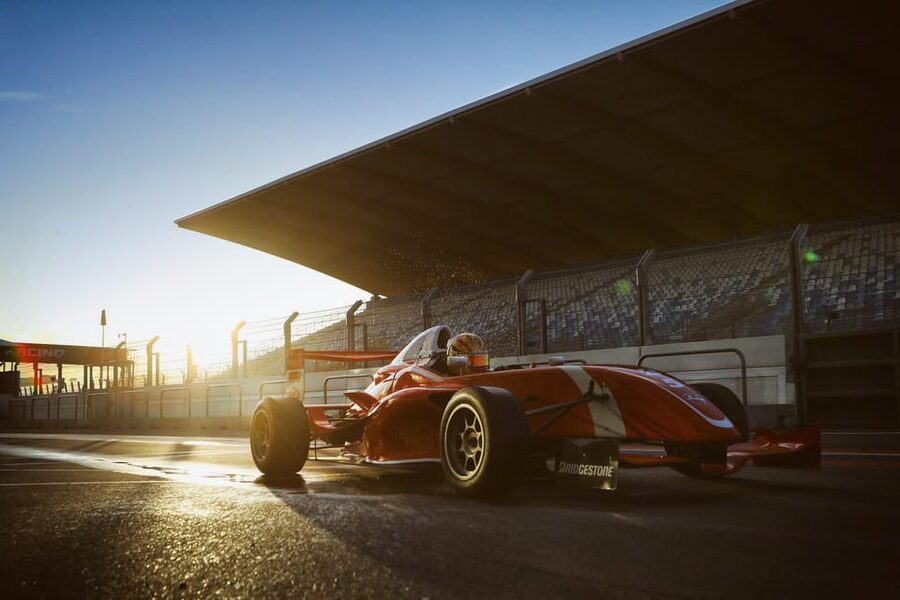
- Formula RP1 + Porsche 911 contrast: different handling styles, different lessons
- Ice driving and skid control: you practice car behavior instead of guessing
- Go-karting plus SIM racing: real grip instincts, then learn from feedback
- Drag race-style acceleration: speed runs to sharpen your reactions
- Lunch and optional onboard camera: a built-in break, plus a way to relive it
Zandvoort track driving: why it feels real (not staged)
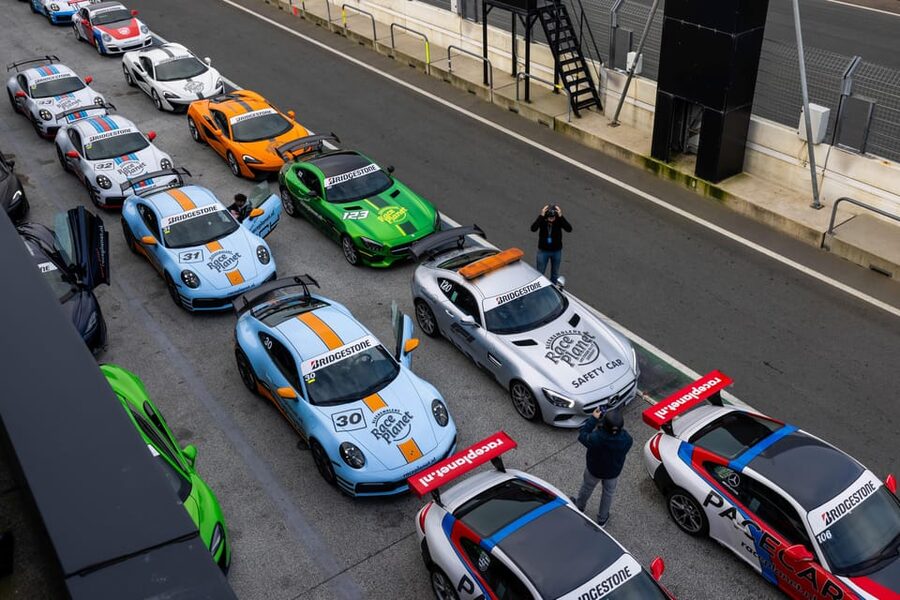
Zandvoort is a proper race setting, so even the slower moments feel like you are stepping into motorsport mode. Instead of a generic driving range, you are on a circuit with the kind of rhythm that makes your brain lock onto what the car is telling you.
What I like most is that the day is built around learning through different tasks. You get normal driving, then you get precision work (like slalom), then you get traction challenges (like ice driving), and then you get pure intensity (drag race). That mix is the difference between a thrill ride and a track day that actually improves your car sense.
You should also know you will be getting instruction from an English, Dutch, or German-speaking team. Bring the right gear and energy, because the best results come when you listen, then you apply it immediately.
Your 10-hour flow: how the day builds from fun into control
The experience runs for about 10 hours, and it is designed to keep you busy from start to finish. You start with the core track driving sessions in different cars, then the day pivots into skill stations, and it ends with fun plus feedback, including Go-Karting, Skid Control, and SIM-Racing.
Here is the big idea: you will be switching tasks often enough that you do not get bored, but not so often that you lose your rhythm. Each segment adds one more piece to the puzzle of how grip, braking, steering, and throttle actually work together.
If you want to maximize value, come in with a simple goal: focus on one thing you want to improve per segment. In my view, that turns the day into a personal progression plan, not just a checklist of cars.
Porsche 911, Formula RP1, BMW 1-series: three cars that teach three lessons
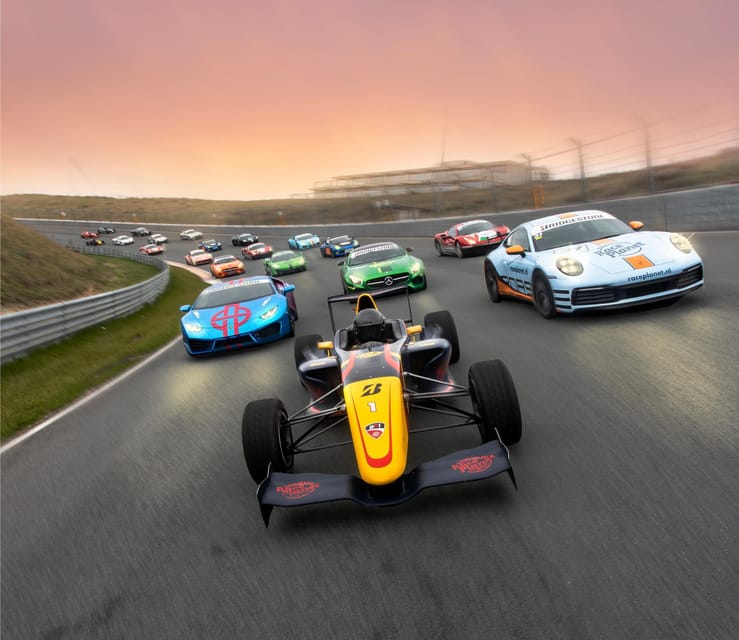
The car lineup is the heart of the day. You are slated for Porsche 911 driving, a Formula RP1 session, and a BMW 1-series, plus additional racing-style experiences during the day.
1) Porsche 911
A 911 is a classic for a reason. You learn feel through balance and how small steering inputs change the car’s path. Even if you are not chasing lap times, you get valuable practice for reading grip and managing weight transfer.
2) Formula RP1
This is the wild card in the best way. A formula-style car pushes you to think differently because feedback, stability, and response are more direct and more intense. If you are very tall, note that if you are over 1.90 m, alternative arrangements for the Formula RP1 may be made, so plan around that possibility.
3) BMW 1-series
This session helps you connect the dots with a more “everyday” platform style. You often end up paying closer attention to how the car behaves under braking and corner entry, because it can feel less forgiving than you expect at speed.
One practical tip: each car has its own rhythm, so do not compare immediately. Compare later, after you have had time to feel how steering, throttle, and braking overlap.
Slalom, 4×4, and ice driving: where you learn what grip really means
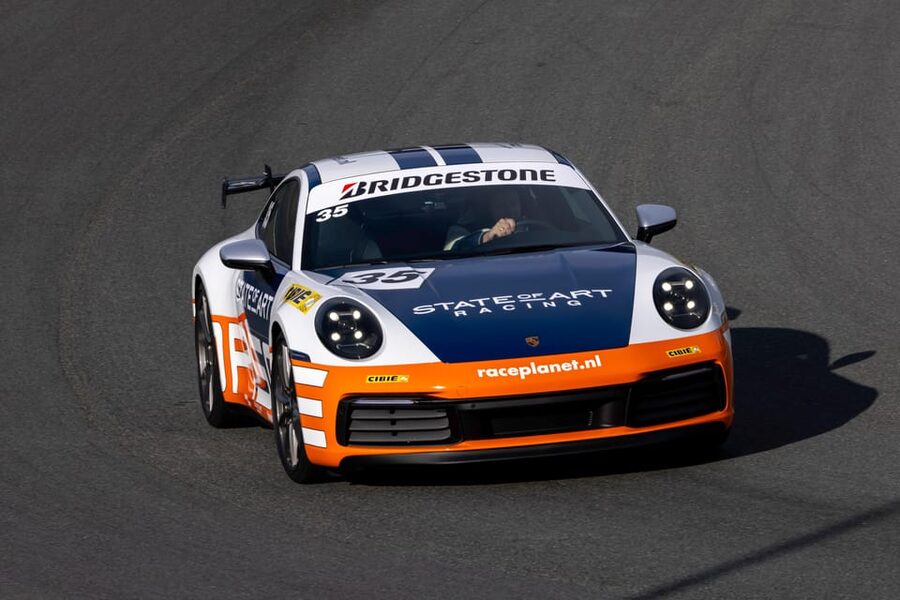
This is where the experience earns its money. You do not just drive in a straight line or around gentle corners. You practice in controlled conditions that force your brain to respond.
- Slalom test: helps you sharpen quick steering and control transitions
- 4×4 driving: teaches traction management when power and surface grip do not match your expectations
- Ice-driving: the big confidence builder, because it shows you what happens when the car loses grip
Ice driving is not about fear. It is about pattern recognition. You learn how to stay smooth and how to avoid panicking when the car starts to slide. That is the kind of lesson you can actually carry to wet roads later, because the skill is mental as much as it is physical.
If you want to be ready, wear warm clothing. Even on a sunny day, cold tires and cooler air can change how a car feels. Comfortable, warm layers also keep you focused instead of distracted.
Drag race with a Dodge Charger: pure acceleration, real timing
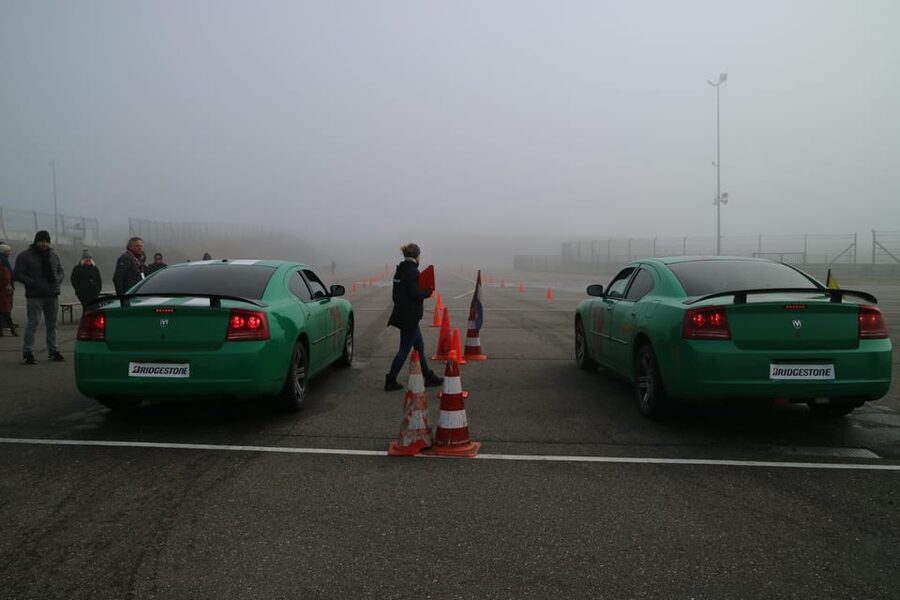
Then comes the adrenaline segment, a drag race with a Dodge Charger. This section shifts your focus from steering finesse to reaction timing and throttle commitment.
It is a fun change of pace, but it also teaches something useful: how quickly your decisions matter. In a drag run, you do not get time to correct mistakes, so you learn to get set and commit. That mindset often improves how you approach the rest of the day, because you stop “babysitting” and start driving with intent.
If you are the type who loves speed, this is likely the segment you will talk about later. If you are more skills-first, treat it as a warm-up for confidence, then go right back to precision tasks.
Go-karting plus Skid Control: small wheels, big lessons
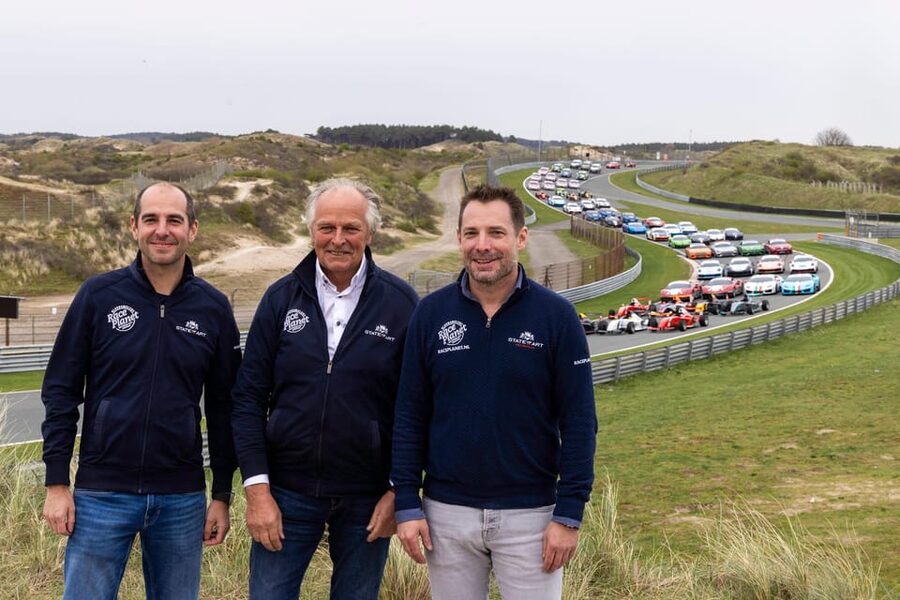
After the big-car excitement, the day keeps your momentum with Go-Karting and Skid Control.
Go-karting is great because it is simple and immediate. You feel speed fast and the kart responds quickly to steering corrections. That makes it excellent for practicing calm inputs, because over-correcting shows up instantly.
Then Skid Control pushes it further. The goal is not to impress people. The goal is to learn what to do when the car is sliding and you need to regain control. If you have ever struggled to understand traction, this is the moment where instruction can turn confusion into a repeatable method.
In my experience with these kinds of programs, the best students stay relaxed. Breathe, keep movements smooth, and let the instructor cues guide your actions.
SIM racing at the end: why the screen time can actually help
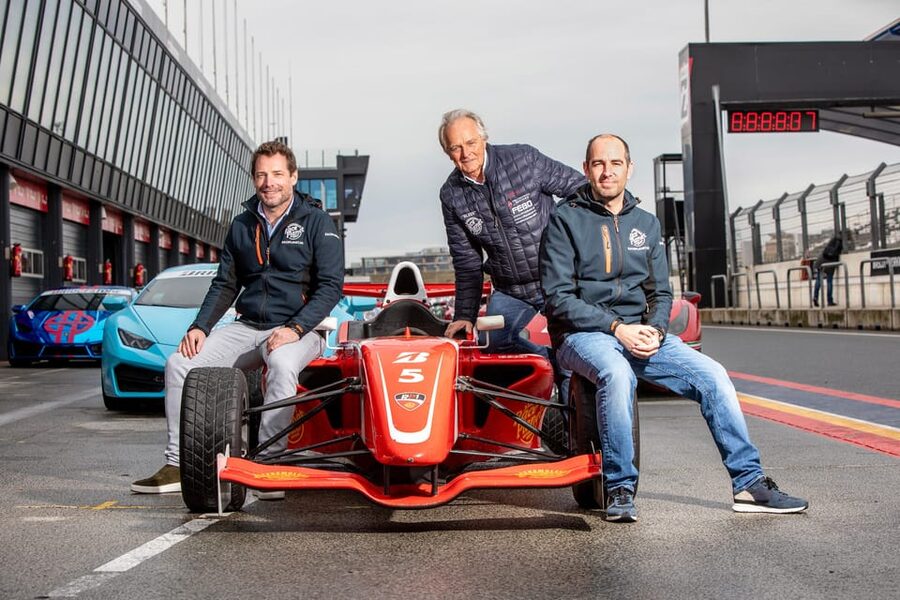
After all the real driving, you top off with SIM-Racing. This is not just a bonus activity. It helps you interpret what you felt earlier and connect it to technique.
A sim session can be especially useful if you want repeatable feedback. You can explore lines and braking points with less physical strain than another car swap. And if the day already left you slightly fried, the sim is a good way to end on brain work instead of more intense driving.
Also, you get a chance to compare your instincts against how a vehicle behaves on track in a controlled environment. That is a helpful bridge between thrill segments and skill-building segments.
Lunch, warm gear, and optional onboard camera details
You get a sandwich lunch, which sounds basic until you realize how important it is during an active 10-hour day. Do not skip it. Fuel and hydration affect how steady your hands feel later, and you will likely want that steadiness for skid-focused practice.
Packing wise, bring:
- your driver’s license
- comfortable shoes
- warm clothing
- sunscreen and comfortable clothes
- a camera (optional during the day, but it is listed as something to bring)
You can also add an onboard camera recording for €45. If you are excited about reliving your laps, this can be worth it. If you just want the experience and do not care about footage, you can save the money.
Rules are strict enough to keep it safe and distraction-free. Pets are not allowed, smoking is not allowed, and alcoholic drinks in the vehicle are not allowed.
Finally, check your height. If you are over 1.90 m, you may be switched to alternative arrangements for the Formula RP1 session.
Price check: does $583 feel like value in real terms?
At $583 per person, this is not a cheap day. But it can feel like good value because you are buying variety and instruction, not just a single track run.
You get:
- multiple sessions with different vehicles (Porsche 911, Formula RP1, BMW 1-series)
- practice modules like slalom, 4×4, and ice driving
- fun segments like go-karting
- skill reinforcement with skid control
- a structured finish with SIM racing
- lunch included
That combination matters. One car experience is exciting, but it can also be one-note. Here, the day keeps forcing new skills: quick steering, traction management, throttle commitment, and sliding control. If you are the kind of driver who likes learning, not just adrenaline, the price starts to make sense.
If you are just looking for a once-in-a-lifetime photo opportunity, you might question the cost. But if you want time behind the wheel with coaching, it is easier to justify the spend.
Who should book this Zandvoort driving experience
Book it if you want a full-day driving program that mixes serious control practice with real motorsport fun. This fits well for:
- drivers who already like track days and want structured variety
- people who learn best by doing, not just watching
- anyone who wants to feel traction limits in a controlled way
I would hesitate if:
- you only want a short thrill and you do not care about technique
- you are very language-sensitive and need exact German explanations, since communication can make or break how you experience the coaching
- you are expecting lap counts to feel like a long endurance session, because the day is split into multiple segments and cars
Should you book it?
If you want to drive more than one type of machine, learn traction skills you cannot safely learn on public roads, and still end the day having fun, I think this is a strong choice. The combination of Porsche 911, a Formula RP1 session, and BMW 1-series driving, plus ice and skid practice, makes the day feel purposeful.
If your main priority is saving money, you might look elsewhere. But if your goal is value through variety and coaching, this Zandvoort day is the kind of experience you do once, remember for years, and then keep using the lessons on the roads you actually drive.
FAQ
Where do I meet for the Zandvoort driving experience?
You meet at Racecourse Circuit Zandvoort. Follow the instructions and directions you receive when you arrive.
How long is the driving experience?
The duration is 10 hours. Starting times depend on availability.
What cars and activities are included?
The included sessions are driving experience with a Porsche 911, Formula RP1, and BMW 1-series, plus 4×4, slalom test, ice-driving, a Dodge Charger drag race, go-karting, Skid Control, and SIM-Racing. Sandwich lunch is included too.
Do I need to pay extra for the onboard camera?
Yes. Onboard camera recording is available for an additional fee of €45.
What language will the instructors use?
Instructors speak English, Dutch, and German.
Is this activity refundable if I cancel?
No. This activity is non-refundable.
Haarlem & the North Sea Coast, compared.
 ★ 4.3Haarlem: Sightseeing Canal Cruise through the City CenterFrom $19762 reviews
 ★ 4.5Haarlem: Sightseeing Boat Tour with Snacks and DrinksFrom $34398 reviews
 ★ 4.7Haarlem: Guided Highlights Canal Cruise on Open BoatFrom $20363 reviews
 ★ 4.5Haarlem: 50 minutes Boat CruiseFrom $22272 reviews
 ★ 5.0Haarlem Open-Boat Canal Cruise with Live Guide (Electric Boat)From $22233 reviews
 ★ 4.7Haarlem: Windmill ‘De Adriaan’ Guided TourFrom $9197 reviews
 ★ 5.0Private Electric Boat Rental in Haarlem (No License Required)From $145186 reviews
 ★ 4.1Haarlem: Dutch Windmill & Spaarne River Sightseeing CruiseFrom $20152 reviews
Browse the lists this tour appears in