
REVIEW · UTRECHT
3 Hours itinerary between Amsterdam & Utrecht: The Heart Of Holland In A Sidecar
A sidecar turns Holland into a moving postcard. This private route from Utrecht lets you hop between real places you would otherwise miss, from the Vecht River estates to royal-era sites. What I like most is the sense of speed and closeness you get riding pillion, plus the way your guide ties each stop to Dutch culture and everyday life. One drawback to note, it is short stops by design, so if you want long indoor visits, you will need to bring your own extra time.
For a 2 to 4 hour outing, this is the kind of day that feels like you compressed a lot of Holland into one clean loop. You get a preset route, but you can also shape the order as you go, so it stays flexible instead of robotic. If the weather turns, you may ride in a minivan instead of the sidecar, which changes the vibe.
In This Review
- Key things to know before you go
- The sidecar format: better views, less effort, more laughs
- Your route between Utrecht and the Vecht
- Seating rules and comfort basics (so your day goes smoothly)
- Stop 1 on the Vecht: curvy river views and old-money estates
- Stop 2 in Breukelen: castle atmosphere in a 1275 setting
- A garden break: the pause that makes the ride feel pleasant
- Stop at Lage-Vuursche: protected views and a 1650 church
- Paleis Soestdijk: an ex-royal palace with a modern identity
- Loosdrechtse Plassen: lakes for sports, plus nature between two cities
- Bethunepolder: how the Dutch balance recreation and conservation
- Goois Natuurreservaat: forest tunnel roads and quiet structure
- Nieuwe-Wetering: rural farm houses and a nearly village-less pause
- Molen Geesina: a flour mill that still makes flour
- Fort Ruigenhoek: the New Dutch Water Line and why it mattered
- Slot Zuylen: a 13th century castle with a writer’s legacy
- How long should you plan: 2 to 4 hours that feel like more
- Price and value: $300 for two is about the ride, not the sights
- Who this tour fits best
- Weather, tickets, and what to bring for the day
- Should you book the Heart of Holland in a Sidecar?
- FAQ
- What is the duration of the Sidecar tour between Amsterdam and Utrecht?
- How many people can ride on the sidecar?
- Is pickup available?
- What language is the guide?
- What is included in the price?
- Are tickets for attractions included?
- Is food or coffee included?
- What happens if it rains?
Key things to know before you go
- Private sidecar for up to 2: one rider in the sidecar and one behind the driver
- Stops are quick and scenic: expect lots of looking, plus short history moments
- Some sights are ticketed: a few stops are free to view, others have admission not included
- English-speaking driver-guide: good for context, not just directions
- Rain plan is real: minivan option with room for 2 more people
Still weighing this one up? Here is what else we have reviewed around Utrecht.
- Utrecht: City Canal Cruise★ 4.3 · 2,895 reviews
- Utrecht: DOMunder Entry Ticket with Guide★ 4.4 · 706 reviews
- Utrecht: Dom Tower Entry Ticket and Guided Tour★ 4.6 · 513 reviews
- Utrecht: De Haar Castle, Park Entry Ticket★ 4.6 · 153 reviews
The sidecar format: better views, less effort, more laughs
The biggest reason this tour works is the vehicle. A sidecar keeps you high enough to see over hedges and through tree lines, and it lets your guide cover ground without you pedaling yourself into a sweaty haze. You still stop often, so you are not just passing through at speed.
It also feels personal. Since it is a private tour, you and your seatmate get the full focus, and your guide can answer your questions about what you are seeing. I like tours that treat your time as a ride you are co-piloting, not a timed checklist.
Just plan your expectations for movement. The ride is a mix of short stops and driving segments, so it is more about seeing the place than lingering inside.
Your route between Utrecht and the Vecht
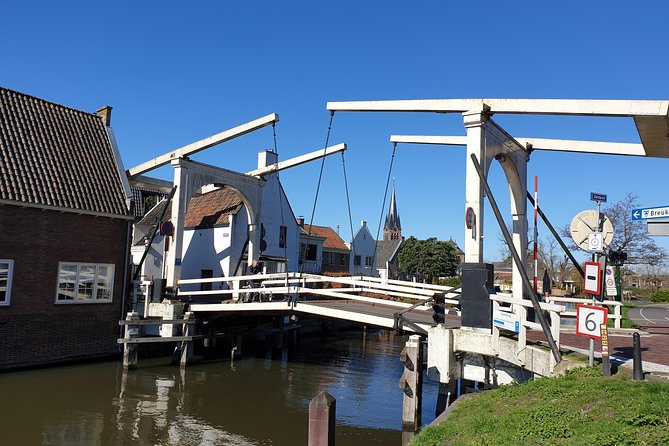
This tour is built around the strip of countryside between Amsterdam and Utrecht. You follow a preset route, or you can create your own itinerary within the day, which matters because Holland looks different depending on the day and light. One minute you are tracking a curving river, the next you are in polders and nature areas where the road feels almost tunnel-like.
That mix is the point. It is not only famous sites. You also get rural spaces, water management areas, and small infrastructure like mills and forts, which helps the story of the region feel complete.
Timing is tight in the best way. You typically get around 5 to 10 minutes at each stop, so your job is to stand, look, and absorb. If you want deep museum time, this is still a great start, but it should not be your only plan that day.
Seating rules and comfort basics (so your day goes smoothly)
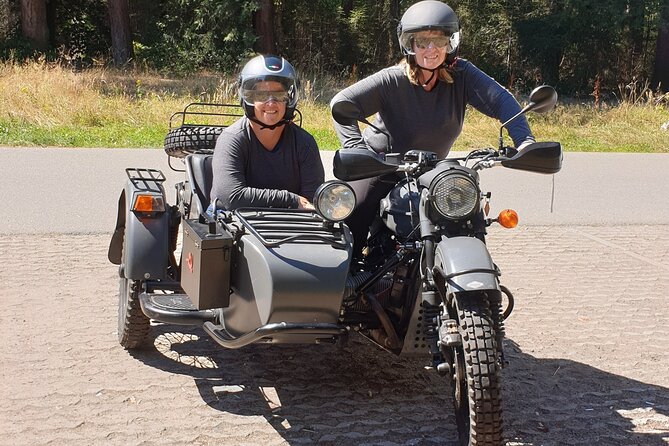
This is a sidecar setup with one seat in the sidecar itself and one position behind the driver. That means the experience is designed for a small group, not a big shared bus ride.
A sidecar can take two persons, and at least one rider must be an adult who is responsible for a non-adult. The non-adult rider has to be at least 12 years old, so it is a nice option for teens who like active sightseeing.
You also get helmets included, plus fuel and the guide service. That is a lot less hassle than arranging your own bike, gear, and parking logistics for the same kind of route.
Stop 1 on the Vecht: curvy river views and old-money estates
Your first anchor is the Vecht, a river with beautiful curves. In the 17th and 18th centuries, wealthy merchants and administrators from Amsterdam built many country estates along the banks, so you are essentially looking at a planned retreat from city life.
The short stop means you focus on the big picture. Watch the river bend and the way the homes and land sit back from the water. If you are the type who loves to decode why places were built where they were, this is a good warm-up.
Admission here is free, so you are not forced to decide on tickets right away. That is helpful since the day is a mix of free and non-included sights.
Under the Dom: further Utrecht picks
Stop 2 in Breukelen: castle atmosphere in a 1275 setting
Next is Breukelen, where you will see an impressive castle dating to around 1275 AD. It is now linked with an international business university, so the place has a living present, not only a preserved past.
This stop is brief, so avoid expecting a full castle exploration unless you plan additional time later. Instead, think of it like a visual introduction: mass, architecture, and setting in the landscape.
Admission is not included here, so you will either enjoy it from the outside or pay separately if the operator’s rules allow entry when you arrive. It helps to decide in advance if you want to add a ticketed moment or keep the day flowing.
A garden break: the pause that makes the ride feel pleasant
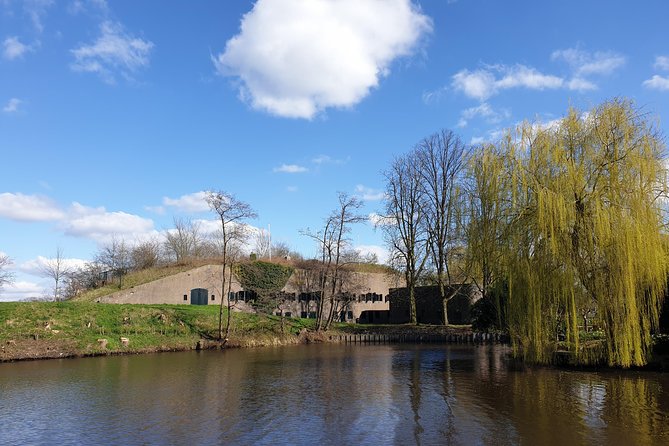
Between the bigger landmarks, you get a nice garden stop. Gardens sound small on paper, but they do real work in a day like this. They are where you slow down, look at planting and layout, and reset your brain after road and river views.
Because you only get about 5 minutes, treat this as a quick reset rather than a long stroll. If you like photos, this is one of the better moments to grab them without feeling rushed by a ticket line.
Stop at Lage-Vuursche: protected views and a 1650 church
Lage-Vuursche is all about a protected village view with houses from the 18th and 19th centuries. It is also packed with national monuments, so even in a short stop you get the sense that the area is carefully maintained.
You will also see the reformed church dating to 1650. In a tight itinerary, a church can do what museums often try to do, it gives you a time marker, and it explains how community life has shaped architecture and land.
Admission is free here, so you do not need to commit to tickets to enjoy the core experience: the look and feel of the village. The tradeoff is the time limit, you will not be tracing every facade detail. Bring a photo mindset.
Paleis Soestdijk: an ex-royal palace with a modern identity
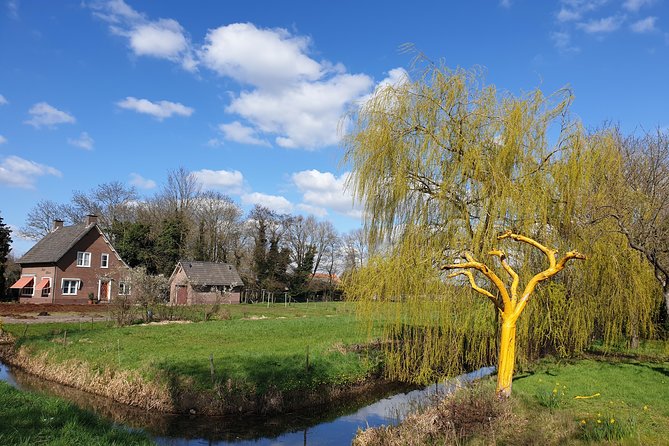
Then comes Paleis Soestdijk. The original building dates to the 17th century, and it later became a royal residence. From 1937, it was home to Crown Princess and then Queen Juliana of the Netherlands, and her husband Prince Bernhard van Lippe-Biesterfeld.
This stop is short, and admission is not included, so you will likely be taking in the palace from a distance unless you purchase entry separately. Even without interior access, the context is worth it. You start to see how Dutch royal spaces sit within countryside, not only in palace districts.
If royal history clicks for you, you might want to allocate extra time another day for an indoor visit. If you are mainly there for scenery and a guided story, this stop still works well.
Loosdrechtse Plassen: lakes for sports, plus nature between two cities
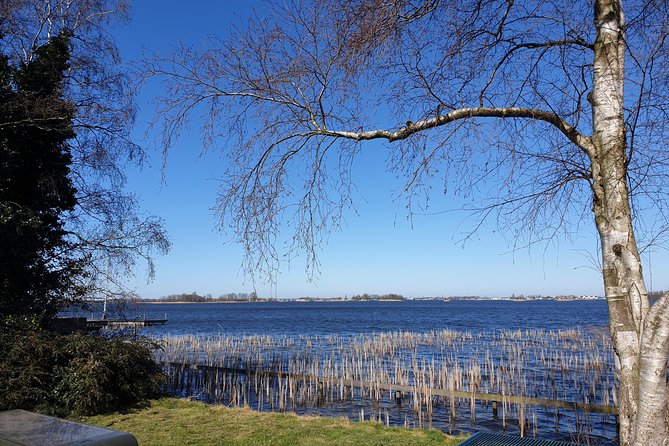
At Loosdrechtse Plassen, you are in a big water sports and nature area between Amsterdam and Utrecht. The name gives you the geography, but the real value is how it changes the feeling of the ride from “estates and villages” to “water and open space.”
Again, the stop is brief, about 5 minutes. You will likely want to look for shoreline activity, paths, and how the lake edges create a frame for views.
Admission is free, which makes it easy to enjoy without ticket decisions. If you travel in warmer months, you might notice more active use of the lake, but the core feature is that it is both scenic and functional, a real part of the region’s lifestyle.
Bethunepolder: how the Dutch balance recreation and conservation
Next is Bethunepolder, where recreation and nature conservation are central. This is exactly the kind of stop I like on Holland routes because it is not just pretty scenery, it is how land is managed.
The polder is also described as a place where many special animal and plant species are found. In a short stop you cannot identify everything, but you can notice the green structure, the road pattern, and the sense that the space is designed for both humans and wildlife.
Admission is free, so you can treat it like a nature and planning checkpoint. The drawback is simple: because the stop is short, you will need to be okay with seeing the idea of the place rather than exploring trails on foot.
Goois Natuurreservaat: forest tunnel roads and quiet structure
Goois Natuurreservaat brings you into forest country near Lage Vuursche. The standout detail here is the forest tunnel roads, those shaded routes that feel like you are driving through a corridor of trees.
This is the sort of place that makes you understand why Dutch countryside feels orderly even when it is wild. Roads are straight enough to guide you, and the tree lines create rhythm.
Admission is free, and the stop is short. If you are sensitive to quick stops, do not worry, this one is mostly for the atmosphere and the view corridor. You get the feel of the forest even without a long walk.
Nieuwe-Wetering: rural farm houses and a nearly village-less pause
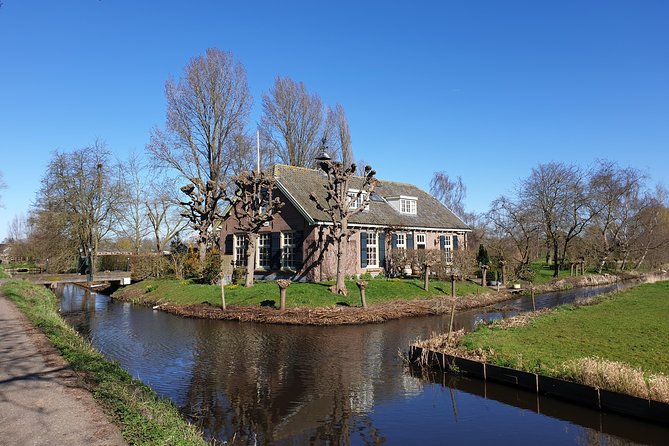
Then comes Nieuwe-Wetering. It is not even a village, and that description is useful because it sets expectations. You are mostly seeing a rural cluster and farm houses, not an old town center with a museum cadence.
This stop is free and short, about 5 minutes. Use it to look at the spacing, the farm layout, and how settlement is shaped by land and water.
The potential drawback is that if you are expecting more built landmarks, this will feel quieter than the other stops. That is why it works in the itinerary though. The day needs both icons and plain rural reality.
Molen Geesina: a flour mill that still makes flour
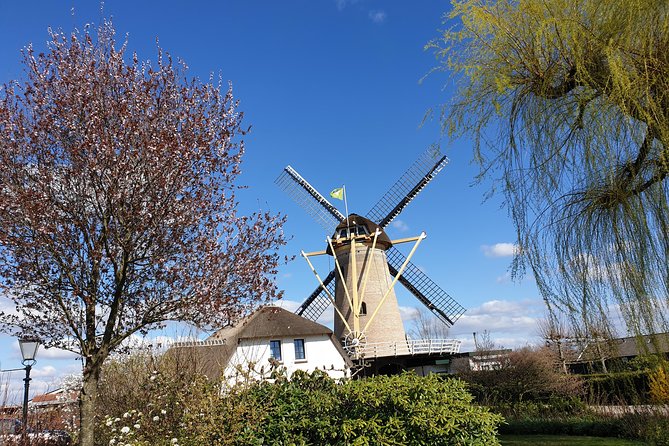
One of the best “wow, that is still working” moments is Molen Geesina, a flour mill likely built in 1843. The mill is restored and still produces flour, which turns your stop from a photo opportunity into something closer to a living heritage moment.
Because it is only about 5 minutes, you will not get a full milling lesson. Still, it is the kind of stop that changes how you think about the countryside. It shows the old Dutch system of using wind power and water management to support daily life and food production.
Admission is free here. If you care about how the Netherlands functions beyond canals and bikes, this is a high value pause.
Fort Ruigenhoek: the New Dutch Water Line and why it mattered
Next is Fort Ruigenhoek, part of the New Dutch Water Line Defense System built in 1869 to 1870. The key context is water as defense, because the Netherlands historically used controlled flooding and barriers as strategy.
There is a grim note in the tour description: in 1940, Germans were able to fly over it. That detail helps your brain connect engineering to real events instead of treating forts like static monuments.
Admission is free and the stop is short. The main drawback is that you will not be walking through vast ramparts with lots of time, so keep your attention on the fort’s form, position, and story rather than expecting a long on-site exploration.
Slot Zuylen: a 13th century castle with a writer’s legacy
The final named stop is Slot Zuylen, a 13th century castle. It is tied to a famous literary figure who lived here, a Dutch 18th-century French-speaking writer and composer. The tour also highlights striking ideas linked to her, including the statements I have no talent for subordination and I want to be a citizen of everyone’s country.
Admission is not included for this stop, so you might mostly view the exterior and learn the story. If you are a culture lover who enjoys connecting architecture to the people who used it, this is a satisfying closer because it turns the day from scenic to reflective.
Short stop length means you will have to decide whether to treat this as an intro. If you want interiors and exhibits, you will likely need a separate plan.
How long should you plan: 2 to 4 hours that feel like more
The tour is listed for about 2 to 4 hours. That range matters because your pace will depend on how many stops you want to prioritize for tickets and how quickly you move between viewpoint points.
In a half-day slot, you get enough variety that it can work even if you are not building a long multi-day itinerary. I also like that the day ends back at the meeting point, so you are not juggling transportation at the end while you are tired.
If you want to maximize it, do a simple thing: plan to travel with a small bag and wear comfortable shoes, even though you will not do long walks. Most of your time is quick stops and looking, but you still want to be ready to step onto paths.
Price and value: $300 for two is about the ride, not the sights
The price is listed at $300.06 per group, up to 2 people. On paper that can sound steep until you translate what you are paying for.
You are paying for a private guide-driver, a sidecar experience, helmets, and fuel, plus the structure that gets you between multiple countryside points in one smooth loop. Many tours charge per person for group seating, but here you are essentially renting a guided vehicle experience for two.
Is it worth it? If you want a fast, comfortable way to see more of the region than you could on a normal rental bike, yes. If you only care about one or two stops and you are comfortable doing research and self-driving, then a do-it-yourself plan might make more sense. This price is best when you value convenience and storytelling together.
Who this tour fits best
This is a great fit for couples, friends, and small families with teens who want variety. It also works well when you want to avoid the physical effort of longer cycling days but still want active sightseeing.
It is also a smart choice if you like history, but you do not want a full-day museum schedule. The stops are short, yet the guide adds context on estates along the Vecht, royal residence history at Soestdijk, nature management in the polders, and defense engineering at Fort Ruigenhoek.
Weather, tickets, and what to bring for the day
The experience is described as requiring good weather, with a rain option. If it rains, you can switch to a minivan, and the operator notes that 2 more persons can come for the same price. That is useful if you are flexible and want to protect your plans.
On tickets, it is a mixed day. Some stops are free to visit in terms of admission ticket being free, like Vecht, Lage-Vuursche, Loosdrechtse Plassen, Bethunepolder, Goois Natuurreservaat, and others. Other stops have admission ticket not included, like Breukelen, Paleis Soestdijk, and Slot Zuylen.
Food-wise, coffee and/or tea and any food and drinks are excluded. So treat this as a sightseeing-focused slot. If you want a snack break, plan to grab something before or after so you are not stuck deciding on the fly.
Should you book the Heart of Holland in a Sidecar?
Book it if you want a private way to see multiple types of Dutch countryside in one short day, and you like the idea of trading pedals for perspective. The route mixes river estates, villages, nature areas, a working mill, and defense history, so you do not feel stuck in one theme.
Skip it or adjust expectations if you need long indoor visits. This format is about quick stops and guided context, not extended museum time at each site. Also note the adult and teen rule for seating, and the fact that some stops have admission not included, so you might want to budget for any ticketed entry you decide to add.
If you are staying in the Amsterdam or Utrecht area and you want one day that feels efficient but still authentically Dutch, this sidecar loop is a strong choice. It is not just transportation, it is a guided tour of how Holland looks and why it was shaped the way it was.
FAQ
What is the duration of the Sidecar tour between Amsterdam and Utrecht?
The tour duration is listed as approximately 2 to 4 hours.
How many people can ride on the sidecar?
A sidecar can take two persons, one in the sidecar and one behind the driver.
Is pickup available?
Pickup is offered from central pickup points, and you can also request pickup from a location of your choice for an extra fee of 20 euros.
What language is the guide?
The tour is offered in English.
What is included in the price?
The sidecar seats, fuel, helmets, and a multilingual Dutch driver or tour guide are included, along with the tour itself.
Are tickets for attractions included?
Some stops list admission as free, while others list admission ticket not included, such as Breukelen, Paleis Soestdijk, and Slot Zuylen.
Is food or coffee included?
No. Coffee and/or tea and any kind of food and drinks are excluded.
What happens if it rains?
If the weather is rainy, the tour can switch to a minivan, with 2 more persons able to come for the same price.
Also Reviewed Around Utrecht
Utrecht Under the Dom
Fresh off the review pile in Utrecht
- Our Utrecht’s Private & Personalized tour
★ 5.0 · 3 reviews - Utrecht: Hoge Woerd Museum Entry Ticket with Audio Tour
★ 3.3 · 3 reviews - Historical Utrecht: Private Walking Tour with a Local Guide
★ 4.6 · 3 reviews - Uniquely Utrecht: An Audio Tour of its Charming City Centre
★ 5.0 · 4 reviews - Utrecht Walking Tour with a local comedian as guide
★ 4.8 · 5 reviews
Utrecht Tours, compared.
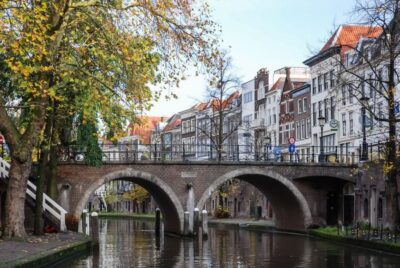 ★ 4.3Utrecht: City Canal CruiseFrom $222,895 reviews
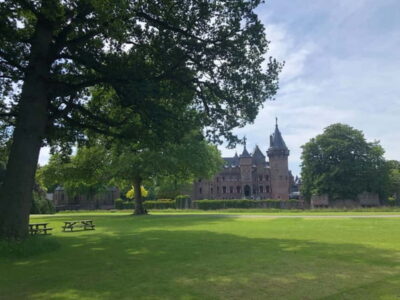 ★ 4.7Utrecht: De Haar Castle & Park Entry TicketFrom $231,350 reviews
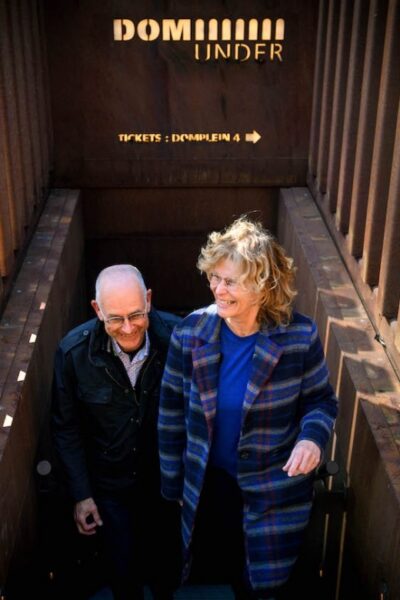 ★ 4.4Utrecht: DOMunder Entry Ticket with GuideFrom $17706 reviews
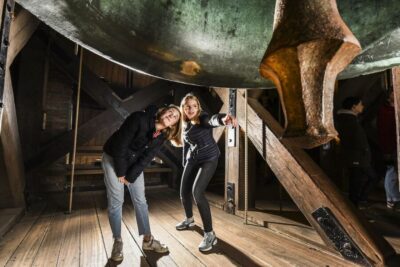 ★ 4.6Utrecht: Dom Tower Entry Ticket and Guided TourFrom $17513 reviews
★ 4.6Utrecht: De Haar Castle, Park Entry TicketFrom $9153 reviews
 ★ 5.0Utrecht 2-Hour Walking Tour | Discover The City With A LocalFrom $3138 reviews
 ★ 4.8Utrecht: Rietveld Schröderhuis UNESCO Entry TicketFrom $22119 reviews
 ★ 5.0Utrecht Food Tour with local guideFrom $84112 reviews
Browse the lists this tour appears in