

REVIEW · AMSTERDAM
Amsterdam: Anne Frank and Jewish Quarter Walking Tour (TOP RATED)
WWII comes alive on these streets. I love the 15-person cap and how the guide connects Jewish Amsterdam before and during the war with real places you can point at. It is a focused way to understand how the city looked, what happened there, and why Anne Frank’s story fits into a much bigger local history.
One big caveat: this walk is about the Jewish Quarter, not a visit to the Anne Frank House itself, which you will need to book separately if that is on your must-do list.
In This Review
- Key things to know before you go
- A 2-hour walking tour that puts the Jewish Quarter in order
- Start at Amstel 51C, and plan for mostly-outdoor time
- Portuguese Synagogue: a window into community life during the Dutch Golden Age
- Auschwitz Monument: facing deportation with clear, specific context
- Verzetsmuseum Amsterdam: Jewish resistance, not just victimhood
- Hollandsche Schouwburg: the deportation camps connection lands hard
- De Plantage and the Spinoza Monument: from suffering back to place
- Dam Square and the Royal Palace area: a reminder that Amsterdam still stands
- Nieuwmarkt: tying the story back to Anne Frank and your next steps
- Who this tour is best for (and who may want something else)
- Price and value: what $33.26 gets you in real-world terms
- Should you book this Anne Frank and Jewish Quarter walking tour?
- FAQ
- How long is the Amsterdam Anne Frank and Jewish Quarter Walking Tour?
- How big is the group?
- Is the Anne Frank House included in this tour?
- Where does the tour start, and do you return there?
- Are entrance fees included?
- What if the weather is bad or I need to cancel?
Key things to know before you go

- Small group, big clarity: capped at 15 travelers, so questions and pacing feel human.
- Built for walking: you are mostly outside, so wear comfortable shoes and plan for cold or wind.
- WWII context in city blocks: you move from community life to memorials tied to deportation and resistance.
- Stops with no entry fee for most sights: several key locations list free admission tickets.
- Ends at Nieuwmarkt: the final stretch brings the story back toward Anne Frank and your next move in Amsterdam.
Other walks through Amsterdam Jewish history
- Anne Frank’s Story – Guided Walking Tour through Amsterdam★ 5.0 · 11,619 reviews
- Amsterdam: Life of Anne Frank and World War II Walking Tour★ 4.8 · 10,467 reviews
- Amsterdam: Anne Frank Guided Small Group Walking Tour★ 4.8 · 2,722 reviews
- Amsterdam: Anne Frank Walking Tour – Guided in EN/DE/IT/ES★ 4.9 · 2,676 reviews
A 2-hour walking tour that puts the Jewish Quarter in order
This is one of those tours that helps you understand the neighborhood instead of just collecting photo stops. In about 2 hours, you get a clear thread that runs from Amsterdam’s Jewish community to the Nazi occupation and what deportation meant, all while you are walking the streets that still carry the story.
The pace is tight but not rushed. Most stops are brief, around 10 minutes each, which means you get enough context to make the next site hit harder, without turning your feet into a casualty report. For me, that format is the sweet spot when you want meaning fast, especially if you only have one or two days in town.
Start at Amstel 51C, and plan for mostly-outdoor time
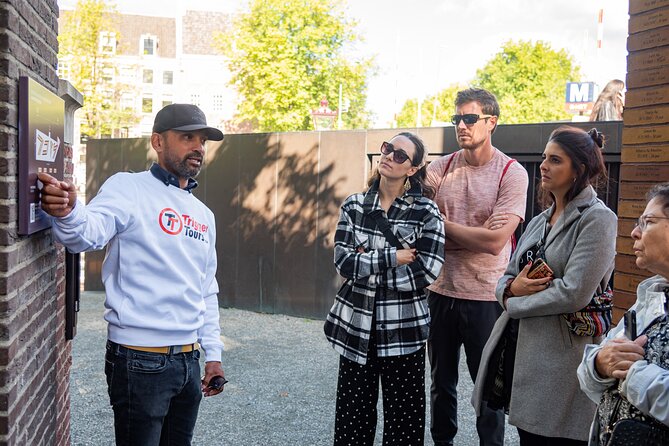
You meet at Amstel 51C, 1018 EJ Amsterdam. The tour ends back at the meeting point, so you do not get stranded across town at the end of a heavy day.
Two practical notes that matter here. First, the tour is run for good weather, so keep an eye on the forecast and dress for the day, not for the plan. Second, a previous group noted that you are outside about 90 percent of the time, so bring warm layers, even in months when Amsterdam usually feels mild.
If you prefer not to walk to the meeting point, the guide offers pickup from select city center hotels. That depends on where you stay, so it is worth checking when you book.
You will also want to know the tour is in English, and it is capped at 15 people, which usually means quieter conversations and fewer people competing for the guide’s attention.
Portuguese Synagogue: a window into community life during the Dutch Golden Age
The first stop is the Portuguese Synagoge. This is not just a pretty landmark. You get the bigger picture of Amsterdam’s Jewish community history, including how the Sephardic community grew strong during the Dutch Golden Age and how their wealth and influence showed up in the synagogue’s scale.
What I like about starting here is simple: it gives you normal human context before the tour turns darker. By the time you walk past memorials later, you already understand that this was not only a story of loss. It was also a story of community, worship, and everyday civic life in Amsterdam.
One more useful detail: this synagogue is still an active place of worship and remains a tourist attraction, so you are visiting something living and historic at the same time.
Auschwitz Monument: facing deportation with clear, specific context
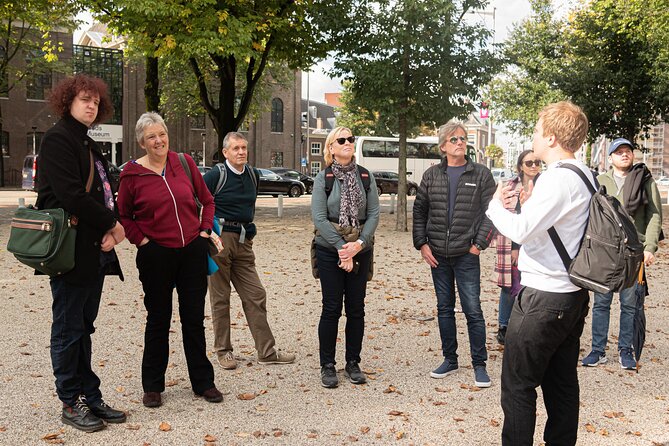
Next up is the Auschwitz Monument. The focus here is the Jewish deportation and the brutal machinery behind it. This stop works because it is direct, and it does not ask you to guess what you are looking at.
A walking tour can sometimes blur facts when there are too many stops. Here, the structure helps. You hear enough explanation to connect the monument to what it represents, and then you move on before the silence gets awkward.
Expect this to feel heavy. That is normal. If you are the type who prefers to process in quiet moments, this is the part where you will likely want to slow your own pace and take a breath.
Prefer to see it on foot? More Amsterdam walks
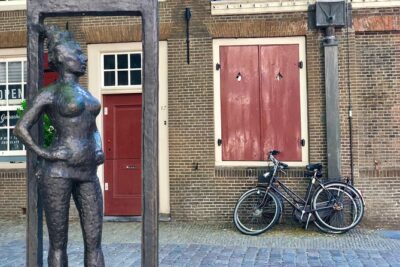
Verzetsmuseum Amsterdam: Jewish resistance, not just victimhood
After the deportation focus, you shift to Verzetsmuseum Amsterdam. This stop centers on Jewish resistance, which is an important correction to the way many people only remember this period through fear and loss.
I appreciate that the tour does not freeze the story in tragedy. By pointing you toward resistance, the guide frames Jewish life under occupation as something more complex than only persecution. It makes the later sites hit with a fuller understanding of what people were trying to do, survive, and hold onto.
This stop is short, but the goal is not to replace a museum visit. It is to give you a meaningful starting point so that if you later explore on your own, you know what to look for.
Hollandsche Schouwburg: the deportation camps connection lands hard
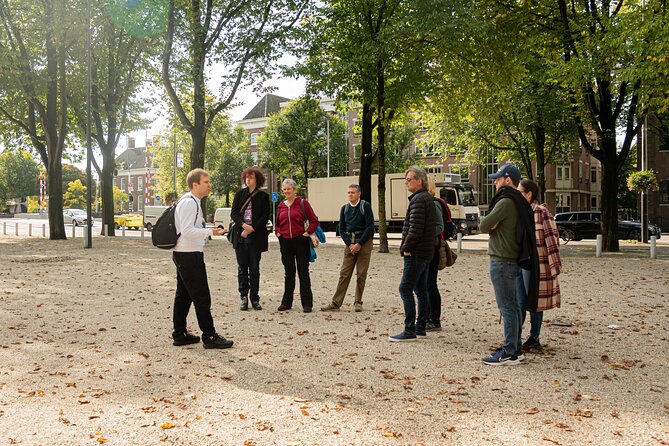
The next stop is Hollandsche Schouwburg. Here you learn about deportation camps and what the Nazi system meant for people from Amsterdam.
This is often the emotional center of the tour. It is one thing to know the dates. It is another thing to stand in a place tied to what happened next. The site helps your brain connect the historical narrative to geography, and that is where the impact gets real.
If you are traveling with family, this is also the moment to gauge attention span. You might find kids or teens handle earlier context better than these specific, concentrated details. You can also plan a break nearby if you need it.
De Plantage and the Spinoza Monument: from suffering back to place
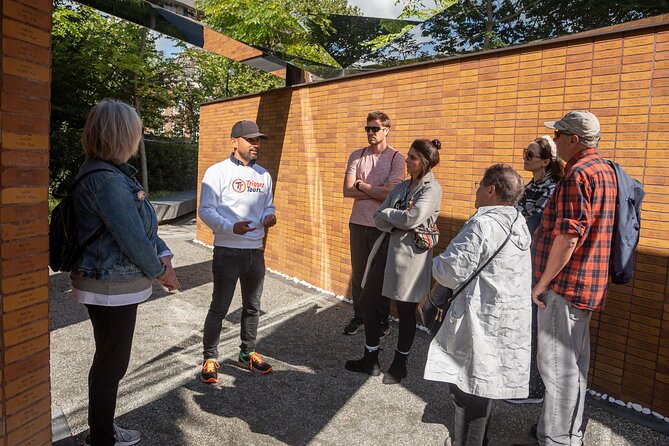
Then the tour moves to De Plantage, where you are shown the area’s history along with its present-day feel. This kind of stop matters more than you might think. It helps you remember that people lived in these neighborhoods, not only that they suffered somewhere else.
You then visit the Spinoza Monument. The tour uses this to talk about Spinoza, which gives you a bridge from wartime events to a longer intellectual and cultural thread connected to Amsterdam’s Jewish story. For me, that shift helps you leave with something more grounded than only grief.
Even with a short time allocation, these stops work because they change the emotional rhythm. After memorial-heavy segments, you get your bearings back in the city.
Dam Square and the Royal Palace area: a reminder that Amsterdam still stands
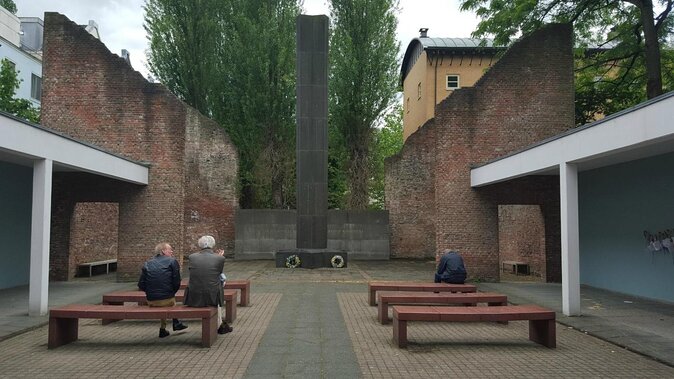
At the end, you walk to Dam Square and the Royal Palace monument area. This is a useful final transition. You are standing in a famous Amsterdam setting that tourists see every day, but now you are viewing it with a different lens.
You do not need the city to stop being beautiful for the past to matter. That is the point. The guide helps you connect a well-known public space to the layered reality underneath it, without turning the square into a museum.
This part can also help you decide what you want to do next, since Dam Square is a natural hub for food, walking routes, and transit.
Nieuwmarkt: tying the story back to Anne Frank and your next steps
The tour ends at Nieuwmarkt, where the guide shares more about the Anne Frank story and wraps up the experience. This is a strong finish because it brings the Jewish Quarter context into the specific narrative most visitors came for.
One thing to plan: this walk is not the same as visiting the Anne Frank House. If you want the full Anne Frank experience, treat this tour as your context builder, then add the house visit afterward. Going in that order helps, because you already understand the neighborhood and why the story unfolded the way it did.
After you finish, you will likely want a bit of breathing room before jumping into a crowded museum or restaurant. If your day includes other WWII content, I suggest spacing them so your brain can reset between heavy topics.
Who this tour is best for (and who may want something else)
You should seriously consider this tour if you:
- want a 2-hour overview that connects Jewish history and WWII events in Amsterdam
- like tours that give context in plain language at each stop, not only big-picture facts
- want something more meaningful than wandering the neighborhood with only a map
You may want a different approach if:
- you mainly want inside-the-building Anne Frank content, because this is not designed to replace the Anne Frank House visit
- you do not handle emotional topics well on walking tours, since the memorial sites are direct and intense
- you hate being outdoors in changing weather, even though you can dress for it
The small group size helps a lot. It is easier to follow the story when you are not squeezed between strangers at every turn.
Price and value: what $33.26 gets you in real-world terms
At $33.26 per person for about 2 hours, this tour can feel like a bargain if you want structure and meaning. Walking Amsterdam on your own is free, of course, but context is the hard part. Here, you are paying for a guide who connects the dots between synagogues, memorials, resistance, and deportation sites.
Another reason it feels fair is the stop list. Several locations list free admission tickets, which helps you avoid the “pay for the tour then pay again at every stop” trap. Nieuwmarkt is noted as admission not included, so you might not be able to cover every internal or optional feature there with your tour price, but the main guided stops are designed to work without constant extra fees.
Also, the group cap at 15 matters. In a smaller group, you tend to spend less time waiting and more time hearing. That is value, even if you never think in those terms while booking.
If you are hoping for a specific date, book ahead. This one is commonly scheduled about 52 days in advance, which is a sign it fills up.
Should you book this Anne Frank and Jewish Quarter walking tour?
If you want the Jewish Quarter to make sense before you go into any museum, this tour is a smart move. The stop order does real work for your understanding, starting with community life, then moving through deportation and resistance, and finally landing back on Anne Frank’s story.
Book it if you like:
- short stops with clear explanations
- a small group setting
- a guided walk that helps you see what you would otherwise miss
Skip it only if your top priority is the Anne Frank House interior itself, or if you prefer lighter sightseeing on a day where the subject will be emotionally heavy.
FAQ
How long is the Amsterdam Anne Frank and Jewish Quarter Walking Tour?
The tour runs for about 2 hours.
How big is the group?
This activity has a maximum of 15 travelers.
Is the Anne Frank House included in this tour?
No. This is a Jewish Quarter walking experience, and it does not include the Anne Frank House visit.
Where does the tour start, and do you return there?
It starts at Amstel 51C, 1018 EJ Amsterdam and ends back at the meeting point.
Are entrance fees included?
Several stops list free admission tickets, but the tour also notes that admission at Nieuwmarkt is not included.
What if the weather is bad or I need to cancel?
The tour requires good weather. If it is canceled due to poor weather, you will be offered another date or a full refund. You can cancel for a full refund up to 24 hours before the start time, based on local time.
Everything Else From Our Amsterdam Notebook




Also Reviewed Around Amsterdam




Jewish Amsterdam: Sites and Memory



Fresh off the review pile in Amsterdam
- Full-Day Trip From Amsterdam to Keukenhof, Zaanse Schans + Cruise
★ 5.0 · 3 reviews - Boutique Dutch Food & History Tour with up to 8 guests only
★ 5.0 · 3 reviews - Private Tour to Windmills Zaanse Schans +Keukenhof – 7 Hours
★ 5.0 · 3 reviews - Full-Day Private Guided Countryside Tour from Amsterdam by Bike
★ 5.0 · 3 reviews - Amsterdam Red Light District and Old Town Walking Tour
★ 5.0 · 3 reviews
Anne Frank & Jewish Heritage, compared.
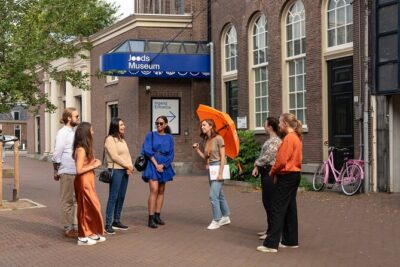 ★ 5.0Anne Frank’s Story – Guided Walking Tour through AmsterdamFrom $3911,619 reviews
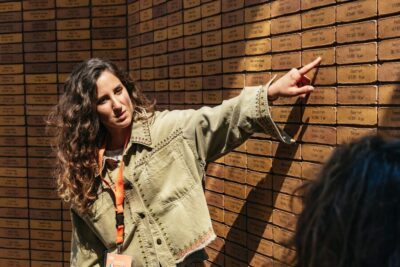 ★ 4.8Amsterdam: Life of Anne Frank and World War II Walking TourFrom $3710,467 reviews
 ★ 4.8Amsterdam: Anne Frank Guided Small Group Walking TourFrom $282,722 reviews
 ★ 4.9Amsterdam: Anne Frank Walking Tour – Guided in EN/DE/IT/ESFrom $282,676 reviews
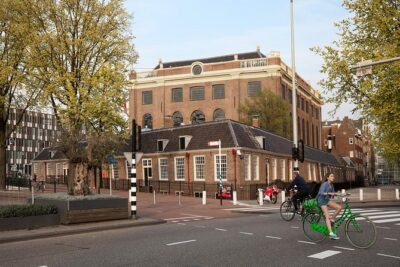 ★ 5.0Anne Frank Walking Tour Amsterdam Including Jewish Cultural QuarterFrom $751,879 reviews
 ★ 5.0Anne Frank’s Last Walk & See Anne Frank House in Virtual RealityFrom $42957 reviews
 ★ 5.0Anne Frank and Jewish Quarter Amsterdam Private Walking TourFrom $157684 reviews
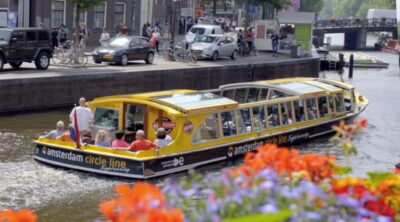 ★ 4.3Amsterdam: Canal Cruise from Anne Frank MuseumFrom $18563 reviews
Browse the lists this tour appears in