
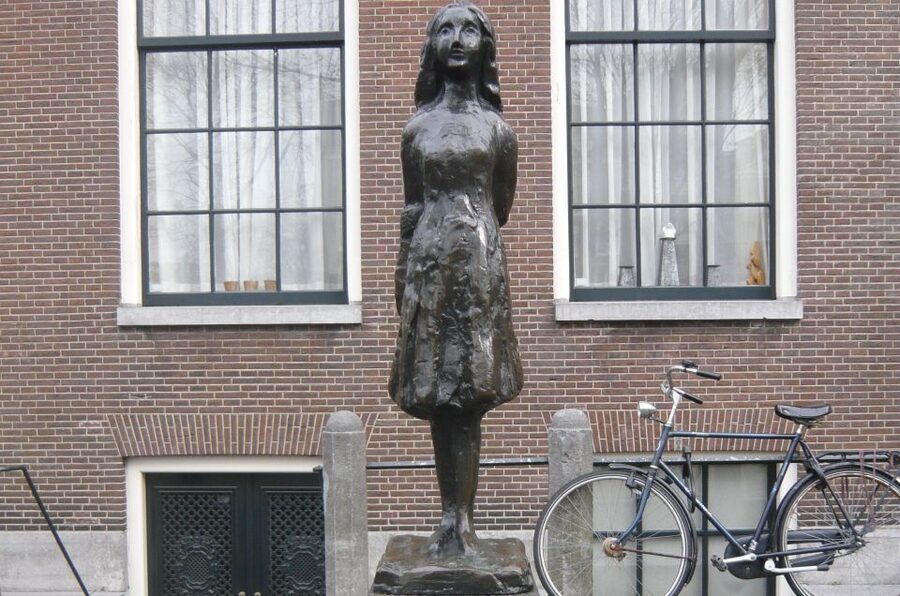
REVIEW · AMSTERDAM
Amsterdam: Anne Frank Walking Tour
Anne Frank’s story hits harder on foot. I like how this 2-hour Jewish Quarter walk turns famous names into real streets, and I love the way it links the diary to Amsterdam’s wartime life. Just note one drawback up front: the tour visits the Anne Frank House area but does not include entry into the house itself.
You meet near Waterlooplein, then move through key Jewish landmarks: the Portuguese Synagogue area, the Jewish Historic Museum, the Jewish Quarter lanes, Plantage, and a moving stop at the Auschwitz Monument. It’s led by local guides, and the most consistently praised guides, including James and Aaron, are praised for story pacing and for answering questions with empathy and even a little humor when the moment allows.
In This Review
- Quick hits on this Anne Frank walk
- Why this Anne Frank walking tour feels different
- Starting at Waterlooplein: setting the WWII scene in the right neighborhood
- Portuguese Synagogue stop: a landmark you can read even if you know nothing
- Jewish Quarter streets and the Jewish Historic Museum: where the story becomes specific
- Waterlooplein to Nieuwmarkt and Lastage: short segments, big context
- Plantage district: when the walk turns from sites to lived experience
- Anne Frank House area: what you do see, and what you do not
- Auschwitz Monument: a serious ending that doesn’t feel abrupt
- How long is it, and why the timing works
- Price and value: why $21 can be a good deal here
- Who this tour is best for
- What I’d do before and after the walk
- Should you book this Anne Frank walking tour?
- FAQ
- How long is the Amsterdam Anne Frank walking tour?
- Where is the meeting point?
- What is included in the price?
- Is the Anne Frank House entrance included?
- What languages are the guides available in?
- Is the tour wheelchair accessible?
- What should I bring?
Quick hits on this Anne Frank walk

- A wartime Amsterdam timeline, with the February strike and the hunger winter worked into the neighborhood story
- Portuguese Synagogue and Jewish Quarter landmarks, so you see what survived and what changed
- Amsterdam’s Jewish institutions in context, including the Jewish Historic Museum and the Jewish Council area
- Anne Frank’s diary story, including how her father published it after the war and how it became widely read
- Auschwitz Monument as a final emotional stop, not an abrupt ending
Other walks through Amsterdam Jewish history
- Anne Frank’s Story – Guided Walking Tour through Amsterdam★ 5.0 · 11,619 reviews
- Amsterdam: Life of Anne Frank and World War II Walking Tour★ 4.8 · 10,467 reviews
- Amsterdam: Anne Frank Guided Small Group Walking Tour★ 4.8 · 2,722 reviews
- Amsterdam: Anne Frank Walking Tour – Guided in EN/DE/IT/ES★ 4.9 · 2,676 reviews
Why this Anne Frank walking tour feels different
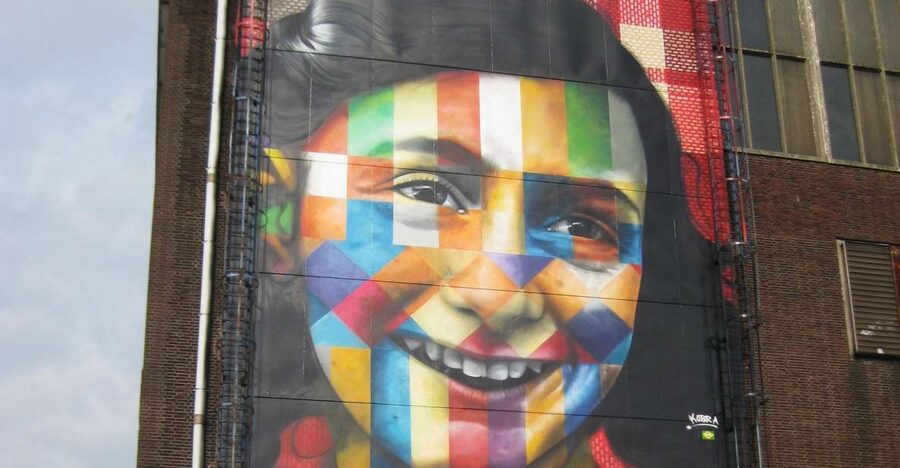
This is not a “facts only” stroll. The power here is the geography. Amsterdam during World War II was not a far-away concept. It was people moving through narrow lanes, hiding inside ordinary buildings, negotiating daily risks, and watching the city get reshaped by occupation.
What I like is the structure. You hear how Anne Frank’s family life connects to broader Jewish life in Amsterdam, then you hear what happened during the Holocaust period, and then you land the story at key memorial ground. That order matters. You leave with context, not just a headline story.
Also, the tour’s pace is built for two hours. It’s long enough to connect dots, but short enough that you do not feel like you are stuck in one place while the topic weighs on you.
One practical consideration: since the route covers several stops on foot, you will want comfortable shoes. The streets are tight, the walking adds up, and the experience is more meaningful when you are not distracted by sore feet.
Starting at Waterlooplein: setting the WWII scene in the right neighborhood
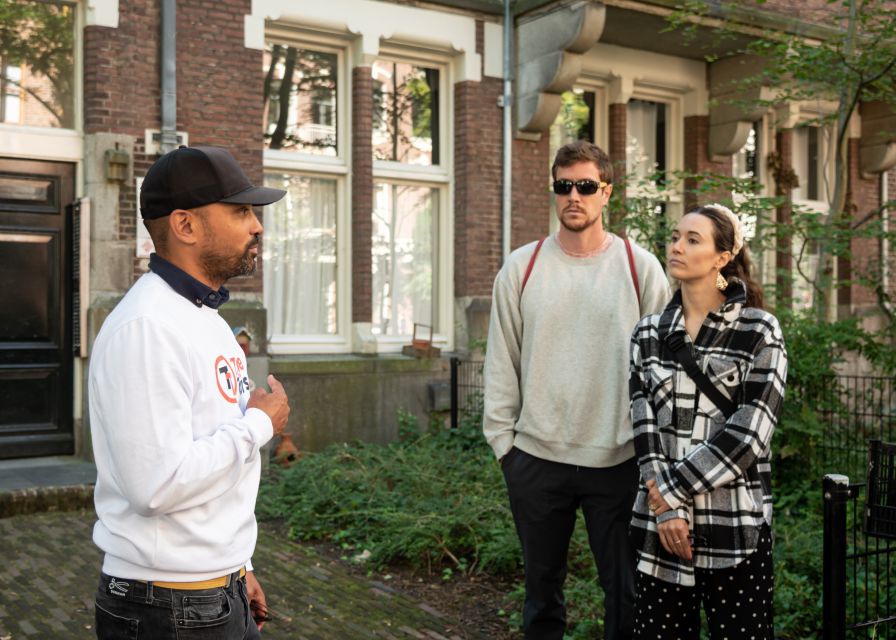
You start at Waterlooplein, an area that’s well placed for getting your bearings fast. The guide typically begins by framing what Amsterdam looked like before the worst years, then shifts into how Jewish life and public life changed under Nazi control.
This opening scene does two helpful things for you. First, it helps you understand why certain buildings and institutions mattered. Second, it gives you a lens for what you will see later, especially when you pass monuments and war marked traces still visible in the city fabric.
Some guides are also known for using visuals, like photos that show how the area looked in the past. That sort of detail helps when you are standing in the present and trying to imagine wartime Amsterdam.
If you are coming to Amsterdam mainly for canals and museums, this tour is a smart contrast. It also prevents a common mistake: treating Anne Frank as a standalone story, rather than a chapter inside the city’s larger history.
Portuguese Synagogue stop: a landmark you can read even if you know nothing
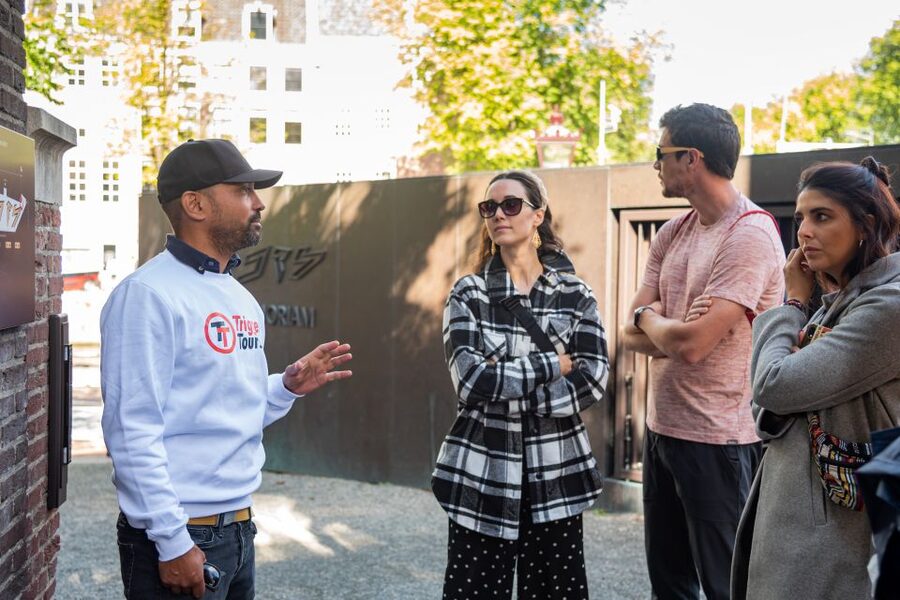
The first major landmark stop is the Portuguese Synagogue area, where the guide spends a short guided segment. Even if you do not know the architecture or the community history yet, you can start to “read” the place because the guide usually ties it to the Jewish community’s long presence in Amsterdam.
This matters because it counters a misconception. You’re not just visiting symbols of tragedy. You are meeting a living community history, shaped over centuries, then forced into a dark and shrinking reality under persecution.
In a short time, you should come away with a better sense of how religious and cultural sites were part of daily identity, not just backdrops for history books.
Jewish Quarter streets and the Jewish Historic Museum: where the story becomes specific
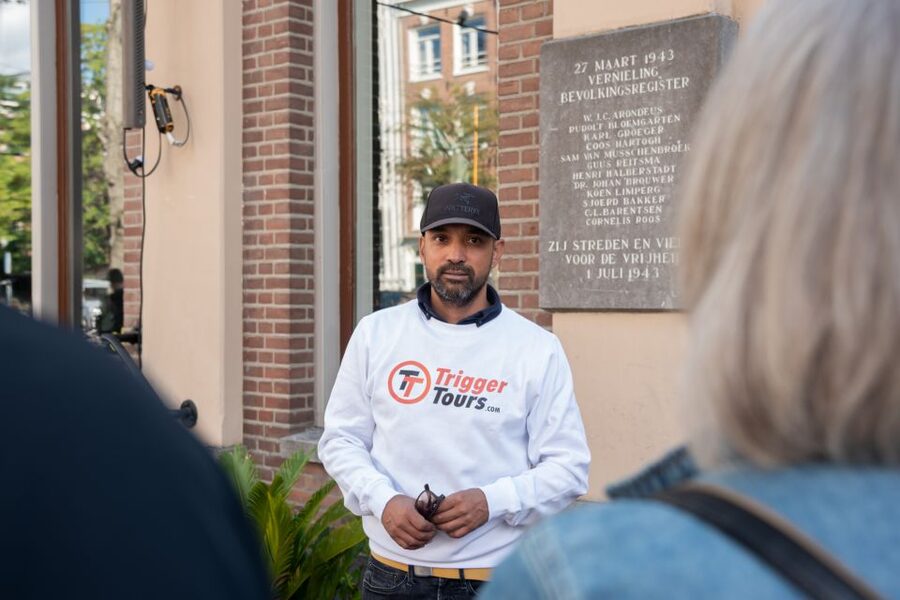
Next, you move into the Jewish Quarter area. This is where the tour earns its emotional weight, because the streets are narrow and the buildings feel close together. That physical closeness is a key part of why hiding and pursuit were so real.
The guide brings in several threads here:
- What Amsterdam looked like during the war years
- The way daily life became constrained
- The role of Jewish neighborhoods and institutions in the city’s culture
- Specific references to wartime events and hardships
You’ll also get a quick stop connected to the Jewish Historic Museum. The purpose is not to turn this into a museum day. It is to point you toward the larger historical record and explain what you are seeing around you. If you later want to go deeper on your own, this kind of orientation helps you pick the right museum exhibits.
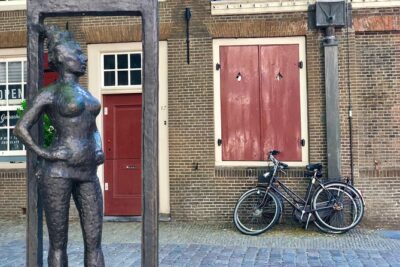
One particularly useful detail: you may notice small markers in the street surface, including metal squares, and then learn what they indicate. That’s the sort of street-level clue that makes the whole walk feel grounded. It turns the neighborhood into a kind of open-air archive.
Prefer to see it on foot? More Amsterdam walks
Waterlooplein to Nieuwmarkt and Lastage: short segments, big context
The route continues through the area around Nieuwmarkt and Lastage with another guided segment. In just minutes, a good guide uses these stops to show how Jewish neighborhoods connected across the city and how occupation policies and everyday life intersected.
These quick sections can feel minor if you expect nonstop “new facts” every minute. But they work for a reason. They help you build a mental map of Amsterdam’s Jewish districts rather than treating the tour as a list of famous sites.
I also appreciate that the tour keeps moving. It prevents the heaviness of the subject from becoming emotionally flat. You are not stuck in a single spot. You are seeing how the story changes as the neighborhood changes.
Plantage district: when the walk turns from sites to lived experience
Plantage is often where the tone shifts from landmarks to lived experience. This is still part of the Jewish neighborhood story, but the guide typically slows the narrative down just enough for you to absorb what centuries of Jewish life contributed to Amsterdam.
Then comes the part that makes the tour more than a “heritage walk”: the guide connects wartime events to what you are walking through.
Expect references to major hardships, including:
- The February strike
- The hunger winter
You’ll also hear about the struggles people endured and the experiences of Amsterdam’s Jewish community during World War II and the Holocaust. This is not presented as vague suffering. It is tied back to how people lived, what broke first, and what daily survival looked like as the years worsened.
If you are visiting with teens or curious adults, this section is often where questions start. And good guides will answer them without rushing you.
Anne Frank House area: what you do see, and what you do not
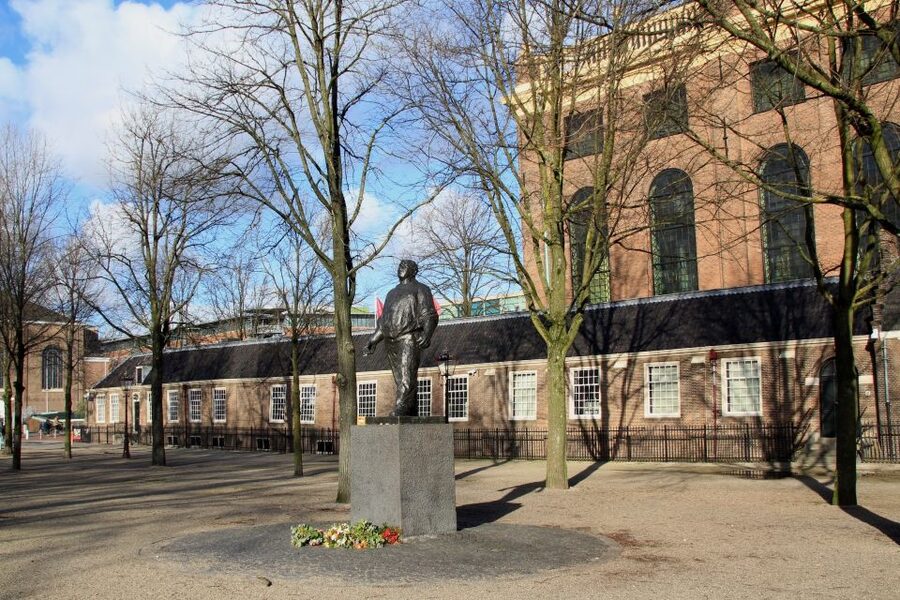
Anne Frank’s name can pull focus, so the best version of this tour handles it carefully. You get a guided stop near the Anne Frank House, but the tour does not include entrance tickets to the house.
That distinction is important. You’ll get the context you need, plus the emotional framing around the Frank family story. But if you want the famous house interior experience, you’ll need to plan that separately.
What the guide should cover in this segment is the Anne Frank arc in a way that actually connects:
- Anne Frank’s move from Germany to Amsterdam
- The time she spent hiding
- What happened to her family and the broader reality of persecution
- Her diary, and how her father published it after the war
- Why it became one of the best-selling books of all time
One thing I like about this approach is that it prevents the diary from becoming just a well-known book. You get the human story and the historical setting, so the diary reads less like a classroom artifact and more like a record of fear, hope, routine, and collapse.
Auschwitz Monument: a serious ending that doesn’t feel abrupt
The last major emotional stop is the Auschwitz Monument in Amsterdam. You spend a short guided segment there, but it lands as a point of reflection rather than a “check the box” photo moment.
The value of finishing here is the message. The walking part showed neighborhoods, institutions, street clues, and wartime events. The monument gives the trip a hard historical anchor. It tells you: this was not just local history. It was part of industrial scale genocide.
Many people find this section the most moving. If you know you get emotional easily, plan for it. Bring a moment of quiet into your schedule after the tour, because this part can linger.
How long is it, and why the timing works
The duration is 2 hours. That timing is a sweet spot for this topic.
Longer tours can start to feel like a lecture. Shorter tours can feel like a quick museum-sprint where you miss the “why” behind the streets. Two hours lets the guide explain enough to connect Anne Frank’s story to Amsterdam’s Jewish community and WWII reality, without turning it into an endurance test.
It also gives you practical next steps. After the walk, you’ll have a clearer list of what to revisit on your own. You may also spot other Jewish history sites nearby and understand what you are looking at.
Price and value: why $21 can be a good deal here
At about $21 per person, you are paying for something that can be hard to replicate alone. You get a local guide and an organized route through meaningful places in the Jewish Quarter and related areas.
The value is not in the number of stops. It is in the explanations that connect them. A guide can point out what a street marker means, why a neighborhood matters, and how wartime events affected people in very specific ways.
This is also a case where “free time” can cost you. If you go on your own without context, you may see Portuguese Synagogue, Jewish Historic Museum, and the Auschwitz Monument as separate stops. With the guide, you should leave with a timeline and an understanding of how the story fits together in Amsterdam.
If you want value for money, choose this when you have limited time. It is a strong way to get context fast before you start booking bigger museum visits.
Who this tour is best for
This tour suits you if:
- You want Anne Frank’s story placed inside Amsterdam’s real wartime geography
- You prefer walking with context over reading alone
- You like guides who answer questions and keep pacing steady
- You are visiting for a first time and want a quick, structured orientation
It may not suit you as well if:
- You are hoping for entry into the Anne Frank House. This tour does not include tickets or entrance.
- You need a wheelchair-specific plan. The information includes wheelchair accessibility, but it also states it is not suitable for wheelchair users. I’d treat that as a “check first” situation with the operator before you rely on it.
What I’d do before and after the walk
Before: wear comfortable shoes and plan for an emotionally serious subject. If you have a guidebook habit, skip the deep reading and trust the guide to set the story in order.
After: if Anne Frank House is a must for you, book that separately while you still remember the context from the walk. If you want to go further on Jewish history in Amsterdam, you now have a better map of where to focus your time.
Even if you do not add another museum stop, you’ll likely notice more details on your next walk through the city. The city becomes more “legible.”
Should you book this Anne Frank walking tour?
I’d book it if you want a guided, two-hour way to understand Anne Frank inside Amsterdam’s Jewish Quarter and WWII setting, and especially if you like clear storytelling and question-friendly guides. The guides are repeatedly praised for being empathetic, and the route ends at the Auschwitz Monument in a way that feels meaningful rather than rushed.
I would not book it as your only Anne Frank plan if you specifically want to go inside the Anne Frank House. This tour gives context near it, but it does not include entry. If you need that interior time, pair this with a separate Anne Frank House visit.
If you are ready for a walking tour that mixes city landmarks with human-scale history, this one is a strong choice.
FAQ
How long is the Amsterdam Anne Frank walking tour?
It runs for 2 hours.
Where is the meeting point?
The meeting point may vary depending on the option booked, but it’s tied to the Waterlooplein area. There are also starting location options listed as Studio Infinity.
What is included in the price?
You get a local guide, and the tour is offered as either a private or group tour depending on the option you select.
Is the Anne Frank House entrance included?
No. Entrance to the Anne Frank house is not included.
What languages are the guides available in?
The live guide is available in English and Spanish.
Is the tour wheelchair accessible?
The activity information lists wheelchair accessibility, but it also notes that it is not suitable for wheelchair users. It’s best to check with the provider before booking.
What should I bring?
Wear comfortable shoes for a walking route through multiple stops.
Everything Else From Our Amsterdam Notebook




Also Reviewed Around Amsterdam





Jewish Amsterdam: Sites and Memory



Fresh off the review pile in Amsterdam
- Full-Day Trip From Amsterdam to Keukenhof, Zaanse Schans + Cruise
★ 5.0 · 3 reviews - Boutique Dutch Food & History Tour with up to 8 guests only
★ 5.0 · 3 reviews - Private Tour to Windmills Zaanse Schans +Keukenhof – 7 Hours
★ 5.0 · 3 reviews - Full-Day Private Guided Countryside Tour from Amsterdam by Bike
★ 5.0 · 3 reviews - Amsterdam Red Light District and Old Town Walking Tour
★ 5.0 · 3 reviews
Anne Frank & Jewish Heritage, compared.
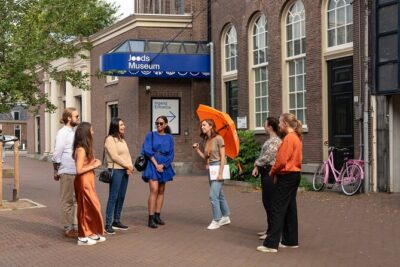 ★ 5.0Anne Frank’s Story – Guided Walking Tour through AmsterdamFrom $3911,619 reviews
 ★ 4.8Amsterdam: Life of Anne Frank and World War II Walking TourFrom $3710,467 reviews
 ★ 4.8Amsterdam: Anne Frank Guided Small Group Walking TourFrom $282,722 reviews
 ★ 4.9Amsterdam: Anne Frank Walking Tour – Guided in EN/DE/IT/ESFrom $282,676 reviews
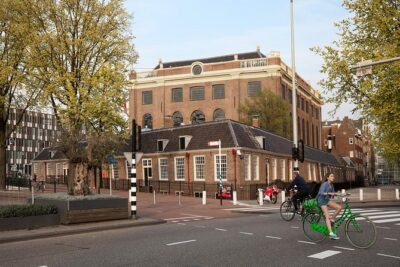 ★ 5.0Anne Frank Walking Tour Amsterdam Including Jewish Cultural QuarterFrom $751,879 reviews
 ★ 5.0Anne Frank’s Last Walk & See Anne Frank House in Virtual RealityFrom $42957 reviews
 ★ 5.0Anne Frank and Jewish Quarter Amsterdam Private Walking TourFrom $157684 reviews
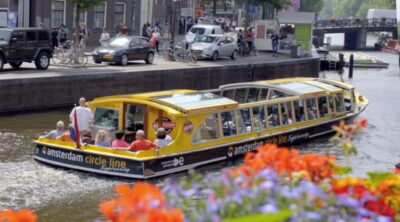 ★ 4.3Amsterdam: Canal Cruise from Anne Frank MuseumFrom $18563 reviews
Browse the lists this tour appears in