

REVIEW · AMSTERDAM
Amsterdam: Combo Rijksmuseum & Hop-On Hop-Off Bus
Art and big paintings, all in one day. This combo pairs skip-the-ticket-line entry to the Rijksmuseum with a 24-hour hop-on hop-off bus, so you can see a lot of Amsterdam without crisscrossing the city. You also get GPS audio guidance in 18 languages as you roll past canals and classic canal houses.
I especially like two things. First, the Rijksmuseum time slot is built for convenience, with a window that lets you enter and then stay as long as you want during museum hours. Second, the bus adds comfort, it is air-conditioned, and the panoramic views from the glass roof help you spot the merchant houses and colorful barges you would otherwise miss from street level.
One thing to plan carefully: the bus routes change by season, and the stop locations and operating days can trip people up. If you need the bus right after your Rijksmuseum visit, give yourself extra time to find the nearest stop and check the schedule for your exact day.
In This Review
- Key Points Before You Go
- Rijksmuseum First: What the Time Slot Actually Buys You
- Bus Comfort and Audio: How to Get Value From 24 Hours
- Choosing the Right Line: Red, Green, and Blue by Season
- Red Line Stops That Make Sense for a First-Time Day
- Museumplein and the City Center: Using the Hop-Off Strategy
- Winter vs Summer Reality: Stops You Might Expect to Change
- Finding Bus Stops Without Losing an Hour
- What the Day Feels Like: Museums Plus Panoramic Canal Views
- Price and Value Check at About $50 Per Person
- Who This Works Best For (and Who Should Rethink)
- Should You Book This Amsterdam Combo?
- FAQ
- What’s included in this Amsterdam combo?
- How does the Rijksmuseum time slot work?
- How long can I use the hop-on hop-off bus ticket?
- Where do I meet, and where can I board the bus?
- Are pets allowed on the bus?
- What languages are available for the bus audio guide?
Key Points Before You Go
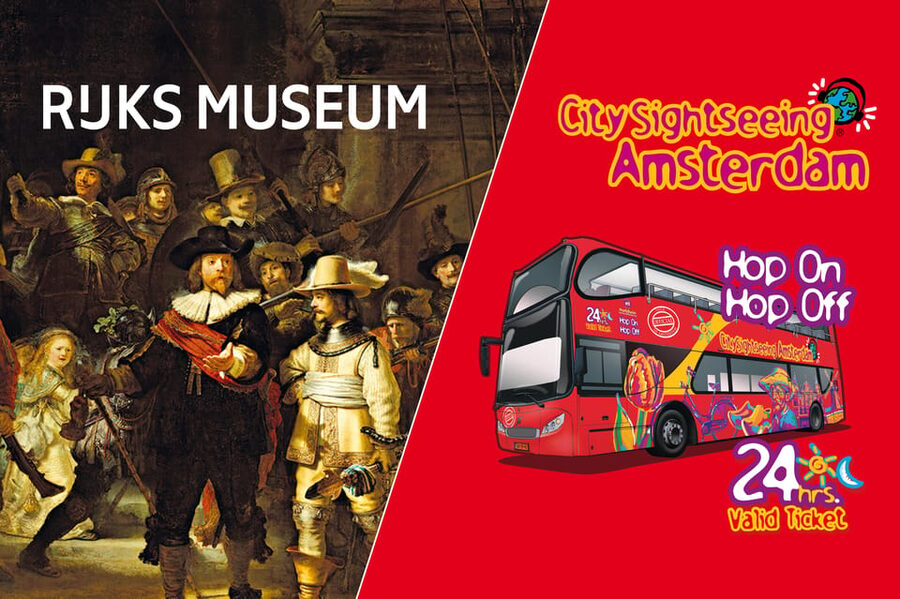
- Rijksmuseum entry with a real time window: use your starting time slot to get in, then stay until the museum closes.
- 24-hour hop-on hop-off flexibility: ride any time during your visit, so you can fit it around your museum and photo stops.
- Air-conditioned bus plus panoramic views: the glass roof makes canal-belt views much easier.
- GPS audio in 18 languages: helpful for placing what you are seeing as you pass key areas.
- Seasonal route differences are a big deal: some stops run only in summer, others only in winter.
- Use the City Sightseeing app for live tracking: it helps reduce waiting time and makes stops easier to locate.
Rembrandt, Vermeer and the rest. Further gallery visits
- Amsterdam: Rijksmuseum Entry Ticket★ 4.7 · 25,535 reviews
- Amsterdam: Fabrique des Lumières Dutch Masters Ticket★ 4.6 · 2,373 reviews
- Amsterdam: City Canal Cruise and Rijksmuseum★ 4.5 · 2,129 reviews
- Rijksmuseum Amsterdam Small-Group Tour with Private Upgrade★ 4.5 · 1,547 reviews
Rijksmuseum First: What the Time Slot Actually Buys You
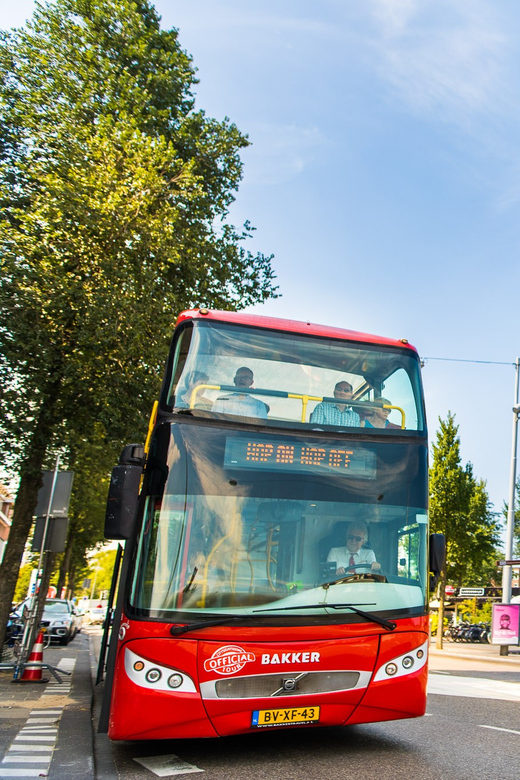
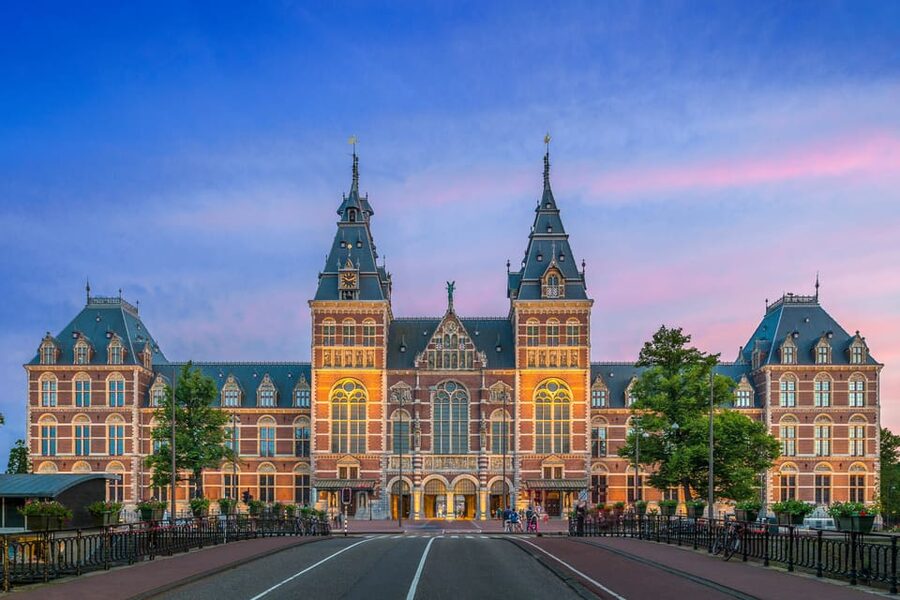
Your Rijksmuseum ticket is not just general admission. It is a time slot ticket designed so you can enter without getting stuck in a long ticket line.
You can use your voucher to enter the museum for up to 2 hours from the starting time printed on your ticket. Once you are inside during that 2-hour window, you can stay as long as you like until the museum closes, which is a huge relief if you want unhurried time with the Dutch Masters.
Expect to see major works by Rembrandt and Vermeer. The museum is the star here, so I like structuring the day so the bus supports your plans instead of competing with them.
If you care about pace, this is one of the best parts of the combo: you get into the museum on schedule, then you can choose when you go back to the streets for canals, squares, and neighborhoods.
Bus Comfort and Audio: How to Get Value From 24 Hours
The hop-on hop-off part gives you a 24-hour ticket that works like an open ticket during your stay. That means you do not have to force everything into a single ride, you can spread it out.
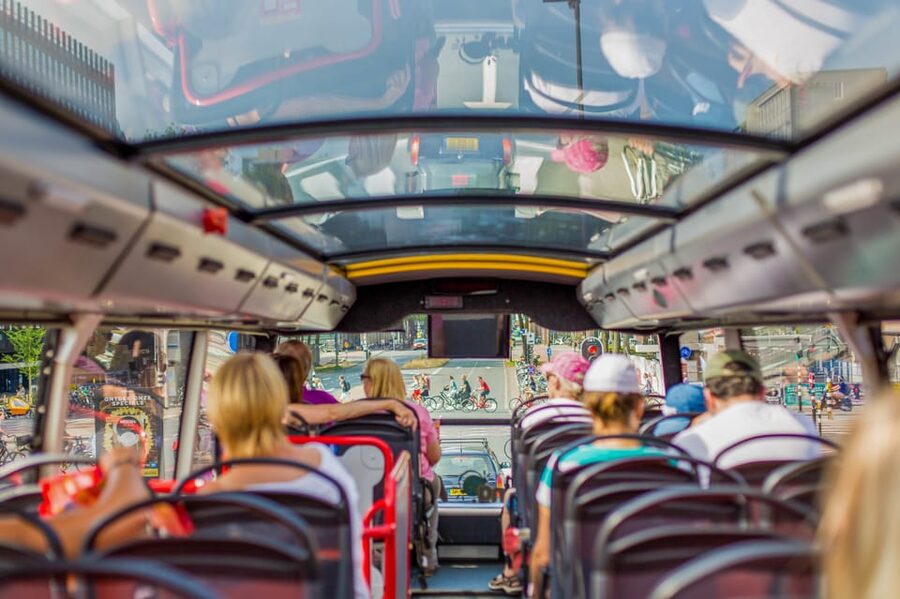
The bus is air-conditioned, which matters in Amsterdam because weather shifts fast and walking can rack up your stamina. You also get GPS audio guidance in 18 languages, so you are not just looking out the window, you are getting context as you go.
The audio guide languages listed are Spanish, Chinese, English, French, German, Italian, Japanese, Portuguese, Russian, Catalan, Dutch, Hebrew, Indonesian, Arabic, Turkish, Polish, Hindi, and Thai. With that many options, you can usually match what you need without relying on your own research.
Where the bus really helps is placement. You will see the Canal Belt and the slim merchant houses of the Golden Age, and the bus makes it easier to connect names with neighborhoods. On top of that, the views from the glass roof are made for photos, especially when colorful barges slide along the water.
Choosing the Right Line: Red, Green, and Blue by Season
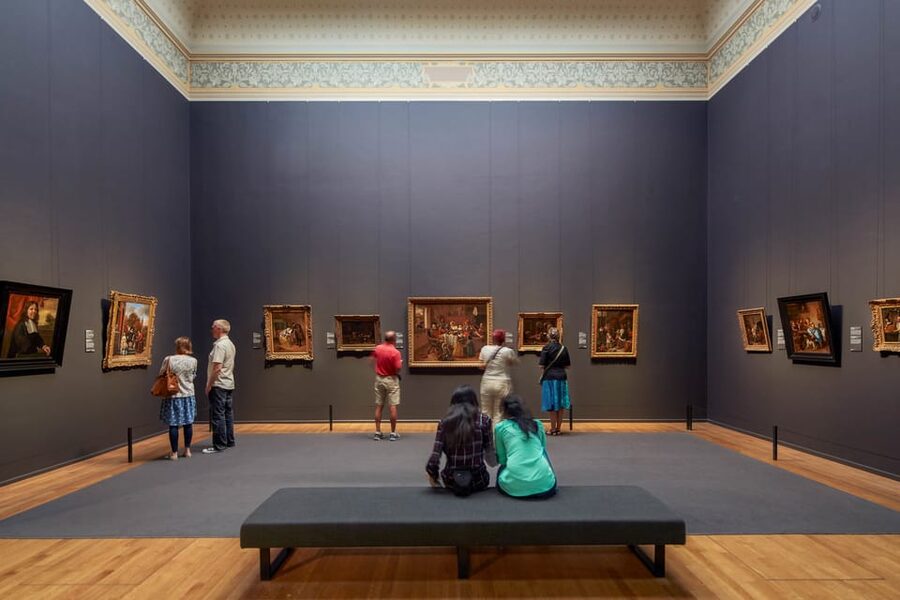
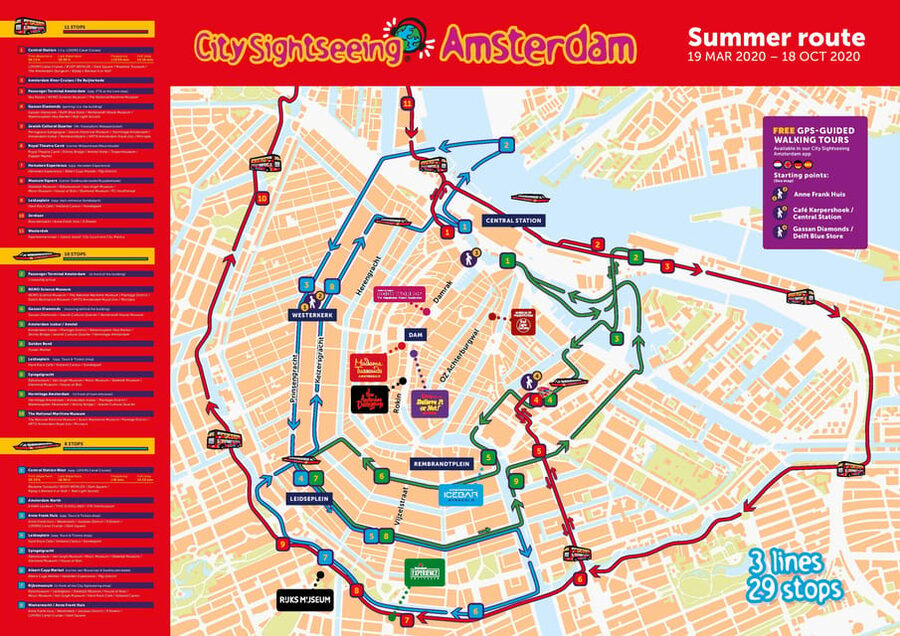
Amsterdam bus routes in this combo are not one-size-fits-all. The summer season runs mid-March to mid-October, and the winter season runs mid-October to mid-March, and the routes shift accordingly.
You will see three labeled lines: Red Line, Green Line, and Blue Line. Each one changes where it goes and which stops operate in which season, so your planning starts with your travel month.
Red Line is shown with a specific set of stops, and some are marked as operating only during the summer season (for example, stops around the river cruise area). Green Line changes between summer and winter, including substitutions near major sights, and Blue Line runs only in summer.
Practical take: before you commit to a tight schedule, look at your day’s season and the stops you care about most. If you only care about Museumplein and the museum area, you will still have options, but if you want a specific neighborhood stop, route changes can matter.
Red Line Stops That Make Sense for a First-Time Day
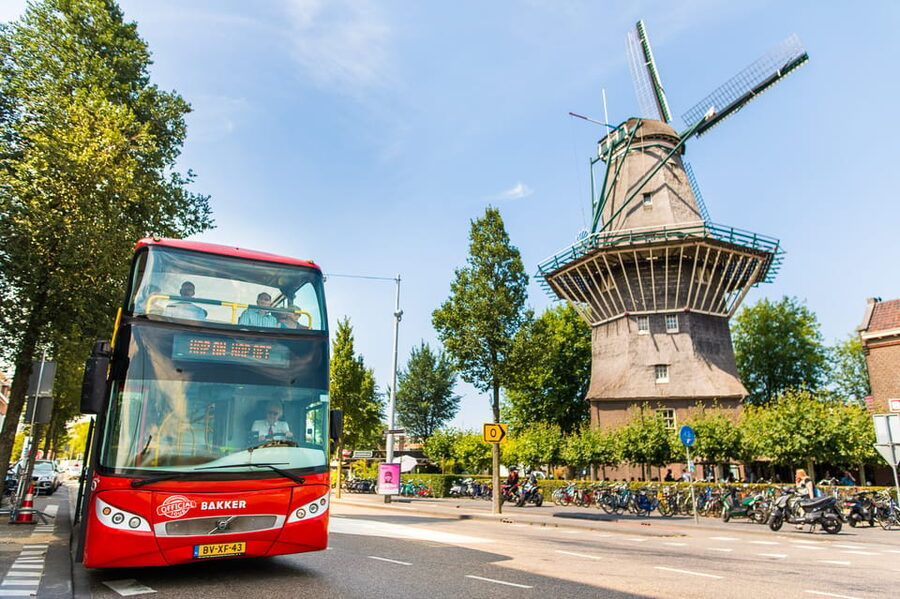
The Red Line is the most “big sweep” way to orient yourself. As you ride the 12-stop route (as described in the plan), you pass key areas and get built-in viewpoints over canals and classic architecture.
Here is what stands out from the published Red Line stops:
- Central Station East (summer season noted): convenient if you are arriving or want an easy anchor point around the station area.
- Amsterdam River Cruises / De Ruyterkade (summer only): a good bet if you want the waterfront feel and river-adjacent scenery.
- Passenger Terminal Amsterdam: useful if your day includes port-linked viewpoints.
- Gassan Diamonds: a commercial stop, it can be a quick way to get oriented rather than a must-do landmark.
- Jewish Historical Quarter: helps you connect the neighborhood with the broader city layout.
- Royal Theatre Carré: a cultural landmark stop, helpful if you want theatre area context.
- Heineken Experience: practical if you are pairing sights with a specific venue area.
- Museum Square (Museumplein area): this is the biggest “why we’re here” stop because it connects you to the museum district.
- Leidse Square: a strong choice for evening energy and central sightseeing access.
- Jordaan: one of the neighborhoods that rewards hopping off, wandering, and looping back.
- Westerdok: another useful cross-connection stop as you map out where you will walk next.
One caution I would give you: the bus can only travel where the road network allows. If you are trying to reach a very specific corner, the route might not stop where you expect, so combine the bus with a short walk when needed.



Museumplein and the City Center: Using the Hop-Off Strategy
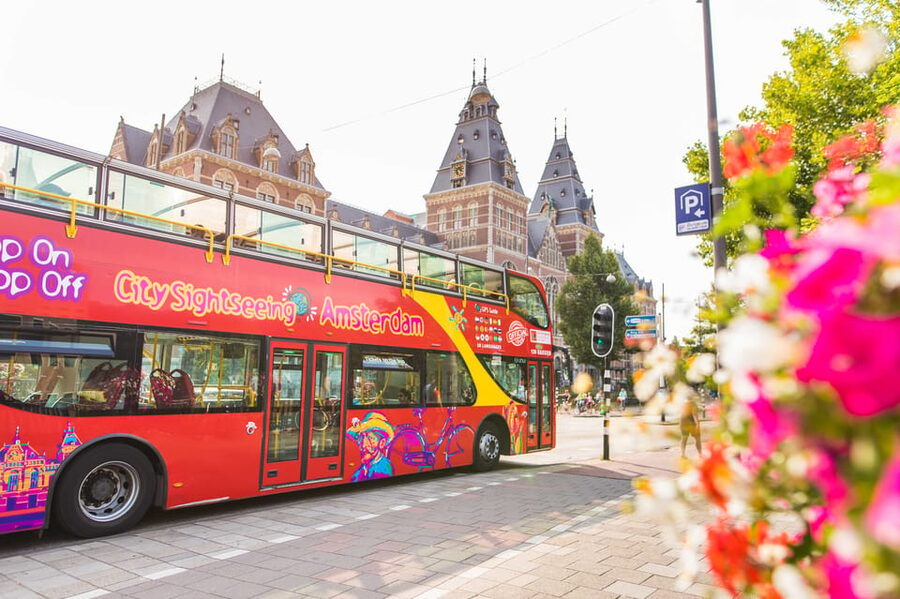
A hop-on hop-off bus works best when you treat it like a tool, not a full itinerary. Get on to get oriented, then hop off where you want time on foot.
In this combo, you can hop off at attractions or neighborhoods such as Spui, Anne Frank House, and Museumplein. Those are the kind of targets that make a bus pass worth using, because they let you reduce random wandering and still get flexible access.
I like doing it this way: plan your museum first, then use the bus to reach the next neighborhood for a set block of time. After that, you can hop off, walk a loop, and decide if you want to re-board when you are ready.
This matters because Amsterdam streets are compact, and a bus ride is often quicker at moving you between areas than trying to do everything on foot. But the charm is walking too, so the best balance is bus for distance, legs for atmosphere.
Winter vs Summer Reality: Stops You Might Expect to Change
Season determines what you can actually reach. In winter, the published Green Line swaps out certain summer stops for winter alternatives, and some sights shift from one nearby stop to another.
Examples in the plan include changes around:
- Leiden-related areas, where summer variants swap for winter variants
- Links to Hermitage Amsterdam and the National Maritime Museum, which are marked as summer-only
- Stops near the Rijksmuseum area, which are marked differently in summer versus winter
Blue Line is even more seasonal. It is only listed for the summer season and includes stops like Anne Frank Huis and Rijksmuseum, plus several classic canal-area stops such as Spiegelgracht and Westermarkt.
So if you are visiting outside the summer months, do not assume you will get the same stop coverage. Build in a little wiggle room, and confirm the stop you need using the app.
Finding Bus Stops Without Losing an Hour
If you want this day to feel smooth, your biggest challenge will be logistics, not the museum. The bus experience depends on locating the right stop and catching the next bus when it arrives.
The plan suggests downloading the free City Sightseeing Amsterdam app. It includes live tracking of buses and extra information and tips for each stop, and it can reduce waiting time and confusion.
Use that app like a GPS for your plan, not just for directions. If you are leaving the Rijksmuseum after your time slot entry, identify which stop is closest for your next hop before you step back outside. That small step can save you from the most frustrating part of bus sightseeing, long waits and wandering around the wrong corner.
Also, keep an eye on operating days. The bus schedule can vary, and on at least one day it was not running when someone expected to use it. That is not something you should gamble on if your schedule is tight.
What the Day Feels Like: Museums Plus Panoramic Canal Views
This combo is designed to connect two different kinds of Amsterdam experiences. The Rijksmuseum is indoor, focused, and concentrated, with major Dutch Master art. The bus is outdoor and panoramic, making it easier to see the city’s shape, canals, and architecture in a single loop of views.
From the bus, you get panoramic views from the glass roof, which is especially useful for spotting the canal belt and the way merchant houses line up along the water. Street level is great for exploring, but it can be hard to see the full rhythm of canals and rooftops without moving back and forth.
Then, once you are off at a stop like Museumplein or Jordaan, you can shift gears. Walk around at your own pace, look for the exact streets that match the feeling you are after, and re-board when you want a reset.
Price and Value Check at About $50 Per Person
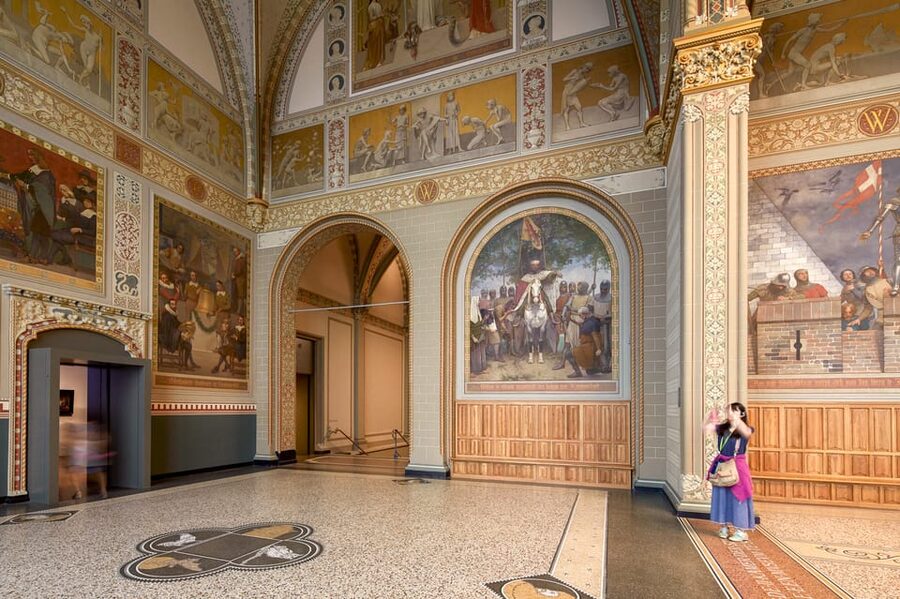
At $50 per person, you are paying for two things that often cost time and planning separately: a Rijksmuseum entry with a dedicated time slot and a 24-hour bus pass.
The value is strongest if you want the museum plus a flexible orientation ride. You are not buying a single museum day and then figuring out transit or timing on your own, you are bundling transportation convenience with guaranteed access to the museum time slot.
That said, the bus portion only feels like great value if you actually use it. If your priorities are mostly museum-heavy and you plan to walk every neighborhood, the bus can feel like extra spending. On the flip side, if you want multiple areas in one day without complicated navigation, the bus earns its place.
Also remember: some days and seasonal routes affect which stops are available. If you target specific neighborhoods and your visit happens outside those operating windows, the value shifts because your hop-off options tighten.
Who This Works Best For (and Who Should Rethink)
This combo suits you if you want a one-day plan that covers major sights without over-planning every minute. It is a good fit for first-timers who want city orientation and for museum lovers who want Rembrandt and Vermeer time with a smoother entry experience.
You might rethink it if you dislike uncertainty around schedules and stops. If your day depends on a very exact bus connection right after your museum visit, build buffers and use the live tracking app.
It also helps if you value comfort. Air-conditioned riding plus guided audio is easier than pure walking when the weather turns or when you are managing energy.
And if you are traveling with kids, note that children aged 3 years or younger go free of charge, as long as they do not occupy their own seat.
Should You Book This Amsterdam Combo?
Book it if you want Rijksmuseum entry with less friction and you plan to use the bus for at least a couple of neighborhood hops. This is the right kind of “time saver” for a 1-day schedule, especially because the museum piece has a built-in entry time slot and the bus offers flexible 24-hour routing.
Skip or modify expectations if you are only chasing one small area and do not intend to ride beyond the museum district. In that case, walking and public transport might be enough, and the bus may feel like extra cost.
My practical advice: check your visit month, pick your top two or three stops, and confirm their availability using the app before you go. If you do that, you will get the best of both worlds, major art inside the Rijksmuseum and classic canal-belt views outside.
FAQ
What’s included in this Amsterdam combo?
You get a 24-hour hop-on hop-off sightseeing bus ticket, a GPS audio guide in 18 languages for the bus, and a time slot ticket for the Rijksmuseum.
How does the Rijksmuseum time slot work?
You can use your voucher to enter the Rijksmuseum for up to 2 hours from the starting time on your ticket. After you enter within that 2-hour window, you can stay as long as you like until the museum closes.
How long can I use the hop-on hop-off bus ticket?
Your hop-on hop-off bus ticket is valid any time during your stay, and it is a 24-hour open ticket.
Where do I meet, and where can I board the bus?
The Rijksmuseum address is Museumstraat 1, 1071 XX Amsterdam. You can board the hop-on hop-off bus at any of the stops along the route.
Are pets allowed on the bus?
Pets are not allowed. Assistance dogs are allowed.
What languages are available for the bus audio guide?
The bus audio guide is available in Spanish, Chinese, English, French, German, Italian, Japanese, Portuguese, Russian, Catalan, Dutch, Hebrew, Indonesian, Arabic, Turkish, Polish, Hindi, and Thai.
Also Reviewed Around Amsterdam





The Dutch Masters, Up Close


Fresh off the review pile in Amsterdam
- Full-Day Trip From Amsterdam to Keukenhof, Zaanse Schans + Cruise
★ 5.0 · 3 reviews - Boutique Dutch Food & History Tour with up to 8 guests only
★ 5.0 · 3 reviews - Private Tour to Windmills Zaanse Schans +Keukenhof – 7 Hours
★ 5.0 · 3 reviews - Full-Day Private Guided Countryside Tour from Amsterdam by Bike
★ 5.0 · 3 reviews - Amsterdam Red Light District and Old Town Walking Tour
★ 5.0 · 3 reviews
Rijksmuseum & the Dutch Masters, compared.
 ★ 4.7Amsterdam: Rijksmuseum Entry TicketFrom $3125,535 reviews
 ★ 4.7Amsterdam: Rembrandt House Museum Entrance TicketFrom $233,385 reviews
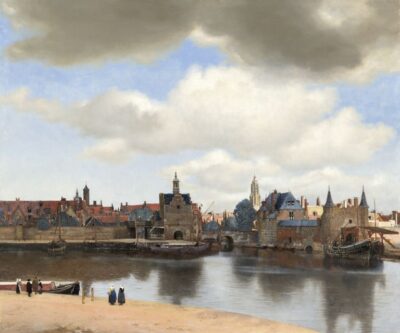 ★ 4.7The Hague: Mauritshuis Entrance TicketFrom $252,706 reviews
 ★ 4.6Amsterdam: Fabrique des Lumières Dutch Masters TicketFrom $212,373 reviews
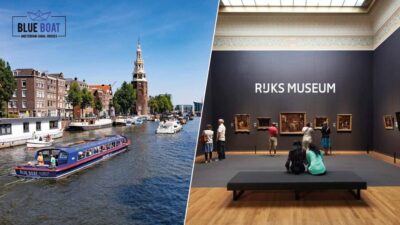 ★ 4.5Amsterdam: City Canal Cruise and RijksmuseumFrom $452,129 reviews
 ★ 4.5Rijksmuseum Amsterdam Small-Group Tour with Private UpgradeFrom $901,547 reviews
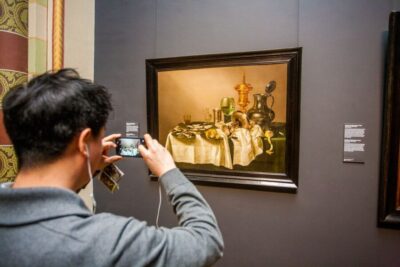 ★ 4.3Amsterdam: Rijksmuseum Entry Ticket and Canal Cruise ComboFrom $451,276 reviews
 ★ 4.7Amsterdam: Rijksmuseum Guided Tour and TicketFrom $78649 reviews
Browse the lists this tour appears in