
REVIEW · AMSTERDAM
Amsterdam Countryside and Villages Bike Tour
Cycling out of Amsterdam is a real reset. This half-day ride takes you from the oldest streets to northern waterways, with Dutch culture layered into every turn, not just sightseeing. I love the small-group vibe and the way the guide makes history feel practical, plus the ferry and polder scenery break up the ride in fun ways. One thing to plan around is the weather, this tour needs good conditions, and it can still feel breezy even when you are dressed right.
The value is strong for the time you get, you are on bikes for about 3.5 hours and then you are done for the day. The route also covers a lot of ground without the stress of buses and long transfers, so you actually see more than just a quick loop. If you have moderate fitness, you will be fine, but if you dislike pedaling for extended stretches, consider using an easier setup if offered.
In This Review
- Key points before you book
- Why the Amsterdam Countryside Route Feels Faster Than It Is
- Price and Logistics: What $54.01 Buys You
- Your Route From Nieuwezijds Kolk to Durgerdam, Stop by Stop
- Start at Nieuwezijds Kolk 29, the city’s oldest layer
- Central Station, neo-Gothic flair from P.J.H. Cuypers
- The Buiksoterweg ferry across the IJ
- Noord-Hollandskanaal road stretch
- Krijtmolen d’Admiraal, grab the classic windmill photo
- Buikslotermeerdijk and the idea of reclaimed land
- Waterland, villages and cows with a water-management focus
- Ransdorp, the Rembrandt-painted church tower and a real break
- Durgerdam, fisher village views along the dike
- How the Guide Turns Stops Into Dutch Understanding
- Morning Timing, Weather Reality, and Fitness Basics
- Lunch Break: The Best Moment to Reset Your Energy
- Small-Group Size, Personalized Feel, and Why It Matters
- Who Should Book This Ride, and Who Might Skip It
- Quick Decision Guide
- FAQ
- How long is the Amsterdam Countryside and Villages Bike Tour?
- What time does the tour start?
- Where do I meet, and where does the tour end?
- Is the tour offered in English?
- What is the group size for this tour?
- Is the bicycle included in the price?
- Is lunch included?
- Are the stops admission tickets free?
- What weather and fitness level are needed?
- Can children join the ride?
Key points before you book
- Small group max 13 means more attention and fewer people to dodge at turns.
- IJ ferry crossing to Amsterdam North adds variety you do not get on typical city bike loops.
- Windmill photo stop at Krijtmolen d’Admiraal gives you that classic Dutch moment with minimal effort.
- Water management theme ties the villages and waterways together into a story, not random scenery.
- Ransdorp break for lunch is long enough to actually eat, then you bike off again.
- Guides named William, Willem, and David show up in feedback, with a style described as upbeat and encouraging.
This is cycling country. More Amsterdam rides
- Amsterdam: Guided Bike Tour City Centre in EN/DE/FR/ES★ 4.7 · 4,187 reviews
- Countryside Bike Tour from Amsterdam: Cheese, Clogs & a Windmill★ 5.0 · 1,485 reviews
- Amsterdam: Hidden Gems & Highlights Guided Bike Tour★ 4.8 · 1,404 reviews
- Amsterdam: Off the Beaten Path Bike Tour in French★ 4.9 · 1,193 reviews
Why the Amsterdam Countryside Route Feels Faster Than It Is
This tour is built around the best trick Amsterdam travelers often miss: bikes let you move at human speed, not tourist speed. In about 3 hours 30 minutes, you get a mix of iconic city stops and real rural-feeling pockets to the north.
What makes it work is pacing. You are not sprinting between places, and there are short photo and orientation stops so you get bearings fast. Then the route shifts from dense streets to water and villages, which makes the change feel dramatic.
The morning schedule matters too. Starting at 10:00 am means you can come back after the ride and still have daylight for museums, canals, or just wandering. That flexibility is a big deal if you are trying to fit a lot into a short Amsterdam trip.
Price and Logistics: What $54.01 Buys You
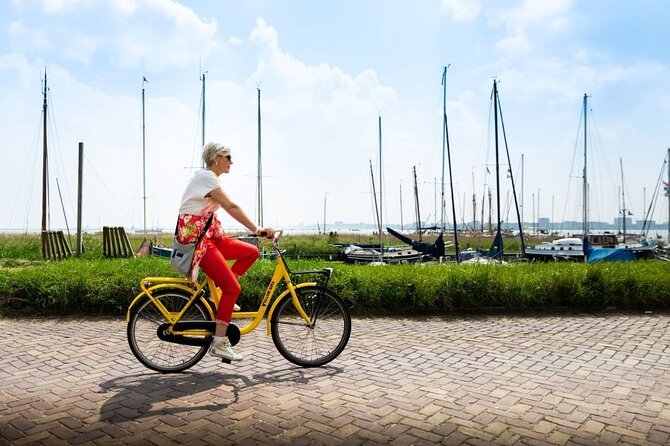
At about $54.01 per person, the math works out when you factor in three things: the time, the guided routing, and the included bike. You are also paying for an itinerary that is not just city-center repeats.
You get bicycle use, plus the tour is described as having a mobile ticket. Several stops are listed as free admission, including the start area and major orientation points, so you are not constantly paying extra at each stop.
The best value is how much variety you get without extra bookings. You bike past Central Station’s grand architecture, cross the IJ by ferry with your bike, then move into the Waterland area where you learn why the Dutch shape land and water. That is a lot of different “Amsterdam” in one morning.
Your Route From Nieuwezijds Kolk to Durgerdam, Stop by Stop
Below is the ride in the order you will experience it, plus what to watch for at each stop and what might be slightly annoying.
Start at Nieuwezijds Kolk 29, the city’s oldest layer
You meet at Nieuwezijds Kolk 29, in an area described as the oldest part of Amsterdam. The payoff here is simple: it puts you in the right mindset early, before you spend time on major landmarks.
This first stop is about 15 minutes, so you are not just dropped off and rushed. Still, it is one of the quickest segments, so arrive on time, and do not plan any lingering breakfast after you gather.

Central Station, neo-Gothic flair from P.J.H. Cuypers
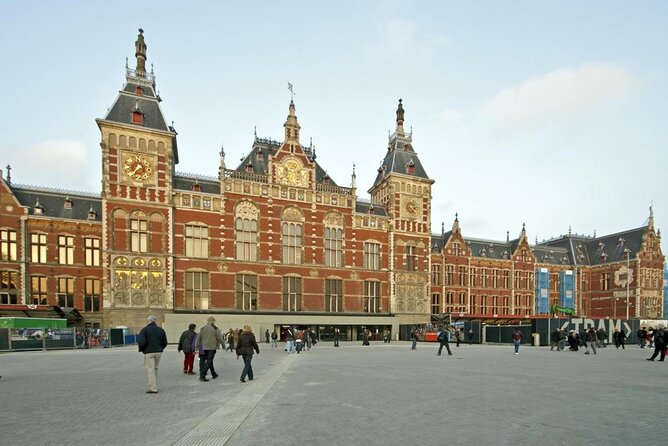
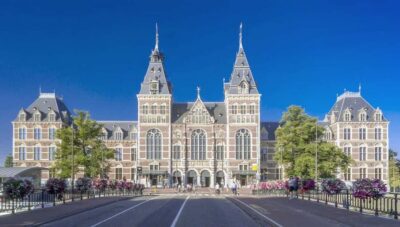
From there you head to Centraal Station for about 10 minutes. It is built from 1881 to 1889 by architect P.J.H. Cuypers, and the building is known for a neo-Gothic-Renaissance look with decorative sculptures.
Even if architecture is not your main interest, this stop helps you understand why Amsterdam’s big institutions look the way they do. It also breaks up the ride before you head north.
The Buiksoterweg ferry across the IJ
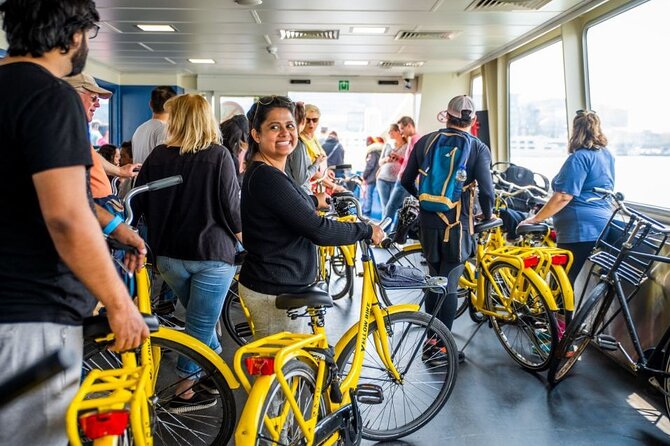
Next is Buiksoterweg, where you cross the IJ river by ferry for about 10 minutes. This is one of the most practical joys of the tour, because it changes your perspective while keeping the workload reasonable.
It is also a morale boost. You go from urban streets to water views quickly, and your brain gets a break from the pedal rhythm. On windy days, this is where good outerwear pays off.
Noord-Hollandskanaal road stretch
You will ride along the Noord-Hollandskanaal road. This part is less “stop and stare,” more “ride and notice” as you transition toward the countryside feel.
If you are looking for a lot of photo time here, you might feel slightly impatient. But the purpose is pacing and positioning, setting you up for the windmill and polder area next.
Krijtmolen d’Admiraal, grab the classic windmill photo
You get about 15 minutes at Krijtmolen d’Admiraal. This is the historic typical Dutch windmill stop, and it is timed for a photo and a quick look, not a long museum-style visit.
The drawback is that this is mostly a viewpoint moment. If you want a deep windmill experience with lots of indoor time, you will probably want a different kind of stop elsewhere in your trip. For this tour, it is the right fit: short, iconic, and satisfying.
Buikslotermeerdijk and the idea of reclaimed land
Another 10 minutes brings you to Buikslotermeerdijk, described as reclaimed marshland, part of a polder. The key concept is that many lakes in the Waterland area were pumped dry, and that reclaimed land is called a polder.
This is where the “countryside” part turns educational in a useful way. Instead of treating cows and villages as scenery, you understand them as the result of centuries of water planning. If you remember one theme from the whole tour, make it this.
Waterland, villages and cows with a water-management focus
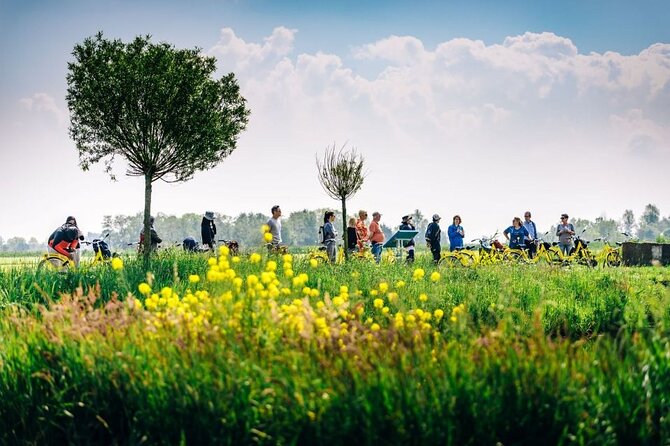
Waterland is the next big escape from the city bustle, about 15 minutes. You will see the village setting, including cows, and learn how Dutch water management has shaped life for centuries.
Even if you already know the basics about dikes and canals, I like that this is framed as a continuing system, not just a historical trivia lesson. You start to read the region differently, like why certain roads and waterways exist where they do.
Ransdorp, the Rembrandt-painted church tower and a real break
Ransdorp is a highlight stop with about 45 minutes total, including a break. The village is described as old, with a special church tower painted by Rembrandt.
This stop is also the one where you likely want to slow down. You have time to walk around the old village and then take a pause at a lunch café. The tour suggests around 30 to 40 minutes for food, so plan to actually eat, not just grab a quick snack.
One note: a church tower and monumental church context is great for photos, but if you are traveling with kids who get restless, having the break built in is a real advantage.
Durgerdam, fisher village views along the dike
Finally you reach Durgerdam, about 15 minutes. It is described as an old fisher’s village, and the ride includes biking along the waterside over the dike, with views that feel open and fresh.
This is your last stretch before returning to the meeting point. If you are tired, this segment is still a good payoff because it feels like reward riding, the views do some of the work for you.
How the Guide Turns Stops Into Dutch Understanding
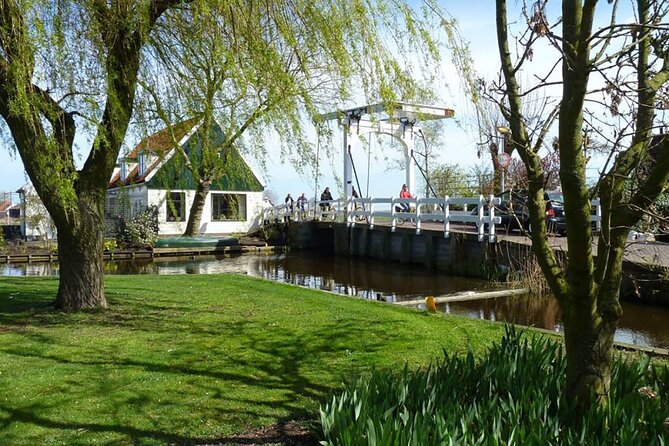
The strongest praise in the feedback centers on the guide quality, and it shows. People consistently highlight guides like William, Willem, and David for making the ride informative without turning it into a lecture.
What that looks like in practice is simple: you learn about Dutch culture and history in the same places you are already looking at. Central Station’s style makes more sense when you know the intent behind the design. Waterland makes more sense when you understand polder life and the logic of water control.
This matters because Amsterdam can feel like three separate worlds at once: the grand city, the canal grid, and then the rural edges. A good guide stitches them together so you do not leave with random facts, you leave with a structure.
Morning Timing, Weather Reality, and Fitness Basics
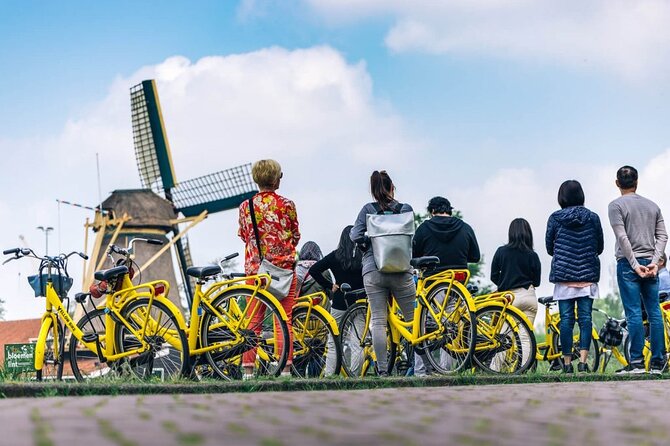
This tour is scheduled to start at 10:00 am, and it is designed for moderate physical fitness. That is enough to keep things moving, but not enough to make it an extreme workout.
Real talk on weather: the tour requires good weather. One rider described a blustery day with rain at times and still enjoyed it, which tells me the key is preparedness. Wear a rain layer, not just a flimsy poncho, and expect wind near water.
Bike effort is manageable for most people, but the route covers enough distance that your legs will notice. If you are bringing kids, feedback mentioned a 7-year-old riding on a back seat worked well, while a 10-year-old found it difficult on their own. If you have younger kids, think hard about how you plan to handle longer pedal time.
If you prefer a smoother ride, you will likely appreciate the short stops and the ferry segment, because both reduce constant pedaling. Even the windmill moment is timed to keep energy levels reasonable.
Lunch Break: The Best Moment to Reset Your Energy
The tour includes a stop at a characteristic lunch café for about 30 to 40 minutes, where you can order something to eat. Lunch is not included, so treat it as your chance to fuel up without worrying about rushing.
I like this setup because it keeps the tour flexible. You can choose something quick or more substantial, depending on your appetite. It also means you are not stuck with one set menu, which can be helpful if you have dietary preferences.
If rain shows up, this café stop is also the practical shelter break. You will be thankful for it, especially on longer travel days.
Small-Group Size, Personalized Feel, and Why It Matters
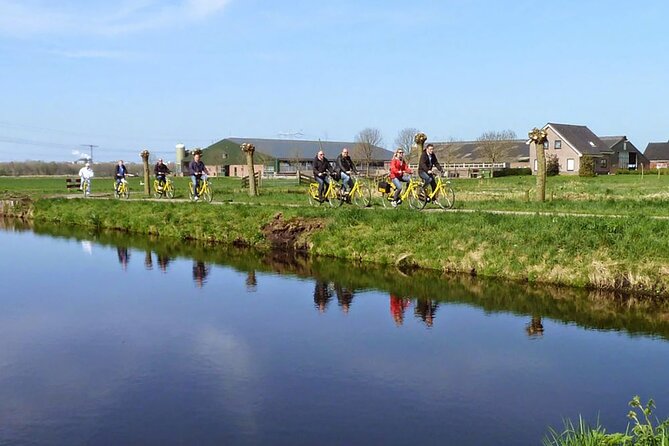
With a maximum of 13 travelers, this does not feel like a mass tour. You are close enough to the guide to ask quick questions, and far enough apart that you are not constantly squeezing through crowds.
This size also matters for bike comfort. Amsterdam bike lanes can be a dance, and smaller groups make it easier to keep a steady flow without bunching up too tightly. You still get the fun of being in a group, you just avoid the chaos.
If you dislike big tours where everyone follows the same photo schedule, this format should feel more relaxed.
Who Should Book This Ride, and Who Might Skip It
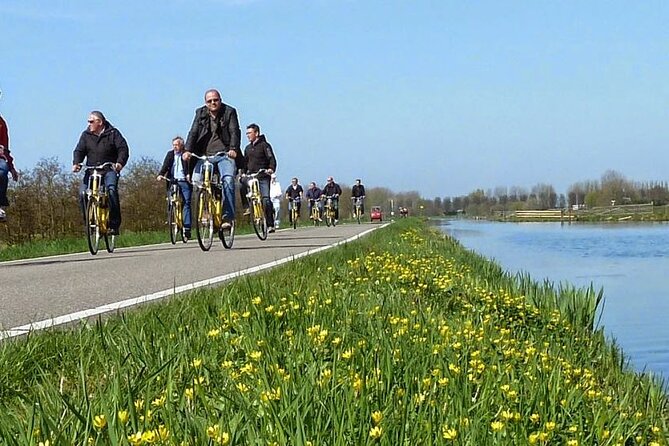
You should book if you want a half-day plan that gives you both Amsterdam icons and real countryside atmosphere. It is especially good if you like learning while moving, because the route is built around Dutch themes like polder land and water management.
It also fits well if you are trying to cover more than one side of Amsterdam in the same morning. Starting from the oldest city area, then reaching Central Station, then moving to villages and dike views is a smart arc.
You might consider skipping if you hate being on a bike for a few hours, even at a moderate pace. Also, if weather swings are common for your travel dates and you do not want to dress for wind and rain, this tour can feel like a hassle rather than a treat.
For families, it can work with the right setup, especially if younger kids are comfortable on a back seat. If you expect everyone to ride independently for the full stretch, read the fitness requirements carefully.
Quick Decision Guide
Book this tour if you want a guided bike ride that mixes architecture, ferry crossing, and village life, without eating up your whole day. It is good value for what you get, and it is timed to leave you free afterward.
Skip it if you only want city-center highlights and you are not interested in polder and water-history context. For a couch-and-canal-only Amsterdam day, there are easier options.
If you are on the fence, aim for this one. The combination of ferry + windmill + Waterland villages makes the morning feel different from the usual “Amsterdam loop.”
FAQ
How long is the Amsterdam Countryside and Villages Bike Tour?
The tour lasts about 3 hours 30 minutes.
What time does the tour start?
The start time is 10:00 am.
Where do I meet, and where does the tour end?
You meet at Nieuwezijds Kolk 29, 1012 PV Amsterdam. The activity ends back at the meeting point.
Is the tour offered in English?
Yes, it is offered in English.
What is the group size for this tour?
The maximum group size is 13 travelers.
Is the bicycle included in the price?
Yes, the tour includes use of a bicycle.
Is lunch included?
Lunch is not included. There is a stop at a lunch café for about 30 to 40 minutes where you can order something to eat.
Are the stops admission tickets free?
Several stops on the route are noted as free, including the start point area and major stops listed in the itinerary.
What weather and fitness level are needed?
The tour requires good weather and is designed for travelers with a moderate physical fitness level.
Can children join the ride?
The tour information calls for moderate physical fitness, and feedback includes examples of a 7-year-old riding on a back seat and a 10-year-old finding it difficult on her own. Plan accordingly for your child’s comfort with the ride.
This Is Cycling Country
Everything Else From Our Amsterdam Notebook



Also Reviewed Around Amsterdam



Fresh off the review pile in Amsterdam
- Full-Day Trip From Amsterdam to Keukenhof, Zaanse Schans + Cruise
★ 5.0 · 3 reviews - Boutique Dutch Food & History Tour with up to 8 guests only
★ 5.0 · 3 reviews - Private Tour to Windmills Zaanse Schans +Keukenhof – 7 Hours
★ 5.0 · 3 reviews - Full-Day Private Guided Countryside Tour from Amsterdam by Bike
★ 5.0 · 3 reviews - Amsterdam Red Light District and Old Town Walking Tour
★ 5.0 · 3 reviews
Cycling Tours, compared.
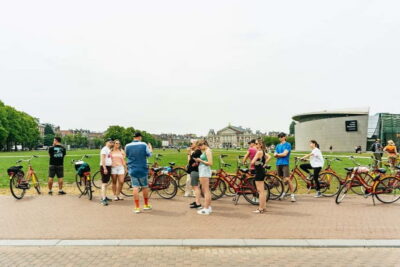 ★ 4.7Amsterdam: Guided Bike Tour City Centre in EN/DE/FR/ESFrom $414,187 reviews
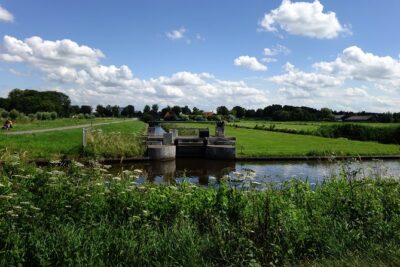 ★ 5.0Countryside Bike Tour from Amsterdam: Cheese, Clogs & a WindmillFrom $591,485 reviews
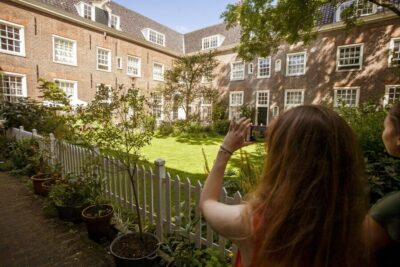 ★ 4.8Amsterdam: Hidden Gems & Highlights Guided Bike TourFrom $441,404 reviews
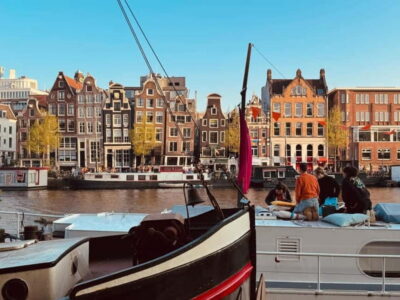 ★ 4.9Amsterdam: Off the Beaten Path Bike Tour in FrenchFrom $411,193 reviews
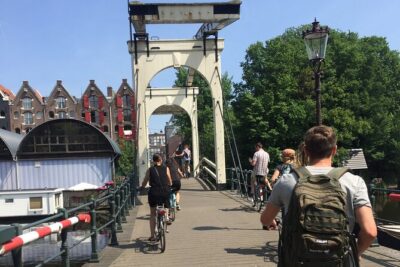 ★ 5.0Amsterdam Highlights Bike or E-Bike TourFrom $451,171 reviews
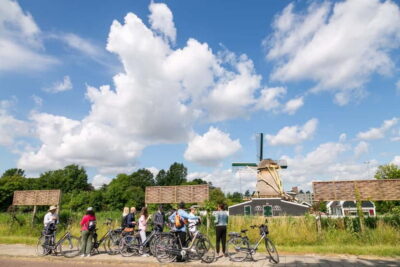 ★ 4.5Amsterdam: Windmill, Cheese, and Countryside E-Bike TourFrom $431,166 reviews
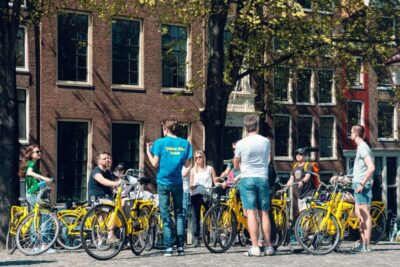 ★ 4.7Amsterdam: Relaxed City Highlights Guided Bike TourFrom $341,069 reviews
 ★ 4.5Amsterdam: Guided City Bike Tour in FrenchFrom $41806 reviews
Browse the lists this tour appears in