
REVIEW · AMSTERDAM
Amsterdam: Food and Culture Walking Tour with Tastings
Amsterdam tastes better on foot. This food and culture walk is built for people who want flavor first, then context, with a local guide shaping the route mile by mile. In the most common version of the experience, the guide named Roman keeps things funny, personal, and fast-moving without feeling rushed.
I also love the practical payoff: you get to try eight classic Dutch dishes and then match the flavors to real places you’re walking through. You start at the Flower Market area, then head toward landmarks like Begijnhof and the Royal Palace, with the Jordaan neighborhood in the mix.
One thing to think about, if you’re coming from afar: this is a walking tour, and it is not suitable for people with mobility impairments. Plus, there’s no allowance for luggage or large bags, so pack light and wear truly comfortable shoes.
In This Review
- Key highlights that make this tour a smart buy
- Walking out of the gate: meeting at Asian Kitchen and starting with a plan
- The Flower Market start: where Amsterdam smells like flowers and fries
- Begijnhof: a quiet court where history has a shape
- Royal Palace and big-city grandeur, without losing the plot
- Anne Frank House and Westerkerk Church: seeing landmarks with context
- Jordaan neighborhood: the walk becomes more about everyday Amsterdam
- The tastings: eight Dutch staples, from savory crunch to apple tart
- How the guide shapes the whole experience: Roman’s personal touch
- What to wear, what to avoid, and how to make the walk easy
- English and French guide options, and why language matters here
- Price and value: is $93 worth your 3.5 hours in Amsterdam?
- Should you book this Amsterdam Food and Culture Walking Tour?
- FAQ
- How long is the Amsterdam Food and Culture Walking Tour with Tastings?
- Where is the meeting point?
- What does the tour cost?
- What food tastings are included?
- What is included in the price?
- What languages is the live guide available in?
- Do I need to bring anything?
- Is the tour suitable for people with mobility impairments?
Key highlights that make this tour a smart buy
- Roman’s storytelling style: the guide often remembers names and mixes history with jokes that land.
- Eight tastings, not eight lectures: classics like kibbeling, bitterballen, stroopwafels, and more.
- Begijnhof and major landmarks: you see big sights while learning why they matter in daily life.
- Flower Market energy: a colorful start that sets the tone before you eat your way through the city.
- Sweet ending: apple tart finishes the meal with a proper Dutch vibe.
Hungry after that? More eating routes in Amsterdam
- 10 Tastes of Amsterdam: Food Tour by UNESCO Canals and Jordaan★ 5.0 · 3,020 reviews
- Amsterdam Food and Cultural Tour with Tastings★ 5.0 · 2,442 reviews
- Amsterdam: Premium Henri Willig Cheese Tasting Experience★ 4.7 · 1,106 reviews
- Amsterdam: Cheese & Wine Cruise Tasting Experience★ 4.5 · 1,090 reviews
Walking out of the gate: meeting at Asian Kitchen and starting with a plan
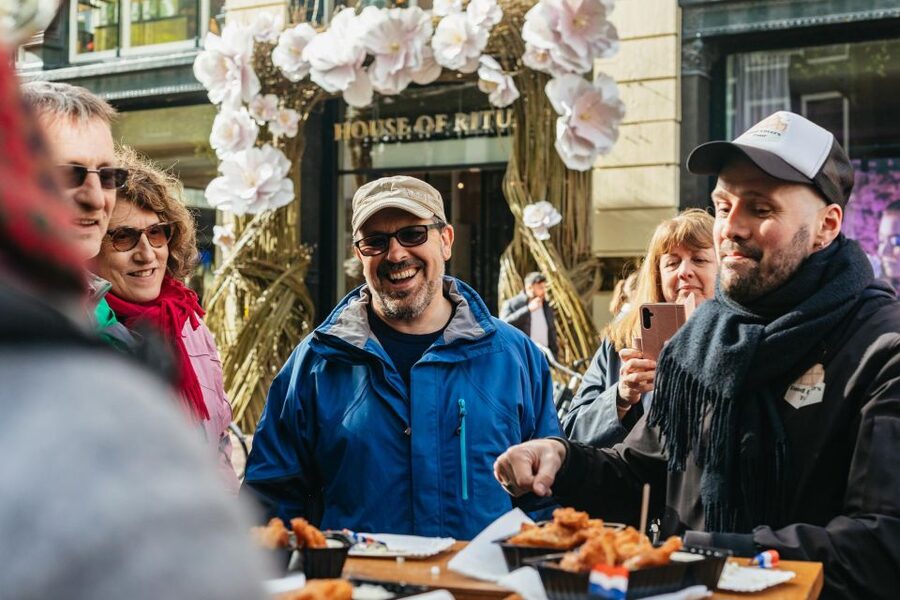
You meet at Asian Kitchen, at 5-A Vijzelstraat, right in the center of Amsterdam, in front of the Flower Market entrance. That location is handy because it puts you close to transit, and it gets you into the walking rhythm right away. You also get a bottle of water as part of the tour, which sounds small until you’re halfway through the route.
The tour runs about 3.5 hours. That matters because it’s long enough to cover real neighborhoods and multiple stops, but short enough that you won’t feel like you’ve been touring all day. I like that the pacing is built around food, so every chunk of walking has a reward attached.
The Flower Market start: where Amsterdam smells like flowers and fries
The tour begins with a stroll around the Flower Market, the kind of place that makes Amsterdam feel both tourist-friendly and local at the same time. You’ll see its bright colors early, before the day turns into “just another schedule.” It’s a smart warm-up for a food tour because your brain is already in Amsterdam mode.
After that, the tour keeps feeding you. That’s not just about taste, it’s about learning how Dutch comfort food fits into the city’s everyday culture. The guide ties the flavors to the neighborhoods you’re seeing, which makes the whole walk feel like one story instead of separate stops.
If you’re hoping for a tour that shows Amsterdam beyond the postcard angles, this start helps. It frames the trip as a walk through real public spaces, not a checklist of monuments.
Begijnhof: a quiet court where history has a shape
From the market area, you move toward Begijnhof, one of those places where Amsterdam suddenly feels more human-sized. Begijnhof stands out because it’s not just another exterior viewpoint. It’s a tucked-in setting that teaches you something about how communities lived.
This is also a key moment for the tour’s “food plus place” approach. Even if you’re mainly there for tastings, Begijnhof gives you a mental map of how Amsterdam developed its character. The guide’s job is to connect that history to why certain foods became favorites in the first place.
One practical note: Begijnhof is a good contrast stop. You’ll feel the shift from market noise into quieter architecture, then you’ll be back on the move again.
Royal Palace and big-city grandeur, without losing the plot
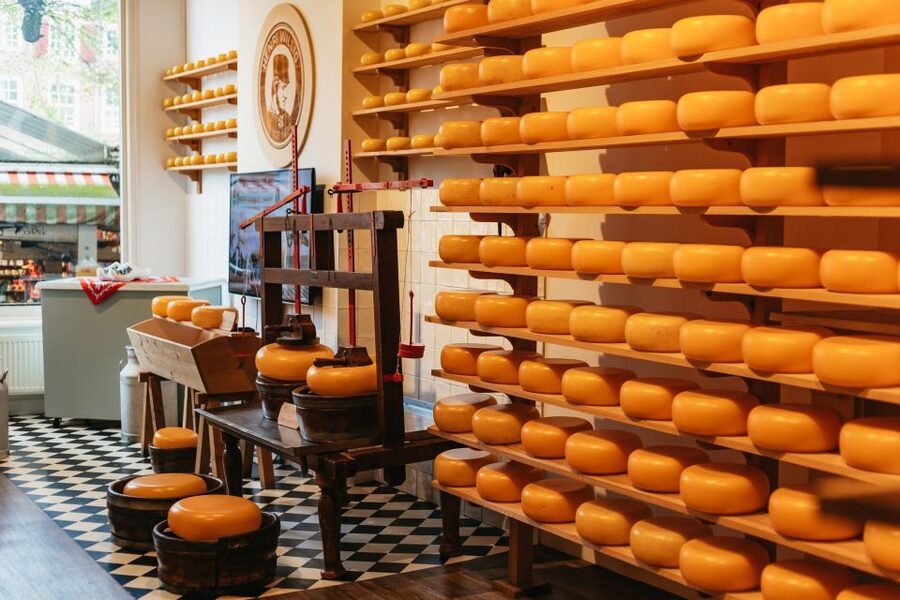
Next you’re heading toward the Royal Palace area. The point is not that you need to memorize details. It’s that you should recognize how power and culture show up in a city that also loves practical pleasures like snacks, fried food, and sweets.
The tour keeps the balance: you’re seeing big landmarks while the guide keeps the conversation anchored to food culture. That matters because Amsterdam can overwhelm you if you try to understand everything at once. Here, the guide uses food as your thread, so the sights feel connected rather than random.
If you’re traveling for the first time and want something to help you orient, this part works well. You’re getting famous landmarks, but you’re also getting interpretive context that helps you understand what you’re looking at while you walk.
Prefer to see it on foot? More Amsterdam walks


Anne Frank House and Westerkerk Church: seeing landmarks with context
The itinerary includes the Anne Frank House area and the Westerkerk Church. You do not need to treat this as a “dark history tour,” but you also shouldn’t treat it like a stop photo moment. The best way to experience these locations is to listen for what the guide says about place, time, and the way Amsterdam tells stories.
I like that this tour doesn’t pretend those landmarks are just scenic. It keeps the tone respectful while still rolling forward at a lively walking pace. That makes it easier to stay engaged for the full 3.5 hours.
And since tastings are spread through the walk, you get little resets between heavier moments. You’ll be processing what you saw, then switching back to the physical pleasure of Dutch food.
Jordaan neighborhood: the walk becomes more about everyday Amsterdam
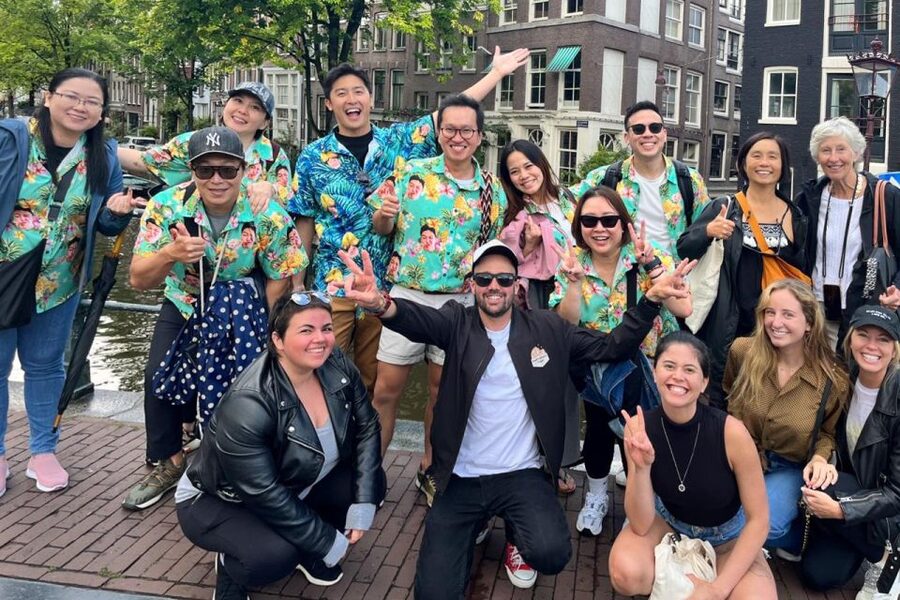
You also explore the Jordaan neighborhood. This is where the tour starts to feel less like “famous sights only” and more like “how locals move through the city.” Even if you never go inside any particular building, the streets, the crossings, and the rhythm of the area do a lot for your understanding of Amsterdam.
Jordaan is a strong match for a food tour. It’s the type of neighborhood where snack culture makes sense, where you can imagine grabbing something quick, sitting somewhere nearby, and talking to whoever’s around you. The guide’s commentary helps you see it that way.
In multiple accounts from the experience, a big theme is how Roman makes each stop feel personal and connected. That matters most in a place like Jordaan, where there’s more “city living” and less obvious landmark drama.
The tastings: eight Dutch staples, from savory crunch to apple tart
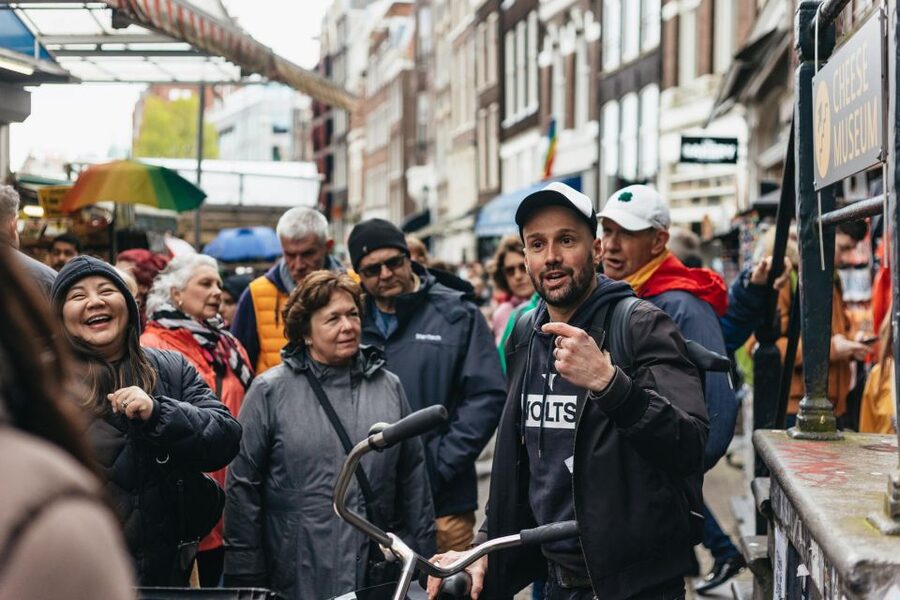
This is the heart of the tour: you’ll taste eight typical Dutch foods. The lineup includes local cheese, harring (herring), kibbeling, stroopwaffels, Dutch fries, bitterballen, a grilled cheese option, and an apple tart to end.
Here’s how I’d think about each item, and why it’s useful for your trip:
Harring (herring)
Herring is one of those foods people either love fast or need one extra second to decide. It’s a classic Dutch flavor, and trying it on a tour is the easiest way to avoid ordering the “wrong thing” at the wrong time. Let the guide explain how it fits into local food culture, then taste it without overthinking it.
Local cheese
Cheese in the Netherlands is not just a flavor, it’s part of how the country organizes comfort food. A tasting here helps you understand why cheese shows up in so many forms, and why it’s a reliable crowd-pleaser. If you like it, this is also a nudge toward buying a small selection later for a picnic or a simple dinner.
Kibbeling
Kibbeling is fried fish in bite-sized chunks, usually served hot. The reason this matters on a walking tour is that it’s easy to eat and it tastes like “Amsterdam food” in the simplest way. It also gives you a salty baseline before you move toward richer croquettes and sweet waffles.
Dutch fries
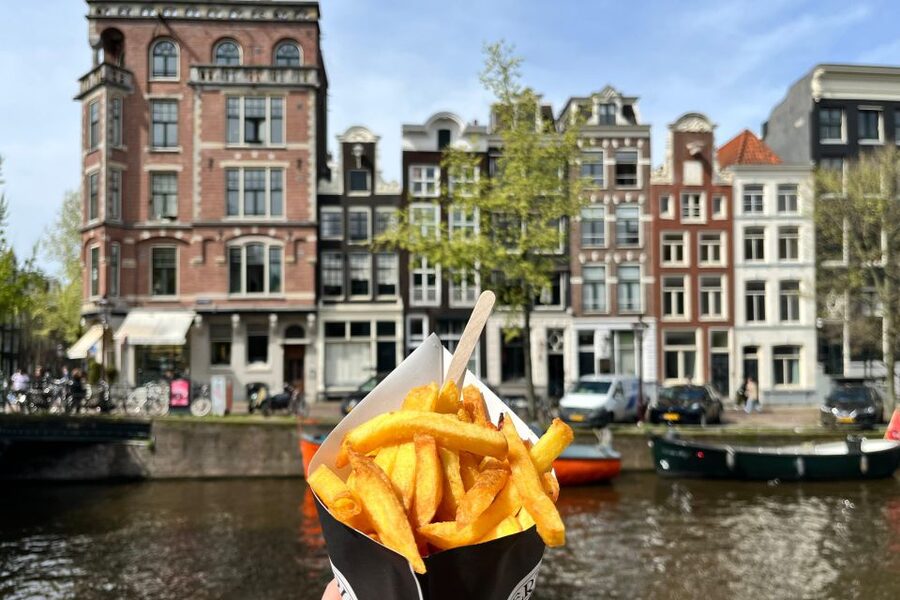
Dutch fries are another anchor snack. Even if you think you know what fries are, Amsterdam’s version has a specific street-food feel. The guide helps you place it in the culture, not just the menu.
Bitterballen
Bitterballen are often described as meat croquettes, served hot and made for dipping. This is comfort food with personality. If you only try one “Dutch pub bite,” make it bitterballen, because it’s easy to recognize once you’ve had it.
Grilled cheese toastie
This stop is a nice bridge between savory and cozy. It’s familiar enough that you can focus on what makes the Dutch version different, without tasting fatigue. I like having at least one warm, bread-based item in a food tour like this.
Stroopwaffels
Stroopwaffels are a must for a reason: they’re sticky-sweet and deeply satisfying. The tour’s timing matters here, because you’ll want the waffles when you’re ready for a dessert-like payoff before the final sweet stop. Warm stroopwaffel is the kind of treat that turns the whole walk into a true meal.
Apple tart
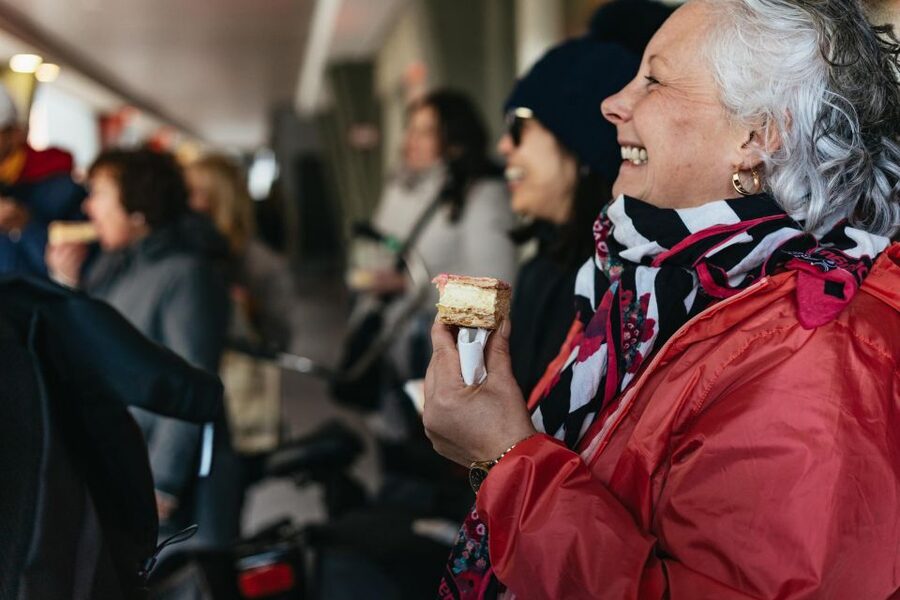
The tour ends with apple tart. That sweet finish is useful because it gives you closure, and it also helps you judge how you want your dessert moments handled later in the trip. If you loved the tart, you’ll know what style of Dutch pastry to look for next.
How the guide shapes the whole experience: Roman’s personal touch
The biggest difference between an average food tour and a great one is the guide. In the bookings shared with this experience, Roman is repeatedly praised for being friendly, funny, and genuinely into Amsterdam. That comes through in small moves, like learning names and making sure everyone can keep up.
I especially like the way this style of guiding changes how you eat. You’re not just swallowing food samples. You’re listening for why that specific dish is part of Amsterdam’s identity. When your guide connects each bite to a street, a landmark, or a local habit, you come away with a mental map you can actually use later.
It also helps that the tour includes water. Simple, practical, and underrated on a day when you’re outside for hours.
What to wear, what to avoid, and how to make the walk easy
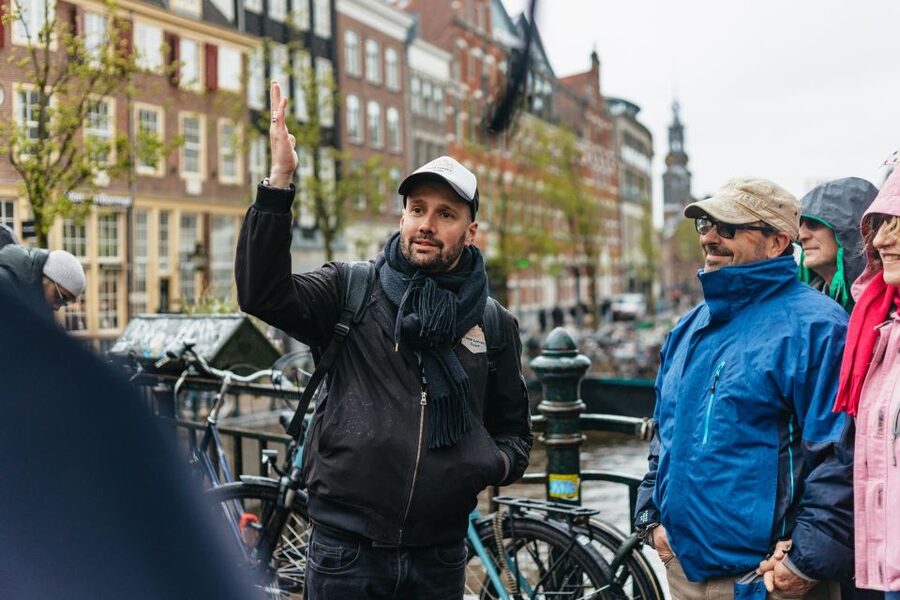
Because it’s a walking tour, your biggest “gear” is your shoes. Comfortable shoes are explicitly recommended, and I agree. Amsterdam streets can be uneven, and you do not want sore feet cutting into the joy of tastings.
You also should plan on moving light. Luggage or large bags are not allowed, so skip anything that slows you down at each stop. This tour is about staying flexible and staying in motion.
The tour is also not suitable for people with mobility impairments. If that applies to you, you’ll likely be better with a different format that reduces walking.
English and French guide options, and why language matters here
The live tour guide is available in English and French. That matters because the tastings are paired with stories, history, and practical context. You want to catch the guide’s explanations about why each food matters, not just the names of what you’re eating.
A well-timed explanation turns a bite into an insight. And with this tour, the guide’s ability to keep attention through humor and clear facts seems to be a major reason people rate it so highly.
Price and value: is $93 worth your 3.5 hours in Amsterdam?
At $93 per person for a 3.5-hour guided walking tour, the value depends on what you’d otherwise do. If you’re planning to snack your way through Amsterdam on your own, you’d still be paying for multiple items. This tour bundles eight tastings, plus a guide, plus water, into one set schedule.
You’re also getting more than food. The route includes major landmarks like Begijnhof, the Royal Palace, the Anne Frank House area, and the Westerkerk Church, plus a Jordaan neighborhood stroll. That mix is what makes the price feel reasonable, because it’s not only eating, it’s learning how the city connects food to daily life.
If you’re the type who likes a “first-day orientation,” this kind of tour can save time later. You’ll taste what you enjoy, then you’ll know what to seek out again when you’re choosing your own meals.
Should you book this Amsterdam Food and Culture Walking Tour?
Book it if you want a single, efficient activity that mixes eight Dutch tastings with recognizable landmarks and neighborhood walking. It’s a strong choice for first-time Amsterdam visitors, food lovers who want classics like kibbeling and bitterballen, and anyone who enjoys stories as much as snacks.
Skip it if you need minimal walking, because this is not designed for mobility limitations. Also consider skipping if you hate the idea of trying foods like herring and fried fish, since the menu is very much classic Dutch and not bland by default.
If you’re unsure about what to eat your first day, do this. You’ll leave with a better sense of Amsterdam’s flavors and the streets behind them, plus a few ideas for what to come back for on your own.
FAQ
How long is the Amsterdam Food and Culture Walking Tour with Tastings?
The tour lasts 3.5 hours.
Where is the meeting point?
Meet just in front of Asian Kitchen at 5-A Vijzelstraat in the center of Amsterdam, in front of the entrance of the Flower Market.
What does the tour cost?
The price is $93 per person.
What food tastings are included?
The tour includes tastings of eight typical Dutch foods, including local cheese, harring (herring), kibbeling, stroopwaffels, Dutch fries, bitterballen, a grilled cheese, and apple tart.
What is included in the price?
Included are the walking tour, the guide, food tastings, and a bottle of water.
What languages is the live guide available in?
The live tour guide is available in English and French.
Do I need to bring anything?
Wear comfortable shoes.
Is the tour suitable for people with mobility impairments?
No, it is not suitable for people with mobility impairments.
Everything Else From Our Amsterdam Notebook





Also Reviewed Around Amsterdam
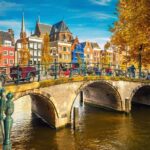




Working Through Amsterdam One Plate at a Time
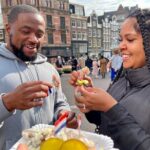



Fresh off the review pile in Amsterdam
- Full-Day Trip From Amsterdam to Keukenhof, Zaanse Schans + Cruise
★ 5.0 · 3 reviews - Boutique Dutch Food & History Tour with up to 8 guests only
★ 5.0 · 3 reviews - Private Tour to Windmills Zaanse Schans +Keukenhof – 7 Hours
★ 5.0 · 3 reviews - Full-Day Private Guided Countryside Tour from Amsterdam by Bike
★ 5.0 · 3 reviews - Amsterdam Red Light District and Old Town Walking Tour
★ 5.0 · 3 reviews
Dutch Food & Drink Tours, compared.
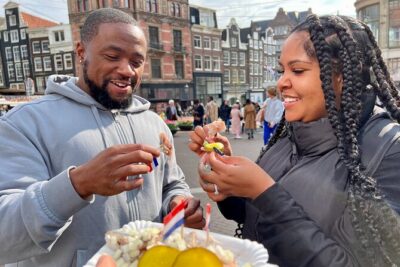 ★ 5.010 Tastes of Amsterdam: Food Tour by UNESCO Canals and JordaanFrom $1023,020 reviews
 ★ 4.7Amsterdam: Premium Henri Willig Cheese Tasting ExperienceFrom $211,106 reviews
 ★ 4.5Amsterdam: Cheese & Wine Cruise Tasting ExperienceFrom $391,090 reviews
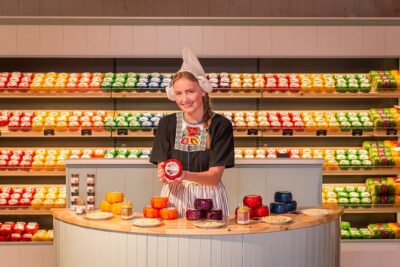 ★ 4.0Zaanse Schans and Cheese Tasting Guided Tour from AmsterdamFrom $45661 reviews
 ★ 4.7Amsterdam: Dutch Cheese Tasting Experience with WineFrom $23658 reviews
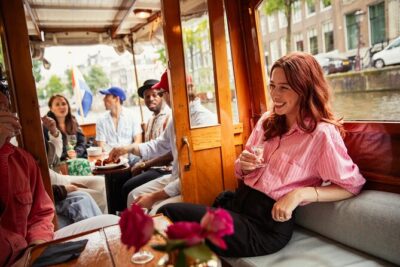 ★ 5.0Eating Amsterdam: Food Tour & Canals CruiseFrom $163496 reviews
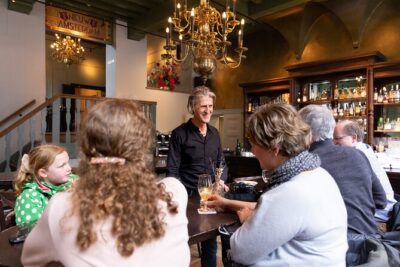 ★ 5.0Amsterdam High-End Dutch Food & History Tour – Up to 8 guestsFrom $157482 reviews
 ★ 5.0Amsterdam’s Market Street Food Tour with Streat BitesFrom $133398 reviews
Browse the lists this tour appears in