
REVIEW · AMSTERDAM
Amsterdam: Guided Cultural Walking Tour
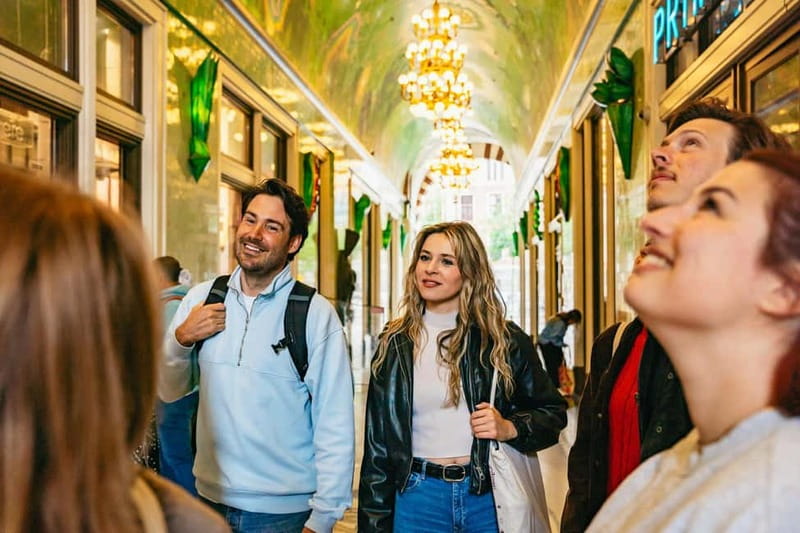
Dam Square is a perfect place to start. This 2 hour walk strings together Amsterdam’s big turning points, from medieval streets to today’s multicultural city, with stops that make the map feel real fast. You’ll cover landmark squares and canals, plus quieter courtyard streets that most people miss.
I love how the guide keeps the story human, not just postcard scenery. You’ll hear how merchants and the poor lived in the Middle Ages, why the Golden Age of art took off, how World War II reshaped daily life, and what it feels like now to live in a tolerant, multi cultural place. I also like the practical payoff, the kind of recommendations that help you decide what to do next, including where to find the foods worth your time.
One possible drawback: it’s a lot of sights in a short stretch, so if you want long, slow wandering with zero structure, you might feel slightly rushed. Bring comfy shoes, and use that umbrella you will eventually wish you had.
In This Review
- Key highlights I’d prioritize
- Dam Square and the National Monument, the start that sets the tone
- Dam Square stops, Royal Palace views, and a quick hit of city power
- Torensluis Bridge and the Amstel thread, where canal city logic clicks
- Beurs van Berlage to Magna Plaza, from trade to modern shopping culture
- Multatuli Statue and the tiny-house moment, small symbols with big meaning
- Anne Frank Monument, Westerkerk, and the city’s complicated memory
- Homomonument and De Negen Straatjes, protest and a smart break for wandering
- Spui Square to Begijnhof, the quiet pocket you’ll remember
- The Amstel River back to the National Monument, closing the loop with meaning
- Price, 2 hours of walking, and what you actually get for $29
- Who this Amsterdam cultural walk suits best
- Should you book this tour?
- FAQ
- Where is the meeting point?
- How long is the walking tour?
- What languages are offered?
- Is the tour wheelchair accessible?
- Are there admission fees for the sights?
- What should I bring?
- Is food or drinks included?
- Is there free cancellation or a pay later option?
Key highlights I’d prioritize
- Dam Square first, so the rest of the walk has context, including the city’s origin point near the National Monument
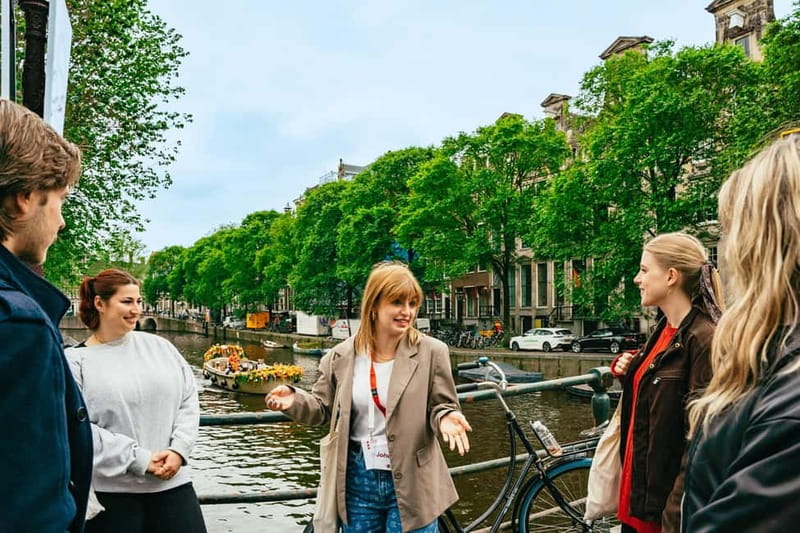
- Canal side viewpoints around Torensluis Bridge and the Amstel, where the city’s layout finally clicks
- Golden Age to WWII stories, explained in a way that connects buildings to people
- Begijnhof after Spui Square, a calm pocket that feels like you stepped behind the scenes
- A focus on free entry sights, so you avoid paying admission just to learn the city
Prefer to see it on foot? More Amsterdam walks
- Anne Frank’s Story – Guided Walking Tour through Amsterdam★ 5.0 · 11,619 reviews
- Amsterdam: Life of Anne Frank and World War II Walking Tour★ 4.8 · 10,467 reviews
- Absolutely Amsterdam – the Essential Introductory Walking Tour★ 5.0 · 3,629 reviews
- Amsterdam: Anne Frank Guided Small Group Walking Tour★ 4.8 · 2,722 reviews
Dam Square and the National Monument, the start that sets the tone
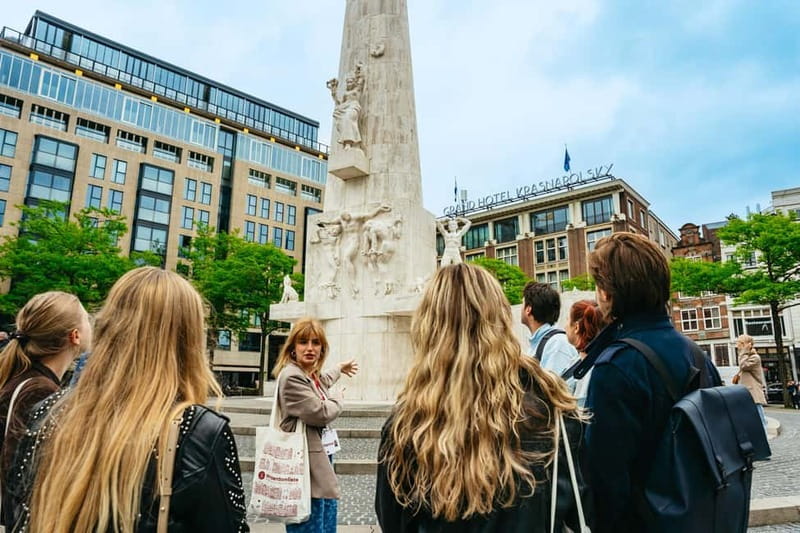
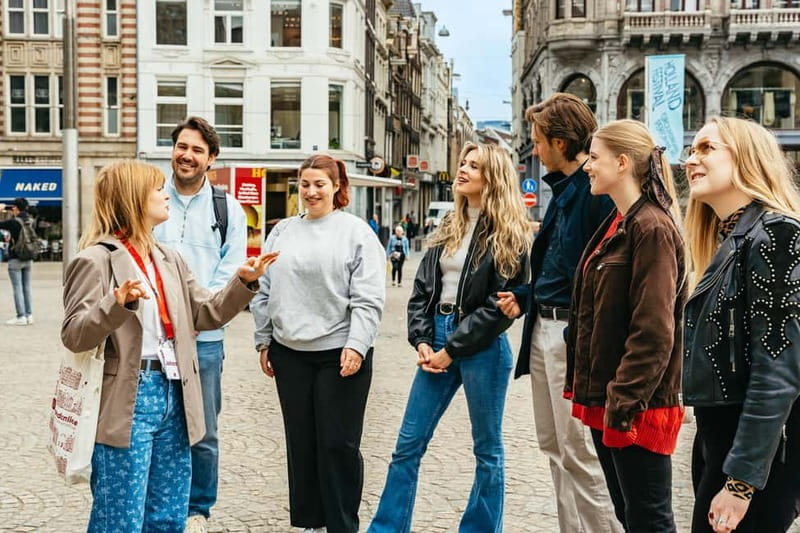
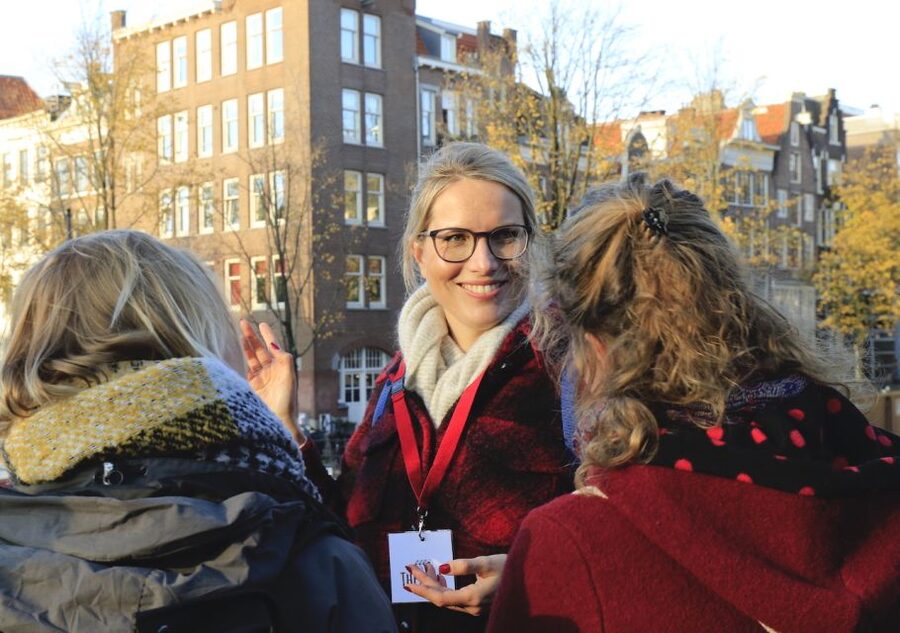
I like starting any Amsterdam day at Dam Square because it teaches you how the city thinks. On this walk, you meet at the stairs of the National Monument, the big white pillar obelisk at the square. The guide wears a red name tag, so you can spot them quickly and get moving instead of doing the classic tourist scavenger hunt.
This first stop matters because it frames the emotional layer of Amsterdam. The National Monument was originally built to remember victims of World War II, and today it serves as a memorial for people who died in any war worldwide. That shift in purpose is a clue to how Amsterdam tells its own story, it remembers, but it also looks forward.
Then you pivot into “how we got here.” Even if you have seen photos of Dam Square, walking with an actual route plan helps you understand why the city’s civic life and its canals and churches all cluster around this core. Practical tip: arrive a few minutes early. The square is easy to find, but it is also where everyone else has the same idea.
Dam Square stops, Royal Palace views, and a quick hit of city power
From the National Monument you spend time at Dam Square with a photo stop and guided context. The Royal Palace of Amsterdam is one of the first major sights you’ll frame from the square area, along with the New Church Nieuwe Kerk and a sense of what this center has been used for.
What you should take away here is not only what the buildings are, but what they signal. You get the sense of Amsterdam as a trading city that used power and public space together. The guide ties the street life to the architecture, so you are not just reading dates in a brochure. You also start hearing the kinds of questions the guide answers throughout the walk, how everyday people fit into huge historical shifts, and why certain eras left visible traces.
A small drawback to keep in mind: Dam Square is a photo-friendly zone, so expect crowds. If you’re the kind of person who hates stopping for pictures, you’ll still be fine, just remember the guide’s stops are short and meant to keep the story moving.
Torensluis Bridge and the Amstel thread, where canal city logic clicks
One reason I recommend this tour early is because it teaches you Amsterdam’s layout without making you study it. After the palace and church area, you head toward the Torensluis Bridge, and you’ll also pass the former main post office along the way.
The guide shares how merchants, salesmen, and the poor lived in the Middle Ages, and that turns the buildings into something you can picture. Instead of “old stone here,” it becomes “that street had different kinds of lives along it.” You also hear why the world of art blossomed in the Golden Era, which helps you understand why Amsterdam became a magnet for talent, money, and ideas.
Then the route swings toward the Amstel River, the waterway that gave the city its name. Seeing the river on foot, while you hear how it shaped the city, is often the moment Amsterdam stops feeling like a postcard collage. You can connect canal houses to the bigger geography, and suddenly you know where you are in your own self-made map.
If you’re prone to zigzagging on your own later, this part helps you avoid the common mistake of getting turned around right when your energy is highest.
Beurs van Berlage to Magna Plaza, from trade to modern shopping culture
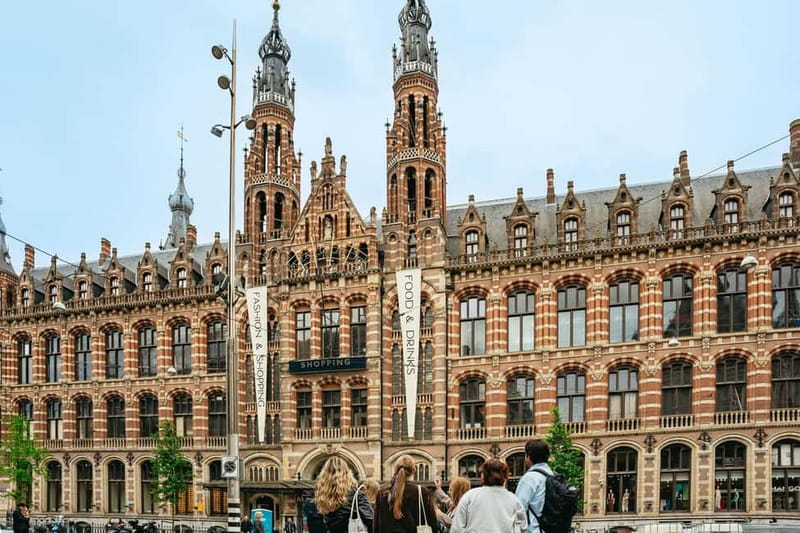
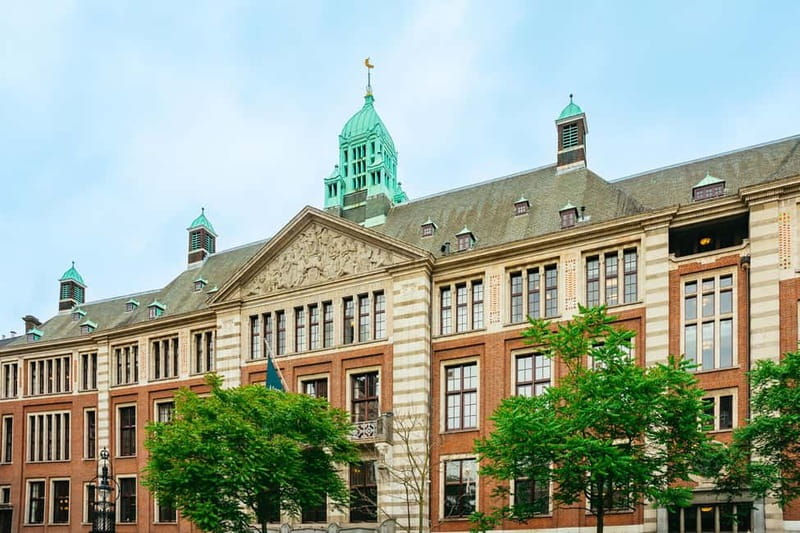
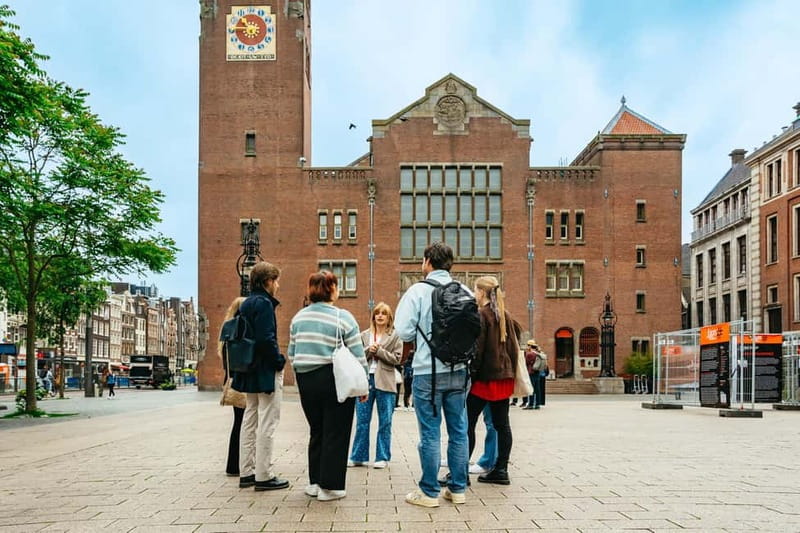
You’ll pass by Beurs van Berlage with a photo stop, a sharp architectural reminder that Amsterdam’s trading story is not just old-world charm. The guide uses stops like this to connect commerce to culture, including how the city’s wealth and networks supported art and civic life.
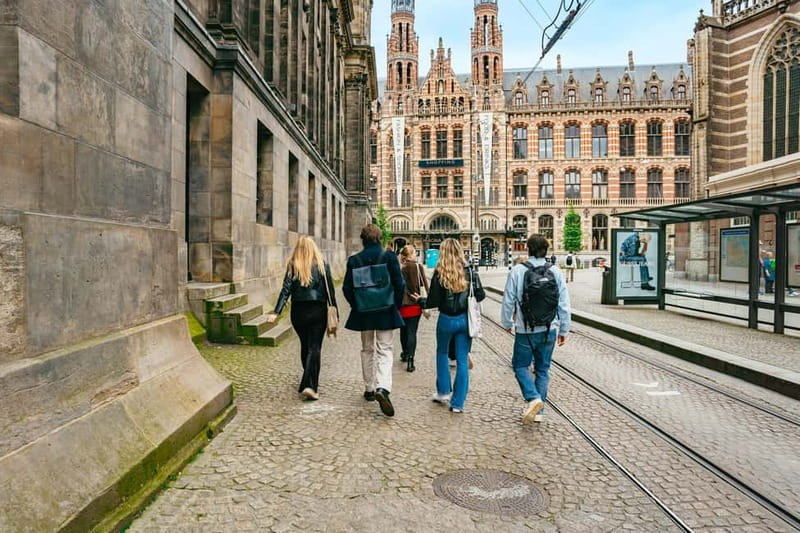
Then you’ll see Magna Plaza. Even if you don’t plan to shop, it’s a helpful contrast. You get a quick sense of how Amsterdam mixes history with present-day city living. This is where the tour feels less like a museum walk and more like an orientation tour for real life.
The practical value here: by the time you reach these modern landmarks, you already understand why the city evolved the way it did. That makes your later choices easier. You can decide whether you want more museums, more canal walks, or more neighborhoods without feeling lost.
A consideration: photo stops are short here too. If you want to linger and read details slowly, you might want to pick a second visit for the one place you care about most.
More trips where somebody else does the explaining


Multatuli Statue and the tiny-house moment, small symbols with big meaning
One of the more memorable moments on the walk is seeing one of the tiny houses in the city. It sounds like a gimmick until you pair it with the guide’s explanation of earlier eras and how space worked for people. You start to notice how Amsterdam’s density and canal-side housing created practical solutions that look charming now, but were born from real constraints then.
You’ll also stop at the Multatuli statue on Torensluis Bridge. The guide ties this to the colonial era, which adds a necessary edge to the cheerful canal-house vibe. Amsterdam’s story includes discomfort, and it’s better to hear it in context while you’re still close to the geography that shaped it.
This section is also a good reminder that history in Amsterdam is not one uniform tone. It shifts from art and prosperity to social inequality and colonial legacies, and the tour helps you hold both ideas in your head without turning it into a lecture.
Drawback check: if you are not interested in social and colonial context, you may want to mentally slow down and ask yourself what you need from the tour. For most people, this is exactly why a guided walk beats a self-guided wander.
Anne Frank Monument, Westerkerk, and the city’s complicated memory
Next up you’ll encounter the Anne Frank Monument with a photo stop and guided tour time. Then you’ll pass Westerkerk with another short stop. This part of the route is where the tour shifts from “how Amsterdam grew” to “what it endured,” and it does it without turning the day heavy in a way that feels stuck.
The guide talks about how World War II changed the people of the city. Pair that with the presence of the Anne Frank Monument, and you get a clearer sense of how Amsterdam remembers. It’s not only about buildings. It’s about what stories the city chooses to keep in public view.
Westerkerk adds another layer, faith and architecture in a city that has always mixed cultures. When you walk by these kinds of landmarks with a guide who connects them to living patterns, you understand more than you would from quick photos alone.
If you prefer to keep your sightseeing light and funny, this section can feel more serious than earlier stops. It’s still respectful and paced, but it’s not just fun pictures.
Homomonument and De Negen Straatjes, protest and a smart break for wandering
You’ll stop at the Homomonument with a guided explanation and then cross into the area of De Negen Straatjes, the Nine Streets. The Homomonument stop is about the city’s LGBTQ history and remembrance. That matters because it broadens what “tolerant” means in real life, and you can see how public space can protect identities.
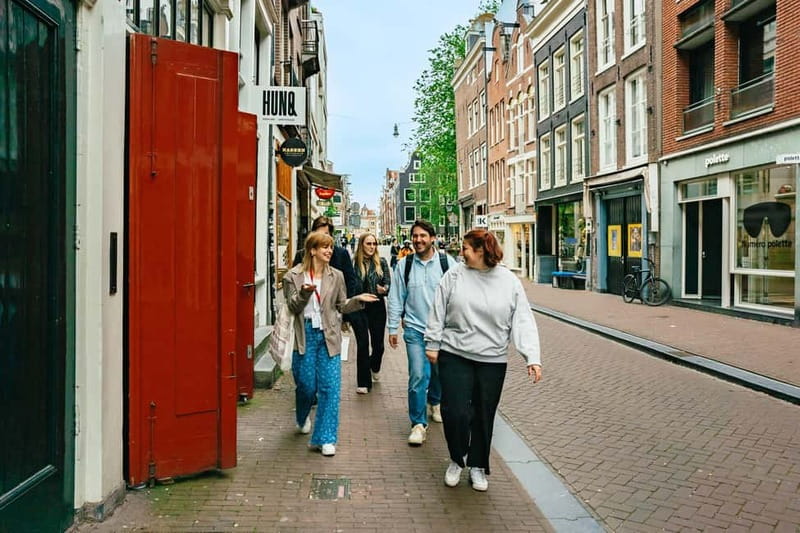
Then De Negen Straatjes is your reset button. It’s made for browsing, not for speed. Even with a short guided stop, you’ll get the lay of the land. This is where you can go off script for a bit and treat the streets like a choose-your-own-adventure neighborhood.
Practical tip: if you want a longer wandering break, this is a good place to pause your group energy. Grab a drink, look for small shops, and then circle back with a clearer sense of what street you want to explore next.
Small caution: because this is a shopping and browsing area, it can get crowded. You may have a harder time photographing without people in the frame, but that’s also part of the lived-in Amsterdam feel.
Spui Square to Begijnhof, the quiet pocket you’ll remember
Crossing Spui Square gets you ready for one of the most distinctive stops: Begijnhof. The guide frames Begijnhof as a pearl of Amsterdam, and it really is the kind of place where silence feels earned.
Begijnhof is a courtyard space, and the experience here is about contrasts. The city’s center can feel loud and fast, then you arrive at a calmer interior world. The tour includes a photo stop and guided context, plus a look at architectural design choices that were popular in earlier times.
The guide also points you toward local way-of-life details and tells you which foods to try. One reason I value tours like this is that you get practical curiosity prompts. You’re not just seeing sights, you’re learning how to think like a local when it comes to daily habits and choices.
This stop also gives you something you can use after the tour. When you later walk around on your own, you’ll start recognizing the architectural cues and the hidden-pocket feeling, like you’re noticing Amsterdam’s secret layers.
Potential drawback: Begijnhof is popular. If it’s crowded when you arrive, keep your expectations flexible and focus on the feel and layout rather than trying to get the perfect empty courtyard photo.
The Amstel River back to the National Monument, closing the loop with meaning
As you make your way back, you’ll pass by the Amstel again, the river that shaped the city’s name and daily life. This is a nice choice for tour design because it closes the loop. Early on you learned the city’s foundations around Dam Square. Later you connect the story to water, movement, and the canal logic that defines Amsterdam’s look.
The final stop brings you back to the National Monument, the same big white obelisk at the square. Ending where you started has an underrated benefit: you can immediately re-plan the rest of your day without needing to figure out a new transit puzzle.
At the close, you’ll also be in the best position to act on the guide’s recommendations, like which nearby districts can be explored independently by bike. That’s especially handy in Amsterdam, where biking is not just transport, it’s a way to see the city that fits how it’s built.
And if you’re the type who likes a plan, this route gives you a sense of direction so your next steps feel confident, not random.
Price, 2 hours of walking, and what you actually get for $29
Let’s talk value. This tour costs $29 per person and lasts about 2 hours, with city tax included. For Amsterdam, that price is reasonable when you compare it to what you spend on museum tickets or casual wandering without direction.
Here’s what you get that justifies the spend. First, you get a connected narrative of major themes: medieval life, the Golden Age of art, World War II, and modern multicultural Amsterdam. Second, you get targeted orientation around key sites in the center, so your remaining days are easier. Third, you get recommendations for food to try and areas you can explore on your own, including by bike.
Also, you do not pay admission fees during the tour. That matters. You can keep your budget tighter because the tour is built around free-to-enter sights, so the cost is mostly time and guidance.
Who will feel the most value from this? People who want to understand Amsterdam fast, without feeling like they missed the “serious parts.” It’s also a good choice if it’s your first visit and you want a foundation you can build on later with museums or neighborhood walks.
Who this Amsterdam cultural walk suits best
This is a strong pick if you want:
- A guided route through the city center that helps you understand what you’re looking at
- Culture and history woven into real streets, squares, canals, and courtyards
- A practical orientation that makes your next choices easier
- A tour that’s also suitable for kids
It may be less ideal if you want a very flexible, no-schedule walk where you can linger 20 minutes at every photo spot. This tour is structured, and the stops are designed to keep the story moving.
If you like asking questions, I’d expect you’ll get good answers. Multiple guides are described as funny and warm, and guides like Alex, Justin, Josh, Deborah, Stefanie, Charlotte, and Antonia are specifically praised for mixing facts with an engaging style. You should feel free to ask how things fit together. The route is built for those connections.
Should you book this tour?
Yes, I think you should book this if you want a smart first pass through Amsterdam’s center and you care about understanding why the city looks the way it does. For $29 and two hours, it gives you more than a set of photos. It gives you context, a route you can follow later, and pointers for what to eat and where to roam next.
I’d skip it only if your top priority is slow personal exploration with no structure. Otherwise, get your shoes ready, bring an umbrella, and start at Dam Square. You’ll finish with a map in your head instead of just a camera roll.
FAQ
Where is the meeting point?
You meet on the stairs of the National Monument at Dam Square. The monument is a big white pillar or obelisk, and the guide will be wearing a red name tag.
How long is the walking tour?
The tour lasts about 2 hours, with starting times that depend on availability.
What languages are offered?
The live tour guide speaks English and German.
Is the tour wheelchair accessible?
Yes, the tour is wheelchair accessible.
Are there admission fees for the sights?
No admission fees are required during the tour, since all sights can be visited for free.
What should I bring?
Bring comfortable shoes, an umbrella, and water.
Is food or drinks included?
No. Food and drinks are not included in the tour price.
Is there free cancellation or a pay later option?
You can cancel up to 24 hours in advance for a full refund, and you can reserve now and pay later.
Amsterdam at Walking Speed




Everything Else From Our Amsterdam Notebook


Also Reviewed Around Amsterdam




Fresh off the review pile in Amsterdam
- Full-Day Trip From Amsterdam to Keukenhof, Zaanse Schans + Cruise
★ 5.0 · 3 reviews - Boutique Dutch Food & History Tour with up to 8 guests only
★ 5.0 · 3 reviews - Private Tour to Windmills Zaanse Schans +Keukenhof – 7 Hours
★ 5.0 · 3 reviews - Full-Day Private Guided Countryside Tour from Amsterdam by Bike
★ 5.0 · 3 reviews - Amsterdam Red Light District and Old Town Walking Tour
★ 5.0 · 3 reviews
Walking Tours, compared.
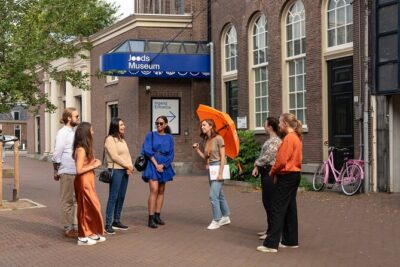 ★ 5.0Anne Frank’s Story – Guided Walking Tour through AmsterdamFrom $3911,619 reviews
 ★ 4.8Amsterdam: Life of Anne Frank and World War II Walking TourFrom $3710,467 reviews
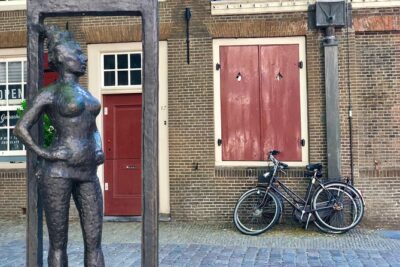 ★ 5.0Absolutely Amsterdam – the Essential Introductory Walking TourFrom $53,629 reviews
 ★ 4.8Amsterdam: Anne Frank Guided Small Group Walking TourFrom $282,722 reviews
 ★ 4.9Amsterdam: Anne Frank Walking Tour – Guided in EN/DE/IT/ESFrom $282,676 reviews
 ★ 4.2Amsterdam: Guided Ganja Walking Tour of Coffee ShopsFrom $272,092 reviews
 ★ 5.0Anne Frank Walking Tour Amsterdam Including Jewish Cultural QuarterFrom $751,879 reviews
 ★ 5.0Amsterdam Highlights Walking Tour: Small Group ExperienceFrom $361,132 reviews
Browse the lists this tour appears in