
REVIEW · AMSTERDAM
Amsterdam: Guided Rijksmuseum Tour in Spanish
Dutch paintings make sense faster with a guide. This Spanish-led Rijksmuseum visit uses a Spanish-speaking art expert to walk you through Dutch art in clear, chronological steps, so names like Rembrandt, Vermeer, and Frans Hals land with context.
I especially love how skip-the-line entry and a small group (max 15) make the start feel smooth, not chaotic. You meet right at the Rijksmuseum main doors on Stadhouderskade, and your guide is easy to spot in green.
One consideration: the total time is only 2 hours, so you are getting a focused highlight reel, not a slow, museum-all-day experience. If you want to linger, plan to continue after the tour ends.
In This Review
- Key highlights worth caring about
- Why a Spanish Rijksmuseum Tour Helps You See Dutch Art in Order
- Meeting at Stadhouderskade, Then Straight Into the Rijksmuseum Doors
- Skip-the-Line Access: Less Waiting, More Looking
- Pierre Cuypers’ Rijksmuseum Building: When Architecture Becomes Part of the Lesson
- The 15th to 19th Century Painting Trail You Follow
- Rembrandt, Vermeer, and Frans Hals: What to Look For as You Walk
- After the Paintings: What You Can Continue Seeing on Your Own
- Van Gogh Museum Building Stop: A Small Connection to the Big Name
- Volendam Stroll: Colorful Houses and a Traditional Fishing-Village Feel
- Price and Value for a Small Spanish Group
- Who This Tour Is Best For (and Who Might Prefer DIY)
- Should You Book This Spanish Guided Rijksmuseum Tour in Amsterdam?
- FAQ
- How long is the Amsterdam Spanish Rijksmuseum tour?
- What language is the guided tour?
- What’s the group size limit?
- Where do I meet the guide?
- What is included in the price, and what is not?
- Are there any restrictions on luggage or filming?
Key highlights worth caring about
- Small group size (max 15): easier to follow along and keep your attention on the paintings.
- Spanish live guide: the explanations are built for Spanish speakers, not translated after the fact.
- Chronological path: you move from 15th to 19th century art so the big changes actually make sense.
- Skip-the-line museum entrance: less waiting, more looking at art.
- Bonus stops: time at the Van Gogh Museum building and a stroll in Volendam’s colorful fishing-village streets.
Rembrandt, Vermeer and the rest. Further gallery visits
- Amsterdam: Rijksmuseum Entry Ticket★ 4.7 · 25,535 reviews
- Amsterdam: Fabrique des Lumières Dutch Masters Ticket★ 4.6 · 2,373 reviews
- Amsterdam: City Canal Cruise and Rijksmuseum★ 4.5 · 2,129 reviews
- Rijksmuseum Amsterdam Small-Group Tour with Private Upgrade★ 4.5 · 1,547 reviews
Why a Spanish Rijksmuseum Tour Helps You See Dutch Art in Order
The Rijksmuseum can feel like a lot on your own. Paintings everywhere, styles changing through centuries, and your brain doing the math without a calculator. This tour gives you a structure, with an art historian style guide who explains what you are looking at as you go, in Spanish.
What I like most is the chronological setup. You start earlier, then you move forward in time, so you can actually spot how Dutch art developed rather than treating every masterpiece as an isolated photo-op. It also helps you connect the major figures you hear about nonstop, like Rembrandt, Vermeer, and Frans Hals, with the bigger art story around them.
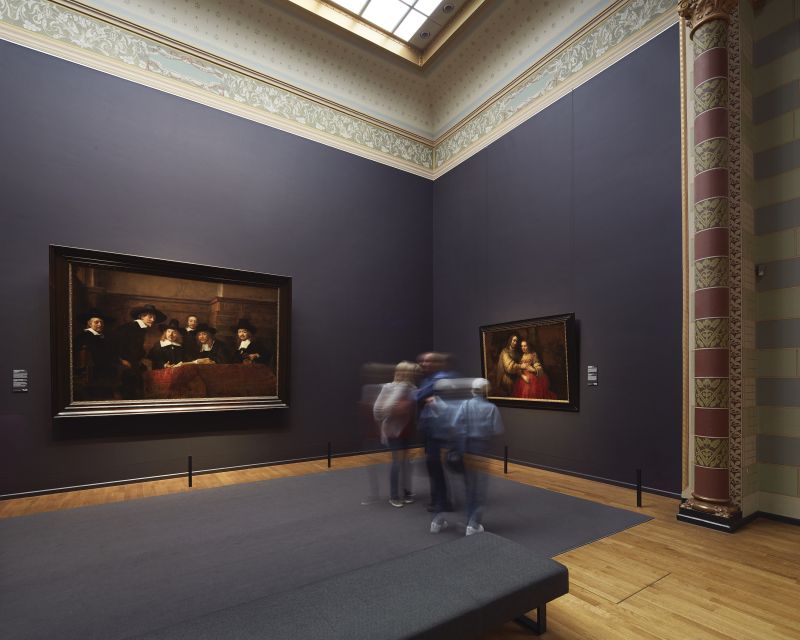
You will also hear about works tied to big, famous references such as Rembrandt’s Night Watch and Vermeer’s The Milkmaid, plus later artists including Van Gogh and even Goya within the broader European art evolution they cover. That last part matters, because it stops the museum from feeling like a sealed Dutch-only world.
Meeting at Stadhouderskade, Then Straight Into the Rijksmuseum Doors
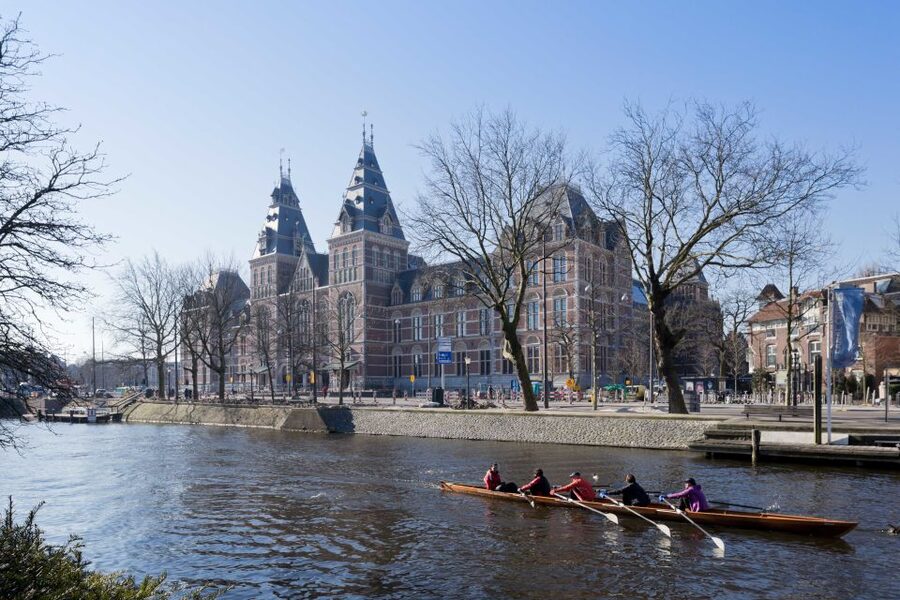
Your tour begins at the main door of the Rijksmuseum, right in front of the canal Stadhouderskade. It is a practical meeting point, easy to locate if you are already walking in that museum area.
Your guide dresses in green, which is a small detail that saves real stress. In a crowded place like this, that color cue helps you get matched up quickly and move inside without losing time.
Also, the group is kept to a maximum of 15 people. That is not just a comfort perk. It means the guide can keep you together and manage the pace without turning the tour into a slow stampede. The result is you spend more time looking, less time waiting.
Two practical things to keep in mind:
- Food and drinks are not included, so come prepared if you get hungry.
- Luggage or large bags are not allowed, and video recording is not allowed either. Bring a light day bag and plan to enjoy with your eyes, not your camera.
Skip-the-Line Access: Less Waiting, More Looking
Skip-the-line matters here because Rijksmuseum lines can eat your trip time. When you pay for a guided format and you are only in the museum for about two hours, every minute you save at the entrance is a minute you can spend on art instead of standing still.
This tour includes skip-the-line museum entrance, so you start with momentum. For first-timers, that reduces the fear factor. You do not need to figure out where to go or what to prioritize the second you arrive. The guide handles that, and you follow a set path.
Just remember this is still a short tour. You will see highlights, not every room. After the tour ends back at the same meeting point, you can keep exploring on your own, which is a smart way to combine guided context with your own pace.
Pierre Cuypers’ Rijksmuseum Building: When Architecture Becomes Part of the Lesson
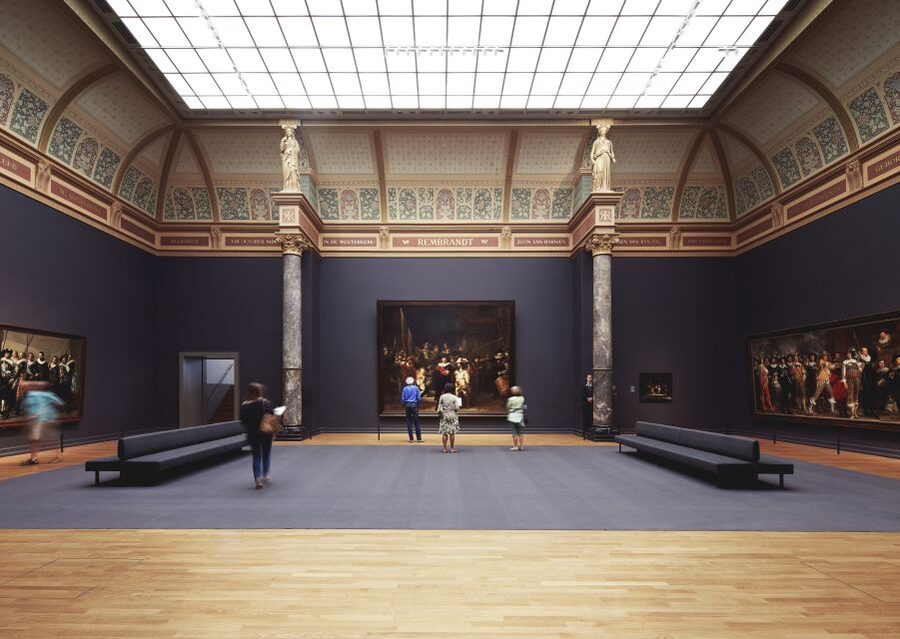
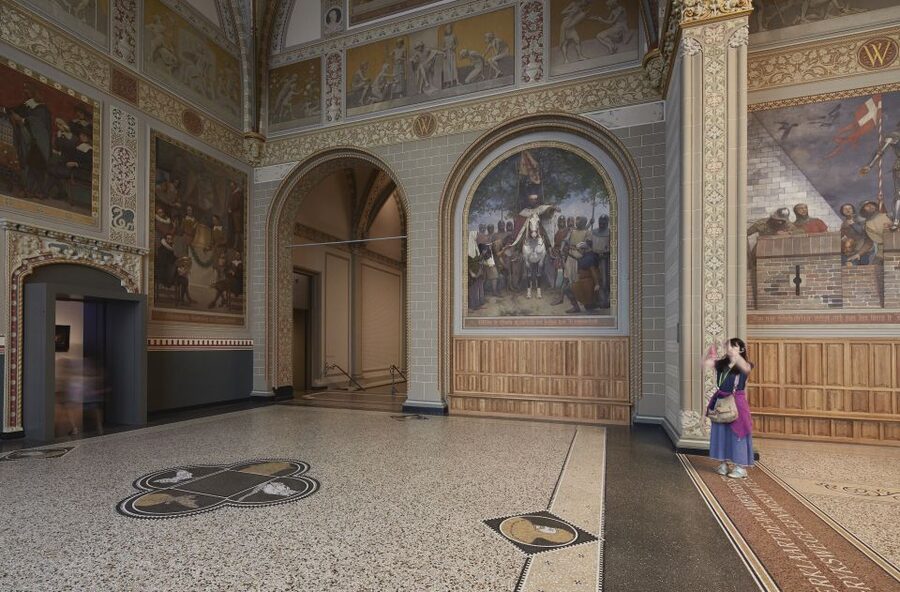
The Rijksmuseum building itself is part of the experience. Your tour touches the idea that the museum is not only a container for art, but a work of art in its own right.
In particular, the guide points out the significance of rooms and the library tied to Dutch architect Pierre Cuypers. Even if you are not an architecture person, it helps to know that you are inside a designed space with cultural intent, not a random big box.
Why this matters for you: architecture sets mood and orientation. When you understand the role of the building, you do not just scan walls. You start to read the space, which makes the rest of the museum feel more coherent.
More trips where somebody else does the explaining


The 15th to 19th Century Painting Trail You Follow
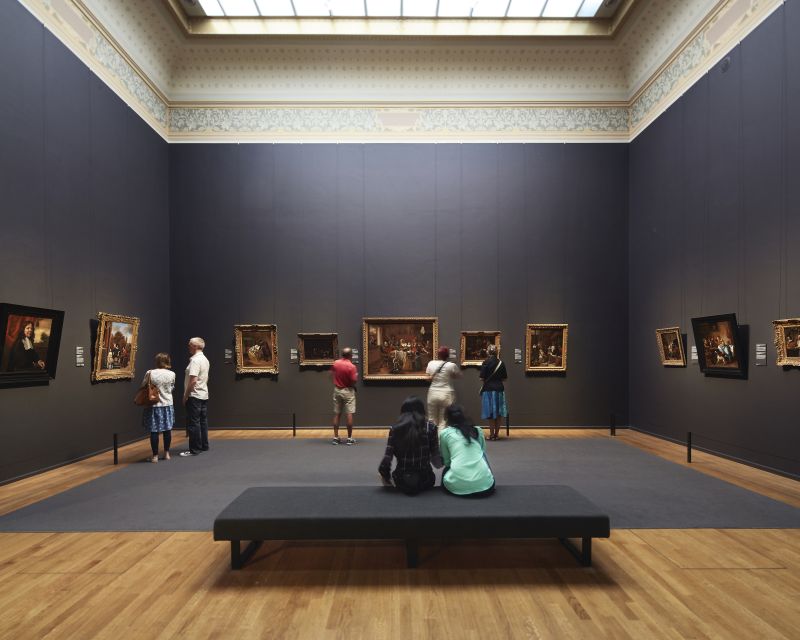
The heart of the tour is a curated sequence across centuries, from earlier European influences through Dutch masterworks and on into later names. The plan is built to be clear for all kinds of visitors, including people who know the famous titles but struggle to connect them.
You will move through:
- early works connected to Flemish Primitives
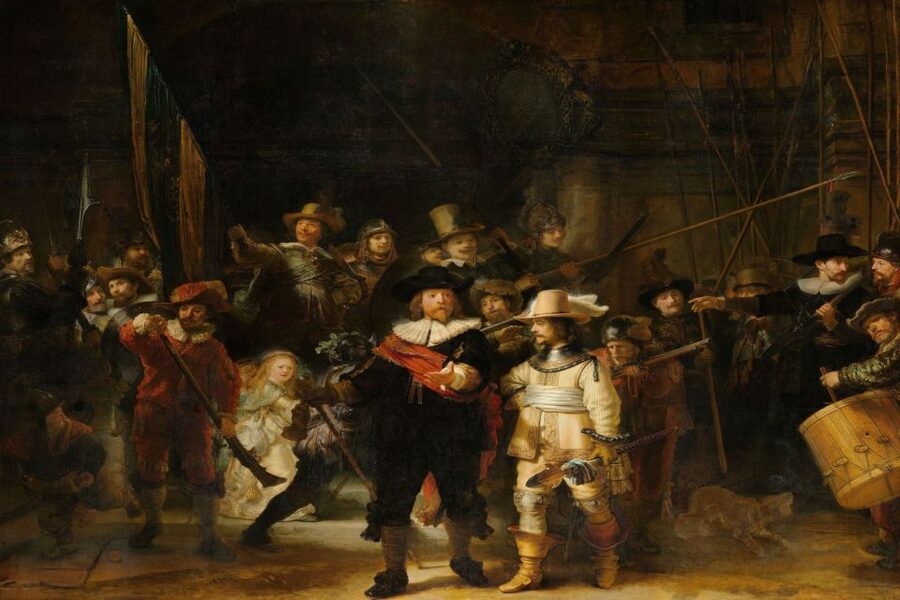
- major Dutch masterpieces such as Rembrandt’s Night Watch
- iconic Vermeer paintings like The Milkmaid
- later work tied to Van Gogh, with European comparisons that include Goya
Even without getting lost in art history jargon, a chronological walk does something powerful. It shows cause and effect. You can look at a painting and ask, What changed? Who influenced whom? What did Dutch painters care about at this time?
Here is how I would use this moment as you tour. When your guide mentions a date or a shift in style, try to connect it to something visual you can actually see, like the way light sits on faces, the mood created by colors, or how everyday scenes get framed. You are learning, but you are also training your eye.
And yes, there is more than paintings in the Rijksmuseum. But in two hours, the guide focuses you on the core set that makes Dutch painting feel like a story rather than a checklist.
Rembrandt, Vermeer, and Frans Hals: What to Look For as You Walk
The tour specifically calls out the major Dutch names you will hear most often: Rembrandt, Vermeer, and Frans Hals. That trio is not random. They represent different approaches to portraiture, mood, light, and everyday subjects.
When you see Night Watch in the guided context, it is not just about recognizing a headline painting. You get a chance to understand why it became such a landmark. It is the kind of work where scale, drama, and group portrait energy do the talking, and a guide helps you stop treating it like a poster.
Then comes Vermeer, where The Milkmaid is a perfect example of attention to detail and controlled lighting. This is where you start appreciating how Dutch painters could make quiet scenes feel specific and alive.
Frans Hals enters as a reminder that Dutch Golden Age painters were not all working in the same emotional lane. His style is often about lively presence, and the guide’s historical framing can help you see it as part of the broader evolution of taste and technique.
A bonus of having a Spanish guide: you are not forced to translate your understanding. The art history stays smooth, and you spend your energy on what matters, the paintings.
After the Paintings: What You Can Continue Seeing on Your Own
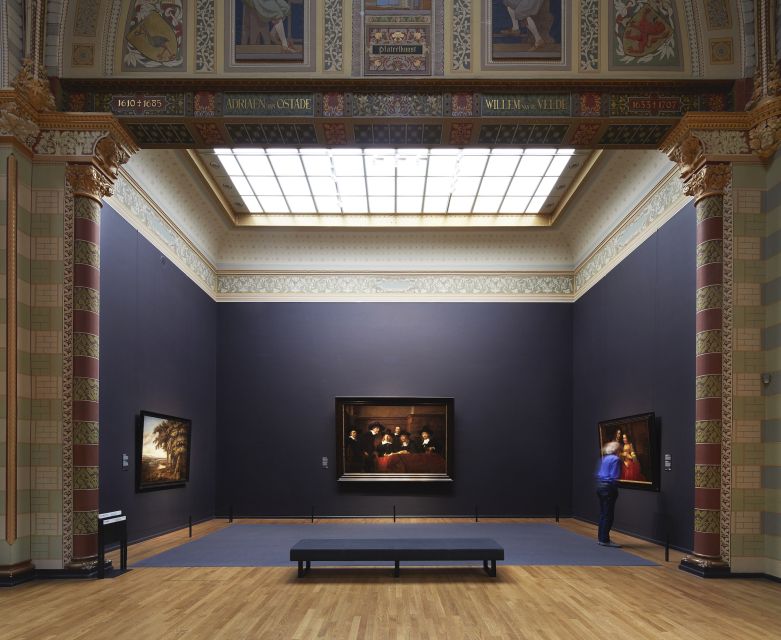
One of the best parts of this experience is what happens after. When the tour ends, you can keep enjoying the museum on your own, which is where you can expand based on what caught your attention during the guided highlights.
The Rijksmuseum includes more than fine art canvases. You will find collections like:
- Delft ceramics
- sculptures
- archaeological remains
- clothing
- Asian art
- prints
- items tied to Dutch maritime history
- other significant objects
The guide does not need to cover every category in the two-hour window. Instead, the tour gives you orientation. You leave knowing what kind of story the museum is telling, and you can choose where to go next.
If you love detail, Delft ceramics and prints can be especially satisfying after seeing the big famous paintings. If you are more into cultural context, maritime history objects and archaeological remains can add perspective beyond painting alone.
Van Gogh Museum Building Stop: A Small Connection to the Big Name
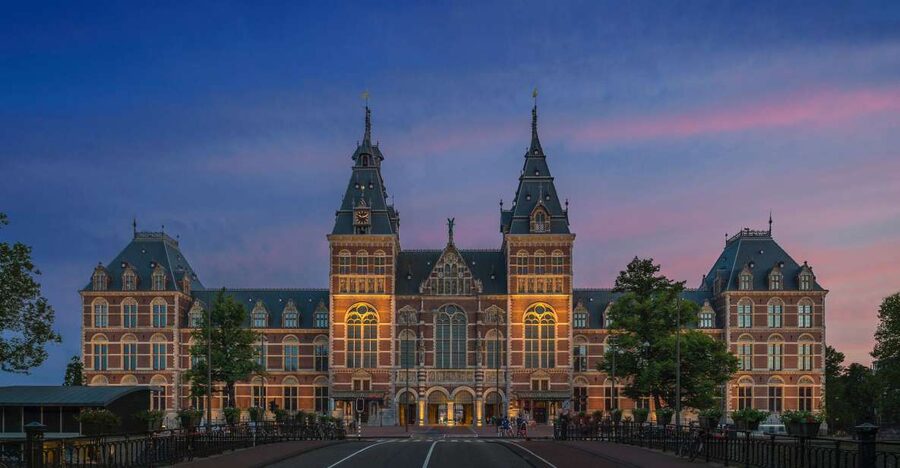
The tour includes exploring the Van Gogh Museum building. You are not being asked to treat it as a separate full attraction in this format, but it does create a neat link.
Since the guided art trail includes Van Gogh, it helps to connect the name to the location. Even a short look can make the earlier part of the tour feel less abstract. You move from “Van Gogh as a name in a timeline” to “Van Gogh as something tied to a real cultural space.”
If you like continuity, this stop gives it to you. If you are purely focused on the Rijksmuseum, just know this component exists, so you get a slight shift away from painting rooms near the end.
Volendam Stroll: Colorful Houses and a Traditional Fishing-Village Feel
Another highlight is a stroll among the colorful houses of Volendam, a traditional Dutch fishing village. This works as a change of pace after time spent reading paintings and museum architecture.
Why it is valuable: art becomes more real when you can also see the culture that produced it. Volendam’s look, with its visual charm and coastal village vibe, gives your trip texture. It is not just another museum stop.
Do keep your expectations aligned with the tour length. With only two hours total, the Volendam moment is best seen as a snapshot, not an in-depth village visit. Use it to enjoy the atmosphere and take in the setting, then bring that feeling back to the art when you think about everyday life reflected in Dutch painting.
Price and Value for a Small Spanish Group
The price is $44 per person for a tour lasting about 2 hours. On the surface, that might sound like a “just a quick museum tour” price. But the value is built in.
You get:
- skip-the-line museum entrance
- a guided tour with a native Spanish-speaking art expert
- a maximum group size of 15
- a focus on major Dutch painting highlights across a wide time span
- added time linked to the Van Gogh Museum building and a Volendam stroll
For you, the biggest value piece is the guide. Art museum visits can go two ways. You either wander and hope you understand, or you get explanations while you look. This tour is in the second category, and it is in Spanish, so you are not paying for an experience you can only partially enjoy.
Also, because it ends back at the meeting point, you do not have to worry about complicated wrap-up. And since you can continue enjoying the museum on your own afterward, the tour becomes the setup act, not the whole show.
Food and drinks are not included. That is normal for museum tours, but plan around it. If your schedule has you moving fast, having water and a snack strategy can help.
Who This Tour Is Best For (and Who Might Prefer DIY)
This tour is a strong match if you:
- speak Spanish or prefer art explanations in Spanish
- want a guided start at the Rijksmuseum without spending time figuring out what matters
- like big-name paintings but want them connected by timeline and context
- want a small group experience, not a massive crowd shuffle
It can also work if you are not a full-on art expert. The tour is designed to give you a clear idea of the evolution of Dutch and European art across the 15th to 19th centuries. That is ideal if you want understanding without a class-like feeling.
Wheelchair accessibility is available, which helps make this plan workable for more visitors. At the same time, restrictions like no luggage or large bags and no video recording mean you should pack light and plan to enjoy with no filming.
If you are the type who likes to spend hours alone with one painting, you may feel the tour is too fast. In that case, treat the guided experience as the ignition, then do your slow exploring after.
Should You Book This Spanish Guided Rijksmuseum Tour in Amsterdam?
I would book it if you want a smart, efficient way to understand Dutch painting at the Rijksmuseum, with Spanish explanations and a guide who keeps the story moving. The two-hour format is short, but it is long enough to learn how the masterpieces connect, and then you get freedom to continue at your own pace.
I also like the emphasis on the guide’s approach. The ratings and feedback point to a very strong connection with the guide’s passion for the paintings, and that matters. When the guide truly cares, the art feels more alive, not just described.
If you can only do one museum-focused activity and you want it to feel worth your time, this is a practical choice. If you have a longer attention span and want to live in galleries, you can still benefit, but plan to spend additional time after.
FAQ
How long is the Amsterdam Spanish Rijksmuseum tour?
The duration is 2 hours. Starting times vary, so you should check availability to see when tours begin.
What language is the guided tour?
The live guide speaks Spanish.
What’s the group size limit?
The tour has a maximum of 15 guests per tour.
Where do I meet the guide?
Meet at the main door of the Rijksmuseum, in front of the canal Stadhouderskade. The guide is dressed in green.
What is included in the price, and what is not?
Included: skip-the-line museum entrance and a guided tour with a Spanish-speaking art expert. Not included: food and drinks.
Are there any restrictions on luggage or filming?
Yes. Luggage or large bags are not allowed, and video recording is not allowed.
Everything Else From Our Amsterdam Notebook


Also Reviewed Around Amsterdam



The Dutch Masters, Up Close


Fresh off the review pile in Amsterdam
- Full-Day Trip From Amsterdam to Keukenhof, Zaanse Schans + Cruise
★ 5.0 · 3 reviews - Boutique Dutch Food & History Tour with up to 8 guests only
★ 5.0 · 3 reviews - Private Tour to Windmills Zaanse Schans +Keukenhof – 7 Hours
★ 5.0 · 3 reviews - Full-Day Private Guided Countryside Tour from Amsterdam by Bike
★ 5.0 · 3 reviews - Amsterdam Red Light District and Old Town Walking Tour
★ 5.0 · 3 reviews
Rijksmuseum & the Dutch Masters, compared.
 ★ 4.7Amsterdam: Rijksmuseum Entry TicketFrom $3125,535 reviews
 ★ 4.7Amsterdam: Rembrandt House Museum Entrance TicketFrom $233,385 reviews
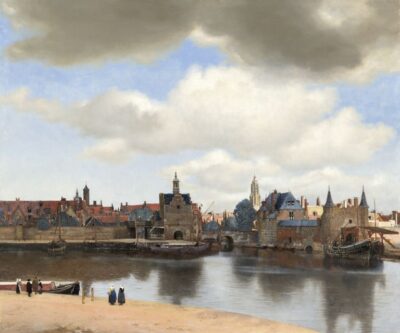 ★ 4.7The Hague: Mauritshuis Entrance TicketFrom $252,706 reviews
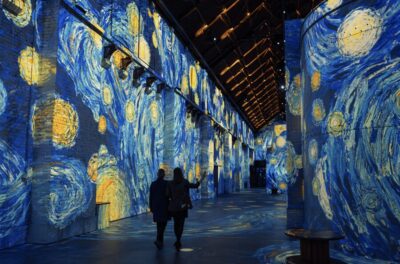 ★ 4.6Amsterdam: Fabrique des Lumières Dutch Masters TicketFrom $212,373 reviews
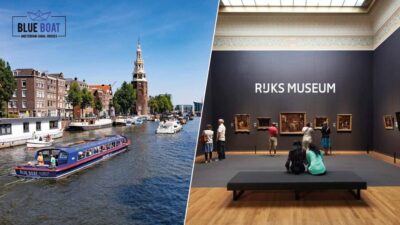 ★ 4.5Amsterdam: City Canal Cruise and RijksmuseumFrom $452,129 reviews
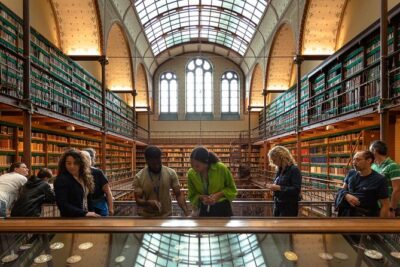 ★ 4.5Rijksmuseum Amsterdam Small-Group Tour with Private UpgradeFrom $901,547 reviews
 ★ 4.3Amsterdam: Rijksmuseum Entry Ticket and Canal Cruise ComboFrom $451,276 reviews
 ★ 4.7Amsterdam: Rijksmuseum Guided Tour and TicketFrom $78649 reviews
Browse the lists this tour appears in