
REVIEW · AMSTERDAM
Amsterdam: Self-Guided Food Tour in De Pijp Neighbourhood
De Pijp is a food lover’s cheat code. This self-guided Amsterdam street food walk is built around family-owned stops and the kind of menu mix you only get when neighborhoods, not tourist grids, do the cooking. I like that you get exclusive tastings and discounts at most stops, and I also like the mix of Dutch classics and international comfort food. One key drawback to plan for: opening hours can vary, so a couple stops may be delayed or closed on the day you go.
You start at FEBO on Ferdinand Bolstraat, then follow a PDF guide with map links to make the route easy even if you do not speak Dutch. The real win is how smoothly the day’s snacks chain together, from a first croquette to sweet poffertjes and stroopwafels, and then to a very Dutch ending with patatje oorlog fries.
Price is low for the tour itself, but you should budget for actual food costs on the route, with a stated total around 20 euros per person. Also note it is not a fit for vegans or people with gluten intolerance, while vegetarian options are available at 7 of the stops.
In This Review
- Key things that make this De Pijp food route work
- De Pijp street food: why this feels more real than the center
- Your practical game plan: PDF directions, what to bring, and how to pace
- Stop 1 to Stop 3: croquette and the Suriname pom plate
- From Israel to the fish stall: brisket, roulade, herring, kibbeling
- Sweet stops that actually deserve their hype: poffertjes and stroopwafels
- Takoyaki in Osaka plus Tokyo ramen energy, then the fries finale
- Albert Cuyp Market: where the route makes sense in one neighborhood
- Value and budget: the tour price plus the real cost of eating
- Timing and the big self-guided risk: what can go wrong
- Who this tour suits best, and who should skip it
- Should you book this De Pijp street food tour?
- FAQ
- Where does the self-guided tour start?
- Is there a live tour guide?
- How many food stops are included?
- Are discounts and tastings included?
- What does the tour include besides food?
- Does the tour include food tastings and drinks automatically?
- Is the tour vegetarian friendly?
- Is the tour suitable for gluten intolerance?
- Does the tour visit Albert Cuyp Market?
- What should I bring for the tour?
Key things that make this De Pijp food route work
- Start at FEBO, then get moving fast with a simple self-guided plan
- 7 out of 8 stops include exclusive discounts and tastings, so you feel the value beyond just walking
- Albert Cuyp Market is part of the experience, giving context for why De Pijp eats the way it does
- Street food variety is the point, from Suriname and Israel to fish stalls and Osaka-style takoyaki
- Share food to manage portion overload, because the route can fill you quickly
Hungry after that? More eating routes in Amsterdam
- 10 Tastes of Amsterdam: Food Tour by UNESCO Canals and Jordaan★ 5.0 · 3,020 reviews
- Amsterdam Food and Cultural Tour with Tastings★ 5.0 · 2,442 reviews
- Amsterdam: Premium Henri Willig Cheese Tasting Experience★ 4.7 · 1,106 reviews
- Amsterdam: Cheese & Wine Cruise Tasting Experience★ 4.5 · 1,090 reviews
De Pijp street food: why this feels more real than the center
De Pijp is where Amsterdam relaxes its rules. Instead of one long line of the same menu, you get lots of small kitchens, quick takeout counters, and places that locals actually use. This tour leans into that. You are not waiting for a guide to describe a menu board. You are walking between real addresses and getting food that matches the neighborhood’s mix.
The route is also designed around “street food logic.” You get hit after hit of snacks that make sense to eat while walking. There’s a reason the lineup includes fried, syrupy, and dunkable items like croquettes, kibbeling, poffertjes, and stroopwafels. You will feel like you are eating what people in Amsterdam grab when they want something good now, not something fancy on a schedule.
Two practical advantages make it easier. First, the tour includes a PDF guide with directions to each stop, so you are not constantly checking bus routes or searching by hand. Second, the stops are in De Pijp, which is a walkable neighborhood for this kind of food hopping, especially once you get your bearings.
The watch-out is simple: this is self-guided. If you show up late to a stop, or if a place is closed that day, you can miss an item. The tour states that at least 6 stops will always be open, but it also means you should not plan your day around getting every single item with perfect certainty.
Your practical game plan: PDF directions, what to bring, and how to pace
This is a self-guided tour, so your “guide” is the PDF on your phone. You are given directions to each food stop, with Google Map links to help you get from place to place. That matters because De Pijp’s lanes can feel similar after the first turn. The PDF keeps you from wasting time doing detective work.
Bring a charged smartphone with internet access. Bring cash and a credit card too. Street food spots often work either way, but you do not want your whole afternoon hinging on one payment method.
There’s also a small but important rule: each person joining needs their own copy of the PDF guide on their phone to be eligible for discounts and special tastings. That means if you are with friends, do not rely on a single phone screen. Set it up before you start so you do not lose momentum at the first counter.
Now, pacing. The route is built for multiple snacks, and it can hit hard. One of the best pieces of advice I can give is to share items when you can, especially the sweet stuff. If you eat everything at full size, you can get full faster than you expect, and then the later stops feel like a chore. Sharing keeps the tour fun, and it helps you actually taste each stop instead of just surviving it.
Also remember the tour runs rain or shine. Amsterdam weather can change fast, but this is a walking food route. Wear shoes you trust. Bring a light rain layer if you have one.
Stop 1 to Stop 3: croquette and the Suriname pom plate
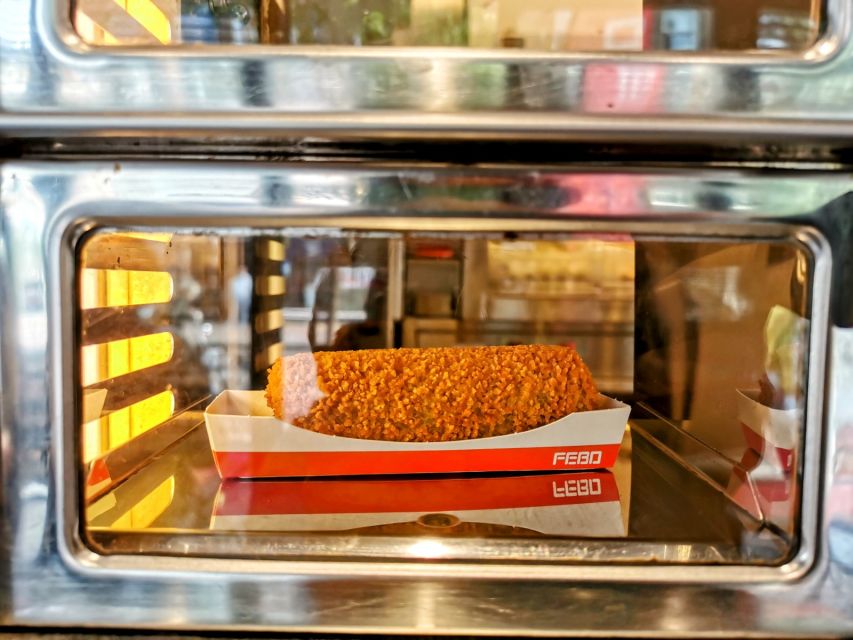
You begin at FEBO on Ferdinand Bolstraat. From there, the tour kicks off with a traditional Dutch croquette. This is a classic Amsterdam comfort move, and it sets the tone: rich, savory, and designed for takeout.
After the croquette, the route heads to a Suriname-focused stop known for pom. Here’s what you should expect: an oven-baked root plant served with chicken, plus long beans, rice, homemade pickles, and hot sauce. The flavors are the kind of blend you can understand with one bite, not a long food lecture. It’s hearty and spicy enough to keep your attention, but not so intense that it overwhelms the next stop.
This is also where the tour’s “food culture” angle starts to make sense. De Pijp’s food scene is shaped by community histories, and Suriname is one of the big influences you can taste. Even if you only know the dish name, the combination of textures helps you quickly understand why it’s a favorite.
Vegetarian options are available on 7 of the stops. The exact vegetarian item at each location is not spelled out here, so for this part of the route, you will want to check what the stop offers that day.
From Israel to the fish stall: brisket, roulade, herring, kibbeling
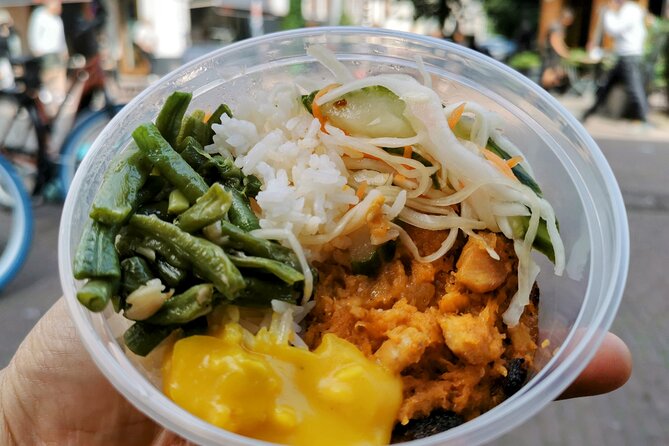
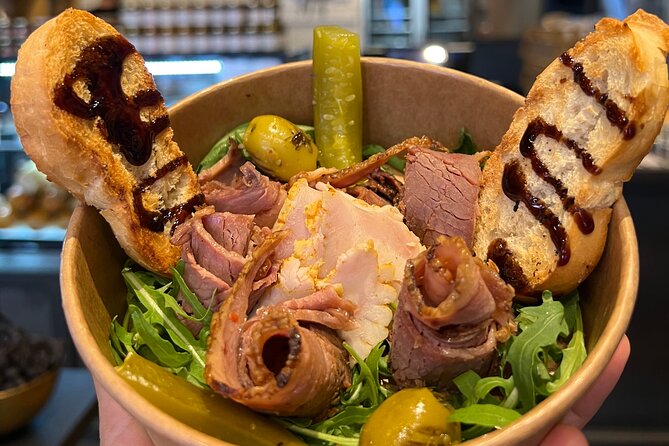
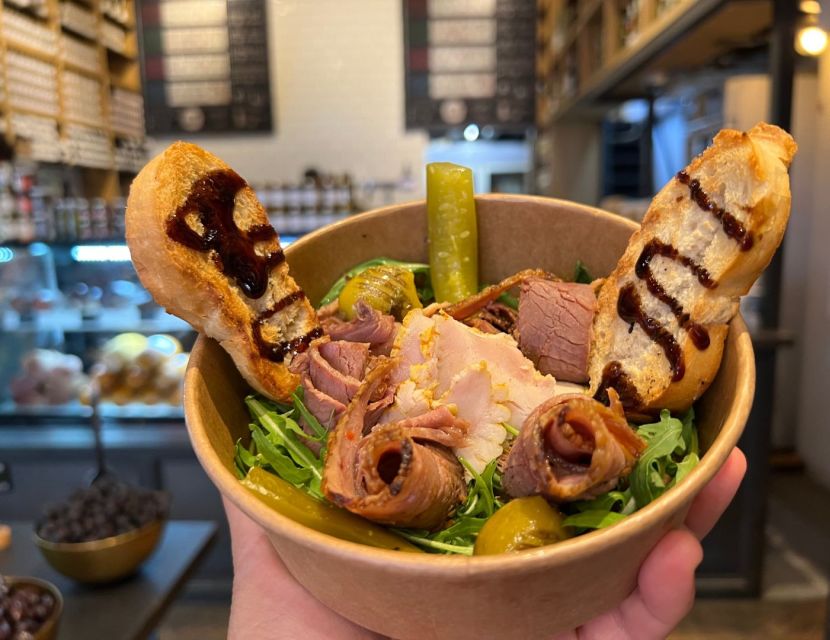
Next up is the Israel-flavored stop. You are looking at smoked beef brisket and chicken roulade, served alongside Israeli pickle, olives, and bread with balsamic vinaigrette. It’s a practical combo: salty, smoky, and tangy, with enough acid from the vinaigrette to refresh you between bites.
This portion of the route matters because it adds a different kind of comfort food. You are not just eating one country’s classics. You’re moving through the immigrant-food map of the Netherlands, one stop at a time, and you get to compare flavors without needing a reservation dinner plan.
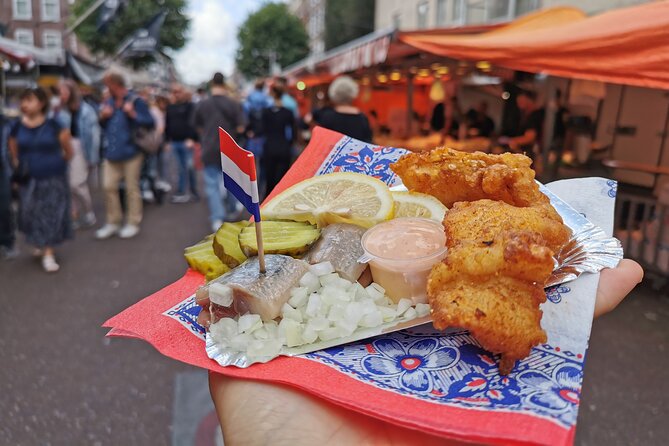
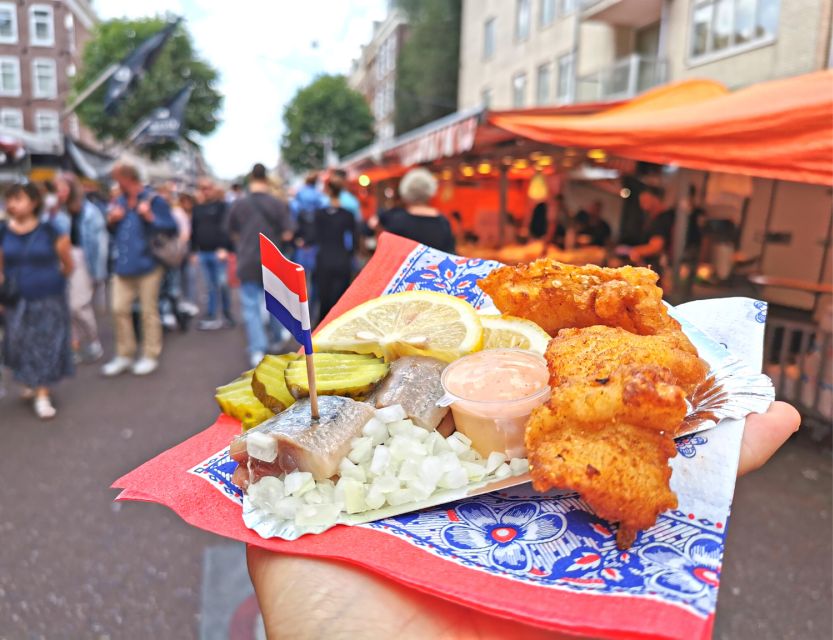
Then the tour moves to a family-owned fish stall for fresh Dutch herring and kibbeling, which is fried cod. This stop is a big deal for anyone who wants to try Dutch fish without committing to a full seafood meal. Fried bites are easy to eat while walking, and herring gives you the salty, briny hit you expect from the coast.
If you are sensitive to fish smells, do not worry too much, but expect that fish stops can be aromatic. The upside is that you get to taste Dutch fish culture in a very street-food way, not a formal plated presentation.
More plates and more glasses around Amsterdam

Sweet stops that actually deserve their hype: poffertjes and stroopwafels
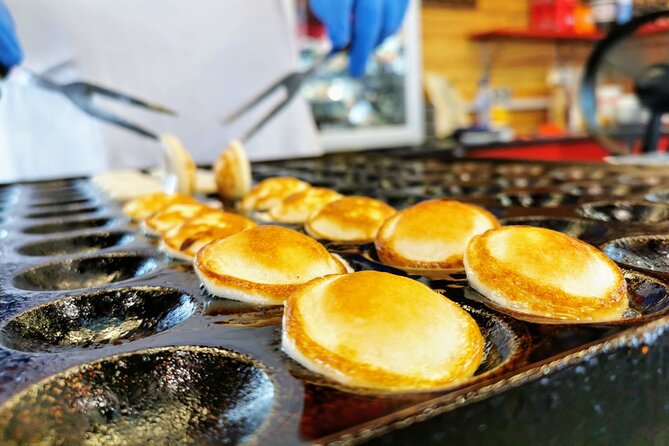
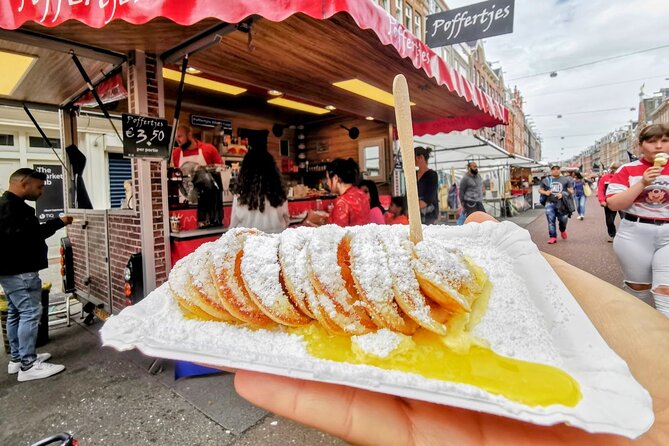
After savory, the tour switches gears to sweetness with poffertjes, tiny pancakes that bubble while you watch. That “watch it cook” element is more than a gimmick. It keeps the moment feeling alive, and it helps the sweetness feel fresh instead of like you are just eating dessert after a long slog.
Poffertjes also create a texture balance with everything you already ate. Earlier stops skew salty and rich. Here, you get warm batter, and you typically get a syrupy finish. Even if you come into the stop hungry, you may not finish huge portions, so share if you are aiming to hit every station.
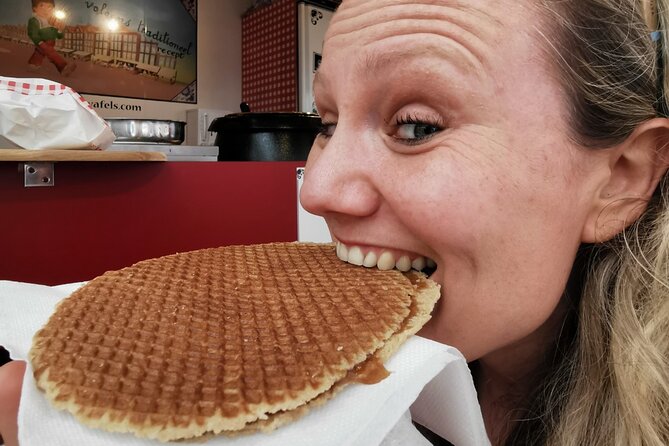
Then you reach the stroopwafel stop, a syrup waffle from a family that has been making them for more than 45 years. This is one of the best “Dutch identity” snacks on the list. It is sweet, sticky, and built for slow bites, which is exactly why it works at this point in the route. By now you have eaten savory items across multiple cuisines. Stroopwafels give you that unmistakably Dutch finish.
The practical note here is portion control again. Stroopwafel can be satisfying in a single bite or two, especially if you already had poffertjes. If you and your group share, you can stay comfortable and still taste the flavors.
Takoyaki in Osaka plus Tokyo ramen energy, then the fries finale
The next change of pace is takoyaki balls, made by a takoyaki chef from Osaka who teamed up with a ramen specialist from Tokyo. That detail matters because you are not just getting random street bites. You are getting a flavor style that comes with a specific street-food culture, with a batter-snack format that travels well.
Takoyaki typically works as a handheld snack, which makes it easy to eat in one go between map turns. It also refreshes your tastebuds after the sweets. Even if you are not a fan of complex flavors, this stop is usually approachable because the food is warm, savory, and designed for street eating.
Then comes the big ending: award-winning hand-cut fries with patatje oorlog, a quintessential Dutch sauce combo of peanut sauce, mayonnaise, and onions. This is the most “Amsterdam-at-snack-hour” moment on the list. The fries are the anchor, and the sauce brings the bold tang, richness, and onion punch.
I love routes like this because the finale is not delicate. You get a loud, salty payoff. If your appetite is running low, fries can still save the day because you can eat just a portion and still get the sauce experience.
Albert Cuyp Market: where the route makes sense in one neighborhood
The tour includes time at Albert Cuyp Market, described here as Europe’s biggest day market and specifically an outdoor market. Even if you treat the market as a background setting rather than a single formal stop, it helps explain why De Pijp feels like a food city within a city.
The outdoor market setting also gives you a natural rhythm. You can pause, look around, and see how everyday shopping and snacking mix. This is important for a self-guided tour, because you will walk with a clearer sense of place instead of just chasing addresses.
The tour does not promise every single stall in the market will match the exact same menu you see at each food stop. Still, using the market area as context makes the whole route more satisfying, because you understand that what you are eating is part of a larger market ecosystem.
Value and budget: the tour price plus the real cost of eating
The tour price is listed as $15 per group up to 1, and you also have a stated food total around 20 euros per person. That might sound like two separate numbers, so here’s the practical way to think about value.
You are paying for the route, the mapping help, and the structure that puts you at 6 to 8 family-owned businesses. You are also getting exclusive discounts and tastings at 7 out of 8 stops. That means the tour is not just an itinerary. It is meant to reduce friction and help you get better pricing and more guided sampling without a live guide.
That said, the cost of food is real. Street food does not stay “cheap” once you start stacking croquettes, fried fish, pancakes, waffles, takoyaki-style bites, and fries. Plan to budget for what you actually eat, not what you hope you can manage.
A small strategy that improves value is sharing. When you split portions, you reduce waste and keep you hungry enough to get through later stops. And because many stops have tastings with discounts, it helps to focus on the items meant to be tried rather than treating each stop as a full meal.
If you want a strict budget, go lighter on sweets. If you want maximum variety, do what the route is built for, but share whenever it makes sense.
Timing and the big self-guided risk: what can go wrong
The tour runs rain or shine and works without a guide, which is great for independence. But you should be realistic about the one thing that can break your day: local opening hours.
The tour states that not every stop is open daily, and while at least 6 stops will always be open, there are still valid reasons you might miss a stop. Sometimes a place might be closed for the day. Sometimes a stop could be delayed. Because you are navigating yourself, you feel those gaps more.
If you absolutely need every single item, this setup is not the best match. But if you care about the overall experience and the neighborhood food culture more than strict checkmarks, it is a strong choice. Think of it like a best-of route: you will likely hit most of the lineup, and when something is unavailable, you still have plenty of excellent eating left.
My practical advice is to build a bit of slack into your route. Do not schedule other major plans right after your last stop. Give yourself time to pivot.
Who this tour suits best, and who should skip it
This works best for you if:
- You like street food and want a mix of Dutch classics and international specialties
- You enjoy self-guided walking, with a PDF guide and map links doing the heavy lifting
- You are comfortable paying for food as you go, while using discounts and tastings to manage cost
- You want a neighborhood feel in De Pijp, not a theme-park version of Amsterdam
You should consider skipping if:
- You are vegan. The tour is not suitable for vegans.
- You have gluten intolerance. The tour is not suitable for people with gluten intolerance.
- You need a fully guaranteed, every-stop, every-day experience. Self-guided routes rely on local hours.
Vegetarian options are available at 7 stops, which is promising. Still, because the exact vegetarian items are not listed here for each stop, bring your appetite and your questions, and confirm what fits your needs at each stop.
If you have mobility needs, the tour is stated as wheelchair accessible. Because it is a walking route, it is still worth planning for sidewalks and outdoor market areas. But the accessibility note is a good sign that the route is designed with movement in mind.
Should you book this De Pijp street food tour?
If you want an Amsterdam food day that feels local, walkable, and built around real neighborhood addresses, this is a solid pick. The strong points are the street-food variety, the discounts and tastings at most stops, and the way the route strings together flavors that make sense in one afternoon.
Book it if you are the kind of traveler who likes to move at your own pace, and you are happy to rely on a PDF with map links instead of a live guide. Also book it if you plan to eat in a smart way, share portions, and let the sweets and sauces do their job without forcing huge servings.
Skip it if you need guaranteed open stops every day, or if your dietary needs are vegan or gluten free. In that case, you might find it frustrating when a stop cannot accommodate you, or when you are forced to adjust on the fly.
FAQ
Where does the self-guided tour start?
The tour starts at FEBO on Ferdinand Bolstraat.
Is there a live tour guide?
No. This is a self-guided food tour with a PDF guide for directions.
How many food stops are included?
The tour includes stops at 6 to 8 family-owned businesses.
Are discounts and tastings included?
You get exclusive discounts and tastings at 7 out of the 8 locations.
What does the tour include besides food?
It includes the self-guided foodie tour, directions to each food tasting stop, a free 3-day Amsterdam itinerary, and restaurant recommendations.
Does the tour include food tastings and drinks automatically?
Food and drinks are not listed as included. The tour does include exclusive discounts and tastings at participating stops, and the total cost of food is around 20 euros per person.
Is the tour vegetarian friendly?
Vegetarian options are available at 7 stops. The tour is not suitable for vegans.
Is the tour suitable for gluten intolerance?
No, it is not suitable for people with gluten intolerance.
Does the tour visit Albert Cuyp Market?
Yes. The experience includes Europe’s biggest day market, the outdoor Albert Cuyp Market.
What should I bring for the tour?
Bring a credit card, cash, a charged smartphone, and internet access. Each person needs their own copy of the PDF guide on their phone to be eligible for discounts and special tastings.
Everything Else From Our Amsterdam Notebook




Also Reviewed Around Amsterdam




Working Through Amsterdam One Plate at a Time


Fresh off the review pile in Amsterdam
- Full-Day Trip From Amsterdam to Keukenhof, Zaanse Schans + Cruise
★ 5.0 · 3 reviews - Boutique Dutch Food & History Tour with up to 8 guests only
★ 5.0 · 3 reviews - Private Tour to Windmills Zaanse Schans +Keukenhof – 7 Hours
★ 5.0 · 3 reviews - Full-Day Private Guided Countryside Tour from Amsterdam by Bike
★ 5.0 · 3 reviews - Amsterdam Red Light District and Old Town Walking Tour
★ 5.0 · 3 reviews
Dutch Food & Drink Tours, compared.
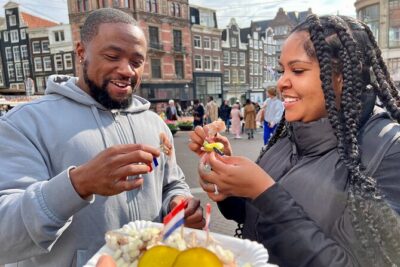 ★ 5.010 Tastes of Amsterdam: Food Tour by UNESCO Canals and JordaanFrom $1023,020 reviews
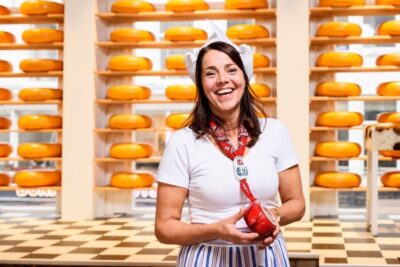 ★ 4.7Amsterdam: Premium Henri Willig Cheese Tasting ExperienceFrom $211,106 reviews
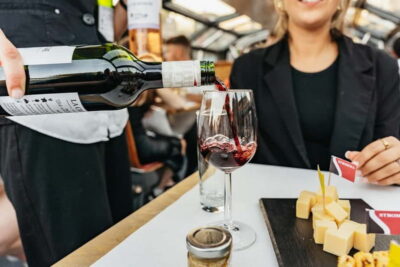 ★ 4.5Amsterdam: Cheese & Wine Cruise Tasting ExperienceFrom $391,090 reviews
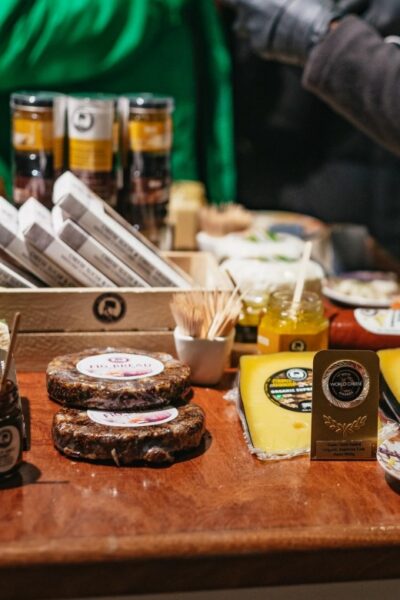 ★ 4.9Amsterdam: Food and Culture Walking Tour with TastingsFrom $93838 reviews
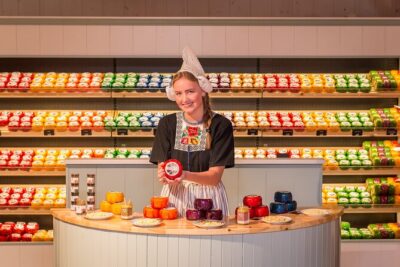 ★ 4.0Zaanse Schans and Cheese Tasting Guided Tour from AmsterdamFrom $45661 reviews
 ★ 4.7Amsterdam: Dutch Cheese Tasting Experience with WineFrom $23658 reviews
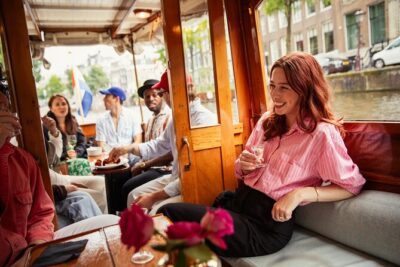 ★ 5.0Eating Amsterdam: Food Tour & Canals CruiseFrom $163496 reviews
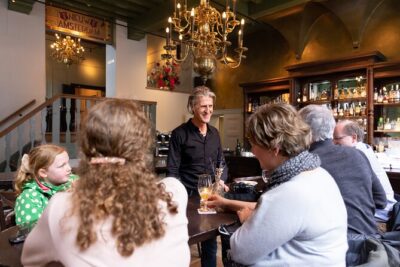 ★ 5.0Amsterdam High-End Dutch Food & History Tour – Up to 8 guestsFrom $157482 reviews
Browse the lists this tour appears in