
REVIEW · AMSTERDAM
From Amsterdam: Countryside Bike Tour
A countryside bike day beats staying stuck in Amsterdam traffic. This 4-hour North Holland ride takes you past fishing villages and farmland, over dams and dikes, then finishes with iconic windmill photos. I love that the tour mixes scenery with practical Dutch know-how, so the countryside feels less like a postcard and more like a place with a system.
Two big wins are the small group size (limited to 12) and the way the pace stays friendly. You cover about 18 miles (around 30 km) without feeling like you are being tested, with built-in stops and frequent regrouping led by guides like William and Joris.
One consideration: you do need to be comfortable riding a bike for several hours. Even though it is flat and leisurely, you still spend real time in the saddle, and a few riders noted mild seat soreness the next day, especially if you are not a frequent cyclist.
In This Review
- Key things that make this tour worth your time
- Escaping Amsterdam for real, not just for a photo stop
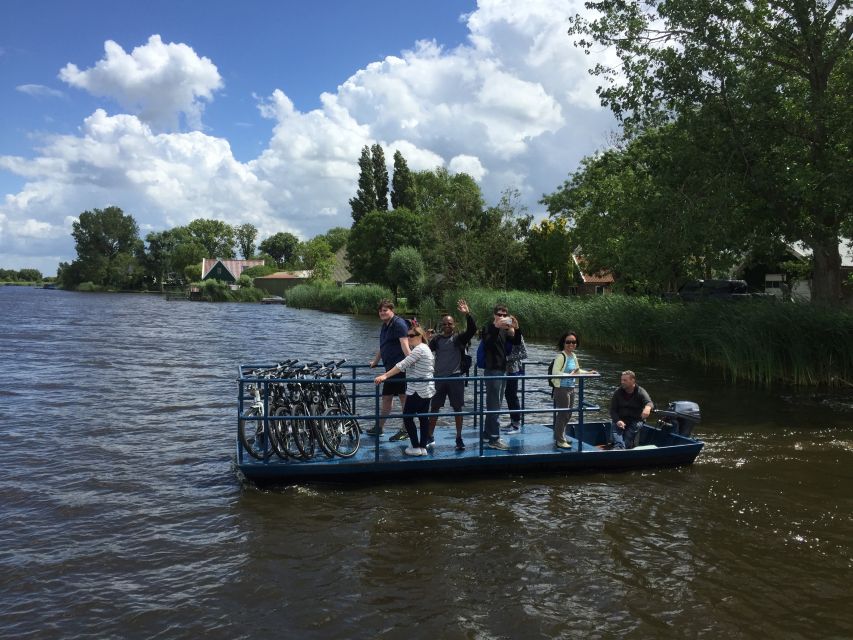
- Ferry to the countryside: the start that sets the tone
- The heart of the ride: dikes, embankments, and Dutch water control
- Holysloot break: apple pie fuel in a tiny farmland village
- Ransdorp and the Waterland vibe: a former capital moment
- The last chalk windmill of Holland: what you are really seeing
- How hard is the ride really, and what should you pack
- Price and value: what $47 buys you in the real world
- Who should book this Amsterdam countryside bike tour
- Should you book this Amsterdam countryside ride or not?
- FAQ
- How long is the countryside bike tour from Amsterdam?
- How far will I bike?
- Is the ride flat and easy?
- What is included in the price?
- Does the tour include food and drinks?
- How big is the group?
Key things that make this tour worth your time
- Ferry start across the IJ-lake: swap city streets for water views fast.
- Dams and dikes, plus water-management stories: you learn why the Netherlands stays dry while you ride embankments.
- Holysloot coffee break with famous apple pie: a mid-tour reset in a tiny farmland village.
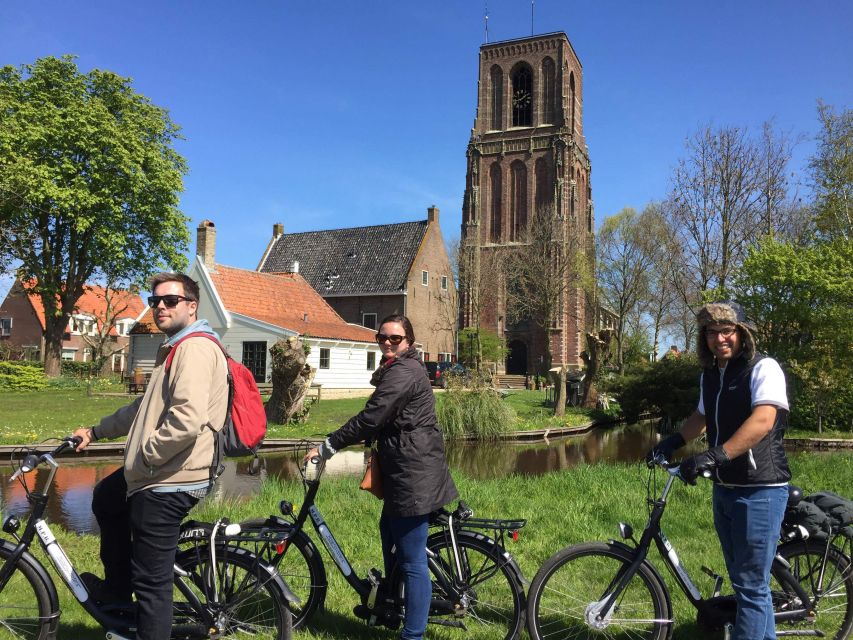
- Ransdorp stop with its distinctive church tower: a former Waterland capital vibe, but peaceful.
- Last chalk windmill of Holland for photos: an end-of-ride highlight tied to the old mill industry.
- Guides who keep you together and moving: small group means easier conversation and more care on the route.
This is cycling country. More Amsterdam rides
- Amsterdam: Guided Bike Tour City Centre in EN/DE/FR/ES★ 4.7 · 4,187 reviews
- Countryside Bike Tour from Amsterdam: Cheese, Clogs & a Windmill★ 5.0 · 1,485 reviews
- Amsterdam: Hidden Gems & Highlights Guided Bike Tour★ 4.8 · 1,404 reviews
- Amsterdam: Off the Beaten Path Bike Tour in French★ 4.9 · 1,193 reviews
Escaping Amsterdam for real, not just for a photo stop
Amsterdam is compact. After a day or two, you can feel like you are running in circles, even when you are seeing great canals and museums. This tour changes the rhythm in a simple way: you leave the city core early enough to still feel like you are starting fresh, then you shift into countryside mode for a solid half-day.
The ride is interesting because it is not only scenic. You are literally traveling through the Dutch water-management logic. As you bike over embankments, the guide explains how the landscape and infrastructure work together to keep land usable. That turns the experience from pretty scenery into something you can actually understand, which is why the learning portions land well with both first-time cyclists and experienced riders.
You also get authentic village flavor rather than just open fields. The route threads through old fishermen villages and farmer towns, so you see daily life beyond the city limits. And because the group is small, it is easier to ask questions when something catches your eye, like waterways, farm structures, or why a windmill is in that specific spot.
The tour is also built for a “today only” day. You are not committing to a full day away from Amsterdam, and you are not spending the afternoon bouncing between transportation hubs. It is a clear four-hour window where you bike, stop, snack, and return to the city still feeling like you had an experience, not a detour.
Ferry to the countryside: the start that sets the tone
Most Amsterdam bike tours begin with a quick roll-out. This one gives you a stronger opening because you take a ferry over the IJ-lake right at the start. That matters more than you might think. You get a view change immediately, and you also get that sense of leaving the city behind before you pedal a single kilometer.
From a practical perspective, the ferry and the ride structure make it easier to manage a mixed group. The tour is designed for people who want a leisurely cycling day but still want enough route variety to feel like the countryside is real. Because the group is capped at 12 participants, the guide can keep an eye on everyone, and riders often mention that the guide does pace check-ins and periodic regrouping.
You will have a bike ready for you, and an optional helmet if requested. For first-time cyclists, that little bit of support helps. Several riders also said the bikes felt easy to ride and well maintained, which keeps the focus on the places you are seeing instead of fighting a wobbly machine.
One practical tip from rider feedback: meeting up can be easiest if you do not try to solve the parking puzzle alone. Some people warned there is very limited paid parking near the meeting area, so arriving by taxi or using a rideshare can save time and stress.
The heart of the ride: dikes, embankments, and Dutch water control
The ride itself is flat and leisurely, but do not let “flat” fool you into thinking it is just a slow loop. The countryside here is tightly shaped by water control, and the guide keeps pulling that theme forward as you ride.
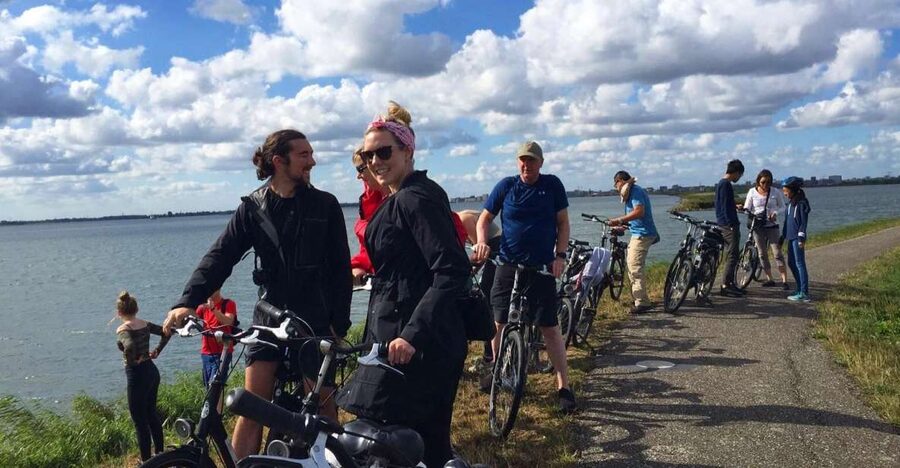
As you cycle over dams and dikes, you get to see the infrastructure up close, not just in a museum diagram. You also get the why behind it: keeping land dry is the ongoing project of the Netherlands, and the guide explains it while you are actually moving along the embankments. That combination sticks. Instead of remembering facts as trivia, you remember them because you saw the setting those facts describe.
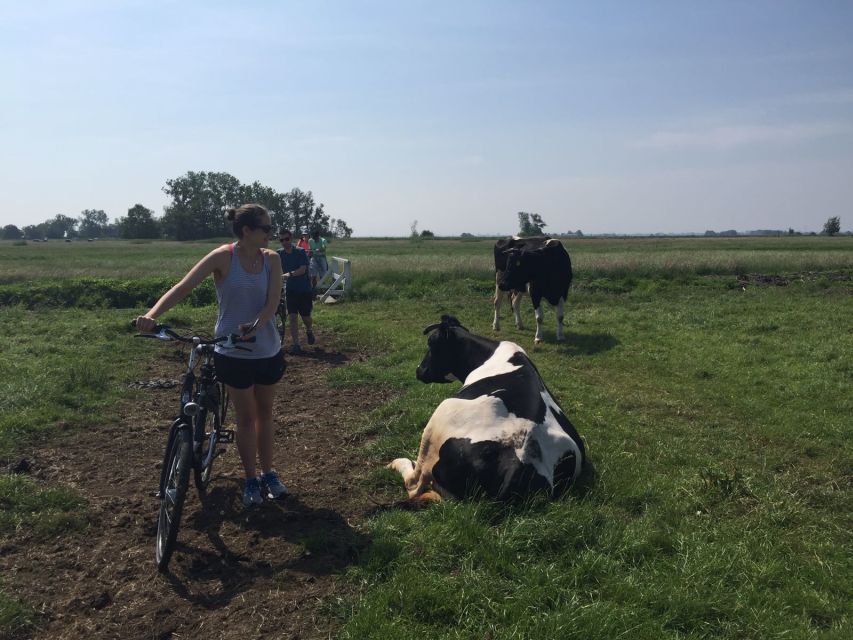
You will also pass through countryside paths lined with farms and animals. Riders specifically mention cows, sheep, and horses along the bike paths, which is one of those details that makes the ride feel peaceful and everyday, not staged. If you are hoping to see a different side of Holland than the canal-heavy city image, this is where the tour delivers.
Timing-wise, the total comes out to about 18 miles in around four hours. A few riders also referenced it as roughly 30 km, and either way, it is enough distance to feel like a real bike outing. The upside is that the route pace is intentionally comfortable. Guides often add short rests so you do not feel like you are pushing constantly. If you have to choose one mindset, go for relaxed endurance: ride steadily, enjoy the stops, and do not sprint for photos.
Weather is part of the deal. The tour runs rain or shine, so if skies look moody, plan to ride anyway. Bring a light rain layer if you have one, and accept that wet countryside views can look dramatic.
Holysloot break: apple pie fuel in a tiny farmland village
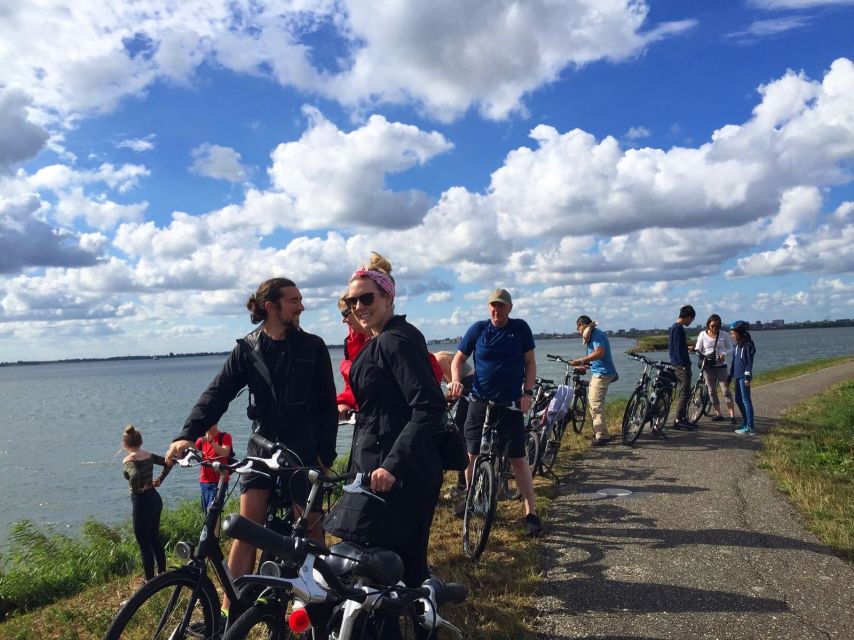
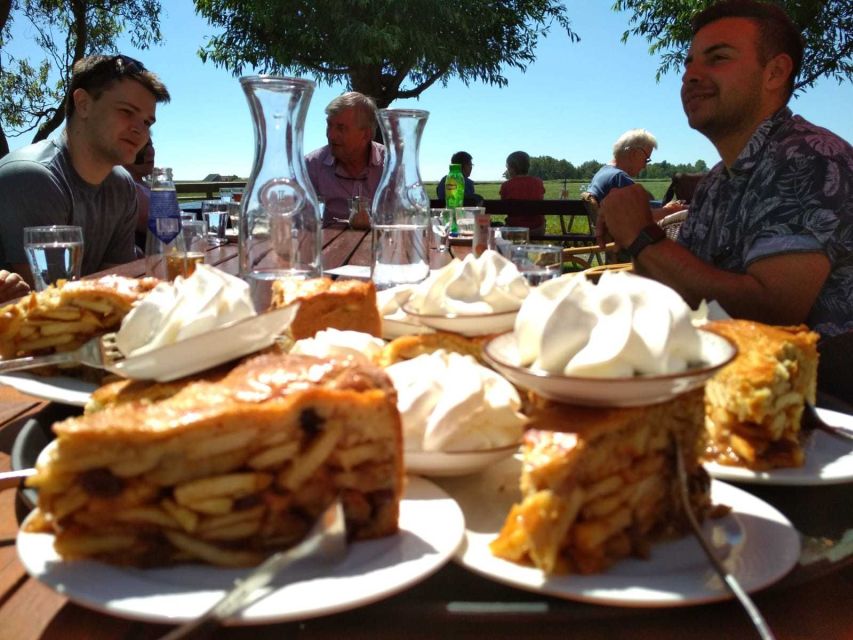
Halfway through, you stop for coffee in Holysloot, described as a tiny village in the farmlands of Holland. This is not a rushed snack stop. It is a genuine break that resets the tour, lets the group regroup, and gives you time to talk with the guide while you take in a quieter rural setting.
The standout is the homemade apple pie. Riders consistently call it world-famous, and they treat it like the main event of the middle of the tour. That is rare for a bike excursion, where food stops sometimes feel like an afterthought. Here, it is positioned as the fuel that keeps you going after the first stretch of riding.
If you are picky about timing, this is the point you want. After you eat, you still have enough energy for the next leg toward Ransdorp and the windmill stop. And because it is coffee plus pie, it works for a wide range of people, from those who want a light snack to those who need a real carb hit after cycling.
A small practical note: food and drinks are not included in the tour price. That means you will pay at the café for coffee and pie. The good part is that riders say the apple pie is worth it, so budgeting for the stop feels reasonable rather than optional.

Ransdorp and the Waterland vibe: a former capital moment
After Holysloot, you continue on to Ransdorp. This stop is built around place, not spectacle. You are shown the beauty of the town as a former capital of the Waterland region, with an attention-getting landmark: an iconic flat church tower.
What makes Ransdorp special on this route is how it feels like a pause in the broader Dutch system you have been learning about. Earlier you saw water control elements while riding. Now you see how communities formed and identified themselves in that setting. The church tower becomes a visual anchor, so you remember the stop even if you cannot recall every detail the guide shares.
You will also have another chance to ask questions. With a group of up to 12, it is easier to keep the conversation going instead of tuning out because everyone is waiting in a line. Many riders mention guides being friendly and making time for individuals at breaks, and this part of the day is where that friendly back-and-forth tends to pay off.
If you like taking photos, this is a good place to slow down. The scenery in this region does not require constant camera hopping. You can stand, breathe, and let the tower and village streets do the work.
One caution: if you want long stops for pictures, keep your expectations realistic. This is still a cycling tour with time to finish at the windmill and get back into Amsterdam. So enjoy the pause, but know the pace is part of the design.
The last chalk windmill of Holland: what you are really seeing
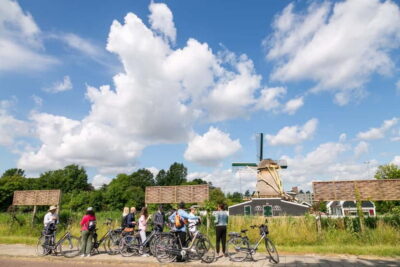
Near the end, the tour stops to see Holland’s last chalk windmill. Even if you have seen Dutch windmills in photos before, this one has extra meaning because it is tied to the mill industry of the 17th and 18th centuries, and you are not just looking at a prop. The guide explains how windmills function and how the industry shaped everyday work in that era.
This is a strong final highlight for two reasons. First, windmills are instantly recognizable, so you get that classic Holland photo moment. Second, the tour frames the windmill as part of the larger systems you have been learning about, especially water management and the way communities solved big problems with practical technology.
From a photo standpoint, this stop is ideal because you can usually slow down, get multiple angles, and take a few minutes to understand what you are looking at before you move on. And since it is late in the tour, it also feels like a reward before you ride back toward Amsterdam.
After you leave the windmill behind, you continue to return to the city. That timing is helpful: you get the iconic countryside moment, then you roll back before evening plans fall apart.
How hard is the ride really, and what should you pack
Let’s talk body reality. The tour is described as flat, leisurely, and designed for people who can ride a bike. You cover about 18 miles over roughly four hours, which means you are cycling long enough that comfort matters.
A few riders specifically warned that the next day can bring some soreness if you are not a frequent cyclist. That is not a reason to avoid the tour, but it is a reason to prepare. If you ride rarely, consider adding a cushion to your routine, like comfortable bike shorts if you have them, and do not book this tour with a big long hike the next morning unless you like paying for that with stiffness.
The good news is that pace feels manageable. Riders mention that guides take short rests after biking for a while, and that the route includes check-ins so you are not left behind or pushed too hard. The small-group format helps here too, because the guide can adjust the rhythm for the group.
Also remember this is rain or shine. If the weather turns, you will still be out there pedaling. Bring a rain layer if you own one, and if you are sensitive to damp, plan on wearing something you can dry later.
For gear, the tour includes a bike, and helmets are optional if requested. Beyond that, think personal basics: water, a light layer, and a phone with enough battery for the countryside photos you will want. Since food is not included, you also have more reason to have an empty stomach for the Holysloot break.
And if you are wondering about bathrooms and getting cleaned up: some riders reported being able to use restroom facilities and wash up when they returned to the bike shop area. That is not guaranteed in every situation, so treat it as a nice bonus if it is available that day.
Price and value: what $47 buys you in the real world
At about $47 per person for a 4-hour tour, the value comes from a combination that adds up quickly in Amsterdam. You are paying for a guided bike experience that includes the bike itself, the guide, and logistical support like ferry timing and route management.
What is included:
- A bike
- Helmet if requested
- A tour guide
What is not included:
- Food and drinks
So the cost is not just “cycling.” It is guided transportation into North Holland plus the context that makes the ride meaningful. Riders repeatedly mention the guides doing a great job with history and practical Dutch themes, and names like William, Joris, Pierce, and Sen show up often in the guide stories people tell. That is important because a guided interpretation is what turns a simple ride into a coherent half-day.
If you like spending money on experiences where a guide makes things easier and more interesting, this pricing fits your style. If you are the type who wants everything included, the food stop may feel like an extra spend. But it is also a known stop with a strong reputation, so it is easier to budget than an unknown lunch situation.
Also, small group matters. Limited to 12 participants, you are less likely to feel like a face in a crowd. You can ask questions and keep track of the route without constant confusion, which is a real quality-of-life value, not just a marketing promise.
Who should book this Amsterdam countryside bike tour
This tour is best for you if:
- You want a break from Amsterdam city sightseeing for half a day
- You like bikes and want a flat, manageable ride (about 18 miles)
- You enjoy learning while moving, especially about Dutch water management and windmills
- You want village and farmland views close to the city
It also tends to work well for people new to biking. Multiple riders said they felt comfortable after a short start and appreciated the supportive group pace.
You might want to skip it if:
- You cannot ride a bike at all
- You are looking for an all-inclusive meal experience for the full duration
- You want lots of free time to wander without moving on
Should you book this Amsterdam countryside ride or not?
I think this tour is a strong choice if your Amsterdam trip has room for one countryside-focused half day and you want more than scenic cruising. The ferry start, the water-management context, the Holysloot apple pie break, and the last chalk windmill stop give you a full arc: leave the city, understand the Dutch system, taste the local treat, see village life, and end with a memorable icon.
Book it if you enjoy guided stories, want a comfortable pace, and are ready for about four hours of cycling. Skip it if you want a gentle stroller-style tour with minimal bike time, or if riding longer distances is stressful for you. If you can ride and you want a countryside day that feels genuinely Dutch, this is the kind of “close to Amsterdam” experience that tends to stick with people long after the bikes get parked.
FAQ
How long is the countryside bike tour from Amsterdam?
The tour lasts 4 hours.
How far will I bike?
You will cover about 18 miles (around 4 hours), which some riders describe as roughly 30 km.
Is the ride flat and easy?
Yes, it is described as flat and leisurely, but it is still a bike ride and you need to be able to ride a bike.
What is included in the price?
The price includes a bike, a tour guide, and a helmet if requested.
Does the tour include food and drinks?
No. Food and drinks are not included. There is a coffee break stop for apple pie in Holysloot.
How big is the group?
The group is small, limited to 12 participants.
This Is Cycling Country
Everything Else From Our Amsterdam Notebook


Also Reviewed Around Amsterdam



Fresh off the review pile in Amsterdam
- Full-Day Trip From Amsterdam to Keukenhof, Zaanse Schans + Cruise
★ 5.0 · 3 reviews - Boutique Dutch Food & History Tour with up to 8 guests only
★ 5.0 · 3 reviews - Private Tour to Windmills Zaanse Schans +Keukenhof – 7 Hours
★ 5.0 · 3 reviews - Full-Day Private Guided Countryside Tour from Amsterdam by Bike
★ 5.0 · 3 reviews - Amsterdam Red Light District and Old Town Walking Tour
★ 5.0 · 3 reviews
Cycling Tours, compared.
 ★ 4.7Amsterdam: Guided Bike Tour City Centre in EN/DE/FR/ESFrom $414,187 reviews
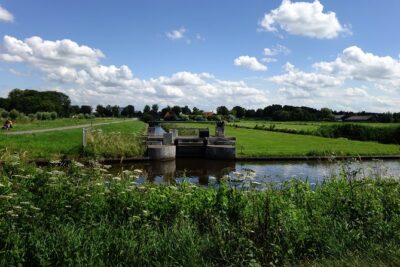 ★ 5.0Countryside Bike Tour from Amsterdam: Cheese, Clogs & a WindmillFrom $591,485 reviews
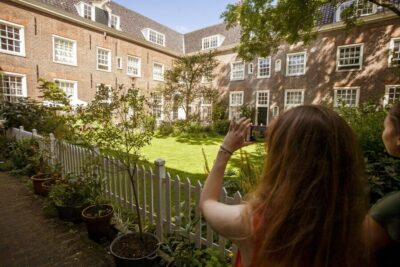 ★ 4.8Amsterdam: Hidden Gems & Highlights Guided Bike TourFrom $441,404 reviews
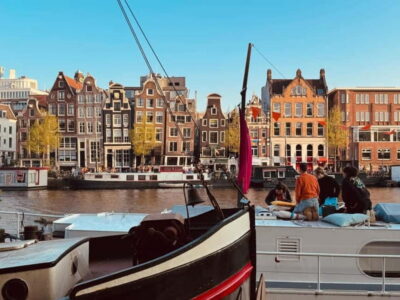 ★ 4.9Amsterdam: Off the Beaten Path Bike Tour in FrenchFrom $411,193 reviews
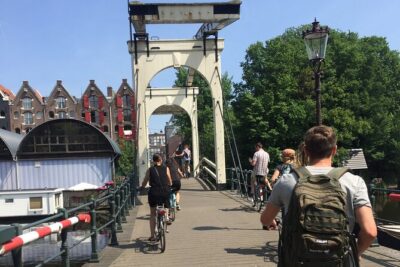 ★ 5.0Amsterdam Highlights Bike or E-Bike TourFrom $451,171 reviews
 ★ 4.5Amsterdam: Windmill, Cheese, and Countryside E-Bike TourFrom $431,166 reviews
 ★ 4.7Amsterdam: Relaxed City Highlights Guided Bike TourFrom $341,069 reviews
 ★ 4.5Amsterdam: Guided City Bike Tour in FrenchFrom $41806 reviews
Browse the lists this tour appears in