
REVIEW · AMSTERDAM
Liberal Amsterdam: Small-Group Walking Tour & Anne Frank VR
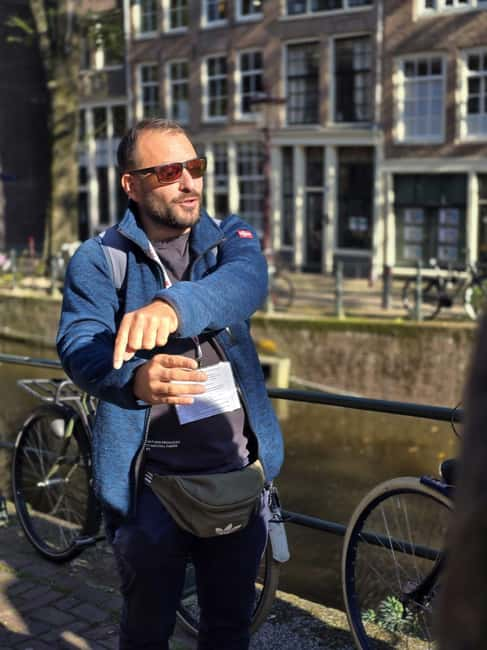
Amsterdam gets personal on this walk. With guide Antonis, you trace WWII hiding places, canal-era water stories, and the city’s liberal side in a small group kept to up to six. I like how the walk stays conversational, with pauses for questions and laughs, then ends with coffee and optional Anne Frank VR.
One caution: the route includes the National Holocaust Names Monument and the Anne Frank story, so it is moving and can feel heavy if you want only light sightseeing.
In This Review
- Key highlights you will feel on the route
- Why liberal Amsterdam works when the walking tour stays human
- Value for $33: what you actually get in about 3 hours
- The 3-hour route from Kattengat to Waag, stop by stop
- Stop 1: Kattengat 4-6, starting with WWII hiding history
- Stop 2: HIV/AIDS monument, a quick photo stop and safety briefing
- Stop 3: Amsterdam Centraal Station, a bearings stop
- Stop 4: Tony’s Chocolonely Super Store, a short culture break
- Stop 5: Aluminium Bridge, canal story time
- Stop 6: Staalmeestersbrug, bridges and hidden stories
- Stop 7: Jewish Quarter, guided walk through human history
- Stop 8: Magere Brug, iconic photo moment with meaning
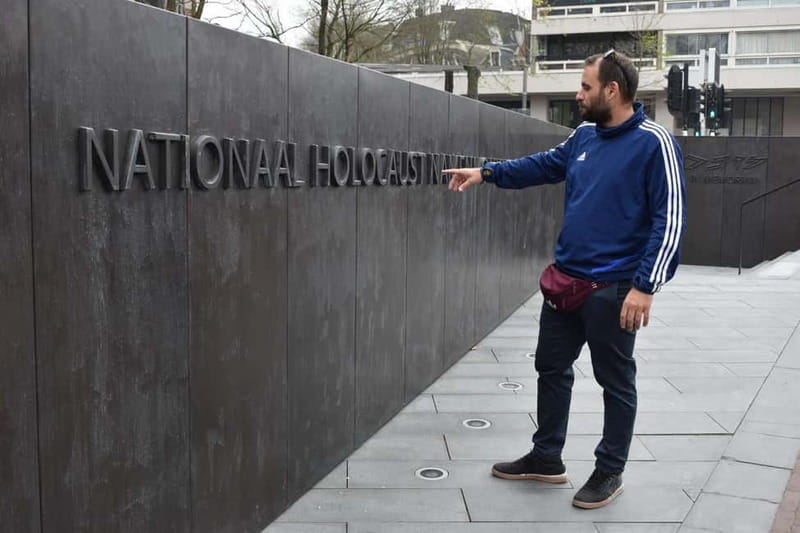
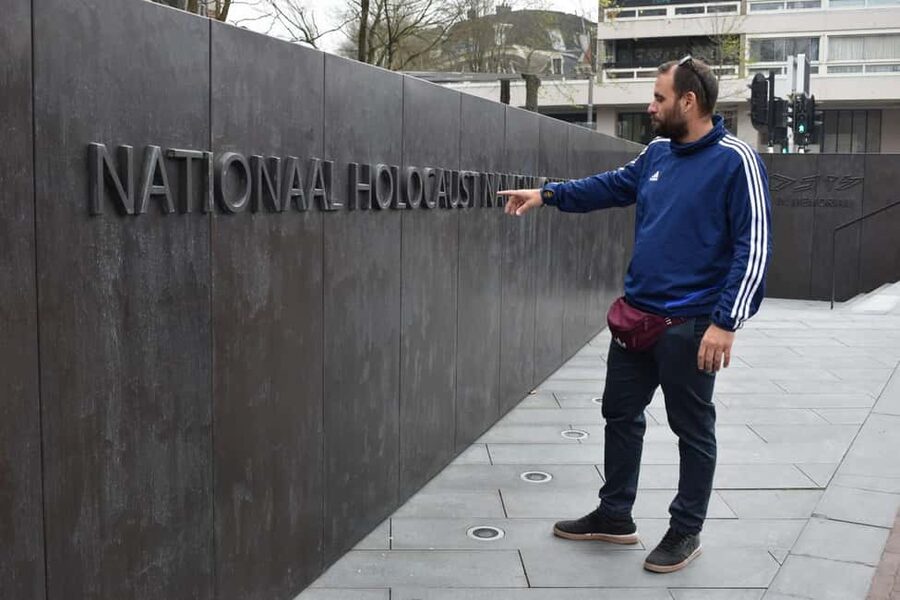
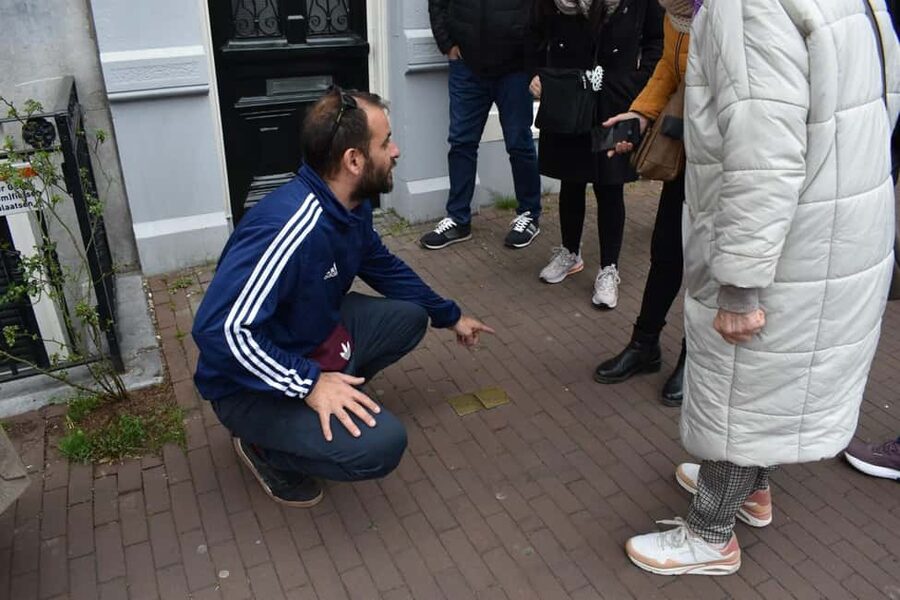
- Stop 9: National Holocaust Names Monument, the reflective stop
- Stop 10: Blauwbrug Bridge, quick guided photo time
- Stop 11: Zuiderkerk, skyline landmark and civic context
- Stop 12: Nieuwmarkt Square, city layers in one place
- Stop 13: Finish at Waag, then coffee and VR finale
- Anne Frank House in VR: why the format feels different
- The extra touches: coffee, chocolate, Polaroids, and a postcard with a stamp
- What to bring so the 3 hours feel easy
- Who should book Liberal Amsterdam with EcoEcho Tours
- Should you book this tour or skip it?
- FAQ
- How long is the Liberal Amsterdam tour?
- Is the Anne Frank VR included, and do I have to do it?
- What group size should I expect?
- Where does the tour start and end?
- What is included in the price besides the guide?
- Is the tour wheelchair accessible?
Key highlights you will feel on the route
- Antonis’s storytelling style uses humor, chalk-style explanations, and real questions, not a slideshow lecture
- Small group size (up to 6) makes it easy to ask things and hear answers in context
- WWII to liberal culture connections bring resistance, freedom, and compassion into the same street view
- Bridges and canals as history clues including talk of secret detention spaces under bridges
- Optional Anne Frank VR is calm, pass-around style, and designed as a conversation starter
- Keepsakes that cost you nothing extra including a Polaroid photo and a postcard with a handwritten message and official stamp
Other walks through Amsterdam Jewish history
- Anne Frank’s Story – Guided Walking Tour through Amsterdam★ 5.0 · 11,619 reviews
- Amsterdam: Life of Anne Frank and World War II Walking Tour★ 4.8 · 10,467 reviews
- Amsterdam: Anne Frank Guided Small Group Walking Tour★ 4.8 · 2,722 reviews
- Amsterdam: Anne Frank Walking Tour – Guided in EN/DE/IT/ES★ 4.9 · 2,676 reviews
Why liberal Amsterdam works when the walking tour stays human
This is one of those Amsterdam experiences where the city stops being a postcard and becomes a place with choices, fears, and everyday life. Antonis guides you through WWII sites and quieter corners, then he stitches it to modern Amsterdam values. You are not just collecting facts. You are getting context for why people built a society that cared about freedom, art, and compassion, even after brutal history.
I also like that the tour leans into small details you would otherwise miss. You will hear about why houses lean and what life on houseboats says about Amsterdam. You will learn why water management was not just engineering, it shaped how neighborhoods grew and how people coped with risk.
The vibe is relaxed, with photo stops mixed into guided moments. That matters in a place like Amsterdam, where a typical big-group tour can turn into constant motion and rushing. Here, you slow down enough to see, ask, and remember.
Value for $33: what you actually get in about 3 hours
At $33 per person for a 3-hour, English-language small-group walk, the value comes from the mix. You are paying for:
- A live guide, Antonis, not just audio
- A route timed for conversation, with short segments at landmarks
- A coffee break with warm coffee plus bottled water
- A local sweet treat that can be chocolate or Dutch cookies
- Keepsakes: a mini Polaroid and a postcard with a handwritten message and official stamp
- An optional Anne Frank VR experience at the end
In other words, you are not just buying a walk. You are buying interpretation, comfort breaks, and mementos that feel personal. That is especially useful if you are only in Amsterdam for a short visit and want one outing that ties history to the city you will still be seeing afterward.
The 3-hour route from Kattengat to Waag, stop by stop
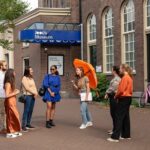
You meet outside the restaurant De Silveren Spiegel at Kattengat 4-6. The tour then moves across central Amsterdam, using landmarks and canal crossings to set up the stories. The pace is relaxed, but you are still walking, so plan for comfortable shoes.
Stop 1: Kattengat 4-6, starting with WWII hiding history
This start point is close to a WWII backdrop, framed around how Jewish families were hidden during the occupation. It works well because you begin right away, before the city can feel like a generic museum of canals.
What to watch for: the neighborhood scale. Amsterdam’s old streets are narrow and practical, and the guide’s framing helps you picture how survival happened in plain sight.
Prefer to see it on foot? More Amsterdam walks
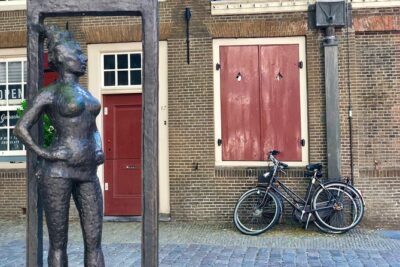
Stop 2: HIV/AIDS monument, a quick photo stop and safety briefing
You pause for photos at the HIV/AIDS monument, then get a short safety briefing and orientation. The official topic here is public history and remembrance, and it also gives you a breather after the first WWII framing.
Practical tip: use this stop to reset your phone camera angle and make sure you are ready for canal photo moments ahead.
Stop 3: Amsterdam Centraal Station, a bearings stop
You get a brief stop at Amsterdam Centraal Station for photos and a guided moment. This helps you understand where you are in the city’s geography. Even if you have been to Centraal before, the guide uses the area to connect past and present.
Look for: how the station sits as a hub, then how the tour route pulls you away from the most obvious tourist flow.
Stop 4: Tony’s Chocolonely Super Store, a short culture break
A short photo stop and quick guided look at Tony’s Chocolonely Super Store. This is brief on purpose. It is a palate-cleanser before you move back into heavier memory themes.
If you enjoy food-focused stops, you will appreciate that the tour does not treat Amsterdam like only monuments.
Stop 5: Aluminium Bridge, canal story time
At Aluminium Bridge, the guide uses the canal setting to explain how Amsterdam’s design shaped daily life. This is one of the moments where the tour’s theme of water management starts to feel real.
Why it matters: when you understand the city’s relationship with water, leaning houses, bridges, and houseboats stop looking like random scenery and start looking like a system people built to live.
Stop 6: Staalmeestersbrug, bridges and hidden stories
This is another bridge moment, with guided context and photo time. Here, you will hear about canal-linked tactics during WWII, including talk of secret detention spaces under bridges.
Consideration: bridge stories can be emotionally sharp because the tour is not only about architecture, it is about people trying to survive.
Stop 7: Jewish Quarter, guided walk through human history
You enter the Jewish Quarter area for a guided segment. This is where the tour leans hardest into WWII resistance and the human stories behind names, places, and neighborhoods.
What you should do: let the guide set the pacing. In this zone, you get more by listening than by zooming in with your camera.
Stop 8: Magere Brug, iconic photo moment with meaning
Magere Brug is famous for a reason, and you get photo time with guided context. The tour uses the charm of the view to contrast what the city looks like in peacetime versus what happened there in the past.
If you want a clean photo, try to step slightly back from the densest walkway spot and wait for the group to move. This tour keeps you moving, but it does not speed you.
Stop 9: National Holocaust Names Monument, the reflective stop
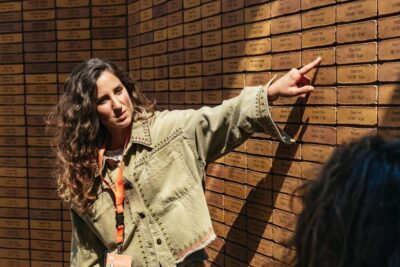
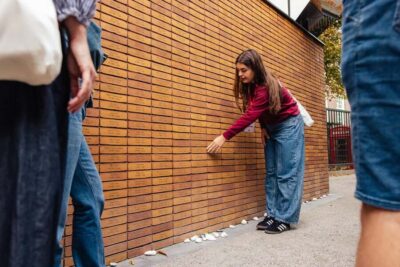
This is one of the most important stops on the route. You get guided time at the National Holocaust Names Monument, with a moment to reflect. It is not rushed.
If you are sensitive to Holocaust themes, plan for that feeling. I recommend giving yourself a second after the guided explanation, just to let it land before you keep walking.
Stop 10: Blauwbrug Bridge, quick guided photo time
A photo stop at Blauwbrug Bridge with brief guiding. This helps maintain the rhythm so you are not stuck in one emotional mode for the whole tour.
Practical note: if you need a moment to refocus after Stop 9, use the photo time as a reset.
Stop 11: Zuiderkerk, skyline landmark and civic context
You pause near Zuiderkerk with photo time and guided commentary. The guide often uses church and civic landmarks to talk about how Dutch society changed after WWII and how liberal values took shape in daily life.
Pay attention to how the guide connects culture and institutions, including how the Dutch educational system plays into long-term progress.
Stop 12: Nieuwmarkt Square, city layers in one place
Nieuwmarkt Square is where you feel Amsterdam as multiple layers: trade routes, old streets, and the kind of everyday public space where history keeps returning in new ways. You get guided time here.
This is also a good zone to ask questions. With a small group, Antonis can actually answer you directly rather than speaking to a crowd.
Stop 13: Finish at Waag, then coffee and VR finale
The tour finishes at Waag. But before you wrap, there is a coffee break segment. You enjoy warm coffee plus bottled water and a daily-changing local sweet treat (often chocolate or Dutch cookies). It is a chance to sit, talk, and let the heavier parts settle.
Then comes the VR finale.
Anne Frank House in VR: why the format feels different
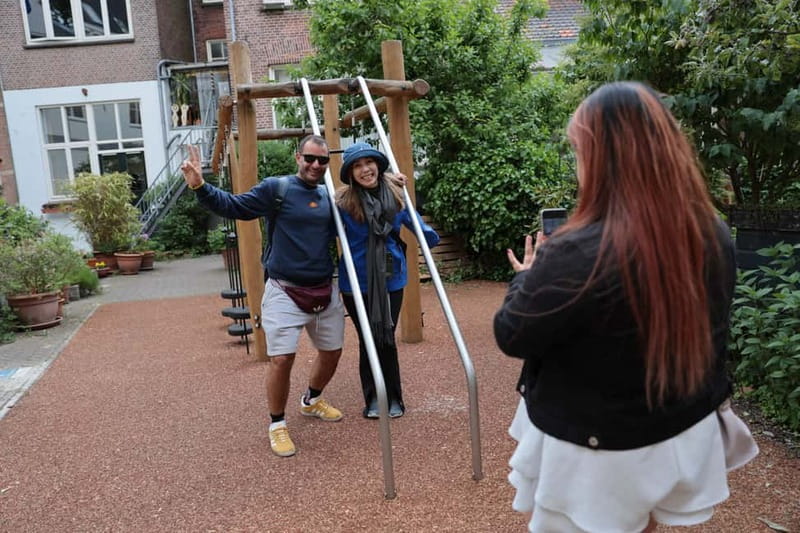
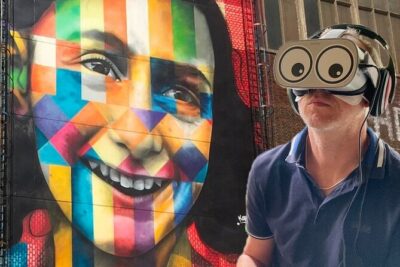
The Anne Frank House VR part is totally optional. There is just one headset, and people pass it around if they want to try it. It is not a scripted performance, and it does not feel like a scheduled show you must sit through.
What you will get is a high-quality virtual step into the Secret Annex experience, with conversation around it as you hang out after the coffee.
Why this format works: because the tour already built the context with WWII sites and the Holocaust names monument, the VR experience lands as a follow-up, not a sudden jump into a different theme. You can also choose not to do it, which is helpful if you are overwhelmed or simply prefer to keep your feet on the ground and your head clear.
The extra touches: coffee, chocolate, Polaroids, and a postcard with a stamp
A walking tour with surprises is risky. You do not want gimmicks. This one keeps it practical and personal.
After the coffee, you receive:
- A mini Polaroid photo taken for you during the experience
- A postcard of Amsterdam connected to the Anne Frank Museum or City Archives, with a personal handwritten message and an official stamp
- A local sweet surprise (often chocolate or Dutch cookies)
Then there are the small guidance extras that you cannot easily quantify. Antonis provides a list of recommendations plus insider suggestions for nearby bars and restaurants. That is worth real money in a city like Amsterdam, where the tourist traps are easy to find but the good places can take a bit more effort.
What to bring so the 3 hours feel easy
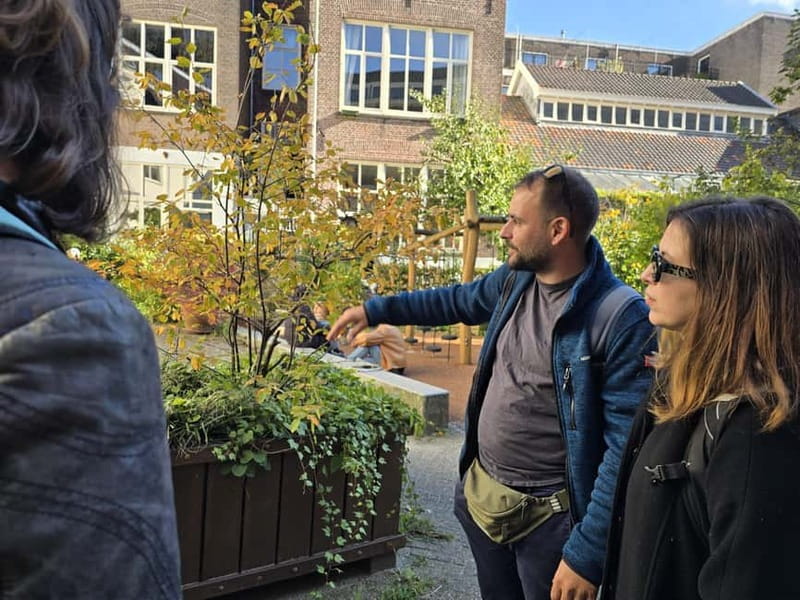
This is a relaxed pace, but comfort still matters.
Bring:
- Comfortable shoes (Amsterdam streets are not flat where you want them to be)
- A camera if you want the bridge and canal shots
- Water (bottled water is included, but you can still carry your own)
- Weather-appropriate clothing, because you will be outside the whole time
Also, bring questions. This tour is set up for back-and-forth. Antonis likes to engage, and the small group size makes that possible.
Who should book Liberal Amsterdam with EcoEcho Tours
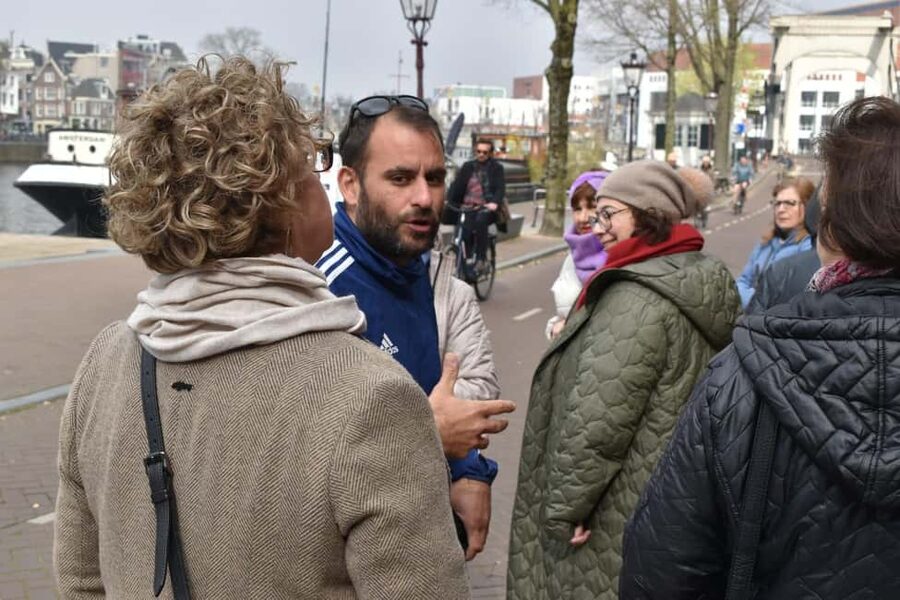
This tour fits best if you want Amsterdam with meaning, not just landmarks. It is a strong choice for:
- Solo travelers who like conversation and direction
- Couples who care more about stories than selfies
- Anyone who has already seen the big tourist highlights and wants a different angle
- People who are curious about how liberal values connect to places, education, and public life
If you prefer a purely light and comedic walk, this may not be your match because WWII and Holocaust sites are central. If you are okay with that, you will likely appreciate how thoughtfully the guide paces the emotional moments.
Should you book this tour or skip it?
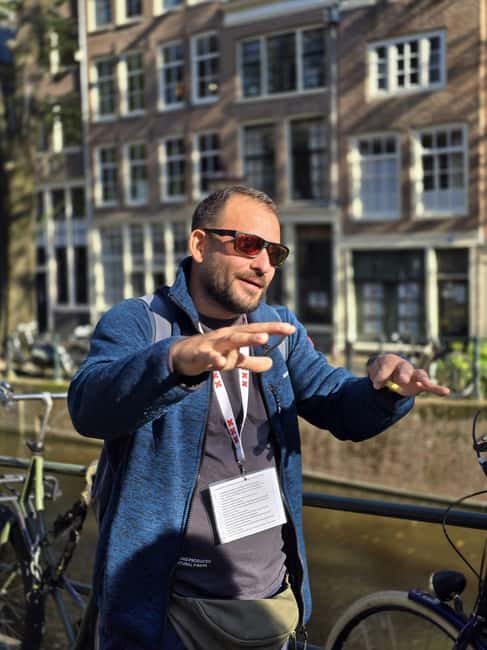
Book it if you want one small-group outing that connects WWII Amsterdam to the city’s liberal culture, and you like guides who explain with warmth and humor. The $33 price makes sense because it is not only walking, it includes coffee, water, a sweet treat, and actual keepsakes like the Polaroid and stamped postcard. The optional Anne Frank VR is a bonus, not a requirement.
Skip it if you are not ready for Holocaust-related content or you need a fully seated or wheelchair-friendly experience, since the tour is not suitable for wheelchair users. And if you hate the idea of VR at all, remember it is optional, so you can still do the walking and coffee portion.
Overall, this is the kind of tour where you walk away with more than photos. You get a clearer sense of why Amsterdam looks the way it does, and why its stories keep mattering.
FAQ
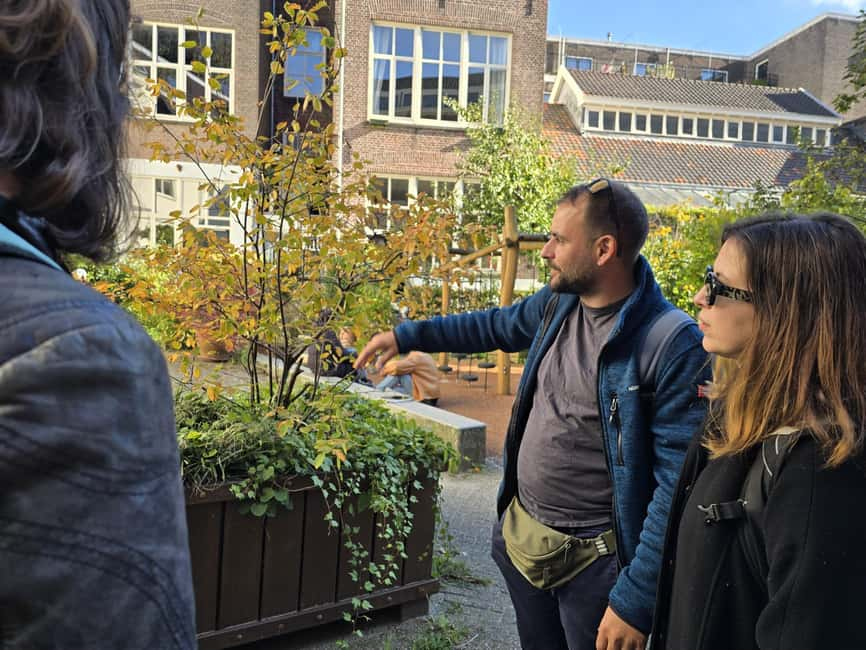
How long is the Liberal Amsterdam tour?
The tour lasts about 3 hours, with roughly 2 hours walking and about 1 hour for the coffee break and optional VR session.
Is the Anne Frank VR included, and do I have to do it?
The VR experience is totally optional. There is one headset, and it is passed around only if people feel like trying it.
What group size should I expect?
The small-group format is limited to 6 participants.
Where does the tour start and end?
You meet outside the restaurant De Silveren Spiegel at Kattengat 4-6. The tour ends back at the meeting area, and the route also lists finishing at Waag.
What is included in the price besides the guide?
You get warm coffee during the break, bottled water, a local sweet surprise, a mini Polaroid photo, a unique postcard with a personalized handwritten message and official stamp, and a list of recommendations.
Is the tour wheelchair accessible?
No. The tour is not suitable for wheelchair users.
Everything Else From Our Amsterdam Notebook
Also Reviewed Around Amsterdam



Jewish Amsterdam: Sites and Memory


Fresh off the review pile in Amsterdam
- Full-Day Trip From Amsterdam to Keukenhof, Zaanse Schans + Cruise
★ 5.0 · 3 reviews - Boutique Dutch Food & History Tour with up to 8 guests only
★ 5.0 · 3 reviews - Private Tour to Windmills Zaanse Schans +Keukenhof – 7 Hours
★ 5.0 · 3 reviews - Full-Day Private Guided Countryside Tour from Amsterdam by Bike
★ 5.0 · 3 reviews - Amsterdam Red Light District and Old Town Walking Tour
★ 5.0 · 3 reviews
Anne Frank & Jewish Heritage, compared.
 ★ 5.0Anne Frank’s Story – Guided Walking Tour through AmsterdamFrom $3911,619 reviews
 ★ 4.8Amsterdam: Life of Anne Frank and World War II Walking TourFrom $3710,467 reviews
 ★ 4.8Amsterdam: Anne Frank Guided Small Group Walking TourFrom $282,722 reviews
 ★ 4.9Amsterdam: Anne Frank Walking Tour – Guided in EN/DE/IT/ESFrom $282,676 reviews
 ★ 5.0Anne Frank Walking Tour Amsterdam Including Jewish Cultural QuarterFrom $751,879 reviews
 ★ 5.0Anne Frank’s Last Walk & See Anne Frank House in Virtual RealityFrom $42957 reviews
 ★ 5.0Anne Frank and Jewish Quarter Amsterdam Private Walking TourFrom $157684 reviews
 ★ 4.3Amsterdam: Canal Cruise from Anne Frank MuseumFrom $18563 reviews
Browse the lists this tour appears in