
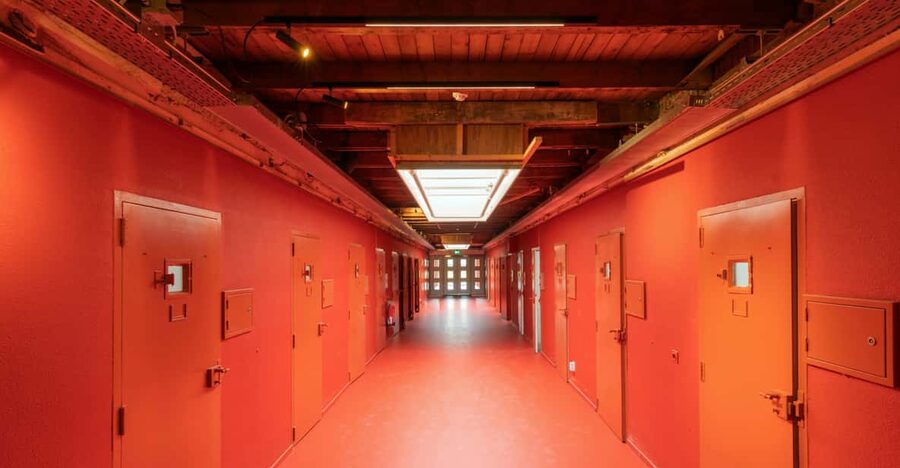
REVIEW · THE HAGUE & SCHEVENINGEN
Oranjehotel World War II Prison Entrance Ticket
A prison cell you cannot forget. Oranjehotel in The Hague tells the WWII Nazi occupation story through the rooms where prisoners waited, feared, and hoped.
I especially like two things. First, it is self-paced, so you can slow down in the moments that hit hard. Second, the audio guide ties the building to real documents and survivor accounts, not just dates on a wall.
One thing to consider: this is not a light, feel-good museum. The exhibit is powerful, and it can feel heavy, even if it is designed thoughtfully.
In This Review
- Key things you will notice
- Oranjehotel Basics: a Nazi prison in The Hague, explained room by room
- Your Self-Paced Route and the Audio Guide in 4 Languages
- Cell 601: the notorious death cell and what it changes in your understanding
- What Life Felt Like Under Occupation, Hunger, Fear, and Insecurity
- The Building and the Rise of Resistance in the Netherlands
- Logistics That Matter: where to start, how to pace, and what to bring
- Price and Value: what $15 buys you (and why it feels fair)
- Staff, tone, and how respectful the exhibit feels
- Who should book this Oranjehotel ticket?
- Pairing it with a Hague day plan
- Should you book the Oranjehotel World War II Prison Entrance Ticket?
- FAQ
- Where is the Oranjehotel World War II prison entrance ticket meeting point?
- How long is the visit with this ticket?
- How much does the ticket cost?
- Is an audio guide included, and what languages are available?
- Is the experience wheelchair accessible?
- Is food included with the admission ticket?
- Can I cancel and get a full refund?
- Can I reserve now and pay later?
Key things you will notice
- Cell 601 is the emotional centerpiece, tied to the prison’s role in executions
- Audio guide only means you follow numbered stops at your own pace
- Documents, photos, videos, and audio fragments help tell personal stories clearly
- Injustice plus humanity comes through, including fear, hunger, hope, and solidarity
- A building shaped by occupation and resistance helps you connect prison life to the wider war
Oranjehotel Basics: a Nazi prison in The Hague, explained room by room
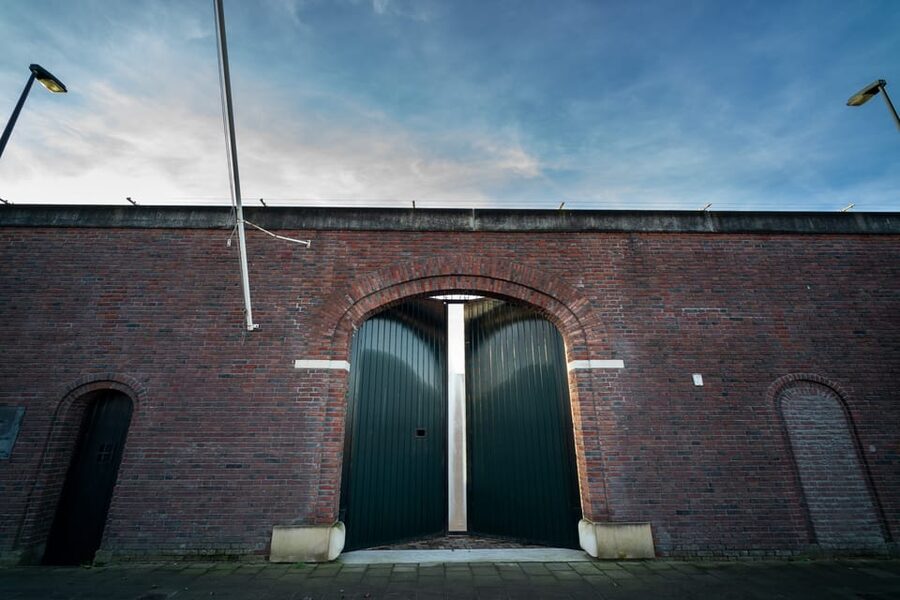
The Oranjehotel is one of the most important Nazi prisons in the Netherlands, and it sits in South Holland in Den Haag (The Hague). With an admission ticket, you enter the memorial at your own pace and use an included audio guide to understand what imprisonment meant during the German occupation.
The building’s purpose was brutally direct. For more than 250 prisoners, this became the last stop after sentencing, with executions carried out by firing squad. That is the key framing for the whole visit: you are not touring a building that happened to be involved in WWII, you are walking through a place built into the machinery of terror.
The visit lasts about one day at your discretion. In practice, you will probably spend most of your time listening, reading, and absorbing the exhibits station by station. This is not a quick photo stop. Plan for a slower rhythm, because the stories are personal and designed to be respected.
Your Self-Paced Route and the Audio Guide in 4 Languages
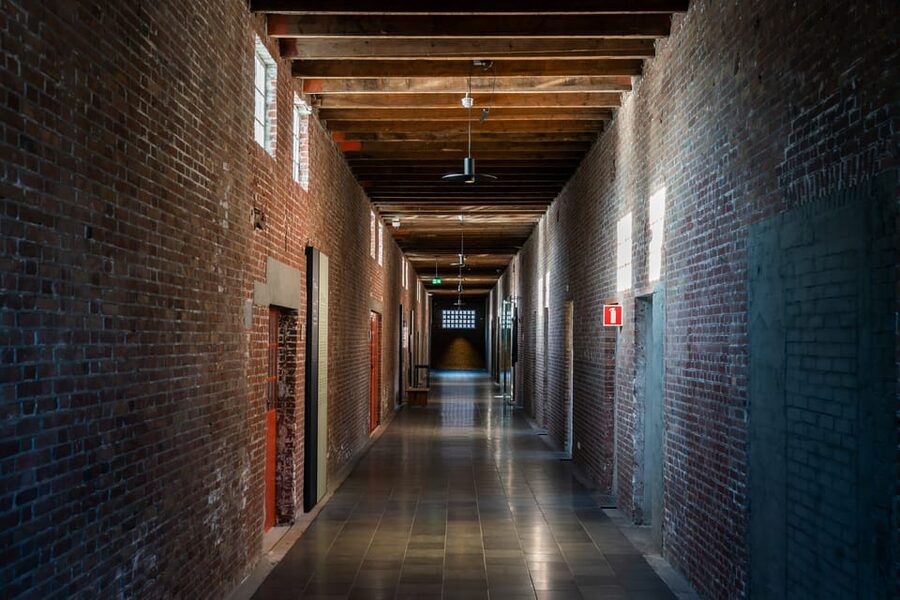
There is no guided tour where a group marches together on a schedule. Instead, you go through the exhibition using the audio guide and numbered points. This is a big plus for a memorial like this. It lets you pause when a story lands, and it gives you control over how much you read at each station.
The audio guide is included with your ticket and is available in English, Dutch, German, and French. That matters because the emotional weight is easier to carry when you understand every detail, including testimonies and the explanations of what happened to prisoners and their families.
What you can expect at each stop is a mix of mediums:
- background explanations about the building and its WWII role
- prisoner stories told through interviews and audio fragments
- documents and photographs that make the narrative feel grounded
- some videos as part of the station content
- written material that you can take at your own pace
It is a smart way to present history. You are not forced into one learning style. If you prefer listening, you can lean on the audio. If you like reading, you can spend extra time on documents and photos.
Cell 601: the notorious death cell and what it changes in your understanding
If you remember just one part of Oranjehotel, make it Cell 601. It is the most notorious death cell in the exhibit, and it becomes the clearest window into how the system worked at the end.
In a visit like this, one of the hardest questions is not just what happened, but what it felt like. The audio guide helps answer that by connecting the space to the human stories inside it: injustice, fear, hunger, and insecurity, followed by a thread of hope and the stubborn will to survive. When you stand in or near the death-cell area, it is not abstract. The room becomes part of a timeline, and you start to see how daily conditions and final sentences fit together.
There is also a respect factor. The exhibit is arranged so you can take time at each part without rushing. That means you are not pushed to “move on” before you are ready, and that is important when the subject matter is so heavy.
One practical note from the way the museum is discussed and experienced: you may feel that the prison has fewer unchanged cell areas than you hoped for. The focus is strongly on telling the story accurately, with Cell 601 as the big anchor.
What Life Felt Like Under Occupation, Hunger, Fear, and Insecurity
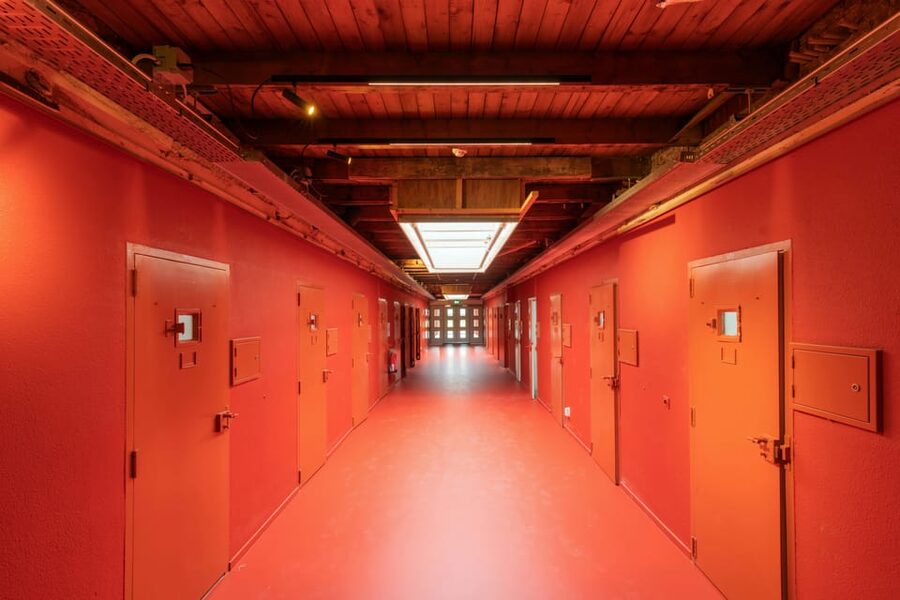
A prison is supposed to be about confinement. Oranjehotel also makes it about uncertainty, because occupied Netherlands life was full of insecurity. As you move through the exhibits, you learn how prisoners were treated and how their days could shrink into waiting, worry, and the slow erosion of control.
You get more than moral statements. The audio guide weaves the conditions of imprisonment into the stories. You hear about hunger and fear, and you also hear about how some people clung to hope, solidarity, and faith in freedom. That balance is not there to soften the horror. It helps you understand something more useful: resistance did not only happen in dramatic moments. It happened in how people endured, shared information, and kept their humanity.
Another important layer is the disruption caused to families. The visit does not stop at the prison doors. It explains the consequences after arrests and sentencing, and that is part of why the memorial feels personal. You do not just learn about what prisoners went through. You also see how the wider community was hit and how that pain carried beyond the war.
The Building and the Rise of Resistance in the Netherlands
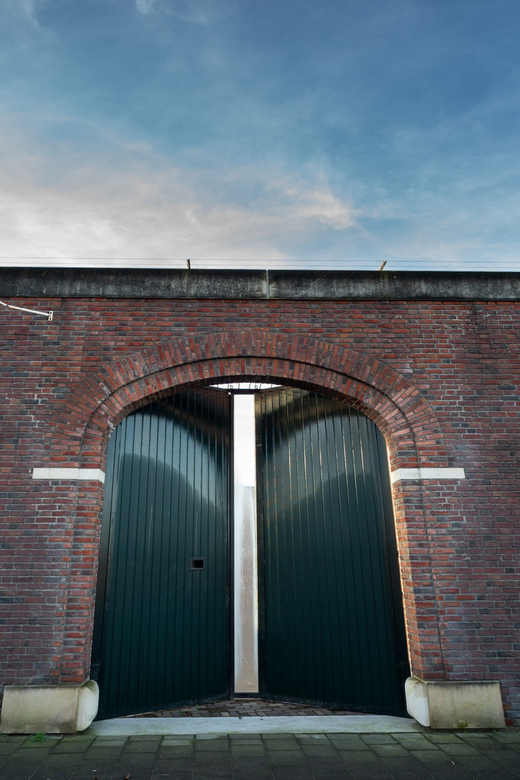
Oranjehotel is not only a place to mourn. It is also a place to connect dots between imprisonment and what was happening outside the walls.
As you listen, you learn about the history of the building and the rise of the resistance. That context matters because it changes your understanding from “this was a tragedy” to “this was a conflict between terror and human resistance.” Even if your visit focuses heavily on prisoner life, the exhibit keeps reminding you that the occupation did not control everything, and people pushed back in different ways.
This is also where the memorial feels unusually educational. You leave with a clearer sense of how the resistance movement shaped what the occupiers did, and how imprisonment became part of the pressure campaign.
Logistics That Matter: where to start, how to pace, and what to bring
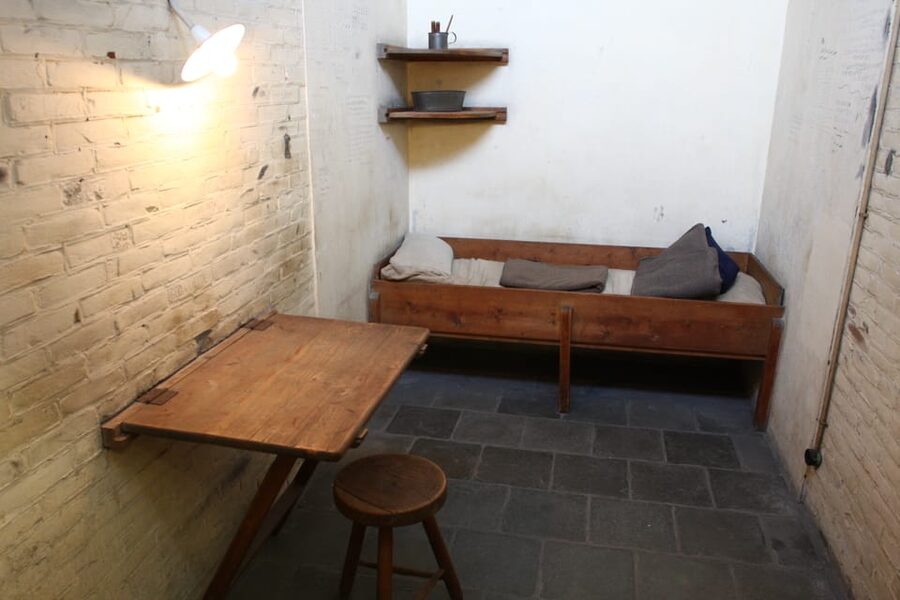
Your meeting point is the Nationaal Monument Oranjehotel at Van Alkemadelaan 1258, 2597 BP Den Haag, Netherlands. Use that address to orient yourself and plan your arrival time, because you want to begin when you have enough energy to listen carefully.
Timing: the ticket is valid for one day, and you should check availability for the starting times. Since the experience is self-paced, your best strategy is to arrive with a cushion of time. If you go in with tight plans afterward, you may feel rushed while you are listening to interviews and absorbing documents.
Wear and bring what helps you take your time. Comfortable shoes are a must, because you are moving between stations. Also bring a small bottle of water if you think you will want one. Food and drinks are not included, so you cannot assume you can grab a snack inside.
Price and Value: what $15 buys you (and why it feels fair)
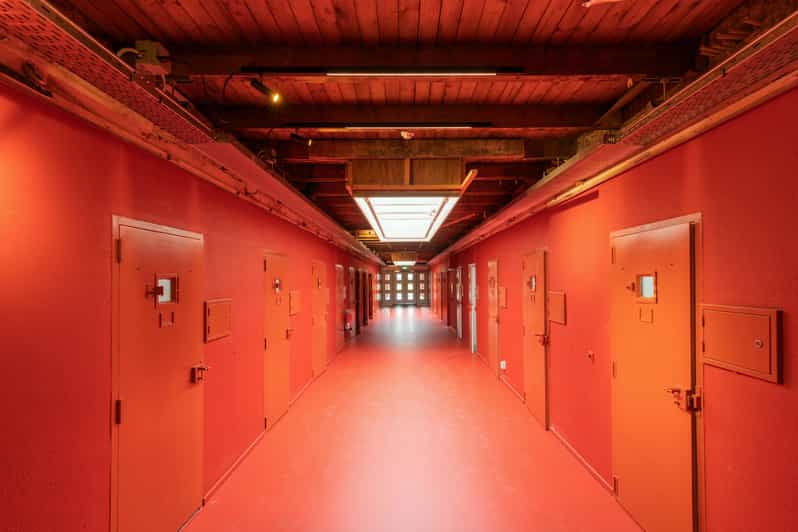
At about $15 per person, the ticket price feels reasonable for what you actually get: entrance plus an included audio guide. You are paying for access to a preserved, meaningful memorial site, plus interpretation that helps you understand the stories without needing a live guide.
This is not the kind of attraction where you get a quick walkthrough and mostly rely on your own reading. The audio guide is central. It explains the prison role, provides context around the resistance, and delivers prisoner stories through interviews and audio fragments. That makes the cost feel tied to learning and comprehension, not just entry.
Also, the lack of included food can keep the price honest. You are not paying museum pricing for a snack you might not even want. Still, you should plan your day accordingly if you are visiting in the middle of mealtime.
Staff, tone, and how respectful the exhibit feels
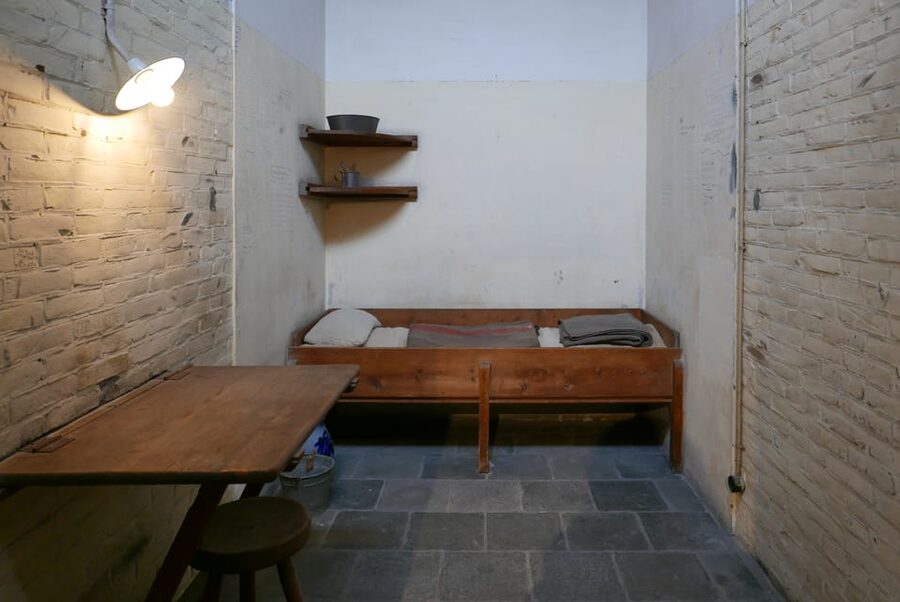
The experience is designed to be respectful, and the staff support is part of why. People describe the welcome as friendly and helpful, especially at the start when you need help getting oriented with how the numbered route works.
What I like about the overall tone is that it does not push you into making quick emotions. It gives you time. It’s built for understanding. Even when the subject matter is visceral, the experience keeps returning to clarity, documentation, and careful presentation of prisoner stories.
If you want a memorial that feels thoughtful rather than chaotic, this is a strong choice.
Who should book this Oranjehotel ticket?
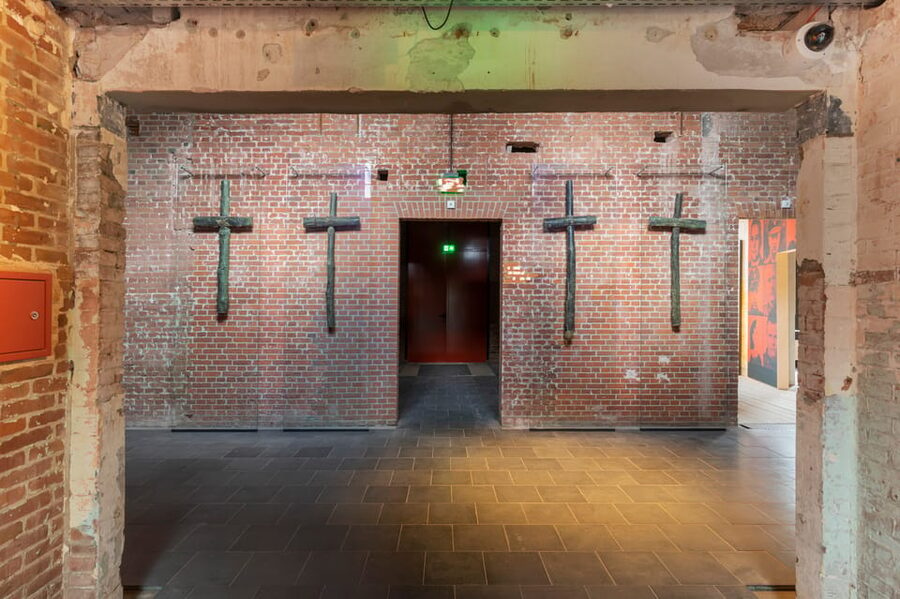
Oranjehotel fits best when you want your history to feel specific and human.
It is a great pick if you:
- care about WWII history in the Netherlands and want it tied to real places
- prefer learning through audio and stations, not long group tours
- want to understand how imprisonment affected families, not just prisoners
- like museums that use documents and photographs along with spoken testimony
It can also work for families, but with careful expectations. One family experience described kids ranging from about 6 up to the teens who stayed engaged, asked questions, and kept discussing what they learned later at dinner. That tells me it can be approachable for younger visitors who are ready for serious topics.
Still, this is a death-cell memorial. If your family prefers lighter museums, you might want to skip this or plan a shorter visit with breaks.
Pairing it with a Hague day plan
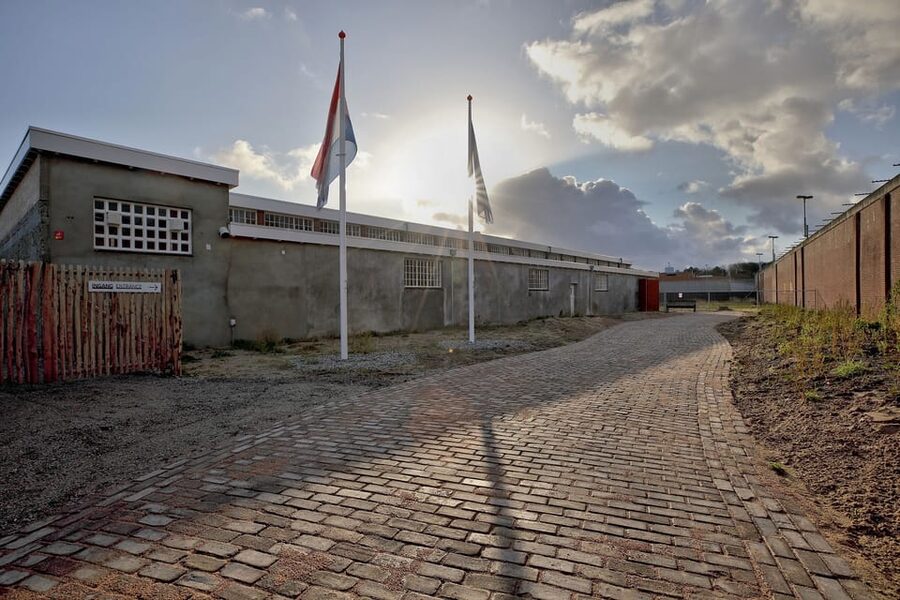
Oranjehotel is in Den Haag, so it is easy to pair with a broader day in the city. If you finish and still have energy, you can treat it like one anchor stop and then switch to calmer activities afterward. Some visitors even talked about having tea or cake afterward and then heading out to explore by bike.
My advice: build a decompression buffer. Plan something gentle after your visit, because the themes are heavy and your brain will need time to reset.
Should you book the Oranjehotel World War II Prison Entrance Ticket?
Book it if you want a meaningful WWII experience that is self-paced, detailed, and anchored by Cell 601 and strong audio storytelling. The included audio guide in multiple languages is a real value, and the memorial structure helps you move at a respectful pace.
Skip it, or shorten your plan, if you are looking for something light or purely scenic. This is a place about suffering and injustice, and it may stay with you.
If you decide to go, go ready to listen. Give yourself enough time to stand still at the stations that feel hardest. You will leave with a clearer, more personal understanding of how the Nazi prison system operated in the Netherlands.
FAQ
Where is the Oranjehotel World War II prison entrance ticket meeting point?
The meeting point is Nationaal Monument Oranjehotel, Van Alkemadelaan 1258, 2597 BP Den Haag, Netherlands.
How long is the visit with this ticket?
The experience is listed as valid for 1 day. You can explore at your own pace within that time.
How much does the ticket cost?
The price is $15 per person.
Is an audio guide included, and what languages are available?
Yes, the ticket includes an audio guide. It is available in English, Dutch, German, and French.
Is the experience wheelchair accessible?
Yes, the experience is wheelchair accessible.
Is food included with the admission ticket?
No, food and drinks are not included.
Can I cancel and get a full refund?
You can cancel up to 24 hours in advance for a full refund.
Can I reserve now and pay later?
Yes, you can reserve now and pay later, so you can keep your travel plans flexible.
The Hague & Scheveningen, compared.
 ★ 4.7The Hague: Mauritshuis Entrance TicketFrom $252,706 reviews
 ★ 4.6The Hague: City Canal CruiseFrom $172,024 reviews
 ★ 4.2From Amsterdam: Rotterdam, Delft & The Hague Guided Day TourFrom $901,765 reviews
 ★ 4.6The Hague: Madurodam Miniature Park Entry TicketFrom $241,559 reviews
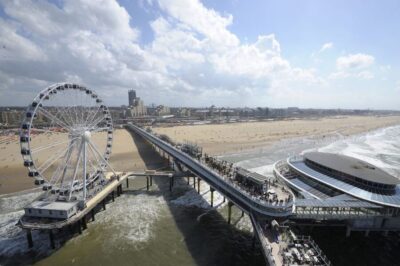 ★ 4.4The Hague: The Pier SkyView Ticket with Drink and SnackFrom $191,398 reviews
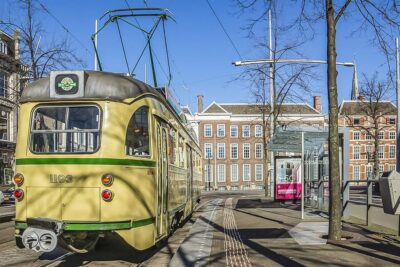 ★ 4.4The Hague: Hop-on Hop-off Old-Fashioned Heritage Tram TourFrom $181,083 reviews
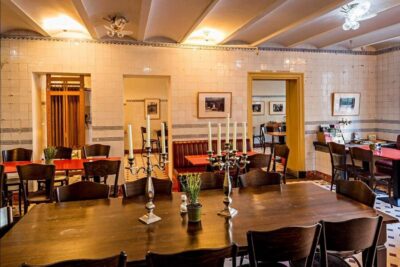 ★ 4.6The Hague: Escher in The Palace Museum TicketFrom $15896 reviews
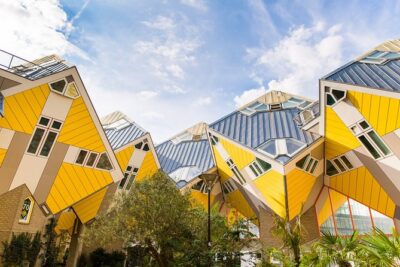 ★ 4.0Rotterdam, Delft, the Hague, Madurodam from AmsterdamFrom $90793 reviews
Browse the lists this tour appears in