
REVIEW · UTRECHT
Private Walking Tour in Utrecht
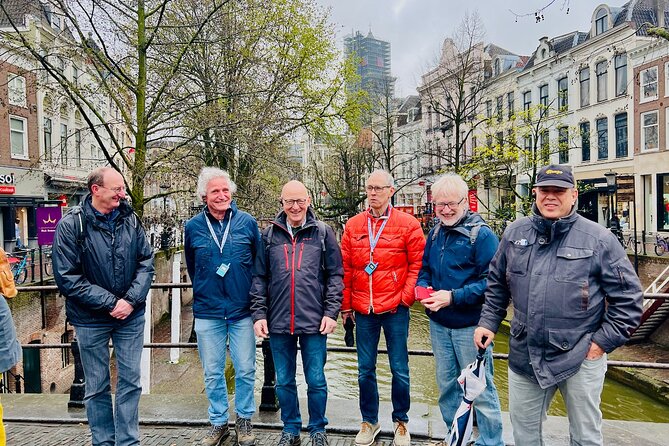
Utrecht feels quieter than Amsterdam. I love the headsets that keep the story clear while you roam and take photos, and I love that the route can be tailored to your pace and interests. The one thing to watch is time, this is about 1.5 hours, so plan for quick stops rather than long detours.
If you want the city’s highlights without the big-group hurry, this works. A great example is guide Lucy, who people describe as friendly, personable, and strong on Utrecht’s history and everyday life. You start and finish back at the city center, so you are not burning energy on logistics.
You meet at Manneken Pis on Vredenburgplein (Vredenburg 154, Utrecht) and the tour runs in English with a private group capped at eight. If you like planning ahead, note that this tour is commonly booked about 14 days in advance.
In This Review
- Key highlights
- Why a private Utrecht walk makes sense (and why this one fits)
- Price and what $184.05 per group really buys
- Getting to the starting point at Vredenburgplein
- Vredenburgplein markets and the small-food moments you can time
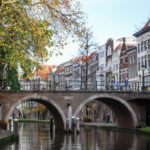
- Oudegracht canal, Maartensbrug, and the story of water trade
- Pandhof courtyard: serenity you can step into
- The swampy-ground square and Utrecht’s layers of use
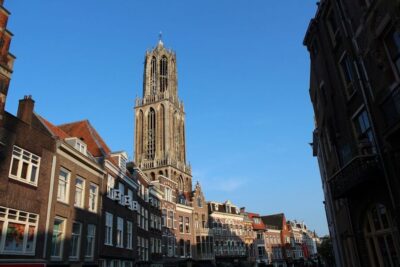
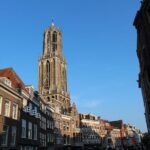
- Dom Tower: tallest church tower, unfinished cathedral, and a standing legacy
- Optional Oudaen beer tasting if you want to keep the story going
- What it feels like on the ground, including guide style
- Who should book this private walking tour in Utrecht
- A quick “should I do it” checklist before you decide
- FAQ
- How long is the private walking tour?
- Where does the tour start?
- Where does the tour end?
- Is the tour offered in English?
- Is this a private tour, and how many people can join?
- Are headsets included?
- Is the beer tasting included?
Key highlights
- Vredenburgplein start with market energy on Wed, Fri, and Sun, plus on-the-spot stroopwafel viewing
- Oudegracht canal storytelling, including Maartensbrug and the Roman-era canal connection
- Wharf cellars (over 730) explaining how Utrecht stored goods and why restaurants sit in the cellars today
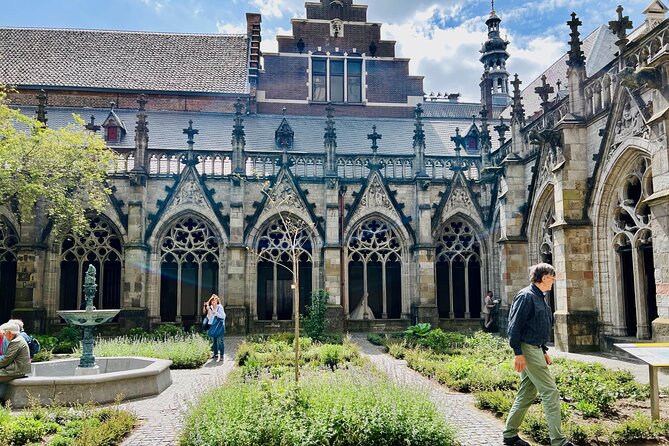
- Pandhof courtyard where a former monastery garden still creates a calm pocket in the city
- Dom Tower views plus the story of why it stands alone today
- Optional Oudaen beer tasting if you want to extend the fun after the walk
Under the Dom: further Utrecht picks
- Utrecht: City Canal Cruise★ 4.3 · 2,895 reviews
- Utrecht: DOMunder Entry Ticket with Guide★ 4.4 · 706 reviews
- Utrecht: Dom Tower Entry Ticket and Guided Tour★ 4.6 · 513 reviews
- Utrecht: De Haar Castle, Park Entry Ticket★ 4.6 · 153 reviews
Why a private Utrecht walk makes sense (and why this one fits)
Utrecht is easy to visit, and it is also easy to skip important details if you walk it on your own. This private format helps because your guide can aim for what you care about, instead of forcing everyone into one rigid script.
The headsets are a big deal in a walk like this. Utrecht streets are not silent, and you do not want to stop every few minutes to look for who is talking. With the headset, you can keep moving, glance at buildings, and still catch the story. That means the tour feels smoother, and your camera time does not get hijacked by group regrouping.
One more practical reason I like this style in Utrecht: the city rewards slow observation. The canals, the cellar restaurants, the small courtyards, and the way Utrecht grew from water traffic are the kind of things you notice more when someone gives you a clear thread to follow.
Price and what $184.05 per group really buys
The price is $184.05 per group, up to eight people, for about 1 hour 30 minutes. For a private tour, that is a fair structure because you are paying for one guide for your group size, not per person. That makes it especially good value if you are traveling with friends, a family unit, or a small group of colleagues.
Here is the honest way to think about value. This is not a half-day tour. You are buying an efficient orientation to Utrecht, plus specific sights you might miss without local context. If you enjoy history that connects to everyday life, like canal storage and how cellars became restaurants, the payoff comes fast.
If you are the type who wants long wandering time and lots of indoor time, you might still love the tour, but you may want to build extra time after. The optional beer tasting at Oudaen can help, but it is still an extension, not a replacement for extra walking.
Getting to the starting point at Vredenburgplein
Your tour begins on Vredenburgplein, at Manneken Pis (Vredenburg 154, 3511 BG Utrecht). This is a smart meeting choice because it is central. Utrecht is also very reachable by train, with direct service roughly 30 minutes from Amsterdam, 45 minutes from Rotterdam, and 15 minutes from Amersfoort. So if you are using Utrecht as a base, this kind of city-center start is convenient.
The tour ends back at the meeting point, which is handy if you want to continue with dinner nearby. You are not left crossing town to “catch up” after the guide leaves.
English is offered, and you get a mobile ticket. Service animals are allowed, and the tour is described as suitable for most people, which matters if your group includes someone who needs a clear, supportive plan rather than constant transfers.
Vredenburgplein markets and the small-food moments you can time
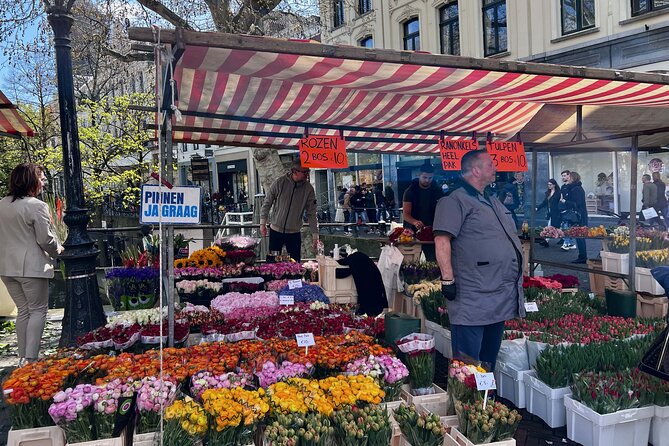
You start at Vredenburgplein, and on Wednesday, Friday, and Sunday, the square houses a market. That means this spot is not just a geographic anchor, it is a living part of Utrecht.
One practical thing to know: you can spot fish stands and the stroopwafels that are prepared right in front of you. Since it is private, your guide can steer you toward the market side if you want to sample the atmosphere. If you would rather keep moving, you can just pass through and save food breaks for later.
Why I like including a market square early in a walk like this: it sets the tone. Utrecht often feels calmer than Amsterdam, and markets make that difference obvious. You also get a natural point for photos without turning the entire tour into a photo mission.
Prefer to see it on foot? More Utrecht walks
Oudegracht canal, Maartensbrug, and the story of water trade
The tour’s canal section is one of the most meaningful parts of Utrecht. The Oudegracht is about a 2-kilometer canal that crosses the city north to south. The guidance here is not just “look at the water,” it explains why the water shaped Utrecht.
Maartensbrug, near the Dom Tower, crosses the portion of the canal that already existed in Roman times. It is also described as the oldest still existing bridge, dating to 1404. That kind of detail matters because it turns a common city feature into a timeline you can actually see.
Then comes the wharf cellar story. Utrecht has over 730 wharf cellars along its canals, built so goods could be stored right after unloading ships. The details are specific: one of the earliest accounts points to a merchant digging a tunnel from his house basement to the canal bank around 1150. Later, these cellars served multiple uses, including breweries and marketplace space.
This is where the tour earns its value for you, especially if you like city history that affects daily life. Over time, road freight increased and many wharf cellars fell into despair around 1900. After WWII, restoration work began for cellars, wharfs, and quay walls. Today, restaurants sit in the cellars, using the wharfs as terraces, and the canal area can look fantastic in the evening lights.
A small consideration: if your group is mainly interested in monumental buildings only, this section might feel more “social and architectural” than “statue and cathedral.” But even then, the cellars and canal bridges are the Utrecht identity. You are better understanding the city’s logic, not just its photos.
Pandhof courtyard: serenity you can step into
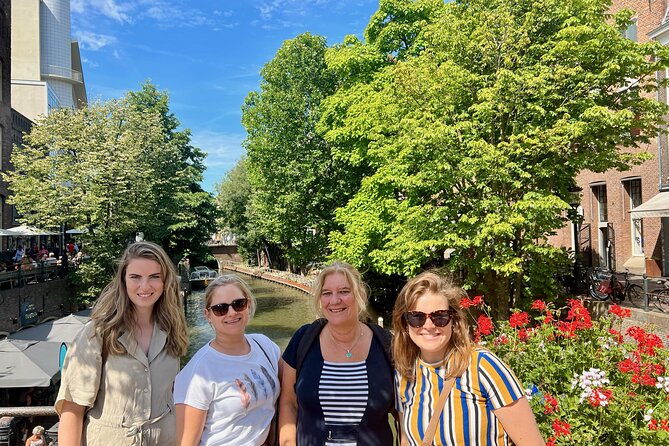
Next up is Pandhof, described as originally a 15th-century monastery garden. Today it is a public place, and the point is atmosphere. You go from street energy into a smaller, calmer courtyard space where the garden still feels intentionally composed.
The tour frames Pandhof with its former lives. It was used at different times as a fairground, a guard room for soldiers, and a meat market. Now, culinary herbs, dye-producing plants, and medicinal plants grow there. You also see the statue of the reading canon, a clergyman figure.
What I like about this stop is that it gives you variety. Utrecht is famous for its waterways, but cities also have quieter corners. A monastery garden courtyard helps you understand why people built contemplative spaces next to busy civic and commercial areas.
Potential drawback? This stop depends on your comfort with short stillness. If your group hates sitting and just wants continuous motion, ask your guide if you can skim the courtyard faster. Since it is private, that flexibility is the whole point.
The swampy-ground square and Utrecht’s layers of use
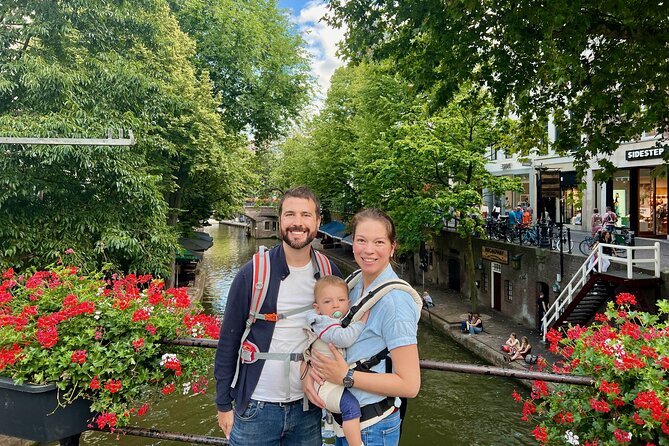
The walk then takes you to a square whose story stretches back before it was even solid ground. Until the end of the 15th century, it was swampy. When the city needed land, the ground was strengthened and raised with sand, stones, and debris.
From the 15th into the 19th centuries, the square served as a market square. Executions also took place here, which is the kind of reminder that city centers often carried heavy functions alongside everyday commerce.
In more recent memory, until the 1990s it was used as a parking lot. Now it operates as a festival square with cafés. Even the name is translated as meaning swampy ground, so the square’s identity is embedded in its label.
This is a great example of how Utrecht changes use over time without losing its core location. Buildings move around, but squares remain. A private guide helps you connect the dots quickly so you do not feel lost in the “now vs then” gap.
Dom Tower: tallest church tower, unfinished cathedral, and a standing legacy
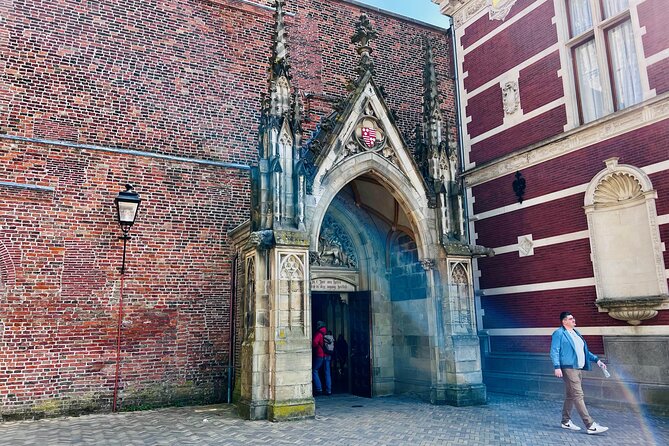
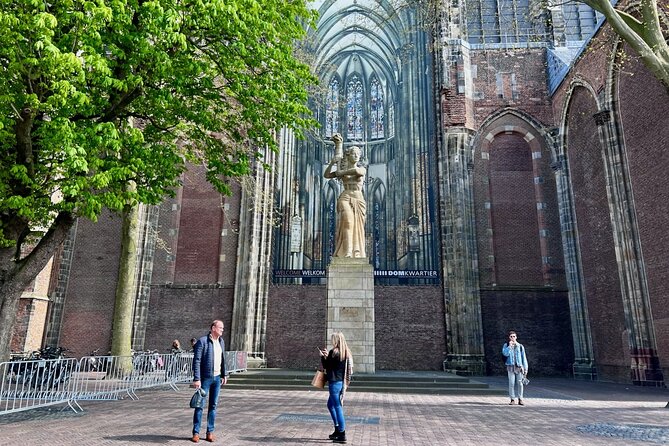
The tour finishes with the Dom Tower, described as the tallest church tower in the Netherlands. It was part of the Cathedral of Saint Martin, also called the Dom Church, but the cathedral was never fully completed because of lack of money.
Then the story gets dramatic. After the unfinished nave collapsed in 1674, the tower stood alone at the spot where Utrecht originated nearly 2,000 years ago.
This stop matters because it explains why Utrecht’s skyline has a vertical symbol, even though the full cathedral never happened. It gives you context for what you see, and it helps you understand the Dom Tower as more than a viewpoint. It is a marker of the city’s beginnings and its interruptions.
If you are someone who likes getting the “why” behind major sights, this is one of the best moments of the tour. You are not just looking upward, you are connecting the tower to the city’s growth and setbacks.
Optional Oudaen beer tasting if you want to keep the story going
The final stop is back near Vredenburgplein, where you started. If you want to continue, you can also ask your guide to head to city castle Oudaen for a beer tasting, which is optional and excluded from the tour price.
Oudaen is described as built in 1276 and one of Utrecht’s important monuments. You can enjoy three different beers there and learn more about the history of the building. Since your guide can stay with you for the transition, this option feels smoother than trying to time it on your own right after the walk.
If you do not want alcohol, you can still use the moment to head your own way. The description says you can naturally stay at Oudaen after your guide leaves.
What it feels like on the ground, including guide style
A private tour is only as good as the guide, and the tone here seems to be consistently warm and engaging. The most repeated name in the feedback is Lucy, described as friendly, personable, and very knowledgeable in the sense that she explains both the city and the country with clarity.
There is also a sense of pacing. Utrecht is often described as calmer and slower than Amsterdam, and this walk matches that mood. You get a guided route that feels like a stroll, not a checklist race.
Because the tour includes headsets, you can also move at your preferred speed inside the structure. You can step back to take a photo, linger for a canal view, or pause at key corners to absorb the guide’s explanation.
Who should book this private walking tour in Utrecht
This is a strong fit if you want:
- A high-quality intro to Utrecht that ties architecture to daily life
- A private guide who can tailor the route to your interests
- Efficient coverage of the Dom Tower, canals, courtyards, and a key square’s shifting roles
- Clear narration while you walk, thanks to headsets
It may be less ideal if you need extensive museum time or long indoor stops, because the tour time is limited to about 1.5 hours. In that case, treat this as your orientation, then add on your own museum or food time afterward.
A quick “should I do it” checklist before you decide
Book it if you want Utrecht to make sense fast, and you enjoy history that shows up in how people live today, like canal storage spaces turning into cellar restaurants.
Consider skipping or shortening your expectations if you dislike walking tours and prefer only one or two big sights. This is a “see and connect” experience, not a single-location photo shoot.
If you are traveling in a group, it becomes easier to justify the private cost because the price covers up to eight people. If you are solo, it still can be worth it if you really want an English-speaking guide who can slow down when you ask questions.
FAQ
How long is the private walking tour?
The walking tour lasts about 1 hour 30 minutes, including expected and unexpected stops.
Where does the tour start?
The tour starts at Vredenburgplein at Manneken Pis, Vredenburg 154, 3511 BG Utrecht.
Where does the tour end?
The activity ends back at the meeting point, at Vredenburgplein.
Is the tour offered in English?
Yes, the tour is offered in English.
Is this a private tour, and how many people can join?
Yes, it is private. The maximum group size is eight travelers (excluding children on age twelve and younger). Children under twelve join for free.
Are headsets included?
Yes. Headsets are provided so you can hear the guide clearly from a distance while you walk and take pictures.
Is the beer tasting included?
No. The optional beer tasting at Oudaen is excluded, though your guide can continue with you after the walking tour.
If you want, tell me when you are visiting Utrecht and whether you care more about canals, architecture, or food stops. I can suggest the best way to pace your 1.5 hours around those priorities.
Everything Else From Our Utrecht Notebook



Also Reviewed Around Utrecht

Utrecht Under the Dom
Fresh off the review pile in Utrecht
- Our Utrecht’s Private & Personalized tour
★ 5.0 · 3 reviews - Utrecht: Hoge Woerd Museum Entry Ticket with Audio Tour
★ 3.3 · 3 reviews - Historical Utrecht: Private Walking Tour with a Local Guide
★ 4.6 · 3 reviews - Uniquely Utrecht: An Audio Tour of its Charming City Centre
★ 5.0 · 4 reviews - Utrecht Walking Tour with a local comedian as guide
★ 4.8 · 5 reviews
Utrecht Tours, compared.
 ★ 4.3Utrecht: City Canal CruiseFrom $222,895 reviews
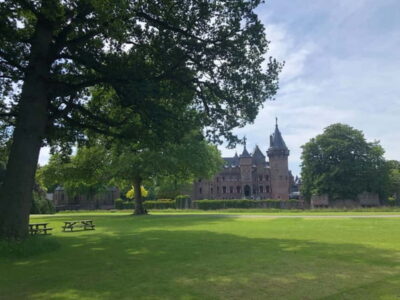 ★ 4.7Utrecht: De Haar Castle & Park Entry TicketFrom $231,350 reviews
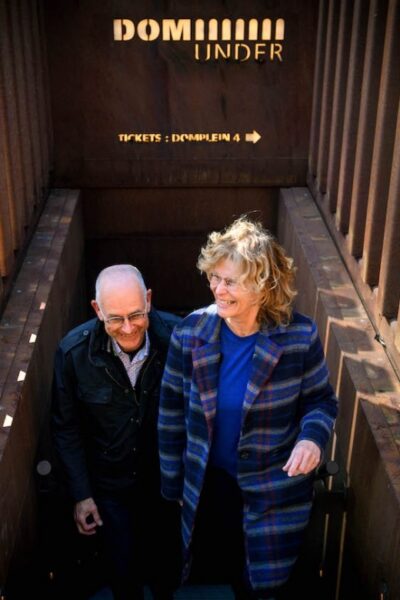 ★ 4.4Utrecht: DOMunder Entry Ticket with GuideFrom $17706 reviews
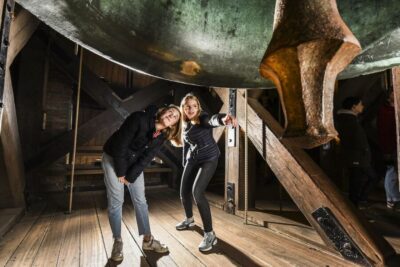 ★ 4.6Utrecht: Dom Tower Entry Ticket and Guided TourFrom $17513 reviews
★ 4.6Utrecht: De Haar Castle, Park Entry TicketFrom $9153 reviews
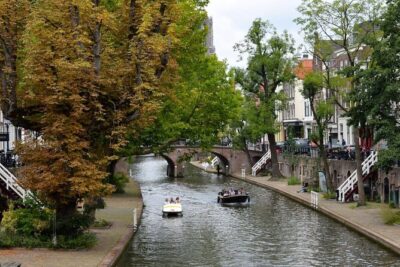 ★ 5.0Utrecht 2-Hour Walking Tour | Discover The City With A LocalFrom $3138 reviews
 ★ 4.8Utrecht: Rietveld Schröderhuis UNESCO Entry TicketFrom $22119 reviews
 ★ 5.0Utrecht Food Tour with local guideFrom $84112 reviews
Browse the lists this tour appears in