
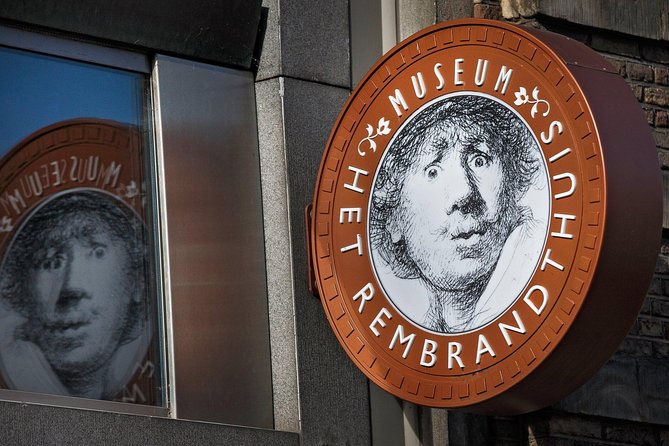
REVIEW · RIJKSMUSEUM & THE DUTCH MASTERS
Rembrandt House & Neighborhood Guided Tour Semi-Private 8ppl Max
Rembrandt’s Amsterdam clicks fast when the route is guided. This semi-private 2.5-hour tour uses Rembrandt’s world as the thread, from canal names to the Night Watch square and finally into his house museum. I like that it feels personal, not like a rushed checklist.
My favorite part is the small-group format, capped at 8 people, where your guide can actually answer questions instead of herding the group. I also really enjoy how the tour pairs big landmark viewing with quieter, more human details, so the story sticks instead of fading.
One consideration: you need moderate walking fitness, and the day is very dependent on museum access. If Rembrandt’s House is delayed by more than 1 hour from the tour start time, the operator says they will offer an alternative but you cannot expect refunds or discounts.
In This Review
- Key points worth knowing before you go
- A small-group Rembrandt walk, from canals to the House Museum
- Spiegelkwartier and the canal clues: Singelgracht, Spiegelgracht, and UNESCO views
- Keizersgracht and Museum Van Loon: tracing Rembrandt’s network
- Bloemenmarkt and Munttoren: street-level Amsterdam with built-in story
- Rembrandtplein, the Night Watch bronze, and the Amstel bridges break
- Stopera and Jodenbuurt: seeing Amsterdam’s different layers
- Inside Museum Het Rembrandthuis: your included 1-hour Rembrandt focus
- Timing, pace, and who this tour fits best
- Price and value: is $159.21 per person a fair deal?
- Getting the most out of it: simple prep that matters
- Should you book this Rembrandt House and Neighborhood tour?
Key points worth knowing before you go
- Max 8 travelers, with a guide dedicated to your group (not a massive crowd shuffle)
- All entrance fees included, with about 1 hour inside Rembrandt’s House
- You’ll see major Rembrandt-linked sights like Rembrandtplein and The Night Watch bronze display
- The route focuses on canal districts like Spiegelgracht and walks through Jodenbuurt
- The tour runs rain or shine, so bring layers and plan for weather changes
- No large bags allowed in the museum, so pack light for security checks
Rembrandt, Vermeer and the rest. Further gallery visits
- Amsterdam: Rijksmuseum Entry Ticket★ 4.7 · 25,535 reviews
- Amsterdam: Fabrique des Lumières Dutch Masters Ticket★ 4.6 · 2,373 reviews
- Amsterdam: City Canal Cruise and Rijksmuseum★ 4.5 · 2,129 reviews
- Rijksmuseum Amsterdam Small-Group Tour with Private Upgrade★ 4.5 · 1,547 reviews
A small-group Rembrandt walk, from canals to the House Museum
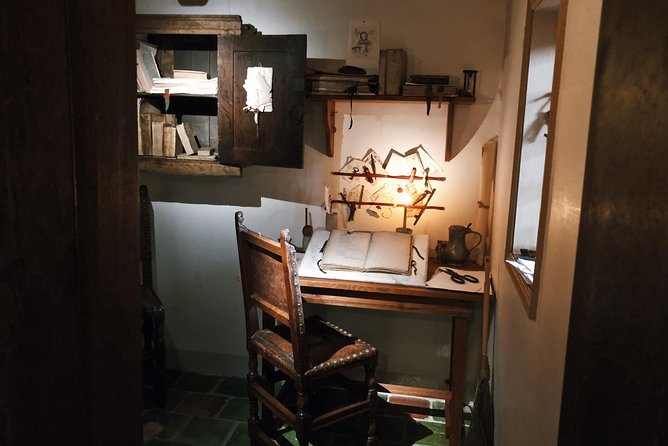
This is one of those Amsterdam tours that makes the city feel easier to understand. You start near Cobra Café and spend the first part of the afternoon walking through the canal-side center, where streets and waterways still carry meaning. The guide connects the dots between names, bridges, and buildings, then caps it with a focused visit to Museum Het Rembrandthuis (Rembrandt’s house museum).
The value here is practical: you get a guided neighborhood walk plus an included museum admission, with a guide working for your group. For Amsterdam, that matters. Many tours either overstuff the walking part or skimp on the museum part. This one gives you a clear rhythm: landmarks outside, then an hour where Rembrandt is the center of the stage.
And yes, the reviews back up the “small-group, personal attention” idea. One standout comment called out the guide named Jo for giving the group her undivided attention, with a friendly style and strong command of what you’re seeing. That’s exactly what you want for a tour built around details like canal names and Rembrandt’s circle.
Spiegelkwartier and the canal clues: Singelgracht, Spiegelgracht, and UNESCO views
Your first stop is in the Spiegelkwartier area, after meeting at Cobra Café, Hobbemastraat 18. From there, the walk leans heavily into the canals, because Amsterdam’s canals are not just scenery. They’re part of how the city used to work.
You’ll follow the Singelgracht, described as the waterway that used to form part of the city’s outer defenses. Then you move to the Spiegelgracht, which is part of the Canals of Amsterdam UNESCO World Heritage site. The guide also points out what the canal district looks like today, including galleries and antiques, so you can see the past living beside the present.
Why I like this early segment: you get context before the busy squares start. By the time you reach the larger landmarks later, the canals feel like a map you understand instead of random photo backdrops.
Practical note: this portion is walking time, around 10 minutes per stop in the schedule flow, so expect a steady pace right from the start. If you want photos, plan on stopping quickly rather than lingering for long.
Keizersgracht and Museum Van Loon: tracing Rembrandt’s network
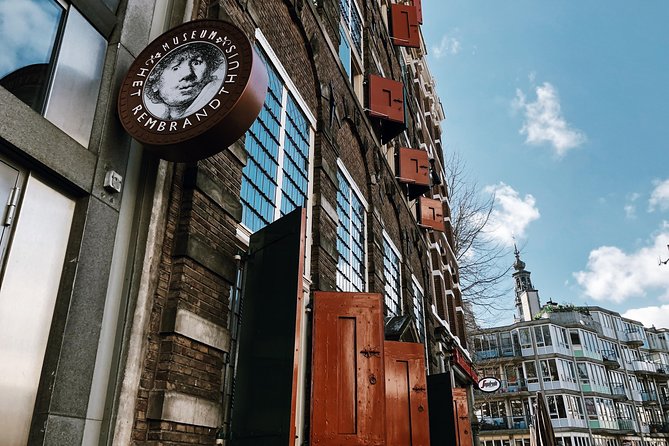
Next comes the Emperor’s Canal, also known as Keizersgracht. The tour frames it as the middle of the three main canals and calls out its size, since it’s described as the widest canal in the inner city. Names in Amsterdam often lead to stories, and Keizersgracht is one of those: it’s named after Emperor Maximillian of Austria.
Then you walk toward Museum Van Loon, a canalside house. Even without going inside, the stop matters because the tour ties it to Rembrandt’s artistic circle. The museum is described as linked to Ferdinand Bol, identified here as Rembrandt’s favorite pupil. That detail is the kind of clue you can carry with you while looking at canal houses, because you start noticing how artist networks shaped what became important in different neighborhoods.
One small “heads up” here: Museum Van Loon’s admission is not included in this tour. So if you’re hoping to go in, you’ll need to decide on the spot. The tour’s focus is mostly on seeing it from outside as part of the route, then using Rembrandt’s house as the main paid museum experience.
Bloemenmarkt and Munttoren: street-level Amsterdam with built-in story
After the canal emphasis, the tour shifts into a more everyday Amsterdam scene: the Bloemenmarkt flower market. You’ll also see the Munttoren, nicknamed the Mind Tower in the tour description.
The really useful part of this stop is the historical framing. Munttoren is explained as originally part of Amsterdam’s medieval city wall gates. In other words, you’re not just looking at a landmark. You’re seeing how city defenses became the bones of the modern city.
This segment is also handy if you want some rhythm variety. You’ve had canals and museum-adjacent architecture. Now you’re in a street market atmosphere where the city feels lived-in. It’s a good contrast point before you head into the more iconic Rembrandt signage and square scenes later.
Other tickets we think are worth the queue




Rembrandtplein, the Night Watch bronze, and the Amstel bridges break
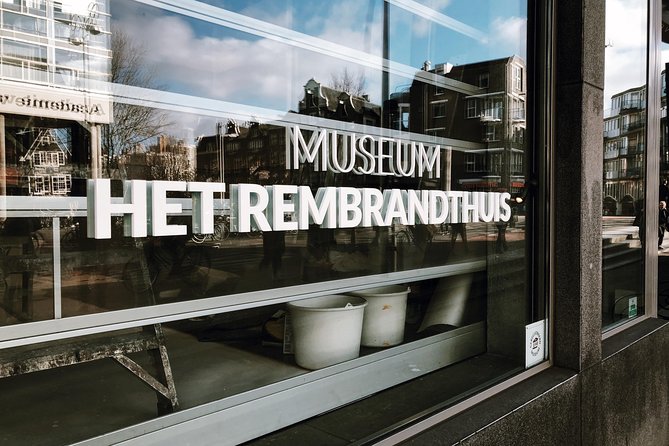
Then the tour moves to Rembrandtplein, the square named for the painter Rembrandt. Here, the guide focuses on the bronze-cast representation of The Night Watch. The tour notes that this connection was part of the celebration of Rembrandt’s 400th birthday in 2006. That is a great kind of fact to know because it explains why the landmark exists and why the sculpture is tied to a specific modern milestone, not just some vague homage.
This section repeats in the schedule flow with the monument viewing noted again, but the on-the-ground experience is simple: you arrive, see the Night Watch bronze element, get the explanation, and then keep moving.
Next you walk by the Amstel River and pass two bridges mentioned in the tour: the Skinny Bridge and the Blue Bridge. The tour clarifies that the Blue Bridge is not actually blue, it’s named after a wooden blue bridge that used to spin across the Amstel in the 17th century. That kind of correction is exactly why guided tours help. You would not get the full meaning from photos alone.
Stopera and Jodenbuurt: seeing Amsterdam’s different layers
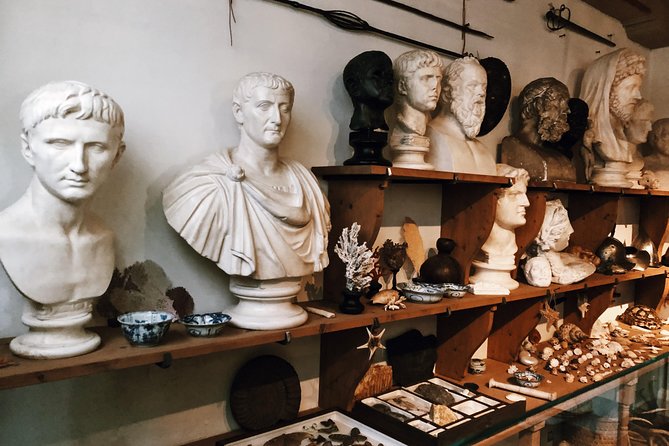
At some point, it’s smart to step outside the “Dutch art postcard” bubble, and this tour does that with two distinct stops.
First, you reach Stopera, described as the building complex that houses both the city hall and the Dutch National Opera and Ballet. The tour notes that construction was at least 60 years in the making. Even if you do not go inside, the exterior stop gives you a sense of Amsterdam’s modern civic scale sitting right near old-world streets.
Then comes Jodenbuurt, the former Jewish neighborhood. Here the tour frames it as historically important and currently preserved and managed by the Jewish Cultural Quarter. This stop is brief in schedule terms, but it matters because it shifts the mood. Rembrandt lived in Amsterdam, and the city’s neighborhoods were shaped by many communities and histories. If your goal is to understand Amsterdam as a lived place, not just an art museum, this is a meaningful pivot.
Inside Museum Het Rembrandthuis: your included 1-hour Rembrandt focus
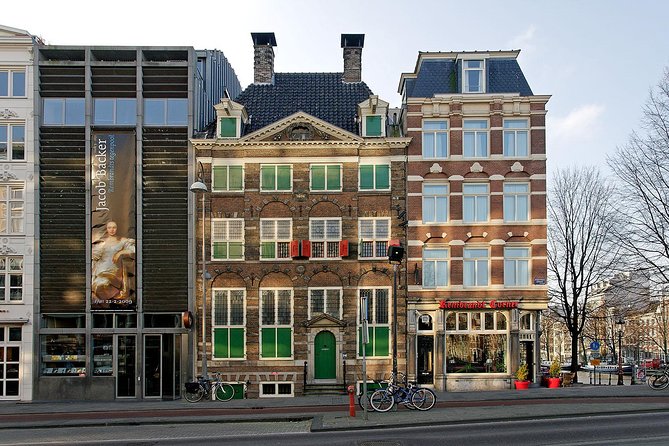
This is the centerpiece. The tour finishes with the start of your time at Museum Het Rembrandthuis, Rembrandt’s house museum, where he lived and worked between 1639 and 1656.
The tour describes the museum collection as including Rembrandt’s etchings and paintings of his contemporaries, not just Rembrandt alone. That’s a detail worth holding onto. Many people assume a Rembrandt museum means only Rembrandt everywhere, but this one emphasizes his artistic environment too. It’s a subtle shift from “great man” storytelling to the broader art world around him.
You also get the time advantage. The schedule gives about 1 hour inside, and the tour includes admission fees, so you do not have to juggle tickets or decide whether to pay again at the door.
Important practical constraints for the museum visit:
- No large bags or suitcases are allowed inside. You can bring handbags or small thin bag packs through security.
- Appropriate dress is required for entry into some sites on the route.
- Some rooms inside may be quiet or restrict speaking, and your guide will brief you before those areas.
One more thing to know: Rembrandt’s House can have occasional closures without prior warning. The operator states that if museum opening is delayed by more than 1 hour from your tour start time, they will provide an appropriate alternative. They also say they are unable to provide refunds or discounts in those cases. So keep your day flexible around your afternoon time slot.
Timing, pace, and who this tour fits best
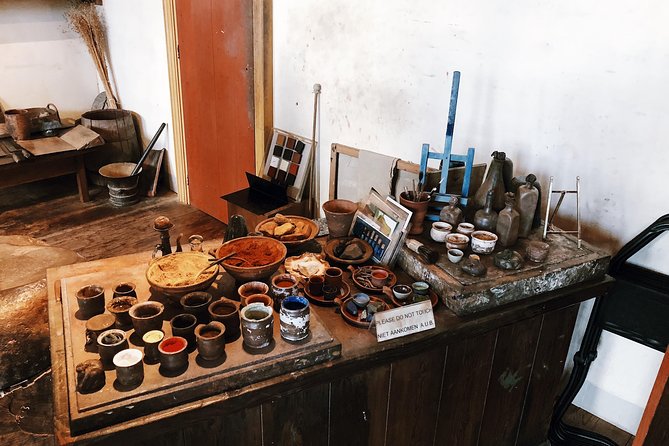
This tour runs about 2 hours 30 minutes and starts at 1:30 pm. It’s set up as a walking tour with short landmark stops, then a longer museum segment at the end. On the route, the schedule lists many stops at around 10 minutes each, which adds up to a good pace, not a slow amble.
Group size also shapes the experience. With maximum 8 people, you tend to get better sightline moments at canal corners and in front of outdoor landmarks. It’s also easier for a guide to manage questions and keep the group on track.
Language is English, and the tour runs rain or shine, so you should assume weather will matter. Amsterdam in the afternoon can change fast, so layers and water-resistant shoes are your best bet.
This tour is best for:
- You if you like art tied to place, not just art on a museum wall
- You if you want a route that gives both major landmarks and calmer neighborhood context
- You if you prefer a guide who can slow down when something matters, like canal naming or Rembrandt-related connections
It’s not the best match if you have significant mobility constraints. The tour is explicitly noted as not recommended for walking disabilities or wheelchair use.
Price and value: is $159.21 per person a fair deal?
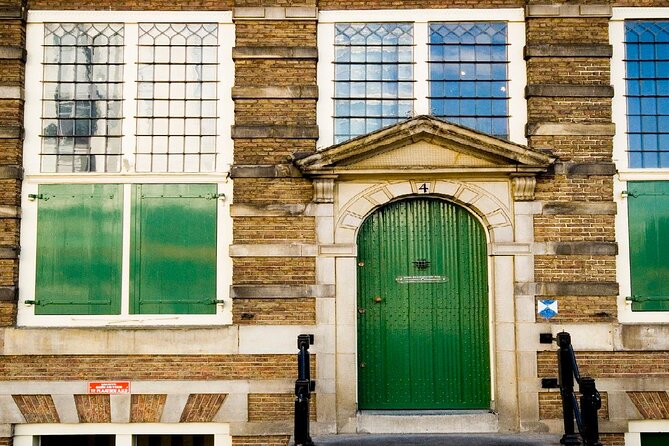
At $159.21 per person for a 2.5-hour small-group experience, the price will feel high compared to basic walking tours. The reason it can still be good value is simple: the price includes entrance fees and gives you a guided museum visit plus a neighborhood walk.
You also get:
- a professional guide with group attention (semi-private, max 8)
- English service
- mobile ticketing
- a structure that keeps the walking part short per stop, then uses the bulk of the time inside Rembrandt’s House
If you were planning to visit Rembrandt’s House anyway, a guided approach can make that ticket feel more complete because you’re not just seeing rooms, you’re seeing the story the guide is building around them. The added canal and neighborhood segments help you understand where Rembrandt’s Amsterdam would have felt familiar and where it would have felt different.
One practical value tip: this tour averages being booked about 53 days in advance, so if Rembrandt is a top priority, it’s smart to book sooner rather than later, especially in peak season.
Getting the most out of it: simple prep that matters
A few small things will make your afternoon smoother.
First, pack for security. The museum does not accept large bags, so use a small day bag. If you bring extra layers or shopping bags, plan to leave them behind.
Second, wear shoes that handle wet cobblestones. Even though each outdoor segment is short, the cumulative walking time is real.
Third, keep your phone ready for the mobile ticket process. The tour notes that you must provide a mobile phone number with the country code. Also, have confirmation details on your device so check-in feels painless.
Finally, check the weather mindset. Rain or shine is fine, but it helps to be prepared for slick sidewalks. Bring a light rain jacket, not just an umbrella, because you will be moving.
Should you book this Rembrandt House and Neighborhood tour?
I think you should book it if your ideal Amsterdam day is part art, part city context, and you want a guide who can keep the focus tight. The small group cap of 8, the included Rembrandt’s House admission, and the route through canal landmarks like Spiegelgracht and Keizersgracht, plus the Rembrandtplein moment, add up to a tour that helps you understand the city instead of just touring it.
Skip it if you want a deep, long museum session or you need a fully accessible route, since the tour is not recommended for wheelchair use and involves walking. Also, if you hate any chance of schedule disruption, remember the museum closure note: the operator promises an alternative only when delays go beyond 1 hour, and they do not offer refunds or discounts in those cases.
If Rembrandt matters to you and you want a well-paced afternoon that connects names, canals, and the house itself, this is a solid choice.
Also Reviewed Around Amsterdam





More Amsterdam Doors Worth Opening




The Dutch Masters, Up Close


Fresh off the review pile in Amsterdam
- Full-Day Trip From Amsterdam to Keukenhof, Zaanse Schans + Cruise
★ 5.0 · 3 reviews - Boutique Dutch Food & History Tour with up to 8 guests only
★ 5.0 · 3 reviews - Private Tour to Windmills Zaanse Schans +Keukenhof – 7 Hours
★ 5.0 · 3 reviews - Full-Day Private Guided Countryside Tour from Amsterdam by Bike
★ 5.0 · 3 reviews - Amsterdam Red Light District and Old Town Walking Tour
★ 5.0 · 3 reviews
Rijksmuseum & the Dutch Masters, compared.
 ★ 4.7Amsterdam: Rijksmuseum Entry TicketFrom $3125,535 reviews
 ★ 4.7Amsterdam: Rembrandt House Museum Entrance TicketFrom $233,385 reviews
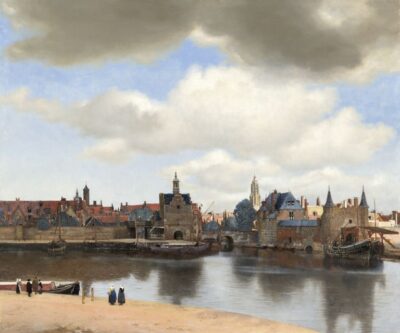 ★ 4.7The Hague: Mauritshuis Entrance TicketFrom $252,706 reviews
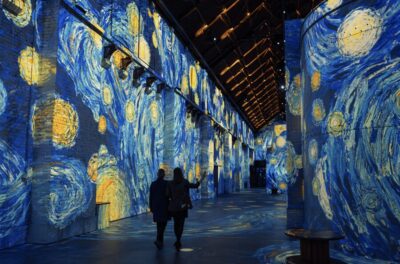 ★ 4.6Amsterdam: Fabrique des Lumières Dutch Masters TicketFrom $212,373 reviews
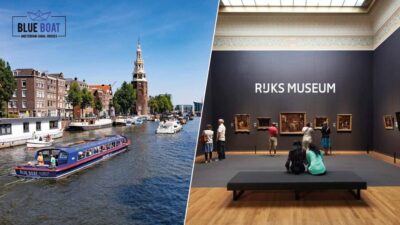 ★ 4.5Amsterdam: City Canal Cruise and RijksmuseumFrom $452,129 reviews
 ★ 4.5Rijksmuseum Amsterdam Small-Group Tour with Private UpgradeFrom $901,547 reviews
 ★ 4.3Amsterdam: Rijksmuseum Entry Ticket and Canal Cruise ComboFrom $451,276 reviews
 ★ 4.7Amsterdam: Rijksmuseum Guided Tour and TicketFrom $78649 reviews
Browse the lists this tour appears in