
REVIEW · RIJKSMUSEUM & THE DUTCH MASTERS
Rembrandt Tour
Rembrandt streets feel personal in Amsterdam. This private, flexible walk uses modern-day corners to connect you to Rembrandt’s life and the Dutch art shift that followed. I especially like the way the guide turns street names and buildings into clues you can actually picture, with storytelling that lands in plain English. One thing to consider: it’s a walking tour on old winding streets, so you’ll want comfortable shoes and a moderate fitness level.
What I love most is the mix of art and atmosphere. You start at Museum Het Rembrandthuis, where you get a hands-on look at Rembrandt’s etching techniques during a workshop feel. Then you keep going outside into the city, spotting how Amsterdam’s reminders of his era still shape what you see today. If you want only big museum galleries, you might prefer adding a separate museum visit after this.
In This Review
- Key Points You’ll Care About
- Rembrandt’s Amsterdam in a small private walking loop
- Het Rembrandthuis: the house that frames Rembrandt’s peak years
- Setting the scene at Rembrandtplein and the Night Watch question
- The Amstel river viewpoint: where Rembrandt may have looked from a bridge
- How Rembrandt changed the Amsterdam art scene with a first big commission
- Oude Kerk, love, and why Rembrandt never remarried
- Price and Logistics: how $390.52 per group can work
- The meeting point and route flow you can plan around
- What the guide style adds to the art history
- Who this Rembrandt Tour suits best
- Should you book this Rembrandt Tour?
Key Points You’ll Care About
- Small-group private experience up to 6 people, fully flexible for your pace
- Het Rembrandthuis admission included plus a workshop-style look at etching techniques
- Rembrandtplein stop with a statue and a 3D Night Watch reference that sparks real questions
- Amstel river viewpoint moment tied to what Rembrandt may have seen from a forerunner bridge
- Oude Kerk connections that help explain the personal side of Rembrandt’s life and choices
- Mobile ticket, tour offered in English, and it finishes close to Dam Square
Rembrandt, Vermeer and the rest. Further gallery visits
- Amsterdam: Rijksmuseum Entry Ticket★ 4.7 · 25,535 reviews
- Amsterdam: Fabrique des Lumières Dutch Masters Ticket★ 4.6 · 2,373 reviews
- Amsterdam: City Canal Cruise and Rijksmuseum★ 4.5 · 2,129 reviews
- Rijksmuseum Amsterdam Small-Group Tour with Private Upgrade★ 4.5 · 1,547 reviews
Rembrandt’s Amsterdam in a small private walking loop
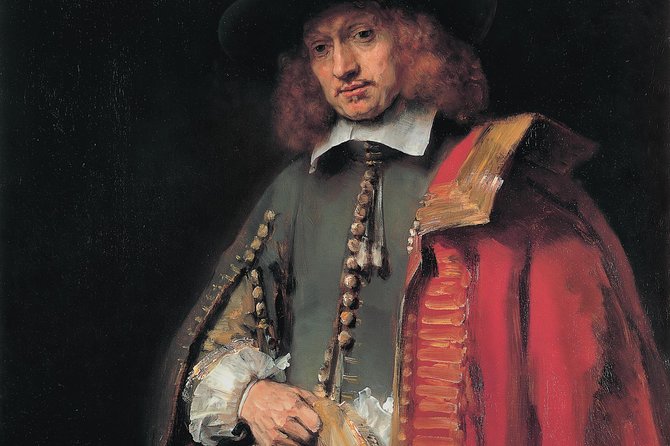
This is the kind of tour that makes Amsterdam feel like a storybook you can walk through. You’re not stuck staring at labels. Instead, you move through the city with a guide who connects Rembrandt’s world to what’s still here.
A big value point is the format. It’s private, and your group size is capped at 6, so you can ask questions and adjust the pace without feeling rushed. You’ll typically spend about 3 hours together, and one guest noted that the time flew by, even when the route includes multiple stops and discussion.
Another practical win: the tour starts right at Museum Het Rembrandthuis and ends near Dam Square. That means you can tack it onto other sightseeing plans without a long commute before or after.
Het Rembrandthuis: the house that frames Rembrandt’s peak years
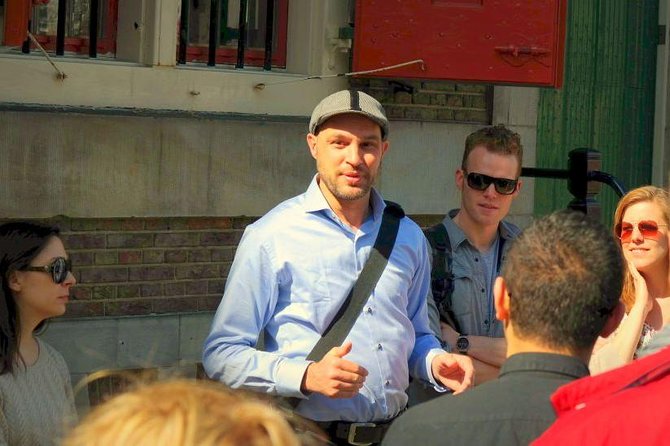
Your tour begins at Museum Het Rembrandthuis on Jodenbreestraat. This is the house where Rembrandt lived during the peak of his career, so it gives you a strong starting point before you go hunting for clues in the streets.
The best part here is the workshop-style angle on his printmaking. Rembrandt is famous for his etching work, but it’s one thing to read about it and another to get a feel for the technique in context. You’ll leave this stop understanding that his art wasn’t just a product, it was a process. That matters, because later, when you look at references and stories around the city, your brain already has the right mental framework.
Timing is also friendly. You get about 45 minutes here, and admission is included for this stop. If you’re short on museum time in Amsterdam, this is a smart way to get art technique and life context in one block.
Possible downside? You’ll be eager to keep exploring after 45 minutes, but the tour needs to move on. If you want to linger in every room, plan to return later on your own.
Setting the scene at Rembrandtplein and the Night Watch question
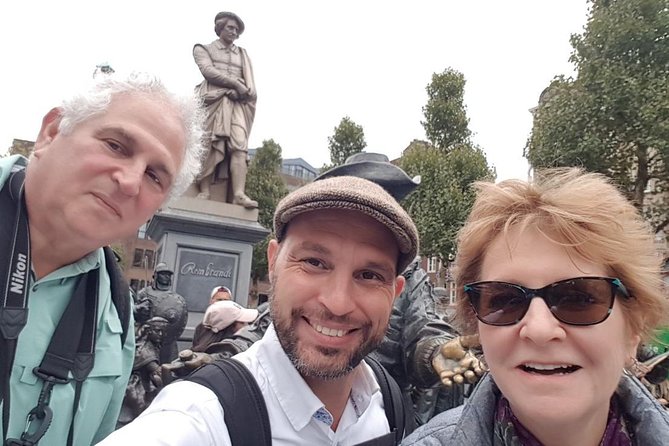
After the house, the tour shifts to a broader city view at Rembrandtplein. This stop is short, about 10 minutes, and admission is free. But it’s designed to get your curiosity going right away.
Rembrandtplein has a famous name and a famous statue, but you’ll hear how it wasn’t always named after Rembrandt. The guide also points out a 3D version of the famous Night Watch, and the conversation becomes a question: did Rembrandt actually visit this square?
That’s a great way to experience art history without turning it into a straight lecture. You’re not just collecting facts. You’re learning how cities remember people, how names stick, and why public landmarks can blur the line between real life and later storytelling.
If you enjoy history that feels debatable and human, you’ll probably like this stop a lot. If you prefer only tightly confirmed details, just treat this as a discussion prompt rather than a courtroom verdict.
The Amstel river viewpoint: where Rembrandt may have looked from a bridge
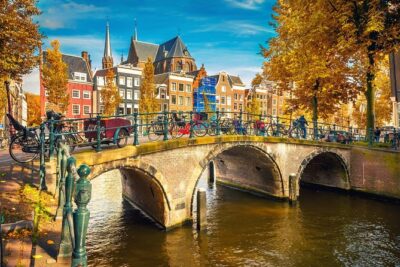
One of the most cinematic parts of the tour comes from the river. Along the route, your guide asks a focused question: what did Rembrandt see while standing on the forerunner of this bridge, overlooking the Amstel river?
Even without dramatic scenery, this kind of prompt does something valuable. It trains you to see the city as it existed in the 1600s, not just as it appears in photos today. You’ll start noticing sightlines, water edges, and how Amsterdam’s layout guided daily life.
It also connects your earlier technical understanding from the Rembrandthuis workshop to a broader point: Rembrandt wasn’t making art in an abstract world. He lived in a city with real movement, real commerce, and real views.
One small thing to remember: this is part of a walking route, so you’ll want to stay alert and follow your guide’s pace. You’ll get the moment, but you likely won’t stop for long photo sessions.


How Rembrandt changed the Amsterdam art scene with a first big commission
As the walk continues, you’ll follow the thread of Rembrandt’s career turning points. A key story centers on where and how he shook up the Amsterdam art scene with his first big commission.
This is one of those moments where the tour earns its keep. Instead of treating Rembrandt as a distant genius, you see him as a career accelerator. You get a sense of what it took to break into the mainstream of art in Amsterdam and why his approach mattered to clients and patrons.
Why this matters for you: if you’re new to Dutch art, it can be hard to place names and dates. A narrative like this helps the bigger Dutch art story make sense, because Rembrandt becomes the lens through which you understand shifting tastes and opportunities.
If you’re already a Rembrandt fan, you’ll still benefit. You get the “how it happened” angle, not just the “what he made” angle.
Oude Kerk, love, and why Rembrandt never remarried
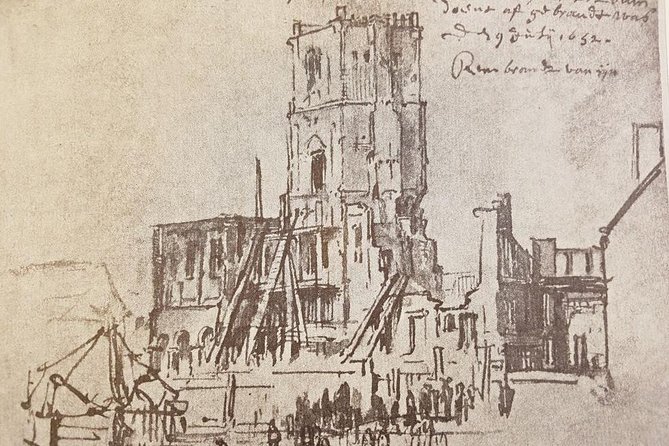
The tour also connects personal life to public story. You’ll learn: who were the women in Rembrandt’s life, why he never re-married after the death of his wife, and what the Oude Kerk has to do with it.
This section is less about walking for walking’s sake, and more about making sense of why biographical details show up in art conversations. It’s not gossip for its own sake. It’s a way to explain decisions and emotional context when you look at his work later.
It’s also a reminder that Amsterdam’s older structures, like the Oude Kerk, are part of the storytelling system. The guide uses that setting to connect you to how life events were recorded and remembered in the city.
If you prefer strictly chronological art history, this part still works. It’s tied to his story and how it connects to why he made the choices he did.
Price and Logistics: how $390.52 per group can work
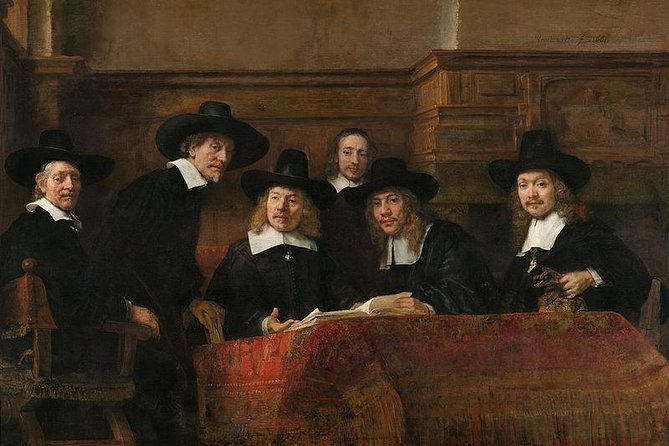
The price is $390.52 per group for up to 6 people, for about 3 hours in English. That sounds like a lot until you do the math the way you actually travel.
If you’re a couple or a small group, private tours can become very reasonable per person compared with booking separate tickets and juggling multiple meeting points. Here, you’re also getting included admission at Het Rembrandthuis, plus a workshop-style experience focused on etching techniques.
You should also factor in the format. Because it’s private, the guide can pace around your questions, and the tour can feel less like a schedule and more like a guided walk with a purpose. Several past guests singled out guides like Tijs de Boer for being funny, professional, and clearly passionate, with explanations that stay easy to follow.
One practical consideration: since it’s a walking tour through older streets, you’ll want to plan your day around comfort. If your schedule includes lots of stairs and museums back-to-back, put this earlier so you’re not already tired.
The meeting point and route flow you can plan around
You’ll start at Museum Het Rembrandthuis, Jodenbreestraat 4, 1011 NK Amsterdam. You’ll end near Dam Square, Dam 1012 Amsterdam, close to where you started. The tour uses a mobile ticket, so you’re not stuck hunting for printed vouchers.
From a planning perspective, ending near Dam Square is handy. It’s a central area where you can quickly pivot to other sights, grab a meal, or connect to public transportation.
Because the tour ends near the start area, it also helps reduce “where do we go next” stress. You won’t need a whole new transit plan just to continue your day.
What the guide style adds to the art history
Many art tours fail when they treat art like homework. This one tries to keep things human.
I like the way guides here use a mix of big-picture Dutch art context and small, specific street-level clues. You’re not just learning where Rembrandt lived. You’re building a mental map that links that house to commissions, river views, and even the question of where Rembrandt might have stood.
Past experiences with guides such as Tijs highlight that the storytelling can bring the 17th century to life in a way that stays understandable. He’s described as having deep topic passion, sharing fun facts, and keeping the tone entertaining without getting sloppy.
Even if you only catch parts of every detail, the overall structure helps you connect the dots. You’ll finish with a stronger sense of Rembrandt as part of Amsterdam’s art progression, not a lone figure floating in time.
Who this Rembrandt Tour suits best
You’ll likely enjoy this tour if:
- You like private walking tours where you can ask questions
- You want Rembrandt through both life context and art technique
- You prefer seeing Amsterdam from street level, not just museum rooms
- You’re curious about how the city’s landmarks shaped the way we talk about art today
It might not be your best fit if you:
- Want a heavy focus on museum galleries only
- Don’t enjoy walking for a few hours on older streets
- Prefer tours with lots of indoor time and minimal outdoor discussion
Should you book this Rembrandt Tour?
Yes, if you want Rembrandt tied to actual places, and you appreciate a guide who can connect technique, career turning points, and personal story. The included Het Rembrandthuis time plus the workshop feel on etching techniques makes it more than a sightseeing walk.
Skip it only if your ideal Amsterdam day is mostly indoor museums with long free time. This tour is built for motion, conversation, and city clues.
If you’re on the fence, here’s an easy decision rule: if you’d rather understand Rembrandt’s world than just list his masterpieces, this is a strong choice.
Everything Else From Our Amsterdam Notebook





Also Reviewed Around Amsterdam





The Dutch Masters, Up Close


Fresh off the review pile in Amsterdam
- Full-Day Trip From Amsterdam to Keukenhof, Zaanse Schans + Cruise
★ 5.0 · 3 reviews - Boutique Dutch Food & History Tour with up to 8 guests only
★ 5.0 · 3 reviews - Private Tour to Windmills Zaanse Schans +Keukenhof – 7 Hours
★ 5.0 · 3 reviews - Full-Day Private Guided Countryside Tour from Amsterdam by Bike
★ 5.0 · 3 reviews - Amsterdam Red Light District and Old Town Walking Tour
★ 5.0 · 3 reviews
Rijksmuseum & the Dutch Masters, compared.
 ★ 4.7Amsterdam: Rijksmuseum Entry TicketFrom $3125,535 reviews
 ★ 4.7Amsterdam: Rembrandt House Museum Entrance TicketFrom $233,385 reviews
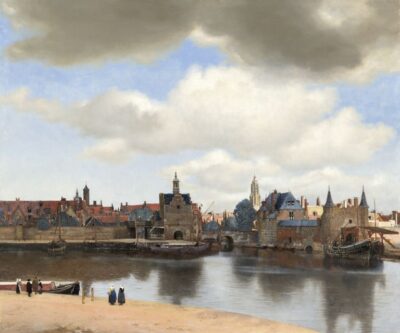 ★ 4.7The Hague: Mauritshuis Entrance TicketFrom $252,706 reviews
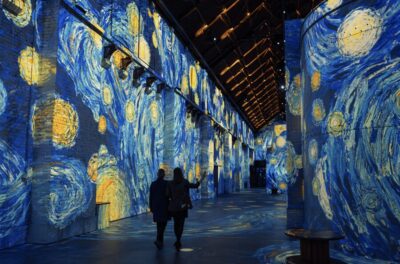 ★ 4.6Amsterdam: Fabrique des Lumières Dutch Masters TicketFrom $212,373 reviews
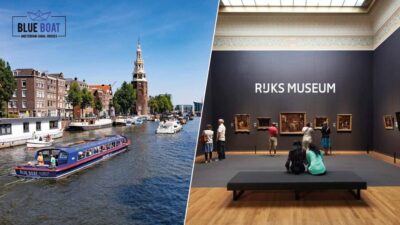 ★ 4.5Amsterdam: City Canal Cruise and RijksmuseumFrom $452,129 reviews
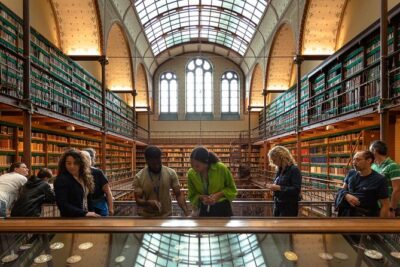 ★ 4.5Rijksmuseum Amsterdam Small-Group Tour with Private UpgradeFrom $901,547 reviews
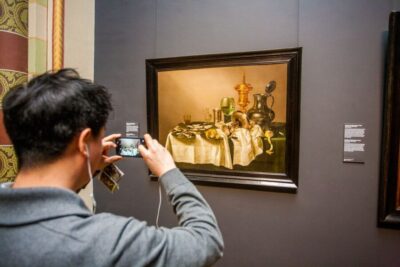 ★ 4.3Amsterdam: Rijksmuseum Entry Ticket and Canal Cruise ComboFrom $451,276 reviews
 ★ 4.7Amsterdam: Rijksmuseum Guided Tour and TicketFrom $78649 reviews
Browse the lists this tour appears in