
REVIEW · AMSTERDAM
Rembrandt & Van Gogh Amsterdam walking experience
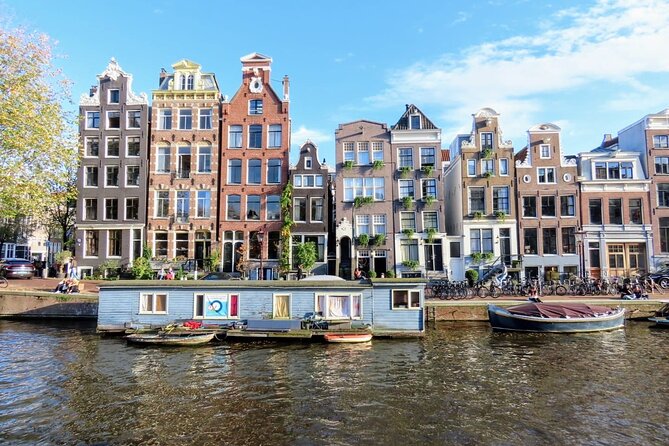
Art history turns into street scenes here. This 2-hour small-group walk is built for art lovers, with plenty of photo stops and viewpoints that make Amsterdam feel clear fast. You get a smart way to connect famous painters to specific corners of the city, not just names in a textbook.
I especially like how the guide uses strong visual support, including reference pictures of the artworks discussed, so the story stays grounded. In past groups, the guide has also made a point of speaking clearly and directly for a guest who is hearing impaired, which is the kind of care you appreciate right away.
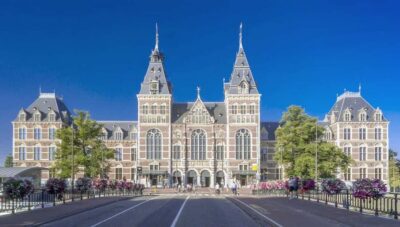
One thing to plan around: Rijksmuseum entry is not included, so the tour is only as complete as you make it with an added ticket inside.
In This Review
- Key highlights worth your time
- Rembrandt and Van Gogh: why this walking route works
- The 2-hour format: what to expect on your feet
- Starting at Prins Hendrikkade, ending at Blauwbrug
- Weeping Tower and Nieuwmarkt: quick art-linked views
- Trippenhuis: Rembrandt connection plus Rijksmuseum backstory
- South Church: Italian influence and a technique story
- Museum Het Rembrandthuis: the home and the art market behind it
- Oudemanhuispoort: Vermeer clues and a Rijksmuseum payoff
- Staalstraat: a French painter’s inspiration trail
- Tivoli Doelen Amsterdam Hotel: Frans Hals and a one-in-town story
- Blauwbrug: the canal view that closes the loop
- Price and value: where the extra cost actually fits
- Who should book this Rembrandt and Van Gogh walk
- A few guide-style perks to look for
- Should you book it?
- FAQ
- How long is the Rembrandt and Van Gogh Amsterdam walking experience?
- What language is the tour offered in?
- Is this a small-group experience?
- What’s included in the price?
- Is the Rijksmuseum ticket included?
- Where does the tour start and end?
- Do you get a mobile ticket?
- Is the meeting area near public transportation?
- Are service animals allowed?
- What is the cancellation policy?
Key highlights worth your time
- Small group, up to 15 people for a calmer pace and more personal attention.
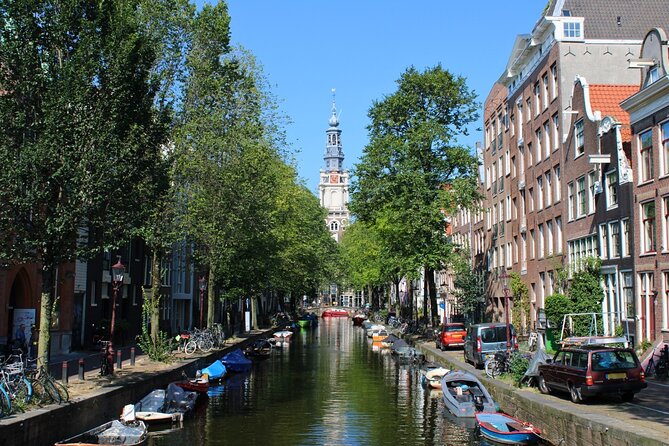
- Photo-friendly stops across central Amsterdam, with viewpoints baked into the route.
- A guide that brings art to the street using reference images and storytelling.
- Multiple 17th-century art connections through Rembrandt, Vermeer, and other masters named on the walk.
- No paid admissions at the listed stops, with Rijksmuseum as the main extra cost if you want it.
More Vincent, inside the galleries and out
- Amsterdam: Van Gogh Museum Ticket and City Canal Cruise★ 4.6 · 3,899 reviews
- Amsterdam: Van Gogh Museum Ticket & Canal Cruise★ 4.5 · 3,304 reviews
- Van Gogh Museum Amsterdam Exclusive Tour w/ Reserved Entry★ 5.0 · 1,760 reviews
- Van Gogh Museum Tour Reserved Entry Semi Private★ 5.0 · 1,437 reviews
Rembrandt and Van Gogh: why this walking route works
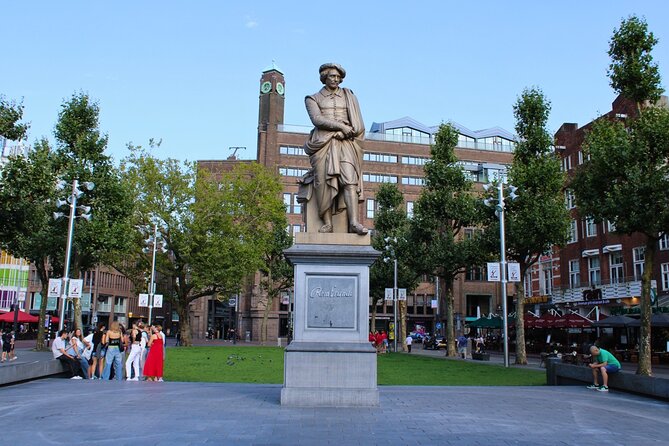
Amsterdam loves to remind you that art is not only something behind glass. On this walk, you connect painting ideas to real street angles, building facades, and canal views, so the Dutch masters feel less distant.
The tour name points to Rembrandt and Van Gogh, but the route also sets you up to recognize how Dutch art thinking spread through the city over time. You’ll hear why certain techniques and influences mattered, and you’ll see how painters were shaped by where they lived, worked, and looked.
For your first visit, this is a strong “orientation plus art” combo. In two hours, you get enough context to walk into the Rijksmuseum with a better sense of what you are actually seeing.
The 2-hour format: what to expect on your feet
This is an approximate 2 hours on foot, in English, with a local guide. The group size is capped at 15 travelers, which usually means fewer pauses for crowd control and more room to ask questions.
Stops run around 10 to 15 minutes each. That timing works well because Amsterdam art sites can be sensory overload, especially if you also plan to visit museums after. Here, the pace is built for absorption: walk, look, connect, then move on before your attention fizzles.
Practical advice: wear comfortable shoes. Even on “easy” city walks, you will be stepping across uneven pavement, and you’ll want your feet to be happy for the photos.
Starting at Prins Hendrikkade, ending at Blauwbrug
You start at Prins Hendrikkade 95 (1012 AE Amsterdam) and end at Blauwbrug (1011 PT Amsterdam). The finish point is nicely centered, between Rembrandt Square and Waterloo Square, which makes it easy to plan lunch or a canal cruise afterward.
If you prefer to arrive unhurried, aim to be at the start a little early. Canal-side areas can look similar block to block, so giving yourself a small buffer helps.
The tour uses a mobile ticket, and you receive confirmation at booking, so you are not scrambling for paper on the day.
Weeping Tower and Nieuwmarkt: quick art-linked views
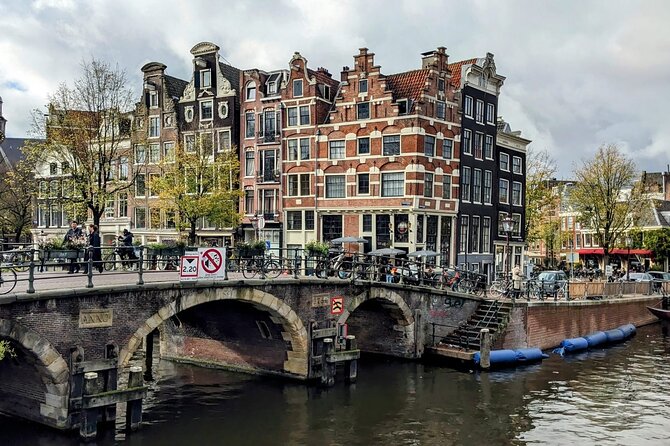
The walk opens with the Weeping Tower, where you get a big Amsterdam vista and a reminder that painters pulled inspiration from what they watched daily. Even when you are not sure which painting is being referenced, the view itself does half the teaching: it shows you how the city reads through an artist’s eyes.
Next is Nieuwmarkt, another stop where the emphasis is on what was visually compelling in the area. Expect a short pause, a few key stories tied to famous painters, and enough time for photos without feeling rushed.
Why this works early: you are getting the skyline and canal rhythm into your brain before the route turns more focused and specific.
Rembrandt, Vermeer and the rest. Further gallery visits
Trippenhuis: Rembrandt connection plus Rijksmuseum backstory
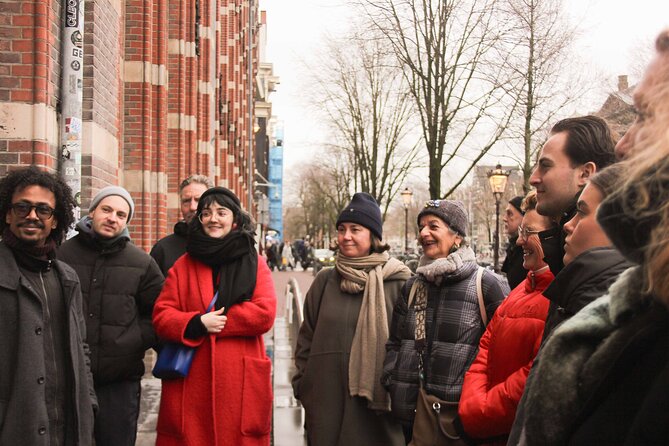
At Trippenhuis, you start moving from “general inspiration” to “specific painter connections.” The stop highlights that Rembrandt painted here, and it also links to the Rijksmuseum’s history and the notable figures connected to it.
This is one of those stops that can quietly improve your museum visit. When you later stand in the Rijksmuseum, you won’t only be looking at paintings. You’ll also understand why the institution, its setting, and the surrounding power network mattered to Dutch art.
The only drawback here is that the stop is fairly short. If you love architecture, you may want more time in the area. Still, as an art-first introduction, it’s very effective.
South Church: Italian influence and a technique story
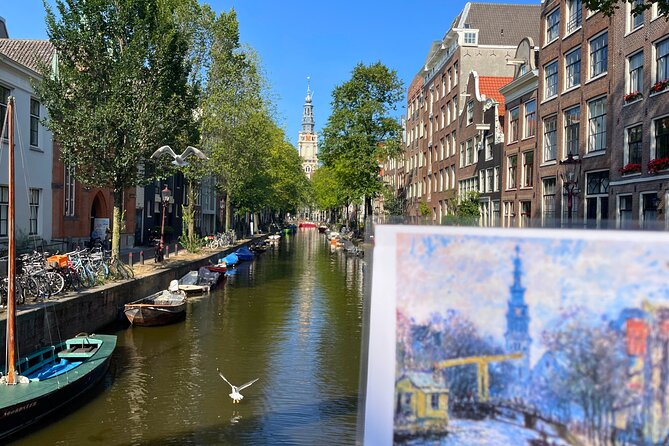
At the South Church, the focus shifts to how Italy influenced 17th-century Dutch painting. The guide explains the creative power of a groundbreaking technique and why Dutch painters were eager to adopt and refine what they admired.
This kind of context is useful because it helps you read the differences between artworks. Instead of just noticing style, you start asking why a technique caught on.
You’ll get a brief look at the place and then move on, so use the time to listen closely. The story is the point, not trying to “finish” the building or the street scene in one stop.
Museum Het Rembrandthuis: the home and the art market behind it
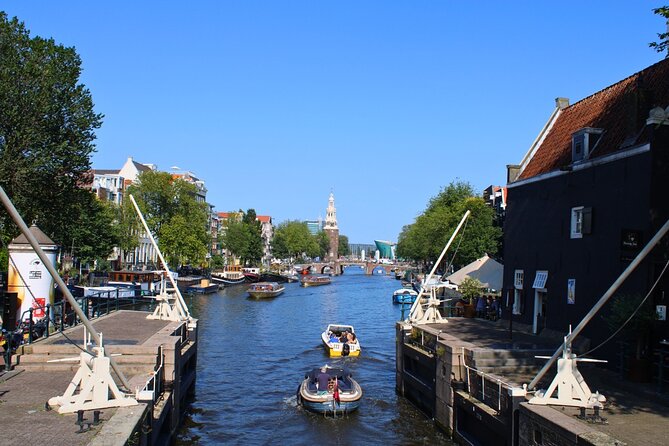
The Het Rembrandthuis stop is exactly what you hope an art walk includes: a direct link to Rembrandt’s 17th-century home. But it doesn’t stay only personal. It expands into how the Dutch art market helped fuel his success.
This is a great moment to rethink what you think you know about fame in the 1600s. Art was not just a hobby for talented people. It was also a business, and demand shaped what painters could afford to pursue.
One consideration: because you are outside and the stop is short, this is not a replacement for going inside a museum. Think of it as the story seed that makes later visits far more interesting.
Oudemanhuispoort: Vermeer clues and a Rijksmuseum payoff
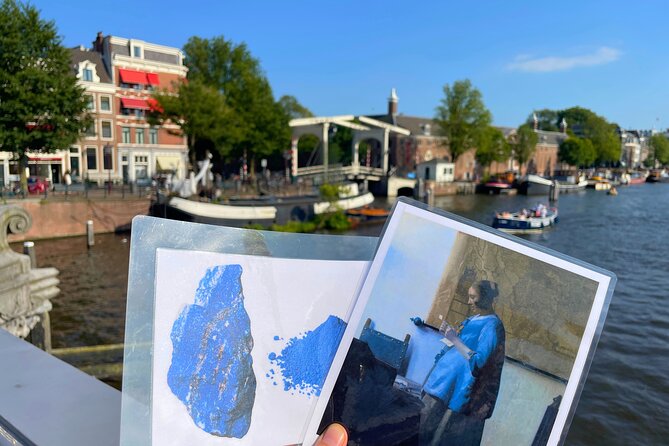
At Oudemanhuispoort, the route points into Vermeer territory and connects what you’ll see to a famed collection presented at the Rijksmuseum. If you are a Vermeer fan, this stop feels like a warm-up before the main act.
Even if you are not a specialist, the stop helps you understand that artists were influenced by the same city and institutions, just seen through different careers and styles. That makes it easier to compare works later.
Photo tip, if you like visuals: look for angles that show the street and canal life, not only the buildings. This walk is as much about atmosphere as it is about names.
Staalstraat: a French painter’s inspiration trail
The Staalstraat stop connects Dutch masters to a French painter who drew inspiration from them. It also touches on Amsterdam’s thriving industries, which matters because art did not happen in isolation.
This is a good place to pause and think about the word influence. Painters studied other painters, but they also studied the world around them: what people bought, what people valued, and how cities functioned.
The stop is shorter than the museum-focused ones, so it’s more about the “thread” you carry onward.
Tivoli Doelen Amsterdam Hotel: Frans Hals and a one-in-town story
At Tivoli Doelen Amsterdam Hotel, the walk points to a former headquarters and tells the story behind the only painting Frans Hals created in Amsterdam.
This is the kind of detail that gives you something memorable to carry into your next stop. Even if you are not an art expert, your brain likes a clear fact like that, because it makes the rest of the discussion stick.
Also, hotels in historic buildings often have interesting sightlines. Use the few minutes to look around with fresh eyes. You are not just reading about the past, you are standing in a place that kept playing roles after artists left.
Blauwbrug: the canal view that closes the loop
The final stop is Blauwbrug, and it’s framed as a painter-associated place with one of Amsterdam’s breathtaking vistas. This last pause is where the “art and city” connection lands hardest.
If you’ve been taking photos throughout, this is your chance to get a clean shot with less interruption. If you’ve been listening closely, you’ll also notice how earlier stops set up what you are seeing now.
The ending location is convenient for continuing your day. You finish between Rembrandt Square and Waterloo Square, which makes it easy to head for a meal or find a canal cruise without backtracking.
Price and value: where the extra cost actually fits
The stops on the route are listed as free admission ticket stops, so you are not paying entry fees at most locations. The big separate cost is the Rijksmuseum ticket ( € 22.50 per person), which is not included.
Here’s how I think about the value:
- If you plan to visit the Rijksmuseum anyway, the walking tour is a smart “pre-game.” You’ll have more context and you’ll probably spend your museum time more intentionally.
- If you are skipping the Rijksmuseum due to time or budget, you still get a solid walking introduction and multiple painter connections in central Amsterdam. You just won’t get the full payoff of seeing artworks indoors.
Either way, the tour avoids the common problem of paid stops stacking up. Your main decision becomes whether you want the Rijksmuseum add-on to match the stories you hear on the walk.
Who should book this Rembrandt and Van Gogh walk
This tour is a great fit if you:
- Love Dutch painting and want an art-focused way to learn Amsterdam quickly.
- Like small groups and hate the feel of being herded.
- Want a route that adds context before you walk into major museum rooms.
It also works well if you are not an art expert. The guide’s job here is to connect place to painting in a way you can follow without homework.
If you already know every Rembrandt detail and you want a deep museum-based experience, you might prefer something longer inside museums. This one is designed for streets, photos, and context in a compact window.
A few guide-style perks to look for
From the way guides have run this experience, two strengths show up again and again:
First, the guide brings visual support, using pictures of the artworks so you can match story to object. That makes a huge difference for people who learn best by seeing.
Second, the guide has shown care for clear communication, including speaking clearly and directly for a guest who was hearing impaired. It’s not just “nice.” It improves how the whole group follows the narrative.
And at the end of the walk, the guide has shared practical ideas for lunch, canal cruising, and a recommendation for an apple tart. Those small extras turn the tour into a full Amsterdam day-plan, not only a history lesson.
Should you book it?
If you want a first-timer-friendly Amsterdam plan that still satisfies serious art curiosity, book this. You get central sights, strong painter connections, and a pace that keeps your brain engaged for the whole two hours.
I’d especially recommend it when you have limited time and you plan to visit the Rijksmuseum soon after. The tour helps you arrive with questions ready to answer when you’re standing in front of paintings.
Only skip it if you already have a full day locked into museums and you prefer a longer indoor format. This walk shines as the bridge between streets and art collections.
FAQ
How long is the Rembrandt and Van Gogh Amsterdam walking experience?
It lasts about 2 hours.
What language is the tour offered in?
The tour is offered in English.
Is this a small-group experience?
Yes. The tour has a maximum of 15 travelers.
What’s included in the price?
A local guide is included.
Is the Rijksmuseum ticket included?
No. Rijksmuseum entry is not included, and it costs € 22.50 per person.
Where does the tour start and end?
It starts at Prins Hendrikkade 95, 1012 AE Amsterdam, and ends at Blauwbrug, 1011 PT Amsterdam.
Do you get a mobile ticket?
Yes. The tour uses a mobile ticket.
Is the meeting area near public transportation?
Yes, it is near public transportation.
Are service animals allowed?
Yes, service animals are allowed.
What is the cancellation policy?
You can cancel for free up to 24 hours in advance for a full refund. If you cancel less than 24 hours before the start time, the amount paid is not refunded.
Also Reviewed Around Amsterdam




The Dutch Masters, Up Close


Following Vincent





Fresh off the review pile in Amsterdam
- Full-Day Trip From Amsterdam to Keukenhof, Zaanse Schans + Cruise
★ 5.0 · 3 reviews - Boutique Dutch Food & History Tour with up to 8 guests only
★ 5.0 · 3 reviews - Private Tour to Windmills Zaanse Schans +Keukenhof – 7 Hours
★ 5.0 · 3 reviews - Full-Day Private Guided Countryside Tour from Amsterdam by Bike
★ 5.0 · 3 reviews - Amsterdam Red Light District and Old Town Walking Tour
★ 5.0 · 3 reviews
Rijksmuseum & the Dutch Masters, compared.
 ★ 4.7Amsterdam: Rijksmuseum Entry TicketFrom $3125,535 reviews
 ★ 4.7Amsterdam: Rembrandt House Museum Entrance TicketFrom $233,385 reviews
 ★ 4.7The Hague: Mauritshuis Entrance TicketFrom $252,706 reviews
 ★ 4.6Amsterdam: Fabrique des Lumières Dutch Masters TicketFrom $212,373 reviews
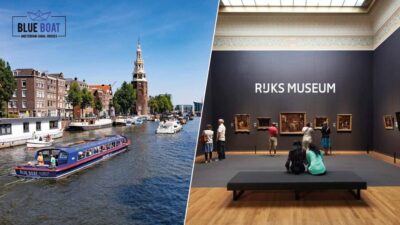 ★ 4.5Amsterdam: City Canal Cruise and RijksmuseumFrom $452,129 reviews
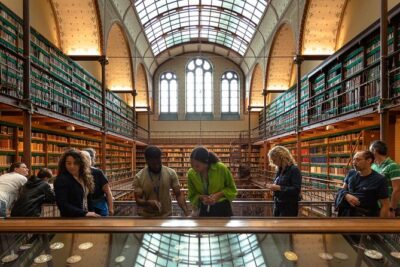 ★ 4.5Rijksmuseum Amsterdam Small-Group Tour with Private UpgradeFrom $901,547 reviews
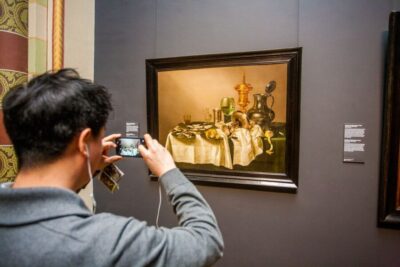 ★ 4.3Amsterdam: Rijksmuseum Entry Ticket and Canal Cruise ComboFrom $451,276 reviews
 ★ 4.7Amsterdam: Rijksmuseum Guided Tour and TicketFrom $78649 reviews
Browse the lists this tour appears in