
REVIEW · AMSTERDAM
Rijksmuseum & Amsterdam City Center Semi-Private Tour 12ppl Max
Eight people max makes Amsterdam feel manageable. This semi-private tour links skip-the-line Rijksmuseum entry with a guided run through the canal-and-center highlights, so you get art brains and street-level bearings in one day.
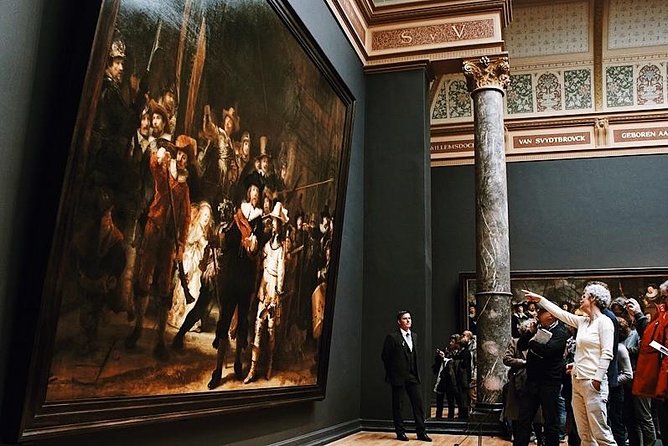
I especially like the pace. The schedule gives you about 2.5 hours in the Rijksmuseum, then keeps the walking tour moving with focused stops and explanations, the kind of setup guides like Diana are praised for, including pointers on Dutch masters such as Rembrandt and Vermeer’s The Milkmaid.
One drawback to plan for: it is still a walking day, and the tour is not recommended for wheelchair use or walking disabilities. Also, lunch is on your own, so budget time and cash for that mid-tour break.
In This Review
- Key reasons this tour is worth your attention
- Value and fit: what you are really buying for $286.56
- Meeting point, timing, and the day’s overall rhythm
- Rijksmuseum entry: why the skip-the-line matters (and what to watch)
- Inside the Rijksmuseum: Rembrandt, Vermeer, and that 19th-century library
- Lunch on your own: how to use the break smartly
- The walking tour mission: getting bearings fast
- St. Nicholas Basilica and the old religious story of Amsterdam
- Schreierstoren, also known as the Weeping Tower
- Zeedijk, Nieuwmarkt, and Amsterdam’s Asian food-and-market streets
- De Waag: a 15th-century gate building with multiple lives
- Trippenhuis and the wide-versus-narrow house contrast
- Dutch East India Company courtyard: the birthplace of a big idea
- Zuiderkerk and the Protestant church landmark in Amsterdam
- The Stopera: when city hall meets opera and ballet
- Begijnhof: hofjes, courtyard calm, and Beguine life
- Dam Square and the classic Amsterdam center checklist
- Herengracht: the Golden Bend canal mansions
- Anne Frank House and the Westerkerk tower view
- De Drie Hendricken and Karthuizerhof: ornate façades and a big hofje
- Noorderkerk to Papeneiland: finishing with a canal-corner payoff
- Who should book this tour, and who might skip it
- Should you book the Rijksmuseum & Amsterdam City Center Semi-Private Tour?
- FAQ
- How many people are in the group?
- Where does the tour start and when?
- Is Rijksmuseum admission included?
- What is the total duration?
- Is lunch included?
- Will the tour run in bad weather?
- Are all attractions entered during the walking tour?
- Is the Rijksmuseum ticket valid after the tour ends?
- Is this tour suitable for wheelchair users or limited mobility?
Key reasons this tour is worth your attention
- Semi-private size, max 8 people so you get more back-and-forth with your guide
- Prebooked Rijksmuseum entry that helps you avoid the worst of the line
- Big museum time, 2.5 hours covering major themes, not random wandering
- Lots of quick, high-impact city stops from Amstel-area gates to Dam Square
- All-day Rijksmuseum ticket means you can come back after the tour ends
- Museum rules matter (no large bags, and some quiet rooms have speaking limits)
Rembrandt, Vermeer and the rest. Further gallery visits
- Amsterdam: Rijksmuseum Entry Ticket★ 4.7 · 25,535 reviews
- Amsterdam: Fabrique des Lumières Dutch Masters Ticket★ 4.6 · 2,373 reviews
- Amsterdam: City Canal Cruise and Rijksmuseum★ 4.5 · 2,129 reviews
- Rijksmuseum Amsterdam Small-Group Tour with Private Upgrade★ 4.5 · 1,547 reviews
Value and fit: what you are really buying for $286.56
Let’s be honest, this tour is not a budget bargain. At $286.56 per person, you are paying for three things that are hard to reproduce on your own without extra planning:
First, you are buying a prebooked Rijksmuseum slot plus skip-the-line-style entry help. That matters in Amsterdam, where lines and security bottlenecks can eat half a day if you are unlucky.
Second, you are paying for time with a professional guide inside the museum. The Rijksmuseum is huge, with more than 8,000 objects on display. Without a guide, you can spend your whole visit chasing names and missing the connections between Dutch art, everyday life, and the country’s history.
Third, you are paying for the second half, a guided historic walking loop through the city center. The stops are short by design, but they keep you oriented fast, especially if this is your first time in Amsterdam.
If you are a first-timer who wants a smart mix of Dutch art plus a top-down map of the city, this is a strong fit. If you want a slow, sit-down, no-pressure day, you might prefer doing the museum on your own and saving the city walk for later.
Meeting point, timing, and the day’s overall rhythm
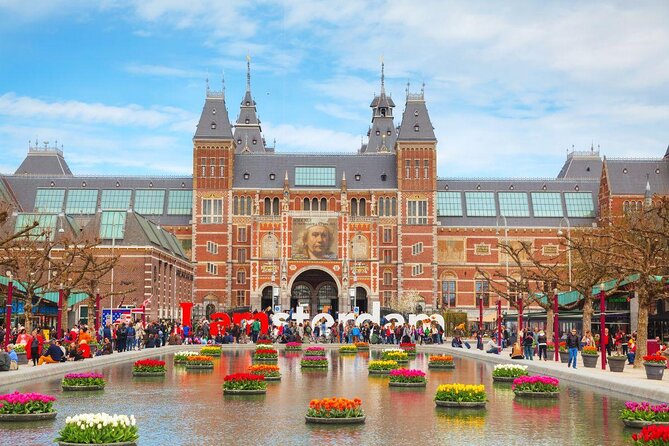
The tour starts at 10:00 am. Your posted start location is Cobra Café, and the tour begins at the Rijksmuseum area at the giant I am Amsterdam sign, specifically at the letter I. Do yourself a favor and arrive early. Security and getting everyone together takes time, especially in a tourist-heavy area like this.
The total duration is about 5 hours 30 minutes with a lunch break included. Inside the Rijksmuseum, you have about 2 hours 30 minutes, which is a good chunk for a guided hit of the museum’s biggest stories. After that, the city walk continues with many stops that typically run around 5 to 10 minutes each.
The rhythm is “guided orientation.” You will not get one neighborhood in depth, and you will not have long photo sessions at every corner. But you will leave with mental maps, key landmarks, and an easier time returning later to what you liked most.
Also, the tour runs rain or shine, which is a big deal in Amsterdam. Plan on layers and shoes you trust on cobblestones.
Rijksmuseum entry: why the skip-the-line matters (and what to watch)
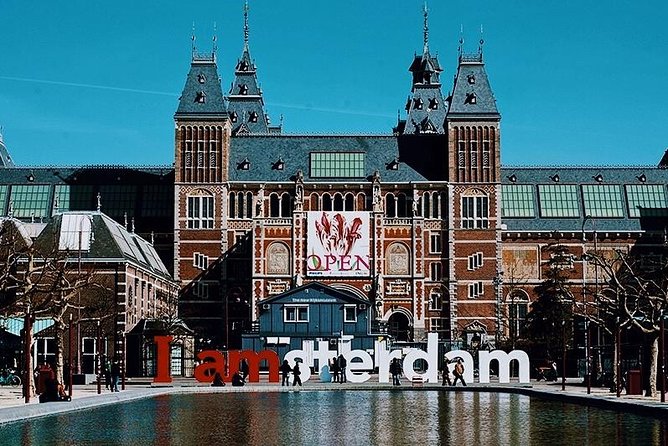
The Rijksmuseum is the reason this tour sells out. You are not just paying to get in, you are paying to get in without losing your morning to queues. The tour is designed so you can proceed inside directly after meeting.
A few practical notes help you enjoy it instead of fighting it:
- Bring only what you need. The museum has security rules, and large bags or suitcases are not allowed inside. Only handbags or small, thin bag packs go through security.
- Quiet-room rules apply. Some rooms have restricted or quiet communication rules. Your guide will explain where that is before you enter those spaces.
What the museum time is really about is context. You are not touring the building like a checklist. You are connecting Dutch art to Dutch life.
You also have a major bonus: your Rijksmuseum ticket is valid all day. That means after the walking portion ends, you are free to return for extra looking if you want more time with Rembrandt, Vermeer, or the rooms that pulled you in.
Inside the Rijksmuseum: Rembrandt, Vermeer, and that 19th-century library
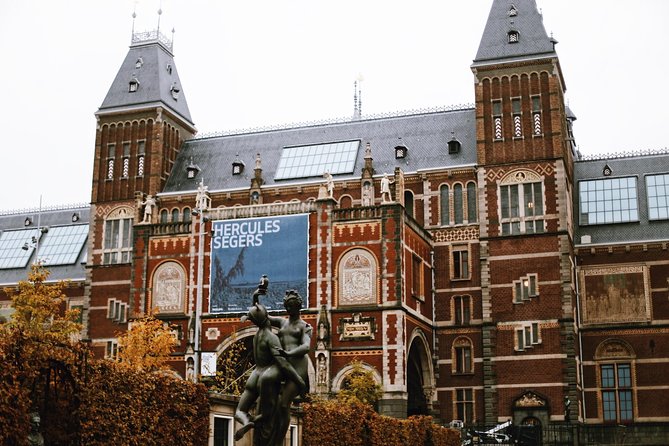
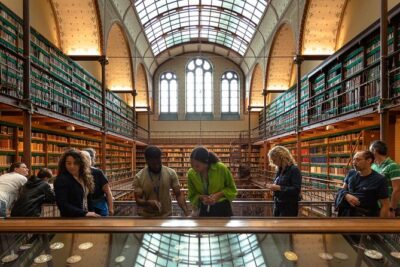
The Rijksmuseum part of the tour is structured to help first-time visitors make sense of the museum’s scale. With more than 8,000 objects across many galleries, the danger is trying to see everything. This tour aims for understanding instead.
You’ll see major Dutch names and also get pointed toward less obvious details that make the collection feel human. Expect discussion of themes around Dutch culture and daily life, not just famous faces.
Two specific museum takeaways I’d highlight if you are trying to decide whether to book:
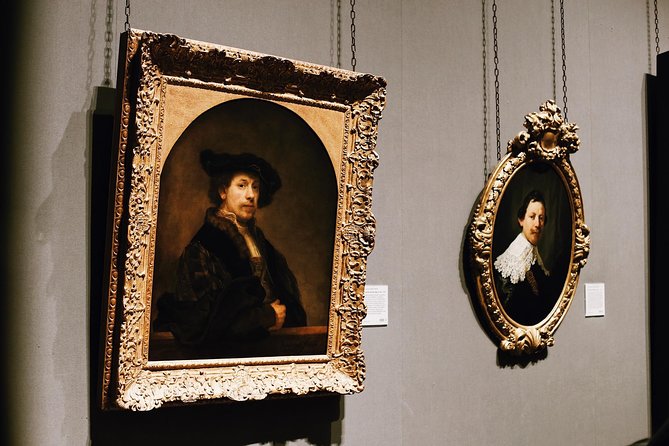
- You will learn how Dutch masters connect to the stories of the era. Rembrandt gets particular attention, and Vermeer’s famous domestic scenes are part of the conversation. If you are new to Vermeer, this is a good primer before you start scanning paintings on your own.
- The visit includes the museum’s 19th-century library. That is not a random add-on. It’s a signpost for how Dutch culture preserved ideas through literature, not just paint.
You are also likely to hear about fascinating objects that most people miss when they go straight to the headline paintings, like 17th-century dollhouses. Those details matter because they show what people owned, how they lived, and how art reflected values.
By the end, you should be able to walk back through the galleries later with a clearer sense of what you are looking at. Even small things, like learning the correct pronunciation of Rijksmuseum, can make the whole experience feel smoother and less stressful.
Other ways to get the shape of Amsterdam in a morning


Lunch on your own: how to use the break smartly

Lunch is included as a break, but meals are your own expense. Because the tour keeps a steady pace, treat lunch like a reset, not a long sit.
A good strategy:
- Pick something close to the route so you can rejoin your guide on time.
- If you want to maximize your Rijksmuseum time later, consider planning lunch so you are not too full or sluggish for the walking portion.
This is also a moment to decide if you want to return to the museum after the tour ends. Since your ticket stays valid, you can come back for a second look at the rooms that clicked.
The walking tour mission: getting bearings fast
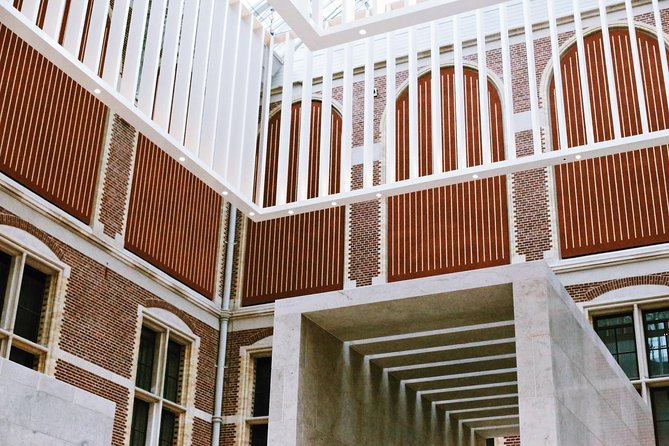
After you step out of the museum, the tour turns into a historic city orientation walk. The goal is to connect Amsterdam’s layout to why certain places matter.
You’ll move through old-city streets and across bridges, but it’s not only scenic. Each stop is there to explain something: a gate, a church, a building type, a religious shift, or a trade story.
Expect a mix of exterior looks and short explanations. A lot of stops are “see and understand,” not “enter and spend an hour.”
St. Nicholas Basilica and the old religious story of Amsterdam
One of your early stops is St. Nicholas Basilica, described as Amsterdam’s primary Roman Catholic church. What makes it interesting on this tour is the timeline: it was built at the end of the 19th century, when Roman Catholics could once again practice publicly after centuries of prohibition.
Architecturally, it’s not one-style simple. It blends different styles and artistic movements, and your guide uses that as a way to connect architecture to social change. Even if you only get about 10 minutes here, it gives you a concrete example of how Amsterdam’s religious landscape shifted.
Schreierstoren, also known as the Weeping Tower

Next comes the Schreierstoren, commonly called the Tower of Tears or Weeper’s Tower. The key idea is a local belief tying the tower to women weeping for husbands who left from the port to go to war or fishing.
This is one of those stops where you get a story behind a structure, and that makes the city feel less like a postcard. It’s also a reminder that buildings in Amsterdam often started as practical pieces of the medieval defense system, long before they became tourist targets.
Zeedijk, Nieuwmarkt, and Amsterdam’s Asian food-and-market streets
You then walk through Zeedijk, which is known as Amsterdam’s Chinatown area. The tour points out Asian markets, restaurants, and shops along the street, plus the Zeedijk Buddhist temple, highlighted as the largest Chinese-style Buddhist temple in Europe.
On a practical level, this stop helps you understand Amsterdam as a layered city, not only canals and old brick. On a travel level, it’s also a useful direction sign. If you end up wanting a meal or a snack later, this is a district you will already feel oriented to.
After that, you reach Nieuwmarkt, a lively square and market area. You get context that it has been a commercial and social hub since the 17th century, partly because it sat just inside the old city gate. Again, this is the “why this spot, why now” approach.
De Waag: a 15th-century gate building with multiple lives
During the Nieuwmarkt portion, you see De Waag, a 15th-century building described as one of Amsterdam’s oldest remaining non-religious buildings.
It’s also explained as having served many roles over time, starting as part of the city gate walls, then later acting as a guildhall, museum, and fire station. The point for you is that Amsterdam’s buildings often survive because they adapt.
If you are into architecture, even a quick exterior stop here is better than skipping it. It gives you an example of reuse before reuse became a buzzword.
Trippenhuis and the wide-versus-narrow house contrast
Then the tour shifts to the Trippenhuis area, with a comparison between Trippenhuis and Klein Trippenhuis.
Trippenhuis is described as Amsterdam’s widest house, spanning an enormous 22 meters. Across from it, Klein Trippenhuis is one of the city’s narrowest houses. Seeing both back-to-back does something simple but important: it makes Dutch city-building constraints and wealth feel real.
Your guide also explains why these narrow forms are common, tied to land taxes that encouraged taller, thinner architecture. If you ever wondered why some Amsterdam buildings look stretched upward, this is the kind of stop that gives you the answer in plain language.
Dutch East India Company courtyard: the birthplace of a big idea
Another short but high-meaning stop is Oost-Indisch Huis, described as the Dutch East India Company headquarters courtyard. It is presented as the birthplace of what’s described as the world’s first multinational corporation.
Even if you do not love business history, this matters because the Dutch Golden Age was driven by trade. Amsterdam’s wealth and art collections didn’t appear out of nowhere. This stop helps you connect canal grandeur to the global networks that financed it.
Zuiderkerk and the Protestant church landmark in Amsterdam
Next you see Zuiderkerk, Amsterdam’s first purpose-built Protestant church, designed by Hendrick de Keyser. The tower is highlighted as a defining landmark.
Even without going inside, this stop gives you a key orientation point. Church towers in Amsterdam help you navigate visually, and this one is one of the more distinct.
The Stopera: when city hall meets opera and ballet
Your walk also passes by the Dutch National Opera & Ballet complex, known as the Stopera, a building complex that houses both the city hall and the opera and ballet. The construction is described as a project taking at least 60 years.
This is a useful stop if you want to see that Amsterdam’s identity is not only medieval and 17th-century. The city builds modern cultural landmarks too, and they sit right alongside old streets.
Begijnhof: hofjes, courtyard calm, and Beguine life
Then you get Begijnhof, one of Amsterdam’s oldest hofjes, meaning a group of almshouses around a secluded courtyard and garden.
The tour frames it as housing for the Beguines, unmarried women who lived together under vows of chastity. Today, it is also described as the site of two churches.
If you are tired from walking, this stop can feel like a breather because the courtyard style changes the pace of your attention. Even if you only spend about 10 minutes, the idea of these hofjes helps you see Amsterdam’s social fabric as carefully designed, not random.
Dam Square and the classic Amsterdam center checklist
Later comes Dam Square, one of the best-known locations in Amsterdam. You see key buildings and frequent events there, including the Royal Place, the New Church, and the National Monument.
A stop like this is practical for orientation. It anchors the center of the city in your mind, making it easier later to pick directions for museum hopping, canal cruises, or a slower afternoon exploring side streets.
Herengracht: the Golden Bend canal mansions
Next is Herengracht, specifically the “Golden Bend,” lined with some of the richest and most ornate canal mansions from the Dutch Golden Age.
This is one of those areas where photos are tempting, but your guide’s explanations matter. The canal layout is not only pretty, it reflects how wealth and trade expressed themselves in architecture.
Anne Frank House and the Westerkerk tower view
You pause outside the Anne Frank House, where the young diarist hid during WWII. Next door rises Westerkerk, described as having the tallest church tower in Amsterdam.
This is a heavy topic, so treat this moment as reflective, not quick. Even if you do not enter, your understanding of the surrounding landmark context helps make the area feel grounded.
De Drie Hendricken and Karthuizerhof: ornate façades and a big hofje
Near the later stretch, you look up at De Drie Hendricken aan de Bloemgracht. The focus is on gable stones carved with allegories and trade emblems, adding character to ornate façades.
Then you reach Karthuizerhof, described as the largest hofje in Amsterdam. It was built as almshouses around a tranquil courtyard for the city’s poor and elderly.
This pairing of ornate trade symbolism and human-scale courtyard life is actually a nice way to end the day. You see how wealth, commerce, art, and social care all show up in different building types across the city.
Noorderkerk to Papeneiland: finishing with a canal-corner payoff
Toward the end comes Noorderkerk, a 17th-century Protestant church built for the Jordaan district. Its unusual cross-shaped floor plan is described as reflecting new ideals of Reformation worship.
Finally, you wrap at Papeneiland, one of Amsterdam’s prettiest canal corners. You visit Het Papeneiland, a brown café from 1642, said to serve the best apple pie in town.
This last stop is more than a snack pitch. It gives you a satisfying end point to your walking route, and it helps you transition from “tour mode” to “wander mode,” where you can head out on your own with a clearer sense of where you are.
Who should book this tour, and who might skip it
You should book if:
- You want Rijksmuseum plus historic center orientation in one half-day style block.
- You like having a guide connect art to real Dutch life and history.
- You are happy with a guided walking route where many stops are short.
- You can see the value in prebooked museum entry and all-day ticket flexibility.
You might skip or swap for something else if:
- You need a low-walking day. This tour is not recommended for wheelchair use or walking disabilities.
- You want long, independent time inside specific buildings like churches or towers. Many stops are brief views rather than long entry visits.
- You plan to do your own museum binge. In that case, you might prefer a longer museum-only experience without the city walk.
Should you book the Rijksmuseum & Amsterdam City Center Semi-Private Tour?
If you are trying to make Amsterdam make sense quickly, I think this is a smart booking. The semi-private max 8 setup is a real advantage. You get the museum’s big stories and then a guided scan across the city’s major landmarks, from the Amstel-area gate world to Dam Square and canal corners near Papeneiland.
The price is the one reason to pause. But when you factor in prebooked Rijksmuseum entry help, professional guidance in a museum with more than 8,000 objects, and a curated city walk filled with key reference points, it starts to look like paying for clarity and time saved.
My recommendation: book it if you want a guide-led “first Amsterdam” day. Skip it if mobility limits are a big issue, or if you hate walking and prefer only one anchor activity per day.
FAQ
How many people are in the group?
The tour is semi-private, with a maximum of 8 travelers.
Where does the tour start and when?
The start time is 10:00 am. The listed start point is Cobra Café, Hobbemastraat 18, 1071 ZB Amsterdam.
Is Rijksmuseum admission included?
Yes. Rijksmuseum entry is included, and the tour is designed to help you avoid the often-long line.
What is the total duration?
It runs about 5 hours 30 minutes, including the lunch break.
Is lunch included?
Lunch is not included. You’ll have a break for lunch, but you cover your own meal.
Will the tour run in bad weather?
Yes, it runs rain or shine.
Are all attractions entered during the walking tour?
Not necessarily. Some stops are listed as free to see, and some are marked as admission not included, which generally means you may only view them as part of the walk.
Is the Rijksmuseum ticket valid after the tour ends?
Yes. Your ticket is valid all day, so you can return to the museum after the walking tour finishes.
Is this tour suitable for wheelchair users or limited mobility?
The tour is not recommended for those with walking disabilities or using a wheelchair.
Everything Else From Our Amsterdam Notebook




Also Reviewed Around Amsterdam




The Dutch Masters, Up Close


Fresh off the review pile in Amsterdam
- Full-Day Trip From Amsterdam to Keukenhof, Zaanse Schans + Cruise
★ 5.0 · 3 reviews - Boutique Dutch Food & History Tour with up to 8 guests only
★ 5.0 · 3 reviews - Private Tour to Windmills Zaanse Schans +Keukenhof – 7 Hours
★ 5.0 · 3 reviews - Full-Day Private Guided Countryside Tour from Amsterdam by Bike
★ 5.0 · 3 reviews - Amsterdam Red Light District and Old Town Walking Tour
★ 5.0 · 3 reviews
Rijksmuseum & the Dutch Masters, compared.
 ★ 4.7Amsterdam: Rijksmuseum Entry TicketFrom $3125,535 reviews
 ★ 4.7Amsterdam: Rembrandt House Museum Entrance TicketFrom $233,385 reviews
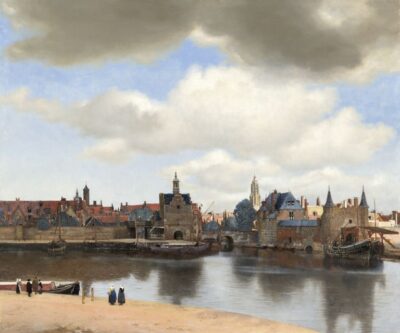 ★ 4.7The Hague: Mauritshuis Entrance TicketFrom $252,706 reviews
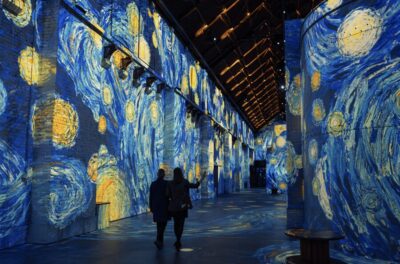 ★ 4.6Amsterdam: Fabrique des Lumières Dutch Masters TicketFrom $212,373 reviews
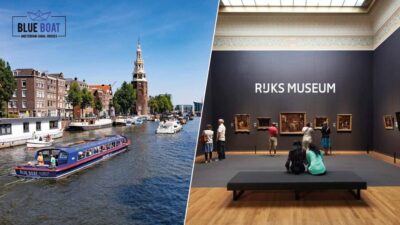 ★ 4.5Amsterdam: City Canal Cruise and RijksmuseumFrom $452,129 reviews
 ★ 4.5Rijksmuseum Amsterdam Small-Group Tour with Private UpgradeFrom $901,547 reviews
 ★ 4.3Amsterdam: Rijksmuseum Entry Ticket and Canal Cruise ComboFrom $451,276 reviews
 ★ 4.7Amsterdam: Rijksmuseum Guided Tour and TicketFrom $78649 reviews
Browse the lists this tour appears in