

REVIEW · RIJKSMUSEUM & THE DUTCH MASTERS
Rijksmuseum tour: The Stories Behind the Masterpieces
This tour is for when you want art to make sense fast. The Rijksmuseum is huge, but a private guide helps you connect Dutch Masters paintings to the craft behind them, plus museum pieces you might otherwise skip.
I like that you get an English-speaking local guide who can explain the techniques behind each work. I also like the added museum context, including antique furniture and models kept by the Rijksmuseum, which turns the visit into more than just a gallery walk.
One thing to plan for: the Rijksmuseum admission ticket is not included, so you should budget for that on top of the tour price. With only about 2 hours, you’ll focus deeply on a selection, not the entire museum.
In This Review
- Key highlights to know before you go
- Rijksmuseum storytelling in a tight, private 2-hour format
- Your guide matters, especially with Dutch art
- How the Rijksmuseum stop works, and what you’ll actually see
- Dutch Masters techniques: why this tour focuses on making, not just viewing
- Antique furniture and models: the museum as a story machine
- Price and value: what you’re paying for at $284.03 per person
- Logistics that actually help: meeting point, mobile ticket, and timing
- Who this tour fits best in Amsterdam
- Should you book The Stories Behind the Masterpieces?
- FAQ
- Where does the tour start?
- How long is the Rijksmuseum Stories Behind the Masterpieces tour?
- Is Rijksmuseum admission included in the tour price?
- What language is the tour offered in?
- Is this a private tour?
- Will I receive a mobile ticket?
- When will I receive confirmation after booking?
- What is the cancellation policy?
Key highlights to know before you go
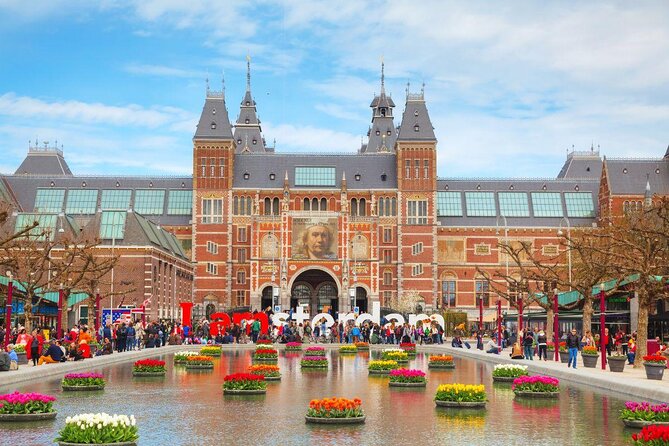
- Private tour feel for your group only, with an experienced guide doing the talking.
- English guide for clear art explanations, no “lost in translation” moments.
- Technique-focused storytelling on how Dutch Masters made their works.
- Antique furniture and models connected to what you’re seeing on the walls.
- Simple start point at Rijksmuseum, easy to reach with public transportation.
Rembrandt, Vermeer and the rest. Further gallery visits
- Amsterdam: Rijksmuseum Entry Ticket★ 4.7 · 25,535 reviews
- Amsterdam: Fabrique des Lumières Dutch Masters Ticket★ 4.6 · 2,373 reviews
- Amsterdam: City Canal Cruise and Rijksmuseum★ 4.5 · 2,129 reviews
- Rijksmuseum Amsterdam Small-Group Tour with Private Upgrade★ 4.5 · 1,547 reviews
Rijksmuseum storytelling in a tight, private 2-hour format
The Rijksmuseum can be intimidating at first glance. You walk in expecting masterpieces, then realize you need a plan just to see the right things without losing an hour to wandering.
This tour solves that with a private, about 2-hour flow. You don’t just get names and dates. You get a guided thread through the collection, so you leave with a clearer sense of why the Dutch Masters looked the way they did and how the museum curates those stories in space.
The best part for me is how quickly the visit becomes useful. You spend less time “trying to figure out what to look at” and more time making meaning out of what’s in front of you.
A private format also changes the vibe. You can ask questions when something clicks, or when it doesn’t. And since it’s only your group, you’re not competing with a big public crowd for attention.
Your guide matters, especially with Dutch art
A common problem with art museums is simple: you can stand in front of a masterpiece and still feel like you’re missing the point. That’s where the guide can make or break the experience.
In the strongest feedback tied to this tour, a key name keeps showing up, Ralf. People liked how he connects art history to specific works, not just broad background. The result is that you get far more insight than you would from brochures alone, because the explanations are tied to what you’re looking at in the moment.
You should also expect the guide to talk about technique, not just theme. The tour highlights that you’ll learn about the techniques used by the Dutch Masters to craft each piece. That matters, because technique is often the bridge between “I admire this” and “I understand why this works.”
And since the tour is offered in English, you won’t have to piece together the story from labels alone. You can focus on questions you actually have.
How the Rijksmuseum stop works, and what you’ll actually see
This tour has one main stop: the Rijksmuseum itself, with an experience time of about 2 hours. The tour is designed so you start at the museum, spend that concentrated time inside, and end back near where you began.
Because the tour centers on storytelling behind major works, you’ll likely see a curated selection rather than trying to cover everything. That is the tradeoff. You won’t check off every room, but you can get a deeper understanding of the works you do see.
Here’s what this kind of guided flow usually feels like in practice:
- You enter with context, so the first works don’t feel random.
- You move through key highlights with explanations that attach to the details you’re seeing.
- You get museum-linked detours, like period objects or display elements, that explain how the setting shapes the meaning.
The tour description also points to seeing antique furniture and models kept by the museum. That means you’re not only staring at paintings. You’re also getting glimpses of the physical world around the art, which helps you picture how Dutch life and Dutch aesthetics connect.
The “end back at the meeting point” detail is useful. You can plan your next meal or stop without a long walk or complicated route.
Dutch Masters techniques: why this tour focuses on making, not just viewing
If you’ve ever felt stuck in museums, it’s usually because you’re looking at finished art without understanding the process. This tour leans into the process side, with guidance on techniques used by the Dutch Masters.
Even without getting overly technical, learning technique changes what you notice:
- You start looking more carefully at surface, light, and texture.
- You pay attention to composition choices and why an artist arranged elements the way they did.
- You recognize that “realism” in these works often comes from disciplined craft, not just talent.
Technique also helps you compare works. Without that, each painting can feel like a separate universe. With it, you can feel patterns in style and approach.
I like this approach because it’s practical for your brain. You don’t need to be an art expert to follow. You just need a guide who translates what’s happening into plain language, and who points out specific things while you’re standing there.



Antique furniture and models: the museum as a story machine
The tour doesn’t stay trapped in the main gallery experience. It highlights time spent with antique furniture and models that the Rijksmuseum keeps.
That matters more than it sounds. Furniture and models can act like visual footnotes for paintings. They can hint at everyday objects, interior design, craftsmanship, and how people in that era arranged space. Even if you never become a furniture scholar, seeing these objects in the museum context can sharpen your understanding of the world portrayed in art.
It’s also a nice break from the “wall after wall” feeling. Paintings demand attention, but objects can slow your pace in a good way. You’re forced to look from different angles and pay attention to form and materials, not only scenes and figures.
If you like museums that teach you how to see, this part of the experience is a strong reason to choose the tour.
Price and value: what you’re paying for at $284.03 per person
The listed price is $284.03 per person, and the duration is about 2 hours. The Rijksmuseum admission ticket is not included, so you should treat the tour price as the guide and experience fee, then add museum entry separately.
That might sound like extra cost, but here’s the value math I think about:
- If you plan to spend your time inside anyway, a focused guide can save you mental energy and help you see more meaningful highlights in less time.
- Private format often means you get better control over pacing. You can ask questions without worrying about moving with a large crowd.
- The inclusion of technique storytelling and museum objects like furniture and models is more than just a “see the famous paintings” script.
You also get group discounts, which can improve value if you’re not traveling solo. If you’re a pair or a small group, the per-person cost can feel more reasonable because you’re spreading the guide attention across multiple people.
The main consideration is budgeting for museum entry. If you show up thinking the tour price covers everything, you’ll be surprised. If you plan for that up front, the overall experience starts to feel straightforward.
Logistics that actually help: meeting point, mobile ticket, and timing
The meeting point is the Rijksmuseum at Museumstraat 1, 1071 XX Amsterdam. The tour starts there and ends back at the meeting point, which makes it easier to connect with other plans like lunch nearby or a tram ride back into central Amsterdam.
You’ll also have a mobile ticket, which is a small convenience but matters in a real city. It reduces the “where is my confirmation email” stress.
It’s offered in English, and confirmation is received at the time of booking. The experience is also listed as near public transportation, so you’re not dependent on a car or complex transfers.
One practical note about the two-hour timing: this is a short, focused visit. If you want to roam every room, this isn’t the tool for that. If you want a strong guided selection with real explanations, it’s the right length.
Who this tour fits best in Amsterdam
This tour is a great fit if you want Dutch art context without turning the day into an information marathon. You’ll probably enjoy it most if you:
- Like guided interpretation, especially with technique and art history explained in plain language.
- Want a more personal museum pace, with only your group participating.
- Care about seeing how a museum connects paintings to the objects and display choices around them.
It’s also a good choice for people who get overwhelmed by big collections. The Rijksmuseum has major works, but a private guide helps you decide what to look at, and how to look at it.
If you’re the type who loves wandering freely with only a guidebook, you may find the time limits frustrating. But if you want clarity and focused learning, the structure works well.
Should you book The Stories Behind the Masterpieces?
Book it if you want your Rijksmuseum visit to feel guided, coherent, and richer than self-guided browsing. The strongest reason is the focus on how the Dutch Masters made their works, plus time spent with antique furniture and models that give the art a fuller setting.
I’d skip it only if you want to see everything, room by room, at your own pace, or if you’d rather spend money on museum entry plus a do-it-yourself plan. This tour is about depth in a short window, not a full museum checklist.
Also, plan for the ticket situation. Since admission is not included, make sure you handle museum entry on your end so you don’t lose time on arrival.
If you’re choosing between a quick look and a meaningful visit, this is the kind of tour that helps you come away understanding what you saw, not just remembering that it was famous.
FAQ
Where does the tour start?
The tour starts at Rijksmuseum, Museumstraat 1, 1071 XX Amsterdam, Netherlands.
How long is the Rijksmuseum Stories Behind the Masterpieces tour?
The tour duration is about 2 hours.
Is Rijksmuseum admission included in the tour price?
No. Admission ticket to the Rijksmuseum is not included.
What language is the tour offered in?
The tour is offered in English.
Is this a private tour?
Yes. It is a private tour/activity, and only your group will participate.
Will I receive a mobile ticket?
Yes, the tour includes a mobile ticket.
When will I receive confirmation after booking?
Confirmation is received at the time of booking.
What is the cancellation policy?
You can cancel for free up to 24 hours in advance for a full refund. If you cancel less than 24 hours before the start time, the amount paid will not be refunded.
Everything Else From Our Amsterdam Notebook





Also Reviewed Around Amsterdam





The Dutch Masters, Up Close


Fresh off the review pile in Amsterdam
- Full-Day Trip From Amsterdam to Keukenhof, Zaanse Schans + Cruise
★ 5.0 · 3 reviews - Boutique Dutch Food & History Tour with up to 8 guests only
★ 5.0 · 3 reviews - Private Tour to Windmills Zaanse Schans +Keukenhof – 7 Hours
★ 5.0 · 3 reviews - Full-Day Private Guided Countryside Tour from Amsterdam by Bike
★ 5.0 · 3 reviews - Amsterdam Red Light District and Old Town Walking Tour
★ 5.0 · 3 reviews
Rijksmuseum & the Dutch Masters, compared.
 ★ 4.7Amsterdam: Rijksmuseum Entry TicketFrom $3125,535 reviews
 ★ 4.7Amsterdam: Rembrandt House Museum Entrance TicketFrom $233,385 reviews
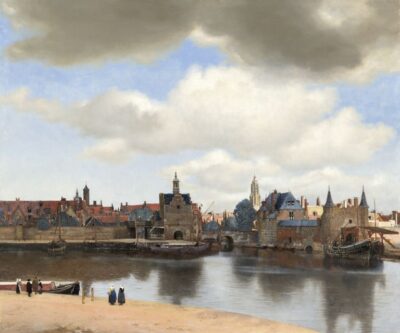 ★ 4.7The Hague: Mauritshuis Entrance TicketFrom $252,706 reviews
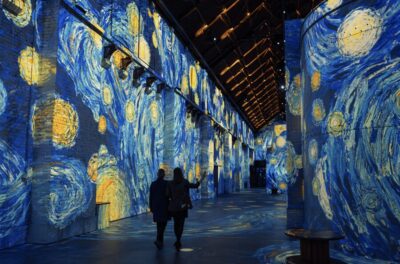 ★ 4.6Amsterdam: Fabrique des Lumières Dutch Masters TicketFrom $212,373 reviews
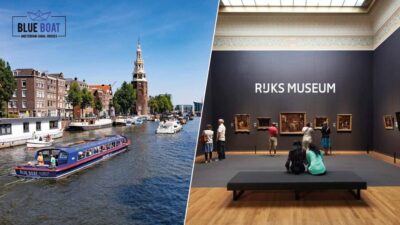 ★ 4.5Amsterdam: City Canal Cruise and RijksmuseumFrom $452,129 reviews
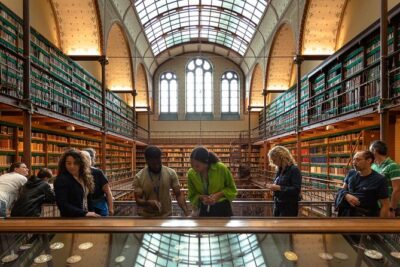 ★ 4.5Rijksmuseum Amsterdam Small-Group Tour with Private UpgradeFrom $901,547 reviews
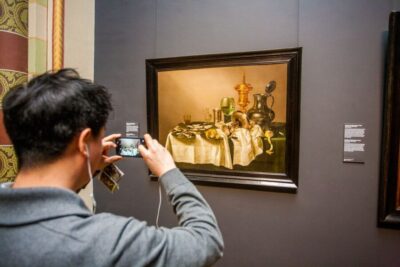 ★ 4.3Amsterdam: Rijksmuseum Entry Ticket and Canal Cruise ComboFrom $451,276 reviews
 ★ 4.7Amsterdam: Rijksmuseum Guided Tour and TicketFrom $78649 reviews
Browse the lists this tour appears in