
REVIEW · RIJKSMUSEUM & THE DUTCH MASTERS
The Rijksmuseum Tour: Small Guided Group with Museum Entry
Two hours later, the Dutch masters finally click. This small-group Rijksmuseum tour turns a huge museum into a story you can follow, with entry tickets included so you spend less time figuring out logistics.
I really like the historical thread the guide uses, moving from medieval turmoil through the Dutch Golden Age, so you understand why certain styles, subjects, and symbols mattered. And I love that the pace is designed for real people, not art history students, with friendly explanations that even beginners can hold onto, like the guide Tristan, who gets praised for being nice, approachable, and strong on details.
One consideration: 2 hours is long enough for a smart highlight route, but short compared with the museum’s full size, so you will not see everything.
In This Review
- Key Things You’ll Notice on This Tour
- Entering the Rijksmuseum With Included Entry and a Straightforward Plan
- Paulus Potterstraat Meet Point, Then Into the Great Hall
- How the Guide Builds Dutch History From the Black Death to the Golden Age
- Rembrandt and Vermeer: More Than Name Recognition
- Why Still Lifes and Everyday Subjects Fit the Dutch Story
- European Artistic Movements, Explained Without the Jargon
- The Lower Levels: When the Golden Age Slows and New Ideas Take Over
- Small Group Size, Better Questions, and a Route That Actually Works
- Duration and Timing: Two Hours That Feel Like a Guided Snapshot
- Price and Value: Is $63 a Good Deal for a Rijksmuseum Tour?
- Who This Tour Suits Best (And Who Might Want Something Else)
- My Bottom Line: Should You Book This Rijksmuseum Tour?
- FAQ
- How long is the Rijksmuseum guided tour?
- Is the museum entry ticket included?
- How big is the group?
- What language is the tour guide?
- Where do we meet the guide?
- Where does the tour end?
- Is transportation included?
- Can I cancel for a full refund?
- Is there an option to reserve and pay later?
Key Things You’ll Notice on This Tour
- Included entry plus a guided walk, so you avoid the common museum start-up scramble
- Small group size (up to 10) for better questions and less crowd pressure
- A historical route, starting in the era of the Black Death and moving toward the Golden Age
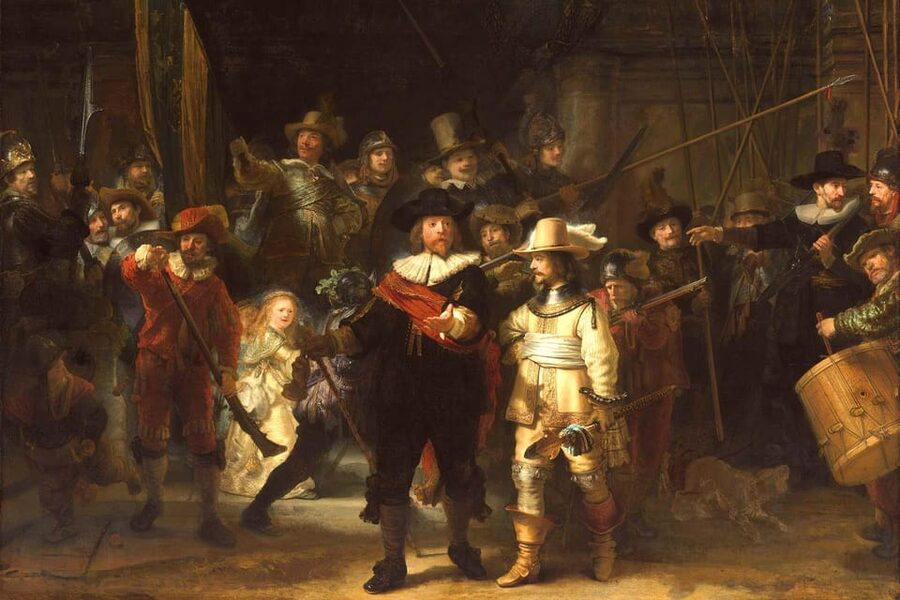
- Big names explained in context, including Rembrandt and Vermeer
- Route continues to the lower levels, covering the Golden Age decline and later changes
- English live guide, with clear talking points built for mixed backgrounds
Rembrandt, Vermeer and the rest. Further gallery visits
- Amsterdam: Rijksmuseum Entry Ticket★ 4.7 · 25,535 reviews
- Amsterdam: Fabrique des Lumières Dutch Masters Ticket★ 4.6 · 2,373 reviews
- Amsterdam: City Canal Cruise and Rijksmuseum★ 4.5 · 2,129 reviews
- Rijksmuseum Amsterdam Small-Group Tour with Private Upgrade★ 4.5 · 1,547 reviews
Entering the Rijksmuseum With Included Entry and a Straightforward Plan
The Rijksmuseum is the kind of place that can swallow an entire day if you let it. You walk in, see something gorgeous, and then suddenly you are surrounded by centuries of Dutch and European art with no map for what connects it all.
This tour helps you get that connection fast. You are guided through the museum’s collections with context for what you are seeing, so the paintings are not just pretty objects. The included museum entry matters because it keeps the start simple and keeps you focused on the art, not on logistics.
Also, because it is a small guided group, you get the benefit of someone pointing at what matters and saying why it matters. That is the difference between wandering and understanding.
Paulus Potterstraat Meet Point, Then Into the Great Hall
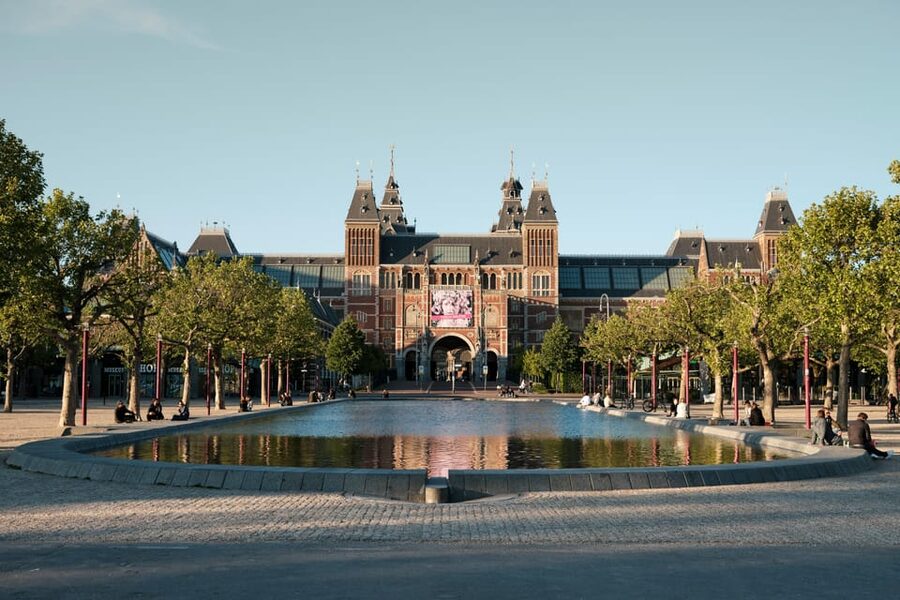
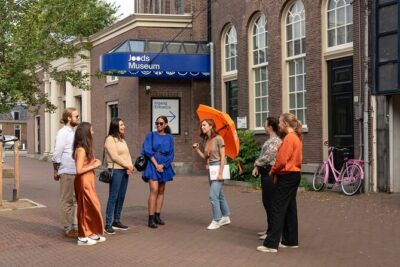
You meet your guide next to the entrance of the museum at Paulus Potterstraat 1. From there, you go in as a group and start inside the museum, rather than spending time working out where to go first.
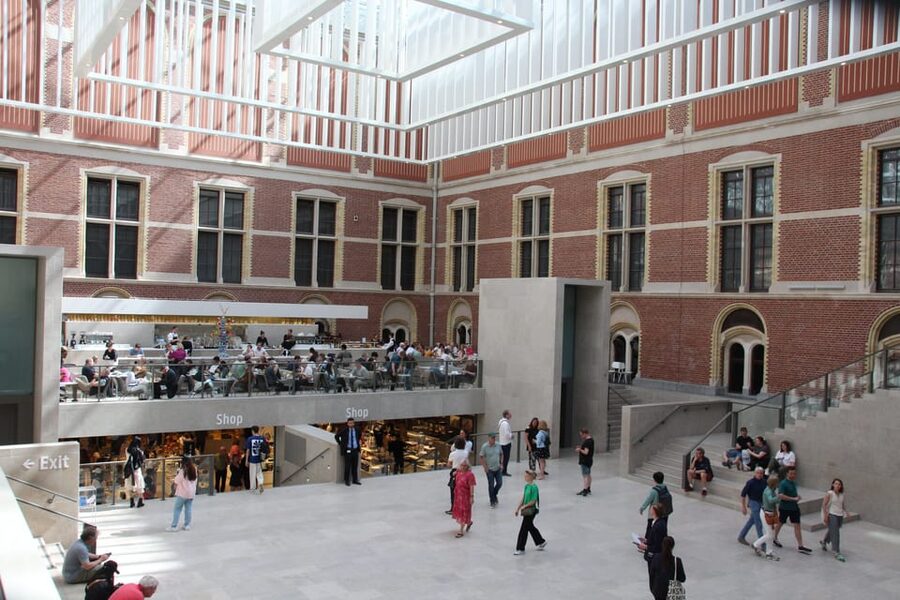
Once inside, the guide slowly introduces the collections spread throughout the museum’s vast wings. This is a practical approach, because the Rijksmuseum’s scale is real. If you go in alone, you can easily end up bouncing around rooms that feel unrelated.
The tour ends back at the meeting point, which is handy. You get a clean start and finish, and you are not trapped in a long looping plan just to get out.
How the Guide Builds Dutch History From the Black Death to the Golden Age
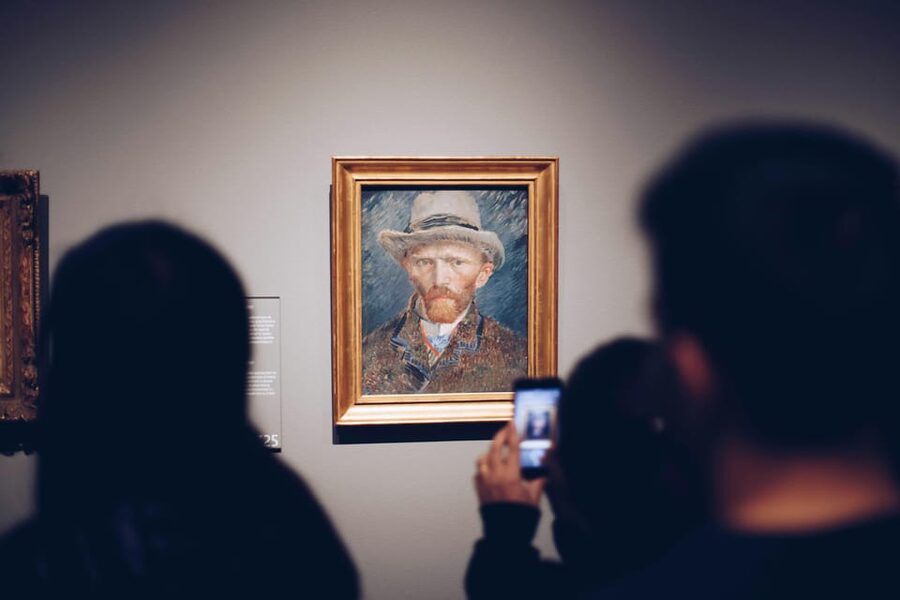
The heart of this experience is the way the guide places artworks into historical context. Instead of treating paintings like separate islands, you follow a storyline.
You start by observing how Dutch culture develops in the medieval turmoil period, including the era of the Black Death. That framing helps you understand that art was never made in a vacuum. It reflects a society coping with shock, change, and shifting priorities.
Then the tour moves toward Dutch independence and the flowering of the Golden Age. You start to see why certain themes became popular, including the focus on Dutch subjects and everyday life. When the guide ties what you see to these turning points, the museum stops feeling like random centuries and starts feeling like a single long narrative.
The best part is that the guide’s route is designed so you can keep up even if your European history knowledge is limited. You are not expected to know the dates. You are taught the connections step by step.
Rembrandt and Vermeer: More Than Name Recognition
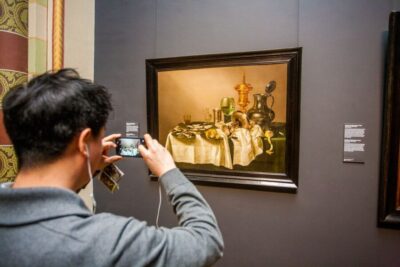
Seeing Rembrandt and Vermeer on a wall is exciting. But for many people, that excitement stays stuck at the surface unless someone explains the bigger why behind the work.
This tour specifically highlights the Dutch masters you expect to see, including Rembrandt and Vermeer, and places them inside the larger artistic movements happening across Europe. That means you get helpful context about how Dutch art fit into what painters across the continent were doing at the time.
It also helps that the guide doesn’t just name famous artists and move on. You learn why the Dutch masters were held in such high esteem and why subjects mattered.
Two themes come up again and again in the tour approach:
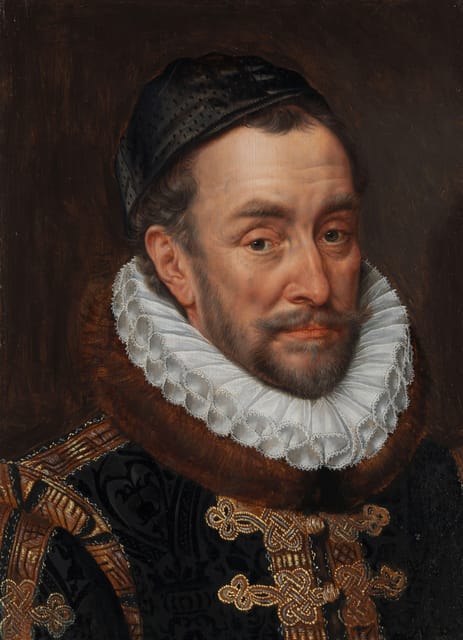
- why still lifes became so popular
- why everyday people were such common subjects
Those choices can feel surprising at first. But with the right context, they make sense. You start to understand how art can function like a mirror for society, showing what people valued, how they lived, and what they wanted to celebrate.
More trips where somebody else does the explaining


Why Still Lifes and Everyday Subjects Fit the Dutch Story
This is where the tour becomes more than a highlight reel. The Rijksmuseum can make still lifes look like simply gorgeous arrangements, and everyday portraits look like just charming details.
But the guided framing turns those subjects into evidence. You start to notice that Dutch painters often leaned into the ordinary, and that ordinary life had meaning in that historical moment.
Still lifes were popular because they offered a way to show craft, observation, and cultural attitudes in a concentrated format. Everyday subjects worked because art could give dignity and attention to people who were not necessarily royalty or court figures.
When the guide explains this clearly, you start walking the galleries differently. Instead of asking, What is the most famous painting here? you start asking, What does this reveal about the Dutch society that produced it?
That shift is what makes the tour worth doing, even if you are not a hardcore art fan.
European Artistic Movements, Explained Without the Jargon
Another strong point is the tour’s emphasis on the greater artistic movements of Europe. Museums love to throw style labels at you, and those labels can feel like homework.
Here, the context is used to help you connect Dutch painting to what was happening more broadly across the continent. You learn how European art changed over time, and where Dutch masters fit into those shifts.
You might find it especially helpful if you are used to seeing art as separate categories, like Dutch art here and Italian art over there. The guide helps you treat European art as a conversation over centuries, where ideas spread and evolve.
And because the tour stays within a two-hour window, the explanation is structured. You are not stuck listening to a lecture with no payoff. You are seeing paintings right alongside the ideas that explain them.
The Lower Levels: When the Golden Age Slows and New Ideas Take Over
A lot of visitors focus on the main galleries and miss the museum’s deeper layers. This tour does something smart with time, because it does not stop once the Golden Age has landed.
You also venture to the lower levels, where the story takes a darker turn. The tour covers the decline of the Golden Age, then shifts toward the Enlightenment period. After that, you learn about how independence was taken again.
That matters because it prevents the museum from turning into a one-note victory story. Dutch history includes big achievements, but it also includes political and cultural pressure. Art changes when society changes.
The guide also points out the republic’s continuing impact on world history, reaching into today. Even if you do not love politics, this part gives your museum experience a longer lens. You start to see art as connected to how nations rise, adapt, and influence the wider world.
Small Group Size, Better Questions, and a Route That Actually Works
This tour is limited to 10 participants, which is a big deal at the Rijksmuseum. When groups are bigger, the guide’s pace can feel rushed and your questions can get swallowed.
With a small group, you can actually track what the guide is doing and ask what you want to understand. You can also move through the museum without getting constantly stuck behind other people trying to read every label.
The feedback on the experience strongly supports the guide quality factor. Tristan is specifically mentioned as amazing, with praise for being nice, friendly, and very strong at explaining what you are seeing. That kind of guide makes a difference in a museum like this, where the building itself can feel like an obstacle.
If you like museum visits where the guide is the main service, this is a good format.
Duration and Timing: Two Hours That Feel Like a Guided Snapshot
The tour runs for 2 hours. That is a sweet spot for many people. Long enough to feel guided and connected, short enough to keep energy up.
Because you are not trying to cover every corner of the museum, the guide makes choices. That can be a drawback if you were hoping for a complete museum checklist, but it is also the reason the tour stays manageable.
You get a steady introduction to collections across the museum’s wings, then a route to the lower levels for the later story. When you return to your own pace afterward, you often know what to look for next because you already understand the big narrative.
Practical tip: wear comfortable walking shoes. The museum involves consistent walking, and the tour expects you to keep moving.
Price and Value: Is $63 a Good Deal for a Rijksmuseum Tour?
At $63 per person, you are paying for three things you would otherwise need to manage yourself: the museum entry ticket, a local guide, and a guided walking tour through the museum’s key story points.
Whether that feels like good value depends on your travel style. If you like to wander and read labels slowly on your own, you might feel you could spend less. But if you want the museum to make sense quickly, the guide time is the real value.
The best way to think about it is this: the Rijksmuseum is too big to convert into a meaningful experience just by looking for pretty paintings. You need someone to translate the context, and this tour is built around that translation.
Also, transportation is not included. That is normal for city tours, but it means you should plan your Amsterdam transit separately. The good news is the rest is set up for you once you arrive at the meeting point.
Who This Tour Suits Best (And Who Might Want Something Else)
This tour is a great match if you want:
- a clear path through a massive museum
- a guide who helps you connect paintings to Dutch history
- major artists explained in context, not just name-dropped
- a small group that keeps the experience friendly and interactive
It is also a solid choice for first-time Rijksmuseum visitors who feel overwhelmed by how many rooms exist. The tour is basically a first chapter.
You might want a different plan if you are the type who needs long, quiet time in one gallery, or if you want to focus deeply on a very specific subset of the collection. With only two hours, this is not built to replace a full self-guided museum day.
My Bottom Line: Should You Book This Rijksmuseum Tour?
Yes, I think you should book it if your goal is to leave with a story, not just a stack of images in your mind.
You get the most important ingredients for a museum visit to work: included entry, a small group format, and a guide route that connects major Dutch art to historical turning points like the Black Death, Dutch independence, the Golden Age, and later decline and Enlightenment themes. If you are wondering whether the Rijksmuseum will feel overwhelming, this tour is designed to fix that.
One last decision helper: if you are planning only one museum activity in Amsterdam, this is a smart one to choose. It gives you direction, context, and a foundation you can build on if you return for a longer solo visit later.
FAQ
How long is the Rijksmuseum guided tour?
The tour lasts about 2 hours.
Is the museum entry ticket included?
Yes. Your entry ticket to the Amsterdam Rijksmuseum is included.
How big is the group?
The group is small, limited to 10 participants.
What language is the tour guide?
The live tour guide speaks English.
Where do we meet the guide?
Meet your guide next to the entrance of the museum at Paulus Potterstraat 1.
Where does the tour end?
The tour ends back at the meeting point.
Is transportation included?
No. Transportation is not included.
Can I cancel for a full refund?
Free cancellation is available up to 24 hours in advance for a full refund.
Is there an option to reserve and pay later?
Yes. You can reserve now and pay later, booking your spot without paying today.
Everything Else From Our Amsterdam Notebook




Also Reviewed Around Amsterdam





The Dutch Masters, Up Close


Fresh off the review pile in Amsterdam
- Full-Day Trip From Amsterdam to Keukenhof, Zaanse Schans + Cruise
★ 5.0 · 3 reviews - Boutique Dutch Food & History Tour with up to 8 guests only
★ 5.0 · 3 reviews - Private Tour to Windmills Zaanse Schans +Keukenhof – 7 Hours
★ 5.0 · 3 reviews - Full-Day Private Guided Countryside Tour from Amsterdam by Bike
★ 5.0 · 3 reviews - Amsterdam Red Light District and Old Town Walking Tour
★ 5.0 · 3 reviews
Rijksmuseum & the Dutch Masters, compared.
 ★ 4.7Amsterdam: Rijksmuseum Entry TicketFrom $3125,535 reviews
 ★ 4.7Amsterdam: Rembrandt House Museum Entrance TicketFrom $233,385 reviews
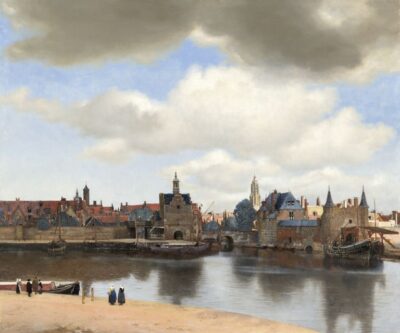 ★ 4.7The Hague: Mauritshuis Entrance TicketFrom $252,706 reviews
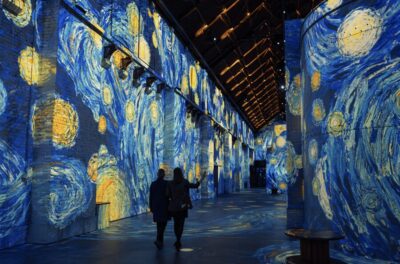 ★ 4.6Amsterdam: Fabrique des Lumières Dutch Masters TicketFrom $212,373 reviews
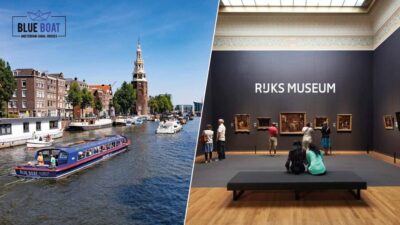 ★ 4.5Amsterdam: City Canal Cruise and RijksmuseumFrom $452,129 reviews
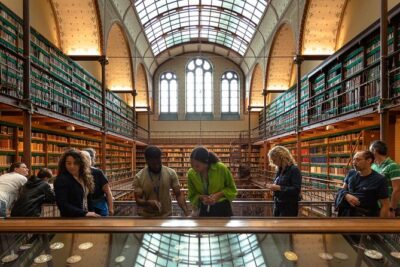 ★ 4.5Rijksmuseum Amsterdam Small-Group Tour with Private UpgradeFrom $901,547 reviews
 ★ 4.3Amsterdam: Rijksmuseum Entry Ticket and Canal Cruise ComboFrom $451,276 reviews
 ★ 4.7Amsterdam: Rijksmuseum Guided Tour and TicketFrom $78649 reviews
Browse the lists this tour appears in