
REVIEW · UTRECHT
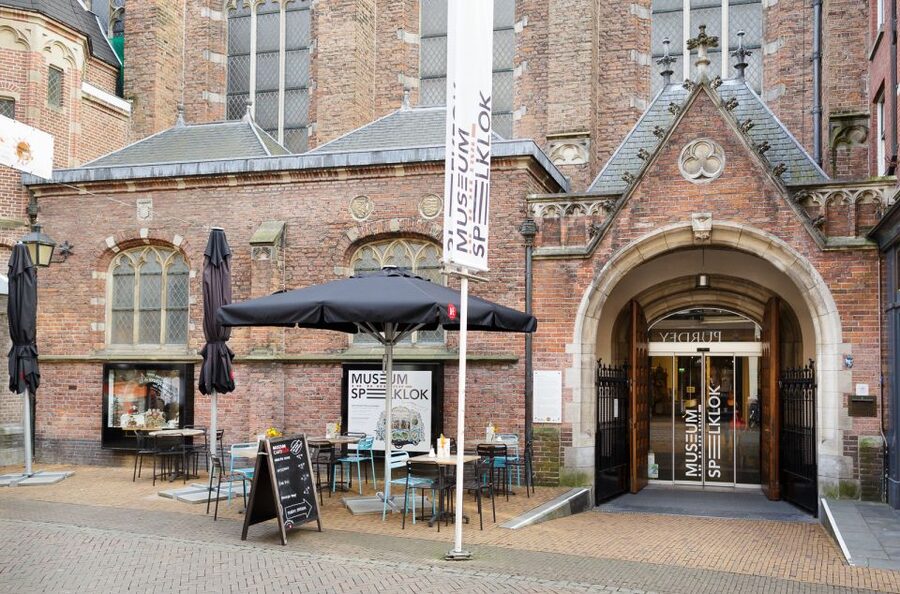
Utrecht: Museum Speelklok Entry Ticket
Mechanical music makes time feel bendy. At Utrecht’s Museum Speelklok, you listen to machines that turn gears and melodies into the same thing, day after day. I love hearing century-old music machines sing with real, mechanical force, and I love that the entry includes a free hourly guided tour in English and Dutch.
One thing to plan for: some of the performances and listening moments can mean more standing than sitting. If you need frequent seating, it is worth thinking ahead.
In This Review
- Key takeaways before you go
- Why Museum Speelklok in Utrecht feels different
- What you will hear: music boxes, clocks, orchestrions, street organs
- The Arabier street organ and the Violina, the mechanical stars
- Arabier, a famous street organ
- The Violina, described as the 8th world wonder
- Joining the free hourly tour in English and Dutch
- How to use the tour to get more out of your day
- A small practical note
- Museum Expedition: where the craftsmanship story comes alive
- How much time should you give this museum?
- Price and value: is $20 worth it?
- Practicalities for a smooth visit in Utrecht
- Plan for the no food and drink rule
- Wheelchair access
- A family-friendly listening day
- Transportation
- Who this experience suits best, and who might want to skip it
- Should you book the Utrecht Museum Speelklok entry ticket?
- FAQ
- What does the Museum Speelklok entry ticket include?
- How long is the experience?
- Is there a guided tour with the ticket?
- What languages are the tours available in?
- How much does it cost?
- Are food and drinks allowed inside?
- Is the museum wheelchair accessible?
- What is the cancellation policy?
Key takeaways before you go
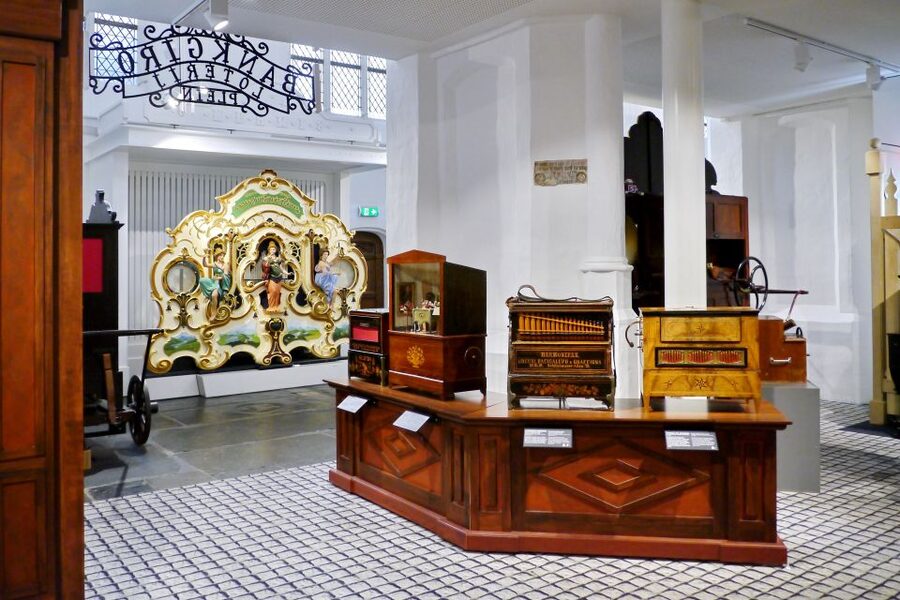
- Century-old mechanical instruments plus a few modern twists, all focused on how sound is made
- Arabier the street organ and the so-called Violina, often described as the 8th world wonder
- A free tour every hour in English and Dutch, helpful for knowing what to listen for
- The Museum Expedition area connects the music to the technical craftsmanship behind it
- You may get hands-on moments where you can feel parts of the instruments
- The museum has a no food and drink rule inside, so plan snacks elsewhere
Why Museum Speelklok in Utrecht feels different
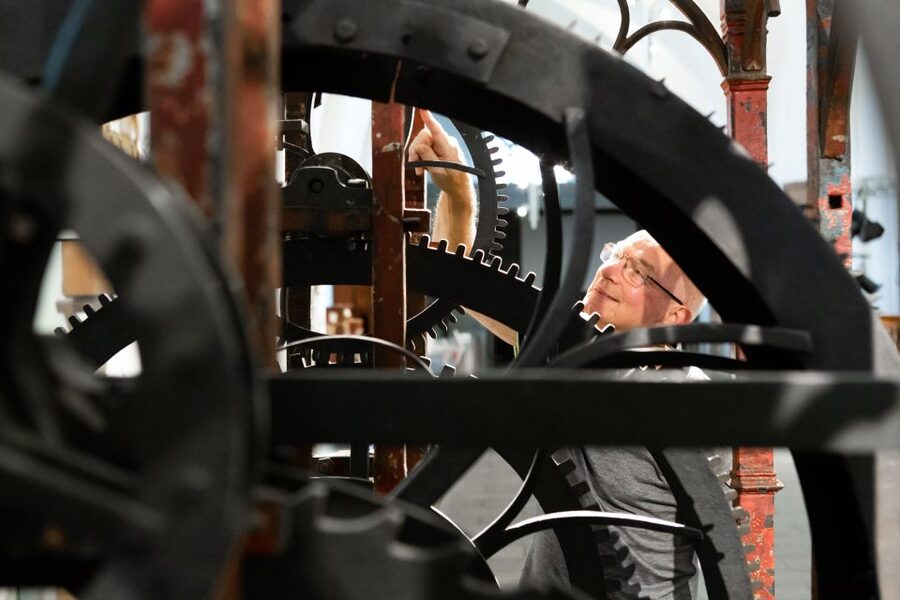
Museum Speelklok is not trying to be a quiet, reverent concert hall. It’s more like a workshop where music and engineering share the same spotlight. You walk in expecting tunes, then you start noticing the mechanics. The rhythm comes from clockwork, the volume comes from how the machine is built, and the emotion comes from what those builders managed to make work.
If you like museums that explain how things work without killing the magic, this one fits. You get a strong mix of the practical and the charming. You’re not just hearing music, you’re learning how the notes get produced, what each mechanism does, and why some of these instruments are still playable today.
And because this is a full-entry ticket, you can pace it. You can focus on one family of instruments, come back for another show, and spend time with the machines that grab you. It’s a great day option in Utrecht when you want something creative, a little odd, and very hands-on in spirit.
What you will hear: music boxes, clocks, orchestrions, street organs
The museum’s core idea is simple, and it’s fun: mechanical instruments can generate music without electronics doing the heavy lifting. Inside, you’ll run into several big categories, and each one sounds and behaves differently.
Here’s what to look for as you move through the halls:
- Old musical clocks: These often feel like timekeeping that learned to sing. Watch how the machine cycles and think of it as a clock that decided to become a performer.
- Musical boxes: Small, delicate, and very precise. Even when the tune is familiar, the sound has a distinct “mechanical clarity,” like the music is being drawn with a pen.
- Orchestrions (self-playing orchestras): These are the showoffs. When they play, it can feel like a whole ensemble is happening in one device. The best part is hearing how many moving parts are coordinated to create something that sounds larger than it should.
- Traditional Dutch street organs: These bring a different vibe. The music feels street-level, social, and built for repetition, like the tune is meant to keep rolling in public space.
One of the highlights is the range, from the smallest music box up to the largest barrel organ. That size spread matters because it changes what you notice. Small instruments tend to reward close listening, while bigger machines reward watching the choreography of parts as they work.
I also appreciated how the museum frames these as living tools, not dead antiques. Restoration is a big theme here, and you can feel the care behind it when you see instruments that are still made to play.
The Arabier street organ and the Violina, the mechanical stars
Two names come up again and again, and for good reason. If you only give yourself time for a few “stop and stare” moments, make these two.
Arabier, a famous street organ
The street organ named Arabier is singled out for its reputation. In a museum full of mechanical music, an instrument like this earns attention because it represents the Dutch street organ tradition at its most memorable. When it plays, you get the sense of a mechanical musician built for performance, not just display.
The Violina, described as the 8th world wonder
Then there is the Violina, often described as the 8th world wonder. The name alone signals what the museum wants you to feel, and that feeling is usually astonishment at how a machine can create something that sounds expressive.
What matters for your visit is not whether you know the story ahead of time, it’s that you should stand close and listen. For mechanical instruments, distance can hide the detail. If you’re near enough, you can often hear texture changes and notice how the device builds the tune.
Also, don’t treat these as one-time “look and move on” exhibits. Spend a little time with each one. Mechanical music can be repetitive, but it’s also full of tiny variations in how the machine operates, like the sound has personality tied to its mechanics.
Joining the free hourly tour in English and Dutch
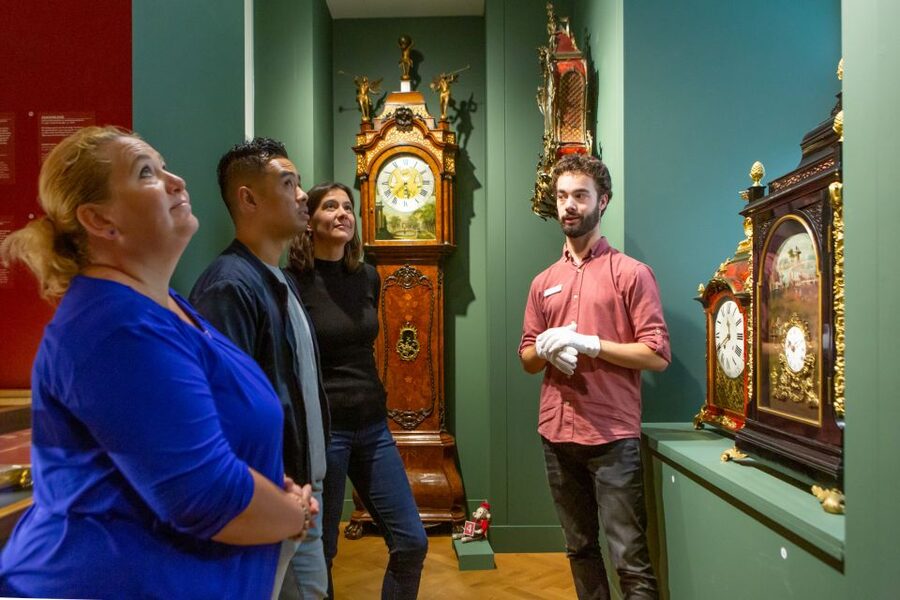
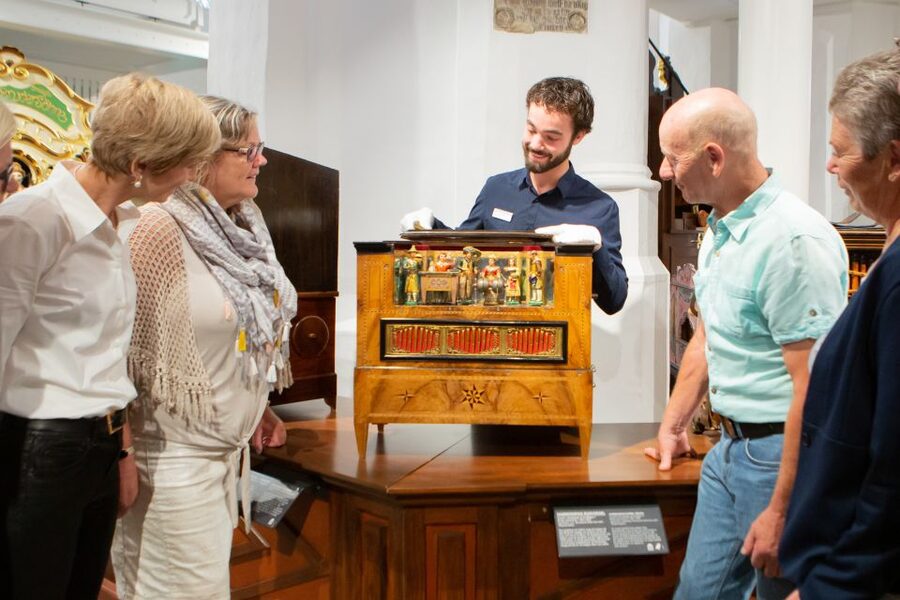
One of the best value parts of this ticket is that you can join a free tour that runs on a schedule. The museum conducts it every hour, and it’s offered in Dutch and English.
A guided hour can be the difference between seeing machines and understanding why they matter. Without help, you might hear the music and enjoy it, then miss the engineering stories that make it click. With the guide, you start catching the logic behind the tunes: how the mechanism is set up, what design choices changed the sound, and what makes each instrument unique.
How to use the tour to get more out of your day
When you arrive, I suggest you do this:
- Decide which language you want for the guide (English or Dutch).
- Time your other exploring around the hourly tour, so you can hear the explanation before you watch the machines run.
- Keep your ears open during the tour. The guide tends to point you toward what to notice, and that makes later self-paced listening much more satisfying.
From the feedback you might read elsewhere, one pattern shows up: the guides are often upbeat and engaging. That matters here because mechanical music can be technical, and an enthusiastic guide makes the tech feel approachable.
A small practical note
Not every presentation will feel like a “sit down show.” If you’re hoping for lots of seating during performances, plan for standing at times. I’d rather you show up prepared than surprised.
Museum Expedition: where the craftsmanship story comes alive
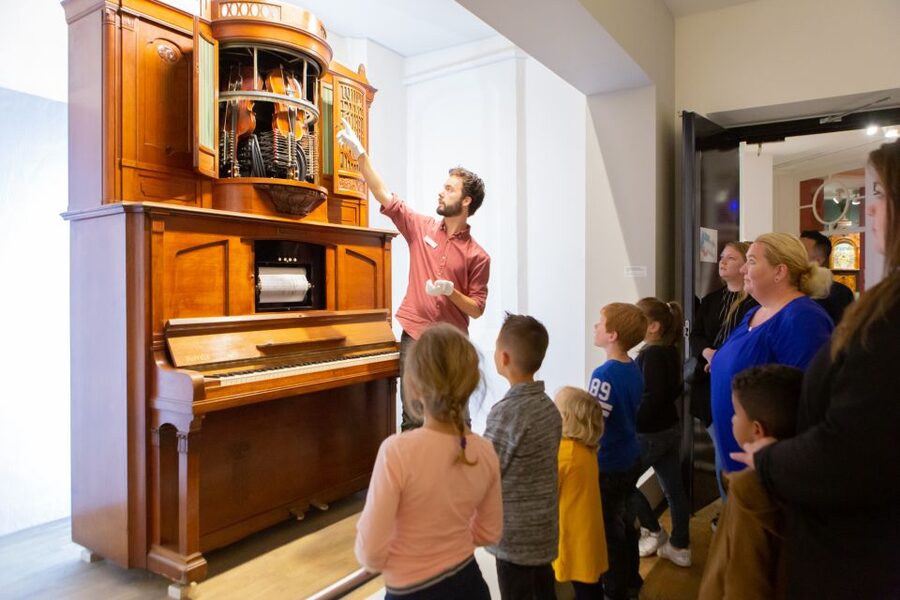
Beyond the main listening areas, you’ll find something the museum calls the Museum Expedition. This is where the museum leans into the “how it works” side.
Expect the experience to connect the mechanical music to:
- Magical stories about the instruments
- Technical craftsmanship that made them possible
- Remarkable music produced by different machine types
This area is valuable even if you already know nothing about mechanical instruments. It helps you turn what you heard into something you understand. Instead of just thinking, “That’s cool,” you start thinking, “Ah, that’s what the design is doing.”
It’s also one of those museum sections where your curiosity can guide the pacing. If you like details, you can linger. If you want the highlights, you can take the main ideas and keep moving.
And yes, there is also a human side to all this. Restoration is not a background topic. The museum highlights the skill involved in keeping these instruments playing for the next generation. That message lands differently when you actually watch a working machine.
How much time should you give this museum?
This ticket is listed as 1 day, and that’s a helpful hint. A full day is realistic because you’ll want to both listen and watch. Mechanical music is not just audio, it’s visual. You’re watching moving parts, setups, and mechanisms that translate motion into sound.
In practice, you’ll get more from the day if you do two things:
- Plan to catch at least one free hourly tour.
- Choose a couple of “anchor” instruments to revisit, especially Arabier and the Violina.
If you rush, you might feel done quickly. One review note says the visit can feel short if you’re not in a super curious mood. That lines up with the idea that you’ll likely get the most satisfaction from repeated listening and a slower walk that lets details sink in.
Price and value: is $20 worth it?
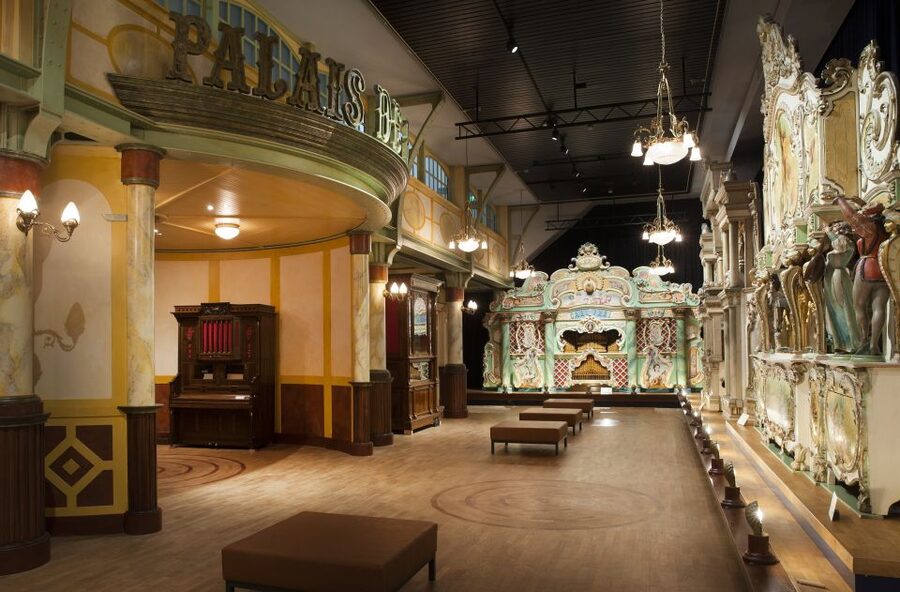
At about $20 per person, this ticket sits in the “good value if you like unusual museums” category. It’s not just entry to a room of instruments behind glass. You get access to live mechanical music and a guided component through the free hourly tour.
Value comes from three places:
- Experience design: the museum is built around listening, not only viewing
- Educational support: the free hourly tour helps you interpret what you see and hear
- Diversity of machines: musical clocks, boxes, orchestrions, and street organs keep the experience from feeling repetitive
If you’re the kind of traveler who enjoys music museums only when they include context, you’ll likely feel the value quickly. If you prefer silent, fast “hit the highlights” sightseeing, you might want to reserve your energy for another Utrecht stop. Mechanical music rewards attention.
Practicalities for a smooth visit in Utrecht
A few practical details will help your visit go smoothly.
Plan for the no food and drink rule
Food and drinks are not allowed inside. That is important. You’ll want to eat before you go in, or plan to grab snacks outside the museum area.
This rule also affects how long you can comfortably stay without breaks. If you’re traveling with kids or you need regular snack timing, build that into your day rhythm.
Wheelchair access
The museum is wheelchair accessible. This matters for how you plan your viewing areas. Since mechanical music is often displayed with viewing zones, you’ll likely want to scope the spaces early and then plan your route around them.
A family-friendly listening day
It’s a good fit for families because the subject is visual and auditory at the same time. Even if a child only catches fragments of the explanation, the machines themselves do the entertaining.
Transportation
The ticket does not include transportation. Utrecht is a manageable city for walking and cycling, but if you’re coming from farther out, plan your travel time so you can arrive with enough room to roam before the tour starts.
Who this experience suits best, and who might want to skip it
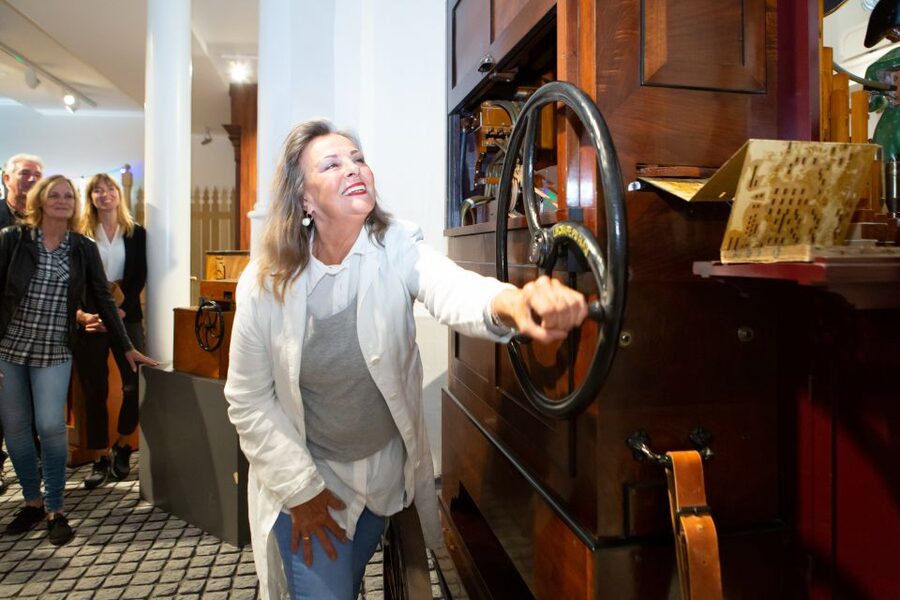
This museum works especially well if you:
- Love music that has an engineering story behind it
- Enjoy unusual museum themes, not just big-name art
- Like hands-on style learning, where you can feel components in at least some displays
- Want something memorable for a full day in Utrecht without needing a formal “tour day” plan
It might be less satisfying if you:
- Want mainly relaxation and seating all day
- Have zero interest in how machines make sound, and only want music as background
- Prefer very fast museum visits where you move from one highlight to the next with minimal explanation
That standing-room reality is the main watch-out. If you need frequent seating, you might find certain listening moments less comfortable. It’s not a dealbreaker, just a planning factor.
Should you book the Utrecht Museum Speelklok entry ticket?
I’d book this ticket if you want an authentic Utrecht experience that feels different from the usual museum pattern. For around $20, you get access to a focused mechanical-music world, plus the bonus of an hourly free guided tour in English or Dutch that helps you interpret what you’re seeing.
Skip it, or at least think twice, if you know you dislike technical explanations or you need lots of sitting during shows. Also consider that the experience is best when you slow down enough to listen, watch, and connect the machinery to the music.
If mechanical sound, working mechanisms, and the human craft behind restoration are your thing, Museum Speelklok is the kind of day trip you’ll remember long after the tune fades.
FAQ
What does the Museum Speelklok entry ticket include?
The ticket includes the entrance fee and the museum tour.
How long is the experience?
It is listed as 1 day. You can check available starting times.
Is there a guided tour with the ticket?
Yes. There is a museum tour included, and there is also a free tour conducted every hour.
What languages are the tours available in?
The host or greeter and tours are available in English and Dutch.
How much does it cost?
The price is listed as $20 per person.
Are food and drinks allowed inside?
No. Food and drinks are not allowed.
Is the museum wheelchair accessible?
Yes, it is wheelchair accessible.
What is the cancellation policy?
Free cancellation is available up to 24 hours in advance for a full refund.
Utrecht Tours, compared.
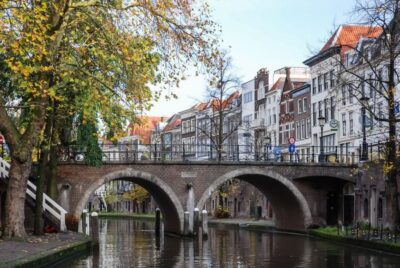 ★ 4.3Utrecht: City Canal CruiseFrom $222,895 reviews
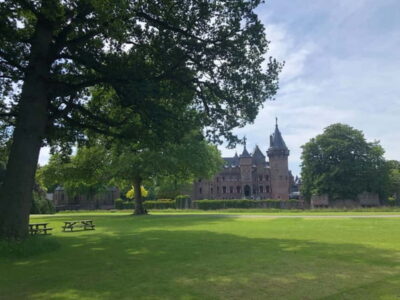 ★ 4.7Utrecht: De Haar Castle & Park Entry TicketFrom $231,350 reviews
 ★ 4.4Utrecht: DOMunder Entry Ticket with GuideFrom $17706 reviews
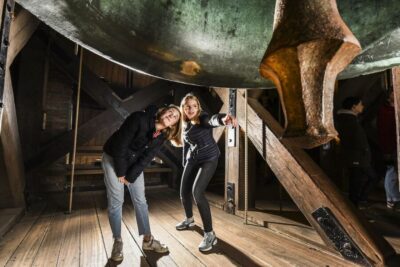 ★ 4.6Utrecht: Dom Tower Entry Ticket and Guided TourFrom $17513 reviews
★ 4.6Utrecht: De Haar Castle, Park Entry TicketFrom $9153 reviews
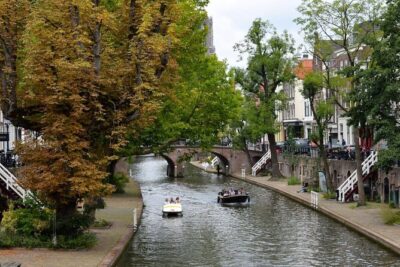 ★ 5.0Utrecht 2-Hour Walking Tour | Discover The City With A LocalFrom $3138 reviews
 ★ 4.8Utrecht: Rietveld Schröderhuis UNESCO Entry TicketFrom $22119 reviews
 ★ 5.0Utrecht Food Tour with local guideFrom $84112 reviews
Browse the lists this tour appears in