
REVIEW · AMSTERDAM
5 hrs Golden Age Amsterdam Private Walking Tour With Local Guide
Amsterdam makes sense fast when you walk it.
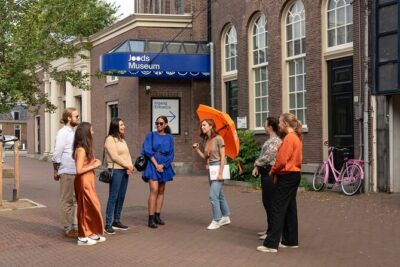
This 5-hour private tour is built for first-time orientation, moving from Amsterdam Centraal to hidden courtyards like the Begijnhof, plus major sights along the way. I especially like the small-group pace (max 4), which keeps questions flowing and lets you linger for photos. I also like the story-led history you get from a real local guide, not just a list of buildings and dates.
There is one tradeoff to plan for: several standout stops require extra tickets you pay separately, including Anne Frank House, the Royal Palace, and the secret-church museum Ons Lieve Heer op Solder. If you cannot or will not buy those tickets ahead of time, your route may feel more rushed.
In This Review
- Key things I’d mark on your planning list
- Getting Your Bearings: Why This Route Works
- The Guide Factor: Aleks, Language Skills, and Family-Friendly Timing
- From Amsterdam Centraal to St. Nicholas Basilica: A Strong Opening
- Weeping Tower and the Wall Trace That Links to America
- Tiny House, Canal Meaning, and De Waag’s Guild Connections
- Secret Church and Chinatown Temple: Faith Beyond the Usual
- De Wallen on Foot: Context for the Red Light District
- Dam Square to Royal Landmarks: Where Amsterdam Shows Off
- Nieuwe Kerk and Begijnhof: Quiet Courtyards With Big Stories
- Singel, Munttoren, Rembrandt, and the Bloemen Market Moment
- Old City Lanes, Burgerweeshuis, and the Lead-Up to Anne Frank House
- Westerkerk, The Amstel Bridges, and Finishing in the Jewish Quarter
- Price and Value: What You Pay for, and What It Costs Extra
- Practical Tips So the 5 Hours Feel Relaxed
- Who Should Book This Private Amsterdam Walking Tour?
- Should You Book It?
- FAQ
- Where does the tour start?
- How long is the tour?
- How large is the group?
- Is pickup available?
- Which major sights are included with free admission?
- What attractions have admission fees that are not included?
- Do I need to book Anne Frank House in advance?
- What kinds of topics are covered at the Red Light District?
- Can I cancel for a full refund?
Key things I’d mark on your planning list
- Private group of up to 4 keeps the tour flexible and less crowded-feeling than big buses or mass walking tours.
- Aleksand(ar) is praised for adapting his explanations, including for kids, while still keeping adults interested.
- Red Light District stop is moderated and rule-focused, with discussion of prostitution and the Netherlands approach to drugs.
- Many major sights are free to enter, so you can spend your money on the few places that matter most to you.
- Anne Frank House needs serious advance planning, tickets must be booked online at least 6 weeks ahead.
- You’ll connect Amsterdam’s threads: canals and tiny houses, churches and courtyards, and the Jewish Quarter.
Rembrandt, Vermeer and the rest. Further gallery visits
- Amsterdam: Rijksmuseum Entry Ticket★ 4.7 · 25,535 reviews
- Amsterdam: Fabrique des Lumières Dutch Masters Ticket★ 4.6 · 2,373 reviews
- Amsterdam: City Canal Cruise and Rijksmuseum★ 4.5 · 2,129 reviews
- Rijksmuseum Amsterdam Small-Group Tour with Private Upgrade★ 4.5 · 1,547 reviews
Getting Your Bearings: Why This Route Works
Amsterdam can feel like a beautiful maze. That is exactly why this kind of structured, walk-first tour is such good value for your first visit. You cover a wide slice of the city in one go, from Dutch neoclassical grandeur around Centraal to quieter pockets like Begijnhof, and you end with a stronger mental map of where everything sits.
What you are buying is not just sightseeing. You are buying time saved. Instead of wandering between far-apart districts and accidentally missing key context, you follow a logical line through the city’s main historical layers. That matters because Amsterdam’s best stories are often tied to very small details: a canal meaning, a gate function, a leaning tower, a wall segment, even how people used houses and churches differently than you might expect.
This tour is also built around a private-group feel. That means you do not have to shout over other people, and the guide can tailor the pacing to the group. The guide’s name comes up repeatedly in the reviews, and the recurring theme is simple: he works hard to make the day land well for everyone.
The Guide Factor: Aleks, Language Skills, and Family-Friendly Timing
The reviews highlight one guide in particular, Aleksandar (often shortened to Aleks or Aleksa). The praise is not vague. People mention his ability to adjust how he talks depending on who is in front of him, from adults to kids. One family described how quickly he connected with their children, keeping them engaged and making it fun to ask questions.
You also get a practical advantage: language. Reviews specifically call out that Aleksandar speaks perfect English and Slovak, plus additional languages from the former Yugoslav republics. Even if you do not use those languages, it usually signals something important, clearer communication and fewer misunderstandings.
Finally, the guide is described as patient and flexible. That can matter in real life, especially when your group has different interests, or when someone needs an extra minute to find the entrance to a church or to confirm the right route.
From Amsterdam Centraal to St. Nicholas Basilica: A Strong Opening
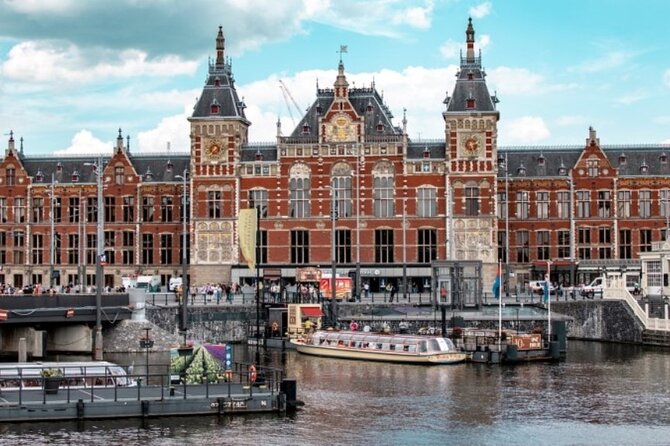
The tour starts at Amsterdam Centraal, right by the station where trains, canals, and city streets all collide. This is a smart starting point because it anchors you. Centraal is a landmark, but it is also a quick reminder that Amsterdam built itself on canals, trade, and navigation.
At the station area, you get a detail that makes the whole city click: the station building was set up on 6,059 wooden poles. That pole detail shows up throughout Amsterdam’s story, and having it early helps everything you see later make more sense.
Then you move to St. Nicholas Basilica (Sint-Nicolaaskerk). This is the biggest Catholic temple in the Netherlands, dating from the second half of the 19th century. If you only know Amsterdam for Protestant churches and canals, this stop widens the picture. It’s also a reminder that the city’s religious history includes more than one chapter.
Because this is a walking tour, the time at each stop is limited, so treat these first stops like orientation snapshots. You are collecting themes, not trying to read every plaque.
Weeping Tower and the Wall Trace That Links to America
Next comes the Weeping Tower (Witt? or Weeping Tower area), tied to the medieval city wall around Amsterdam. The tour frames it as a location from the 15th century and connects it to a bigger-than-local story: Henry Hudson set sail from here on his journey toward Northern America.
That Hudson connection is one of those facts that makes you realize Amsterdam’s reach. This city was not only about local canals and commerce. It was a launch point for exploration, trade, and global ambition.
You’ll also appreciate the pacing here. Ten minutes is enough for the story, enough for a photo, and then you move on before you lose momentum in the day.
Prefer to see it on foot? More Amsterdam walks


Tiny House, Canal Meaning, and De Waag’s Guild Connections
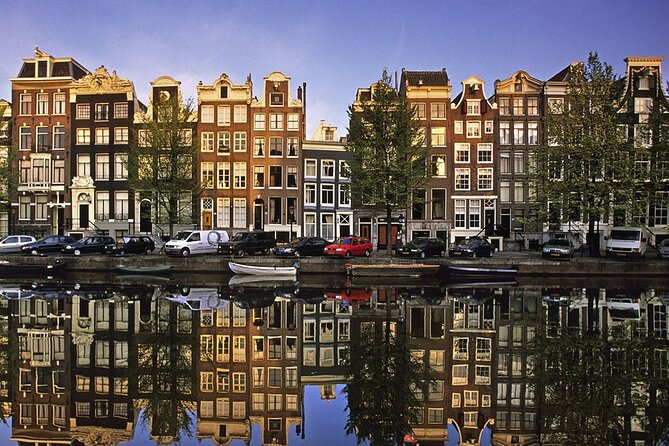
One of the more memorable stops is Het Kleinste Huis van Amsterdam at canal Singel. Yes, it is famous for being the smallest house, but you will get more than trivia. You also learn about the meaning of grachnen, the canals of Amsterdam, including their history and purpose, plus how they’re maintained.
Small details like “why canals were built this way” help you understand why Amsterdam looks the way it does. And the tour uses this stop to talk about bridges and the narrow, tall, leaning housing style that defines so many streets.
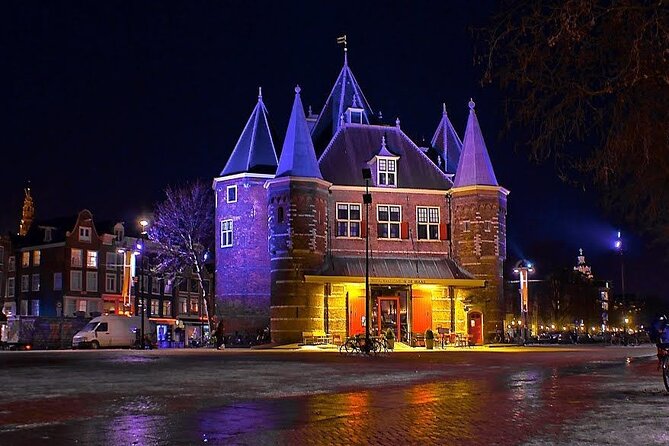
After that, you visit De Waag. It’s described as the city’s weigh-building, also tied to customs functions and guild headquarters, dating back to the beginning of the 15th century. If you care about how cities worked, this is a good payoff. Amsterdam’s economy relied on measuring, taxing, storing, and organizing trade, and De Waag is a visible piece of that system.
Secret Church and Chinatown Temple: Faith Beyond the Usual
A highlight for many first-time visitors is Ons’ Lieve Heer op Solder, often called the secret church. The tour presents it as a restored church space that is now a museum. The key point for your planning: admission is not included, so you need to decide if this is one of your ticket priorities.
Then the route shifts to Fo Guang Shan, a Buddhist (Chinese) traditional temple in the heart of Amsterdam’s Chinatown. It is described as the second biggest in Europe of its kind, which is a useful benchmark if you have seen other Buddhist temples in the region. The stop is short, but it adds balance. Amsterdam is not only Christian architecture and canals. It is also modern immigrant communities shaping the city’s spiritual landscape.
If you like variety in your sightseeing, this section does the job. If you prefer one religious tradition and nothing else, just note that the day includes multiple places of worship and you may need to adjust your expectations for time inside.
De Wallen on Foot: Context for the Red Light District
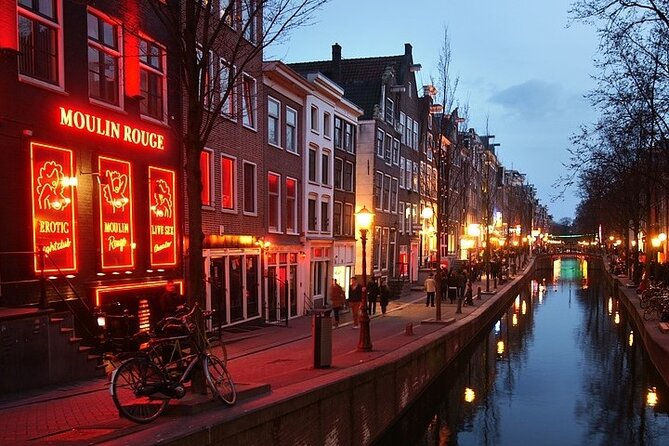
Next is the Red Light District (De Wallen). The most valuable part here is not the photos. It is the guided context and moderation around the area’s realities.
You get a break from walking for about 30 minutes and a discussion about prostitution and the Netherlands drug policy. You will hear historical context about prostitution, how things look today, and a practical “yes and no” approach to light drugs and how to enjoy the area without crossing legal or respectful lines.
This stop can be surprisingly educational if you approach it with curiosity. It can also feel uncomfortable if you came only for spectacle. If that’s your worry, go in prepared for a respectful tone, and focus on the history and how the area functions as part of the city.
Dam Square to Royal Landmarks: Where Amsterdam Shows Off
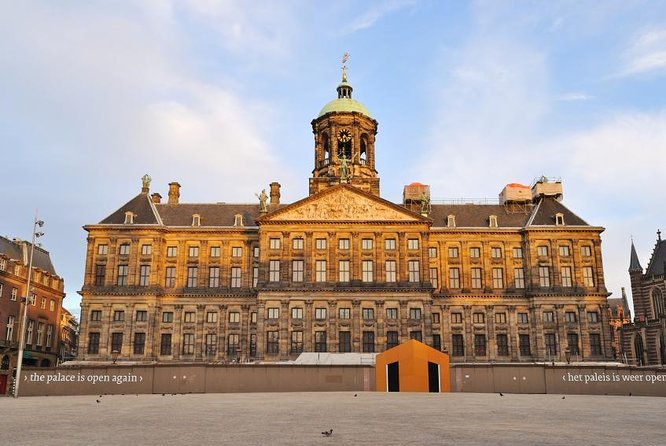
You then reach Dam Square, described as Amsterdam’s central and oldest square and the birthplace of the city. It’s surrounded by major buildings, and that is where the stop earns its keep. You see the Royal Palace area, the New Church, the National Monument, and other famous addresses all in one view.
After Dam, the route includes Royal Palace Amsterdam. The tour frames it as a former city hall from the middle of the 17th century, built on 13,659 wooden poles, and one of the official residences of the Dutch Royal Family. This is a major photo stop, but entry costs extra. That is important for value: if the palace interior is not a priority, you can still appreciate the exterior and move on.
Then comes the National Monument, a remembrance site from 1956 with a 22-meter (75-foot) stand. This stop is where the tour turns reflective. World War II and later conflicts are a sobering chapter, and even a short stop helps anchor your understanding of modern Dutch memory.
Nieuwe Kerk and Begijnhof: Quiet Courtyards With Big Stories
The walk continues to Nieuwe Kerk, a church building that traces back to the 15th century and still serves for weddings and crowning ceremonies of members of the Dutch Royal family. Entry is not included, so again, choose based on what you want most: architecture outside and key views, or adding the ticketed interior moment.
Then you step into Begijnhof, one of Amsterdam’s most atmospheric pockets. This is where the tour earns real “hidden” energy, even though it is a famous site. You learn about the Beguines, described as semi-closed sisters similar to nuns, plus the presence of another secret Catholic church. The Begijnhof area is also tied to the oldest wooden house in Amsterdam, plus the English Church.
The guide adds legend and storytelling, including a legend about Sister Cornelia Arens and the story referred to as the Miracle of Amsterdam from 1345. Even if you do not remember every detail, the emotional effect is real. It helps you understand why Amsterdam is full of tucked-away spaces that look ordinary until you know their purpose.
This is also an excellent place for a short pause. The group atmosphere shifts from street energy to courtyard calm.
Singel, Munttoren, Rembrandt, and the Bloemen Market Moment
Back near the water you visit Munt Tower (Munttoren), originally built in the 15th century near the meeting point of the Amstel River and Singel. The tower served as a gate into the medieval city and also as a coin mint location during the 17th century. This is a practical stop because it ties the city’s trade and systems to the geography you are walking.
You then hit Rembrandt Monument, tied to the painter Rembrandt van Rijn and described with a 3D exposure of his masterpiece The Night Watch. You also get trivia connected to the artwork and Rembrandt’s private life. Even if art is not your main interest, this stop helps you see how Amsterdam packages culture for visitors without losing the local story.
After that, you reach the flower and garden accessories market described as the city’s biggest and most famous market for these items. This is often the perfect mid-walk palate cleanser. It is colorful, it smells like plant stores, and it gives you a reason to slow down for pictures and small purchases, like tulip bulbs and other flower items, without paying a museum ticket.
Old City Lanes, Burgerweeshuis, and the Lead-Up to Anne Frank House
The route continues to Sint Luciënsteeg, including a stop for Burgerweeshuis, the city orphanage from 1580. You also get attention on stone gables and stone tablets that refer to house identities across medieval ages. For me, this type of stop is where you start feeling Amsterdam as a living archive, because you see how many layers of daily life survived in the built environment.
Then comes the big one: Anne Frank House. The tour frames it around her life in secret shelter, suffering, human solidarity, and her diary, including that it has been translated in 57 world languages. This is not just a name drop. It is the central moral and historical center of the day.
Important planning detail: entry to Anne Frank House is possible only online, and you need to book at least 6 weeks in advance. If you show up without tickets, the day can feel very different than expected, so treat this as a must-plan stop.
Westerkerk, The Amstel Bridges, and Finishing in the Jewish Quarter
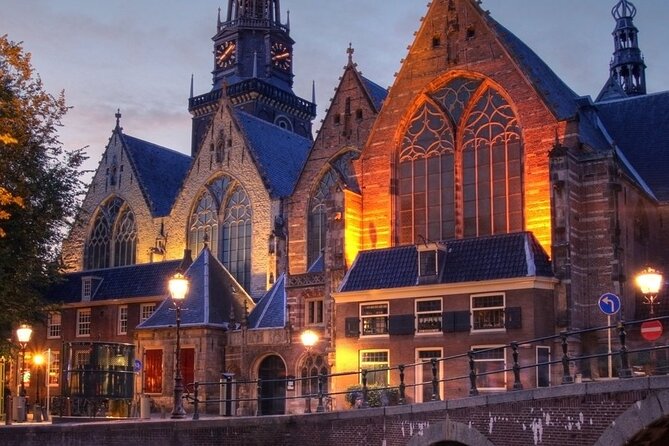
After Anne Frank House, the tour includes Westerkerk. It is described as the third oldest church from 1631 after South and North, and it has a leaning tower. The tour notes it was intentionally built for Protestant believers and mentions it as the wedding place of Queen Beatrix. There is also an unproven detail included about Rembrandt van Rijn’s burial location nearby, and that kind of “what’s known and what’s rumored” approach can be useful when you are learning.
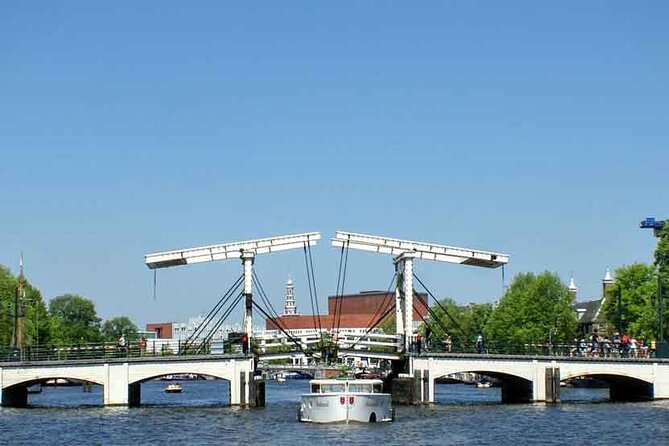
Then you shift to the Amstel for a viewpoint over the river and surrounding buildings, plus two named bridges: the Blue Bridge and the Skinny Bridge. This is where you reconnect the whole route to the water system. Amsterdam’s bridges are not just Instagram props. They are part of how the city is stitched together.
Finally, you finish with Jodenbuurt, also known as Plantage, the Jewish Quarter. The tour describes it as an area where many Jews lived from the late 16th century until World War II, and it points toward important Jewish community buildings and Holocaust monuments and memorials. Even if your exact focus varies, this ending gives emotional weight to the earlier religion and memory stops.
Price and Value: What You Pay for, and What It Costs Extra
The tour price is $540.69 per group, up to 4 people, lasting about 5 hours. Pickup is offered. Average booking is listed as about 75 days in advance, which tells you this is a popular slot for planning.
For value, the math is straightforward: if you fill all four seats, you are paying about $135 per person before any tickets. If you travel as a couple and only fill two seats, it is closer to $270 per person. In other words, it gets dramatically better when you travel with friends or family.
One key advantage in the price is that most stops are marked as free admission. Ticket costs you might face (not included) are listed as:
- Royal Palace Amsterdam: €10.00 per person
- Westerkerk: €7.00 per person
- Old Center: €13.50 per person
- Anne Frank House: €16.00 per person
- Nieuwe Kerk: €10.00 per person
- Ons’ Lieve Heer op Solder: €16.50 per person
If you decide to enter every ticketed stop, the total extra comes to about €73 per person, based only on the amounts listed above. You can also shape the experience by picking which interiors matter most to you, especially if you already have museum fatigue or you want more time outdoors.
Practical Tips So the 5 Hours Feel Relaxed
A tour this packed is still a good walk, as long as you protect your energy. I’d do three things:
- Wear shoes you can stand in for a while. Amsterdam feet add up fast.
- Plan your ticket priorities before your walking day, especially Anne Frank House since tickets require booking online at least 6 weeks ahead.
- Decide early how much you want to pay for indoor stops. The route includes several ticketed options, and the day works best when you treat those as your “must see” list.
Also, because the maximum group size is 4, you can ask for small adjustments. If your group wants photos at a specific canal corner or you prefer one courtyard longer than another, this format is usually the right place for that.
Who Should Book This Private Amsterdam Walking Tour?
Book it if you:
- Want a strong first-time Amsterdam map in one half day
- Like history tied to exact places, not generic facts
- Prefer a private group with room for questions
- Want respectful context when visiting sensitive areas like the Red Light District
You should think twice if you:
- Cannot or will not buy advance tickets for Anne Frank House and any other ticketed interiors you care about
- Are expecting every stop to be included without extra cost
- Prefer a slower, more museum-heavy day with fewer transitions
Should You Book It?
Yes, if your goal is to understand Amsterdam quickly and correctly, this tour is a smart use of time. The mix of major landmarks, quiet courtyards, and real city context is exactly what helps you enjoy the rest of your trip. The guide, Aleksandar, is repeatedly praised for adapting to different ages and keeping the day engaging, which is rare for a route this concentrated.
Book this one when you can plan ahead for the ticketed stops, especially Anne Frank House. If you do that, you’ll finish the walk with a better sense of where you are in the city, and why Amsterdam feels like it does.
FAQ
Where does the tour start?
The tour starts at Amsterdam Centraal railway station, Stationsplein, 1012 AB Amsterdam. The activity ends back at the meeting point.
How long is the tour?
It runs for about 5 hours.
How large is the group?
The maximum group size is 4 travelers.
Is pickup available?
Yes, pickup is offered.
Which major sights are included with free admission?
Many stops are listed as admission ticket free, including Centraal Station, St. Nicholas Basilica, Weeping Tower, Het Kleinste Huis, The Waag, Fo Guang Shan, Red Light District, Dam Square, National Monument, Begijnhof, Munt Tower, Rembrandt Monument, and The Amstel viewpoints. (Ons’ Lieve Heer op Solder is not included.)
What attractions have admission fees that are not included?
Royal Palace Amsterdam, Westerkerk, Old Center, Anne Frank House, Nieuwe Kerk, and Ons’ Lieve Heer op Solder are listed as not included.
Do I need to book Anne Frank House in advance?
Yes. Tickets are possible to book only online, and you need to book at least 6 weeks in advance.
What kinds of topics are covered at the Red Light District?
The tour includes a moderated discussion on prostitution and drug policy in the Netherlands, including history and practical guidance on how to enjoy the area while staying within the law.
Can I cancel for a full refund?
Yes. You can cancel up to 24 hours in advance of the experience start time for a full refund. If you cancel less than 24 hours before, the amount paid is not refunded.
Everything Else From Our Amsterdam Notebook




Also Reviewed Around Amsterdam




The Dutch Masters, Up Close


Fresh off the review pile in Amsterdam
- Full-Day Trip From Amsterdam to Keukenhof, Zaanse Schans + Cruise
★ 5.0 · 3 reviews - Boutique Dutch Food & History Tour with up to 8 guests only
★ 5.0 · 3 reviews - Private Tour to Windmills Zaanse Schans +Keukenhof – 7 Hours
★ 5.0 · 3 reviews - Full-Day Private Guided Countryside Tour from Amsterdam by Bike
★ 5.0 · 3 reviews - Amsterdam Red Light District and Old Town Walking Tour
★ 5.0 · 3 reviews
Rijksmuseum & the Dutch Masters, compared.
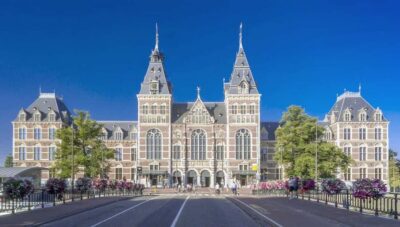 ★ 4.7Amsterdam: Rijksmuseum Entry TicketFrom $3125,535 reviews
 ★ 4.7Amsterdam: Rembrandt House Museum Entrance TicketFrom $233,385 reviews
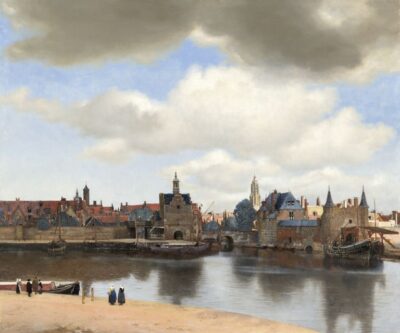 ★ 4.7The Hague: Mauritshuis Entrance TicketFrom $252,706 reviews
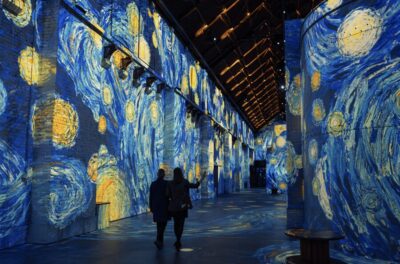 ★ 4.6Amsterdam: Fabrique des Lumières Dutch Masters TicketFrom $212,373 reviews
 ★ 4.5Amsterdam: City Canal Cruise and RijksmuseumFrom $452,129 reviews
 ★ 4.5Rijksmuseum Amsterdam Small-Group Tour with Private UpgradeFrom $901,547 reviews
 ★ 4.3Amsterdam: Rijksmuseum Entry Ticket and Canal Cruise ComboFrom $451,276 reviews
 ★ 4.7Amsterdam: Rijksmuseum Guided Tour and TicketFrom $78649 reviews
Browse the lists this tour appears in