
REVIEW · AMSTERDAM
Amsterdam: City walking experience with a local
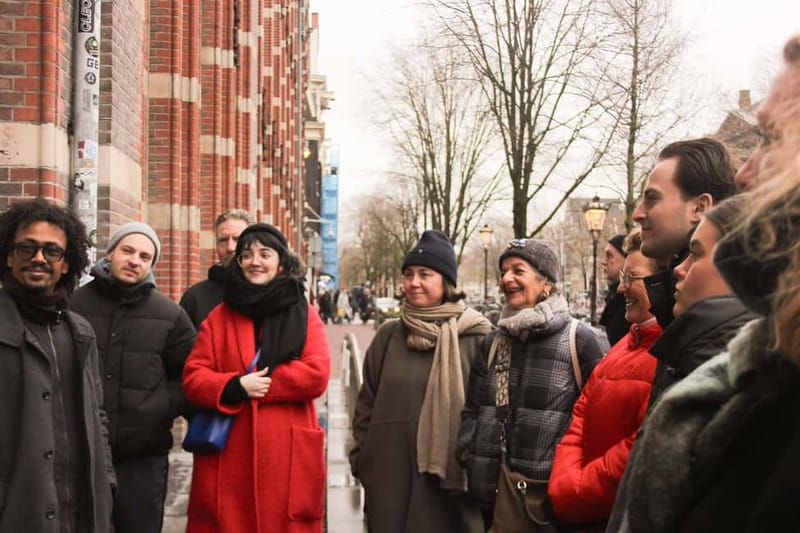
Amsterdam is easier to read on foot. This 2-hour, small-group walk takes you through the city’s big landmarks with a local guide and practical context for how Amsterdam works today, not just how it looked yesterday. You’ll see UNESCO-listed canals, hit key squares, and stop for stroopwafel mid-tour.
I especially like the way the guide connects neighborhoods to everyday life, from bikes and canal history to how Amsterdam became known for its tolerant attitude. And if the guide is Manouk, as in the many standout experiences shared for this route, you get a friendly, people-first style that keeps questions coming and points you toward useful next stops like coffee spots, restaurants, and museums.
The main drawback is simple: you do not enter the Royal Palace. You’ll get the area’s context and viewpoints, but if palace time is your top priority, you’ll need another plan.
In This Review
- Key highlights worth your time
- Why this local walk is the fastest way to understand Amsterdam
- Getting started at Beursplein, and what to expect in the first 30 minutes
- Dam Square: the big stage behind the Royal Palace views
- Spui Square: where the city’s everyday energy shows up
- Begijnhof: the calm counterpoint that makes the history feel real
- Huis Aan De Drie Grachten: canal-belt meaning, not just canal views
- Nieuwmarkt Square: modern life layered over older streets
- Amsterdam Centraal Station: the modern hub that ties the day together
- The 3 XXX’s, bikes, and tolerance: the stories you’ll carry after the walk
- The stroopwafel moment, plus a souvenir that feels worth it
- Price and value: what you get for $28 in two hours
- Who should book this walking tour
- Practical logistics that make the tour smoother
- Should you book this Amsterdam local walk?
- FAQ
- What is the duration of the Amsterdam local walking experience?
- What does the tour cost?
- Where do I meet the guide?
- Is there a return point at the end of the tour?
- What are the main stops on the route?
- Is the Royal Palace included?
- What is included in the price?
- Are children allowed?
- Is the tour wheelchair accessible?
- Are alcohol or drugs allowed during the tour?
Key highlights worth your time
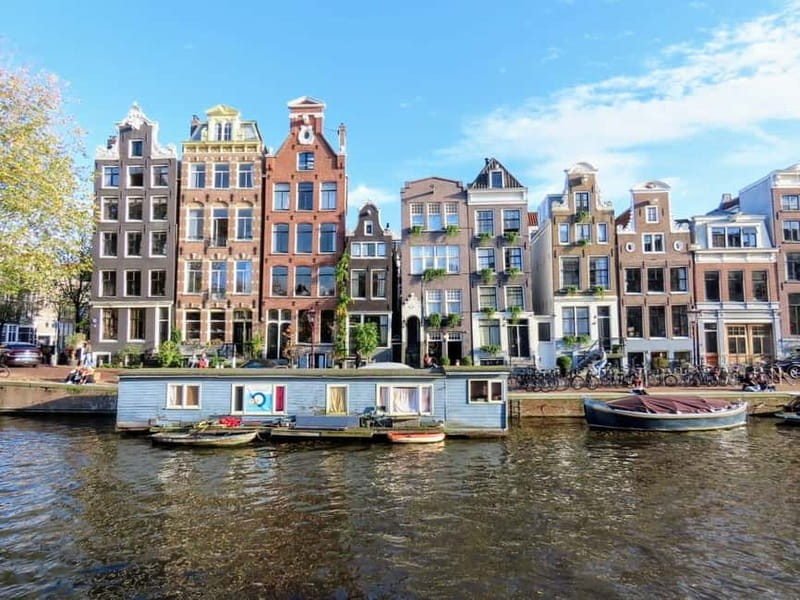
- Canals with context: UNESCO canal-belt stories tied to how the city grew
- Dam Square to Begijnhof: major sights plus a sudden quiet courtyard moment
- The 3 XXX’s explained: coffeeshops, prostitution, and Amsterdam’s drug culture in historical context
- WWII impact: how the war shaped what you see now
- Bikes, infrastructure, and even the missing bikes: what makes cycling work at this scale
- Stroopwafel plus a souvenir: a real food stop, not just photo ops
Prefer to see it on foot? More Amsterdam walks
- Anne Frank’s Story – Guided Walking Tour through Amsterdam★ 5.0 · 11,619 reviews
- Amsterdam: Life of Anne Frank and World War II Walking Tour★ 4.8 · 10,467 reviews
- Absolutely Amsterdam – the Essential Introductory Walking Tour★ 5.0 · 3,629 reviews
- Amsterdam: Anne Frank Guided Small Group Walking Tour★ 4.8 · 2,722 reviews
Why this local walk is the fastest way to understand Amsterdam
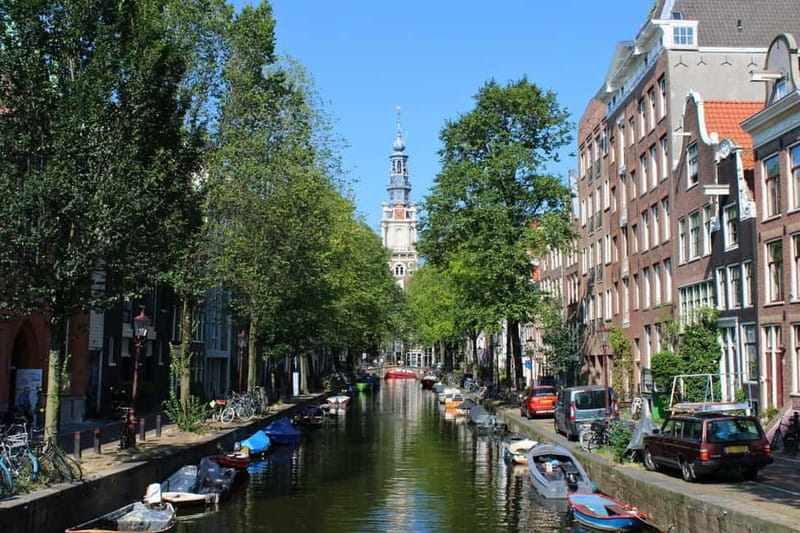
Amsterdam can feel like a postcard until you start asking why things look the way they do. This tour is built to answer those questions while you’re moving, so the city’s details stop feeling random.
You cover the famous center, but the value is in the connections. Your guide talks about how a small medieval settlement grew into a modern city known for being unusually liberal and pragmatic. That history shows up in street layouts, water engineering, civic spaces, and even the tone of the neighborhoods you pass.
I also like that the tour doesn’t try to shock you for attention. The approach is practical and historical, especially when it comes to the topics Amsterdam is famous for. You’ll still see the Red Light area, but you’ll understand the bigger framework around it.
Finally, the pace is friendly for a 2-hour walk. You get a route that makes sense for orientation on a first visit, without trying to cram in every single stop in the city.
Getting started at Beursplein, and what to expect in the first 30 minutes
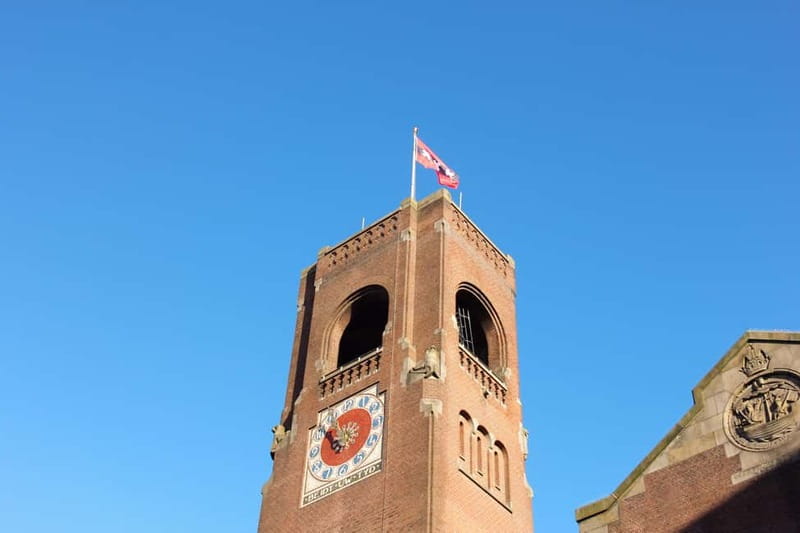
Most walks begin with a basic landmark, but this one starts at Beursplein, a real urban square that helps you orient fast. The meeting point is on the square at the bottom of the stairs of Bistro Berlage. Look for your guide by the large black lantern holding a sign that says Guidance.
Right away, your guide sets expectations for how the next two hours will feel. You’re not just sightseeing. You’re learning how the city evolved to meet modern needs, from transport and housing pressure to the way Amsterdam handles controversial subjects with rules and tolerance rather than denial.
If you’re the type who likes to know where you are and why you’re there, this start matters. Beursplein is close enough to major sights to keep momentum, but it’s still far enough from the most crowded angles that you’ll begin with breathing room.
Dam Square: the big stage behind the Royal Palace views
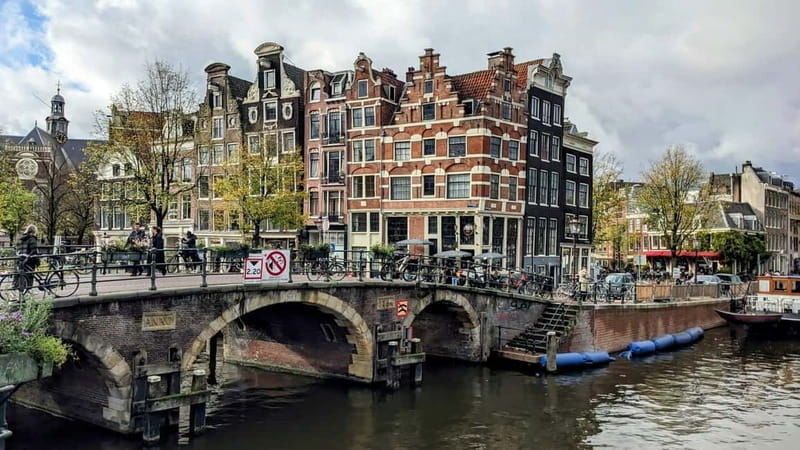
Your first major stop is Dam Square, Amsterdam’s central public square. This is the place that naturally pulls your attention because it’s wide, prominent, and loaded with symbolism.
Here’s what this stop does for you: it anchors the tour in civic life. Your guide connects the square to the city’s identity and explains why this kind of central space became essential as Amsterdam grew wealthier and more politically important.
You’ll also get context around the Royal Palace area. Even though you don’t go inside, you’ll understand why the building and the square matter in Amsterdam’s story. For many people, that’s enough to appreciate it. For others, it’s a reminder that the palace itself is a separate ticket plan.
If you visit Dam Square later without context, it can feel like yet another photo stop. With a guide, it turns into a quick lesson in how Amsterdam organizes public space.
Spui Square: where the city’s everyday energy shows up
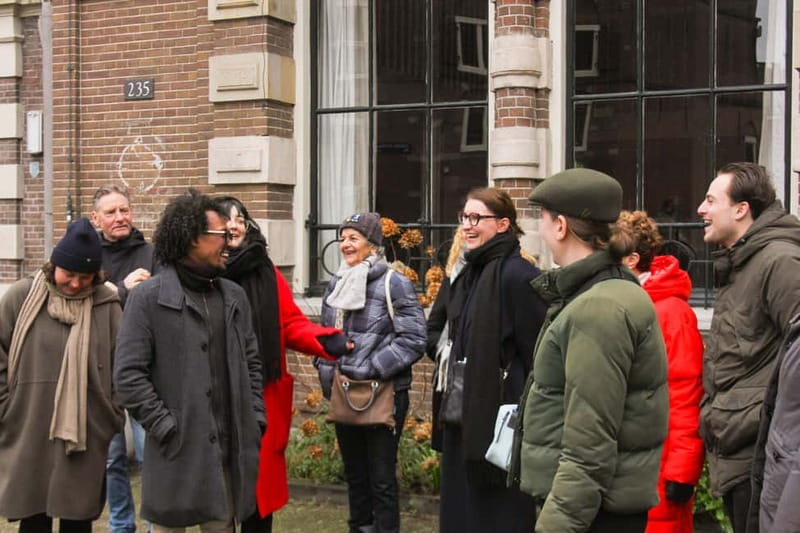
Next is Spui Square, a spot that tends to feel more lived-in than the most tourist-heavy corners. This is where you start noticing the small rhythm of daily Amsterdam: pedestrians flowing through, nearby storefronts, and the practical texture of the city.
Your guide uses stops like this to explain how Amsterdam functions as a modern hub. You’ll hear about the city’s history, but you’ll also see how modern needs shaped the streets around you.
This is also a good moment to get photo angles that aren’t just “front of a canal house.” Spui Square helps you balance the big civic visuals at Dam Square with the smaller-scale street life that makes Amsterdam feel human.
Other ways to get the shape of Amsterdam in a morning



Begijnhof: the calm counterpoint that makes the history feel real
Then comes Begijnhof, and it’s one of the tour’s best mental resets. One minute you’re in a busy city square mindset. The next, you’re walking into a quieter atmosphere.
Begijnhof works because it shows Amsterdam’s layered past. Your guide uses it to explain how the city evolved over time, including the way different communities shaped neighborhood life. The architecture and the courtyard feeling help you grasp the idea that Amsterdam was never one single story. It’s always been multiple stories stacked together.
Practical tip: at Begijnhof, slow down. The space rewards a slower walk and a moment to take in the calm. If you spend the whole tour rushing for photos, you’ll miss why this stop matters.
Huis Aan De Drie Grachten: canal-belt meaning, not just canal views
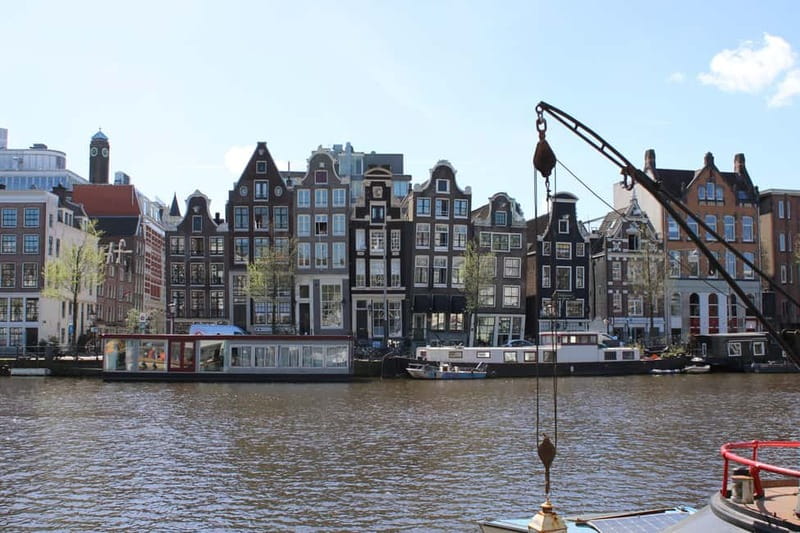
After that, you’ll reach Huis Aan De Drie Grachten. Even if you’ve seen “canal house” photos online, this stop gives you the meaning behind the visuals.
The canal-belt here is more than scenery. It’s part of UNESCO heritage, and your guide connects the canal system to how Amsterdam grew and how it managed water and trade over time. You’ll also get a sense of how the city’s older urban design continues to affect what it can do today.
This stop is especially valuable if you’re curious about why Amsterdam looks the way it does. Canal views can feel decorative until someone explains the engineering and planning logic behind them. That’s the difference here.
If you like taking photos, this is a strong area for pictures. Just be mindful that parts of the center can get crowded. Your guide’s local pacing helps you find angles without standing in the middle of foot traffic.
Nieuwmarkt Square: modern life layered over older streets
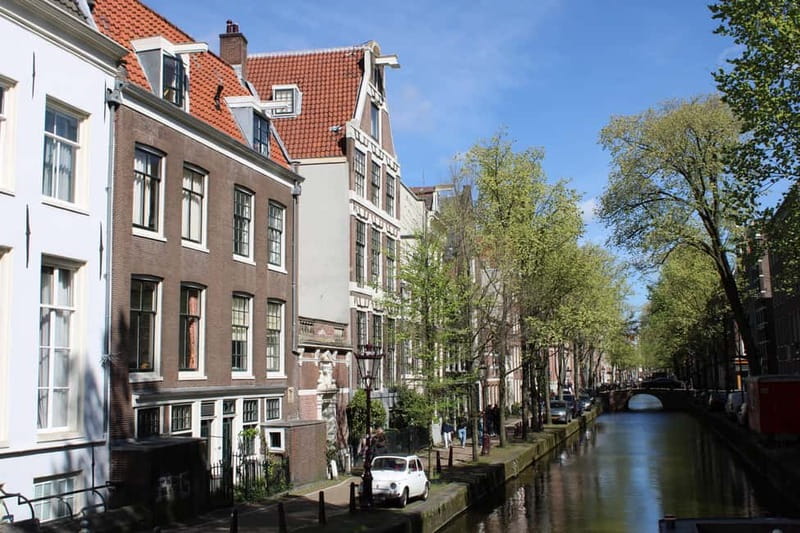
Next is Nieuwmarkt Square, which is a useful waypoint for understanding Amsterdam’s shift from older settlement patterns to modern city needs.
This stop helps you keep the tour grounded in today. You’re still learning history, but now it’s tied to the city’s ongoing transformation and what people actually do in the center.
Your guide also brings the WWII impact into the conversation here, connecting war-era disruption to how Amsterdam rebuilt and reworked its urban structure and identity. You’ll leave with a clearer sense that what you see now is not just “always been this way.” It’s a city that changed under pressure.
Nieuwmarkt Square can be a good place to notice how Amsterdam handles public space, movement, and density. That matters because it’s not a city designed for cars. It’s designed around walking, cycling, and water-adapted planning.
Amsterdam Centraal Station: the modern hub that ties the day together
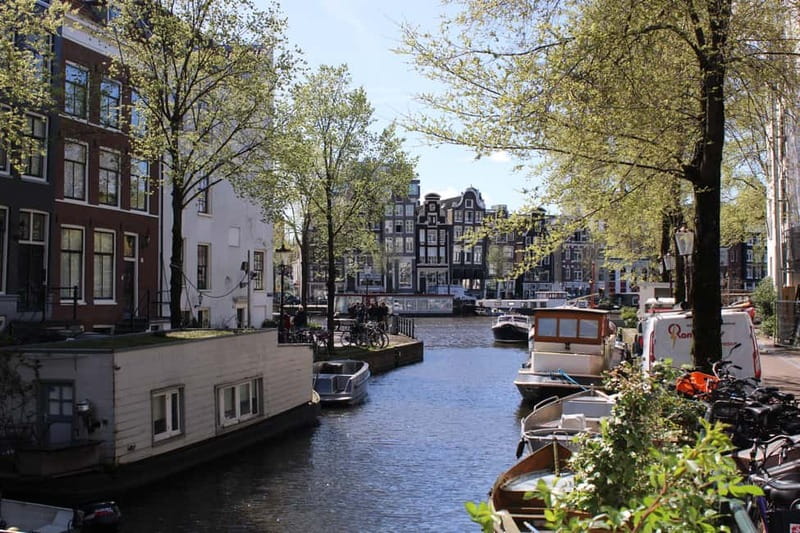
The tour finishes at Amsterdam Centraal Station, which is a smart end point. You’re already thinking in stories about history and change, so it’s satisfying to land at one of the city’s most modern transport symbols.
Centraal isn’t just a background detail. It’s where Amsterdam’s present-day role as a travel and logistics hub becomes obvious. If you’ve never really understood the city’s flow, this is where it clicks.
You’ll likely come away with better orientation for where you are and how you’ll move next. That’s a quiet benefit of doing this type of guided walk early in your trip.
After the station stop, you return back to Beursplein, so the tour ends where it began, with your bearings set for the rest of the day.
The 3 XXX’s, bikes, and tolerance: the stories you’ll carry after the walk
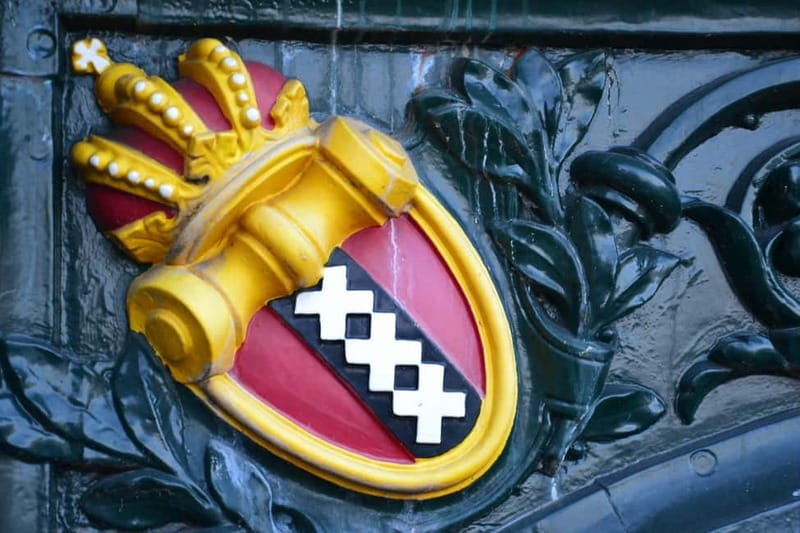
One reason this tour has strong word-of-mouth is how it handles Amsterdam’s big, complicated subjects. You’ll learn about the 3 XXX’s, tied to coffeeshops, prostitution, and the role drugs have played in the city’s modern identity.
This is not presented like a tabloid. It’s framed historically and with a focus on how Amsterdam meets modern needs. That’s what makes it easier to understand, even if the topics are uncomfortable at first.
You’ll also talk about bikes in a very practical way: why there are so many, and what happens when bikes “disappear.” That bike segment is more than trivia. In Amsterdam, cycling is infrastructure. Understanding it helps you stop viewing the city as random and start seeing it as a system.
And yes, you’ll hear about WWII impact. When your guide connects that period to the streets and buildings you see, the city’s physical layout starts to make emotional sense, not just visual sense.
Finally, the Red Light area gets addressed directly as part of the tour route. You’ll see it, and you’ll understand the wider city context that surrounds it.
The stroopwafel moment, plus a souvenir that feels worth it
You’ll get a stroopwafel during the walk, typically around the middle of the route. It’s included and it’s a perfect reset point when your legs start asking for something sweet.
The best part is that it’s not a random food stop. It fits the rhythm of the tour and gives you a Dutch snack moment while your guide is still teaching.
At the end, you also receive a small souvenir. The exact item isn’t described in detail, but the point is that it’s part of the package, not an upsell.
If you’re traveling for real experiences, this is one of those little inclusions that adds up. You finish the tour with something tangible, and you’re already fueled for the next neighborhood.
Price and value: what you get for $28 in two hours
At $28 per person for about 2 hours, this is the kind of price that makes sense for a first-day orientation walk.
Here’s why it feels like good value, even though you are not going inside the Royal Palace:
- You get a live local guide for the full time, not a self-guided audio app
- You cover major anchor sights, plus the calmer contrast of Begijnhof
- You get context for the canal belt, WWII impact, bikes, and Amsterdam’s liberal attitude
- You receive included food and a small souvenir
If you’re the type who learns fastest by walking and talking, you’ll feel the cost as a practical spend. If you prefer reading guidebooks quietly, you might not use the guide as much. But for most people, a local-led route is the quickest way to turn Amsterdam from “pretty” into “understandable.”
Who should book this walking tour
This works best if you:
- Want a first-time Amsterdam orientation that goes beyond the obvious landmarks
- Like history told through street-level details, including WWII and urban change
- Want clarity on Amsterdam’s modern identity, including the 3 XXX’s topics
- Enjoy small-group pacing, not a rushed herd of people
It’s not a great fit if you:
- Need an interior palace visit as part of the day
- Prefer private pacing only, though private group options are available
- Travel with kids under 12, since it is not suitable for that age group
Also, the tour allows wheelchair access, so it can be a smart choice when you want a guided city walk rather than forcing a DIY route.
Practical logistics that make the tour smoother
This is a walking tour, so wear comfortable shoes and plan for cobbled or uneven areas typical of the center. The route is designed to fit within two hours, but your experience will depend on your comfort walking continuously.
Your guide speaks English and Dutch, which is helpful if you want the explanations in your strongest language. Tours are offered in a small-group format, and there’s also the option for a private group if you want more control over pace and questions.
One note that matters for everyone: alcohol and drugs are not allowed. That keeps the vibe focused on sightseeing and learning.
Should you book this Amsterdam local walk?
Book it if you want to understand Amsterdam quickly and honestly. You’ll get a tight route, a real food inclusion with stroopwafel, and context for canals, WWII, bikes, and the city’s modern identity, including the 3 XXX’s.
Skip it only if your top priority is going inside the Royal Palace, or if you dislike walking tours and would rather explore at your own rhythm.
If this is your first trip to the city, I think it’s a strong move. It sets you up to explore the rest of Amsterdam with better instincts for what you’re seeing and what it all means.
FAQ
What is the duration of the Amsterdam local walking experience?
The tour lasts 2 hours.
What does the tour cost?
It costs $28 per person.
Where do I meet the guide?
Meet at Beursplein, at the bottom of the stairs of Bistro Berlage. The guide will be by the large black lantern holding a sign that says Guidance.
Is there a return point at the end of the tour?
Yes. The experience ends back at the meeting point, Beursplein.
What are the main stops on the route?
The tour includes stops at Dam Square, Spui Square, Begijnhof, Huis Aan De Drie Grachten, Nieuwmarkt Square, and Amsterdam Centraal Station.
Is the Royal Palace included?
No. Entrance tickets for the Royal Palace are not included, and the tour does not visit the palace.
What is included in the price?
You get a local guide, a Dutch snack, and a small souvenir.
Are children allowed?
The experience is not suitable for children under 12.
Is the tour wheelchair accessible?
Yes, it is wheelchair accessible.
Are alcohol or drugs allowed during the tour?
No. Alcohol and drugs are not allowed.
A Morning to Read the City





Amsterdam at Walking Speed




Also Reviewed Around Amsterdam





Fresh off the review pile in Amsterdam
- Full-Day Trip From Amsterdam to Keukenhof, Zaanse Schans + Cruise
★ 5.0 · 3 reviews - Boutique Dutch Food & History Tour with up to 8 guests only
★ 5.0 · 3 reviews - Private Tour to Windmills Zaanse Schans +Keukenhof – 7 Hours
★ 5.0 · 3 reviews - Full-Day Private Guided Countryside Tour from Amsterdam by Bike
★ 5.0 · 3 reviews - Amsterdam Red Light District and Old Town Walking Tour
★ 5.0 · 3 reviews
Walking Tours, compared.
 ★ 5.0Anne Frank’s Story – Guided Walking Tour through AmsterdamFrom $3911,619 reviews
 ★ 4.8Amsterdam: Life of Anne Frank and World War II Walking TourFrom $3710,467 reviews
 ★ 5.0Absolutely Amsterdam – the Essential Introductory Walking TourFrom $53,629 reviews
 ★ 4.8Amsterdam: Anne Frank Guided Small Group Walking TourFrom $282,722 reviews
 ★ 4.9Amsterdam: Anne Frank Walking Tour – Guided in EN/DE/IT/ESFrom $282,676 reviews
 ★ 4.9Amsterdam: Guided Cultural Walking TourFrom $292,384 reviews
 ★ 4.2Amsterdam: Guided Ganja Walking Tour of Coffee ShopsFrom $272,092 reviews
 ★ 5.0Anne Frank Walking Tour Amsterdam Including Jewish Cultural QuarterFrom $751,879 reviews
Browse the lists this tour appears in