
REVIEW · AMSTERDAM
Amsterdam: Coffee Shops Walking Tour
Two hours, and Amsterdam makes sense. This walking tour links the Red Light District with the city’s cannabis story, so you see how politics, streets, and coffee shops all connect. I like that it is guided with real context, not just sightseeing, and I also like the focus on what Amsterdam’s approach actually means on the ground. One drawback to weigh first: it is not suitable for people with mobility impairments, and it covers adult-themed subject matter tied to the area.
What really sticks with me is the way you move through the city and get specific, memorable stops. I like that you are shown the world’s biggest coffee shop at Prix d’Ami and then taken to a smaller detail most people miss, like Amsterdam’s smallest alleyway. For many people, that mix of big landmarks plus tiny streets is the fastest way to get the city’s vibe right.
In This Review
- Key highlights you should care about
- What this Amsterdam coffee shops walking tour really delivers in 2 hours
- Where you meet and how to start without wasting time
- Red Light District context: walking the streets with the why behind them
- Prix d’Ami, the biggest coffee shop in the world
- The world’s first coffee shop and how the idea evolved
- Amsterdam’s smallest alleyway: tiny streets, big atmosphere
- Exploring with a local guide, and what to ask for
- Coffee shops culture, cannabis history, and Dutch politics in plain terms
- What is included, what is not, and how to prep like a pro
- Price and value: is $106 per person worth it?
- Who this tour suits best, and who should skip it
- Should you book this Amsterdam coffee shops walking tour?
- FAQ
- How long is the Amsterdam coffee shops walking tour?
- Where do I meet the guide?
- How much does it cost?
- What languages are available?
- Are German-language tours available every day?
- Is food or drinks included?
- What is included in the price?
- Is the tour suitable for people with mobility impairments?
- What is the cancellation policy?
Key highlights you should care about
- Prix d’Ami stop, with a visit to the biggest coffee shop in the world
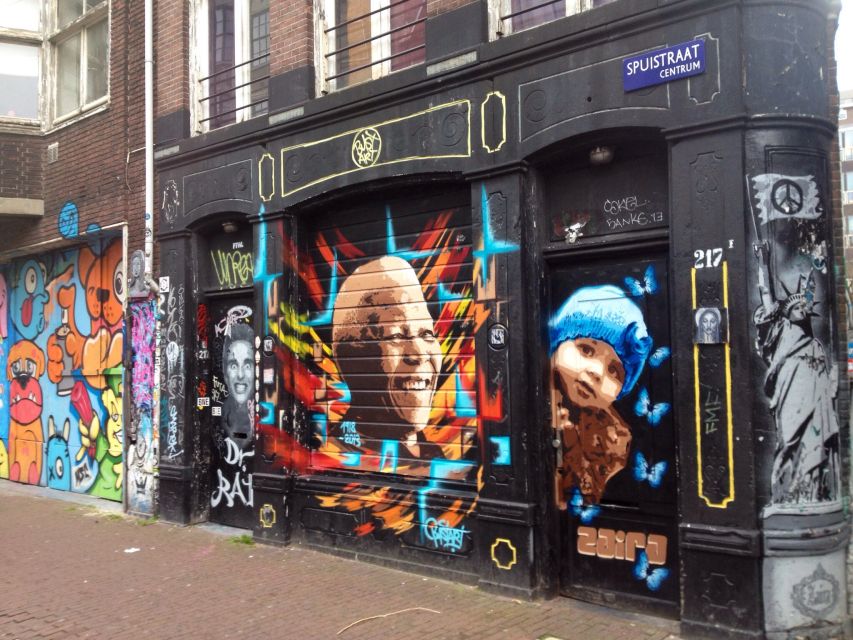
- Smallest alleyway in Amsterdam, a fun contrast to the area’s notoriety
- World’s first coffee shop, so you understand where the idea started
- Red Light District streets and canals, explained through local history and politics
- Dutch soft-drug legalization and current drug laws, covered in plain language by your guide
Prefer to see it on foot? More Amsterdam walks
- Anne Frank’s Story – Guided Walking Tour through Amsterdam★ 5.0 · 11,619 reviews
- Amsterdam: Life of Anne Frank and World War II Walking Tour★ 4.8 · 10,467 reviews
- Absolutely Amsterdam – the Essential Introductory Walking Tour★ 5.0 · 3,629 reviews
- Amsterdam: Anne Frank Guided Small Group Walking Tour★ 4.8 · 2,722 reviews
What this Amsterdam coffee shops walking tour really delivers in 2 hours
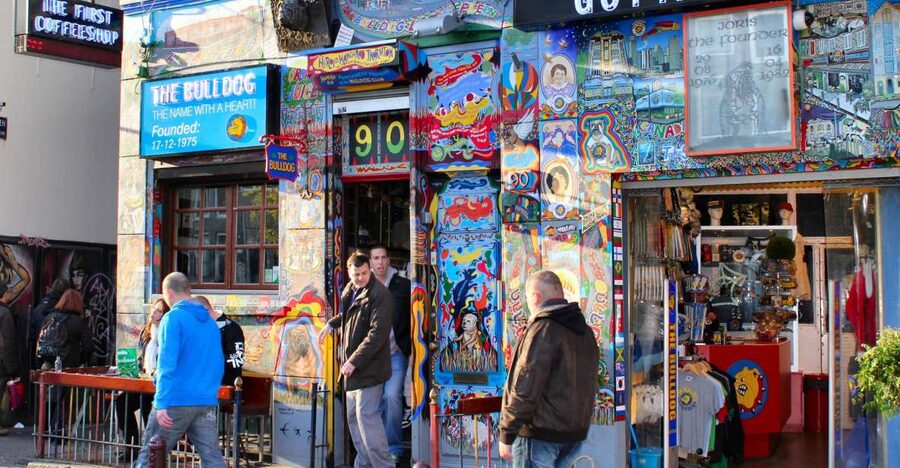
Amsterdam can feel like two cities at once. During the day it is canals, bikes, and neat facades. At night the vibe shifts toward nightlife, and the Red Light District takes over the story.
This tour is only two hours, so it works best when you want sharp context fast. You start right in the Red Light District and then walk through the same streets and alleys you would otherwise just pass by. Your guide fills in the why behind the what, including how sex work was legalized and the challenges workers face today, while also explaining Amsterdam’s famously liberal attitudes toward drugs.
I also like that it is not a “party tour.” It is a history-and-culture walking tour. You are learning how the city formed its coffee shop culture, not just being told to try something.
Where you meet and how to start without wasting time
You meet in front of the Barbizon Palace Hotel NH collection, at the entrance. That matters because it is already central to what you are going to see, so you lose less time getting oriented.
Because you are walking, show up ready for street-level Amsterdam. Wear comfortable shoes, expect you will be looking up at canal buildings and down at alley entrances, and plan for typical city foot traffic around the Red Light District. If you tend to get cold or damp easily, bring a light layer, since the tour is outdoors for the full two hours.
This is also a private group format, which is a big deal for a topic like this. If you like asking questions, this setup gives you more chances to do it while you are moving.
Red Light District context: walking the streets with the why behind them

The tour begins in the heart of the Red Light District, where the famous red-lit windows define the neighborhood. On the walk, your guide points out streets, alleys, and canals that locals connect to the area’s history.
What makes this section valuable is the balance. The guide is not only describing the sights. The commentary covers the legalization of prostitution and the complications that sex workers still deal with today. That means you get the political and social logic, not just the spectacle.
A practical note: the neighborhood is a working, adult area. Even if the tour is framed as historical and cultural, keep your expectations grounded. If you want a kid-friendly Amsterdam walk, this is not it.
Prix d’Ami, the biggest coffee shop in the world
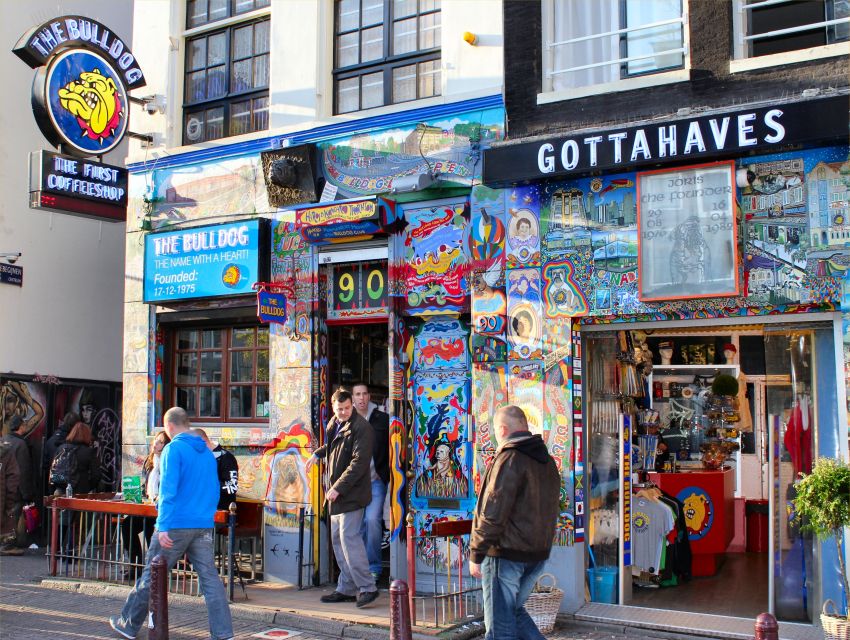
One of the clearest reasons to book is the Prix d’Ami stop. This is your anchor point for understanding how Amsterdam’s coffee shop scene works, because it is identified here as the biggest coffee shop in the world.
Seeing something that large changes how you interpret the whole idea of coffee shops in Amsterdam. It stops being a rumor or an online talking point and becomes a real place you can visualize in your head. It also gives your guide a chance to connect the concept to the bigger Dutch approach to soft drugs, including how legalization shaped the environment around coffee shops.
There is also a smart timing element here. In two hours, you want at least one major “you have to see this” moment. Prix d’Ami is that moment, and it helps the rest of the walking make sense.
Other Amsterdam routes with shopping built in


The world’s first coffee shop and how the idea evolved
After the big headline stop, the tour turns more interpretive. You learn about the history of legalization of soft drugs in the Netherlands and about the current drug laws in the Netherlands, including what your guide calls the strange Dutch laws on drugs.
Then comes the historical sweep: you visit the world’s first coffee shop. For me, this is where the tour becomes more than a quick snack of information. When you see the origin point, you start to understand why Amsterdam coffee shops developed the way they did, and why they remain a cultural and political symbol.
If you like travel that explains systems, not just attractions, you will appreciate this part. It is not about judging or promoting. It is about understanding why a city chose a particular approach and how that choice shows up in real places.
Amsterdam’s smallest alleyway: tiny streets, big atmosphere
Amsterdam is famous for its canals, but the real charm often hides in the small spaces between them. This tour includes a walk to Amsterdam’s smallest alleyway, which is a great reminder that scale in this city can be surprising.
Why it is worth your time: it gives you a visual break from the heavy themes of the Red Light District and from the large, headline coffee shop moment. An alleyway stop also helps you slow down. Your guide can point out details of the architecture and street layout that are easy to miss at normal walking speed.
It is also one of the stops that tends to stick in memory. When you leave Amsterdam, you might remember the big canal views. But you often remember the weird little corner you had to search for.
Exploring with a local guide, and what to ask for
The tour includes a local guide, and you can book as a private group or join a group format depending on your selection. The practical advantage of a guide is not only knowledge. It is interpretation. A good guide tells you what to pay attention to while you are walking, so you notice more in the two hours you have.
The tour is offered in Dutch, English, and German. Live guiding means you can ask questions on the spot, which is especially useful with topics like cannabis culture and drug law, where wording matters.
If you want the best experience, ask your guide at least one question that starts with how and why. For example, ask how the city’s legalization approach affected the coffee shop landscape, or how the Red Light District changed over time. The format is built for questions.
Language note: on Mondays and Tuesdays, tours in German language are not available. If German is your preferred language, pick another day.
Coffee shops culture, cannabis history, and Dutch politics in plain terms
This tour is about cannabis culture and history. It connects that story to Amsterdam’s broader liberal attitudes, and it does it through walk-and-talk commentary rather than lectures.
Here is what you can expect in theme, even if the route details vary with the guide’s flow:
- a walk through streets, alleys, and canals associated with the Red Light District
- commentary on legalized prostitution and the current realities workers face
- stops linked to the evolution of coffee shops, including the world’s first coffee shop
- explanation of soft drug legalization history and current Dutch drug laws
I like this method because it keeps you grounded in geography. Instead of trying to memorize laws or dates, you attach the idea to a place. That makes the whole cannabis history story easier to remember when you are back at your hotel, planning your next neighborhood.
Also, the tour includes local markets and street art stops along the way. That gives the afternoon-to-evening feel of Amsterdam a texture beyond the adult history. It helps you leave with a fuller sense of the city, not only the parts that make headlines.
What is included, what is not, and how to prep like a pro
Included is simple: a private or group walking tour with a local guide. That is the main value. What is not included is food and drinks, so plan ahead.
Before you go, eat something light or plan a meal after. After two hours of walking, you do not want to be hunting for food while your mind is still processing all the history and law talk.
You also should come with realistic expectations about comfort. The tour is not suitable for people with mobility impairments. Since the route stays in a dense urban area with narrow streets and uneven surfaces, comfortable mobility matters here.
Finally, since you are walking around an area tied to adult businesses, keep your tone respectful. This is a cultural history tour, and the best vibe comes from treating it as such.
Price and value: is $106 per person worth it?
At $106 per person for a two-hour guided walk, the price is not the cheapest way to see Amsterdam. But it can still be solid value if you care about context.
Here is how I judge the worth:
- You get a local guide for the full 2 hours, which is where the real difference happens.
- You get a high-signal route, anchored by places like Prix d’Ami and the world’s first coffee shop.
- You get commentary on legalization of prostitution and the current realities, plus an explanation of soft-drug legalization history and current drug laws.
If you are the type who likes to learn while you walk, you will probably feel the price in the right way. If you mostly want photos and quick stops, you might find the tour less rewarding.
A helpful sign is that this experience carries a strong overall rating around 4.5 with 55 reviews. That kind of consistency usually means the guide-led format is landing.
Who this tour suits best, and who should skip it
This tour fits best if you:
- want a guided explanation of Amsterdam’s cannabis culture and coffee shop origins
- enjoy history and political context tied to real neighborhoods
- like walking and want the most out of a short window
You might want to skip it if you:
- need accessibility-friendly routes (it is not suitable for mobility impairments)
- want an all-ages, family-style Amsterdam activity
- prefer hands-off tourism with no adult-adjacent context
Should you book this Amsterdam coffee shops walking tour?
I think you should book if you want Amsterdam explained in a way that matches where you are standing. The combination of Red Light District context plus coffee shop history gives you a full picture in just two hours, and stops like Prix d’Ami and the world’s first coffee shop make the story concrete.
Skip it if you need an easy, non-adult-themed walk, or if mobility limitations make city walking difficult. And do book with the language in mind, especially since German tours are not available on Mondays and Tuesdays.
If your goal is real understanding, not just surface photos, this is one of the better ways to spend a short Amsterdam afternoon.
FAQ
How long is the Amsterdam coffee shops walking tour?
The tour lasts 2 hours.
Where do I meet the guide?
Meet the guide in front of the Barbizon Palace Hotel NH collection entrance.
How much does it cost?
The price is $106 per person.
What languages are available?
The tour is available in Dutch, English, and German, with live tour guide service.
Are German-language tours available every day?
No. On Mondays and Tuesdays, tours in German language are not available.
Is food or drinks included?
No. Food and drinks are not included.
What is included in the price?
You get a private or group walking tour with a local guide.
Is the tour suitable for people with mobility impairments?
No. It is not suitable for people with mobility impairments.
What is the cancellation policy?
Free cancellation is available up to 24 hours in advance for a full refund.
Amsterdam at Walking Speed



Everything Else From Our Amsterdam Notebook


Also Reviewed Around Amsterdam


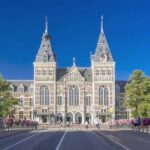

Fresh off the review pile in Amsterdam
- Full-Day Trip From Amsterdam to Keukenhof, Zaanse Schans + Cruise
★ 5.0 · 3 reviews - Boutique Dutch Food & History Tour with up to 8 guests only
★ 5.0 · 3 reviews - Private Tour to Windmills Zaanse Schans +Keukenhof – 7 Hours
★ 5.0 · 3 reviews - Full-Day Private Guided Countryside Tour from Amsterdam by Bike
★ 5.0 · 3 reviews - Amsterdam Red Light District and Old Town Walking Tour
★ 5.0 · 3 reviews
Walking Tours, compared.
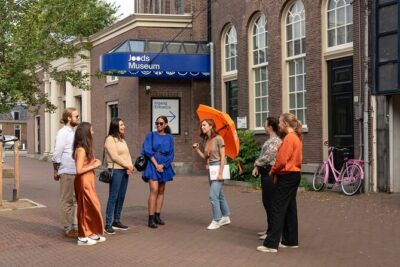 ★ 5.0Anne Frank’s Story – Guided Walking Tour through AmsterdamFrom $3911,619 reviews
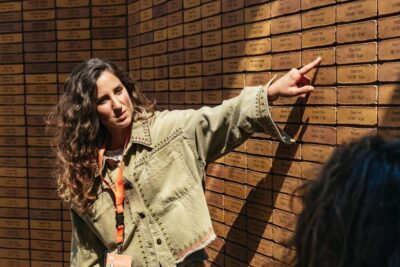 ★ 4.8Amsterdam: Life of Anne Frank and World War II Walking TourFrom $3710,467 reviews
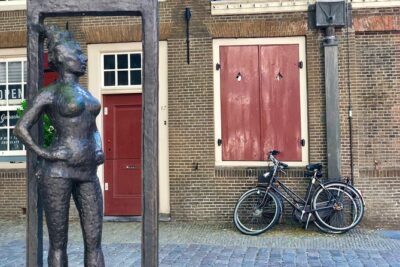 ★ 5.0Absolutely Amsterdam – the Essential Introductory Walking TourFrom $53,629 reviews
 ★ 4.8Amsterdam: Anne Frank Guided Small Group Walking TourFrom $282,722 reviews
 ★ 4.9Amsterdam: Anne Frank Walking Tour – Guided in EN/DE/IT/ESFrom $282,676 reviews
 ★ 4.9Amsterdam: Guided Cultural Walking TourFrom $292,384 reviews
 ★ 4.2Amsterdam: Guided Ganja Walking Tour of Coffee ShopsFrom $272,092 reviews
 ★ 5.0Anne Frank Walking Tour Amsterdam Including Jewish Cultural QuarterFrom $751,879 reviews
Browse the lists this tour appears in