
REVIEW · AMSTERDAM
Amsterdam: Guided Off-The-Beaten-Track Walking Tour
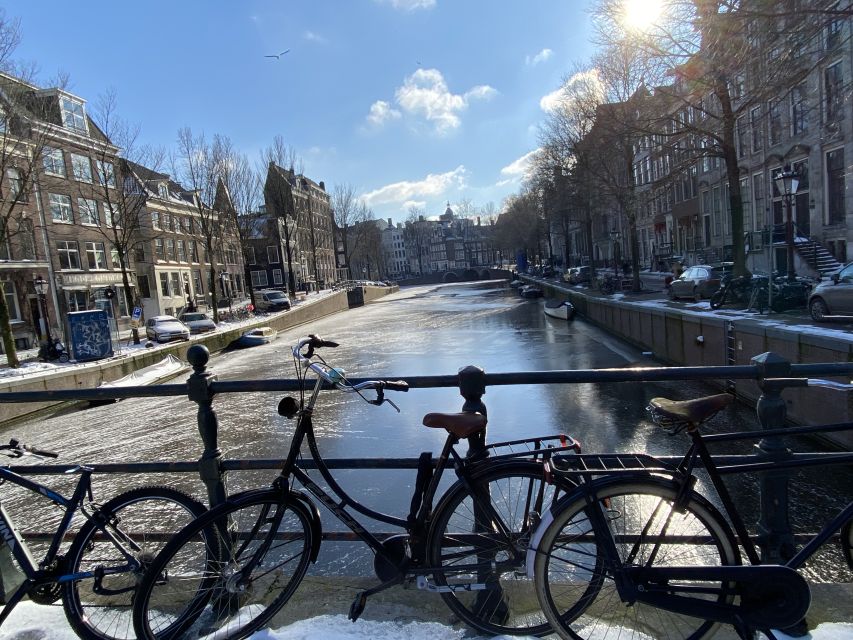
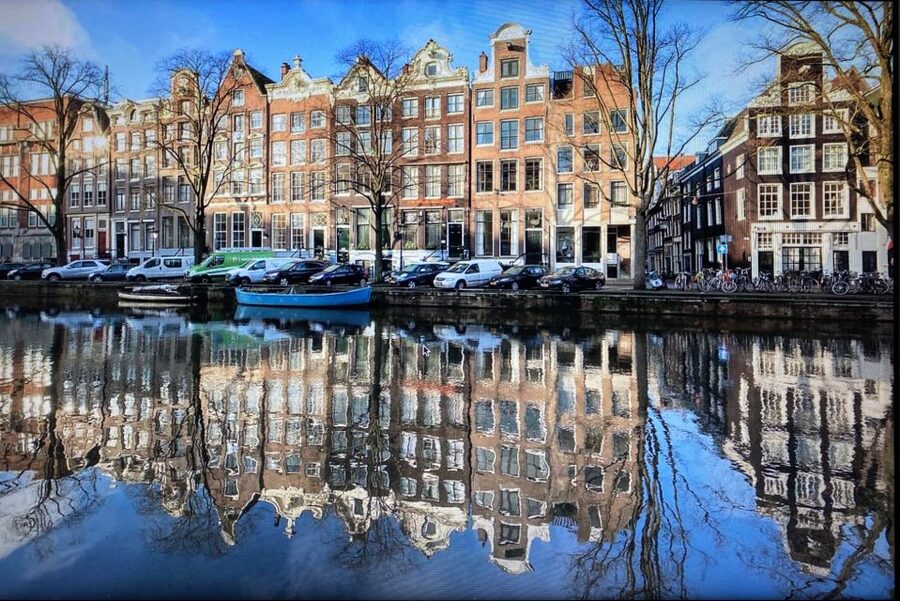
Amsterdam clicks into place fast. This guided walk strings together the city’s big sights and its quieter corners, so you understand what you’re seeing as you go. I like that it mixes the classic canal views with newer areas like Westerdoks, and it also builds in neighborhoods you usually miss on a first pass.
You’ll also get context for the landmarks around Dam Square, plus stops around the canal belt and the Jordaan, and you may even peek inside places if they are open. The only real drawback to plan around is the format: it’s rain or shine and you cover a lot on foot in 2.5 hours, so comfortable shoes matter.
In This Review
- Key things to know before you go
- Starting at Beursplein: the right warm-up for your Amsterdam map
- Dam Square in a tight loop: Palace, National Monument, and Nieuwe Kerk
- Torensluis and the canal belt story: where Amsterdam’s money became architecture
- Western islands and Westerdoks: a modern counterpoint to the postcard canals
- Brouwersgracht to Prinsengracht: converted warehouses and canal-house details
- Jordaan canals and the 9 Straatjes area: small streets, big payoff
- Noordermaarkt day stroll: food ideas without forcing a plan
- Anne Frank House and Westerkerk: two icons with different vibes
- Price and Timing: $46 for 2.5 hours, and why small groups matter
- What it feels like with the guide you might meet
- Practical tips to keep the walk enjoyable
- Should you book this Amsterdam off-the-beaten-track walk?
- FAQ
- How long is the Amsterdam guided walking tour?
- Where does the tour start?
- What language is the guide?
- How many people are in the group?
- What sights will the tour cover?
- Is the tour only on clear weather days?
- What should I bring?
- Are there any rules about food or drinks?
- What is the cancellation policy?
Key things to know before you go
- Small-group feel: listed as up to 6 participants, with the tour described as a max of 4, so expect an intimate pace.
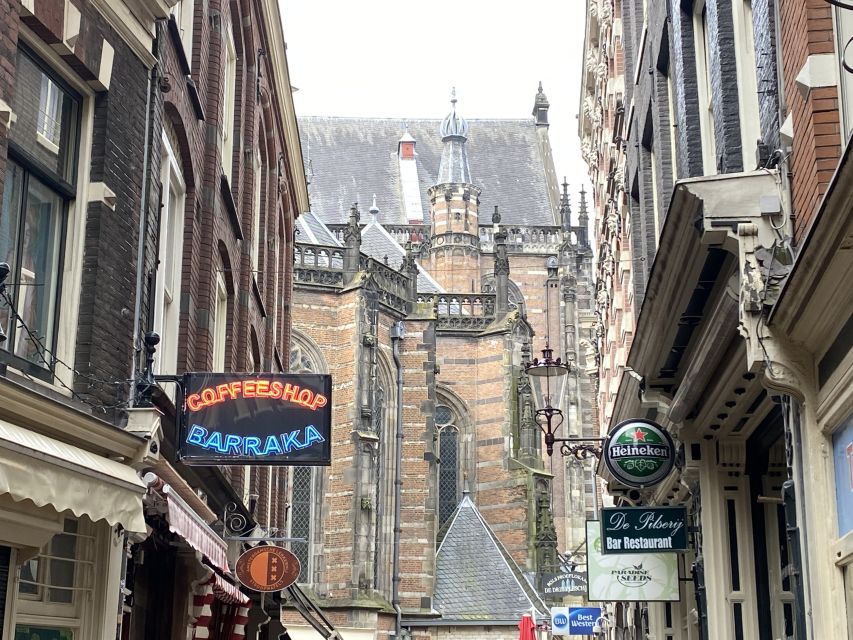
- Dam Square, explained: Royal Palace, National Monument, and Nieuwe Kerk get the kind of context that makes photos make sense.
- Canal belt and Golden Age storytelling: you’ll hear how Amsterdam’s wealth and trading power shaped the canal belt.
- Westerdoks and western islands: newer, modern water-adjacent Amsterdam plus houseboats and shipyard life.
- Noordermaarkt stop: a market-day stroll with food ideas like herring and ice cream.
- Jordaan canals at street level: smaller lanes and canals near Anne Frank House and Westerkerk, not just postcard stops.
Prefer to see it on foot? More Amsterdam walks
- Anne Frank’s Story – Guided Walking Tour through Amsterdam★ 5.0 · 11,619 reviews
- Amsterdam: Life of Anne Frank and World War II Walking Tour★ 4.8 · 10,467 reviews
- Absolutely Amsterdam – the Essential Introductory Walking Tour★ 5.0 · 3,629 reviews
- Amsterdam: Anne Frank Guided Small Group Walking Tour★ 4.8 · 2,722 reviews
Starting at Beursplein: the right warm-up for your Amsterdam map
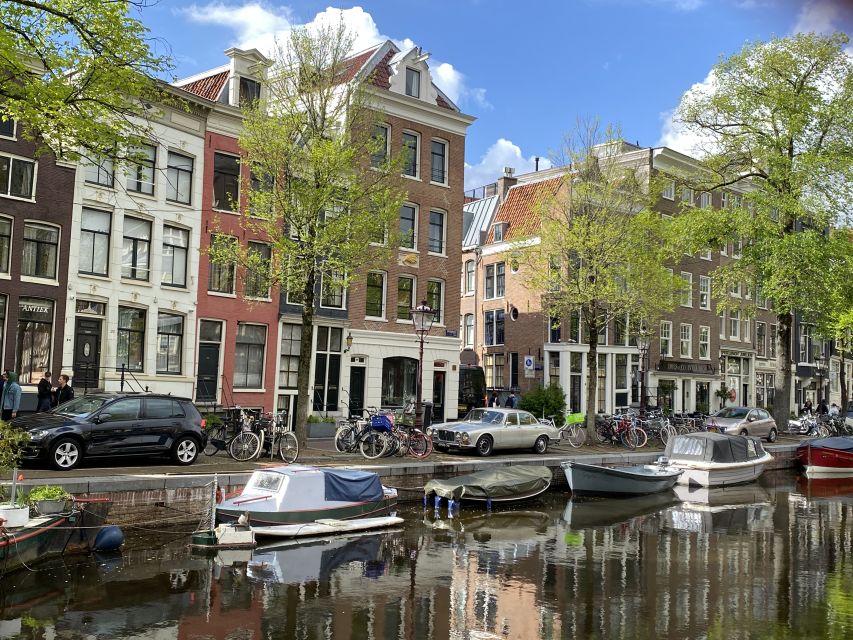
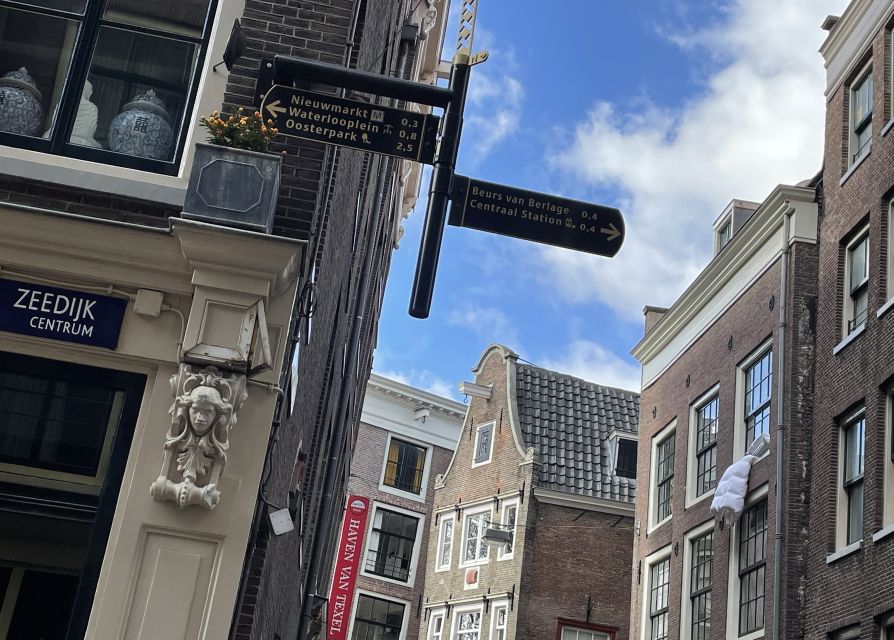
The tour begins at Beursplein / Damrak, about 350 meters from Amsterdam Central Station. That’s a smart starting spot because it puts you close to the heart of the city, while still letting your guide set the route logically. You’ll spot the guide by a black-white striped band worn around the neck.
Right away, you’re in motion through the central city, and you don’t waste time standing around trying to figure out what’s worth your attention. I like this approach because Amsterdam is easy to get lost in. Even if you can read street names, you still need a mental model of how the city grew and why certain areas look the way they do.
Your route also sets expectations: you’re going from iconic sights to “why Amsterdam works” details. That means the tour is good for your first day, when you want orientation, or your second day, when you’re ready to connect the dots.
Dam Square in a tight loop: Palace, National Monument, and Nieuwe Kerk
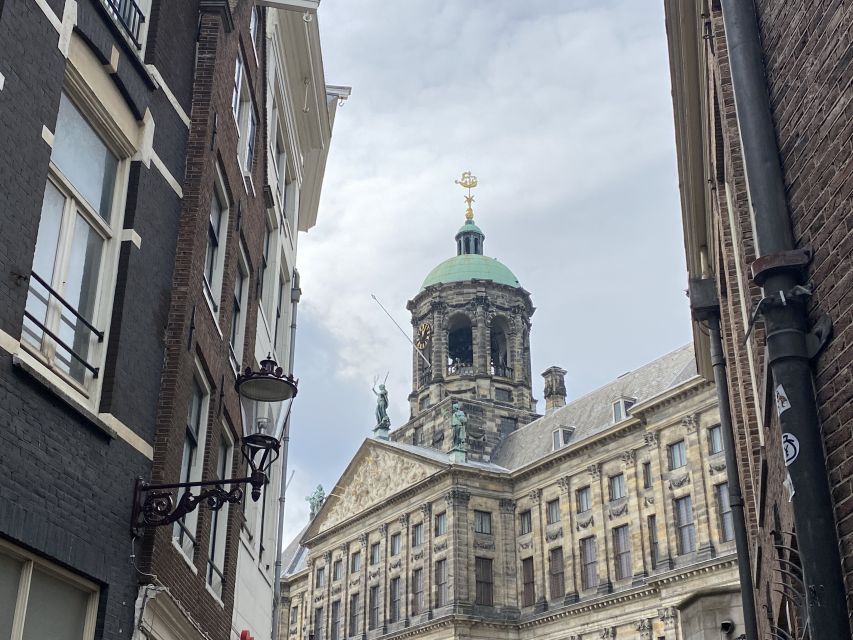
Dam Square is where Amsterdam usually starts, and this tour makes it more than a quick photo stop. Your first stretch focuses on three big anchors: the Royal Palace, the National Monument, and the Nieuwe Kerk.
Here’s what makes this part valuable. The Royal Palace and the Nieuwe Kerk feel like separate stops if you walk them alone, but with a guide, you learn how they fit into the story of the monarchy and the way power and faith shaped the city’s public spaces. The National Monument adds another layer, tying the square to national identity and memory.
If the Nieuwe Kerk or other interiors are open to the public, your guide may suggest taking a quick look inside. You should treat that as a bonus, not a guarantee. Still, even brief entry time is often enough to make the architecture feel less like scenery and more like a living part of Amsterdam’s past.
One more practical point: Dam Square can be crowded. A guide helps you keep moving and, more importantly, helps you understand what to look for while you pass through the busy zones.
Torensluis and the canal belt story: where Amsterdam’s money became architecture
After Dam Square, you pass the Magna Plaza building and head toward Torensluis, described as Amsterdam’s former maut bridge. This is one of those moments where a tour earns its value.
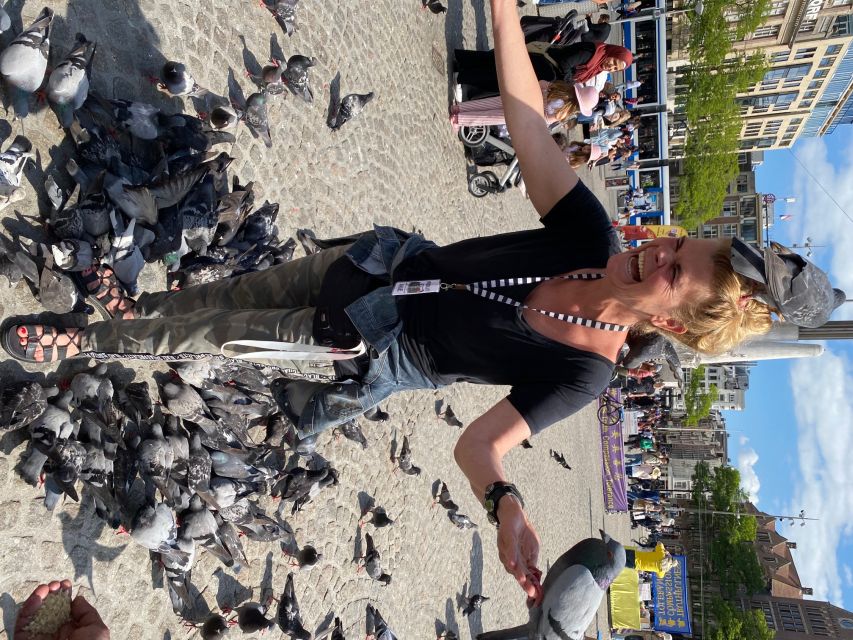
Amsterdam’s canal belt can look like a set of pretty waterways, but it’s also a built system. With your guide’s explanation, you learn how the city expanded into a major trading metropolis and how that wealth translated into canals and architecture. You’re not just hearing dates. You’re getting the “why” behind the layout.
At Torensluis, you get a sense of how Amsterdam managed movement and commerce along the canals. Then you shift onto key canal streets, with the guide pointing out classic names tied to the canal network, including Herengracht and Prinsengracht.
This is also where the tour helps your future self. After hearing how the canal belt developed, you’ll start noticing details you would otherwise skip. For example, you’ll understand that canal houses weren’t only built for views, they were also built for status and trade during Amsterdam’s Golden Age period of major prosperity.
Western islands and Westerdoks: a modern counterpoint to the postcard canals
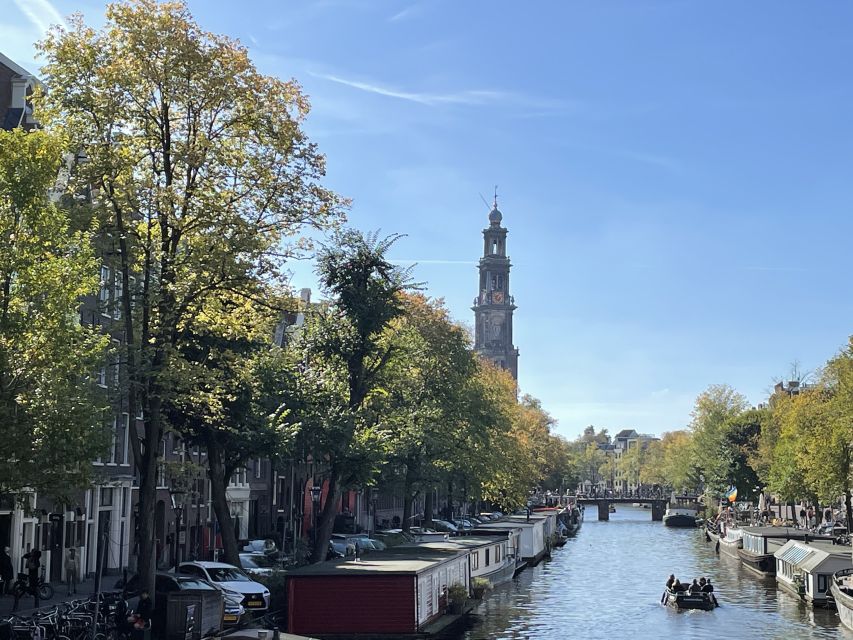
Most walking tours keep you stuck in the oldest, most photographed areas. This one adds a different kind of Amsterdam stop by heading toward the Haarlemmer Buurt and the Western Islands, then curving back through Westerdoks, including the modern design area and houseboats.
This is where I think you’ll appreciate the “off-the-beaten-track” angle. Western Islands and the surrounding water-adjacent spaces feel more local, more everyday. The tour description even notes the area includes former small shipyards and real life by the water. Whether or not you focus on that history, you get a change of pace from the most famous canal stretches.
There’s also an optional detail worth knowing: you can swim if you want. That doesn’t mean you should. But it tells you these are active waterfront areas, not just scenic edges.
Westerdoks also gives you a look at Amsterdam’s more recent planning choices. You get to compare old canal prosperity with newer waterfront living, and that contrast makes the city feel less frozen in time.
More trips where somebody else does the explaining


Brouwersgracht to Prinsengracht: converted warehouses and canal-house details
From Westerdoks, the walk continues along canals toward Brouwersgracht, where the tour notes converted warehouses. That’s a useful clue. Warehouse-to-home conversions (or warehouse-to-work spaces) are common in Amsterdam, and when you see them with a guide’s framing, you notice the physical changes in the building.
Then you swing toward the outer stretch toward Prinsengracht, and from there you move into the Jordaan direction.
This canal-to-neighborhood transition is one of the best parts of the tour because you start seeing the city as people actually live in it. You’re not only looking at canals and facades. You’re also getting oriented to the Jordaan as the “most lively and charming neighborhood” style of Amsterdam in this route’s framing.
The tour also emphasizes the architecture of the canal houses, including the seventeenth-century building style and the loving details. Even if you’re not an architecture fan, it helps to have someone point out what’s worth staring at for 20 seconds longer, especially when you’re standing on a bridge with the full canal view in front of you.
Jordaan canals and the 9 Straatjes area: small streets, big payoff
As the route reaches the Jordaan district, the tour shifts from landmark hits to a more neighborhood experience. You’ll walk along smaller canals and get the feeling of how Jordaan life works at street level.
This is also where the tour can fit you personally. If you want to keep exploring after the tour ends, you can continue on your own from the meeting area back near Beursplein. The route description points you toward the 9 Straatjes shopping area after you’re done, which can be a great follow-up if you like browsing and snack stops.
Even if shopping is not your thing, the Jordaan is a good area to decompress. You’ll likely find yourself slowing down. That’s a sign you’re in the right place.
Noordermaarkt day stroll: food ideas without forcing a plan
The tour includes a brief visit to Noordermaarkt, and it becomes more interesting if it’s a market day. Your guide may stroll along diverse market stalls and offer ideas for what to eat.
The tour explicitly suggests trying haring (herring) and considering Amsterdams best icecream, if you want. You’ll also likely get dinner recommendations in the surrounding area, including where to go for appeltaart and drinks.
I like market-day moments on walking tours because they feel real. You’re not just watching Amsterdam, you’re stepping into how people buy, chat, and graze. And because this stop is shorter, you don’t feel pressured to commit. You can snack and keep moving.
If Noordermaarkt isn’t at full market energy that day, it’s still useful as a neighborhood anchor. It helps you see Amsterdam beyond the famous tourist corridor.
Anne Frank House and Westerkerk: two icons with different vibes
Near the end, the tour brings you toward Anne Frank House and Westerkerk, including the tower and its eventful history in the route plan. These are both heavy, meaningful places, so having a guide in front of you helps you understand the context without you having to assemble it yourself on the fly.
Also, timing matters here. You’re not just walking past. You’re getting oriented to the area’s full life, especially on the smaller canals around the Jordaan.
One more helpful piece: if you want, the route description includes an option to have your guide accompany you back to the meeting point on Beursplein after you’ve seen landmarks like the Homomonument. That reduces stress at the end, because you know exactly where you’ll land.
And if you want to keep roaming, you’ll have a much better sense of which streets to choose after you leave the tour.
Price and Timing: $46 for 2.5 hours, and why small groups matter
The price is $46 per person for about 2.5 hours. On the surface, that sounds like a lot, but it makes sense if you think about what you’re paying for: a live guide, city context, and a curated route that hits major sites plus quieter zones like Westerdoks and Noordermaarkt.
You’re also getting a small-group experience. The details list small group sizes as up to 6 participants, with another line describing max 4 persons. Either way, the intention is clear: you’re not packed into a big crowd where you can’t hear or ask questions.
Also, the guide is German speaking. That’s a big deal for value. If German is your comfort zone, you get a more detailed experience. If not, you might still enjoy the walking and the visuals, but you’ll miss some of the story.
Given how much the route covers, $46 is a decent trade if you want to learn quickly and walk in the right order, rather than piecing together multiple apps and maps.
What it feels like with the guide you might meet
This tour is run by Herzblut Amsterdam Stadtführungen, and the guide approach shows up in how people describe the experience: friendly, highly informative, and good at explaining Amsterdam beyond the standard talking points.
You might end up with a guide like Anna, Natascha, or Fred. In the feedback tied to this company, these guides are repeatedly praised for being warm and for sharing a lot of city context. That matters because Amsterdam’s canals and buildings can look similar at first glance, and a good guide helps you separate what is genuinely different.
If you like learning in a practical way, this is your style. You’re not stuck listening to long speeches. You’re walking, looking, and getting quick explanations that connect the next stop.
Practical tips to keep the walk enjoyable
Bring the basics and you’ll enjoy this more:
- Comfortable shoes (mostly flat, but you’ll still be on foot for 2.5 hours)
- Water and sunscreen
- Comfortable clothes, since it’s rain or shine
Also, note the tour rules: intoxication and alcohol and drugs are not allowed. That usually means the group stays focused and respectful, which is good for an architecture and history walk.
Wheelchair accessibility is listed. If you need this, plan to discuss it ahead so the route works for your movement needs. The tour is a walking experience, so bring that question into your booking decision early.
Should you book this Amsterdam off-the-beaten-track walk?
Book it if you want a first-day or early-day Amsterdam orientation that goes past the usual highlights. The biggest strength is the way it connects landmarks at Dam Square to the canal belt story, then to modern water-adjacent areas like Westerdoks and the calmer neighborhood feel of the Jordaan. The $46 price feels fair when you consider the guide, the small-group format, and the route design.
Skip it, or choose another tour, if you mainly want a slow, sit-down, museum-heavy plan. This is a walking route built for motion and context, and you’ll get the best experience when you’re ready to cover ground even in rain.
If German is comfortable for you, you’ll likely get the most out of it. If it isn’t, you can still enjoy the architecture and canals, but the detailed story portion may be harder to fully absorb.
FAQ
How long is the Amsterdam guided walking tour?
The tour lasts about 2.5 hours.
Where does the tour start?
You meet at BEURSPLEIN / Damrak, about 350 meters from Amsterdam Central Station.
What language is the guide?
The live tour guide speaks German.
How many people are in the group?
It is described as a small group with a limit of 6 participants, and it is also described as a max of 4 persons. Either way, the group is kept small.
What sights will the tour cover?
You’ll see highlights including Dam Square landmarks (Royal Palace, National Monument, Nieuwe Kerk), Amsterdam canals such as Torensluis, Herengracht, Prinsengracht, and areas including the Jordaan, Westerdoks, Noordermaarkt, Anne Frank House, and Westerkerk.
Is the tour only on clear weather days?
No. The tour takes place rain or shine.
What should I bring?
Bring comfortable shoes, sunscreen, water, and comfortable clothes.
Are there any rules about food or drinks?
Alcohol and drugs are not allowed, and intoxication is not allowed.
What is the cancellation policy?
Free cancellation is available up to 24 hours in advance for a full refund.
Amsterdam at Walking Speed




Everything Else From Our Amsterdam Notebook


Also Reviewed Around Amsterdam




Fresh off the review pile in Amsterdam
- Full-Day Trip From Amsterdam to Keukenhof, Zaanse Schans + Cruise
★ 5.0 · 3 reviews - Boutique Dutch Food & History Tour with up to 8 guests only
★ 5.0 · 3 reviews - Private Tour to Windmills Zaanse Schans +Keukenhof – 7 Hours
★ 5.0 · 3 reviews - Full-Day Private Guided Countryside Tour from Amsterdam by Bike
★ 5.0 · 3 reviews - Amsterdam Red Light District and Old Town Walking Tour
★ 5.0 · 3 reviews
Walking Tours, compared.
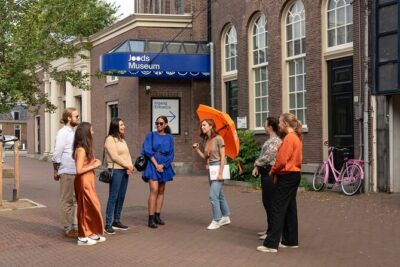 ★ 5.0Anne Frank’s Story – Guided Walking Tour through AmsterdamFrom $3911,619 reviews
 ★ 4.8Amsterdam: Life of Anne Frank and World War II Walking TourFrom $3710,467 reviews
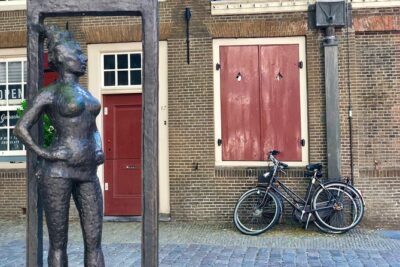 ★ 5.0Absolutely Amsterdam – the Essential Introductory Walking TourFrom $53,629 reviews
 ★ 4.8Amsterdam: Anne Frank Guided Small Group Walking TourFrom $282,722 reviews
 ★ 4.9Amsterdam: Anne Frank Walking Tour – Guided in EN/DE/IT/ESFrom $282,676 reviews
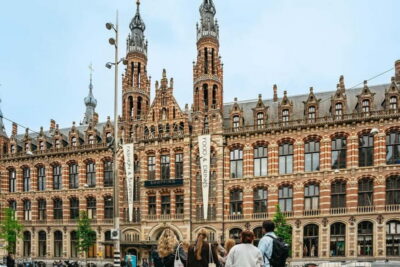 ★ 4.9Amsterdam: Guided Cultural Walking TourFrom $292,384 reviews
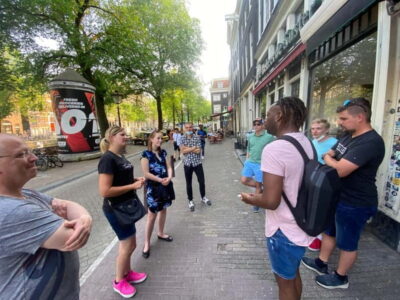 ★ 4.2Amsterdam: Guided Ganja Walking Tour of Coffee ShopsFrom $272,092 reviews
 ★ 5.0Anne Frank Walking Tour Amsterdam Including Jewish Cultural QuarterFrom $751,879 reviews
Browse the lists this tour appears in