
REVIEW · AMSTERDAM
Amsterdam: Introduction walking tour
Amsterdam can feel like a puzzle at first. This 2.5-hour walking tour turns the pieces into a clear picture, from canal-side landmarks to the city’s more controversial streets. I like how the route strings together Old Town, Red Light District, and Jordaan so you get context instead of random photo stops. I also like that it is led by a live local guide, with room for questions and real explanations.
Two names keep coming up for the right reasons: Mauritio, praised for an interesting, seizable route, and Alexandra, praised as amazing and able to answer questions like you were walking with a friend. One thing to consider, though, is the pace. You cover a lot on foot, and one booking described confusion around a longer time slot ending earlier, so if you are comparing options, confirm the exact duration you are booked for.
In This Review
- Quick hits before you go
- Entering Amsterdam’s main story in a single 2.5-hour walk
- Park Plaza Victoria Hotel start, and why the route flows that way
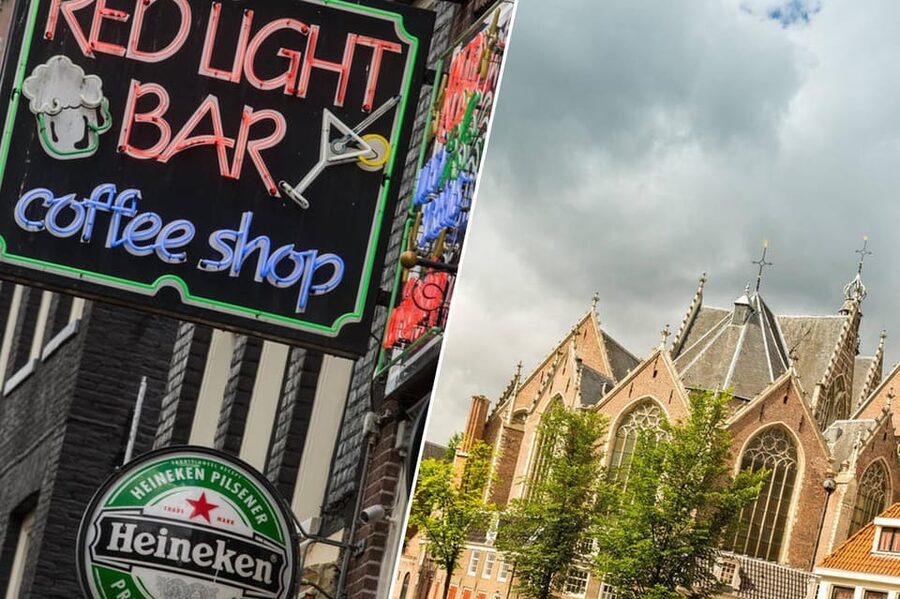
- Old Town orientation: Old Church, Waag, Chinatown, Rembrandplein, and the smallest house
- Old Church area, for early Amsterdam context
- The Waag, a clue to older city life
- Chinatown and the city’s immigrant story
- Rembrandplein, where you notice the modern city
- The smallest house of Amsterdam, for a quick reality check
- Dam Square and the Royal Palace area: a central reset
- Red Light District walking: coffee shops, political issues, and a narrow-street history
- What you will see and talk through on the streets
- The narrowest street stop, including firsts you might not expect
- Jordaan District finish: Anne Frank House area and West Church stories
- How the private group and English, German, Spanish options affect your day
- Price and value: what $131 buys in 2.5 hours
- What to wear and how to pace yourself on a walking tour day
- Who this tour suits best, and who should think twice
- Should you book this Amsterdam introduction walking tour?
- FAQ
- How long is the Amsterdam introduction walking tour?
- Where do we meet the guide?
- What is included in the price?
- Is food or drink included?
- What languages are available?
- What is the cancellation and payment option?
Quick hits before you go
- Old Town first, so the city makes sense fast: Old Church, Waag, Chinatown, Rembrandplein, and the smallest house.
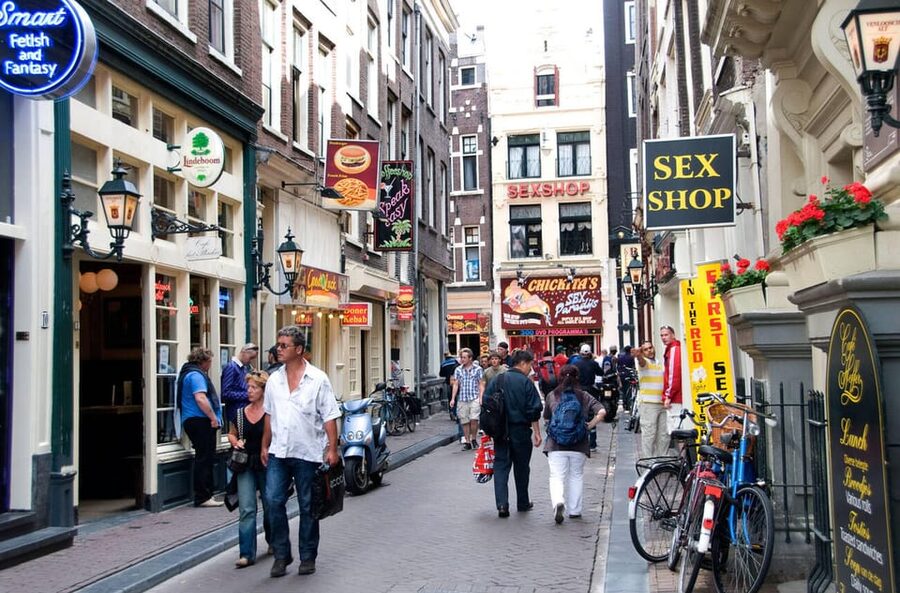
- Red Light District with context, not just shock value: coffee shop culture, prostitution, and political issues.
- A narrow street stop with unusual history: the first coffee shop and the first condom shop in the world.
- Central landmarks included, not skipped: Dam Square and the Royal Palace area.
- Jordaan District storytelling: Anne Frank House area and West Church, plus guide anecdotes.
- Private group format: easier pace control and Q and A time with the guide.
Prefer to see it on foot? More Amsterdam walks
- Anne Frank’s Story – Guided Walking Tour through Amsterdam★ 5.0 · 11,619 reviews
- Amsterdam: Life of Anne Frank and World War II Walking Tour★ 4.8 · 10,467 reviews
- Absolutely Amsterdam – the Essential Introductory Walking Tour★ 5.0 · 3,629 reviews
- Amsterdam: Anne Frank Guided Small Group Walking Tour★ 4.8 · 2,722 reviews
Entering Amsterdam’s main story in a single 2.5-hour walk
Amsterdam rewards curiosity, but it can also overwhelm you. A good introduction helps you read the city: why things are where they are, what different neighborhoods feel like, and why people argue about parts of it. This tour is built to give you that “now I get it” feeling quickly, without pretending the city is all one vibe.
You start with the Old Town to get your bearings, then you move into the Red Light District, and finally you finish in the Jordaan, a neighborhood many people associate with cultural weight and quieter street life. That order matters. It keeps you from treating Amsterdam’s districts like separate attractions and instead shows you how they connect, socially and historically.
Park Plaza Victoria Hotel start, and why the route flows that way
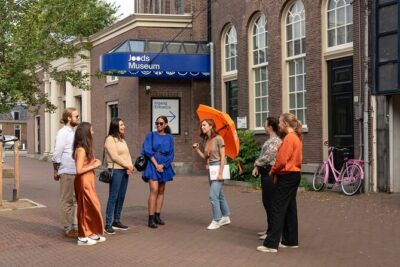
You meet the guide in front of the main entrance of the Park Plaza Victoria Hotel. That is a helpful anchor point because it gets you starting in a practical, central zone, not hidden down some side street with no reference.
From there, the walking route is designed to “ladder up” from fundamentals to famous sights. First you build a timeline, then you hit landmark clusters, then you shift to neighborhoods where the city’s identity shows through more clearly.
If you want the tour to feel smooth, I suggest you show up a few minutes early with comfortable walking shoes. One review called the walking component strenuous because it is all on foot. In other words, plan for legs, not just photos.
Old Town orientation: Old Church, Waag, Chinatown, Rembrandplein, and the smallest house
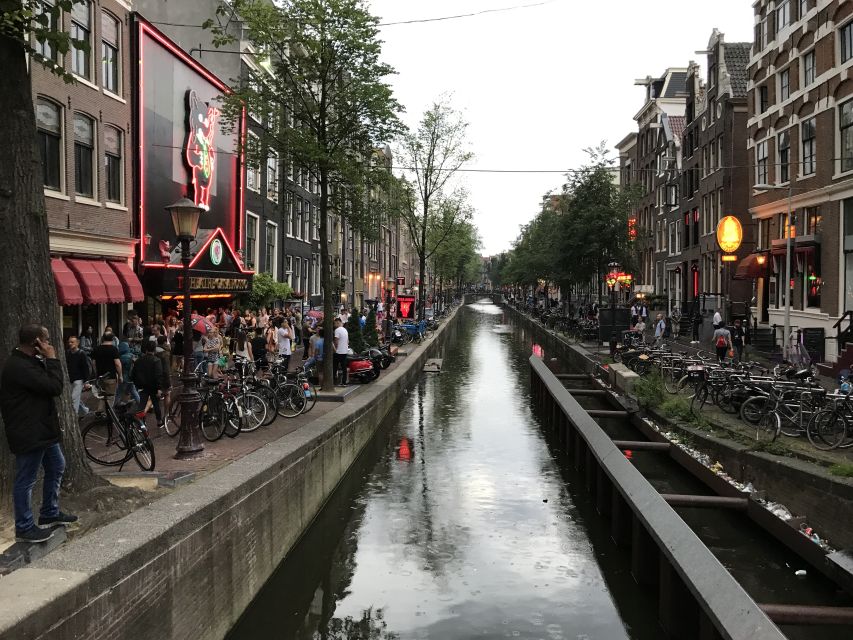
The tour begins in the Old Town area, where you learn the basic history of Amsterdam before you start collecting street-level details. This is the part that helps the rest of your day click. When you know the broad timeline, the streets stop looking random.
Here are the Old Town stops, and what they each do for your understanding:
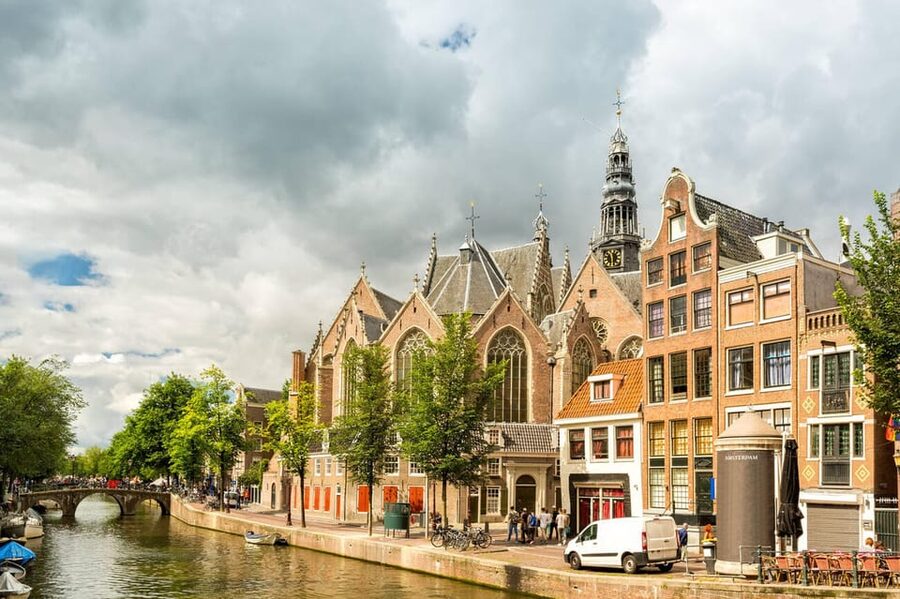
Old Church area, for early Amsterdam context
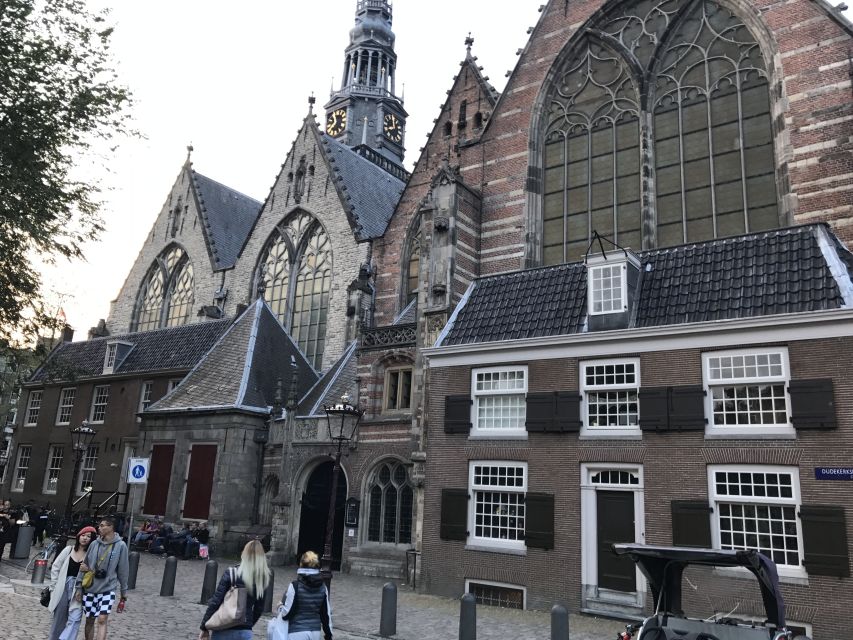
The Old Church is one of those sights that makes the city feel layered. It is not just pretty architecture, it also gives you a starting point for thinking about Amsterdam’s early public life and institutions. Seeing it early helps you frame what came later.
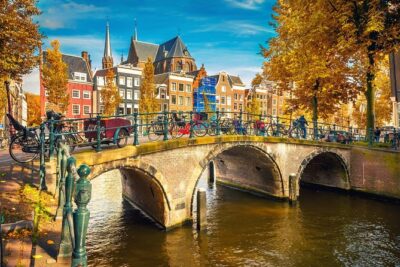


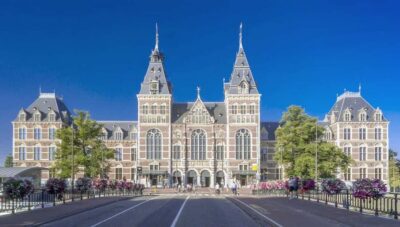
The Waag, a clue to older city life
The Waag is another signal of Amsterdam’s practical past. Even if you are not going inside, it helps you spot how the city once organized commerce and civic activity.
Chinatown and the city’s immigrant story
Chinatown on this route is not just a photo zone. It is a reminder that Amsterdam’s culture did not form in a vacuum. You get a sense of how neighborhoods evolve, and you get a guide’s explanation that keeps it from feeling like a random detour.
Rembrandplein, where you notice the modern city
Rembrandplein is a classic public space. It is where the city’s energy becomes obvious. It also helps you compare the earlier, more historical feel with the present day vibe of central Amsterdam.
The smallest house of Amsterdam, for a quick reality check
The smallest house stop is brief, but it is memorable. It gives you a tangible example of how space, buildings, and city growth can get surprisingly complicated. Think of it as a reality check that Amsterdam is not just canals and grand facades, it is also tight corners and clever adaptations.
Dam Square and the Royal Palace area: a central reset
Next you move into the city center and hit Dam Square and the Royal Palace area. This is a smart moment in the itinerary because it is easy to feel overloaded earlier with churches, markets, and neighborhood shifts.
Dam Square is where the city’s public face is most concentrated, and the Royal Palace area adds official, political architecture to the mix. Even if you keep your feet moving, the stop gives your brain a place to regroup and think: this is the Amsterdam that presents itself to the world.
If you need a breather, this is where it fits. One of the tour’s built-in advantages is that you can take a short relaxing break around here before you head to a much moodier part of the city.
Red Light District walking: coffee shops, political issues, and a narrow-street history
Then comes the Red Light District. For many people, this is the main reason they book the tour. But the best part is how it is handled: the guide does not just point, they explain.
You will walk atmospheric streets and learn about coffee shop culture, prostitution, and political issues. That combination matters because it frames the neighborhood as a real part of Amsterdam’s social debate, not only a sensational spectacle.
What you will see and talk through on the streets
Expect to hear how Amsterdam’s approach to certain activities is tied to policy and public argument. The guide also points out the contrast between the ordinary street layout and the unusual things that happen behind windows and signage. It is a lot to take in, but guided context keeps it from feeling like chaos.
The narrowest street stop, including firsts you might not expect
One of the most unique moments in the tour is the visit to the narrowest street of Amsterdam. This is where the guide shows you the first coffee shop and the first condom shop in the world.
Even if you already know Amsterdam has a reputation for permissiveness, these details give you something more specific than headlines. You get history you can actually point to with your feet on the street.
Practical tip: this is not the best part of the day to eat a big meal. Wear layers, keep your pace steady, and be ready for a more serious tone. Some of the subject matter is inherently uncomfortable, and a respectful guide approach helps.
Jordaan District finish: Anne Frank House area and West Church stories
After the Red Light District, the tour shifts to the Jordaan District. This is a former working-class area with a different street feel, and that change is one of the tour’s strengths. It helps you avoid ending the day only with one kind of atmosphere.
In the Jordaan, you see the Anne Frank House area and the West Church. The guide shares fascinating anecdotes about Anne Frank and connects those stories to the historic sights you are passing.
This is also where the tour often feels more personal. Anne Frank is a name most people know, but hearing the neighborhood context in a guided walk can change how you picture the place. You are still outside, but the guide’s commentary gives the streets meaning beyond the landmark names.
If you are planning other activities after, this ending can set you up well. You are more likely to notice small details in the Jordaan after the tour, because your guide has already trained your eye on what makes the area distinct.
How the private group and English, German, Spanish options affect your day
This is a live walking tour with a local guide, offered in English, German, and Spanish. Since it is a private group, you typically get a little more room for questions and pacing than you would on a bigger public tour.
That can matter a lot for Amsterdam’s “gray area” topics, like the Red Light District and political discussion. If your guide can tailor the level of detail to your interests, you get a better experience without feeling lectured or rushed.
Language note: confirm the guide language when you book so the explanations stay smooth. One booking praised a guide for being able to answer questions in a natural way, and you want that same feel when you are there.
Price and value: what $131 buys in 2.5 hours
At $131 per person, this is not a budget stroll. But you are paying for a concentrated orientation plus guided storytelling across multiple core districts. In a city where transport can be quick but sightseeing time is limited, 2.5 hours can be an efficient use of your day.
Here is what makes the value feel fair:
- You get one organized route through major areas, rather than trying to connect the dots yourself.
- You get a local guide, and the guide can explain context in real time.
- You cover both the famous and the frequently misunderstood sides of Amsterdam.
What you do not get is also part of the value equation. Food or drink is not included, so the price is focused on the walking experience itself. That is fine, but plan to grab a snack or drink on your own after, especially if you are doing this as a first-day orientation and want energy for the rest of your itinerary.
What to wear and how to pace yourself on a walking tour day
Because everything is on foot, the biggest “hidden” factor is your legs and your comfort. One review specifically flagged it as tiring because it is all walking. You do not need to be an athlete, but you should take it seriously as a real walking session.
My practical advice:
- Wear shoes you can handle for hours, not just a quick city wander.
- Bring a water bottle if you tend to get thirsty during walks.
- If you plan to see museum interiors after, keep that in mind. Start with this tour, then choose lighter activities later if your day allows.
Also, since the tour touches the Red Light District, keep your expectations respectful. You will be learning about prostitution, political issues, and coffee shop culture, so it is not just scenery. It is a guided look at complicated realities.
Who this tour suits best, and who should think twice
This tour is a strong fit if:
- You only have one day (or a short window) and want an Amsterdam overview that ties neighborhoods together.
- You like getting context rather than only checking landmarks off a list.
- You want to see classic sights like Dam Square and the Royal Palace area, but you also want the story behind the city’s reputation.
You might think twice if:
- You dislike walking or you are planning a very packed schedule right before or after this.
- You want food included or you prefer a tour with fewer topic-heavy stops.
- You are uncomfortable with frank discussion of sensitive topics, even when presented respectfully by a guide.
Should you book this Amsterdam introduction walking tour?
If your goal is to get your bearings fast and understand why Amsterdam looks and feels the way it does across different districts, I think this tour is a solid booking. The structure, from Old Town to Red Light District to Jordaan, keeps you from treating the city like separate postcards.
The private guide experience is a plus, and the standouts from guides like Mauritio and Alexandra suggest you are likely to get explanations that feel human, not robotic. Just go in ready to walk, and if you are comparing other time options, verify the exact duration so your day stays on track.
FAQ
How long is the Amsterdam introduction walking tour?
The tour duration is 2.5 hours.
Where do we meet the guide?
Meet the guide in front of the main entrance of the Park Plaza Victoria Hotel.
What is included in the price?
The included items are a guided walking tour and a local guide.
Is food or drink included?
No, food or drink is not included.
What languages are available?
The live tour guide is available in English, German, and Spanish.
What is the cancellation and payment option?
You can cancel up to 24 hours in advance for a full refund, and you can reserve now and pay later to keep plans flexible.
Amsterdam at Walking Speed




Everything Else From Our Amsterdam Notebook


Also Reviewed Around Amsterdam




Fresh off the review pile in Amsterdam
- Full-Day Trip From Amsterdam to Keukenhof, Zaanse Schans + Cruise
★ 5.0 · 3 reviews - Boutique Dutch Food & History Tour with up to 8 guests only
★ 5.0 · 3 reviews - Private Tour to Windmills Zaanse Schans +Keukenhof – 7 Hours
★ 5.0 · 3 reviews - Full-Day Private Guided Countryside Tour from Amsterdam by Bike
★ 5.0 · 3 reviews - Amsterdam Red Light District and Old Town Walking Tour
★ 5.0 · 3 reviews
Walking Tours, compared.
 ★ 5.0Anne Frank’s Story – Guided Walking Tour through AmsterdamFrom $3911,619 reviews
 ★ 4.8Amsterdam: Life of Anne Frank and World War II Walking TourFrom $3710,467 reviews
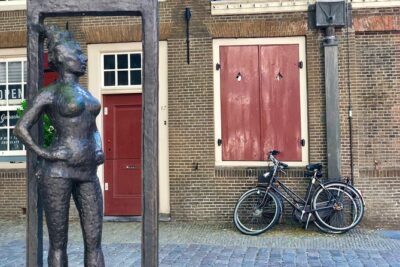 ★ 5.0Absolutely Amsterdam – the Essential Introductory Walking TourFrom $53,629 reviews
 ★ 4.8Amsterdam: Anne Frank Guided Small Group Walking TourFrom $282,722 reviews
 ★ 4.9Amsterdam: Anne Frank Walking Tour – Guided in EN/DE/IT/ESFrom $282,676 reviews
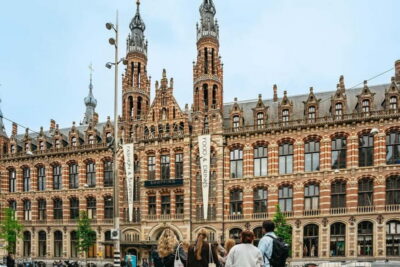 ★ 4.9Amsterdam: Guided Cultural Walking TourFrom $292,384 reviews
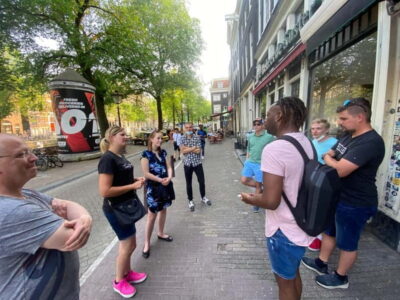 ★ 4.2Amsterdam: Guided Ganja Walking Tour of Coffee ShopsFrom $272,092 reviews
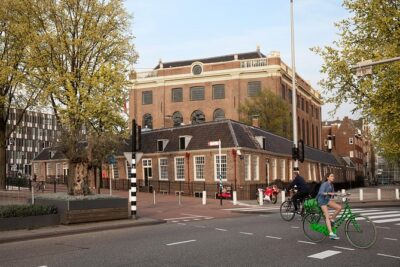 ★ 5.0Anne Frank Walking Tour Amsterdam Including Jewish Cultural QuarterFrom $751,879 reviews
Browse the lists this tour appears in