
REVIEW · AMSTERDAM
Amsterdam private city walking experience with a local
Amsterdam history feels close up. This private city walk strings together key landmarks with real meaning, from the origin-story of the city name to the way neighborhoods changed over time. I especially like the way the route balances big sights with calmer corners, and I also like the fact that most stops are quick, no-ticket entries, so you spend your time walking and listening instead of lining up. One consideration: it is still a walking tour, so if you hate being on your feet for about 2 to 2.5 hours, plan your day around it.
The best part is how a great local guide turns street scenes into a map in your head. With English narration and a route that hits Dam Square, the Begijnhof, and the canal-house details near three waterways, you get a clearer picture of Amsterdam past and present without it turning into a museum day. You will also get the benefit of a small group size, up to 12, so questions are easy and the conversation can actually stay on track.
In This Review
- Key Points You’ll Care About
- How a Private 2-Hour Walk Fits Amsterdam Day Planning
- Beursplein: From Fishing Roots to Global Trade
- Dam Square and the Royal Palace, plus WWII Traces
- Begijnhof Courtyard: Quiet Faith and Dutch Tolerance
- House on Three Canals and the Bicycle Bridge
- Nieuwmarkt: Waag, Guild Power, and Dancing Houses
- Zeedijk to Chinatown: How a Rough Past Shifted
- Centraal Station: Architecture and Amsterdam as a Connector
- Your Guide Matters, and Manouk’s Approach Shines
- What You Pay and Why It Can Be Good Value
- Practical Tips So You Enjoy Every Stop
- FAQ
- Is this a private tour?
- How long is the Amsterdam city walking experience?
- Where does the tour start?
- Does the tour end somewhere else?
- What language is the tour offered in?
- How many people are in a group?
- Is there an admission fee for the stops?
- Do I need to print a ticket?
- Is the tour near public transportation?
- Can service animals join?
- Should You Book This Amsterdam With a Local Walk?
Key Points You’ll Care About
- Private group (up to 12): Only your group walks the route, with a local guide in English.
- Free entry stops: Each highlight is listed as ticket-free, so you can focus on learning instead of buying admissions.
- Route with variety: Big squares, quiet courtyards, canal architecture, and a neighborhood story all in one loop.
- Short stop timing: Most sights are about 15 minutes, with one longer stop so you do not get dragged.
- Meet at Beursplein, end back there: Easy to build into your day because you return to the start point.
- Highlights that connect themes: Trade and growth, faith and tolerance, and how a rough street shifted in the 1970s.
Prefer to see it on foot? More Amsterdam walks
- Anne Frank’s Story – Guided Walking Tour through Amsterdam★ 5.0 · 11,619 reviews
- Amsterdam: Life of Anne Frank and World War II Walking Tour★ 4.8 · 10,467 reviews
- Absolutely Amsterdam – the Essential Introductory Walking Tour★ 5.0 · 3,629 reviews
- Amsterdam: Anne Frank Guided Small Group Walking Tour★ 4.8 · 2,722 reviews
How a Private 2-Hour Walk Fits Amsterdam Day Planning
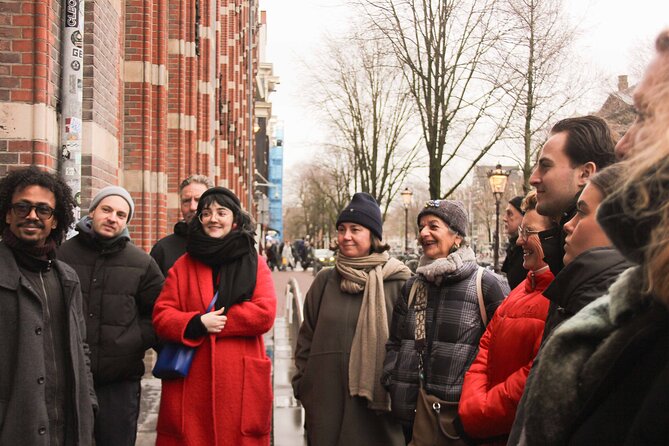
This tour is built for people who want the city to make sense fast. At about 2 hours (often stated as 2 to 2.5 hours), you are moving at a comfortable walking pace while the guide explains what you are looking at and why it mattered. Most stops are around 15 minutes, so you get the main story without losing your afternoon to one slow attraction.
You also get a private setup. “Private” here means only your group participates, and the group cap is up to 12. That size is important. In a larger crowd, guides often rush. Here, you can usually ask follow-up questions and still keep momentum.
One smart benefit for planning: the tour starts at Beursplein and ends back at the meeting point. That makes it simpler to connect with lunch, a canal cruise, or a museum you really care about. It also means you are not stranded across town at the end, which is a small thing until it is not.
Beursplein: From Fishing Roots to Global Trade
Your walk begins at Beursplein, and this is a strong opening choice. It is a good place to start because it sets the theme of Amsterdam’s rise: how a place that began as a fishing village became a center of global commerce by the 17th century. Even if you already know Amsterdam is famous for trade, the guide’s job here is to put that fact into a clear timeline you can reuse later as you explore.
This first stop is also short, about 15 minutes, which keeps you from feeling like you have been given a lecture before you even settle into the streets. You do not just hear a story, you also get early orientation. Beursplein is part of the city’s power-and-prosperity geography, so it helps your brain understand why later landmarks are placed where they are.
Potential drawback: because the time is limited, you might not get every detail you want. If you are the type who loves deep economic backstories, this tour will still give you the framework, but you may want to pair it with a museum visit later for the deeper data.
Dam Square and the Royal Palace, plus WWII Traces
Next up is Dam Square, one of the most recognizable squares in the Netherlands. This is where the tour connects place to political and social change. You will learn what Dam Square means in the city’s formation and admire the Royal Palace on the Dam as part of the bigger story of how Amsterdam grew into an important seat of power.
The guide then brings in the Second World War context. This matters because it explains why some landmarks feel like they carry memory, not just architecture. Amsterdam has plenty of pretty streets, but it also has layers. Dam Square is one of the places where those layers show up right away.
At about 15 minutes, this stop is paced like a “you should see this” briefing. If you want to spend lots of time inside the palace or linger on monuments, you will have to do that after the tour. But as a quick way to understand why Dam Square is more than a photo stop, it works well.
Begijnhof Courtyard: Quiet Faith and Dutch Tolerance
If you want a calm break mid-walk, Begijnhof is the stop you will remember. This is a serene courtyard, and the tour uses it to tell a religious-history story that is also about everyday values. You will learn about what this place reveals about Amsterdam’s tolerance, which is not a slogan you can ignore because you can actually experience it in the space itself.
You will also get to see one of the oldest houses in Amsterdam, including one of the two wooden cottages. That detail is a big deal in a city where so much has changed. Even without a long stay, the guide’s explanation helps you notice why older structures and shared courtyards shaped community life.
The tradeoff: the courtyard is quiet, but it is still a shared public space. If you arrive with high expectations for privacy or a “still moment to yourself,” set realistic goals. This stop is designed for insight, not for extended hanging out.
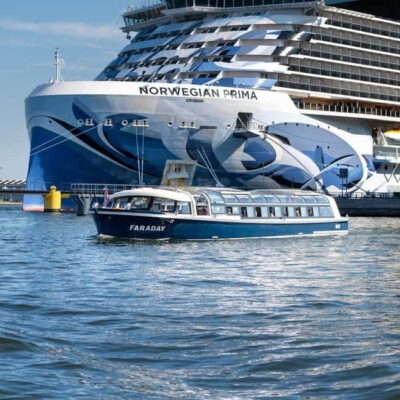
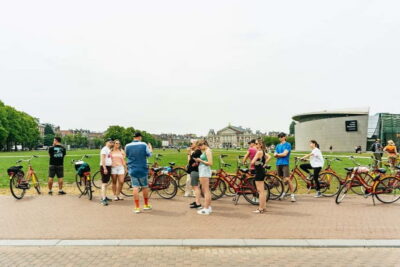
Other ways to get the shape of Amsterdam in a morning


House on Three Canals and the Bicycle Bridge
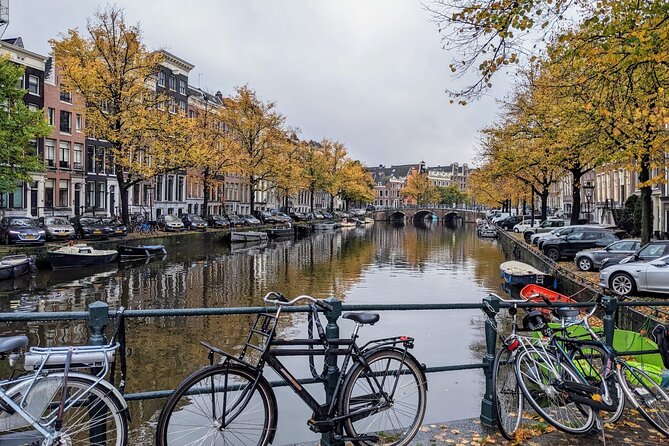
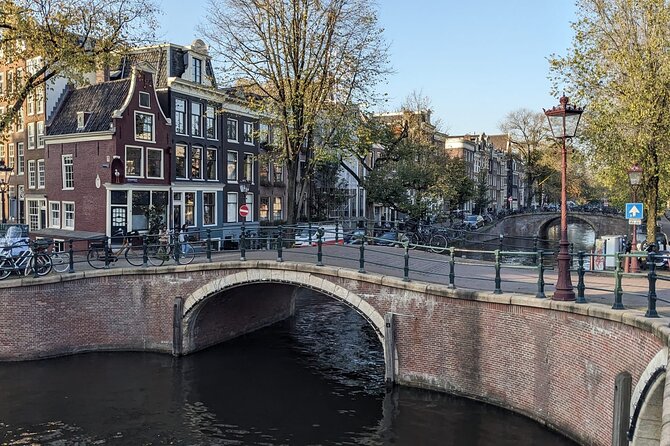
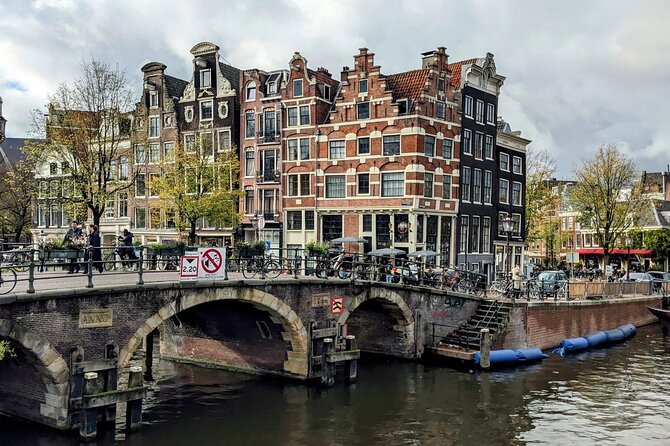
Amsterdam’s canals can feel like they run everywhere. This stop helps you see how specific canal geometry creates real architecture quirks. The tour includes a House on the Three Canals, a visual oddity that turns into a good lesson about how waterways shaped building and movement.
You will also hear about the bicycle bridge. This is the kind of practical detail that makes Amsterdam feel like Amsterdam. Canals are not just scenic. They are infrastructure, and people have adapted creatively over time.
Because this is listed as about 15 minutes, it is not a long architecture lecture. You will likely get enough to feel oriented and curious. If you want to go deeper into canal design, you can use what you learn here to guide which canal areas you focus on next during self-guided wandering.
Nieuwmarkt: Waag, Guild Power, and Dancing Houses
Now the tour shifts from the city’s formation and quiet courtyards into the world of organization and trade culture. At Nieuwmarkt, you will discover the Waag, described as one of the old city gates that later became a guild hall. This is a valuable concept because it shows how buildings can change roles as the city’s economy changes.
The tour also connects the dots to guilds in Amsterdam. Guilds are one of those topics that can sound abstract until you see how they influenced community life, regulation, and commerce. Here, the setting helps the story feel grounded.
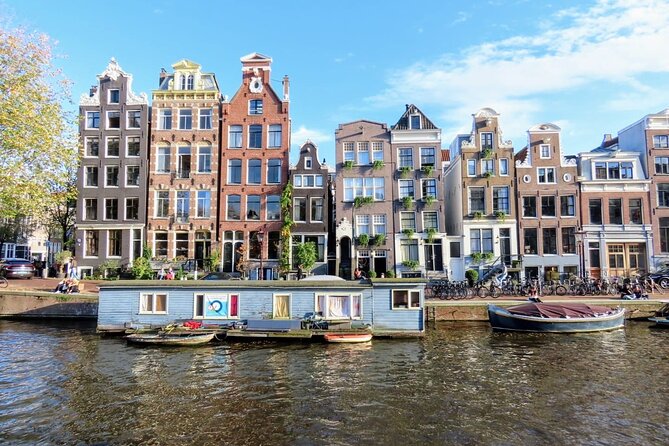
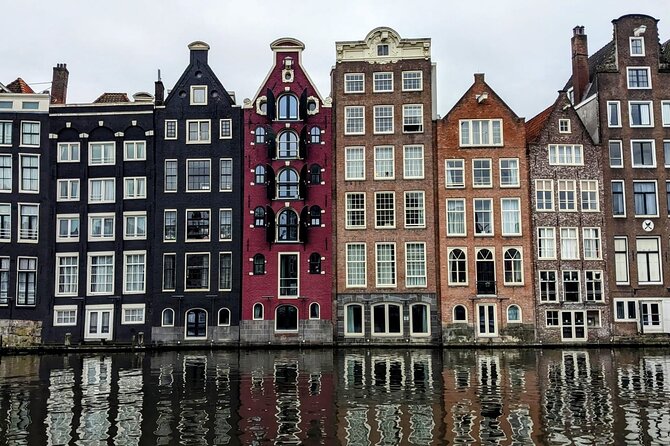
You will also see the so-called dancing houses. Even if you are not a design expert, you can appreciate the idea immediately because these buildings look like they have personality. The guide’s context is what turns that from a quirky fact into an architectural point you can explain back later.
This stop is longer, about 30 minutes. That extra time makes sense, because there are multiple layers packed into this one area.
Zeedijk to Chinatown: How a Rough Past Shifted
Zeedijk is where the tour becomes more street-level and human. You will discover Chinatown, and you will learn that it was once the most dangerous place in Amsterdam during the 1970s. That is not the kind of fact most visitors expect to hear on a casual walk through a lively area, and it changes how you look at the street.
Then the guide explains the decline and how the street transformed into one of the favorite spots for many Amsterdammers. The point is not just history for history’s sake. It is a lesson in how cities change, and how neighborhoods can carry a past while still building a new identity.
This stop is about 15 minutes, so it is quick, but it lands because it is a clear before-and-after story. If you love neighborhood sociology and street stories, this is one of the most satisfying pieces of the route.
One consideration: the street is a real working neighborhood. If you prefer quiet sightseeing, you might want to slow your pace at points and just let the guide set the tone before you look around too much.
Centraal Station: Architecture and Amsterdam as a Connector
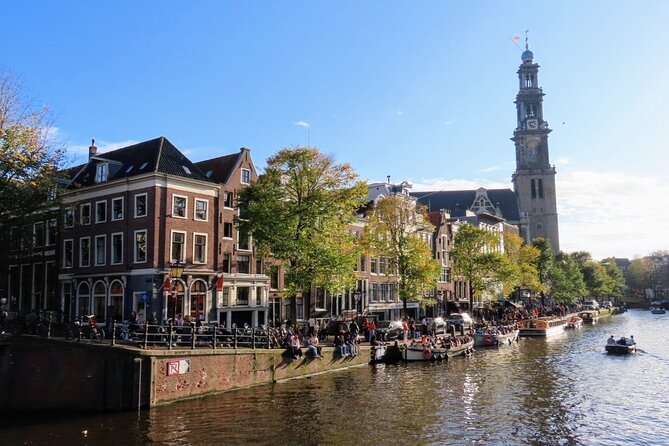
Your final highlight is Centraal Station, and it is a fitting close. This is one of Amsterdam’s most stunning buildings, and the tour explains why its location mattered for centuries as a transportation hub and historical symbol of connection and prosperity.
Centraal Station is also a place where practical reality meets grand design. That mix is perfect for closing a walking tour like this, because it ties the city’s story to movement, trade, and links beyond Amsterdam. You get that sense that Amsterdam’s identity is built not only on canals and commerce, but on being reachable.
This is about 15 minutes, so you are not going to hit every interior detail. But you will leave with a better understanding of why this building feels important even if you are only passing through.
Your Guide Matters, and Manouk’s Approach Shines
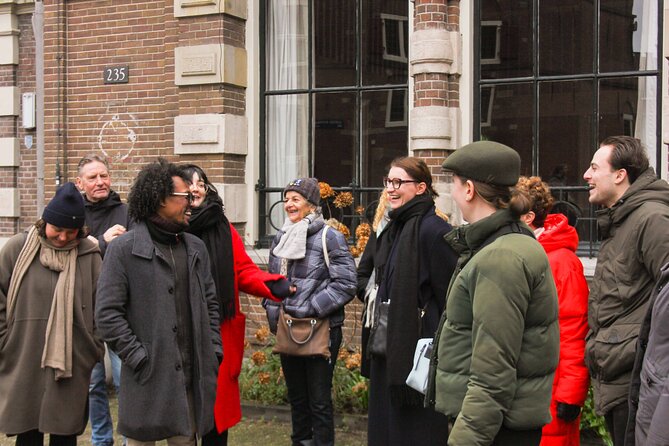
One theme that shows up strongly is the quality of the guiding itself. The guide name mentioned in the available reviews is Manouk, and the feedback consistently points to a warm, welcoming approach plus strong organization. People also described her as friendly and professional, while still keeping the walk fun, not stiff.
Several reviews mention that she uses maps and pictures to support the commentary. That matters because Amsterdam’s street layout can be confusing. A quick visual reference helps you connect what you heard with where you are standing.
Reviews also highlight that she adapted the walk to interests like history and architecture. That is exactly what you want in a private tour. If you care about canal houses more than palace stories, a flexible guide can shift the emphasis while still keeping the route intact.
What You Pay and Why It Can Be Good Value
The price is about $180.62 per group for up to 12 people. On a per-person basis, this often works out well if you are traveling with family or friends, or if you want to turn a guided walk into a shared experience without paying separate fares. With a private format, you are not paying for empty seats.
Also, many of the listed stops are free admission, which helps value. You are paying mainly for guided interpretation, route planning, and the local perspective that makes landmarks feel connected.
The biggest factor in value is fit. If you want a fast overview with meaning, this is strong. If you want long stays at fewer stops, you may find the time at each location a bit tight. The tour is designed to keep you moving and learning in short bursts.
Practical Tips So You Enjoy Every Stop
A walking tour like this works best when you plan for comfort and attention. Here are a few practical things you can do to get more out of it.
First, wear comfortable walking shoes. The route mixes central areas and canal-side streets, and you will be on foot for around 2 to 2.5 hours.
Second, bring water or something light to sip. The tour includes quick stops, so you will likely want hydration without breaking the flow too much.
Third, if your interests are specific, tell the guide early. One review specifically mentions adapting the walk to history and architecture interests. If you care about WWII context, canal design, or guilds, flag it at the start and you will get more from the explanations at each stop.
Finally, consider timing. This tour is in central Amsterdam, near public transportation. That makes it easier to arrive, even if your schedule changes, but it also means you may pass through busy streets. Keep your pace steady and let the guide’s narration lead you.
FAQ
Is this a private tour?
Yes. This is a private tour, so only your group participates.
How long is the Amsterdam city walking experience?
It lasts about 2 hours, with the tour described as taking 2 to 2.5 hours.
Where does the tour start?
It starts at Beursplein, 1012 JW Amsterdam, Netherlands.
Does the tour end somewhere else?
No. The tour ends back at the meeting point.
What language is the tour offered in?
The experience is offered in English.
How many people are in a group?
The price is per group, and the group size can be up to 12.
Is there an admission fee for the stops?
The tour lists each stop as free admission.
Do I need to print a ticket?
No. It uses a mobile ticket.
Is the tour near public transportation?
Yes, it is near public transportation.
Can service animals join?
Yes, service animals are allowed.
Should You Book This Amsterdam With a Local Walk?
If you want a guided route that helps Amsterdam click, book it. This works especially well if you have limited time and you want to connect major landmarks with neighborhood-level stories, from Beursplein’s trade origins to Centraal Station’s role as a hub. The mix of Dam Square, the quiet Begijnhof, canal architecture, and Zeedijk’s Chinatown history keeps the walk from feeling one-note.
I would skip it only if you are looking for a museum-heavy day or you cannot handle about 2 to 2.5 hours of walking. For most people, it is a smart use of a morning or afternoon because you leave with a clearer map and a better sense of why Amsterdam looks the way it does.
A Morning to Read the City





Amsterdam at Walking Speed




Also Reviewed Around Amsterdam





Fresh off the review pile in Amsterdam
- Full-Day Trip From Amsterdam to Keukenhof, Zaanse Schans + Cruise
★ 5.0 · 3 reviews - Boutique Dutch Food & History Tour with up to 8 guests only
★ 5.0 · 3 reviews - Private Tour to Windmills Zaanse Schans +Keukenhof – 7 Hours
★ 5.0 · 3 reviews - Full-Day Private Guided Countryside Tour from Amsterdam by Bike
★ 5.0 · 3 reviews - Amsterdam Red Light District and Old Town Walking Tour
★ 5.0 · 3 reviews
Walking Tours, compared.
 ★ 5.0Anne Frank’s Story – Guided Walking Tour through AmsterdamFrom $3911,619 reviews
 ★ 4.8Amsterdam: Life of Anne Frank and World War II Walking TourFrom $3710,467 reviews
 ★ 5.0Absolutely Amsterdam – the Essential Introductory Walking TourFrom $53,629 reviews
 ★ 4.8Amsterdam: Anne Frank Guided Small Group Walking TourFrom $282,722 reviews
 ★ 4.9Amsterdam: Anne Frank Walking Tour – Guided in EN/DE/IT/ESFrom $282,676 reviews
 ★ 4.9Amsterdam: Guided Cultural Walking TourFrom $292,384 reviews
 ★ 4.2Amsterdam: Guided Ganja Walking Tour of Coffee ShopsFrom $272,092 reviews
 ★ 5.0Anne Frank Walking Tour Amsterdam Including Jewish Cultural QuarterFrom $751,879 reviews
Browse the lists this tour appears in