
REVIEW · AMSTERDAM
Amsterdam: Queer City Walking Tour With Local Guide
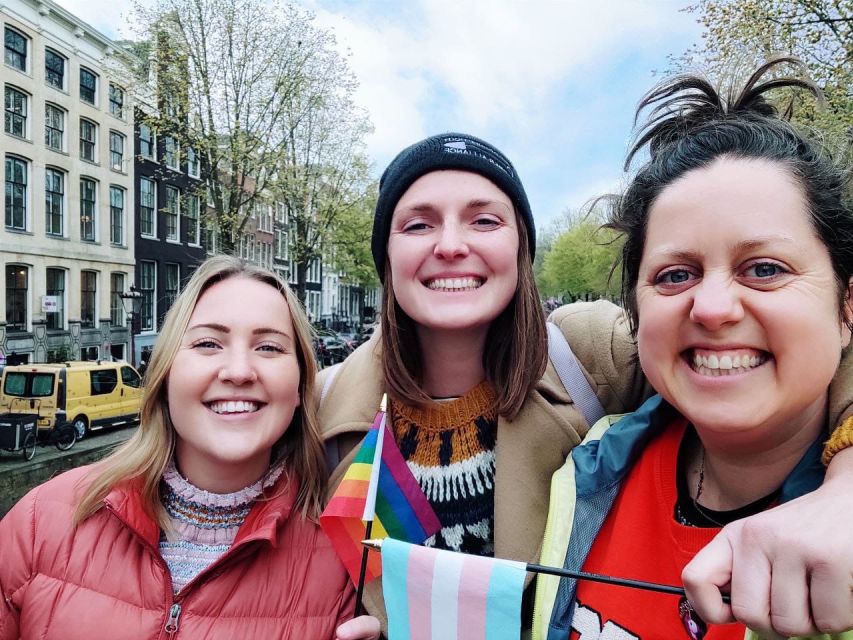
Two hours, one city, and many untold stories. This Amsterdam Queer City Walking Tour with Sanne threads LGBTQI+ history through Dam Square and the oldest streets, linking people, places, and Pride-era protests in a way most tours skip.
I especially liked the personal stories woven into each stop, including Sanne’s own moments around love and identity in Amsterdam. I also like that you don’t just look at landmarks, you learn what shaped them, from the Homomonument to the evening buzzer of Café ‘t Mandje.
One drawback: it is a steady 2-hour walk in rain or shine, so come with comfortable shoes and proper rain gear if the weather turns.
In This Review
- Key things to know before you go
- Dam Square and the National Monument: a queer lens from the first minute
- Homomonument, Belle, and Condomerie: turning street corners into real meaning
- Amsterdam’s Pride and protest stories, plus unicorns by the Palace
- Red Light District walk: queer life in the city’s oldest streets
- Zeedijk Street, Pride Clothing, and the passing moments that add up
- Eagle Amsterdam and Kokopelli: where the city’s queer energy shows today
- Dancing Houses photo stop and the finish at Café ‘t Mandje
- Languages, group feel, and who this is best for
- Price and value: is $59 per person worth it?
- Practical tips so the walk feels easy
- Should you book this Amsterdam Queer City Walking Tour with Sanne?
- FAQ
- How long is the Amsterdam Queer City Walking Tour?
- Where is the meeting point?
- What languages is the tour offered in?
- Is this tour only for LGBTQI+ visitors?
- Does the tour run in rain?
- Is the tour wheelchair accessible?
- How much does the tour cost?
- What should I bring?
- Is free cancellation available?
Key things to know before you go
- Dam Square start point: you begin at the National Monument, then build context fast with controversial origin stories
- Sanne’s personal angle: the tour is dense with lived details, not just dates and facts
- Stop-by-stop LGBTQI+ landmarks: Homomonument, Condomerie, Kokopelli, and more, with guided moments
- Pride and protest focus: you connect Amsterdam’s celebrations to the struggle underneath
- Red Light District included: you walk through the queer heart of the city and keep it human, not sensational
Prefer to see it on foot? More Amsterdam walks
- Anne Frank’s Story – Guided Walking Tour through Amsterdam★ 5.0 · 11,619 reviews
- Amsterdam: Life of Anne Frank and World War II Walking Tour★ 4.8 · 10,467 reviews
- Absolutely Amsterdam – the Essential Introductory Walking Tour★ 5.0 · 3,629 reviews
- Amsterdam: Anne Frank Guided Small Group Walking Tour★ 4.8 · 2,722 reviews
Dam Square and the National Monument: a queer lens from the first minute
The tour starts at the National Monument at Dam Square, so you begin in one of Amsterdam’s most central, easy-to-find areas. That matters because it sets the tone right away: this is not a far-flung side quest, it is about how queer life fits into the city’s main story.
What I like about starting here is the immediate shift in perspective. Sanne shares controversial stories about how the monument came to be, then you carry that lens into the next stops, where the past becomes more personal and less abstract.
If you are the type who gets restless with purely lecture-style tours, you will probably like this one. It is paced like a walk with conversations, and Sanne keeps steering you back to what it meant for real people, including her own experience living openly in Amsterdam.
Homomonument, Belle, and Condomerie: turning street corners into real meaning
Next up is the Homomonument, one of those places where you can feel the weight of what it stands for. You get a guided segment there, about 20 minutes, which is enough time to go beyond surface photos and understand the context behind it.
Then the tour moves to Belle for a shorter guided stop. It is brief, but the payoff is that it keeps the story moving through the neighborhood’s queer fabric, not just one iconic site.
The Condomerie stop is one of the strongest “why this matters” moments on the route. You will spend about 10 minutes here learning about the first condom shop in the world, and how it was born out of necessity during the AIDS crisis. That detail is important, because it reframes queer history as something practical, urgent, and tied to public health, not just nightlife and slogans.
As you connect these dots, you start to see the theme: the tour keeps showing how Amsterdam’s LGBTQI+ story includes courage, activism, and survival, not only celebration.
Amsterdam’s Pride and protest stories, plus unicorns by the Palace
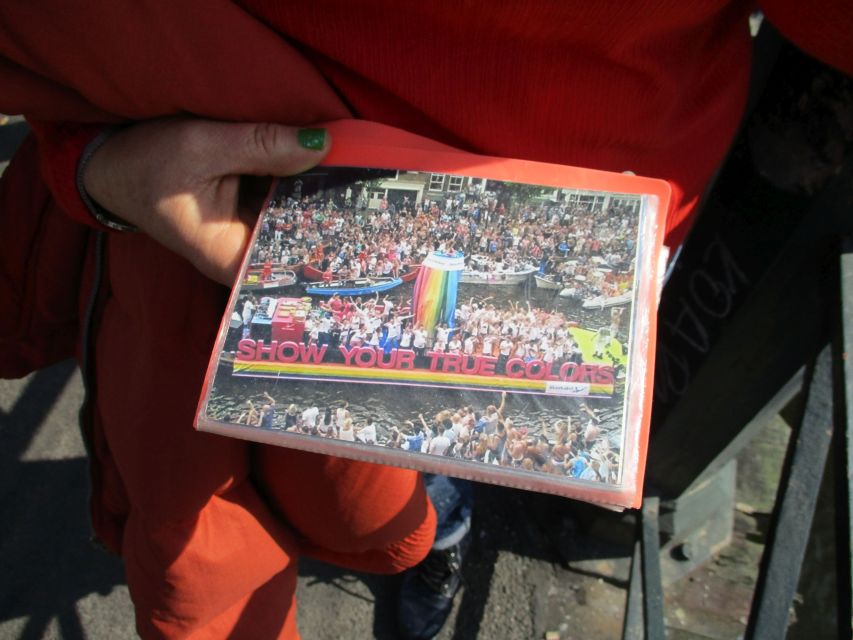
The tour keeps returning to the idea that Pride is not just a party. Sanne frames it as something grown from protests and lived community power, with Pride celebrated on the city’s canals.
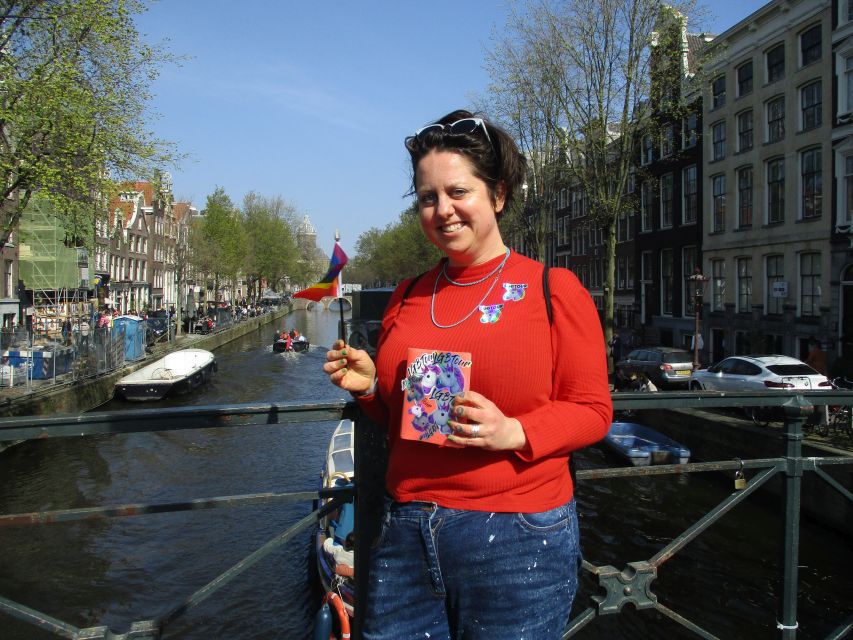
Along the way, there is also a fun visual prompt that helps the history stick. You get time looking at the Royal Palace area and noticing unicorns on a “Queenish” building, then hearing what that symbolism means in the wider queer-and-power conversation.
This is a good trick for your brain: the tour uses contrasts. Heavy stories show up next to lighter imagery, so you do not just slog through tragedy. You see how queer people have always been reading and rewriting public space.
Red Light District walk: queer life in the city’s oldest streets
One of the more memorable parts is the visit to the Amsterdam Red Light District, about 15 minutes. The tour frames this zone as the queer and historic heart of the city, and it also leans into the reality that Amsterdam’s story has always included sex work, visibility, and power struggles.
Now, a practical note: if you feel uncomfortable with that area’s atmosphere, you should mentally prepare. The tour does not turn it into a spectacle, but you are still walking through a place with an unmistakable presence.
That said, I like that Sanne treats the area as part of a broader queer history rather than treating it like a novelty photo stop. When you zoom out, the streets make more sense, and you get why this neighborhood became such a reference point in queer Amsterdam.
More trips where somebody else does the explaining


Zeedijk Street, Pride Clothing, and the passing moments that add up
After the Red Light District segment, you head along Zeedijk Street. You get about 15 minutes here on foot, using the street as a thread that connects several queer landmarks and identities across time.
There is also a pass-by moment at Pride Clothing. It is short, but it serves a purpose: it reminds you that queer life is not only historical. It is ongoing, commercial, creative, and visible in everyday street-level ways.
If you like tours where small details build into bigger themes, this portion works well. You are not always stopping and standing still, so the walk keeps moving, and you still get enough storytelling to understand what you are seeing.
Eagle Amsterdam and Kokopelli: where the city’s queer energy shows today
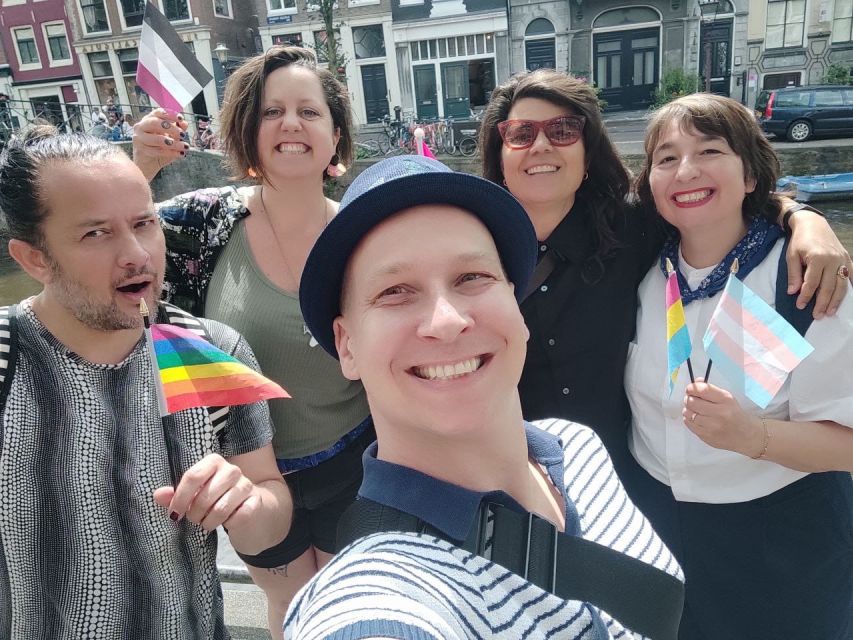
You pass by Eagle Amsterdam for about 5 minutes, then later you get a guided segment at Kokopelli. These stops are a reminder that queer Amsterdam has always been both public and social, with spaces that help people gather, take risks, and find community.
What I like is the balance. You do not stay stuck in only monument-level history. Instead, the tour includes places tied to going out, and you learn how that social side fits into the political and historical arc.
This part of the tour is also a good time to ask yourself what you came for. If you want atmosphere and context, this route gives you both. If you want only the heavy history, you still get it, but in a way that never loses track of modern life.
Dancing Houses photo stop and the finish at Café ‘t Mandje
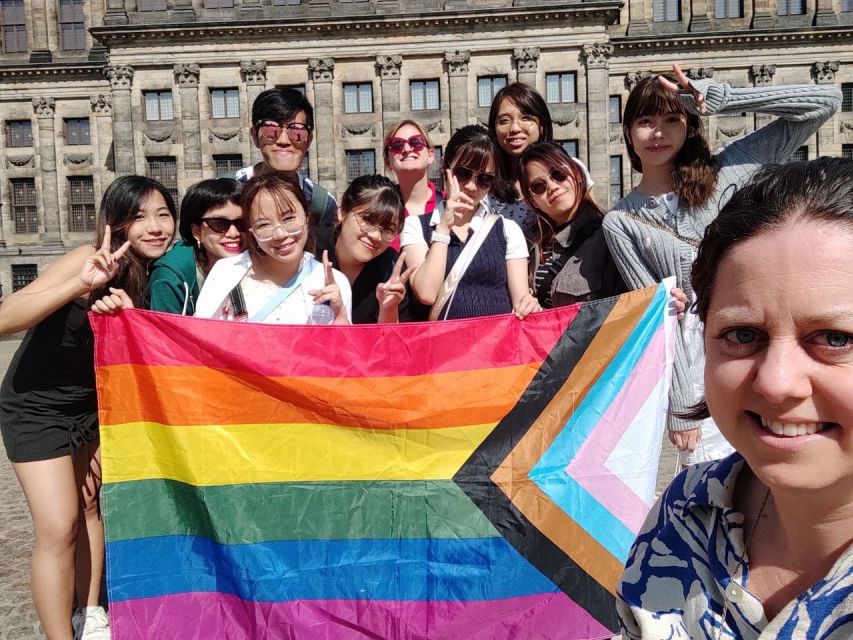
Near the end, you do a photo stop at Dancing Houses for about 10 minutes. It is a nice reset moment because it gives you room to look up, frame a shot, and catch your breath without losing the walk’s momentum.
Then the tour finishes at Café ‘t Mandje, which is presented as the oldest queer bar. That ending choice makes sense because it closes the loop: you started with a major public monument, and you end in a community space where people have long gathered.
If you like tours that end with a practical next step, this is a strong finish. Even if you do not stay long, you leave with a clear place to continue the evening in a way that matches the tour’s theme.
Languages, group feel, and who this is best for
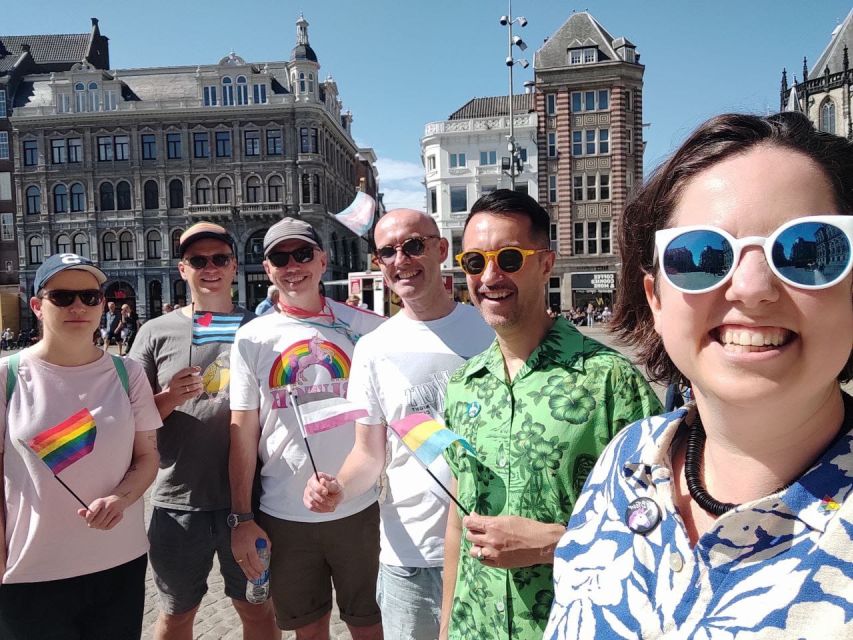
This tour runs with a live guide in English and Dutch, and it is designed as a small group experience. That small-group setup matters, because it makes it easier to ask questions and get answers that match what you are actually curious about, not what a large group happened to ask last.
I also like the clear welcome message: the rainbow is for everyone. That means you can go even if you do not identify as LGBTQI+ yourself, as long as you are open to listening and learning.
Who will enjoy this most:
- People who want queer history with personal stories, not just bullet-point facts
- First-timers who want an organized way to see major sites fast in 2 hours
- Anyone heading out later who wants a sense of where Amsterdam’s queer life has roots
If you need a very quiet, respectful experience with zero edge at all, you might want to check your comfort level before booking. The walk includes the Red Light District area, and the tour tackles real topics around identity and crisis.
Price and value: is $59 per person worth it?
At $59 per person for about 2 hours, the tour lands in the “serious but fair” category for Amsterdam. You are paying for a local guide, a structured route, and guided stops at multiple landmark points, not just a generic stroll.
I think the value comes from two places. First, Sanne’s storytelling is personal and specific, which tends to make the history stick. Second, you get a mix of sites tied to activism, identity, and community spaces, including Condomerie and the finishing bar.
If you are comparing this to doing history on your own, you could cobble together sites and read plaques. But the tour’s strength is the human connections and the way the guide helps you connect the dots between places you might not connect yourself.
Practical tips so the walk feels easy
- Wear comfortable shoes. This is a 2-hour walking format through the oldest parts of the city.
- Bring rain gear. The tour runs rain or shine.
- Consider sun protection too. A sun hat and sunscreen are recommended, which tells you the route can stay exposed at times.
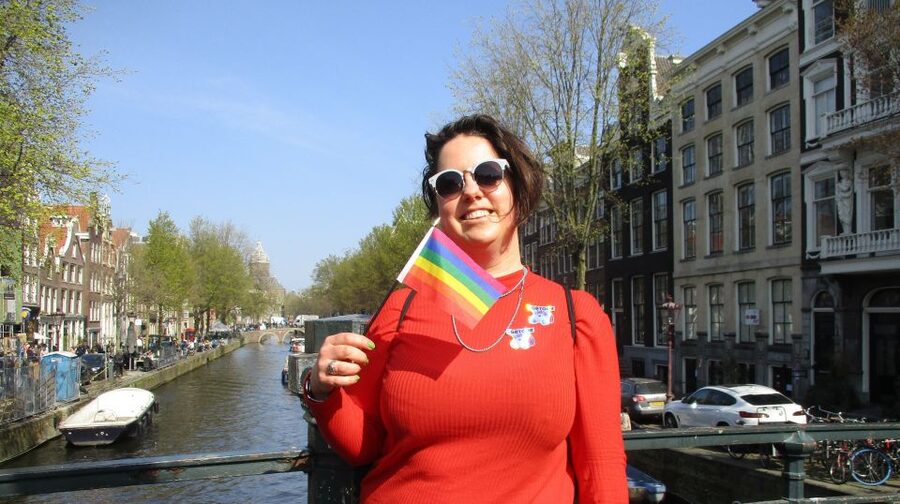
- Use the meeting moment. Sanne will be recognizable by a tiny rainbow flag at the National Monument, so arrive a few minutes early to settle in.
Also, if you have questions about LGBTQI+ history, Pride, or gender identity stories, this tour is a good place to ask. The structure gives you places to anchor your questions, and the guide has a way of connecting personal and public narratives.
Should you book this Amsterdam Queer City Walking Tour with Sanne?
I would book it if you want Amsterdam through an LGBTQI+ lens that mixes monument-level context with lived stories. Sanne’s approach makes the sites feel connected, and the tour does not treat queer history like a separate world. It shows how it runs through the city’s main streets, including Pride and protest, and it ends where the community keeps going.
I would hesitate if you hate walking in rain, or if the Red Light District area makes you uncomfortable. If that is you, check your comfort first and plan your expectations carefully.
FAQ
How long is the Amsterdam Queer City Walking Tour?
It lasts 2 hours.
Where is the meeting point?
You meet at the National Monument at Dam Square.
What languages is the tour offered in?
The live guide speaks English and Dutch.
Is this tour only for LGBTQI+ visitors?
No. Everyone is welcome, and the tour is framed with the idea that the rainbow is for everyone.
Does the tour run in rain?
Yes. It takes place rain or shine.
Is the tour wheelchair accessible?
Yes, it is wheelchair accessible.
How much does the tour cost?
The price is $59 per person.
What should I bring?
Wear comfortable shoes, and bring a sun hat, sunscreen, and rain gear, plus comfortable clothes.
Is free cancellation available?
Yes. You can cancel up to 24 hours in advance for a full refund.
Amsterdam at Walking Speed



Everything Else From Our Amsterdam Notebook


Also Reviewed Around Amsterdam


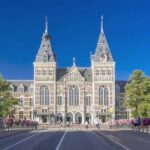

Fresh off the review pile in Amsterdam
- Full-Day Trip From Amsterdam to Keukenhof, Zaanse Schans + Cruise
★ 5.0 · 3 reviews - Boutique Dutch Food & History Tour with up to 8 guests only
★ 5.0 · 3 reviews - Private Tour to Windmills Zaanse Schans +Keukenhof – 7 Hours
★ 5.0 · 3 reviews - Full-Day Private Guided Countryside Tour from Amsterdam by Bike
★ 5.0 · 3 reviews - Amsterdam Red Light District and Old Town Walking Tour
★ 5.0 · 3 reviews
Walking Tours, compared.
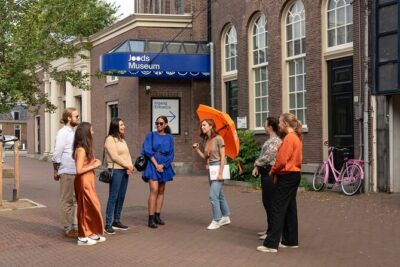 ★ 5.0Anne Frank’s Story – Guided Walking Tour through AmsterdamFrom $3911,619 reviews
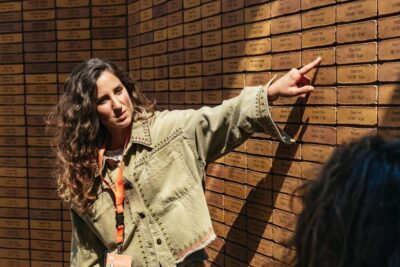 ★ 4.8Amsterdam: Life of Anne Frank and World War II Walking TourFrom $3710,467 reviews
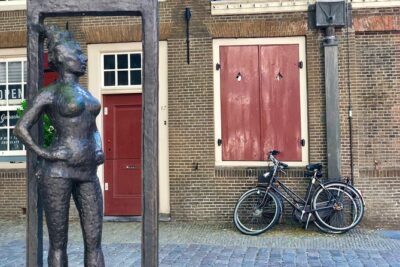 ★ 5.0Absolutely Amsterdam – the Essential Introductory Walking TourFrom $53,629 reviews
 ★ 4.8Amsterdam: Anne Frank Guided Small Group Walking TourFrom $282,722 reviews
 ★ 4.9Amsterdam: Anne Frank Walking Tour – Guided in EN/DE/IT/ESFrom $282,676 reviews
 ★ 4.9Amsterdam: Guided Cultural Walking TourFrom $292,384 reviews
 ★ 4.2Amsterdam: Guided Ganja Walking Tour of Coffee ShopsFrom $272,092 reviews
 ★ 5.0Anne Frank Walking Tour Amsterdam Including Jewish Cultural QuarterFrom $751,879 reviews
Browse the lists this tour appears in