
REVIEW · AMSTERDAM
Amsterdam: Rijksmuseum Private Tour
Golden Age paintings feel personal up close. This Rijksmuseum private tour turns the Dutch Masters into a clear, human story, with a guide pointing out techniques and meanings as you stand in front of the work.
I especially like the focus on how Rembrandt, Vermeer, and Frans Hals built their paintings, plus the way the guide gets you looking instead of just listening. A second big win: you see The Nightwatch in the Honorary Gallery, which is one of the most memorable sights in the whole museum.
One thing to consider is the museum crowds. Since the guide may have another tour after yours, you could feel a bit rushed near the end if you want extra time in one specific room.
In This Review
- Key highlights you will care about
- What a Rijksmuseum Private Tour Actually Changes
- Entering the Museum and Finding Your Guide in Real Life
- The Honorary Gallery and The Nightwatch: What You’ll Be Looking For
- From Medieval Art to Dutch Innovation: Why the Subject Matter Changed
- Why Dutch Golden Age Paintings Felt Closer to Real Life
- How Vermeer, Frans Hals, and Rembrandt Get Explained Like a Story
- Crowds, Timing, and How to Avoid the Rushed Feeling
- Price and Value: $235 for Up to Two People
- Who This Tour Fits Best (And Who Might Skip It)
- Booking Decision: Should You Book This Rijksmuseum Private Tour?
- FAQ
- How long is the Rijksmuseum private tour?
- Is this a private tour or a group tour?
- How many people can join?
- What is included in the $235 price?
- Do I need to buy Rijksmuseum tickets?
- Where do we meet the guide inside the museum?
- What languages are available for the live guide?
- Is the tour wheelchair accessible?
- Is free cancellation available?
- Do I need an Amsterdam Card for this tour?
Key highlights you will care about
- Honorary Gallery access for The Nightwatch, with help understanding what makes it different from other Rembrandt works
- Dutch Masters techniques explained in plain language, so you can spot brushwork, light, and composition choices
- A guided contrast between Medieval art and the Dutch Golden Age, including why everyday life became a favorite subject
- Interactive looking time, where the guide asks what you notice, what you like, and how styles compare
- Private pacing for up to two people, so the tour can match your interests rather than a fixed group route
- Skip-the-line advice included, plus guidance on making a famous museum manageable
Rembrandt, Vermeer and the rest. Further gallery visits
- Amsterdam: Rijksmuseum Entry Ticket★ 4.7 · 25,535 reviews
- Amsterdam: Fabrique des Lumières Dutch Masters Ticket★ 4.6 · 2,373 reviews
- Amsterdam: City Canal Cruise and Rijksmuseum★ 4.5 · 2,129 reviews
- Rijksmuseum Amsterdam Small-Group Tour with Private Upgrade★ 4.5 · 1,547 reviews
What a Rijksmuseum Private Tour Actually Changes
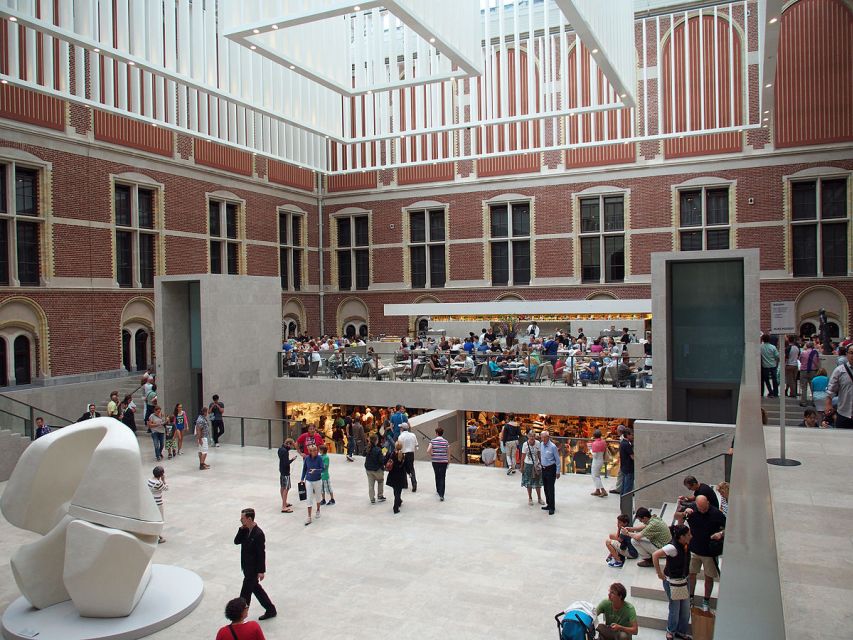
The Rijksmuseum can overwhelm you fast. Paintings are everywhere, and even big art fans can end up drifting room to room, hoping something clicks. A private 2-hour format helps because you get a concentrated route and a person who can steer your attention.
What makes this tour feel different is the guide’s emphasis on how the Dutch Masters made their work, not just who painted it. When you learn what to look for in a composition or in the handling of light, the paintings stop being distant masterpieces and start behaving like clear storytelling.
You also get a more flexible experience than you do in many museum tours. Instead of marching through a script, the guide can adjust to what you are drawn to. If portraits grab you, you can spend more time on faces and expressions. If it is genre scenes, you can focus on everyday details and the social messages hidden inside them.
Entering the Museum and Finding Your Guide in Real Life
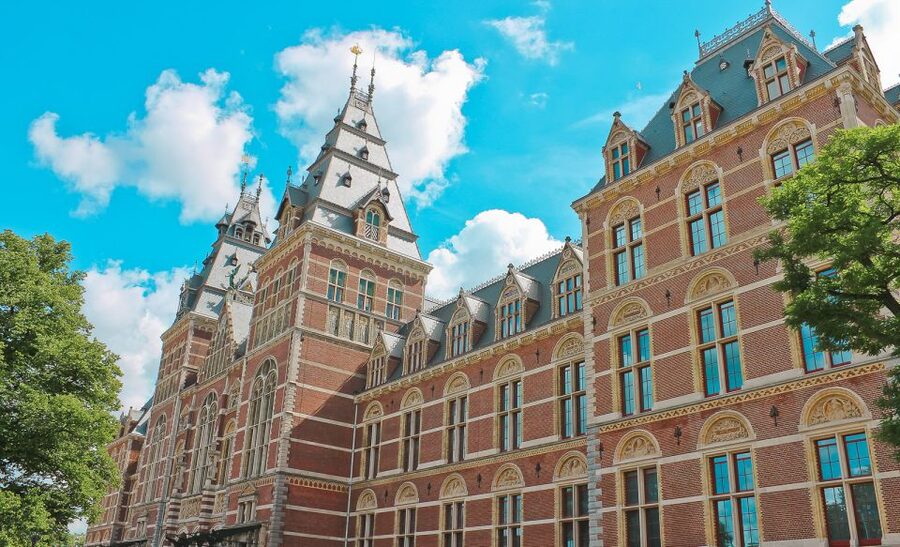
This tour meets inside the Rijksmuseum, after you get in. The meeting setup is simple, but in a huge building it is still easy to lose track of time. Plan to arrive with a little buffer so you can get yourself oriented before your guide shows up.
Here is the meeting point approach: you will see a round information counter. About 10 meters to the right, there is a small sign that says meeting point. That is where you meet your guide.
Two practical notes make this smoother:
- Entrance tickets are not included, so you should already have your museum entry sorted before the tour starts.
- The tour includes advice on how to skip-the-line or make it bearable. That is useful because lines at the Rijksmuseum can be the difference between a relaxed start and a stressed one.
If you are staying flexible, the optional Amsterdam Card can also help. The card is said to offer unlimited museum access and includes public transport like trams in town, plus train service from the airport to Amsterdam city centre. Even if you do not use it for everything, it can take pressure off your planning because transport is already covered.
The Honorary Gallery and The Nightwatch: What You’ll Be Looking For
Rembrandt’s The Nightwatch is the painting people come for. But the best part of a guided visit is learning what your eyes should catch first. In this tour, you get the chance to see it in the Honorary Gallery, and that matters because this is one of the museum’s signature viewing experiences.
A good guide does not treat The Nightwatch as a distant icon. Instead, they help you understand why it feels dynamic: the way figures are staged, how attention is directed, and how Rembrandt uses light and contrast to organize the scene. You also get help with the emotional energy of the moment, rather than just identifying characters.
The tour style is also interactive. Your guide may ask questions like what you notice right away, how you would compare it to other works, and what details feel most important. That kind of prompting is not filler. It trains your eye so that when you move to another painting, you already know how to read it.
One more practical benefit: The Nightwatch is a common crowd magnet. With a private guide, you are not stuck just waiting for your turn or getting swept along. You can ask for the best angles and for a short explanation that makes the painting click quickly.
From Medieval Art to Dutch Innovation: Why the Subject Matter Changed
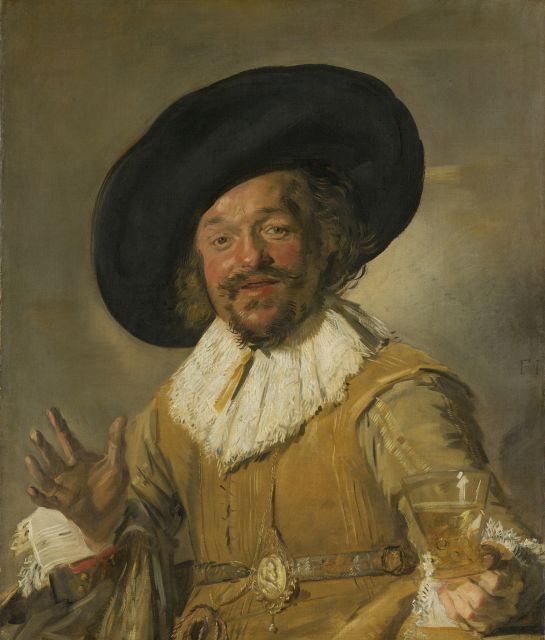
A big theme of the tour is how Dutch Masters of the 17th century differ from what came before. If you have ever felt like Medieval art looks symbolic or distant, this is where it starts to make sense.
Your guide will explain the difference between Medieval art and the more innovative Flemish and Dutch Masters. The point is not academic trivia. It is understanding a shift in how art communicated to everyday people.
Here is the idea you’ll hear in the tour: for many 17th-century viewers, a painting was like reading a book. There was no easy access to school books and television the way we have today. So paintings served as teaching tools and conversation pieces, often with messages that worked for people who knew the world around them.
You’ll also get context about how the Dutch ruled the waves, while following in the footsteps of Spanish and Portuguese influence. That maritime reality helped shape national pride and cultural tastes. And it shows up in what artists were painting and how audiences responded.
More Amsterdam trips with just your group


Why Dutch Golden Age Paintings Felt Closer to Real Life
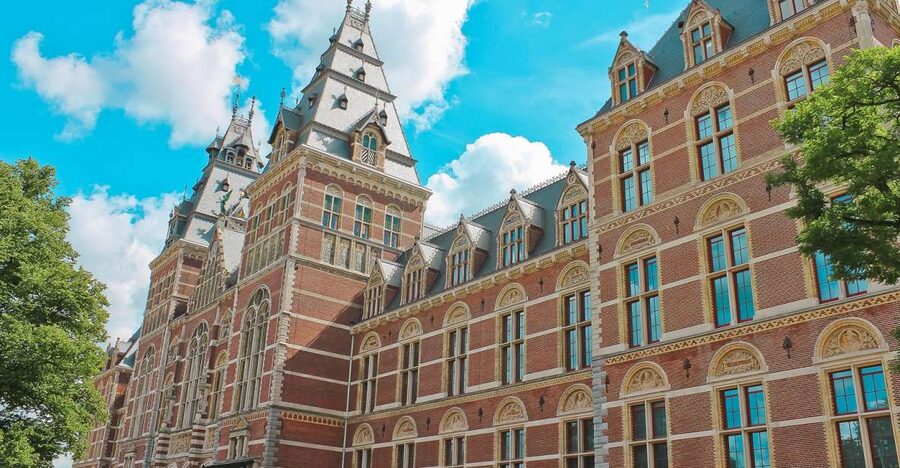
A huge part of the Dutch Golden Age appeal is that it is not only kings and myths. Yes, those subjects still exist. But this period also loved ordinary scenes, more daily life on the walls, and people who look like they could be your neighbor.
During the tour, your guide connects that shift to the way art functioned in society. If paintings were a kind of education, then everyday life became part of the curriculum too. Common subjects took the spotlight, including work, domestic scenes, and social moments. Even when the painting includes figures tied to myth or history, it often uses familiar visual language that feels human.
That is why the tour is so satisfying for first-time Rijksmuseum visitors. The museum is full of masterpieces, but without context, it can feel like a lineup of famous names. With context, the paintings become a window into how people thought, what they valued, and how they used art to make meaning.
How Vermeer, Frans Hals, and Rembrandt Get Explained Like a Story
This tour is not just about one masterpiece. It is about how the Dutch Masters used their tools to create impact.
In practice, you’ll spend time with major figures like Vermeer, Frans Hals, and Rembrandt, plus more works that fit the same Golden Age story. The guide explains technical aspects of painting in ways that do not require you to be an art student. You learn what the painter is doing with light, how composition guides the eye, and how details carry meaning.
What makes this work is the guide’s habit of getting you to participate. In similar tours led by Rolf Schreuder, the flow often starts with the museum itself, discussing architecture and history, then moves into the paintings. After that, you are not only hearing interpretations. You are also asked what you notice, what you like or do not like, and how styles compare from one work to the next.
That questioning style is especially good when you are traveling with family. Even if some people are not art-obsessed at home, they can still follow along because the guide asks simple, direct prompts. Kids and teens can respond. Adults can challenge their own assumptions. You all end up doing the real work of looking.
And the energy matters. The guides here have a reputation for being energetic and genuinely enjoying the subject, which helps when the museum is loud and crowded. Art needs attention, not just quiet.
Crowds, Timing, and How to Avoid the Rushed Feeling
The Rijksmuseum can be packed. That is true on most days, and it is especially true around the most famous rooms. The tour format helps, but you still need to travel smart.
Here is what to watch for: one visitor noted feeling a bit rushed toward the end because the guide had another tour afterward. That does not mean the whole tour is short or low quality. It just means you should decide what matters most to you before you start.
My practical suggestion is to pick your top two outcomes:
- If The Nightwatch is your main goal, let the guide know early. That way, you get the full explanation you want before time pressure starts.
- If you prefer Dutch genre scenes or portraits, tell the guide to prioritize works that match your taste, not just the most famous names.
Also, wear comfortable shoes. You will move. And if you are prone to distraction in crowded rooms, ask the guide to slow down for specific explanations. Private tours give you that chance.
Price and Value: $235 for Up to Two People
At $235 per group for up to 2, you should think of this as a couple-focused or small-family splurge. It is not cheap, but the value comes from what you get for the price: a dedicated guide for two people, plus help navigating the museum crowds.
Compare that to a typical group tour where you share the guide and follow a route that may not match your interests. Here, you can ask follow-up questions, spend extra time at a painting you care about, and get explanations tailored to what you are seeing. That is hard to price, but it changes the experience.
You also get skip-the-line or make-it-bearable advice, which can save you real time and stress. Since entrance tickets are not included, you still need to handle museum admission yourself. But good guidance at the start can make those minutes feel much less painful.
If you are traveling solo, it can still be worth it if you are the type who wants close, expert attention. If you have a group of three or more, though, this price structure is less ideal. For larger groups, you may want to compare other options that include more people under one booking.
Who This Tour Fits Best (And Who Might Skip It)
This private Rijksmuseum tour is best when you want more than a highlights pass. You will enjoy it if:
- you love Dutch Masters and want technique and context explained clearly
- you want to see The Nightwatch with guidance, not just a quick photo stop
- you prefer a calm, controlled experience over a larger group pace
- you are bringing family members who need help staying interested
It also supports different needs because it is wheelchair accessible. In at least one case, a guide arranged extra help for a wheelchair visit, which tells me the guides pay attention to comfort, not just route.
If you are the type who already knows the artists deeply and reads wall labels on your own, you might find you do not need a private guide. But if you want a shortcut to understanding what you are seeing, this is a strong fit.
Booking Decision: Should You Book This Rijksmuseum Private Tour?
Book it if you want the Rijksmuseum to feel readable. This tour is built around explanations you can use right away: painting technique, cultural context, and the meaning behind what you are looking at. The private format also means you can set your priorities, especially around The Nightwatch.
Skip it if you are mainly looking for a quick museum scan, or if you are comfortable learning on your own with minimal guidance. In that case, you might get enough value just by buying museum tickets and spending time with the gallery signs.
My take: if you are visiting the Rijksmuseum once and you want it to land, this private guide approach is one of the best ways to make the Golden Age feel close, not distant.
FAQ
How long is the Rijksmuseum private tour?
The tour is described as a 2-hour private visit of the Rijksmuseum.
Is this a private tour or a group tour?
It is a private group tour.
How many people can join?
The price is listed per group up to 2 people.
What is included in the $235 price?
It includes a private guide and advice on how to skip-the-line or make it bearable. Entrance tickets are not included.
Do I need to buy Rijksmuseum tickets?
Yes. Entrance ticket costs are not included.
Where do we meet the guide inside the museum?
You meet your guide inside the Rijksmuseum after you enter. Look for the round information counter, then go about 10 meters to the right to the sign that says meeting point.
What languages are available for the live guide?
The guide is available in Dutch, English, and German.
Is the tour wheelchair accessible?
Yes, the tour is wheelchair accessible.
Is free cancellation available?
Yes, you can cancel up to 24 hours in advance for a full refund.
Do I need an Amsterdam Card for this tour?
You do not have to use one, but it is noted that you will benefit from getting an Amsterdam Card because it includes unlimited museum access and public transport.
Everything Else From Our Amsterdam Notebook





Also Reviewed Around Amsterdam





The Dutch Masters, Up Close


Fresh off the review pile in Amsterdam
- Full-Day Trip From Amsterdam to Keukenhof, Zaanse Schans + Cruise
★ 5.0 · 3 reviews - Boutique Dutch Food & History Tour with up to 8 guests only
★ 5.0 · 3 reviews - Private Tour to Windmills Zaanse Schans +Keukenhof – 7 Hours
★ 5.0 · 3 reviews - Full-Day Private Guided Countryside Tour from Amsterdam by Bike
★ 5.0 · 3 reviews - Amsterdam Red Light District and Old Town Walking Tour
★ 5.0 · 3 reviews
Rijksmuseum & the Dutch Masters, compared.
 ★ 4.7Amsterdam: Rijksmuseum Entry TicketFrom $3125,535 reviews
 ★ 4.7Amsterdam: Rembrandt House Museum Entrance TicketFrom $233,385 reviews
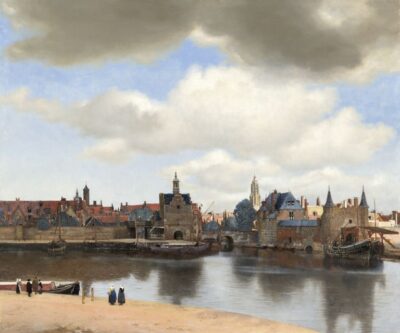 ★ 4.7The Hague: Mauritshuis Entrance TicketFrom $252,706 reviews
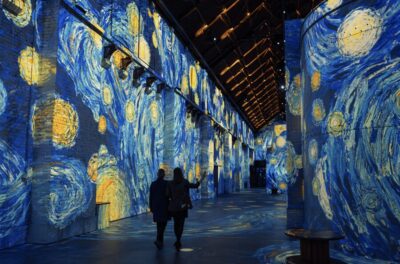 ★ 4.6Amsterdam: Fabrique des Lumières Dutch Masters TicketFrom $212,373 reviews
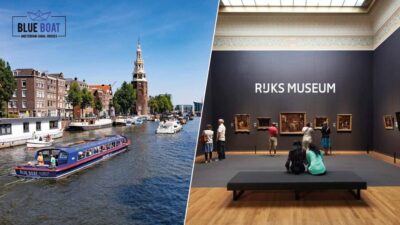 ★ 4.5Amsterdam: City Canal Cruise and RijksmuseumFrom $452,129 reviews
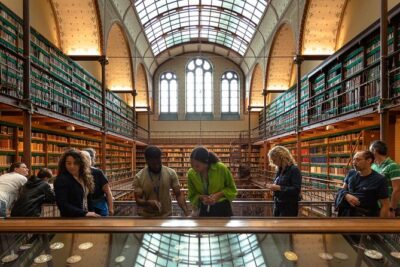 ★ 4.5Rijksmuseum Amsterdam Small-Group Tour with Private UpgradeFrom $901,547 reviews
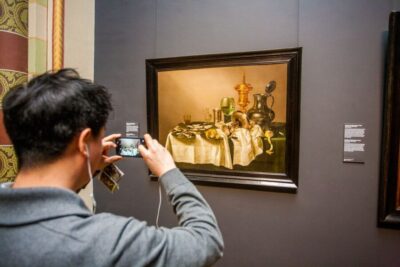 ★ 4.3Amsterdam: Rijksmuseum Entry Ticket and Canal Cruise ComboFrom $451,276 reviews
 ★ 4.7Amsterdam: Rijksmuseum Guided Tour and TicketFrom $78649 reviews
Browse the lists this tour appears in