
REVIEW · AMSTERDAM
Amsterdam: Small-group Guided Walking Tour (French/English)
Amsterdam clicks into place on foot. This small-group guided walk uses local stories to connect Dam Square, the Jordaan, and the UNESCO canal belt into one easy morning or afternoon loop. One thing to keep in mind: it’s built around quick photo stops, so if you want long indoor time, you’ll need a bit of self-guided follow-up.
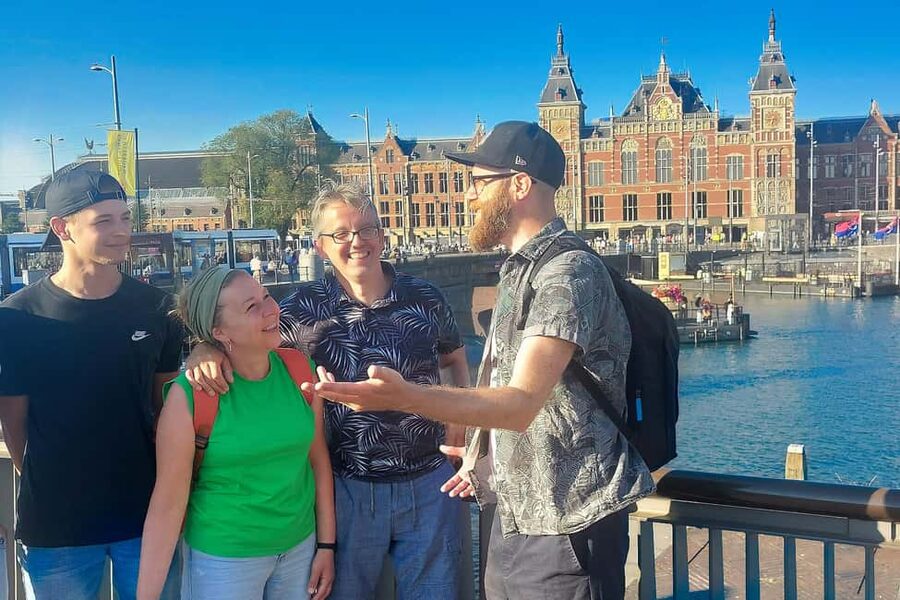
I like that the guide is interactive and practical, not just reciting facts. Chris answers questions as you go, then hands you a bundle of links so you can pick the best next meals, shops, and sightseeing with less trial and error.
If you’re new to Amsterdam, this tour is a strong orientation. If you’re extremely history-focused and want museum entry at every stop, you might prefer a longer, entry-included option later the same day.
In This Review
- Key highlights worth your attention
- Price and what you actually get for $33
- Finding the meeting point by Central Station (and starting on the right foot)
- The walking route: from Pancakes Amsterdam to Dam Square
- Stop-by-stop, early highlights (1 to 6)
- Hidden Amsterdam details: Oude Kerk, secret courtyards, and the attic church museum
- Stop-by-stop, “old town” flavor (7 to 11)
- Trading history and canal-belt context, up to Dam Square
- Stop-by-stop, Golden Age clues (12 to 18)
- Anne Frank House area and Westerkerk, then the Jordaan
- Stop-by-stop, emotionally and visually memorable (19 to 21)
- What I like about Chris’s guiding approach (and why it matters)
- How this tour fits your schedule (and who should book it)
- Practical tips to make the most of the last 2 hours of your Amsterdam trip
- Should you book this Amsterdam walking tour?
Key highlights worth your attention
- Chris’s question-driven style makes the walk feel like a smart chat plus great storytelling
- Dam Square to Jordaan covers the core “first-time” Amsterdam neighborhoods in 2 to 3 hours
- UNESCO Grachtengordel focus helps you understand what you’re actually looking at along the canal belt
- Photo-stop efficiency lets you see more of the city center without wearing yourself out
- Dining and sightseeing recommendations come with helpful links you can use immediately after
- French or English guidance so you can relax and enjoy the walk in your preferred language
Prefer to see it on foot? More Amsterdam walks
- Anne Frank’s Story – Guided Walking Tour through Amsterdam★ 5.0 · 11,619 reviews
- Amsterdam: Life of Anne Frank and World War II Walking Tour★ 4.8 · 10,467 reviews
- Absolutely Amsterdam – the Essential Introductory Walking Tour★ 5.0 · 3,629 reviews
- Amsterdam: Anne Frank Guided Small Group Walking Tour★ 4.8 · 2,722 reviews
Price and what you actually get for $33
At $33 per person for a 2 to 3 hour walking tour, you’re paying for one thing: a local guide who can turn Amsterdam’s biggest sights into something you understand, not just something you pass by. You’re not buying a ticket to attractions. You’re buying context, route sense, and good next steps.
That value shows up in two ways. First, the pace is designed for city-center orientation, so you’re not stuck wandering aimlessly on day one. Second, you get practical recommendations for food, drinks, shopping, boats, and sightseeing, plus links after the tour. That extra planning help can easily be worth more than the ticket price when you’re trying to decide where to spend your limited time.
Main trade-off: because it’s a walk with a lot of stops, drinks and food aren’t included, and many sites are seen as quick photo stops. I think that’s fair for the price. Just plan to eat after, and if you care about one specific indoor stop, treat the tour as your pre-game, then go deeper on your own.
Finding the meeting point by Central Station (and starting on the right foot)
The meet-up is behind Amsterdam Centraal Station, where the white and blue ferries leave for Amsterdam North. Look for Pancakes Amsterdam at the IJ near the water, then the big ferry sign showing the letter D by the bike lane.
This matters because Amsterdam Central is busy, and arriving late can ruin the first few minutes. When you spot the guide, you’ll know them by the glasses, beard, and baseball hat.
What I recommend you do before you go:
- Wear comfortable shoes, because you’ll be on sidewalks and bridges for the full route.
- Bring water. Even a “short” tour can feel longer in humid or cold weather.
- Pack a small umbrella. Dutch weather has a way of changing its mind quickly.
- Dress in layers so you can adjust when you move from open squares to canal-side breezes.
And yes, the route can adjust if there’s construction or other unforeseen issues. That flexibility is useful in a city that’s always updating.
The walking route: from Pancakes Amsterdam to Dam Square
The tour kicks off at Pancakes Amsterdam at the IJ, which is a smart opener. You start near the water, so you’re already in the setting that shaped Amsterdam’s growth. From there, the guide points you toward the center and starts building the timeline in your head.
Stop-by-stop, early highlights (1 to 6)
- Pancakes Amsterdam at the IJ: Your starting landmark, set right by the water.
- Amsterdam Centraal Station (photo stop): A quick orientation at a city gateway.
- Dancing Houses (photo stop): These leaning, quirky buildings give you an immediate feel for Amsterdam’s mix of engineering and personality.
- Basilica of Saint Nicholas (photo stop): You get a taste of the city’s religious and architectural layers without getting stuck in long lines.
- Zeedijk Street (photo stop): This street is a good way to shift from “icon photos” into real street-life energy.
- Major Alida Bosshardt Statue (photo stop): A smaller stop that adds human scale and helps you see Amsterdam beyond the biggest postcard sights.
A small note on expectations: many of these are intentionally brief. The benefit is speed and flow. The drawback is you won’t linger. If you love one of these stops, ask your guide what to see next in that exact area after the tour.
More trips where somebody else does the explaining


Hidden Amsterdam details: Oude Kerk, secret courtyards, and the attic church museum
After Zeedijk, the route moves into older cores and places where Amsterdam’s history feels close enough to touch.
Stop-by-stop, “old town” flavor (7 to 11)
- Ons’ Lieve Heer op Solder, Our Lord in the Attic Museum (photo stop): Even if you do not go inside, you’ll get a sense of Amsterdam’s surprise factor. It’s an unusual way to think about how life and religion fit into the city.
- Oude Kerk (photo stop): One of the anchors of Amsterdam’s older streetscape.
- Burgwallen Oude Zijde (photo stop): This is where the city’s canal-zone texture starts to show up in your photos.
- Amsterdam Chinatown (photo stop): A reminder that Amsterdam’s story is not frozen in one century. Cultural neighborhoods keep evolving.
- De Waag Restaurant (photo stop): The name points to the city’s history of trade and measurement, which is a helpful theme for what comes next.
The best part of this stretch is how the guide connects the dots. You’re not just seeing buildings. You’re being taught how Amsterdam thought, worked, traded, and reorganized itself over time.
Trading history and canal-belt context, up to Dam Square
This is the section where the tour starts to feel like a narrative. Amsterdam went from a small riverside fishing spot into a major European trading hub, and you’ll hear that story tied to specific places.
Stop-by-stop, Golden Age clues (12 to 18)
- VOC, Dutch East India Company (photo stop): A clear way to talk about Amsterdam’s role in worldwide trade.
- Narrowest House in Europe (photo stop): It’s a visual reminder of how land constraints shaped building design.
- Dam Square (photo stop): Amsterdam’s big central stage, ideal for understanding why the city’s politics and commerce took shape here.
- Royal Palace, Amsterdam (photo stop): A fast look that signals power and history in one location.
- Magna Plaza (photo stop): A modern contrast right in the center, useful for seeing how Amsterdam updates without losing its core layout.
- Torensluis Bridge, Amsterdam (photo stop): Bridges in Amsterdam are like punctuation marks. They frame canals and help you connect the geometry.
- Grachtengordel (photo stop): This is the UNESCO-designated canal belt area, and it’s a key visual lesson for first-timers. Once you understand what to look for, you’ll notice it in every photo later.
The UNESCO canal belt stops are where a good guide really pays off. Without context, canals are just pretty water. With context, you start seeing planning, wealth, and the city’s long-term thinking.
Anne Frank House area and Westerkerk, then the Jordaan
The final stretch shifts to neighborhoods where Amsterdam feels more lived-in and local, and you’ll end with the Jordaan, which is one of the city’s most beloved areas for wandering.
Stop-by-stop, emotionally and visually memorable (19 to 21)
- Anne Frank House (photo stop): You’ll get a brief look while hearing the story of Anne Frank. This is one of those stops where respect matters. It’s also a place where many people want more time later, so use the tour to learn what you want to revisit.
- Westerkerk (photo stop): Another strong historic landmark that helps anchor the city’s skyline.
- The Jordaan (photo stop): The finale. This is where you should expect a change in mood, more charming streets, and a neighborhood feel that makes you want to keep walking after the tour ends.
If you’re short on time, I’d still treat the Jordaan as your “linger zone.” The whole tour sets you up to understand where you are, but the Jordaan is often where the city starts to feel personal.
What I like about Chris’s guiding approach (and why it matters)
The most praised part of this tour is the guide, and it shows in the details. Chris is friendly and welcoming, and the tour is interactive, so you’re not stuck in passive listening mode. He also brings stories in a way that makes landmarks connect to daily life, not just architecture.
Here’s why that matters for your trip:
- You’ll understand the why behind the where. Amsterdam’s layout, trade history, and cultural neighborhoods make more sense after you hear the city’s evolution from fishing village to trading hub.
- You’ll get “use it tomorrow” recommendations. People love a tour for its sights, but you’ll remember it if it helps you eat well and choose smarter plans.
- You’ll leave with links. That sounds small until you’re standing at a menu or booking a boat ride with limited time. Having a clear set of options saves you energy.
Also, the stories and fun facts are not random. You’ll hear about Dutch heritage topics like tulip mania, plus lighter fun facts that help the time pass quickly.
How this tour fits your schedule (and who should book it)
This tour works best when you want quick city-center orientation without committing your whole day to one area. It’s also ideal if you like walking and you want a guide to point out what matters so you can explore more confidently afterward.
You’ll likely get the most value if you:
- Arrive in Amsterdam and want your bearings fast.
- Want both big icons (Dam Square, Royal Palace, canal belt) and smaller stops (Oude Kerk, unusual houses, local neighborhood changes).
- Prefer a small group so questions are actually possible, not just heard in the background.
It may not be the best fit if you:
- Want lots of museum entry time. This is largely a walk with photo stops.
- Hate walking on mixed surfaces. You’ll be outdoors for the full duration, so plan for weather and bring the right shoes.
Practical tips to make the most of the last 2 hours of your Amsterdam trip
After the tour, use your new route sense. Instead of trying to do everything, pick one theme for the rest of the day.
A simple plan:
- If Anne Frank House is a priority for you, decide quickly whether you want longer time there, since you’ll already understand why it matters.
- If you love photos of canals and architecture, return to the UNESCO canal belt area and spend time looking for details you heard about.
- If you want a calmer vibe, head into the Jordaan and treat it like a wandering neighborhood, not a checklist.
And when you eat, don’t overthink it. The guide’s dining and snack suggestions are meant for real travel decisions, not theory. You’ll also likely want Dutch comfort food, and it’s worth following the guide’s lead for something like bitter ballen.
Should you book this Amsterdam walking tour?
If you want a smart, efficient first look at Amsterdam’s center, I think this is a strong choice. For $33, you get more than landmark photos. You get a guided storyline connecting the canal belt, the city center, and Amsterdam’s cultural layers, plus direct recommendations and links to keep your plans from stalling after the walk.
Book it if you’re happy with a walking tour format and you want context more than long museum time. Skip it, or pair it with other plans, if you want lots of indoor entry during the same session.
If your goal is to feel grounded in Amsterdam quickly, this is the kind of tour that can set up the rest of your trip in a very practical way.
Amsterdam at Walking Speed




Everything Else From Our Amsterdam Notebook


Also Reviewed Around Amsterdam
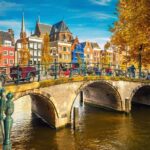




Fresh off the review pile in Amsterdam
- Full-Day Trip From Amsterdam to Keukenhof, Zaanse Schans + Cruise
★ 5.0 · 3 reviews - Boutique Dutch Food & History Tour with up to 8 guests only
★ 5.0 · 3 reviews - Private Tour to Windmills Zaanse Schans +Keukenhof – 7 Hours
★ 5.0 · 3 reviews - Full-Day Private Guided Countryside Tour from Amsterdam by Bike
★ 5.0 · 3 reviews - Amsterdam Red Light District and Old Town Walking Tour
★ 5.0 · 3 reviews
Walking Tours, compared.
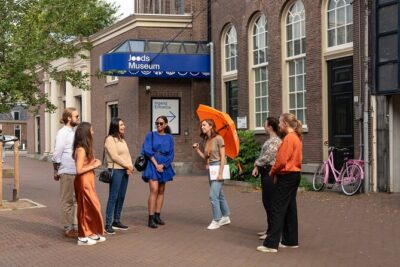 ★ 5.0Anne Frank’s Story – Guided Walking Tour through AmsterdamFrom $3911,619 reviews
 ★ 4.8Amsterdam: Life of Anne Frank and World War II Walking TourFrom $3710,467 reviews
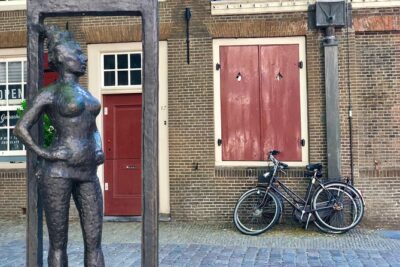 ★ 5.0Absolutely Amsterdam – the Essential Introductory Walking TourFrom $53,629 reviews
 ★ 4.8Amsterdam: Anne Frank Guided Small Group Walking TourFrom $282,722 reviews
 ★ 4.9Amsterdam: Anne Frank Walking Tour – Guided in EN/DE/IT/ESFrom $282,676 reviews
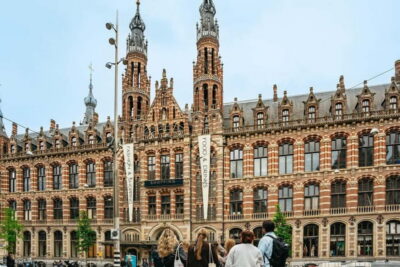 ★ 4.9Amsterdam: Guided Cultural Walking TourFrom $292,384 reviews
 ★ 4.2Amsterdam: Guided Ganja Walking Tour of Coffee ShopsFrom $272,092 reviews
 ★ 5.0Anne Frank Walking Tour Amsterdam Including Jewish Cultural QuarterFrom $751,879 reviews
Browse the lists this tour appears in