
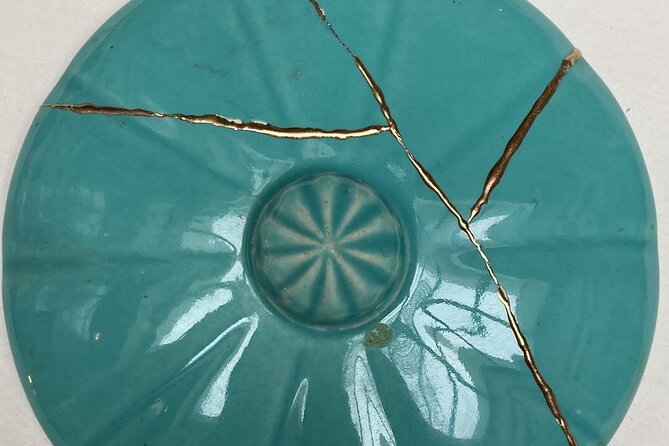
REVIEW · WORKSHOPS
Kintsugi Workshop “The art of Imperfection”
Cracks have a way of telling stories. In this Amsterdam workshop, you learn Kintsugi, the Japanese art of restoring broken pottery with golden details that celebrate the damage instead of hiding it.
Two things I love here are the hands-on, step-by-step repair process and the calm, mindful tone that turns craft time into a reset button.
One thing to keep in mind: it is not built for kids under 10, and the session does call for a moderate physical fitness level.
In This Review
- Key Things To Know Before You Go
- Kintsugi In Amsterdam: The Golden Crack-Line Lesson
- The 2-Hour Flow: From Symbolic Break to Finished Repair
- Why Wabi-Sabi Shows Up in Your Hands, Not Just Your Head
- What You’ll Do With Your Materials (And What You Might Bring)
- Meeting at Paleisstraat 107 and Handling the Wednesday Timing
- Small Group Workshop Value: Why $90.11 Makes Sense Here
- Who Should Book This Kintsugi Workshop (And Who Should Skip It)
- How to Prepare for a Calm, Mess-Minimal Session
- Should You Book Kintsugi Workshop The Art of Imperfection?
- FAQ
- How long is the Kintsugi workshop?
- What time does the workshop run in Amsterdam?
- Is the workshop offered in English?
- What’s included in the price?
- Is there an age limit for this experience?
- What is the cancellation policy?
Key Things To Know Before You Go
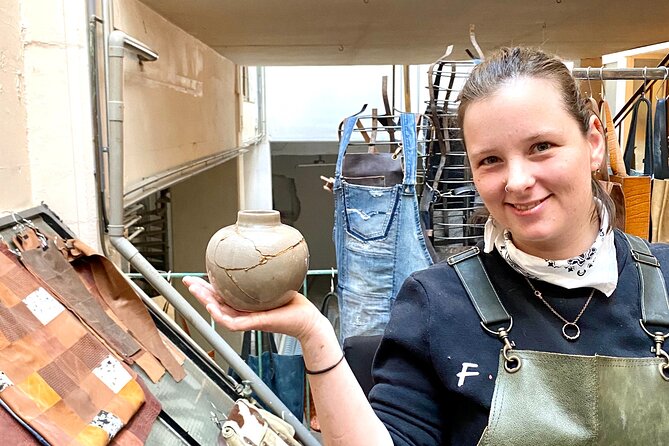
- Small group size (max 6): you get more personal attention during the repair steps.
- Golden leaf glue approach: you’re not just fixing a crack, you’re learning how to highlight it.
- Symbolic plate breaking: a guided start that makes the whole idea click fast.
- English-led session: straightforward instruction throughout.
- All materials included: you can show up without hunting tools or supplies.
- Wednesday afternoon timing: the workshop runs on Wednesdays from 2:00 PM to 4:00 PM.
Other Amsterdam sessions where you make something
- Amsterdam: Traditional Dutch Syrup Waffle Making Workshop★ 4.8 · 4,093 reviews
- Amsterdam Traditional Dutch Syrup Waffle Making Workshop★ 5.0 · 960 reviews
- Amsterdam: Bols Cocktail Experience and Cocktail Workshop★ 4.8 · 666 reviews
- Amsterdam: 3-Course Meal in Historic 1st Class Waiting Rooms★ 4.5 · 292 reviews
Kintsugi In Amsterdam: The Golden Crack-Line Lesson
If you’ve ever found yourself holding a broken thing a little too long, this workshop speaks to that feeling. Kintsugi turns fractures into design, using golden leaf glue to mark the “fault lines” of an object’s past. Instead of treating damage as failure, the method treats it like information.
This is a 2-hour, English-language activity in central Amsterdam at Paleisstraat 107, 1012 ZL. The setting is structured but relaxed, with a serene start that keeps you from rushing the craft. And with a top score of 4.8 out of 5 and 94% recommending it across 16 reviews, the vibe is more than just “interesting on paper.”
I also like that the experience connects craft to mindset. You’re not only learning a technique, you’re practicing focus, patience, and fine hand movements that carry over to daily life. Think of it as a practical form of calm, not just a souvenir workshop.
The 2-Hour Flow: From Symbolic Break to Finished Repair
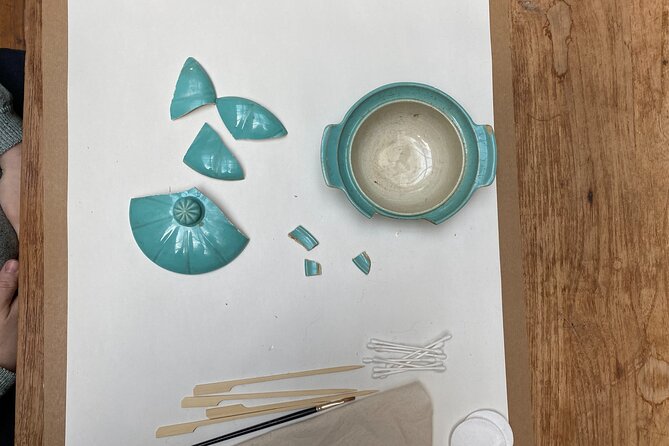
The session runs for about 2 hours, and it follows a clear rhythm. You’ll start with a gentle introduction that sets the why behind the technique, then you move into the physical parts that make Kintsugi real.
First comes the setup and orientation. Expect a calm introduction to how Kintsugi works, including the idea that cracked pottery can become more beautiful through repair. This matters because you’re doing more than sticking shards back together, you’re learning a philosophy of imperfection.
Then you hit the symbolic moment. You’ll break a plate symbolically to mark a fresh start, which is a clever way to shift your mindset from “before damage” to “after repair.” This part also helps you understand that the goal is not to erase history, it’s to reframe it.
After that, the core work begins: you reassemble the shards patiently. You’re guided step-by-step while you put pieces back into place and apply the golden leaf glue. This is where the workshop feels most satisfying, because you can actually see the object change as the crack lines become part of the design.
Finally, you end with a finished look that reflects the wabi-sabi idea behind the art. Even if you’re new to crafts, the structure gives you enough direction to feel capable by the end. And because it is a small group, you’re less likely to get lost in a crowd while you work.
Why Wabi-Sabi Shows Up in Your Hands, Not Just Your Head
Kintsugi is often explained as an art style, but the real value is how it changes your attention. The workshop frames the technique through wabi-sabi, the appreciation of natural wear, imperfection, and time. That shift is practical because it changes what you focus on while your hands are busy.
The history angle matters too. Kintsugi is rooted in the 15th century, and the workshop links today’s design sensibilities to that older idea. You can see the logic: if beauty includes wear and fractures, then the repair should reflect reality, not deny it.
The golden details are the key. The golden leaf glue is not a random decoration, it is the visual language of the method. It turns the crack into a line drawing, like the object is signing its own story.
You also get a ready metaphor you can use outside art time. The experience talks about letting go, embracing new beginnings, and finding meaning in resilience. You are likely to leave with the kind of takeaway that feels usable, not just poetic.
And for what it’s worth, the workshop is designed to be calming while still being creative. One review highlighted how the instructor, Annelies, welcomed the group warmly and helped create a fun learning environment. That combination, friendly guidance plus focused craft time, is exactly why this style of workshop works.
What You’ll Do With Your Materials (And What You Might Bring)
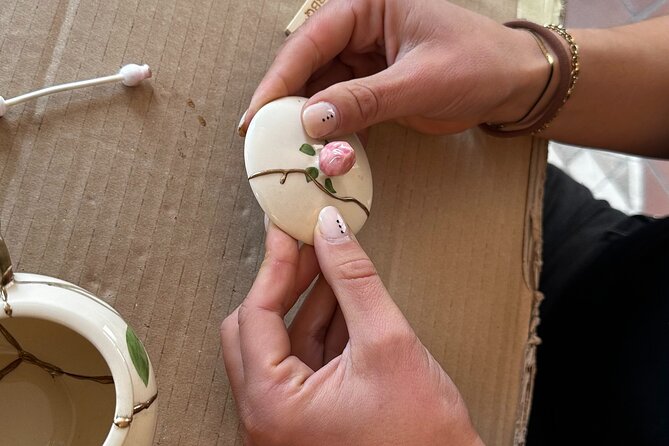
This experience includes all materials needed. That is a big part of the value, because Kintsugi-style repairs usually involve specific supplies and careful handling. You do not need to arrive with tools, glue, or knowledge of the process.
You should expect to work with pieces provided for the symbolic breaking moment. A review mentioned the instructor had items for participants to break as part of the activity, which suggests you are not scrambling to find your own damaged plate.
Coffee and/or tea are not included, so plan your snack or drink timing. If you’re sensitive to hunger while doing fine motor work, grab a coffee before you head in.
What should you bring? Practical basics only: comfortable clothes you can move in, and something to protect your hands from glue-adjacent mess. The workshop notes a moderate physical fitness level, so if you have mobility issues that make sitting or careful handwork hard, consider that before booking.
If you have a personal item you’d love to repair, you might find it worth asking in advance whether bringing your own piece is an option. One reviewer said it would have been fun to bring something to fix at home. Since the only firm detail here is that materials are provided, asking ahead is the smart move if you want personalization.




Meeting at Paleisstraat 107 and Handling the Wednesday Timing
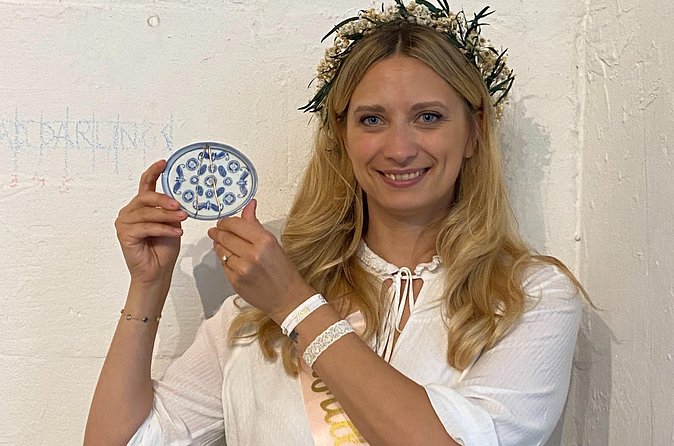
The meet-up is at Paleisstraat 107, 1012 ZL Amsterdam. The activity ends back at the same point, so you do not have to plan a complicated route out after you finish.
It’s also near public transportation, which is helpful in Amsterdam. The schedule is straightforward: Wednesday sessions run 2:00 PM to 4:00 PM during the listed date ranges. If you’re building your week, this timing works well as a midweek creative reset after sightseeing in the morning.
One practical tip: since there’s no coffee or tea included, treat the workshop time like you would a class. Hydrate beforehand, plan a light meal earlier, and avoid arriving rushed. The work itself rewards patience, and you’ll feel that more if you’re stressed about timing.
Because the group is capped at 6 travelers, you’re also less likely to be late in a long line. Still, show up a few minutes early so you can settle before the intro begins.
Small Group Workshop Value: Why $90.11 Makes Sense Here
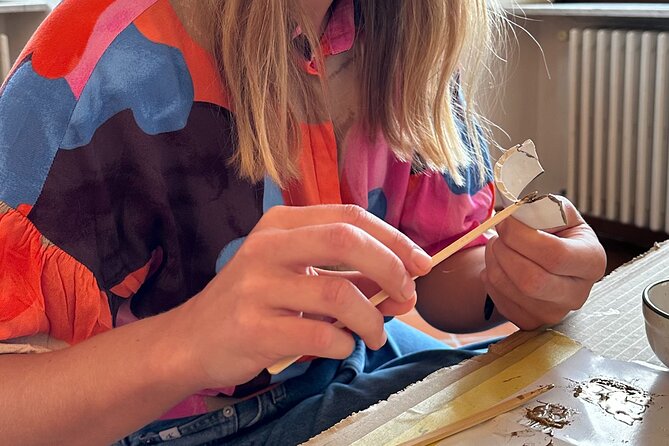
The price is $90.11 per person, for about 2 hours and for hands-on instruction with materials included. On paper, that sounds like a lot for a “craft workshop,” but the value is in the combination: expert guidance, gold-focused technique, and supplies all handled for you.
This is not a mass-production class. A maximum of 6 travelers means you get room to ask questions and get help while you assemble. If you’ve ever tried to learn a detail-heavy craft in a big room, you know why this matters.
Also, Kintsugi is the kind of craft where the supplies are not plug-and-play. The golden leaf glue method is specific, and the workshop makes sure you’re using the right materials without you guessing.
One more reason the value clicks: it’s not only about making something pretty. You’re practicing concentration and fine motor skills in a guided, calm way. If you like workshops that leave you with an actual sense of competence, this format tends to deliver.
Finally, demand seems real. The listing notes it is often booked about 90 days in advance. That’s a hint that the workshop is popular, and getting a time slot may be the main scheduling challenge, not the craft itself.
Who Should Book This Kintsugi Workshop (And Who Should Skip It)
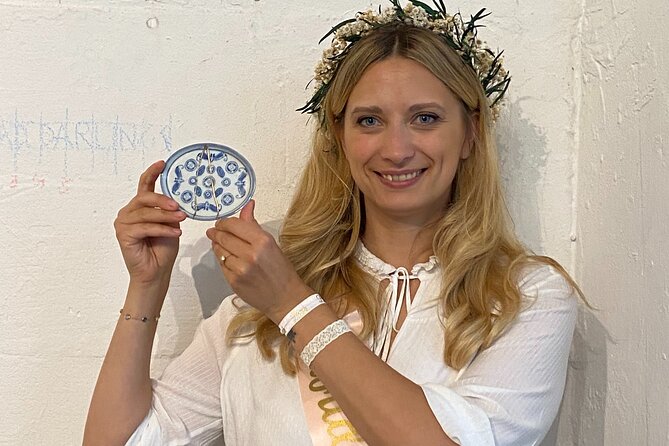
This is a great pick if you want a hands-on activity that feels grounded, not touristy. You’ll probably enjoy it most if you like craft work, design details, and mindful activities that slow your brain down for a bit.
You should also consider it if you’re the type who likes learning a craft with a story behind it. The workshop connects the technique to wabi-sabi, turning the lesson into something you can remember the next time you see damage in the world, or in your own life.
It might not be right for you if you want something fast-paced. The whole point is patience, especially when you reassemble and work with golden glue. And it is specifically noted as not suitable for children under 10.
Accessibility wise, the workshop asks for moderate physical fitness. If you have trouble with sitting for about 2 hours or with careful hand tasks, you may want to reassess before booking.
How to Prepare for a Calm, Mess-Minimal Session
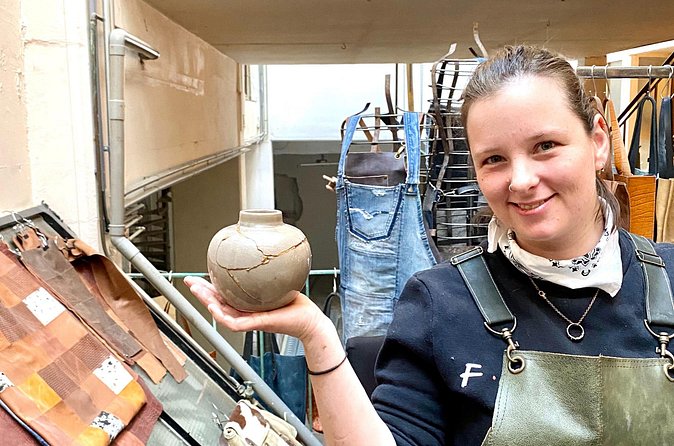
You can make the experience smoother with a bit of prep. Since all materials are provided and no drinks are included, focus on comfort and timing.
Wear comfortable clothes you don’t mind getting a little craft-dust or glue residue on. Bring a layer if the space tends to be cool, because quiet concentration can make you feel colder than you expect.
Also plan your energy. If you schedule a big day of walking right before, you might feel rushed once fine motor work starts. If you can, keep your morning lighter and use the workshop as a calm anchor.
If you want a personal connection, consider asking about whether your own repaired item is welcome. That suggestion came up in a review, and it’s a reasonable question to ask if you’re trying to turn the workshop into something you can use at home.
Should You Book Kintsugi Workshop The Art of Imperfection?
Book it if you want a small-group, hands-on craft in central Amsterdam that uses gold to celebrate cracks, not hide them. The workshop’s reputation is strong, with a 4.8 rating and 94% recommending it, which lines up with what makes this kind of experience work: friendly guidance, a guided process, and a satisfying “made it with my hands” feeling.
Skip it if you want a quick photo stop or if you’re traveling with kids under 10. Also skip it if you don’t want to do careful handwork, because that patience is part of the point.
If you’re on the fence, here’s the decision rule I’d use: if you enjoy workshops where you learn a technique and leave calmer than you arrived, this one is a solid yes. If you want sightseeing only, you might prefer a more typical walking tour that fits in between stops.
FAQ
How long is the Kintsugi workshop?
It lasts about 2 hours.
What time does the workshop run in Amsterdam?
It runs on Wednesdays from 2:00 PM to 4:00 PM during the listed date ranges.
Is the workshop offered in English?
Yes, it is offered in English.
What’s included in the price?
All materials needed for the workshop are provided.
Is there an age limit for this experience?
Yes. It is not suitable for children under the age of 10.
What is the cancellation policy?
Free cancellation is available. You can cancel up to 24 hours in advance for a full refund. If you cancel less than 24 hours before the start time, the amount paid is not refunded.
Come Home From Amsterdam With Something You Made



Also Reviewed Around Amsterdam





Fresh off the review pile in Amsterdam
- Full-Day Trip From Amsterdam to Keukenhof, Zaanse Schans + Cruise
★ 5.0 · 3 reviews - Boutique Dutch Food & History Tour with up to 8 guests only
★ 5.0 · 3 reviews - Private Tour to Windmills Zaanse Schans +Keukenhof – 7 Hours
★ 5.0 · 3 reviews - Full-Day Private Guided Countryside Tour from Amsterdam by Bike
★ 5.0 · 3 reviews - Amsterdam Red Light District and Old Town Walking Tour
★ 5.0 · 3 reviews
Workshops, compared.
 ★ 4.8Amsterdam: Traditional Dutch Syrup Waffle Making WorkshopFrom $234,093 reviews
★ 5.0Amsterdam Traditional Dutch Syrup Waffle Making WorkshopFrom $27960 reviews
 ★ 4.8Amsterdam: Bols Cocktail Experience and Cocktail WorkshopFrom $41666 reviews
 ★ 4.5Amsterdam: 3-Course Meal in Historic 1st Class Waiting RoomsFrom $61292 reviews
 ★ 4.7The Hague: Beginner’s Surf LessonFrom $4578 reviews
 ★ 5.0Amsterdam Light Festival Winter Walk with Stroopwafel Workshop66 reviews
 ★ 5.0Distilling Class @ Spirited Union Rum Co. (Amsterdam)From $9665 reviews
 ★ 5.0Cocktail workshop @ Spirited Union Rum Co. (Amsterdam)From $5458 reviews
Browse the lists this tour appears in